

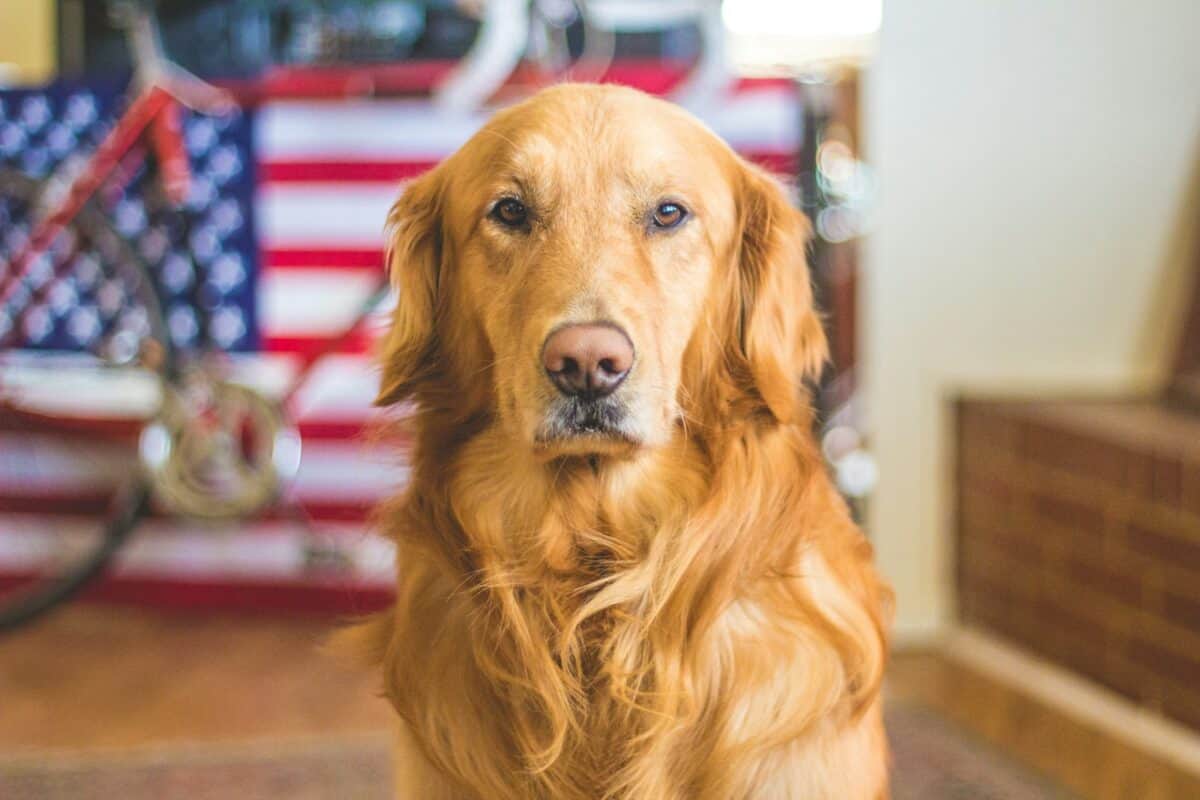
Dogs are known for their fierce loyalty, making them one of the most beloved pets across the world. One of the many reasons they have become integral parts of countless families is their instinct to protect those they love. Whether you’re walking in the park or relaxing at home, a protective dog can provide an added layer of security and comfort. But how can you be sure that your canine companion has a protective instinct? Let’s explore some of the tell-tale signs that your dog is ready to defend its family when needed.
Unwavering Alertness

One of the primary signs of a protective instinct in dogs is an unwavering alertness. Protective dogs are constantly on the lookout, scanning their surroundings for any potential threats. You might notice your dog standing or sitting by a window, watching passersby, or simply keeping an ear out for unfamiliar noises. This vigilant behavior indicates their desire to ensure the safety of their family at all times.
Appropriate Barking

Barking is a natural form of communication in dogs, but a protective dog will use its barks wisely. Instead of barking at every little sound, a dog with a protective instinct will bark with purpose, usually to alert you to something unusual or potentially threatening. This behavior showcases their inherent desire to keep their family safe by warning them of any perceived dangers.
Physical Barrier
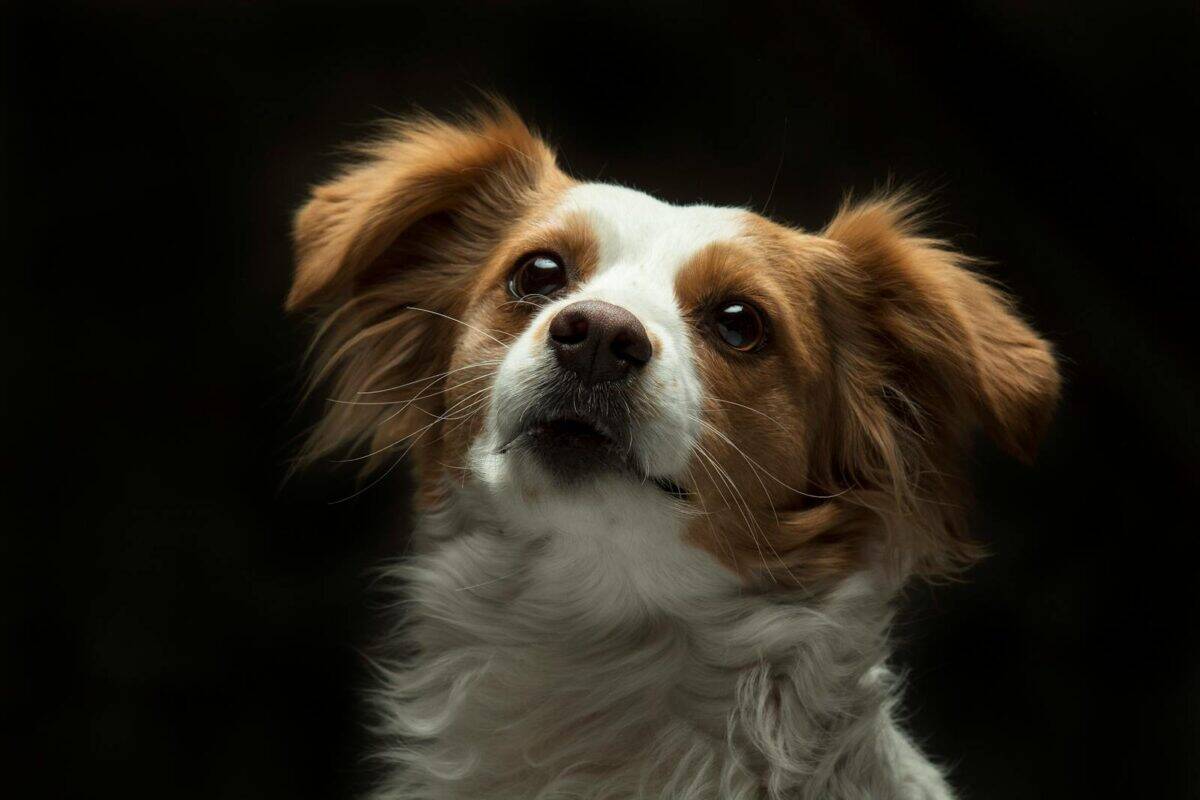
A protective dog often assumes the role of a physical barrier between their humans and perceived threats. You might notice them positioning themselves between you and strangers or standing close to you in crowded areas. This behavior demonstrates their readiness to intervene should they deem it necessary, acting as a buffer to keep you safe.
Heightened Responsiveness
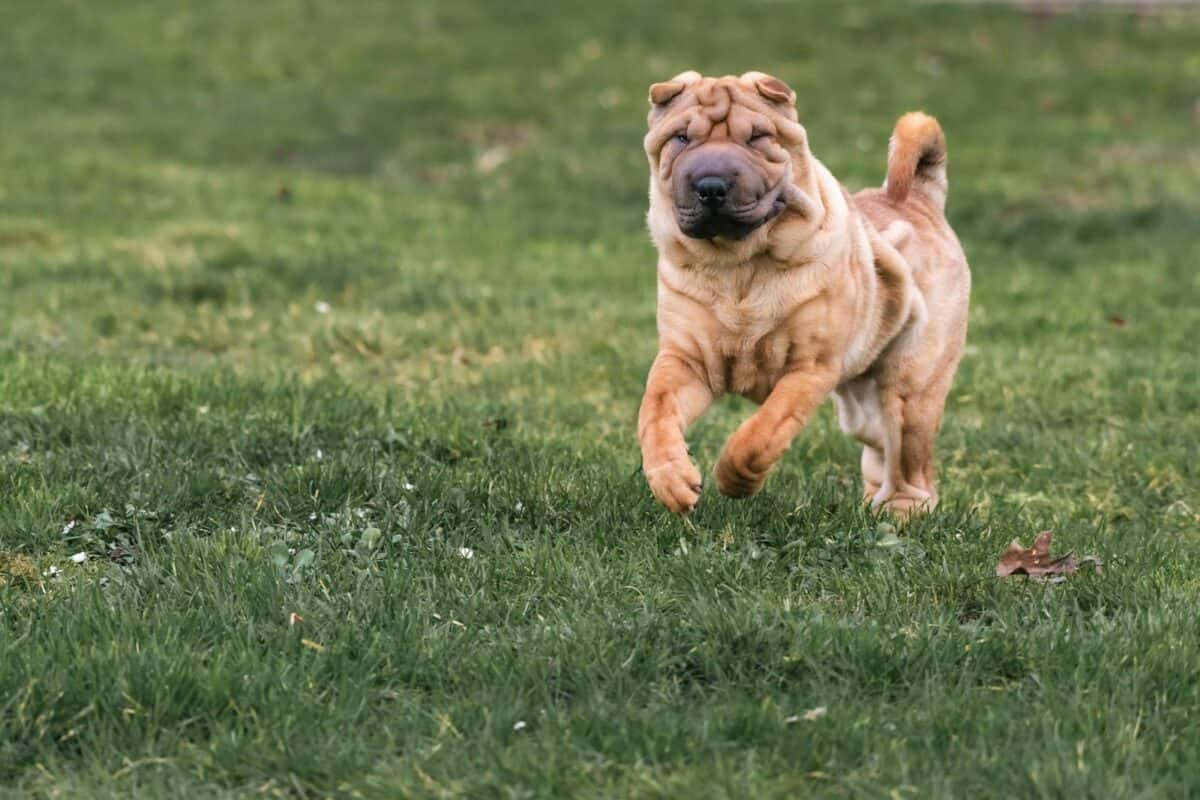
Dogs with a strong protective instinct tend to be more responsive to unexpected situations. They quickly react to sudden sounds or movements, often with a sense of urgency. This heightened responsiveness ensures that they are always ready to act if a genuine threat arises, making them effective protectors.
Body Language Signals

A protective dog often exhibits certain body language signals that reveal their instincts. Common signs include standing tall with their tail held high, ears perked up, and focused eyes. Some dogs might also display a low growl when they sense a potential threat. These body language signals collectively convey their readiness to defend their loved ones.
Protective Bond with Family Members
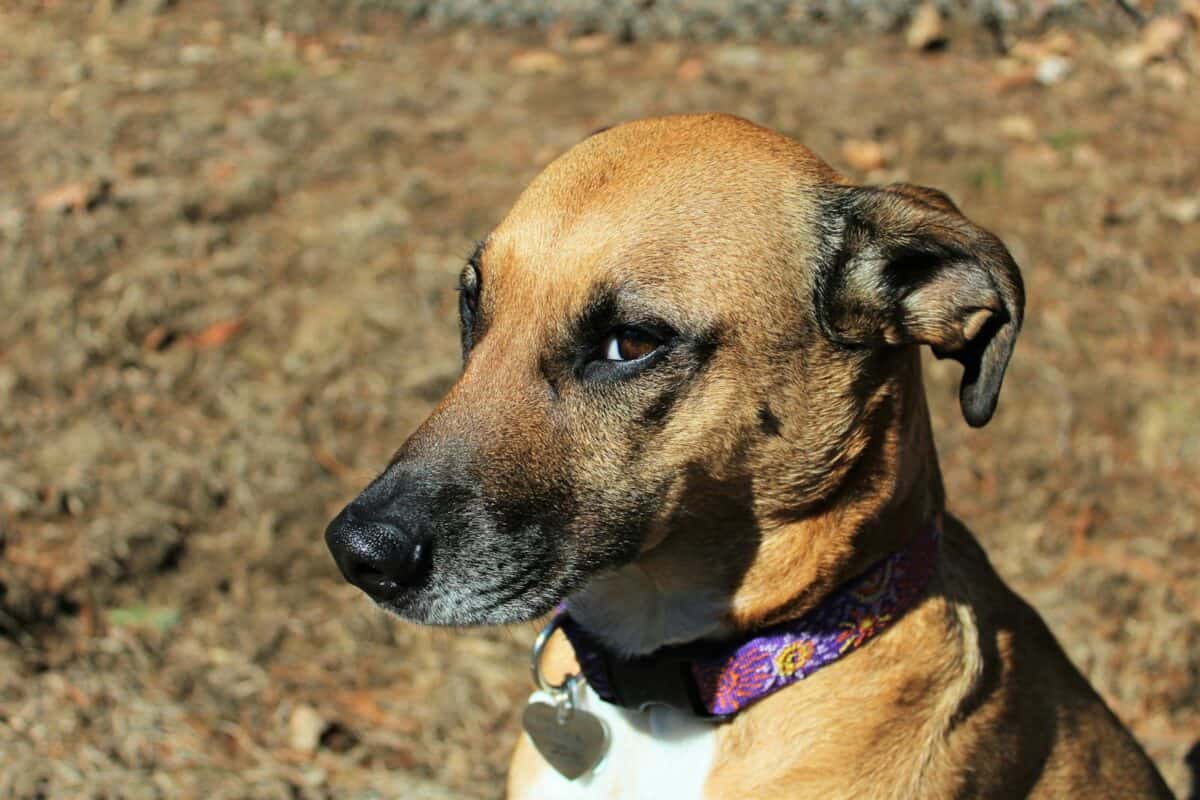
Dogs with protective instincts often form particularly strong bonds with the younger or more vulnerable members of the family, such as children or elderly individuals. They may follow these family members more closely, showing extra care and concern. This heightened bond illustrates their natural inclination to safeguard those who might need it the most.
Controlled Aggression

While overly aggressive dogs can pose problems, those with protective instincts tend to exhibit controlled aggression — that is, they reserve aggressive behaviors for genuinely threatening circumstances. Rather than showing unwarranted aggression, these dogs assess situations carefully and act assertively only when they perceive a legitimate danger.
Possessiveness Over Territory

A protective dog often demonstrates a sense of possessiveness over their home territory. They might growl or bark when strangers approach the house or when other animals encroach on their perceived boundaries. This behavior is an indicator of their instinct to defend their territory and, by extension, their family.
Increased Loyalty

Protective dogs often display an increased loyalty that goes beyond the average canine companion. They exhibit behaviors such as following their owners closely, maintaining emotional connections, and consistently displaying affection. This deep-rooted loyalty is a key pillar of their protective nature.
Training Responsiveness

Dogs with protective instincts are commonly more responsive to training, especially when it comes to commands related to protection and defense. They tend to react well to orders such as “stay,” “guard,” or “watch,” and they can be trained to act only when explicitly required, reflecting their disciplined approach to protection.
Controlled Socialization
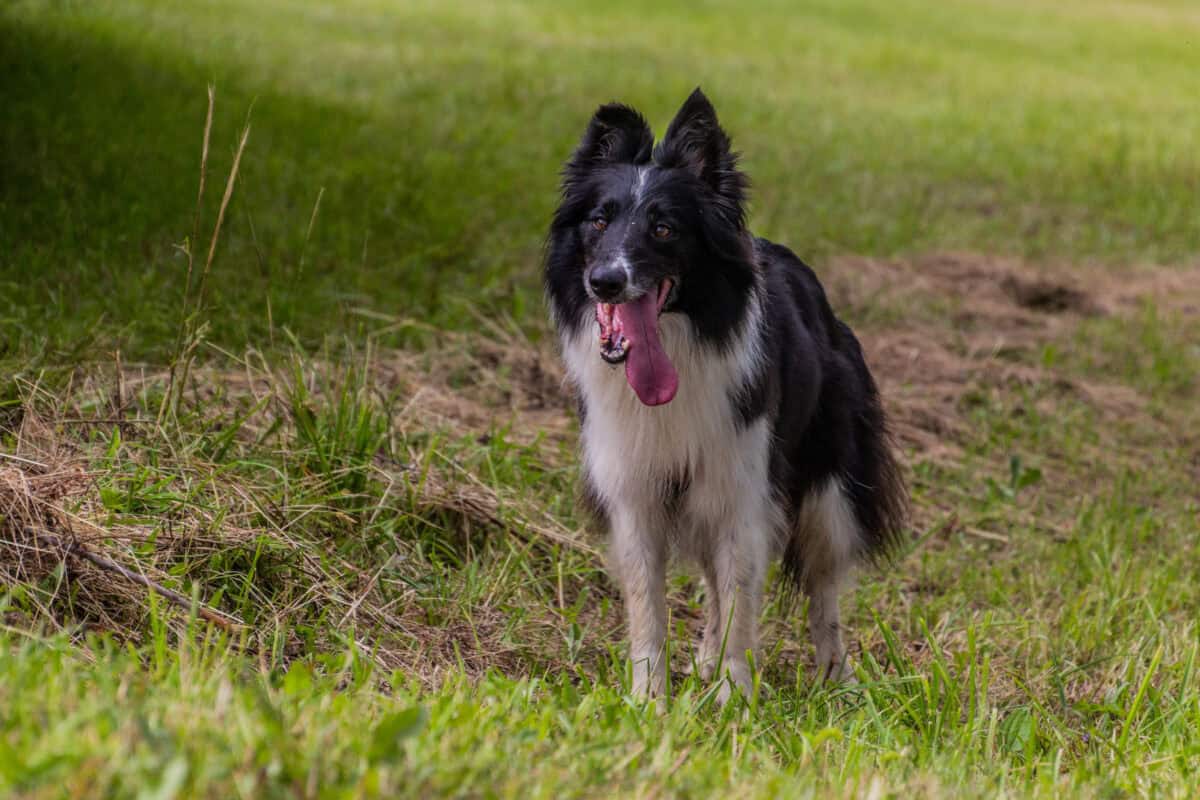
While protective dogs can be wary of strangers, they also understand the importance of social cues. They are often capable of being socialized appropriately, discerning between friend and foe with practice and experience. Controlled socialization skills enable them to adjust their behaviors based on the context, contributing to effective protection.
Conclusion: Embracing Your Dog’s Protective Nature
A protective dog is a valuable companion, offering comfort, security, and peace of mind to their humans. By recognizing these signs, you can appreciate and nurture your dog’s protective instincts, ensuring they continue to feel secure and appreciated within their family. Remember that training and socialization play essential roles in channeling your dog’s natural protective behaviors positively, ultimately strengthening the incredible bond between you and your loyal canine friend.

As a little kid, I fell in love with nature, wildlife, and animals. Living in the USA, South Africa, Italy, China and Germany gave me the opportunity to discover the world's Wildlife. My favorite animals are Mountain Gorillas, Siberian Tigers, and Great White Sharks.
I'm a certified PADI Open Water Diver, went to Everest Base Camp and Trekked Gorillas in Uganda. I hold a Master of Science in Economics and Finance.
Please send any feedback to feedback@animalsaroundtheglobe.com
- 25 Dangerous U.S. Lakes & Rivers Where Swimming Could Be Risky – Don’t Ignore #1 - July 21, 2026
- 13 Creatures That Survive Extreme Cold - July 21, 2026
- 10 Dogs That Love to Run And 3 That Prefer the Couch - July 21, 2026