


The phenomenon of crabs washing ashore en masse is both intriguing and alarming. Florida’s coastline, typically known for its beautiful beaches and wildlife, has been the site of a remarkable occurrence. Thousands of crabs have washed ashore, leaving residents and scientists puzzled. Here, we delve into the potential causes of this mysterious event and explore its implications.
Introduction to the Crab Wash-Up Phenomenon

Florida’s extensive coastline is home to a diversity of marine life, including various species of crabs. However, the sudden appearance of thousands of these creatures on the beaches is not only unusual but has become a cause for concern. Understanding the reasons behind these mass wash-ups is critical for both environmental conservation and the health of marine ecosystems.
Species Most Often Affected
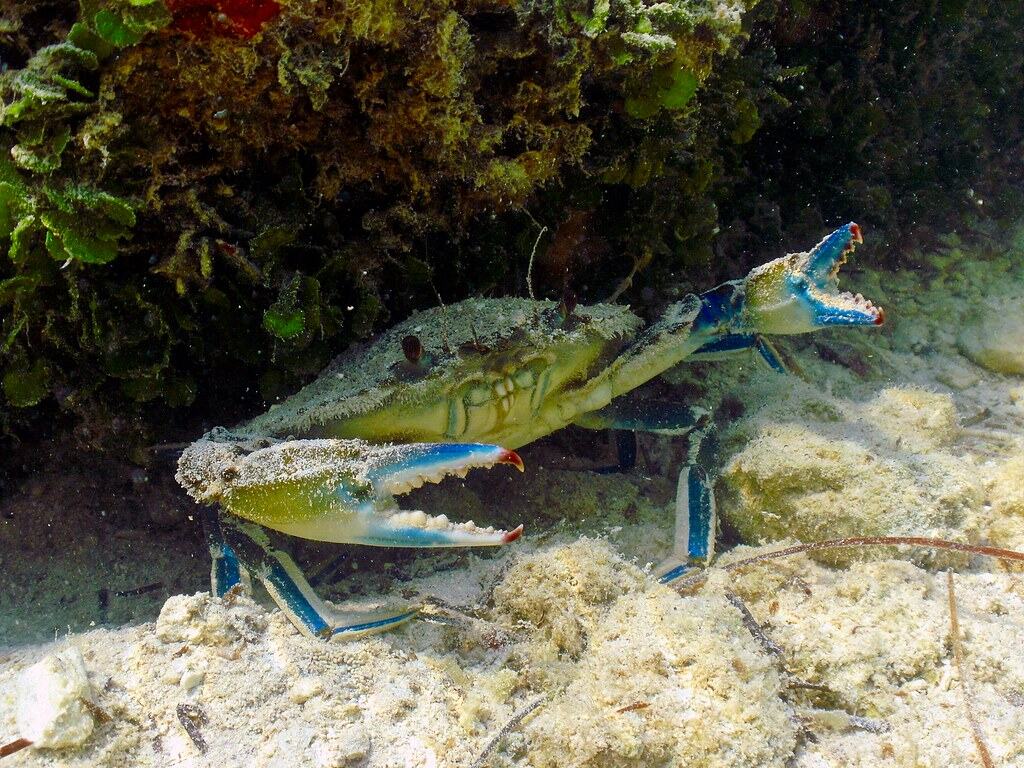
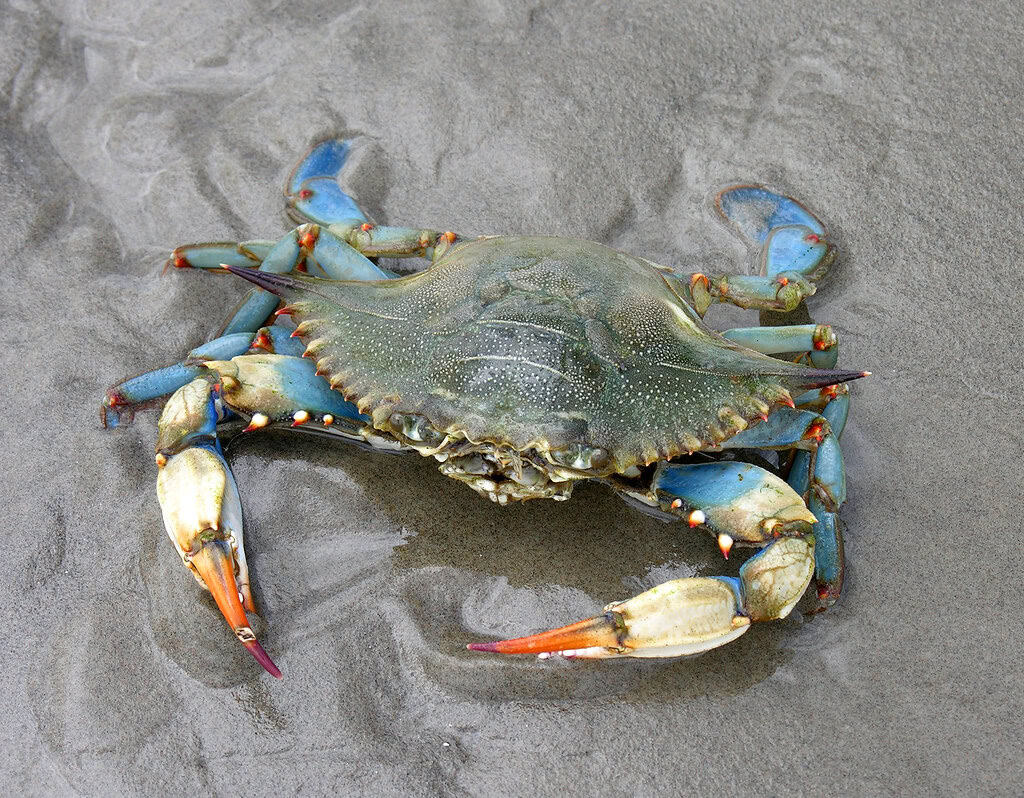
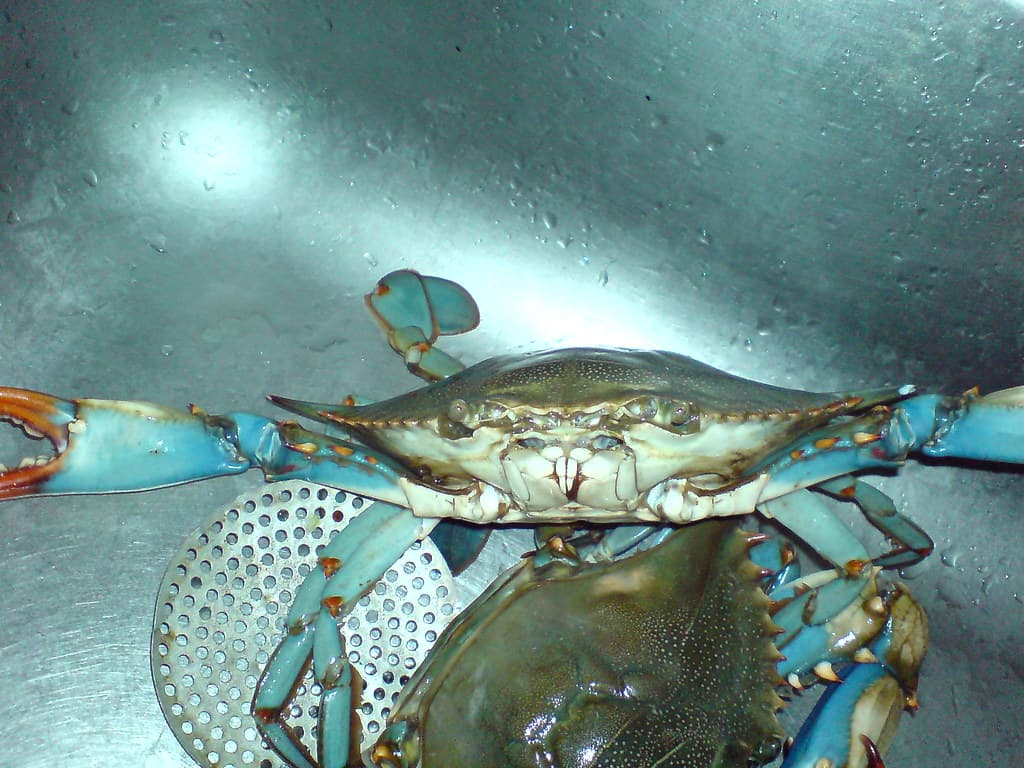
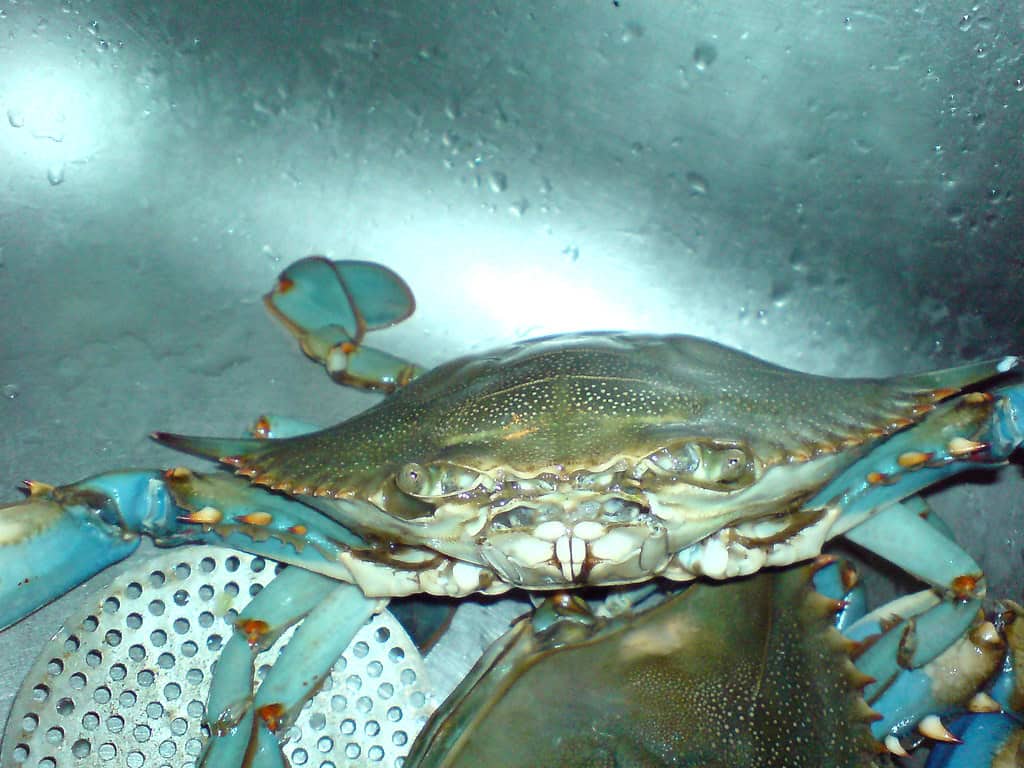
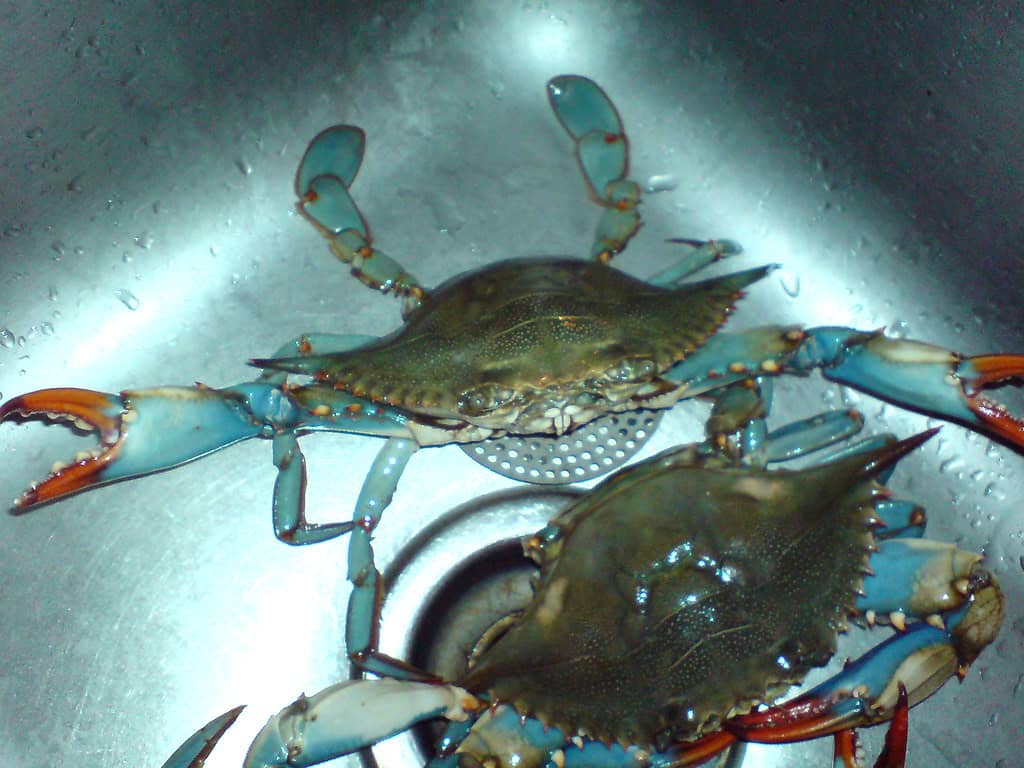
The species most frequently involved in these mass wash-ups are the blue crabs, whose migratory patterns could be a significant factor. Blue crabs are integral to the marine food web and hold economic importance for the fishing industry. Therefore, fluctuations in their populations can have widespread ramifications.
Possible Environmental Causes
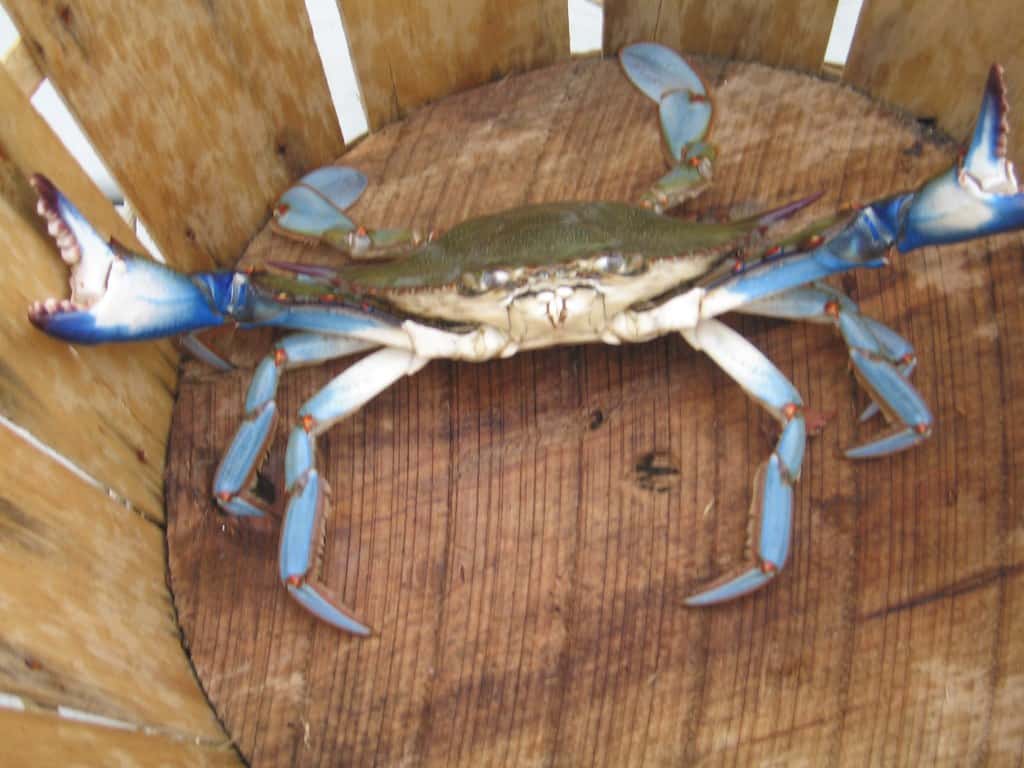
Environmental changes often have notable impacts on marine wildlife. In the case of the crab wash-ups, factors such as changes in water temperature, salinity, and tides could play a role. Abnormal weather patterns, potentially driven by climate change, might be altering the natural habitat conditions crabs rely on.
Human Activities and Their Impacts
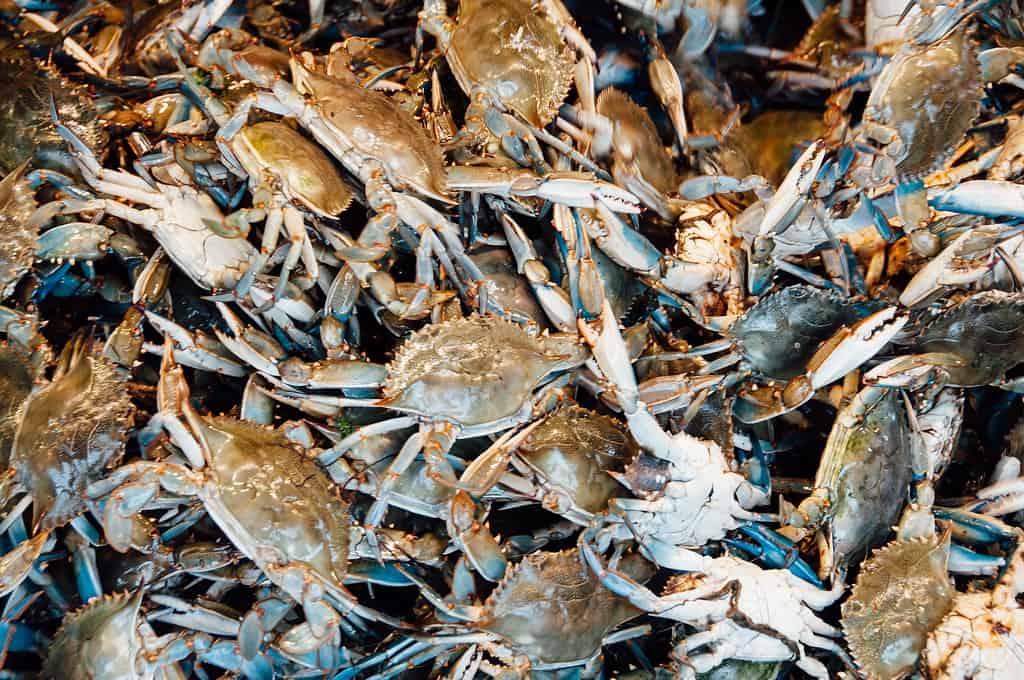
Industrial pollution and increased coastal development can drastically affect marine ecosystems. Runoff carrying pollutants or drastic changes in coastal environments may disrupt crab populations, leading to increased mortality rates and mass strandings.
Effects of Red Tide Events
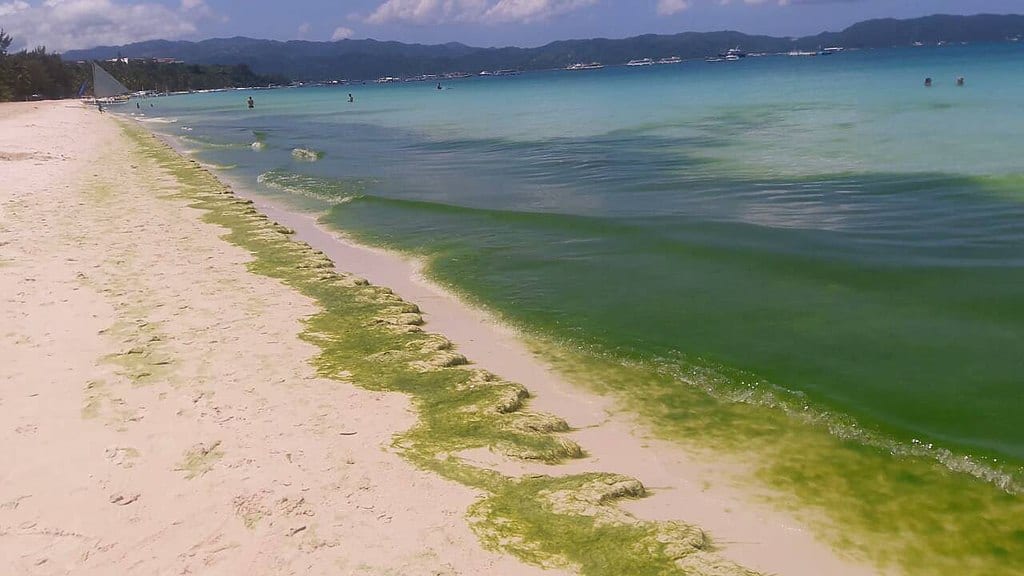
Red tide events, caused by harmful algal blooms, release toxins into the water that can be lethal to marine life. These events have become more frequent in Florida waters, and the toxins may impact crab health, disorienting them and leading to their appearance onshore.
Crab Behavior and Migration Patterns
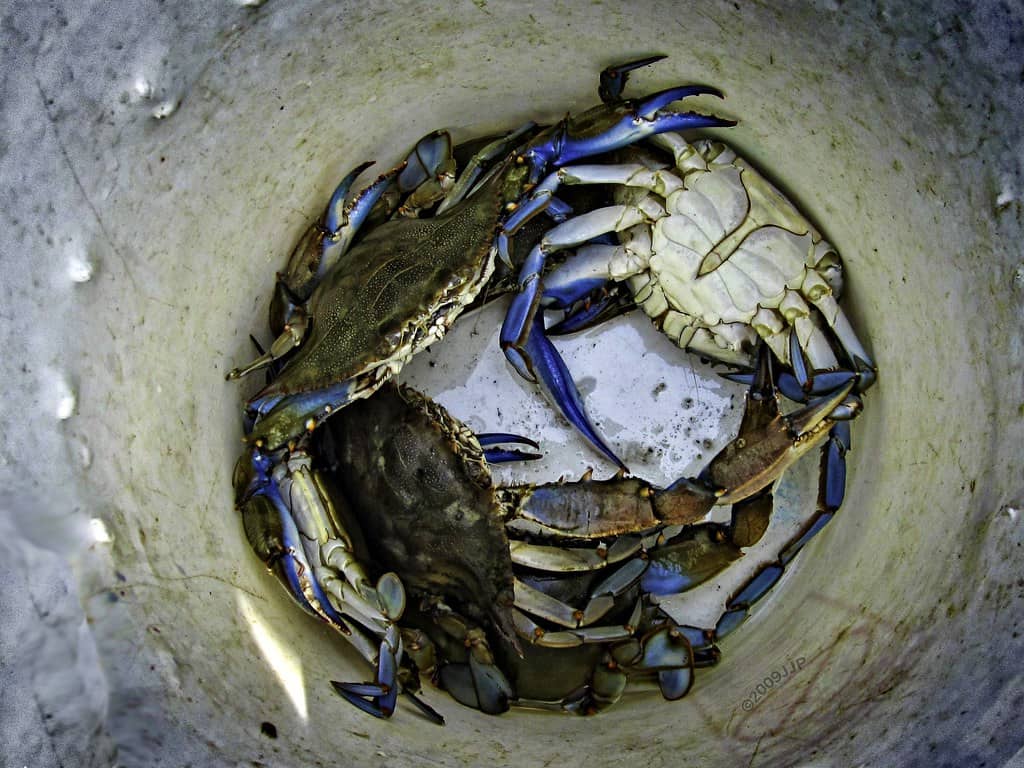
Understanding the natural life cycle of crabs is crucial. Many species of crabs, including blue crabs, undergo migrations as part of their reproductive process. Unusual water currents or changes in the seabed environment could disrupt these patterns, inadvertently causing crabs to wash ashore.
The Role of Predators and Natural Disasters
Predators often follow and subsequently impact crab populations. Natural events like hurricanes can alter predator-prey dynamics. While predators themselves might not drive crabs ashore, the indirect effects of such interactions during turbulent conditions can have drastic consequences.
Impact on Local Ecosystems and Human Interests
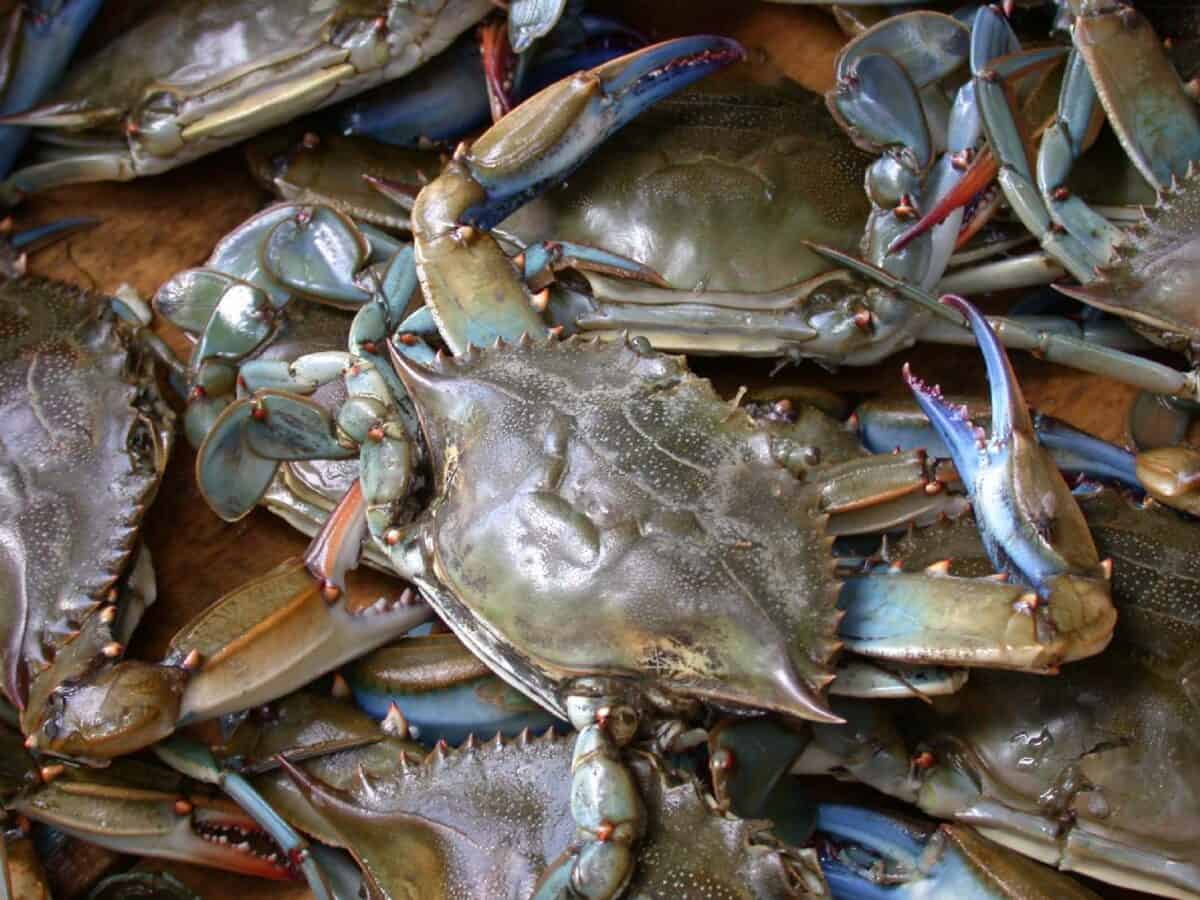
The mass stranding of crabs affects local ecosystems by changing the available resources and altering food webs. Moreover, communities reliant on crabbing for income see significant economic impact, prompting concerns among local fishermen and businesses.
Research Initiatives and Scientific Efforts
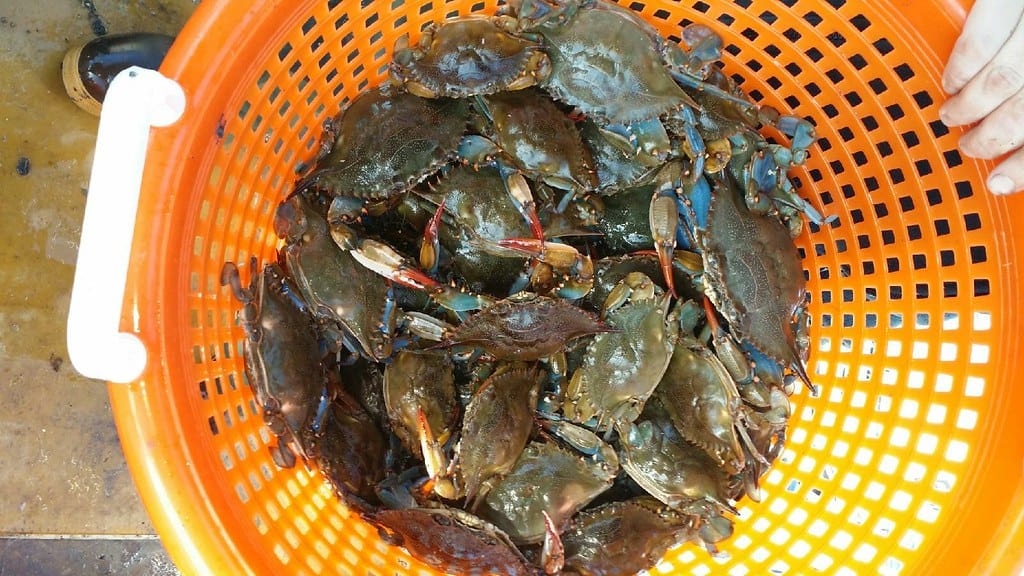
Scientists and environmentalists have initiated studies to track the causes of these mass strandings more closely. By employing techniques such as satellite tagging and water quality monitoring, they hope to gather data that could lead to preventative measures.
Community Involvement and Awareness
Engaging the local community is paramount in addressing this issue. Educational campaigns aimed at raising awareness about the importance of maintaining clean and sustainable coastal areas can play a vital role in mitigating such events in the future.
Solutions for Future Prevention
Potential solutions could include stricter regulations on coastal pollution, improvements in waste management, and increased monitoring of climate change impacts. Collaborative efforts between government agencies, scientists, and local communities are necessary to develop effective strategies.
Conclusion and the Road Ahead
The mass wash-up of crabs in Florida serves as a stark reminder of the fragile balance within marine ecosystems. Understanding and addressing the diverse factors contributing to this phenomenon is essential for preserving both marine life and local livelihoods. Through continued research and active involvement, we can work towards more sustainable interactions with our coastal environments.

From exploring the marine wonders in the Azores and witnessing the vast savannas of Kenya, to delving deep into the rich biodiversity of South Africa and traversing iconic landscapes in Australia and the US like Yellowstone, Chris's experiences are vast.
With a penchant for diving alongside sharks, the ocean holds a special place in his heart.
Through his academic insights, he champions wildlife conservation, striving with 'Animals Around The Globe' to cultivate a profound connection between humans and animals, enhancing our mutual appreciation.
Connect with him at Feedback@animalsaroundtheglobe.com.
- What Happens If Fireflies Stop Glowing? - July 21, 2026
- Coyotes Are Thriving in Every U.S. State — Even New York City - July 21, 2026
- The Best Cat Breeds for Highly Empathetic Owners - July 21, 2026