

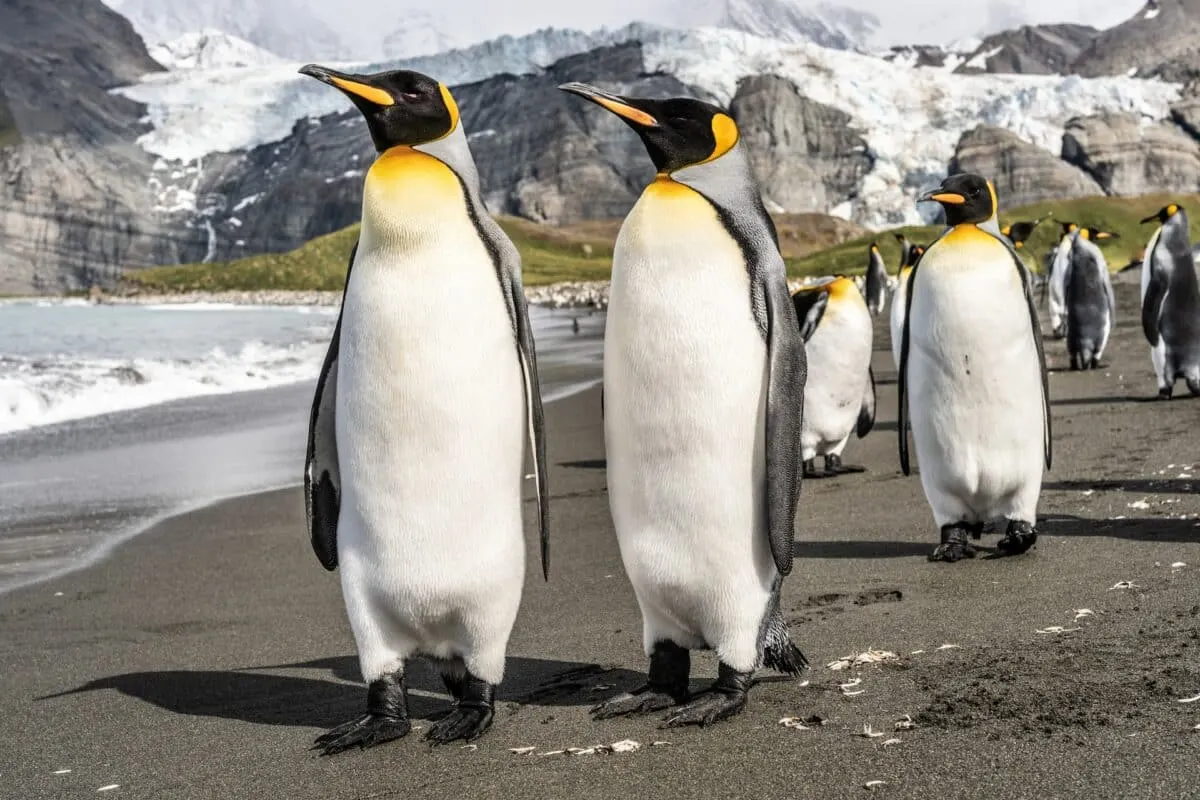
In the vast and frigid expanses of our planet, where temperatures plummet and ice dominates the landscape, a remarkable array of creatures has adapted to thrive. These animals have evolved unique strategies to endure the harsh conditions that would challenge most life forms. From the polar regions to icy waters, these creatures demonstrate resilience and ingenuity. Their ability to survive in such extreme environments is nothing short of extraordinary. In this article, we will explore 12 fascinating creatures that have mastered the art of living in ice-cold temperatures, revealing the secrets behind their survival.
Emperor Penguins Masters of Antarctic Survival

Emperor penguins are perhaps the most iconic residents of the Antarctic. These flightless birds have developed remarkable adaptations to withstand the continent’s bone-chilling temperatures. With a layer of dense feathers and a thick layer of blubber, they are well-insulated against the cold. Emperor penguins also huddle together in large groups, taking turns to stand on the periphery, which helps conserve warmth. This communal behavior is essential for their survival during the harsh Antarctic winters. Additionally, they can dive to great depths to find food, demonstrating their resilience in the face of adversity.
Arctic Foxes Masters of Camouflage

The Arctic fox is a master of adaptation, thriving in some of the coldest regions on Earth. With its dense, white fur, it blends seamlessly into the snowy landscape, providing excellent camouflage from predators. This small but hardy creature has a keen sense of smell, enabling it to locate prey hidden beneath the snow. During the winter months, when food is scarce, the Arctic fox can lower its metabolic rate to conserve energy. This remarkable ability allows it to survive in environments where temperatures can drop as low as -58°F (-50°C).
Polar Bears Kings of the Arctic

Polar bears are the largest land carnivores and are perfectly adapted to life in the Arctic. Their thick fur and layer of fat provide insulation against the freezing temperatures. Polar bears are excellent swimmers, capable of covering long distances in search of food. They primarily hunt seals, waiting patiently by ice holes to catch their prey. Despite the challenges posed by climate change and melting ice, polar bears continue to demonstrate incredible resilience. Their ability to navigate the icy terrain and hunt effectively is a testament to their adaptability.
Weddell Seals Deep Divers of the Antarctic

Weddell seals are remarkable divers, capable of descending to depths of over 2,000 feet in search of food. These seals have adapted to the icy waters of Antarctica by developing a thick layer of blubber and a unique ability to slow their heart rate during dives. This adaptation allows them to conserve oxygen and stay submerged for extended periods. Weddell seals are known for their vocalizations, which they use to communicate underwater. Their ability to thrive in such extreme conditions is a testament to their evolutionary success.
Snowy Owls Silent Hunters of the North

Snowy owls are majestic birds that inhabit the Arctic tundra. With their striking white plumage, they are well-camouflaged against the snowy landscape. Snowy owls are skilled hunters, preying on small mammals like lemmings and voles. They have keen eyesight and can detect prey even in low light conditions. During the breeding season, these owls build their nests on the ground, enduring the harsh Arctic winds. Their ability to survive and thrive in such a challenging environment showcases their remarkable adaptability.
Antarctic Krill Tiny Giants of the Southern Ocean

Antarctic krill may be small, but they play a crucial role in the Southern Ocean’s ecosystem. These tiny crustaceans form massive swarms, providing a vital food source for many marine animals, including whales, seals, and penguins. Antarctic krill have adapted to the cold waters by developing antifreeze proteins that prevent ice crystals from forming in their bodies. Their ability to reproduce in large numbers ensures their survival, even in the face of changing environmental conditions. These tiny giants are a cornerstone of the Antarctic food web.
Arctic Terns Long-Distance Travelers

Arctic terns are remarkable birds known for their incredible migratory journeys. They travel from the Arctic to the Antarctic and back each year, covering more distance than any other migratory bird. This epic journey allows them to experience two summers each year, maximizing their feeding and breeding opportunities. Arctic terns have adapted to the cold by developing a streamlined body and efficient flight patterns. Their ability to navigate such vast distances is a testament to their endurance and adaptability.
Narwhals Unicorns of the Sea

Narwhals, often referred to as the “unicorns of the sea,” are unique creatures found in the Arctic waters. These whales are known for their long, spiral tusks, which are actually elongated teeth. Narwhals have adapted to the cold by developing a thick layer of blubber and the ability to navigate through icy waters. They feed on fish and squid, using echolocation to locate their prey. Narwhals are social animals, often traveling in pods, which helps them find food and avoid predators. Their mysterious tusks and ability to thrive in the Arctic make them a fascinating subject of study.
Icefish Transparent Wonders of the Antarctic

Icefish are unique creatures found in the icy waters of the Southern Ocean. Unlike most fish, icefish have transparent blood, which lacks hemoglobin. This adaptation allows them to survive in oxygen-poor environments. Icefish have also developed antifreeze proteins that prevent their blood from freezing in the cold waters. These adaptations enable them to thrive in conditions that would be inhospitable to most other fish species. Icefish are a prime example of how life can adapt to even the most extreme environments.
Reindeer Navigators of the Frozen Tundra

Reindeer, also known as caribou in North America, are well-adapted to the cold climates of the Arctic tundra. With their thick fur and specialized hooves, they can traverse snowy landscapes with ease. Reindeer are migratory animals, traveling great distances in search of food. During the winter months, they rely on lichen as a primary food source. Their ability to navigate the frozen tundra and endure the harsh conditions is a testament to their resilience.
Beluga Whales White Ghosts of the Arctic

Beluga whales, often called the “white ghosts of the Arctic,” are known for their distinctive white appearance. These whales have adapted to the cold waters by developing a thick layer of blubber and the ability to produce a wide range of vocalizations. Belugas are social animals, often found in pods, which helps them communicate and find food. They feed on fish, crustaceans, and other marine organisms. Their friendly nature and adaptability to the icy waters make them a beloved species among marine enthusiasts.
Yeti Crabs Heat Seekers of the Deep Sea

Yeti crabs are fascinating creatures found in the deep-sea hydrothermal vents of the Southern Ocean. These crabs have adapted to the cold and dark environment by developing hairy appendages that they use to cultivate bacteria, which serves as their primary food source. Yeti crabs thrive in the extreme conditions of the deep sea, where temperatures fluctuate dramatically. Their ability to survive in such a hostile environment showcases the incredible adaptability of life on Earth.
Conclusion

In the face of nature’s harshest challenges, these 12 creatures have demonstrated remarkable resilience and adaptability. Their ability to survive and thrive in ice-cold temperatures is a testament to the wonders of evolution. These animals not only inspire awe but also serve as a reminder of the incredible diversity of life on our planet.

As a little kid, I fell in love with nature, wildlife, and animals. Living in the USA, South Africa, Italy, China and Germany gave me the opportunity to discover the world's Wildlife. My favorite animals are Mountain Gorillas, Siberian Tigers, and Great White Sharks.
I'm a certified PADI Open Water Diver, went to Everest Base Camp and Trekked Gorillas in Uganda. I hold a Master of Science in Economics and Finance.
Please send any feedback to feedback@animalsaroundtheglobe.com
- 14 Freshwater Fish You Can Spot in U.S. - July 19, 2026
- 8 Dogs That Are Natural Protectors of American Farms and 3 That Are not - July 19, 2026
- 14 Stunning Animals You Can See in India - July 18, 2026