

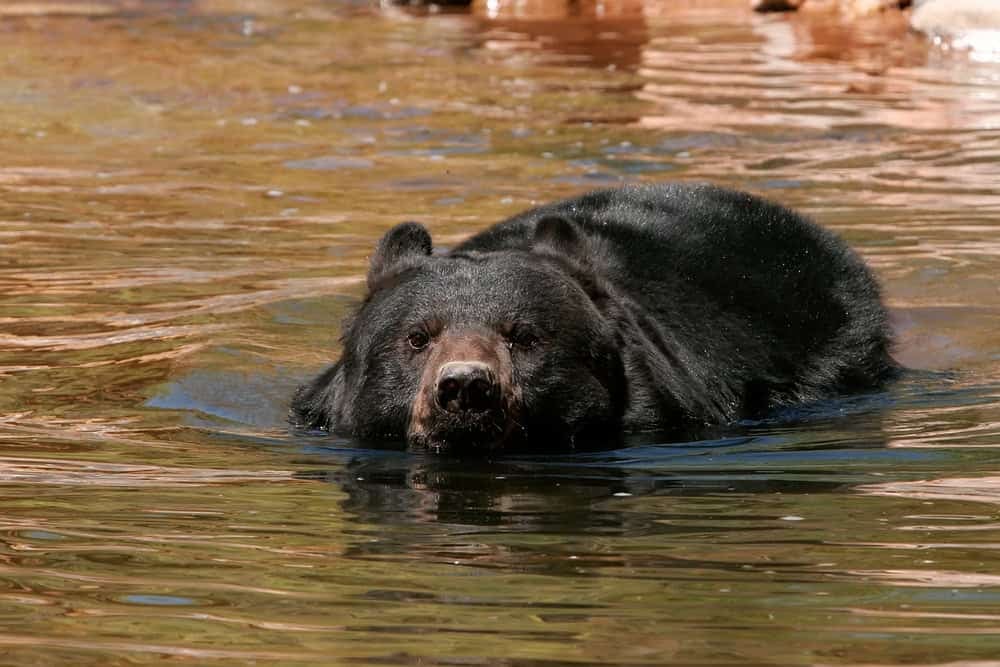
In recent years, American cities have witnessed an unexpected but increasingly common visitor: the bear. These magnificent creatures, traditionally confined to wilderness areas, are venturing into urban environments, raising questions about their adaptability and the challenges that come with this migration. As human development continues to encroach on natural habitats, understanding how bears are adapting to city life is crucial for ensuring both human safety and wildlife conservation.
12. A Shift in Habitat Why Bears Are Moving to Cities

Bears are primarily moving to urban areas due to habitat loss and fragmentation, driven by expanding human development. As forests and wild lands are replaced by cities and suburbs, bears find their natural homes diminishing. This push factor, combined with the attractive pull of accessible food sources in urban areas, explains why bears are increasingly found near human populations.
11. Foraging in the Urban Jungle What Bears Eat in Cities

Bears are opportunistic omnivores, and the abundant food waste in urban areas provides a rich buffet that is hard to ignore. They forage through dumpsters, garbage bins, and sometimes even gardens to find discarded food, pet food, and bird seed. This easy access to high-calorie foods significantly contributes to their presence in residential areas.
10. Behavioral Changes Bears’ Nightlife Adventures

To reduce the risk of encounters with humans, bears have adapted to become more nocturnal when living near urban environments. By changing their active hours to the night, bears can roam neighborhoods relatively undisturbed, minimizing the chance of conflict with the human population.
9. Navigating Human Obstacles Bears’ Urban Movement Patterns

In adapting to urban life, bears have shown incredible ingenuity in navigating human-made obstacles. They have been observed using crosswalks, underpasses, and even waiting for traffic lights to change, demonstrating their ability to learn and adapt to city infrastructure. This behavioral flexibility is key to their survival in urban settings.
8. The Social Dynamics of Urban Bears Alone and Together

Urban environments have influenced the social structures of bear populations. While they are typically solitary animals, the increased availability of food in cities has led to more frequent interactions between bears. This proximity can lead to both cooperative behaviors and competition, altering their traditional solitary nature.
7. The Role of Technology in Studying Urban Bears
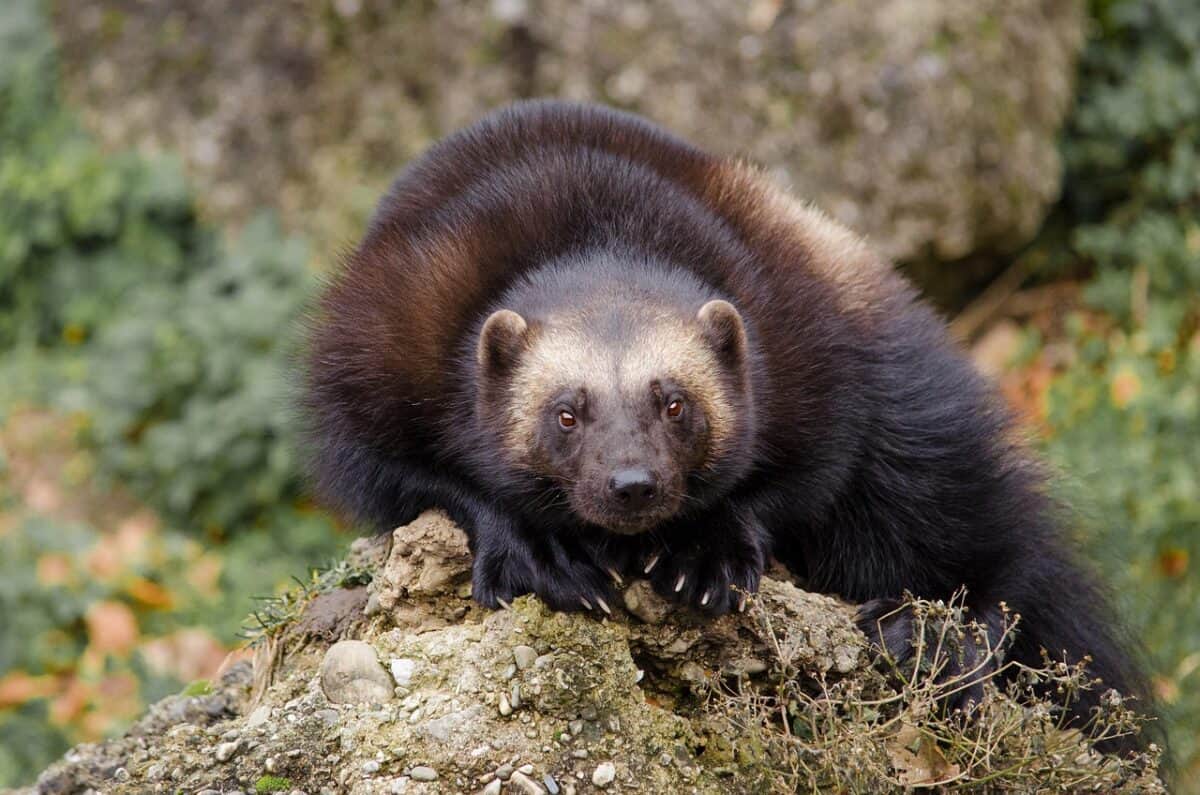
Scientists are using advanced technology like GPS collars and motion-activated cameras to study urban bear behaviors. This technology provides invaluable data on their movement patterns, feeding habits, and interactions with the urban environment, informing conservation strategies and urban planning initiatives.
6. Human-Wildlife Conflict Challenges of Coexistence

As bears become more common in urban areas, the potential for human-wildlife conflict increases. Encounters between bears and people can lead to property damage, safety concerns, and, in some cases, the death of bears deemed a threat. This underscores the need for effective management strategies to ensure safe coexistence.
5. Public Education and Awareness Keys to Preventing Conflict

Educating the public about living in proximity to bears is crucial. Communities are encouraged to secure trash bins, remove bird feeders, and manage compost piles to reduce attractants. Public awareness campaigns help residents understand bear behavior and the importance of precautionary measures.
4. Urban Bear Management Programs Strategies and Solutions

Several states have implemented urban bear management programs to address the issues arising from bears in cities. These programs typically involve a combination of public education, waste management policies, and, in some cases, the relocation of problematic bears to more suitable habitats.
3. The Impact on Bear Health and Ecology

Urban living poses significant health risks to bears, including injuries from automobile collisions and diseases from consuming human food. Additionally, reliance on urban food sources can impact their natural foraging behaviors and ecological roles, with broader implications for local ecosystems.
2. Conservation Challenges Protecting Bears and Their Habitats

The rising trend of bears in urban areas highlights the urgent need for conservation efforts to protect and restore their natural habitats. Maintaining connected wild areas and implementing wildlife corridors are essential strategies for reducing the appeal of urban environments to bear populations.
1. The Future of Bears in Urban America

As human populations continue to grow and urbanize, the presence of bears in cities is a reality that will likely persist. Balancing the needs of bears and humans requires innovative solutions, enhanced public awareness, and continued research. By fostering a culture of coexistence, we can ensure a future where both bears and humans thrive.
Conclusion:

In conclusion, bears adapting to urban life in the U.S. presents both challenges and opportunities for learning about these adaptive animals. Understanding their behavior, promoting safe coexistence, and supporting conservation efforts are key priorities in managing the presence of urban bears. Our ability to adapt alongside them will determine the success of this new chapter in human-wildlife interaction.

As a little kid, I fell in love with nature, wildlife, and animals. Living in the USA, South Africa, Italy, China and Germany gave me the opportunity to discover the world's Wildlife. My favorite animals are Mountain Gorillas, Siberian Tigers, and Great White Sharks.
I'm a certified PADI Open Water Diver, went to Everest Base Camp and Trekked Gorillas in Uganda. I hold a Master of Science in Economics and Finance.
Please send any feedback to feedback@animalsaroundtheglobe.com
- 10 Animals That Embody the Zodiac Sign of Capricorn - July 21, 2026
- 25 Dangerous U.S. Lakes & Rivers Where Swimming Could Be Risky – Don’t Ignore #1 - July 21, 2026
- 13 Creatures That Survive Extreme Cold - July 21, 2026