


The natural forces of erosion have been shaping the planet for eons. However, in recent times, the rate of erosion in certain areas has accelerated dramatically. This is particularly evident in some U.S. counties where human activity, climate change, and natural processes converge to hasten the transformation of landscapes. In this article, we explore ten U.S. counties experiencing the fastest erosion rates, shedding light on the factors driving these changes and their implications for both the environment and the communities living within them.
Understanding Erosion and Its Causes
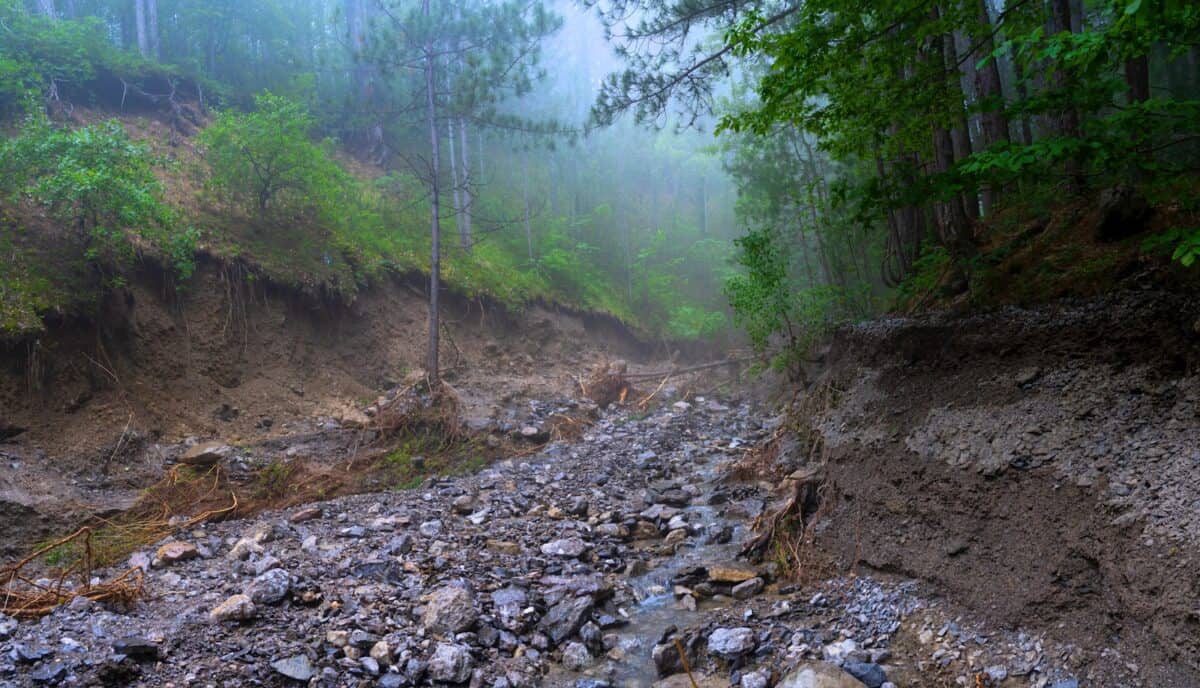
Erosion is a geological process where soil, rock, or dissolved material is gradually worn away and transported by natural forces such as wind, water, or ice. While erosion is a natural process, human activities such as deforestation, agriculture, and urbanization can accelerate these processes significantly. Increasingly, climate change and rising sea levels add to these pressures, particularly in coastal and riverine settings. Understanding the causes of erosion is crucial as it holds direct consequences for ecosystems, infrastructure, and livelihoods.
The Role of Climate Change in Accelerating Erosion

Climate change amplifies the natural process of erosion. Rising temperatures result in increased rainfall intensity and frequency, leading to greater surface runoff and soil erosion. Additionally, ice melt and thermal expansion of water contribute to sea level rise, exacerbating coastal erosion. As such, the counties experiencing the fastest erosion rates are often those located along vulnerable coastlines or major rivers.
County Spotlight: Plaquemines Parish, Louisiana
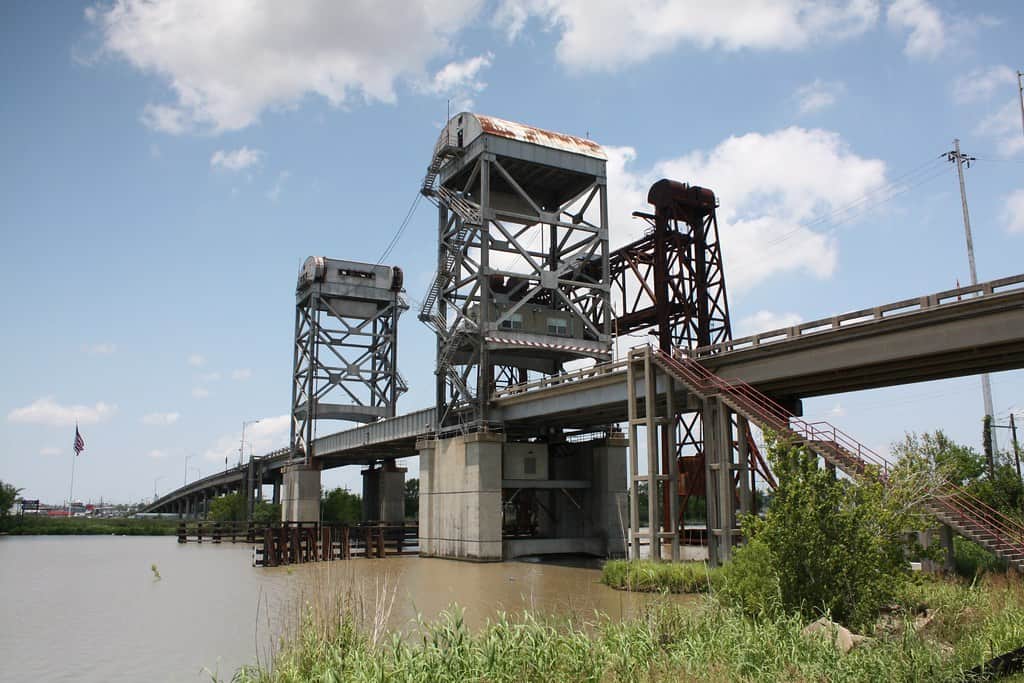
Plaquemines Parish, located at the mouth of the Mississippi River, is witnessing some of the highest erosion rates in the country. This coastal region is combating the dual threats of land subsidence and sea level rise. The loss of protective wetlands and barrier islands leaves communities exposed to frequent flooding and storms. Efforts are underway to restore marshlands and bolster levees, but the battle against erosion remains a significant challenge.
The Impact of Agricultural Practices in Pacific County, Washington

In Pacific County, Washington, agricultural practices play a significant role in soil erosion. The removal of vegetation for farmland disrupts the soil structure, making it susceptible to wind and water erosion. The rich, fertile lands of this county are under threat as the soil layer is gradually stripped away, posing a risk to agricultural productivity and local biodiversity.
Florida’s Miami-Dade County: A Coastal Erosion Concern

Miami-Dade County faces serious threats from coastal erosion, with its bustling urban areas at risk. The county’s expansive beaches and infrastructure are crucial to its economy, especially tourism. However, sea level rise and intense storms are eroding beaches and causing seawater intrusion, which threatens freshwater supplies and natural habitats.
Alaska’s Permafrost Thaw and Its Implications in Bethel Census Area
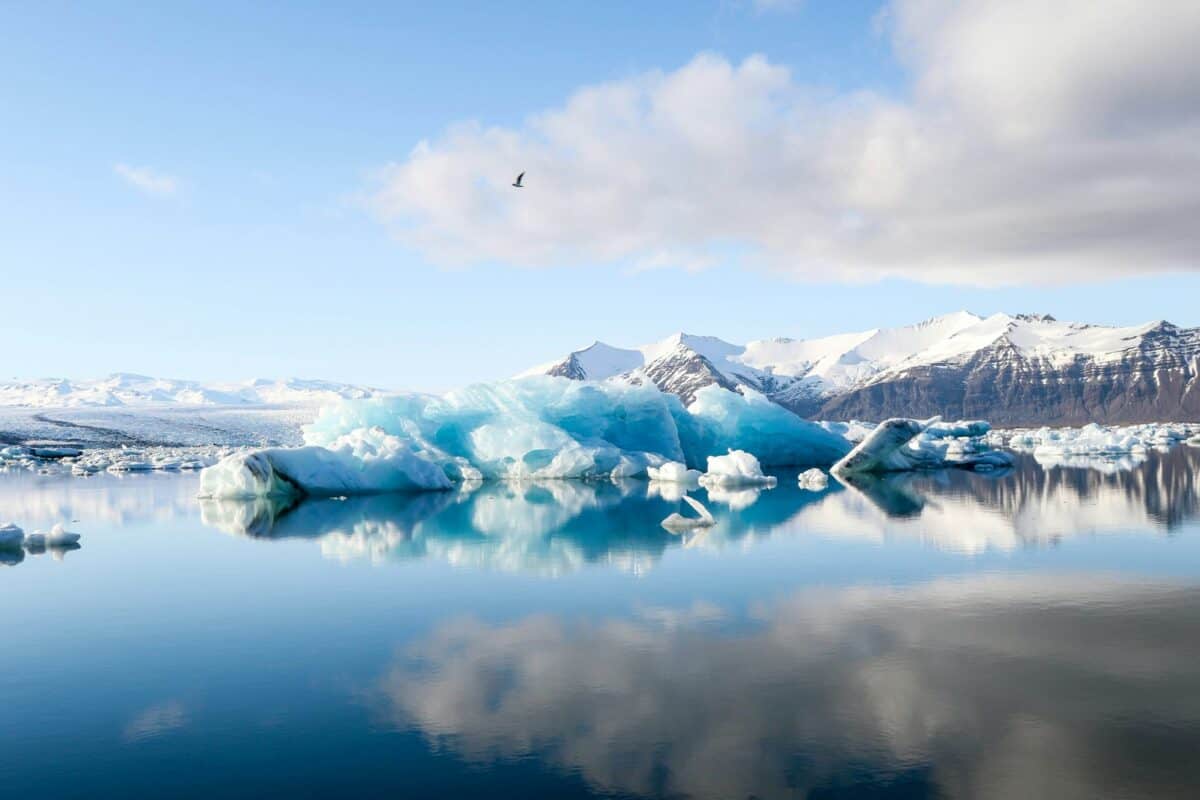
In the Bethel Census Area of Alaska, permafrost thawing is rapidly transforming the landscape. The thawing ground destabilizes the soil, contributing to erosion and altering water flow patterns. This transformation impacts local communities and wildlife, with infrastructure damage and changes to ecosystems becoming increasingly apparent.
Santa Cruz County, California: The Interplay of Wildfire and Erosion

Santa Cruz County’s erosion profile is heavily influenced by wildfire activity. The increased incidence of wildfires leaves soil exposed and less cohesive, especially on slopes. Post-fire rainfall can trigger mudslides and accelerate erosion, posing threats to homes, roads, and natural habitats.
The Vulnerability of Prince George’s County, Maryland
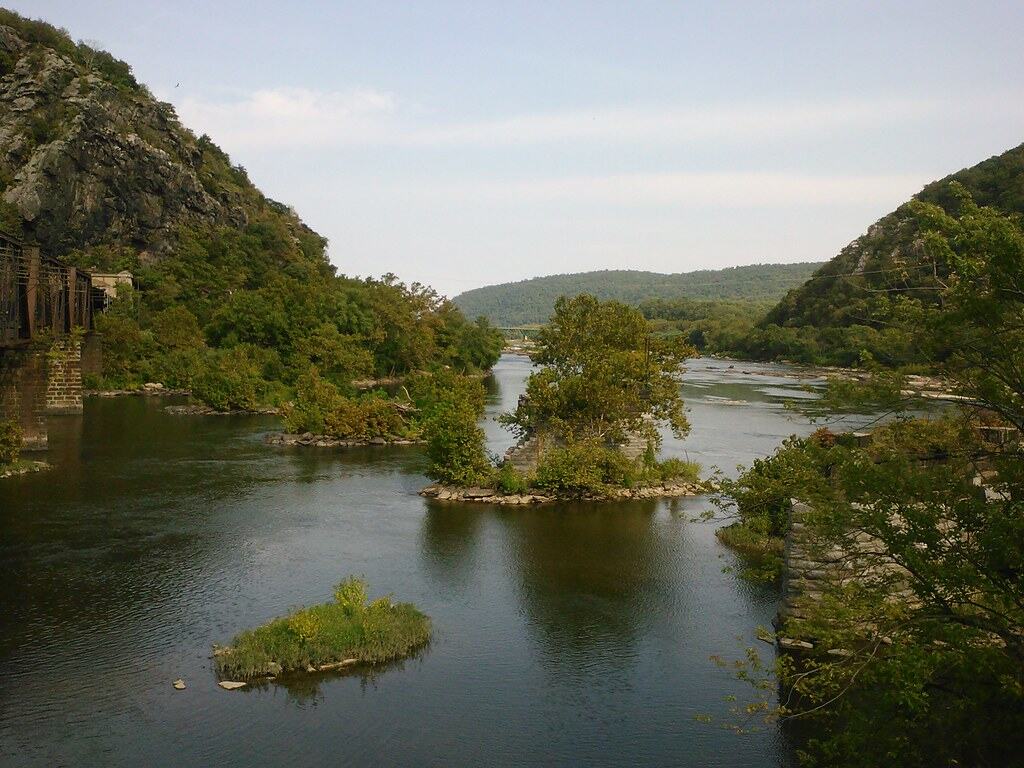
Prince George’s County in Maryland is grappling with riverbank erosion primarily along the Anacostia and Potomac Rivers. Urban development has reduced the natural land cover that typically protects against erosion. The combination of increased runoff from impervious surfaces and river currents is causing significant erosion.
Texas’ Beaufort County: Weathering the Storm

Beaufort County, Texas, is another coastal region feeling the impact of encroaching sea levels and extreme weather conditions. Hurricanes and tropical storms exacerbate shoreline erosion, and saltwater intrusion further degrades the soil, threatening both residential areas and agricultural lands.
Assessing Erosion in Cameron County, Texas

Along the Gulf Coast in Cameron County, Texas, erosion is compounded by hurricane activity and human development. The region’s beaches are shrinking, impacting tourism and local ecosystems. Restoration projects are ongoing, but the erosion challenges persist.
The Effects on Houghton County, Michigan

Houghton County in Michigan’s Upper Peninsula experiences fast erosion due to the Great Lakes’ fluctuating water levels. Shoreline erosion is reshaping the landscape, with implications for property and natural habitats. Local initiatives aim to stabilize the shores, but nature’s forces continue to create challenges.
Conclusion: Addressing Erosion with Sustainable Solutions
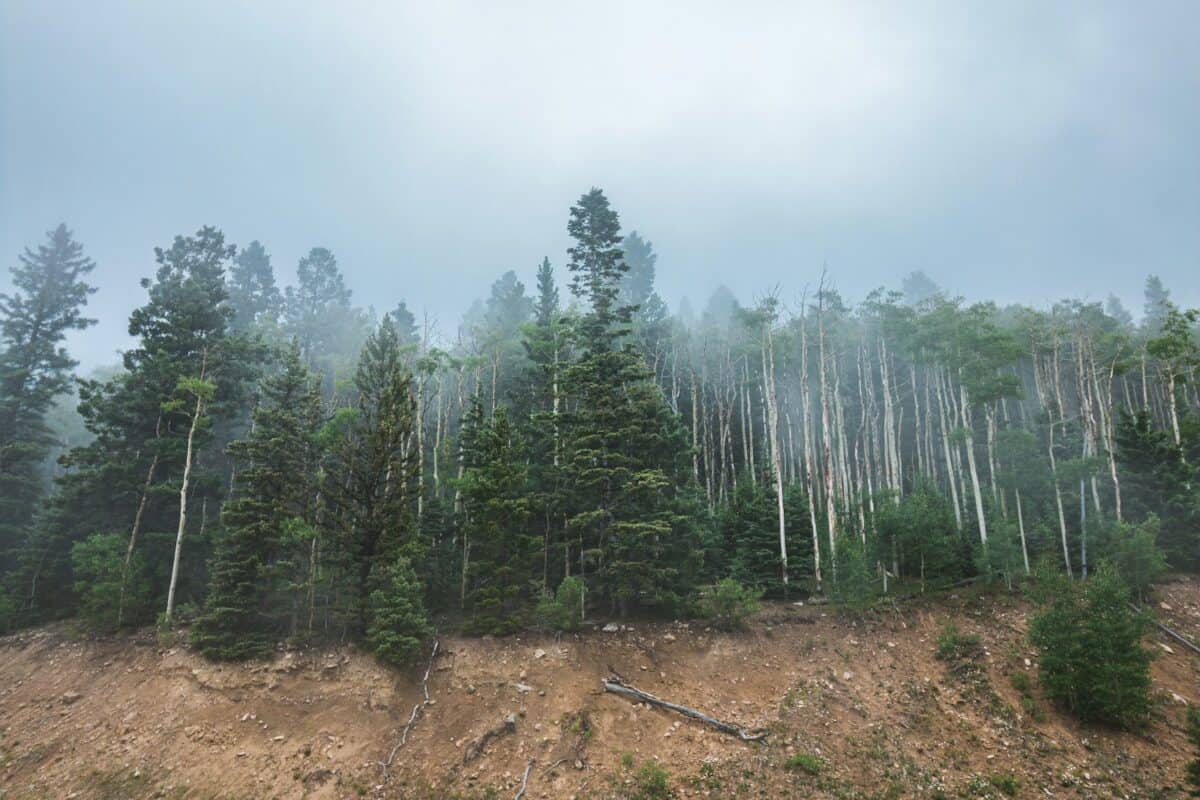
Erosion is a formidable force of nature that reshapes landscapes across the U.S., affecting everything from local economies to natural systems. While it is a natural process, the increasing rates of erosion influenced by human activity and climate change require urgent attention. Communities and policymakers must work together to implement sustainable practices, restore natural barriers, and promote awareness about erosion’s implications. By mitigating these risks through concerted efforts, we can better protect vulnerable landscapes and ensure a balance between development and environmental stewardship.

From exploring the marine wonders in the Azores and witnessing the vast savannas of Kenya, to delving deep into the rich biodiversity of South Africa and traversing iconic landscapes in Australia and the US like Yellowstone, Chris's experiences are vast.
With a penchant for diving alongside sharks, the ocean holds a special place in his heart.
Through his academic insights, he champions wildlife conservation, striving with 'Animals Around The Globe' to cultivate a profound connection between humans and animals, enhancing our mutual appreciation.
Connect with him at Feedback@animalsaroundtheglobe.com.
- The Largest Clam Ever Dredged Up From U.S. Waters - July 22, 2026
- How Animated Films Shape What Kids Believe About Animals - July 22, 2026
- The Most Iconic Animals Saved from Extinction in the U.S. - July 22, 2026