

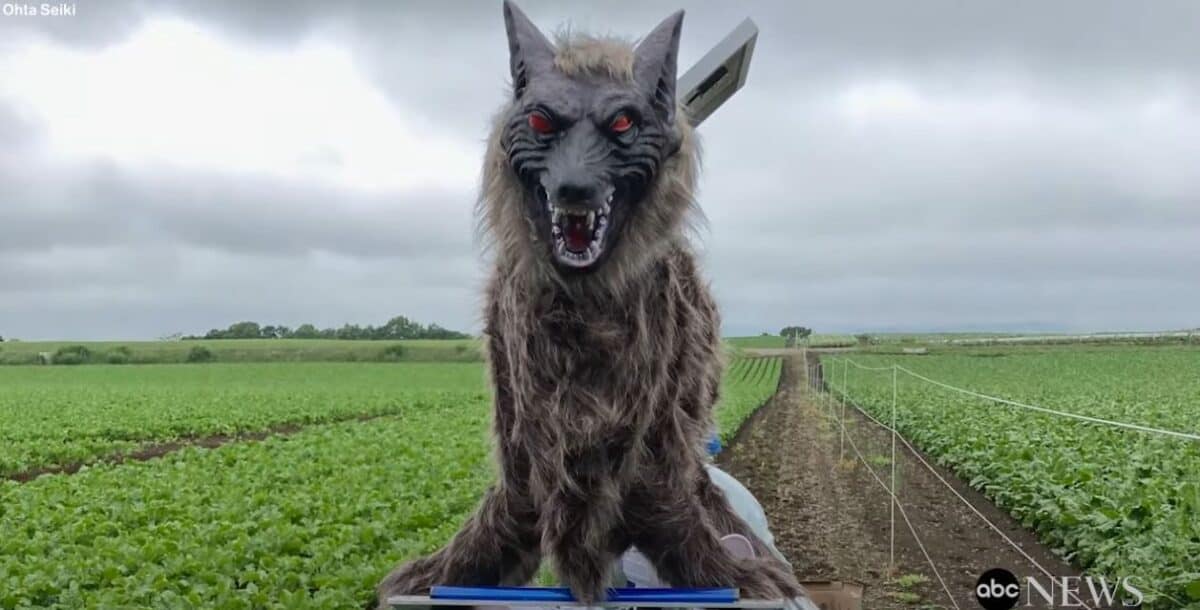
Animal hoaxes have fascinated humanity for centuries, capturing our imaginations and challenging our understanding of the natural world. From cleverly orchestrated pranks to genuine misunderstandings, these hoaxes often exploit our curiosity about the creatures we share the planet with. This article delves into 12 of the most intriguing animal hoaxes that once convinced people worldwide, highlighting the stories behind the deception and the truth that emerged over time.
Cottingley Fairies A Tricky Tale

In the early 20th century, two young girls from Cottingley, England, claimed to have photographed real fairies in their garden. The images, which showed delicate winged creatures, captivated many, including famous author Sir Arthur Conan Doyle. It wasn’t until decades later that the cousins admitted the fairies were paper cutouts, manipulated into lifelike positions using basic photography tricks.
The Surgeon’s Photograph The Loch Ness Myth

One of the most famous images of the Loch Ness Monster, taken in 1934 by Dr. Robert Kenneth Wilson, perplexed people worldwide. The photograph appeared to show a creature with a long neck emerging from the water. However, it was revealed in the 1990s to be an elaborate hoax using a toy submarine affixed with a model head and neck.
The Cardiff Giant A Gigantic Deception

In 1869, a petrified “giant” was unearthed on a farm in Cardiff, New York. Claimed to be the remains of a prehistoric giant, the figure attracted widespread attention and even scholarly debate. However, it was later uncovered that this giant was a creation of George Hull, who had the figure carved out of gypsum and buried as a prank designed to mock religious literalism.
The Feejee Mermaid An Exotic Attraction
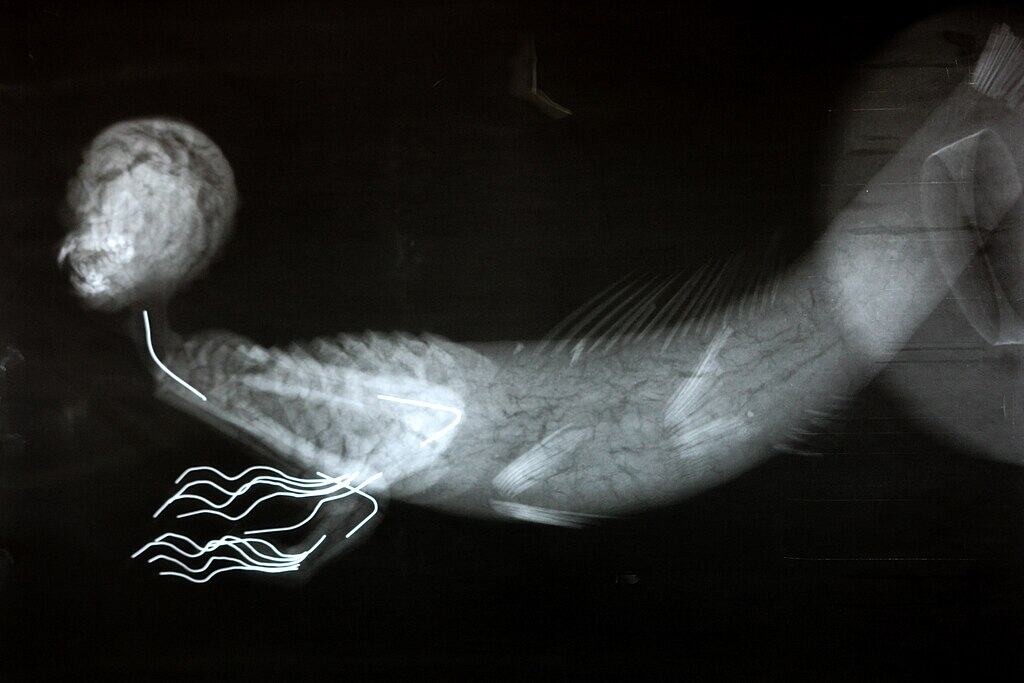
In the 19th century, P.T. Barnum showcased the “Feejee Mermaid,” purported to be a genuine mermaid specimen. Visitors were fascinated and dismayed to discover a creature that was part monkey and part fish, expertly sewn together. This hoax capitalized on the era’s curiosity for the exotic and the unexplained.
Piltdown Man The Missing Link Myth

The discovery of the Piltdown Man in 1912 was hailed as significant evidence of the evolutionary link between apes and humans. However, this triumph was short-lived as scientists debunked it in the 1950s. The hoax involved a clever combination of human and orangutan bones, stained and aged to appear prehistoric.
The Tasaday Tribe A Manufactured Society

In the 1970s, the world was introduced to the Tasaday, a purportedly isolated and primitive tribe from the Philippines. Depicted as living in the Stone Age, their existence was questioned when journalists and anthropologists found the supposed tribesmen to be modern locals dressed in costumes. This hoax raised questions about exploitation and ethics in anthropological studies.
The Great Emu War An Unbelievable Battle

While not a hoax in the traditional sense, the infamous Australian “Emu War” of 1932 is often referenced in incredulous discussions. The event involved military efforts to suppress emu populations in Western Australia, which failed spectacularly. The comical notion of a nation losing a war to birds is misleading but highlights the unexpected challenges faced by governments in wildlife management.
The War of the Worlds Broadcast An Extraterrestrial Panic

In 1938, Orson Welles’s radio adaptation of “The War of the Worlds” sparked widespread panic, with listeners believing Martians were invading Earth. Although not directly an animal hoax, many mistook descriptions of Martian machines and creatures as authentic. This incident highlighted the power of media and public perception during a time of rising technological advancements.
The Crop Circle Phenomenon Alien Landscapes
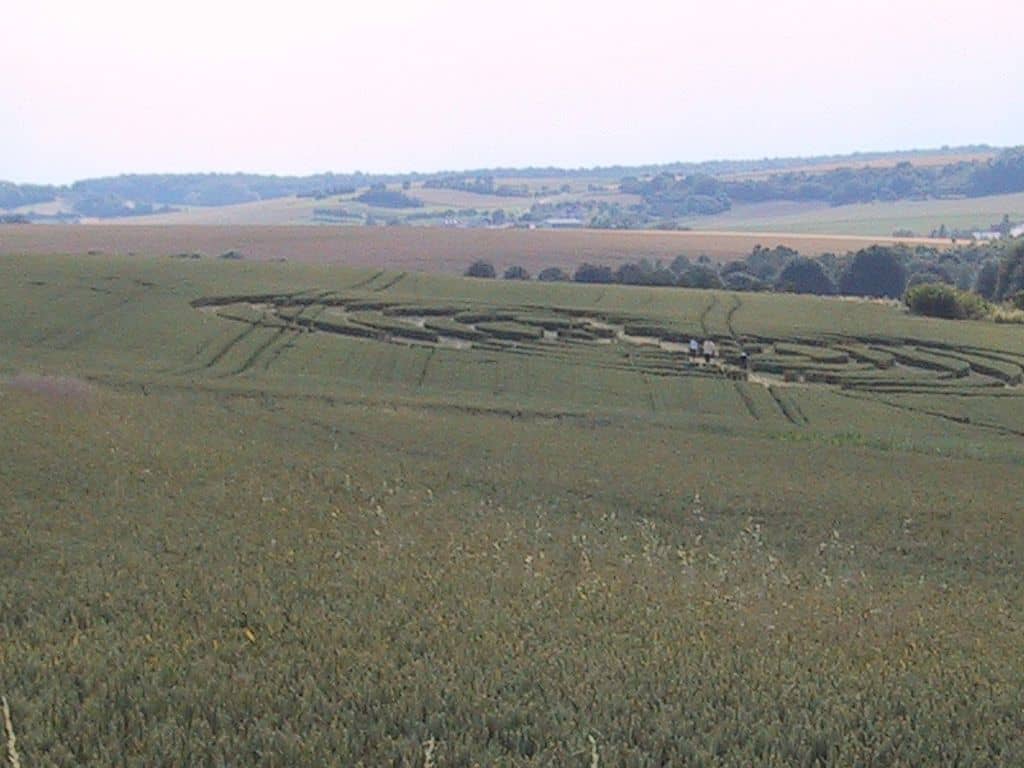
For decades, crop circles have intrigued and puzzled onlookers, often attributed to extraterrestrial activities. However, numerous hoaxes have emerged, with pranksters using simple tools to create these elaborate designs overnight. While some crop circles remain unexplained, most of them have human origins, challenging the boundary between art and deception.
Jackalope The Mythical Hybrid
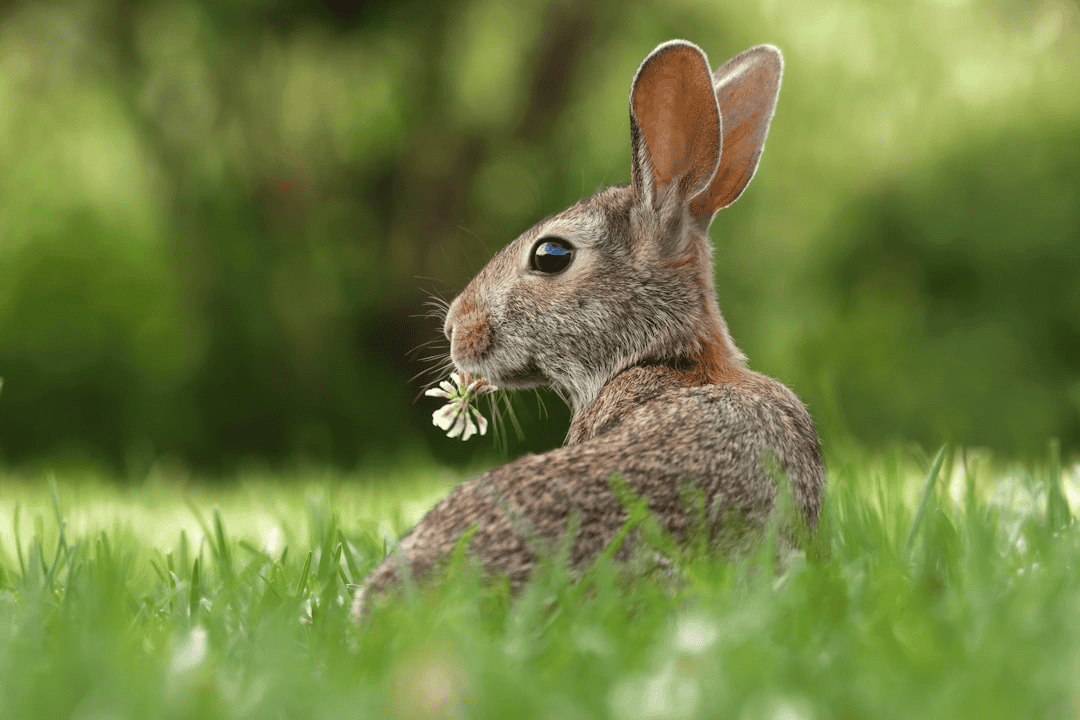
The jackalope, a mythical animal combining a jackrabbit with antelope-like horns, is a popular fixture in American folklore. The idea became widespread in the 1930s, thanks to taxidermists who crafted these fantastic creatures for novelty. While purely fictional, the jackalope plays into human fascination with hybrid and mythical creatures.
The Platypus Nature’s Practical Joke

When the first platypus specimen was sent to Europe in the late 18th century, scientists initially thought it was a hoax, meticulously sewn together from several animals. The creature’s bizarre combination of features—duckbill, beaver tail, and webbed feet—defied classifications, prompting skeptical curiosity that later turned into scientific intrigue as reproductive studies confirmed its authenticity.
The Fiji Mermaid Returns A Modern Twist

As recently as the 21st century, variations of the Fiji mermaid have surfaced, notably in online platforms and auctions. Replicas of the infamous exhibit continue to lure those eager to believe in aquatic humanoids, playing into the enduring appeal of mysterious sea creatures and the skepticism required in digital marketplaces.
Conclusion

In a world increasingly driven by technology and instant information, these animal hoaxes serve as a reminder of our susceptibility to deception, especially regarding the unexplored mysteries of the animal kingdom. While some hoaxes were crafted with humorous intentions, others exposed human credulity and the complex interplay between belief and evidence. The tales of these hoaxes underscore the importance of critical thinking and the continuous need to question and understand our environment.

As a little kid, I fell in love with nature, wildlife, and animals. Living in the USA, South Africa, Italy, China and Germany gave me the opportunity to discover the world's Wildlife. My favorite animals are Mountain Gorillas, Siberian Tigers, and Great White Sharks.
I'm a certified PADI Open Water Diver, went to Everest Base Camp and Trekked Gorillas in Uganda. I hold a Master of Science in Economics and Finance.
Please send any feedback to feedback@animalsaroundtheglobe.com
- 13 Cat Breeds That Get Along with Dogs - July 20, 2026
- The 12 Largest Dog Breeds That Still Love to Cuddle - July 20, 2026
- 12 Pet Habits That Secretly Mean They Love You - July 20, 2026