


Bald eagles, majestic symbols of American wildlife, are renowned for their powerful presence and sharp talons, often depicted as fierce hunters catching fish with incredible precision. However, these raptors are also opportunistic feeders, consuming a surprisingly varied diet. While fish remains their primary food source, bald eagles have been observed eating a range of unconventional items. This article explores ten unusual foods that bald eagles have been seen eating, offering insight into their versatile and adaptive feeding habits.
Deer Carrion

Although bald eagles are skilled hunters, they are not opposed to scavenging when the opportunity arises. One odd, yet fascinating, item on their menu is deer carrion. These birds will feast on the remains of deer, particularly during the harsh winter months when fresh prey is scarce. This behavior underscores their role as nature’s cleaners, recycling nutrients and maintaining ecosystem balance.
Rabbits

While birds and fish typically dominate their diet, bald eagles have been known to catch small mammals like rabbits. Hunting these terrestrial animals requires the eagles to adapt their hunting techniques, utilizing stealth and speed from above. Their ability to occasionally include rabbits in their diet highlights their impressive adaptability.
Other Birds
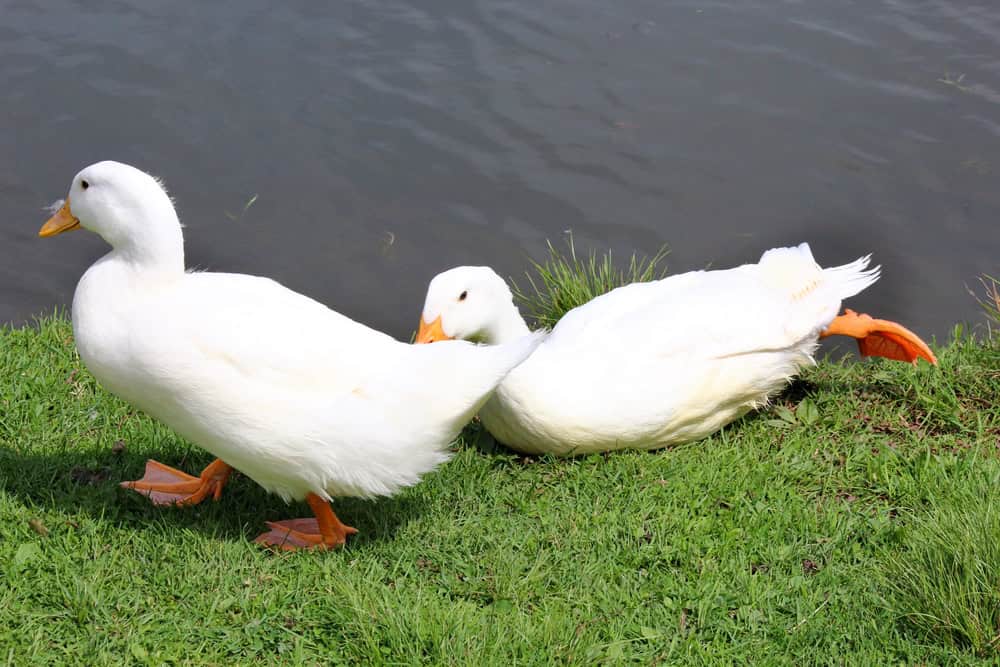
Bald eagles do not shy away from preying on other birds. They have been seen targeting species such as ducks, gulls, and even herons. Known to steal catches from other birds as well, these raptors take advantage of vulnerable avian prey, particularly fledglings and injured birds, thereby demonstrating their boldness and cunning nature.
Turtles

With their strong beaks capable of cracking shells, bald eagles have occasionally included turtles in their diet. They are adept at carrying turtles to great heights and dropping them to break their shells, revealing the nourishing meat inside. This method showcases their problem-solving skills and ability to tackle challenging prey.
Snakes

Bald eagles will sometimes consume snakes, gripping these slithering creatures firmly with their talons. They must be quick and careful to avoid bites, and successful captures highlight their agility and precision in handling dangerous prey. While not a primary food source, snakes provide a valuable addition to their diverse diet.
Seagulls

Another avian species that bald eagles have been known to prey upon is the seagull. These encounters often occur near coastal areas, where eagles can exploit the abundance of gulls. This behavior emphasizes their opportunistic nature and willingness to hunt a wide array of bird species to fulfill their dietary needs.
Cats

Although rare, there have been documented instances of bald eagles preying on domestic cats, particularly in rural areas where these pets roam freely outdoors. Such incidents are further testimony to the eagles’ opportunistic feeding tendencies and reinforcement of their predator status in the animal kingdom.
Garbage

In more urban settings, bald eagles have been spotted scavenging through garbage. This behavior is an adaptation to human encroachment on their natural habitats, as they exploit readily available, albeit unorthodox, food sources. It highlights their remarkable ability to persist despite environmental changes.
Muskrats
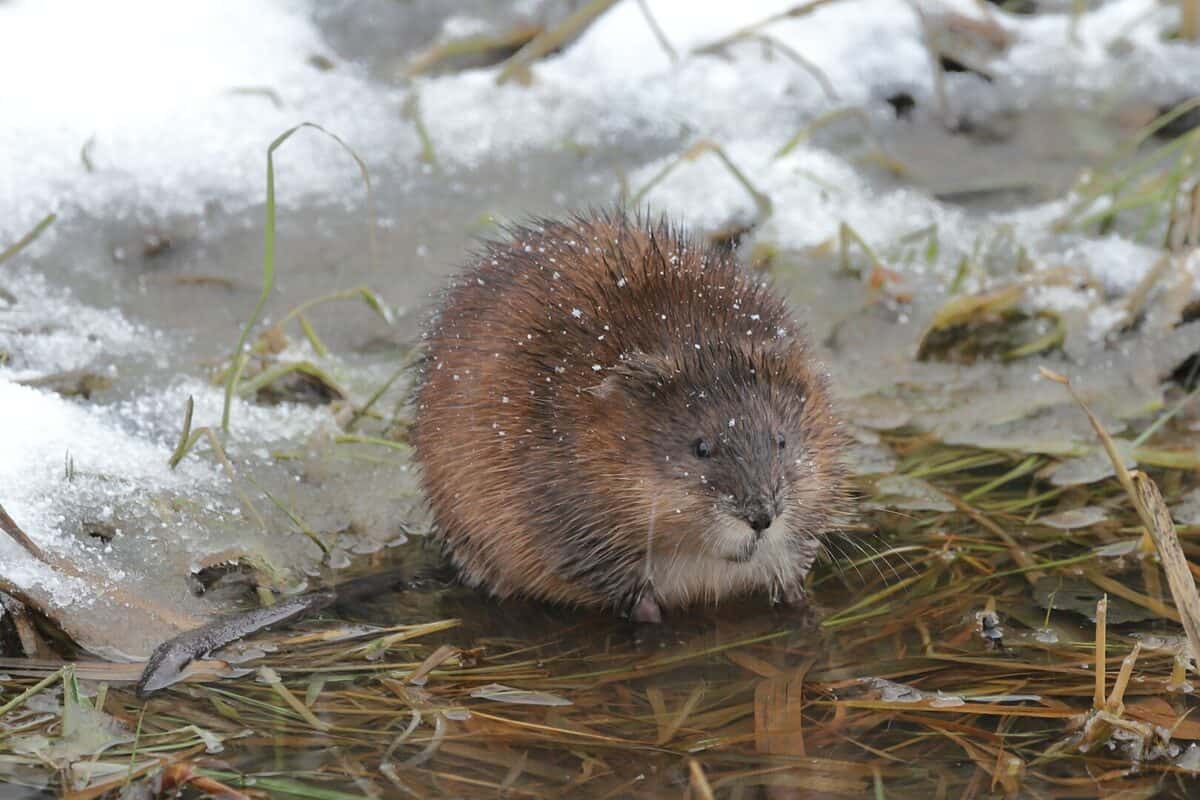
Muskrats, semi-aquatic rodents, sometimes fall prey to bald eagles. By making the most of these mammals, eagles demonstrate their ability to hunt across different environments, from air to land to water. Their diet of muskrats illustrates their versatility in capturing diverse prey species.
Frogs

Occasionally, bald eagles have been seen eating frogs, particularly in wetlands where these amphibians are abundant. This inclusion in their diet underscores the eagles’ opportunistic feeding strategy and their ability to adjust to available resources within their habitat.
Insects

While surprising, bald eagles have been observed consuming insects. This behavior is uncommon but tends to occur when other food sources are scarce. This ability to diversify their diet by incorporating insects underscores their adaptability and survival instincts.
Carrion of Large Mammals

Bald eagles are also known to feed on the carrion of large mammals like elk and moose, particularly in harsh weather conditions. Their role as scavengers is essential in natural ecosystems, as they help to recycle nutrients back into the soil, reinforcing their importance beyond mere hunting prowess.
Conclusion:

Bald eagles are far more than mere fish predators. Their remarkable adaptability is mirrored in their diverse diet, encompassing mammals, birds, reptiles, amphibians, and even insects. This wide-ranging palate reflects their opportunistic nature and capability to sustain themselves in a variety of environments. Such adaptability not only underscores their survival skills but also emphasizes the importance of their ecological role as both predators and scavengers. Understanding these magnificent birds’ dietary habits not only deepens our appreciation of their versatility but also highlights their resilience in an ever-changing world.

As a little kid, I fell in love with nature, wildlife, and animals. Living in the USA, South Africa, Italy, China and Germany gave me the opportunity to discover the world's Wildlife. My favorite animals are Mountain Gorillas, Siberian Tigers, and Great White Sharks.
I'm a certified PADI Open Water Diver, went to Everest Base Camp and Trekked Gorillas in Uganda. I hold a Master of Science in Economics and Finance.
Please send any feedback to feedback@animalsaroundtheglobe.com
- 11 Most Endangered Insects Buzzing in America Today - July 22, 2026
- 10 Most Frequently Googled Animal Birth Facts - July 22, 2026
- 10 Incredible Migration Journeys in the Animal Kingdom - July 22, 2026