

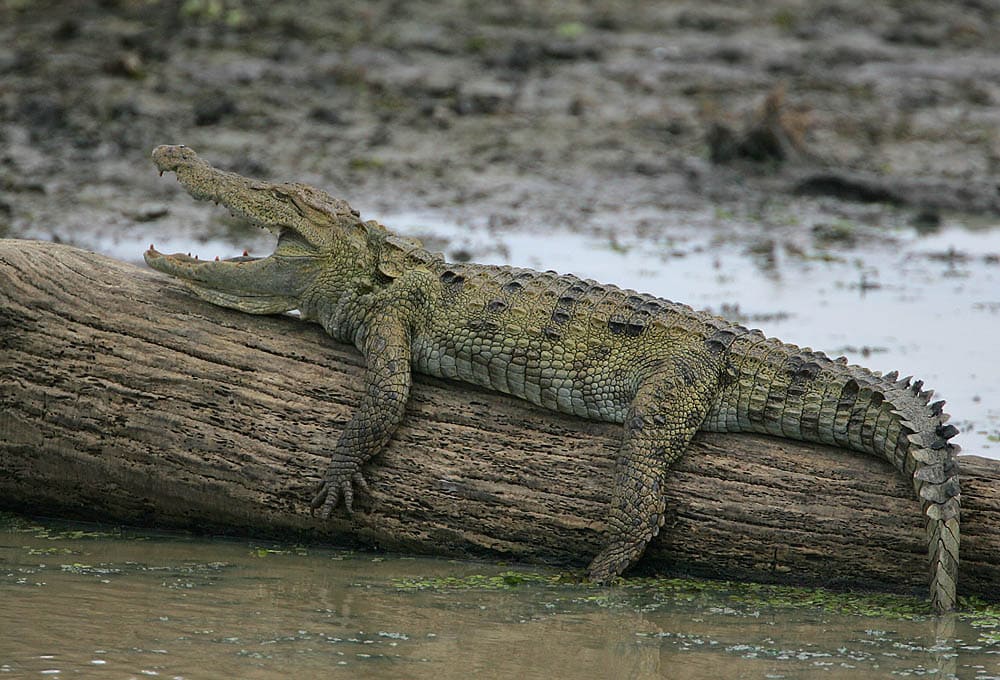
Crocodiles are fascinating creatures with a history that stretches back millions of years. These apex predators are often subjects of intrigue and fear due to their formidable appearance and behavior. As swimmers, it’s crucial to understand the world these reptiles inhabit. Whether you’re planning a safari excursion or simply curious about these ancient reptiles, here are 15 intriguing facts that might make you think twice before diving into their domain.
Ancient Survivors of Prehistoric Times

Crocodiles are often considered living fossils. They have existed for over 200 million years and survived the mass extinction event that wiped out the dinosaurs. Their resilience is a testament to their adaptive abilities, allowing them to thrive in various environments over millennia.
Exceptional Ambush Predators
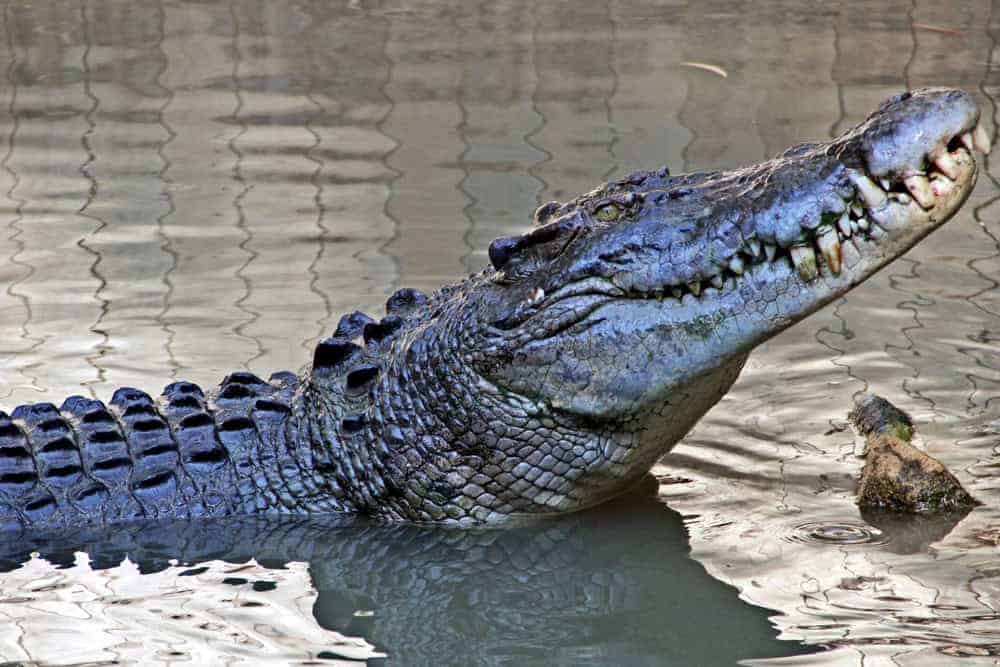
Crocodiles are world-renowned for their ambush predation tactics. Equipped with powerful tails and webbed feet, they can swiftly propel themselves towards unsuspecting prey, often striking before the victim is even aware of their presence. This makes them formidable hunters in both aquatic and terrestrial settings.
Surprisingly Fast on Land

While they are primarily aquatic creatures, crocodiles can move surprisingly fast on land, reaching speeds of up to 17 km/h (about 11 mph) in short bursts. While they cannot sustain this speed for long distances, it’s enough to catch those unaware slowed by their surroundings.
Bone-Crushing Bite Force

With a bite force estimated to be over 3,700 psi (pounds per square inch), the crocodile’s jaw is one of nature’s most devastating weapons. This immense power is capable of crushing bones and helps the crocodile to secure even the toughest prey such as turtles and larger mammals.
Incredible Underwater Vision

Crocodiles are equipped with a transparent protective membrane over their eyes, known as a nictitating membrane, allowing them to see clearly underwater. This adaptation is crucial for spotting and ambushing prey in murky waters, giving them a significant advantage in aquatic habitats.
Stones in Their Stomachs
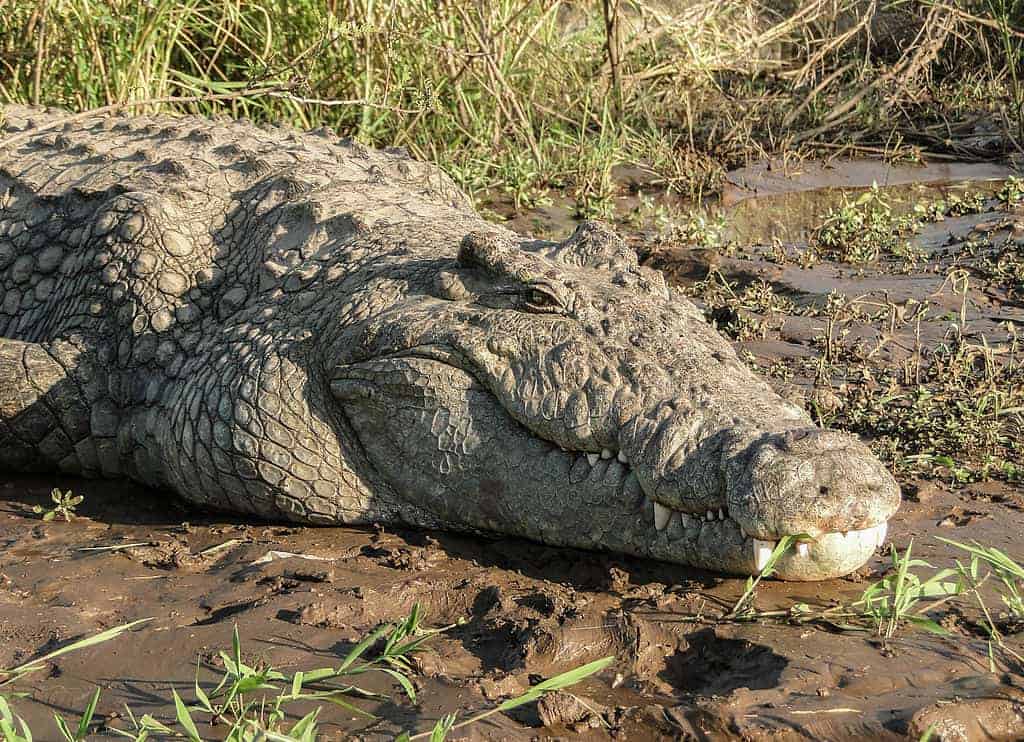
One of the most curious facts about crocodiles is their tendency to swallow small stones, known as gastroliths. These stones aid in digestion by grinding up food, and they may also help balance the crocodile in the water, acting like ballast.
Opportunistic Feeders

Crocodiles have a highly opportunistic feeding nature. They consume a wide range of prey – from fish and birds to mammals and even other reptiles. Their ability to feast on a variety of food items has made them adept at surviving in diverse ecosystems.
Masters of Thermoregulation

Being ectotherms, crocodiles rely on external heat sources to regulate their body temperature. You may often see them basking in the sun to warm up or retreating to water to cool down. This behavior is critical to their survival as it helps them maintain the optimal physiological function.
Complex Social Behavior

Despite their tough exterior, crocodiles display surprisingly complex social behaviors. They are often observed communicating with vocalizations, body postures, and even vibrations in the water, especially during mating rituals or territorial disputes.
Fierce Protectors of Their Young
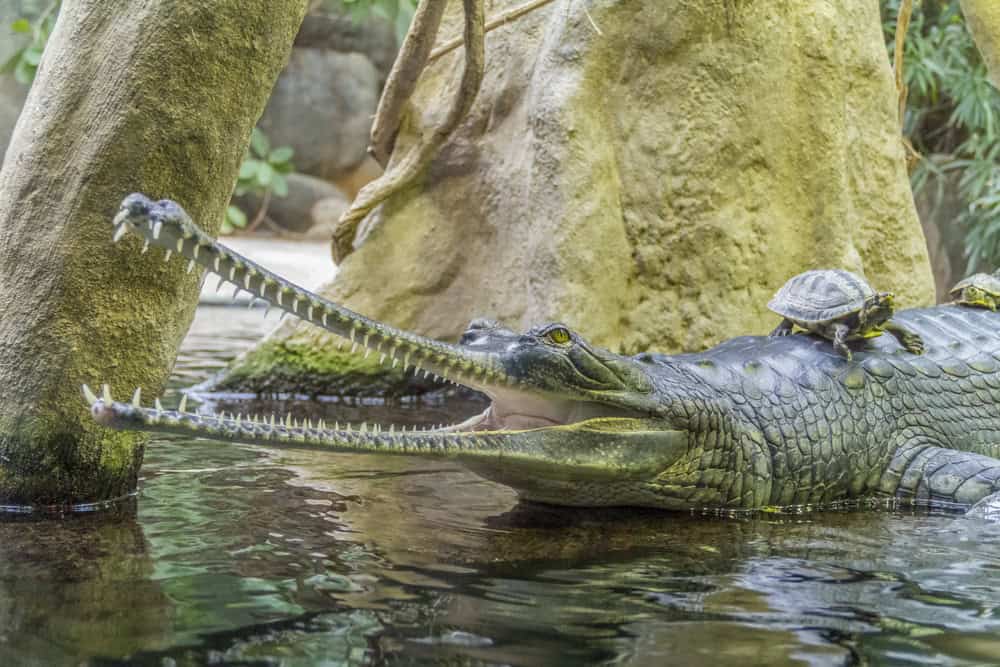
Female crocodiles are attentive mothers. They carefully build nests and vigilantly guard their eggs. Once the hatchlings emerge, mothers transport them to water in their mouths. This level of parental care is uncommon among reptiles, showcasing the complexity of crocodilian behavior.
Surprisingly Long Lifespans

Crocodiles can live for over 70 years in the wild, with some species known to exceed even that. Their long lifespan is attributed to their position as top predators with few natural enemies, alongside their robust physiology and adaptable nature.
Ears Above and Below the Surface
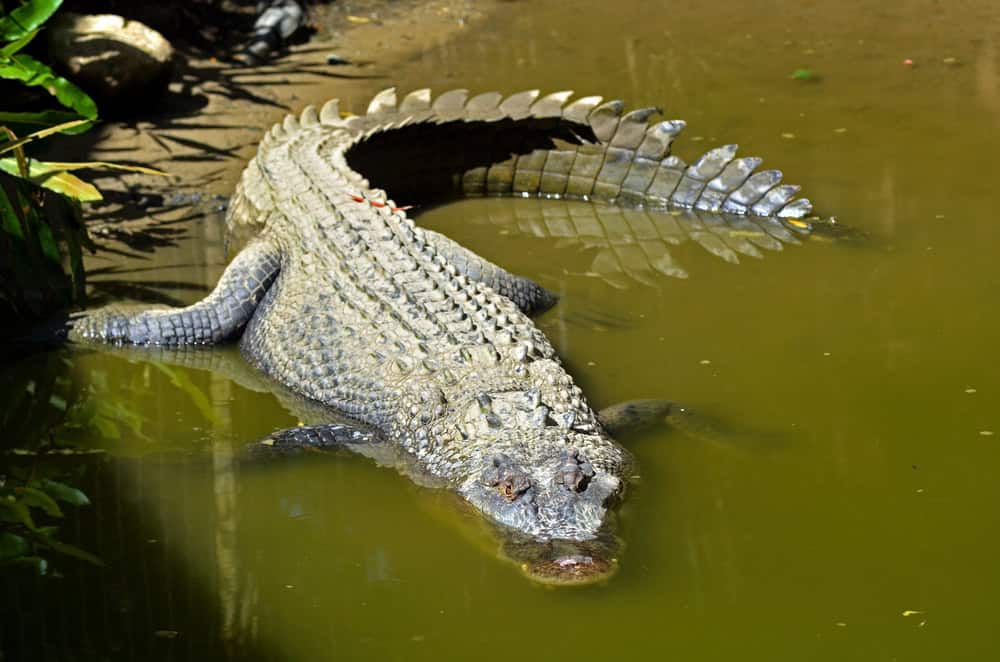
Crocodiles possess highly sensitive hearing under and above water. Their ears are located far back on their heads and are protected by a special flap that closes to keep water out. This allows them to detect sounds and vibrations, key to their hunting strategies.
Capable Climbers

Despite their aquatic tendencies, crocodiles can indeed climb trees, particularly young ones. They have been observed several meters above the ground lying in wait or basking in the sunlight, demonstrating their surprising adaptability in accessing various habitats.
Survival Techniques in Harsh Environments

In regions with extreme dry seasons, some crocodile species can enter a state of aestivation. This is a period of dormancy that helps them conserve energy and survive when food and water are scarce, further showcasing their remarkable resilience.
The Human-Crocodile Conflict
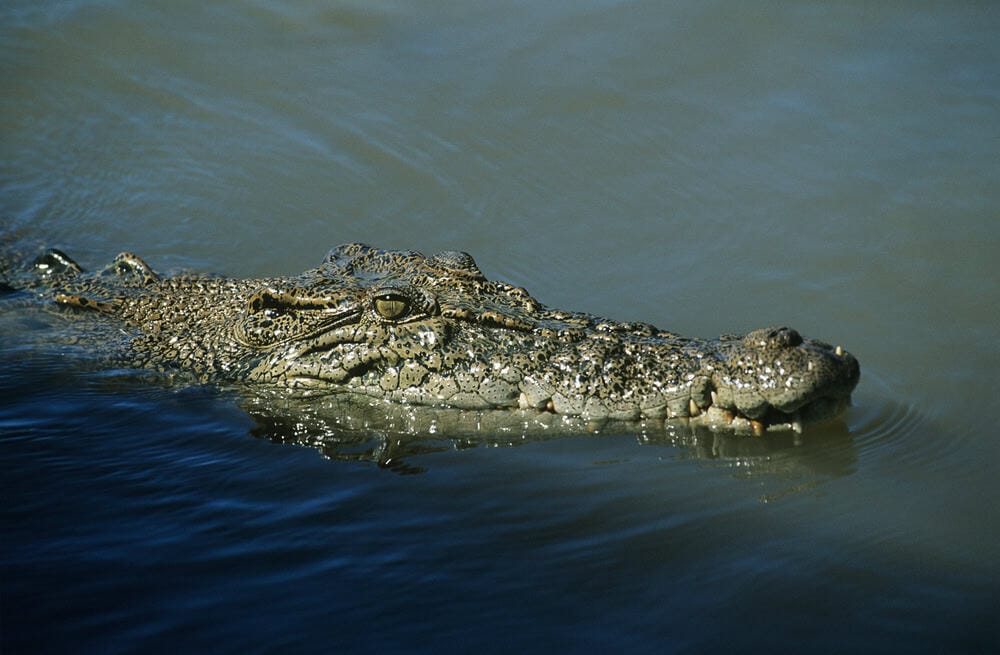
Although attacks on humans are rare and typically a result of humans encroaching on crocodiles’ territories, they do occur. It’s imperative to respect wildlife boundaries and exercise caution, especially in crocodile-inhabited waters, to reduce the risk of dangerous encounters.
Conclusion: Respecting the Apex Predators
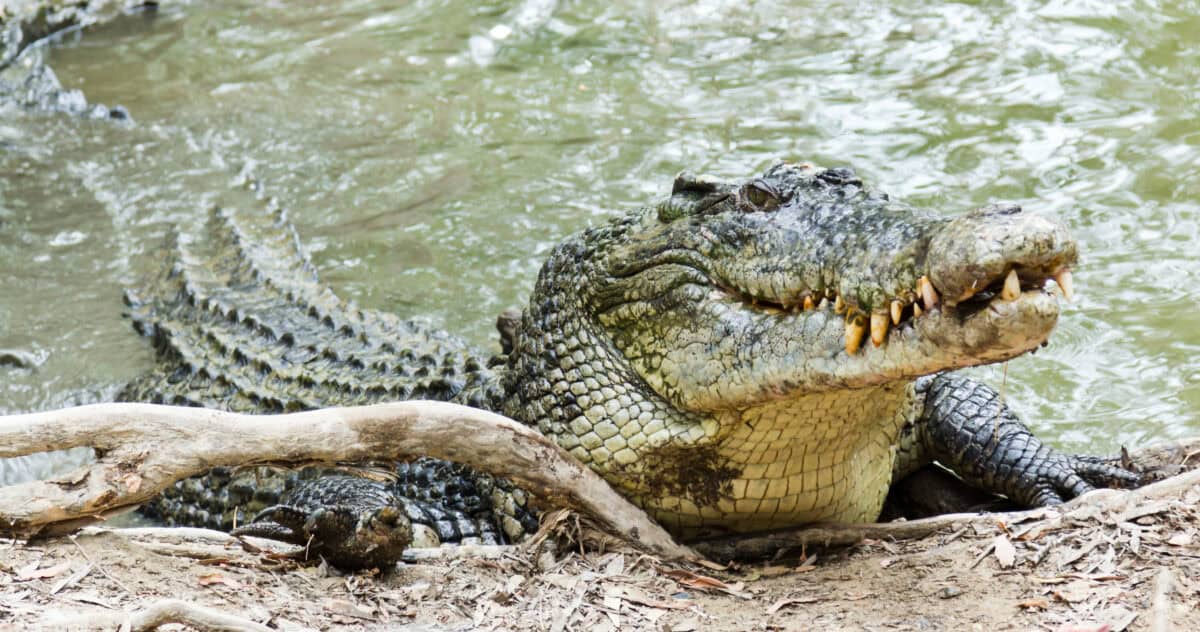
Crocodiles are a crucial part of ecosystems and deserve our respect and understanding. Their impressive adaptations and behaviors highlight their evolutionary success and the importance of conserving their natural habitats. Next time you find yourself near water in crocodile territory, remember these facts and approach with caution and respect for these incredible creatures.

As a little kid, I fell in love with nature, wildlife, and animals. Living in the USA, South Africa, Italy, China and Germany gave me the opportunity to discover the world's Wildlife. My favorite animals are Mountain Gorillas, Siberian Tigers, and Great White Sharks.
I'm a certified PADI Open Water Diver, went to Everest Base Camp and Trekked Gorillas in Uganda. I hold a Master of Science in Economics and Finance.
Please send any feedback to feedback@animalsaroundtheglobe.com
- 14 Stunning Animals You Can See in India - July 18, 2026
- The Most Enormous Lobster Ever Pulled From Maine Waters - July 18, 2026
- The Most Dangerous Waters for Sharks in North America - July 18, 2026