


Whales, the majestic giants of the ocean, have long captured human imagination with their intelligence, grace, and mysterious underwater lives. However, their encounters with human activities, particularly shipping, have raised concerns for their safety and survival. In recent years, a fascinating question has emerged: Are whales teaching each other to avoid ships? This article delves into this intriguing topic, exploring the ways whales may be communicating and learning new behaviors to navigate the increasingly congested waters safely.
Understanding Whale Communication

Whales are known for their complex communication skills, which include a variety of vocalizations, body language, and even songs. These methods of communication play crucial roles in social bonding, mating, and navigation. Scientists believe whales use these communication tools to share information, and recent findings suggest they might also be used to warn each other about potential dangers like approaching ships.
The Impact of Ship Strikes on Whales
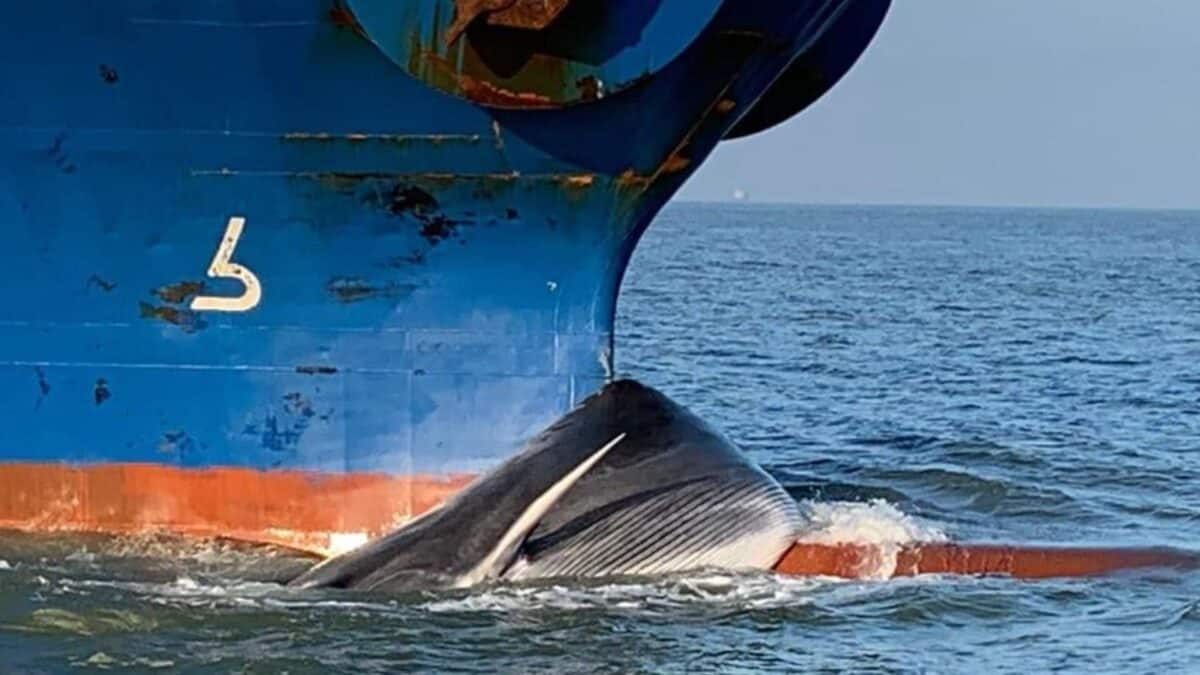
Collisions with ships are a significant threat to whales. As global shipping traffic increases, so does the risk of ship strikes, leading to injuries or fatalities. Species such as the North Atlantic right whale, which is already critically endangered, are particularly vulnerable. Understanding how whales may mitigate this risk is an essential area of research for marine conservationists.
Behavioral Adaptations to Avoid Ships
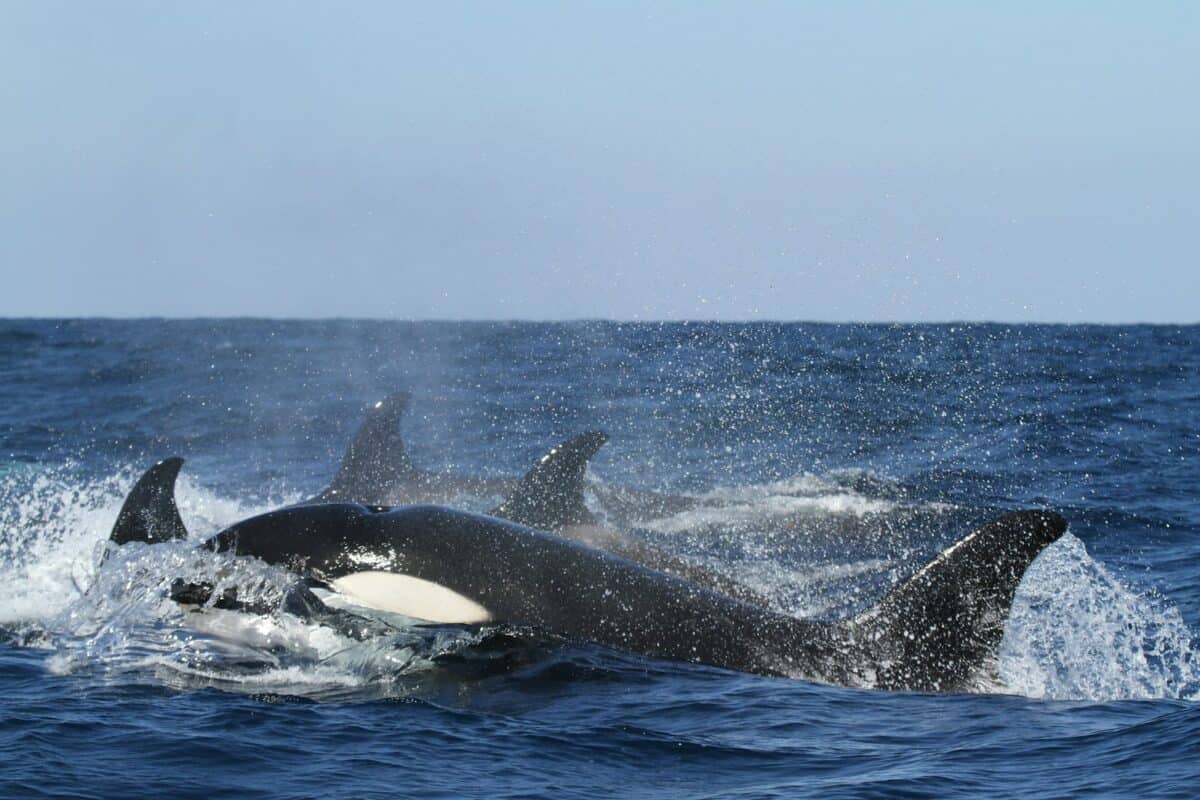
Research has indicated that some whale populations are exhibiting changes in behavior to avoid ships. These adaptations include altering migration routes, swimming at greater depths, and changing vocalization patterns. Altered migration routes can help them steer clear of busy shipping lanes, while deeper swimming may keep them out of reach of propellers.
Learning and Cultural Transmission Among Whales

Whales have been observed displaying signs of cultural transmission, where knowledge and behaviors are passed from one individual to another within a population. This phenomenon is not unique to humans and is seen in other intelligent species, such as primates and certain bird species. If whales are sharing information about ship dangers, it may be a form of cultural learning aimed at enhancing their survival.
Whale Songs: Warning Signals?

Whale songs are more than just hauntingly beautiful sounds; they could serve as warning signals within pods. Some scientists propose that specific song patterns may signal the presence of ships, prompting whales to dive deeper or change direction. This hypothesis highlights the potential for songs as both communication and navigational aids.
Case Studies: Evidence from the Field

Several field studies have provided insights into whale behaviors in response to ship traffic. For example, research on blue whales off the coast of California has shown that these whales are more likely to alter their calls in areas with high shipping traffic. This change in communication may help them avoid ships by alerting others to recent encounters.
Technological Advances in Whale Research
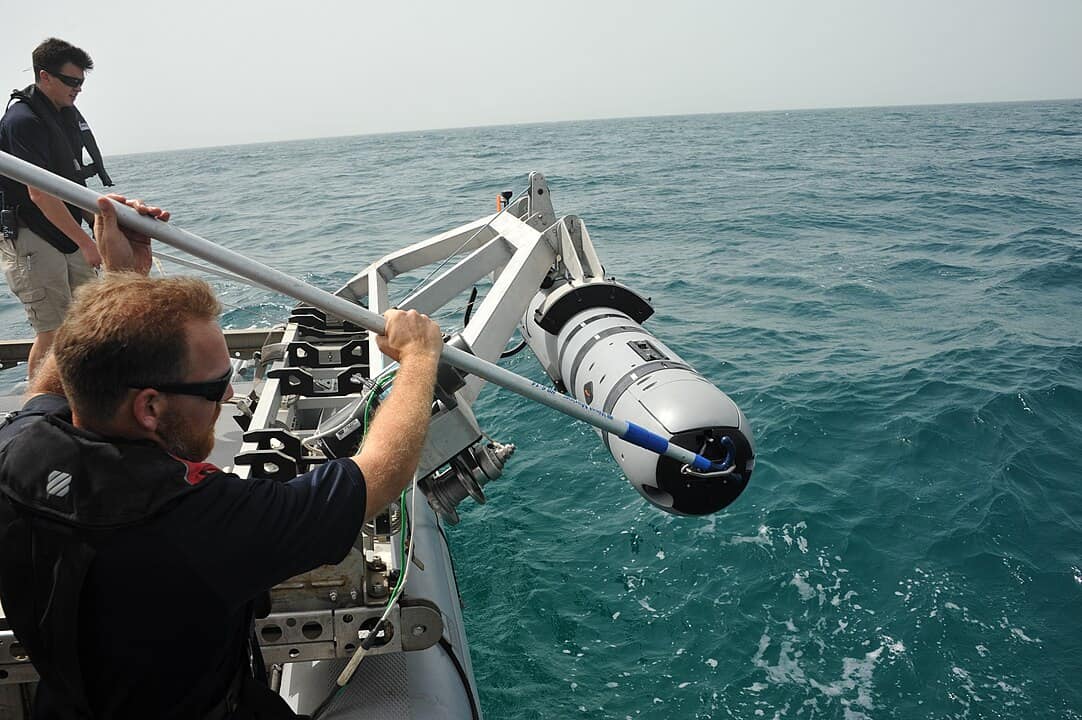
Scientists are using advanced technologies such as drones, underwater microphones, and GPS tagging to gather data on whale movements and vocalizations. These tools are providing unprecedented insights into how whales interact with their environment and each other, allowing researchers to test hypotheses about ship avoidance strategies.
Conservation Efforts and Policy Changes

To protect whales from ship strikes, various conservation initiatives have been implemented globally. These include modifying shipping lanes, enforcing speed limits in whale habitats, and improving the design of vessel propellers to reduce the risk of collisions. As understanding of whale behavior improves, these policies could be tailored to better accommodate the natural adaptations of whales.
The Role of Public Awareness

Public awareness campaigns are essential in highlighting the risks posed to whales by shipping. These efforts aim to educate the general public and stakeholders in the shipping industry about the importance of safeguarding whale populations. Increased awareness can drive policy change and promote greater compliance with protective measures.
Collaborative Efforts Across Borders
Since whales do not confine themselves to national boundaries, international collaboration is crucial for their conservation. Countries sharing whale habitats must work together to harmonize regulations and share research findings, ensuring consistent protection efforts across the oceans.
The Future of Whale-Ship Interactions

As research continues to unravel the mysteries of whale communication and learning, there is hope for more effective strategies to mitigate the risks posed by ships. Innovations in ship design and navigation, coupled with a deeper understanding of whale behavior, could lead to a future where these magnificent creatures can coexist safely with human maritime activity.
Whales teaching each other to avoid ships represents a remarkable display of animal intelligence and adaptability. While there is much still to learn, the evidence suggests that these creatures are finding ways to navigate the perils of human activity. Continued research, public engagement, and policy development are key to ensuring the protection of whale populations, enabling them to thrive in an era of modern shipping.

- Wildlife Mysteries That Took Decades to Solve - July 21, 2026
- The Largest Python Ever Captured in Florida’s Everglades - July 21, 2026
- How Crickets Chirp Using Their Wings - July 20, 2026