
Rocks are more than just inanimate objects found scattered across the Earth’s surface. They are the storytellers of our planet, holding within them the secrets of Earth’s geological and evolutionary past. In the heart of Michigan lies a particularly ancient geological marvel—a 1.8-billion-year-old rock that acts as a temporal portal, offering insights into the Earth’s distant history. This article explores the fascinating story behind this ancient rock and what it reveals about our planet’s evolution.
Discovering an Ancient Treasure

Hidden within the rugged terrain of Michigan’s Upper Peninsula, this ancient rock formation was discovered by geologists conducting extensive fieldwork aimed at unraveling the deep geological past of the region. The formation, part of what is known as the Michigamme Formation, stands as a testament to the dynamic processes that have shaped our planet over eons.
The Geological Significance

The 1.8-billion-year-old rock found in Michigan is primarily composed of sedimentary rocks, including sandstones, conglomerates, and shales. These rock types form through the accumulation and cementation of mineral and organic particles, offering critical insights into the Earth’s sedimentary and environmental history.
The Tale of Tectonic Movements

This ancient formation is not only a witness to the passage of time but also to the tectonic movements that have sculpted the landscape of the region. Evidence suggests that the rocks in this formation were deposited in an ancient marine environment during a period of significant tectonic activity, which contributed to the complex geological structure observed today.
Paleoclimatic Indicators
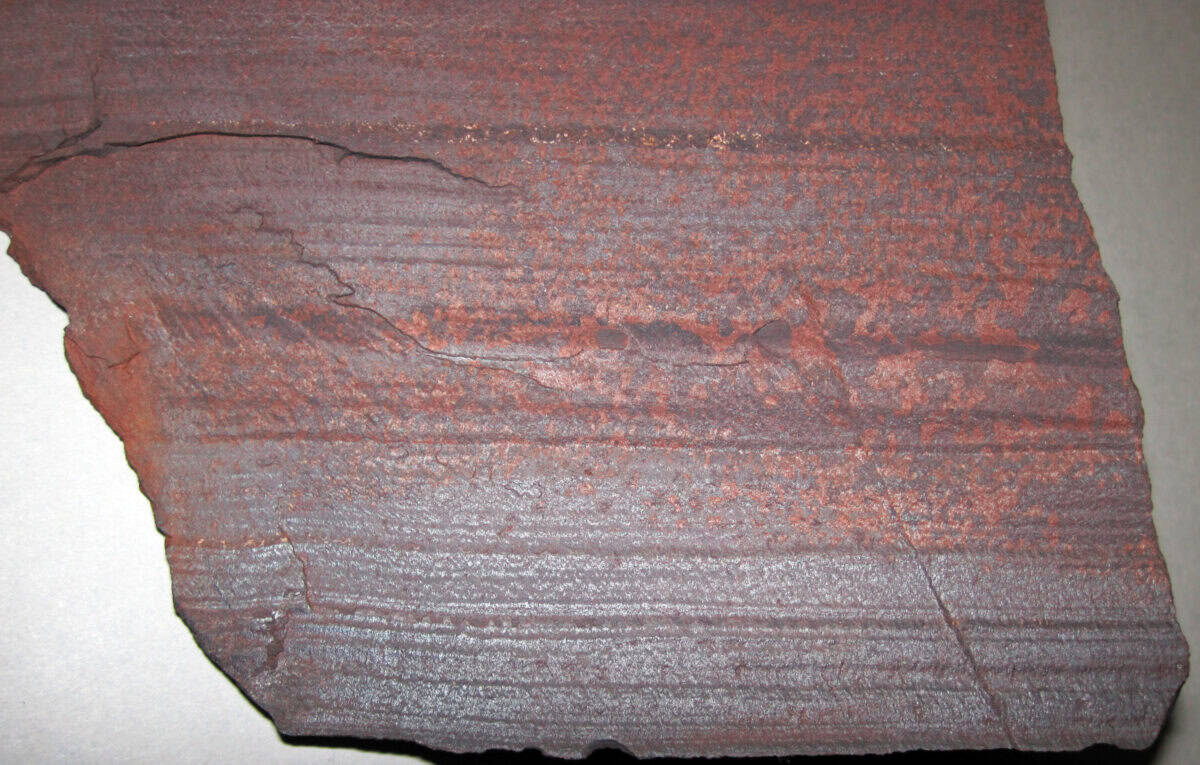
Embedded within the layers of these rocks are fossils and other mineral deposits that serve as indicators of the Earth’s climatic conditions at the time of their formation. By studying these indicators, geologists can reconstruct past climates and better understand how climate change has influenced the planet over billions of years.
The Story of Ancient Life

Despite being incredibly ancient, the rocks in Michigan hold remnants of early life forms. Fossils of primitive organisms have been discovered within the layers, showcasing the nascent stages of life on Earth. These fossils offer a glimpse into the resilience and adaptability of life in an evolving world.
Linking Earth’s Evolutionary Phases

The 1.8-billion-year-old rocks in Michigan serve as a bridge connecting various phases of Earth’s evolutionary history. They offer insights into the transition from a predominantly volcanic and barren landscape to one that began supporting complex ecosystems. This transformation is crucial in understanding the progression of life on Earth.
Formation and Composition
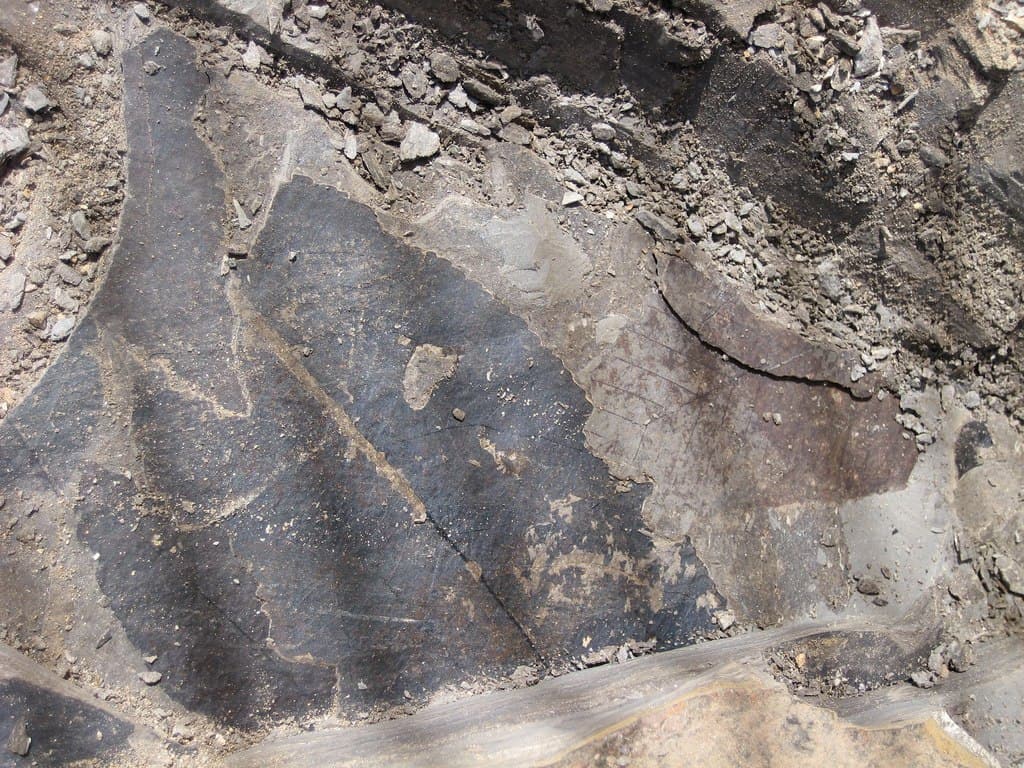
The Michigamme Formation predominantly consists of sedimentary rocks, with layers of banded iron formations that tell tales of ancient ocean chemistry and biological activity. These rocks highlight the sedimentary processes driven by water, wind, and ice that have sculpted the Earth’s surface.
Geological Research and Techniques

Modern geological techniques used to study these rocks include radiometric dating, stratigraphic analysis, and petrological studies. Such methods allow scientists to determine the age of the rocks, their chemical composition, and the environmental conditions during their formation.
The Role of Iron Deposits
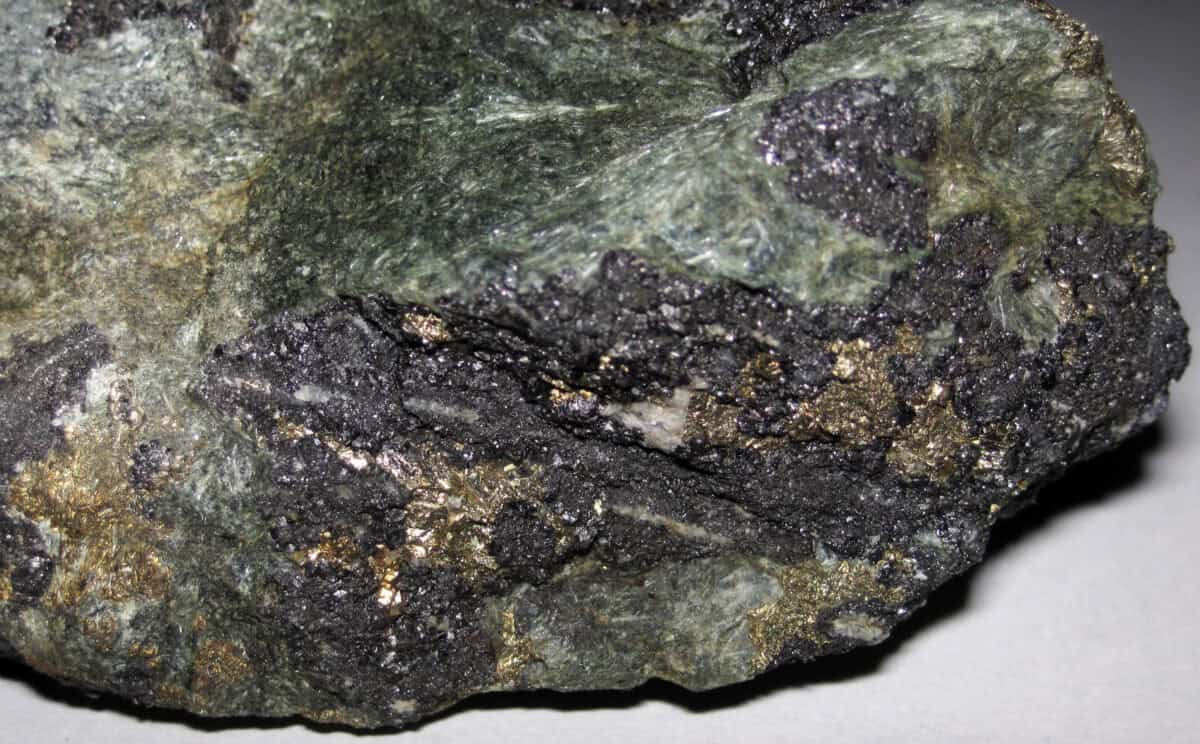
Banded iron formations, prevalent in the Michigamme, are significant as they represent periods of massive iron oxidation in Earth’s history. These iron deposits demonstrate the role of early photosynthetic organisms, which increased atmospheric oxygen and influenced the planet’s biological and chemical balance.
Theories and Discoveries
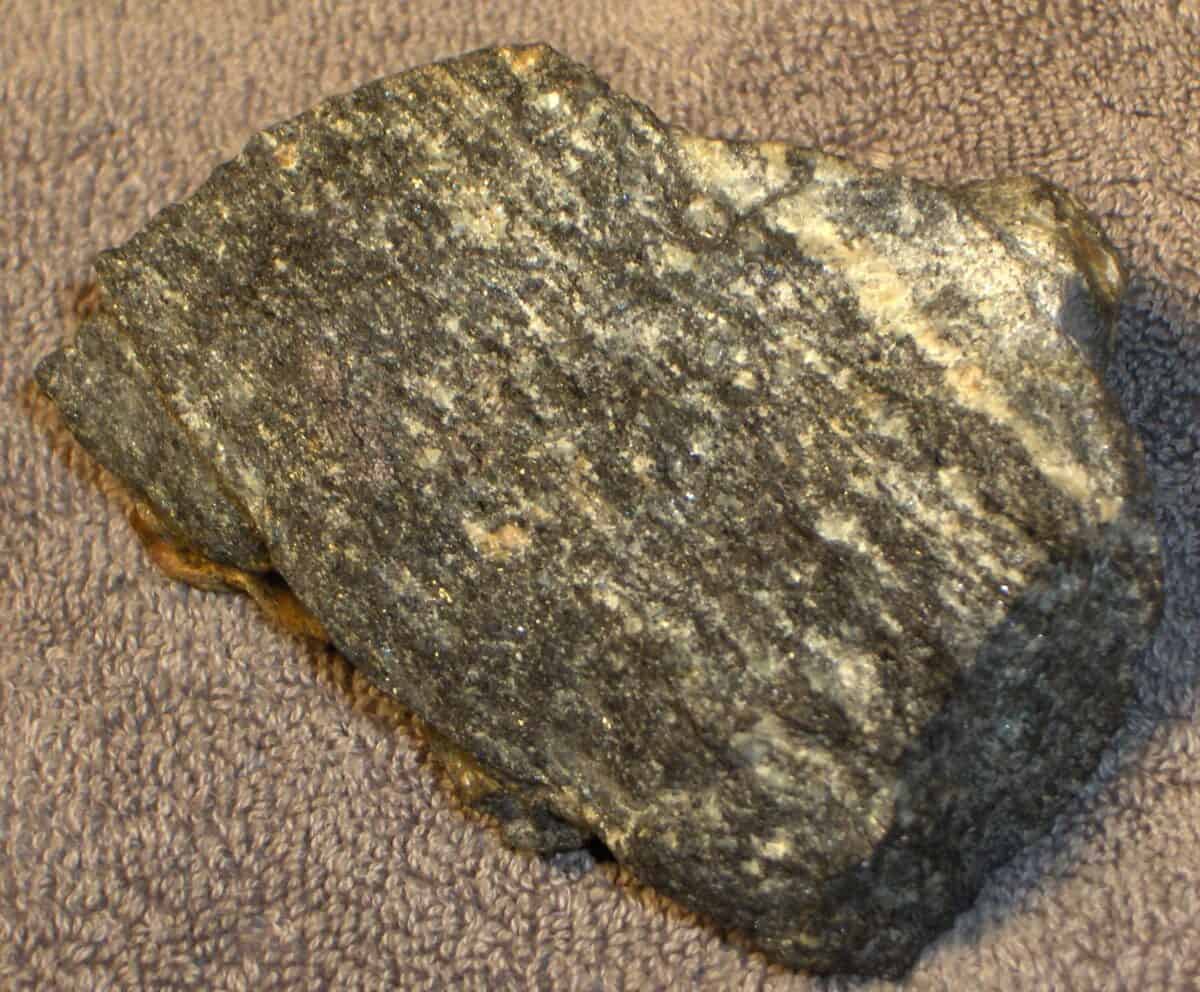
Several theories have emerged from the study of these ancient rocks, enhancing our understanding of Earth’s history. Discoveries related to mineral composition, fossil records, and geological anomalies have provided geologists with a deeper understanding of processes like plate tectonics, atmospheric changes, and biological evolution.
The Impacts of Technological Advances
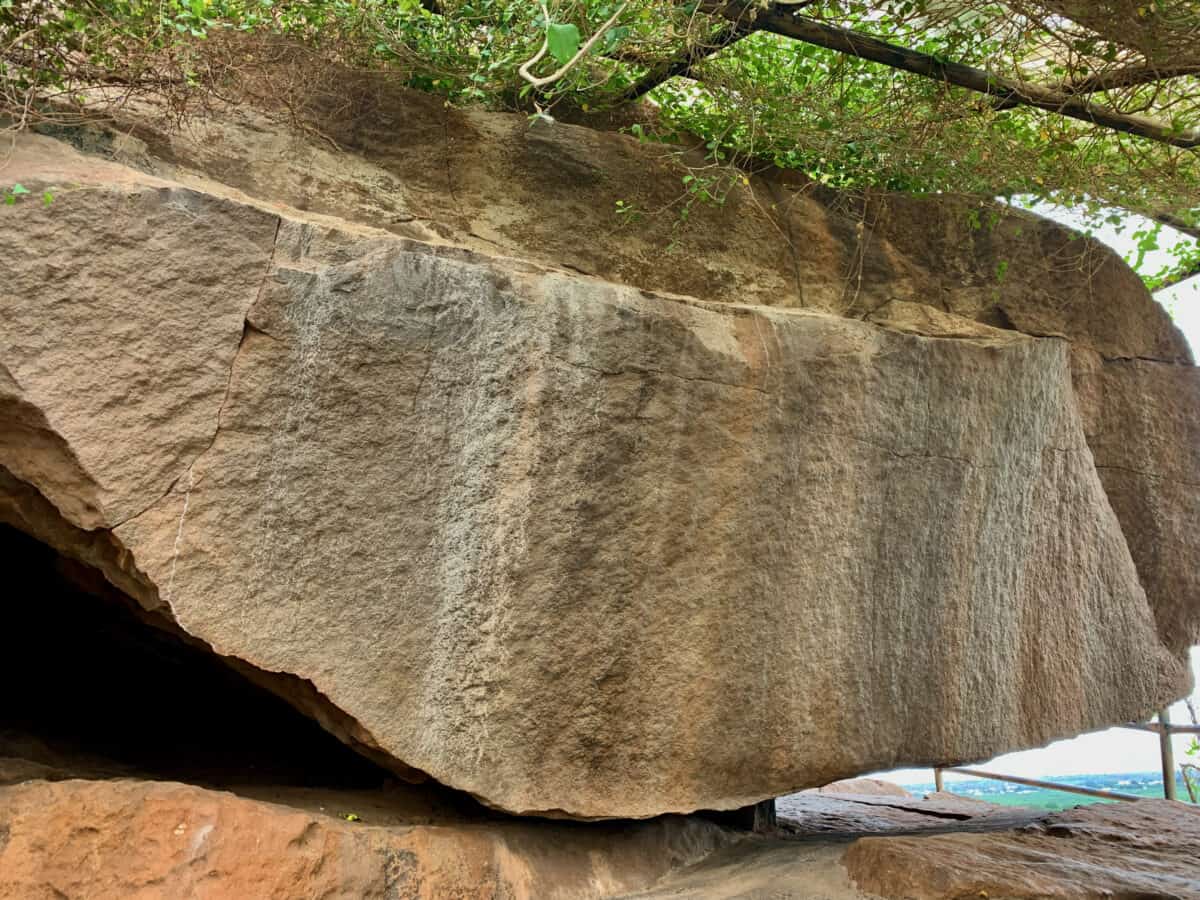
As technology advances, our ability to analyze and interpret geological findings improves, providing more detailed evolutionary narratives. Techniques like isotope geochemistry and computerized modeling play a pivotal role in decoding the stories these rocks hold.
Conclusion: A Portal to Earth’s Past
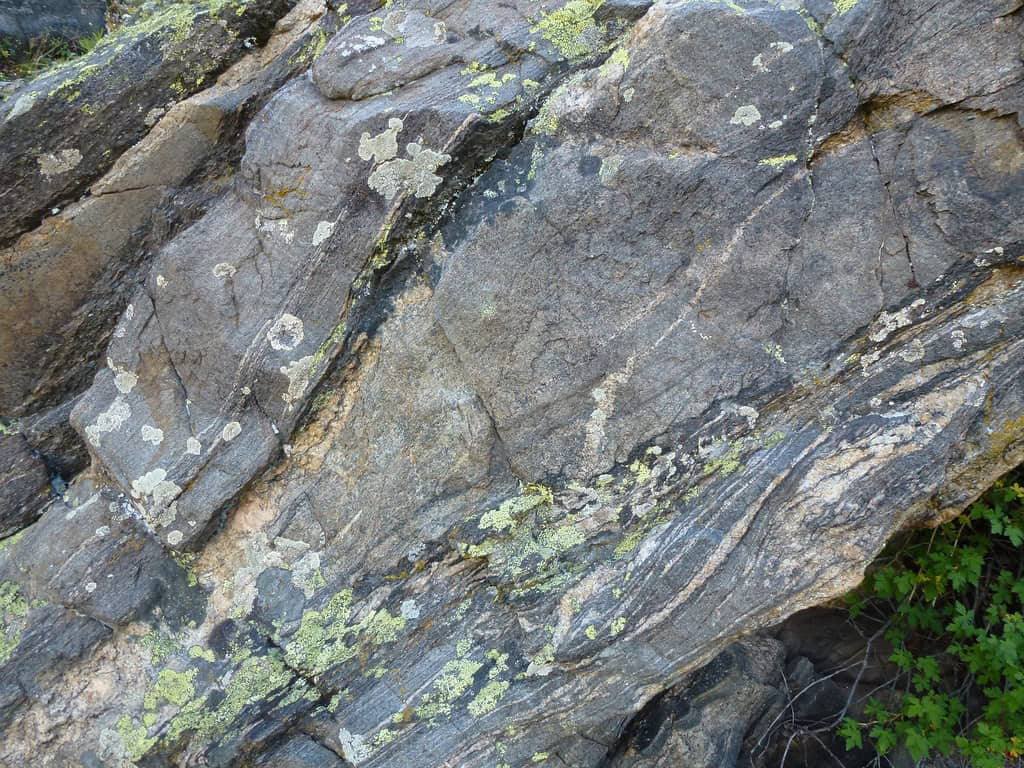
The 1.8-billion-year-old rock formation in Michigan is a remarkable reminder of the Earth’s deep and dynamic history. This ancient storyteller, with its layers of sediment and fossilized life forms, offers valuable insights into our planet’s past climates, tectonic transformations, and the evolution of life itself. As we continue to uncover its secrets, we not only deepen our understanding of Earth’s geological history but also gain perspective on the future challenges facing our planet. These stones, silent yet significant, emphasize the importance of preserving our natural world and the geological wonders it holds.

- What Happens If a Whale Dies in the Ocean? - July 21, 2026
- Why You Should Stop Feeding Ducks at the Park - July 21, 2026
- The Secret Language of Dolphins Decoded by Researchers - July 20, 2026