

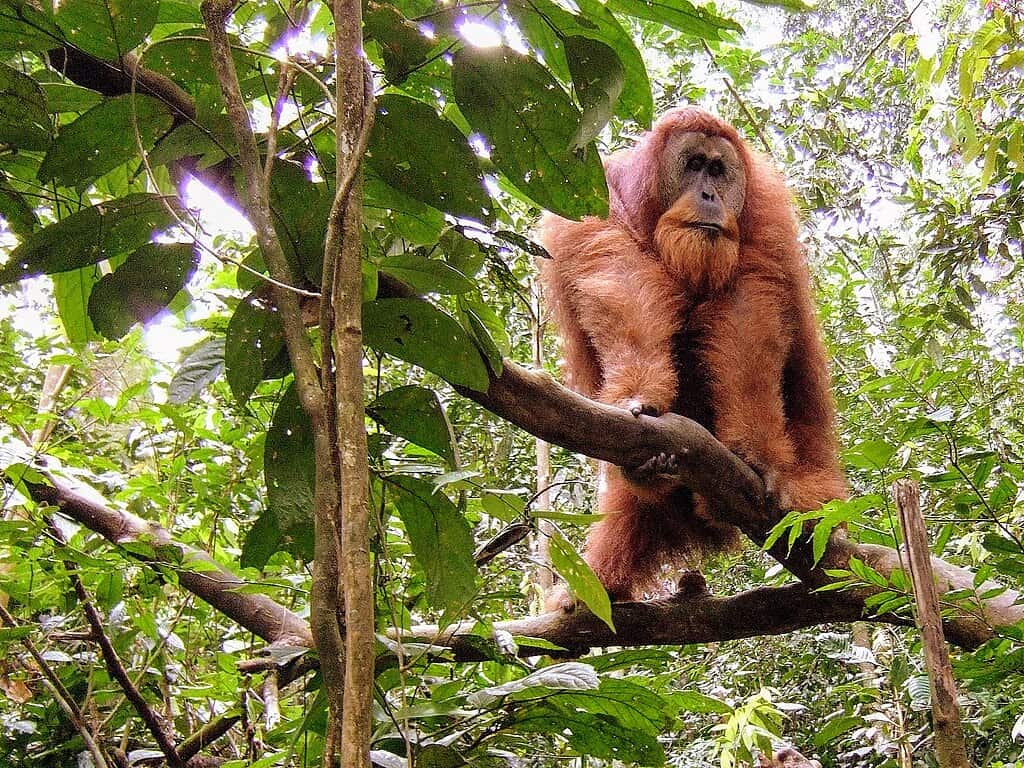
Wildlife trafficking stands as one of the most destructive yet underreported criminal enterprises in the world. This illicit trade in wild animals and plants—valued between $7-23 billion annually—not only threatens the survival of countless species but undermines ecosystem stability, jeopardizes public health, and fuels corruption across borders.
As the fourth largest illegal trade globally, wildlife trafficking has pushed numerous species to the brink of extinction while disrupting the delicate balance of ecosystems that support all life on Earth. This article explores the far-reaching consequences of wildlife trafficking on global biodiversity and examines the complex challenges in combating this destructive trade.
The Scale and Scope of Wildlife Trafficking

Wildlife trafficking operates on a staggering scale, involving thousands of species and spanning virtually every country on the planet. Each year, an estimated 38 million animals are captured from Brazil’s forests alone. Pangolins, the world’s most trafficked mammals, have seen over one million individuals poached in the last decade. The ivory from approximately 20,000 elephants enters illegal markets annually, while rhino horn can fetch prices exceeding gold—reaching up to $60,000 per kilogram.
The trade encompasses everything from live exotic pets and traditional medicine ingredients to luxury decorative items and bushmeat. Beyond charismatic megafauna, trafficking extends to reptiles, birds, fish, insects, plants, and timber. This multi-billion dollar shadow economy has evolved into sophisticated criminal networks that exploit regulatory gaps, corruption, and modern technology to expand their reach and evade detection.
Direct Species Decline and Extinction Risk
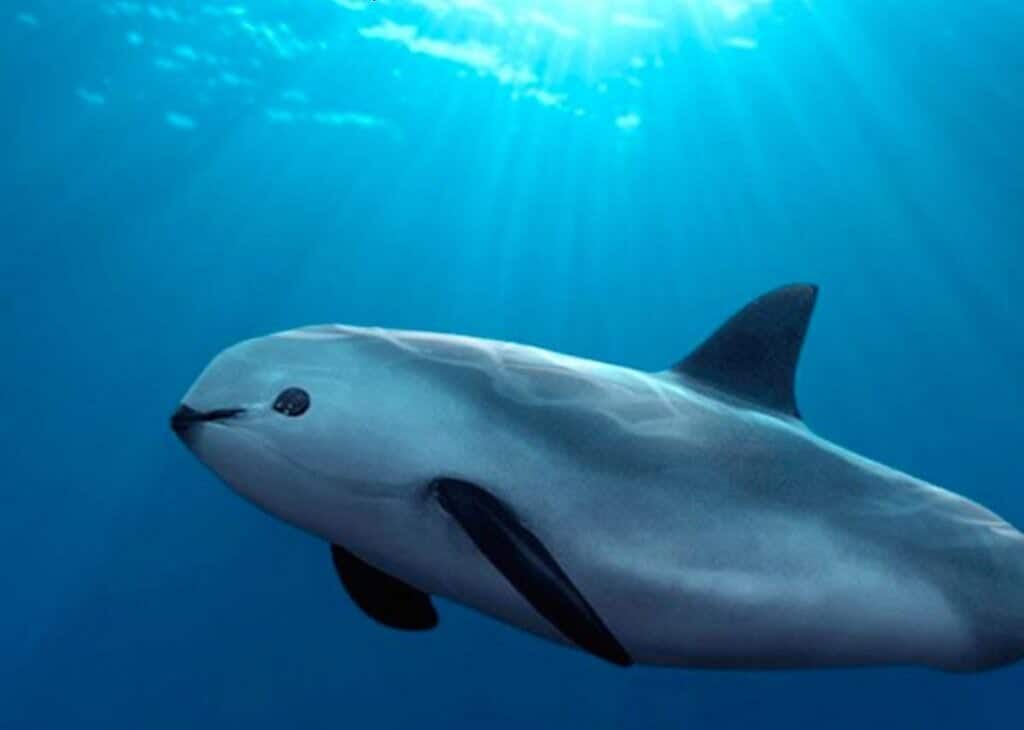
The most immediate impact of wildlife trafficking is the alarming decline in targeted species populations. Unsustainable harvesting drives species toward extinction at unprecedented rates, creating a biodiversity crisis. The vaquita porpoise now numbers fewer than 10 individuals due to bycatch in illegal fishing operations targeting the totoaba fish, whose swim bladder is highly valued in traditional Asian medicine. Similarly, the Javan rhino population has dwindled to approximately 74 individuals, primarily due to poaching.
Tiger populations have plummeted by 97% over the last century, with fewer than 3,900 remaining in the wild. The International Union for Conservation of Nature (IUCN) estimates that over 37,400 species are now threatened with extinction, with illegal wildlife trade directly contributing to this crisis. Once species fall below critical population thresholds, genetic bottlenecks and inbreeding depression further hamper recovery efforts, potentially leading to extinction vortices from which species cannot recover.
Ecosystem Disruption and Cascading Effects
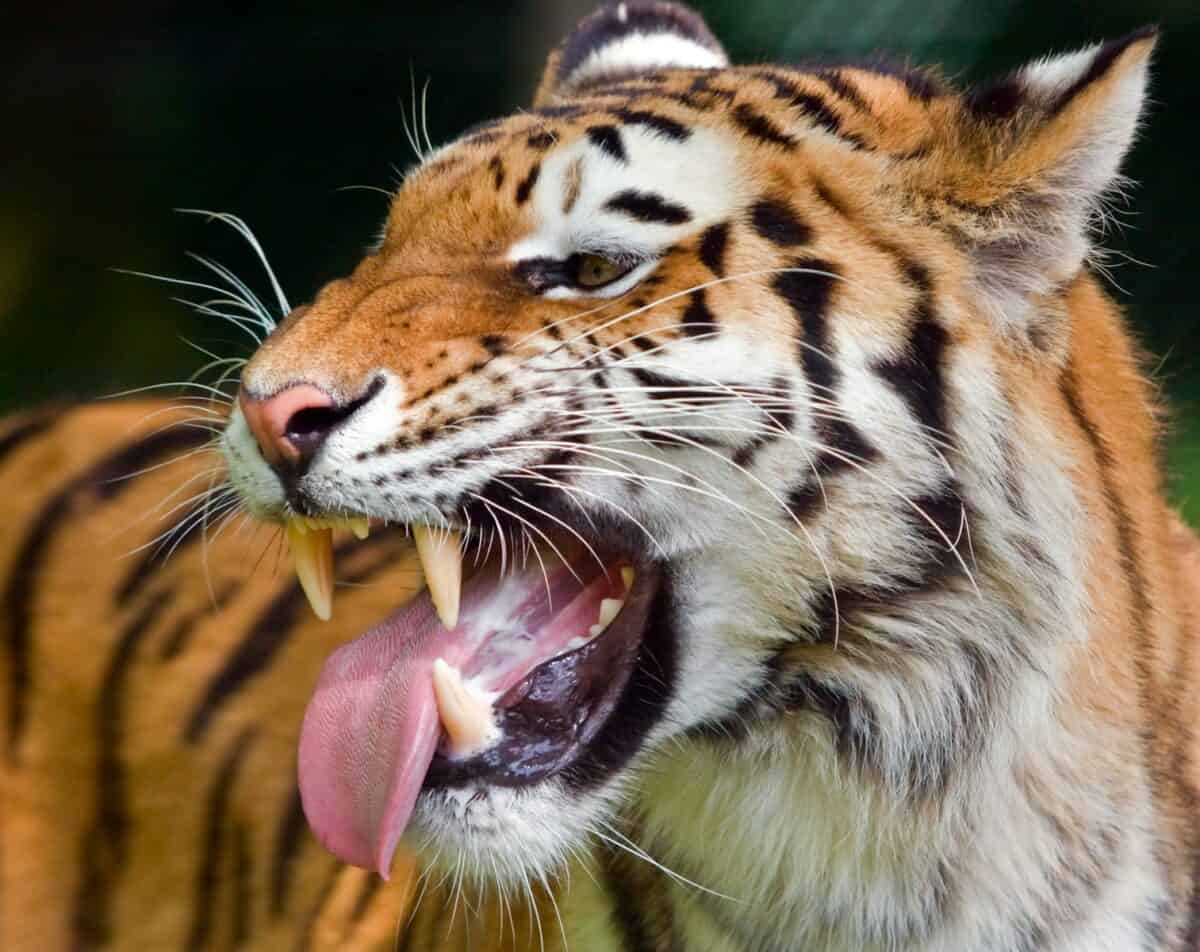
Wildlife trafficking’s impact extends far beyond individual species, triggering complex ecological cascades throughout ecosystems. When keystone species are removed, entire ecological communities can collapse. For instance, the decline of forest elephants in Central Africa has altered forest composition as these “ecosystem engineers” no longer disperse large seeds, creating openings for different vegetation patterns. Similarly, the depletion of apex predators like tigers and leopards triggers mesopredator release, where mid-sized predator populations explode, creating additional pressure on smaller prey species.
The illegal reptile trade has depleted important seed dispersers and pest controllers in many tropical regions. Coral reef ecosystems suffer when rare fish species are harvested for aquarium trade, disrupting complex symbiotic relationships. These cascading effects compromise ecosystem resilience, reducing their ability to adapt to other pressures like climate change, and ultimately threatening the ecosystem services humans depend upon—from clean water and pollination to carbon sequestration and natural disaster mitigation.
The Public Health Threat: Zoonotic Disease Emergence

Wildlife trafficking creates ideal conditions for zoonotic disease transmission—pathogens jumping from animals to humans—posing significant global health security risks. The COVID-19 pandemic, with its suspected links to wildlife markets, brought unprecedented attention to this connection. When different wild species are harvested, transported, and housed in crowded, unsanitary conditions, pathogens can spread between animals and potentially to humans.
The wildlife trade has been implicated in the spread of numerous diseases including SARS, Ebola, monkeypox, and various forms of avian influenza. Research published in the journal Proceedings of the Royal Society B found that traded mammals harbor 1.5 times more zoonotic viruses than non-traded species. Beyond direct human health impacts, these pathogens can devastate captive and wild animal populations. As climate change alters disease patterns and wildlife trafficking continues, experts warn of increased pandemic risk without stronger regulation and surveillance of this trade.
Economic and Social Consequences

The economic costs of wildlife trafficking extend far beyond the immediate loss of biodiversity. Tourism revenue, a critical economic pillar for many biodiversity-rich countries, suffers when iconic species disappear. Kenya, for example, generates approximately $1 billion annually from wildlife tourism—revenue threatened by poaching. Communities living near wildlife often bear disproportionate costs when trafficking depletes resources they depend on for subsistence, medicine, and cultural practices.
The illegal wildlife trade also undermines sustainable legal wildlife economies that could provide long-term community benefits. Furthermore, wildlife crime fosters corruption, weakens governance structures, and sometimes finances armed groups and conflicts. In some regions, wildlife trafficking intertwines with human trafficking, drug smuggling, and other illicit activities, creating complex criminal ecosystems. The infiltration of criminal organizations into wildlife trade further destabilizes vulnerable communities and reduces opportunities for sustainable development alternatives.
Drivers of Wildlife Trafficking

Understanding wildlife trafficking requires examining its complex drivers. Demand stems from multiple sources: exotic pets, traditional medicine, fashion, decorative items, food, and religious practices. Rising affluence in developing economies has expanded consumer markets for wildlife products, while cultural traditions and status symbols continue to drive demand despite sustainable alternatives. On the supply side, poverty and limited economic opportunities push individuals toward poaching as a source of income.
A single elephant can yield ivory worth more than a year’s salary in many source countries. Weak governance, corruption, and inadequate enforcement create environments where trafficking flourishes with minimal risk. Technological advances have transformed the trade, with online marketplaces and social media platforms facilitating anonymous transactions and encrypted communications helping coordinate complex smuggling operations. Climate change and habitat loss exacerbate these pressures by restricting species ranges and making remaining populations more vulnerable to exploitation.
Wildlife Trafficking’s Connection to the Exotic Pet Trade

The exotic pet trade represents a significant component of wildlife trafficking, with millions of live animals captured and sold annually. Social media has accelerated this trade, with influencers popularizing rare species as pets, driving demand for animals like slow lorises, sugar gliders, and rare reptiles. Beyond the conservation impact, this trade raises serious welfare concerns. Mortality rates during capture and transport are staggering—for every live bird that reaches a buyer, an estimated 3-10 die in the process.
Many exotic species have complex care requirements that typical owners cannot meet, leading to neglect, abandonment, or premature death. When owners can no longer care for these animals, they may release them, creating invasive species problems. For example, released Burmese pythons have established devastating populations in Florida’s Everglades. The pet trade also threatens biosecurity, as demonstrated by the monkeypox outbreak in the United States linked to imported African rodents. Despite these concerns, online markets for exotic pets continue to expand, with encrypted messaging apps and specialized forums connecting buyers and sellers across borders.
Challenges in Enforcement and Regulation

Combating wildlife trafficking presents formidable enforcement challenges. The Convention on International Trade in Endangered Species (CITES), the primary international framework regulating wildlife trade, lacks enforcement mechanisms and depends on member countries to implement and enforce regulations. Many countries lack the capacity, resources, or political will to effectively monitor borders and prosecute wildlife crimes. Wildlife rangers are often undermanned, underequipped, and face dangerous armed poachers—over 1,000 rangers have been killed in the line of duty over the past decade.
Legal penalties for wildlife trafficking frequently fail to reflect the crime’s severity, with sentences dramatically lighter than for comparable crimes like drug trafficking. Corruption further undermines enforcement efforts, with officials sometimes complicit in trafficking operations. The trade’s global nature requires international cooperation, yet investigations often stop at national borders. Sophisticated trafficking networks exploit these gaps, using complex routing, forged documentation, shell companies, and legal trade as cover for illegal activities. The growing online marketplace presents additional challenges for monitoring and regulation.
Innovative Solutions and Technology in Anti-Trafficking Efforts

Despite these challenges, innovative approaches are emerging in the fight against wildlife trafficking. DNA testing and forensic tools now help authorities identify species origin, supporting prosecution and revealing trafficking routes. The SMART (Spatial Monitoring and Reporting Tool) conservation software improves ranger patrol effectiveness through data collection and analysis. Artificial intelligence and machine learning applications scan online marketplaces and social media for illegal wildlife products, while drone technology enhances surveillance of protected areas.
Blockchain systems are being developed to create tamper-proof supply chain tracking for legal wildlife products. Conservation organizations increasingly engage communities as partners, creating economic incentives for protection rather than exploitation. The IUCN’s “Beyond Enforcement” initiative emphasizes community-based approaches that address root causes of poaching. Financial investigation techniques follow money trails to expose trafficking networks, while intelligence-led enforcement models focus limited resources on critical nodes in trafficking chains. These technological and community-based innovations offer promising paths forward when traditional enforcement approaches alone prove insufficient.
Successful Conservation Models and Case Studies
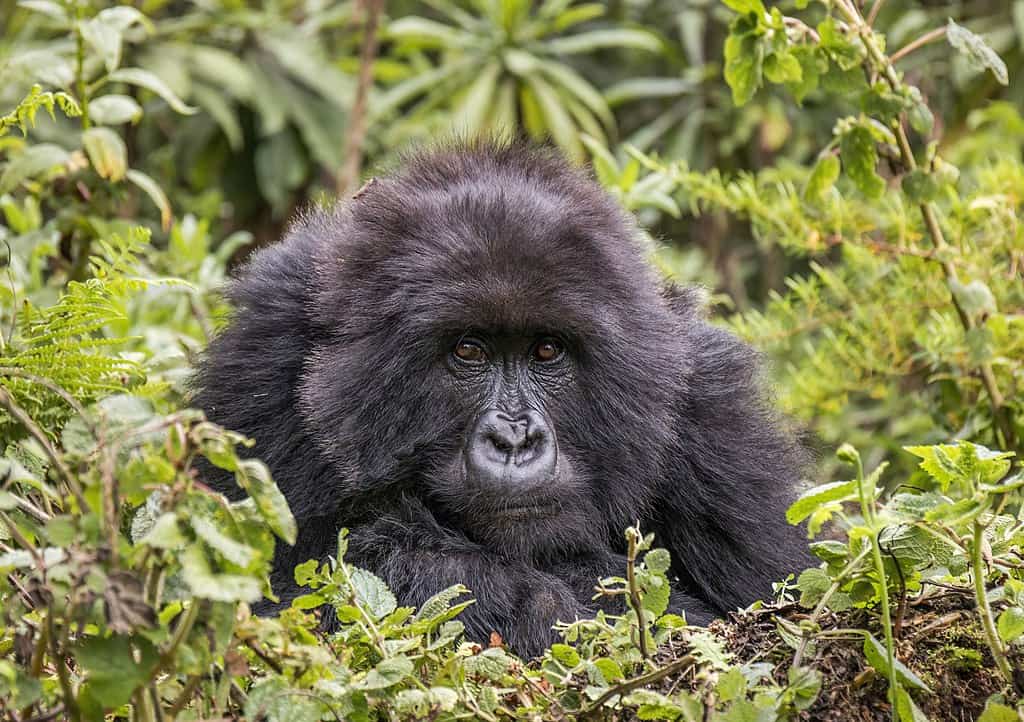
Several success stories demonstrate effective approaches to combating wildlife trafficking. Nepal achieved zero rhino poaching in several recent years through a comprehensive approach combining community involvement, intelligence networks, and strong political commitment. Mountain gorilla populations have increased from 620 individuals in 1989 to over 1,000 today, thanks to coordinated conservation efforts across Rwanda, Uganda, and the Democratic Republic of Congo that integrate tourism revenue with local communities.
The vicuña in South America recovered from near-extinction to over 350,000 individuals by giving indigenous communities sustainable harvesting rights for their valuable wool. Wildlife tourism models in Namibia have created community conservancies where locals benefit directly from protecting rather than poaching wildlife. India’s Project Tiger has doubled wild tiger populations since 2006 through habitat protection, anti-poaching measures, and relocated villages with community benefits. The African Elephant Conservation Act in the United States helped reduce ivory demand through consumer education and strict import regulations. These successes share common elements: community engagement, sustainable economic alternatives, cross-border cooperation, and addressing both supply and demand sides of trafficking.
Consumer Awareness and Demand Reduction

Reducing consumer demand represents a crucial counterpart to enforcement efforts. Behavioral change campaigns have shown promising results in several markets. For example, shark fin consumption in China decreased by approximately 80% following awareness campaigns featuring basketball star Yao Ming. Organizations like WildAid utilize celebrities and targeted messaging to change consumer attitudes about wildlife products like rhino horn and elephant ivory. Education initiatives help tourists avoid inadvertently purchasing illegal wildlife products, with campaigns like WWF’s “Buyer Beware” providing guidance on common illegal souvenirs.
Corporate engagement has also expanded, with companies implementing wildlife-friendly purchasing policies and online platforms like eBay, Alibaba, and Facebook restricting wildlife product sales. However, changing deeply entrenched cultural practices and status symbols remains challenging. Research shows that demand reduction campaigns work best when they understand the specific motivations behind consumption—whether medicinal beliefs, status signaling, or cultural traditions—and offer acceptable alternatives. Additionally, campaigns must adapt to rapidly shifting market dynamics as traffickers promote new species and products when traditional ones become restricted.
International Cooperation and Policy Developments

Wildlife trafficking’s transnational nature necessitates international cooperation. Recent years have seen significant policy developments, including the 2015 UN General Assembly resolution on tackling illicit wildlife trafficking, which elevated the issue on the global agenda. The United States strengthened its approach through the END Wildlife Trafficking Act, supporting international anti-trafficking programs. China’s 2017 ivory ban represented a landmark policy shift from the world’s largest ivory market. Regional initiatives like the Association of Southeast Asian Nations’ Wildlife Enforcement Network (ASEAN-WEN) coordinate cross-border investigations and law enforcement. International organizations including INTERPOL and the World Customs Organization have developed specialized wildlife crime units and operations.
The United Nations Office on Drugs and Crime now includes wildlife crime in its mandate, bringing additional resources and expertise. Financial action task forces increasingly target money laundering from wildlife crime. Despite these advances, implementation gaps remain, particularly in countries with limited resources or governance challenges. The ongoing nature of the biodiversity crisis calls for strengthened political commitment, increased funding for conservation efforts, and greater integration of wildlife trafficking concerns into broader development, security, and public health frameworks.
The Future of Biodiversity Conservation in an Era of Trafficking

The future of biodiversity conservation in the face of wildlife trafficking will require multifaceted approaches that address both immediate threats and underlying drivers. Climate change adds urgency to these efforts, as shifting habitats and extreme weather events further stress vulnerable populations. Emerging technologies like environmental DNA (eDNA) sampling, satellite monitoring, and biometric identification systems offer new tools for tracking both wildlife and traffickers. Sustainable bioeconomy initiatives that create value from biodiversity without depleting it—such as ecotourism, certified sustainable products, and biodiversity credits—provide economic alternatives to exploitation.
The One Health approach, which recognizes the interconnections between human, animal, and environmental health, is gaining traction in policy circles following COVID-19. Conservation efforts increasingly incorporate indigenous knowledge and management practices, recognizing that traditional stewards often maintain the highest levels of biodiversity. As the 2030 deadline for the Sustainable Development Goals approaches, integrated approaches that recognize biodiversity’s role in poverty alleviation, health security, and climate resilience may offer the most promising path forward. Through combining enforcement, community engagement, demand reduction, and sustainable development, conservationists hope to disrupt trafficking networks while building resilient socio-ecological systems that protect biodiversity for future generations.
Saving Global Diversity

Wildlife trafficking represents one of the most pressing threats to global biodiversity, with impacts that cascade through ecosystems, economies, and human communities. The complexity of this criminal enterprise demands equally sophisticated responses that address both the immediate symptoms and root causes. While the challenges are substantial, innovative approaches, successful conservation models, and growing international cooperation offer reasons for cautious optimism.
By strengthening enforcement, reducing consumer demand, engaging communities, developing sustainable alternatives, and recognizing the connections between biodiversity, human health, and economic wellbeing, we can work toward a future where wildlife trafficking no longer threatens the remarkable diversity of life on our planet. The stakes could not be higher—not just for the survival of trafficked species, but for the ecological systems upon which all life depends.

From exploring the marine wonders in the Azores and witnessing the vast savannas of Kenya, to delving deep into the rich biodiversity of South Africa and traversing iconic landscapes in Australia and the US like Yellowstone, Chris's experiences are vast.
With a penchant for diving alongside sharks, the ocean holds a special place in his heart.
Through his academic insights, he champions wildlife conservation, striving with 'Animals Around The Globe' to cultivate a profound connection between humans and animals, enhancing our mutual appreciation.
Connect with him at Feedback@animalsaroundtheglobe.com.
- This Monkey Has a Mustache - July 21, 2026
- How Steve Irwin Changed the World’s View of Wildlife - July 21, 2026
- The Catfish That Caused Earthquakes in Japanese Folklore - July 21, 2026