


In the animal kingdom, defense mechanisms come in all shapes and forms. Some creatures camouflage, others deploy venomous stings, while a select few have evolved truly bizarre tactics. Perhaps none is more startling than certain lizards’ ability to shoot blood from their eyes—a phenomenon that sounds like something from science fiction but is very much a reality in nature. These remarkable reptiles, primarily horned lizards of the genus Phrynosoma, have developed this unusual defensive strategy that continues to fascinate scientists and nature enthusiasts alike. This article dives deep into this extraordinary adaptation, exploring how it works, why it evolved, and what we can learn from these remarkable creatures.
The Blood-Squirting Specialists: Horned Lizards

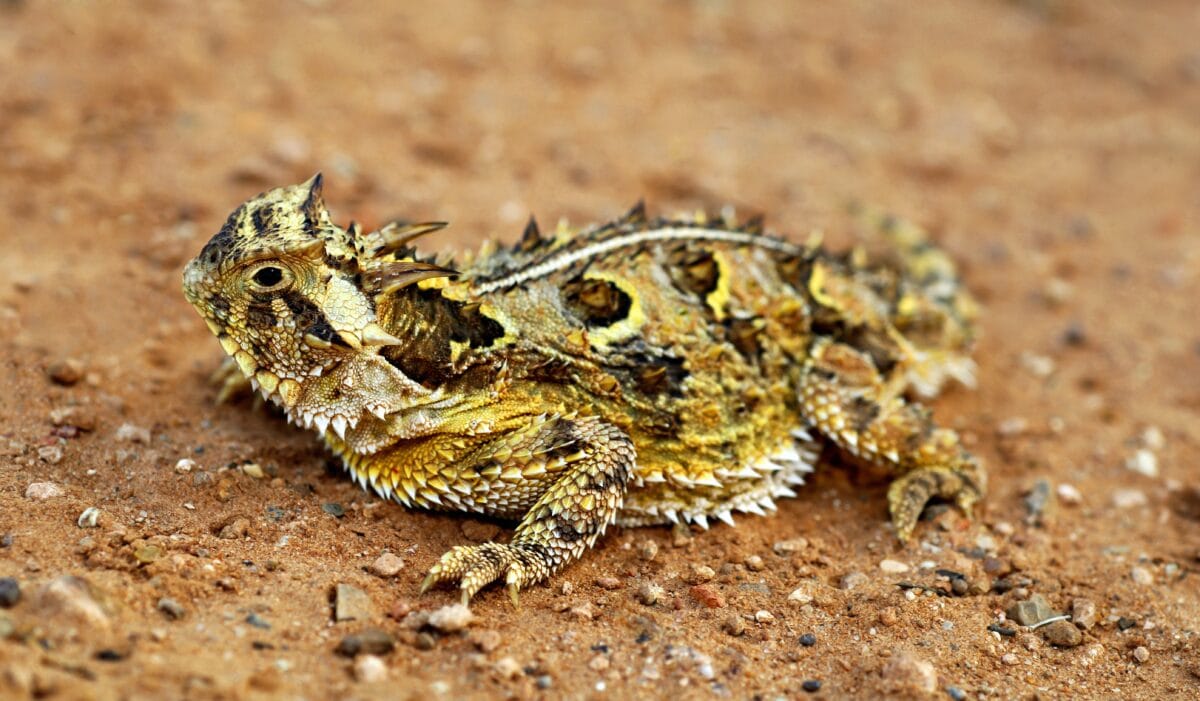
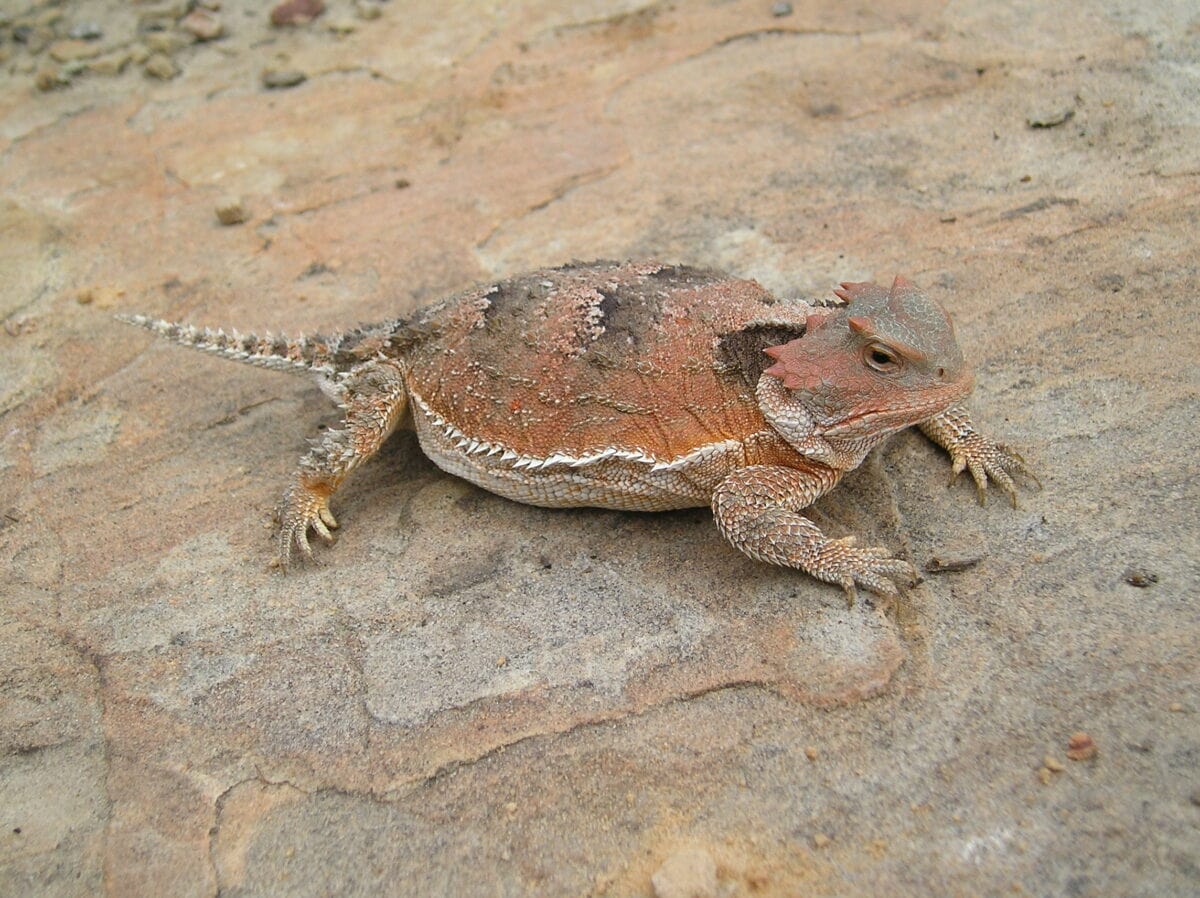
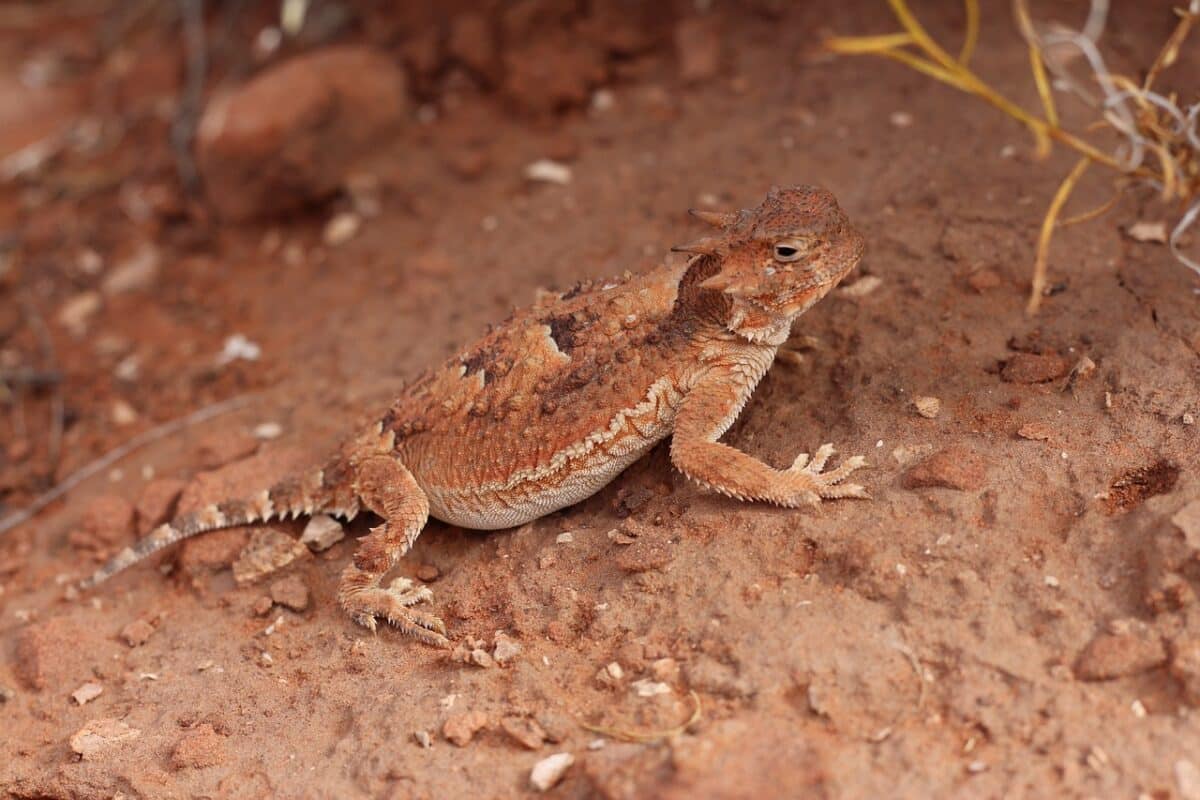
When we talk about lizards that shoot blood from their eyes, we’re specifically referring to horned lizards (genus Phrynosoma), native to North and Central America. These fascinating reptiles are sometimes colloquially called “horny toads” or “horned toads” because of their round, toad-like body shape, despite being true lizards. Of the 17 recognized species of horned lizards, at least eight species have demonstrated the blood-squirting ability, with the Texas horned lizard (Phrynosoma cornutum) and the regal horned lizard (Phrynosoma solare) being particularly well-known practitioners of this defense.
Horned lizards are generally small to medium-sized reptiles, ranging from about 2.5 to 6 inches in length, with distinctive crowns of horn-like spines protruding from the back of their heads. Their bodies are flattened and round, covered in spiny scales that provide additional protection. Most species inhabit arid or semi-arid environments across the western United States and Mexico, where they’ve adapted to survive in harsh desert conditions.
The Mechanics Behind Blood-Squirting

The process of blood-squirting is a marvel of biological engineering. When threatened by certain predators, particularly canids like coyotes and foxes, the horned lizard employs a remarkable defense mechanism. The lizard increases the blood pressure in small vessels around its eyes called sinuses. As pressure builds in these ocular sinuses, tiny capillaries within the eyelid membranes rupture intentionally. The result? A controlled stream of blood can be propelled up to 5 feet (1.5 meters) from the corners of the lizard’s eyes.
Unlike a simple leak or passive bleeding, this is an active process. The lizard can direct this stream with surprising accuracy, often aiming at the predator’s mouth or face. What’s more, the lizard can control the pressure and duration of the blood spray, sometimes continuing the defense for several minutes if the threat persists. Scientists have observed that a single lizard can squirt blood multiple times in succession, though doing so requires recovery time to replenish the blood supply.
Chemical Warfare: Not Just Any Blood

The blood that horned lizards squirt isn’t simply regular blood—it contains a chemical cocktail that serves as a potent deterrent to would-be predators. Research has shown that this blood contains compounds that are distasteful, even nauseating, to canid predators like coyotes and domestic dogs. These chemicals cause an immediate aversive reaction, often resulting in the predator retreating while pawing at its mouth or shaking its head vigorously to remove the foul-tasting substance.
The noxious compounds in the blood appear to be derived from the horned lizard’s diet, which consists primarily of harvester ants. These ants contain alkaloid toxins, which the lizard somehow concentrates in its blood without harming itself. This represents a fascinating example of dietary sequestration, where an animal incorporates defensive chemicals from its food into its own defense systems. The blood’s chemical makeup is so effective against canids that once a predator experiences it, they often avoid horned lizards entirely in future encounters.
The Evolutionary Advantage

The evolution of blood-squirting represents a remarkable adaptation that likely developed in response to specific predatory pressures. Horned lizards face threats from numerous predators, including birds of prey, snakes, and mammals. Interestingly, they reserve the blood-squirting defense primarily for mammalian predators, particularly canids like coyotes, foxes, and wolves.
This specialized defense appears to have evolved because horned lizards’ primary defense—remaining motionless and relying on camouflage—is less effective against canids, which have keen senses of smell. When detected by these predators, the lizard needs a more active defense. Since canids often grab prey with their mouths, directing a distasteful blood spray at the predator’s sensitive muzzle and tongue proves remarkably effective. The evolutionary investment in this unusual mechanism speaks to the significant threat these predators must have posed throughout the horned lizard’s evolutionary history.
Triggering the Response: When Lizards Decide to Squirt

Horned lizards don’t deploy their blood-squirting mechanism indiscriminately. Research has shown they reserve this energetically costly defense for specific threats. The primary triggers appear to be mammalian predators, particularly canids like coyotes and foxes. When confronted by birds of prey or snakes, horned lizards typically rely on other defensive strategies, such as camouflage, inflation of their bodies to appear larger, or presenting their spiny crowns.
The decision to squirt blood seems to follow a hierarchy of defenses. When a threat is first detected, the lizard typically freezes, relying on its excellent camouflage. If the predator continues to approach, the lizard may puff up its body, hiss, or open its mouth threateningly. Only when these tactics fail—and typically only against canid predators—will the lizard resort to blood-squirting. This selective deployment suggests a sophisticated threat-assessment capability, allowing the lizard to conserve energy by using this costly defense only when absolutely necessary.
The Physiological Cost

Blood-squirting is not without its costs to the horned lizard. The loss of blood represents a significant physiological expense, as the lizard must replace both the fluid and cellular components. Studies have estimated that a horned lizard may expel up to 2-3% of its body weight in blood during a defensive episode, which requires considerable energy to replace. This helps explain why the lizards use this defense selectively and as a last resort.
Additionally, the pressure required to rupture ocular capillaries and propel blood could potentially damage delicate eye tissues if used excessively. The lizard must also recover from the stress response triggered by the predatory encounter. After a blood-squirting event, horned lizards typically seek shelter and may reduce activity for a period while they recuperate. The fact that this costly defense has been maintained through evolutionary time underscores its effectiveness at deterring predators that would otherwise pose a lethal threat.
Scientific Research and Discoveries
Scientific interest in horned lizards’ blood-squirting ability dates back to the late 19th century, but detailed research didn’t begin until the mid-20th century. Early studies focused primarily on documenting the phenomenon, while more recent research has investigated the physiological mechanisms and chemical composition of the blood. Wade Sherbrooke, a herpetologist who has studied horned lizards extensively, has conducted pivotal experiments demonstrating the targeted nature of this defense against canid predators.
Recent scientific breakthroughs include the identification of specific compounds in the blood that cause aversive reactions in predators and the discovery of specialized blood vessels and muscle control that enable precise blood pressure regulation around the eyes. Researchers have also begun exploring the genetic basis for this unique adaptation, seeking to understand how the necessary physiological mechanisms evolved. Modern imaging techniques have allowed scientists to visualize the internal structures involved, providing new insights into this remarkable defense system.
Other Unusual Lizard Defense Mechanisms

While blood-squirting is perhaps the most dramatic lizard defense mechanism, the reptile world features many other fascinating protective adaptations. The armadillo lizard (Ouroborus cataphractus) rolls into a ball, grasping its tail in its mouth to protect its vulnerable underside. Several gecko species perform autotomy—voluntarily detaching their tails, which continue to wiggle, distracting predators while the gecko escapes. The frilled lizard (Chlamydosaurus kingii) unfurls an impressive neck frill to appear larger and more intimidating.
Some lizards employ chemical defenses beyond blood-squirting. Certain geckos secrete foul-smelling substances from their tails, while blue-tongued skinks display their bright blue tongues as a warning signal. The Gila monster and Mexican beaded lizard are among the few venomous lizards, delivering toxic bites to deter predators. Each of these adaptations represents an evolutionary solution to survival challenges, with blood-squirting standing out as one of the most specialized and unusual in the reptile world.
Conservation Status and Threats

Several species of horned lizards have experienced population declines in recent decades, with the Texas horned lizard now listed as a threatened species in its native state. The primary threats include habitat loss due to urban development and agricultural expansion, which has fragmented many horned lizard populations. The conversion of native grasslands and deserts to cultivated fields and suburban developments has dramatically reduced suitable habitat.
Another significant threat comes from the invasion of fire ants and the decline of native harvester ants, which form the primary diet of many horned lizard species. Fire ants not only compete with the harvester ants that horned lizards depend on but can also attack and kill young lizards. Pesticide use further impacts ant populations and can directly affect horned lizards. Climate change presents additional challenges, potentially altering the arid environments these specialized reptiles have adapted to inhabit. Conservation efforts now focus on habitat preservation, restoration of native ant colonies, and captive breeding programs to help stabilize declining populations.
Cultural Significance and Human Perceptions
Horned lizards have featured prominently in the cultural traditions of many indigenous peoples across the American Southwest and Mexico. In some Native American traditions, they appear in creation stories and are associated with rain-bringing powers or considered guardians of sacred places. The Navajo and Hopi peoples incorporated horned lizard motifs into their art and ceremonial objects, often respecting the creature for its tenacity and unique defenses.
In modern times, horned lizards have become popular cultural symbols in states where they’re native. The Texas horned lizard serves as the official state reptile of Texas and has been adopted as a mascot by several schools and sports teams. Their distinctive appearance and remarkable defensive capabilities have made them subjects of fascination in nature documentaries and educational programs. However, this popularity has sometimes led to over-collection for the pet trade, contributing to population declines before protective legislation was enacted in many areas.
Experiencing Blood-Squirting: Observer Accounts
Those fortunate (or unfortunate) enough to witness a horned lizard’s blood-squirting defense firsthand often describe it as a startling and memorable experience. Wade Sherbrooke, the noted herpetologist, has documented numerous blood-squirting events during his research. He describes the sound as a soft “pffft” followed by the appearance of fine droplets or a stream of blood projecting from the eye region. The blood typically appears bright red and can reach surprising distances, sometimes spattering observers standing several feet away.
Wildlife photographers who have captured this rare event report that it happens with remarkable speed, often taking less than a second from the time pressure builds to when blood is expelled. Dog owners whose pets have encountered horned lizards describe their animals recoiling violently, pawing at their mouths, drooling excessively, and showing signs of distress for several minutes after contact with the blood. Field researchers note that the lizards themselves appear relatively unaffected after squirting blood, often remaining still for a short period before moving away to seek shelter, showing no signs of pain or distress despite the seemingly dramatic nature of the defense.
Conclusion: Nature’s Extraordinary Adaptations
The blood-squirting defense of horned lizards stands as a testament to the extraordinary adaptations that can evolve in response to environmental pressures. This remarkable mechanism—simultaneously bizarre and brilliant—represents millions of years of evolutionary refinement, resulting in a highly specialized defense that effectively targets specific predators. The precision with which these lizards can deploy their defense, from the selective triggering against certain threats to the controlled pressure and aim of the blood stream, demonstrates the sophistication that can emerge through natural selection.
As we continue to study these fascinating creatures, they offer important lessons about biodiversity, adaptation, and the intricate relationships between predators and prey. They also remind us that nature’s solutions to survival challenges often surpass human imagination in their creativity and effectiveness. Conservation of horned lizards and their habitats not only preserves these living examples of evolutionary innovation but also protects the complex ecosystems they inhabit. In a world where uniqueness is increasingly valued, few animals showcase nature’s inventiveness quite like the lizards that have mastered the art of shooting blood from their eyes.

From exploring the marine wonders in the Azores and witnessing the vast savannas of Kenya, to delving deep into the rich biodiversity of South Africa and traversing iconic landscapes in Australia and the US like Yellowstone, Chris's experiences are vast.
With a penchant for diving alongside sharks, the ocean holds a special place in his heart.
Through his academic insights, he champions wildlife conservation, striving with 'Animals Around The Globe' to cultivate a profound connection between humans and animals, enhancing our mutual appreciation.
Connect with him at Feedback@animalsaroundtheglobe.com.
- Top Volcano Trails Where You Might Spot Rare Wildlife - June 22, 2026
- The Real Wildlife Behind the Great American Road Trip - June 22, 2026
- The Animal Bride: Myths of Humans Marrying Beasts Across Cultures - June 22, 2026