

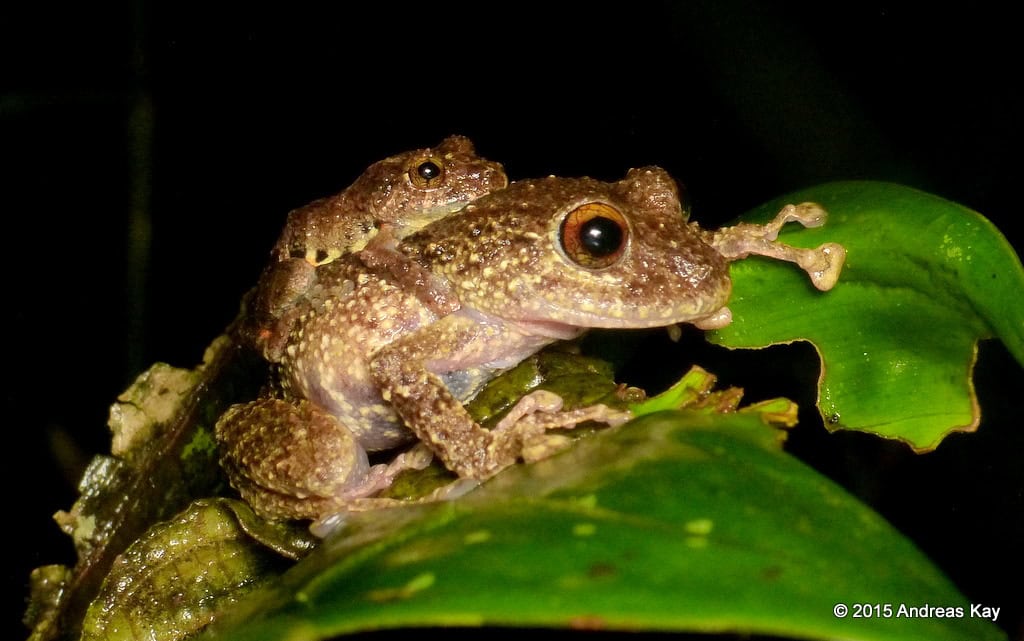
In certain regions across the globe, an extraordinary natural spectacle unfolds annually—massive migrations of frogs that transform local landscapes into living carpets of hopping amphibians. These remarkable biological events, often triggered by seasonal rains and breeding cycles, have evolved from being considered strange disruptions to becoming celebrated cultural phenomena in many communities.
Rather than viewing these amphibian invasions as nuisances, locals have ingeniously transformed them into festivals, conservation efforts, and tourist attractions that honor the ecological importance of these creatures while creating unique community traditions. From the rain-soaked roads of Rayne, Louisiana, to the monsoon-triggered movements in parts of Southeast Asia, these annual frog migrations represent nature’s remarkable rhythms and humanity’s adaptive relationship with the natural world.
Rayne, Louisiana: The Frog Capital of the World

Perhaps no place embraces its amphibian associations more enthusiastically than Rayne, Louisiana. Officially designated “The Frog Capital of the World,” this small town’s identity is inextricably linked to frogs. The connection began in the 1880s when local chef Donat Pucheu started exporting frog legs to restaurants nationwide. By the early 20th century, businessmen Jacques Weil and Alexandre Gérard expanded this trade internationally, shipping Rayne’s bullfrogs to fine dining establishments across Europe.
While commercial frog harvesting has diminished, Rayne’s annual Frog Festival, established in 1973, continues to attract thousands of visitors who enjoy events like frog jumping contests, frog racing, and the crowning of a Frog Festival Queen. The town’s buildings are adorned with colorful frog murals, creating a permanent tribute to the amphibians that put Rayne on the map and continue to bring economic benefits through tourism and cultural heritage.
The Spectacular Migration of Golden Toads in Monteverde, Costa Rica
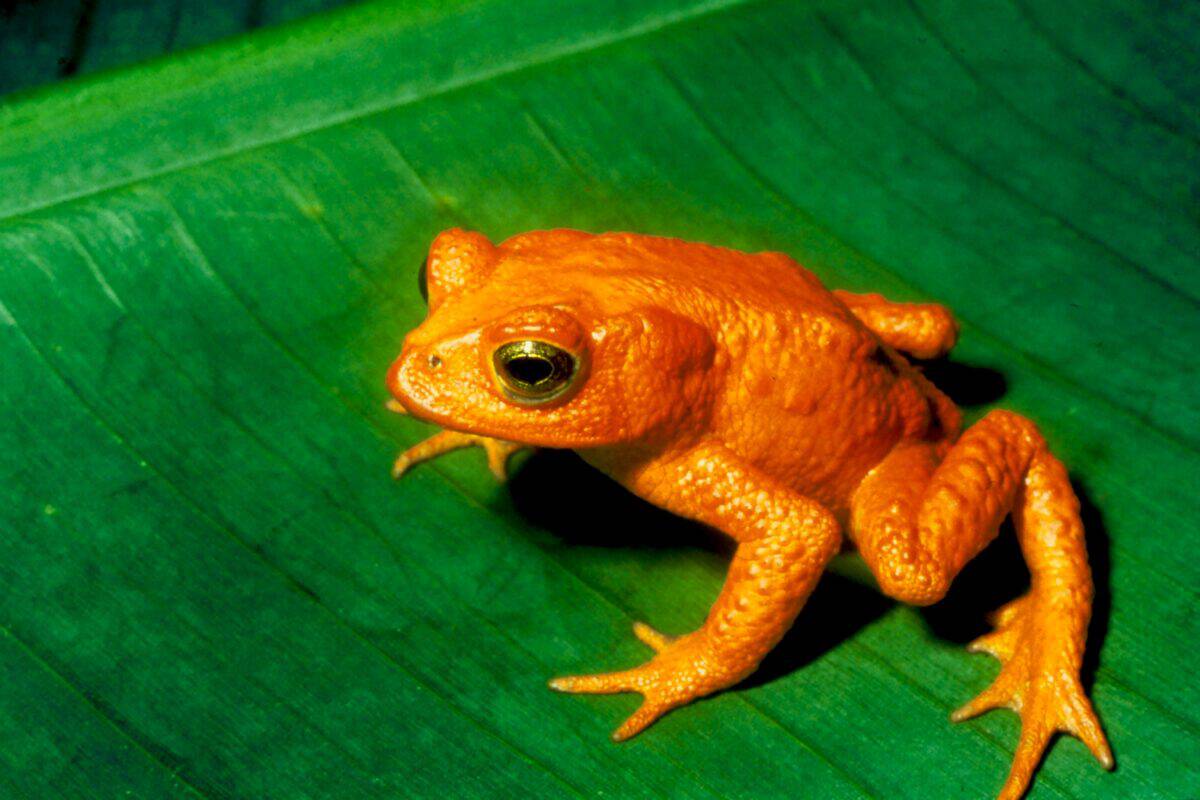
The cloud forests of Monteverde, Costa Rica, were once home to one of the most extraordinary amphibian gatherings in the world—the annual breeding aggregation of the golden toad (Incilius periglenes). During the onset of the rainy season in April and May, thousands of brilliantly colored orange-gold males would emerge from their forest hideaways and congregate around temporary pools. This explosive breeding event would transform small water bodies into surreal scenes of golden activity, as up to 200 males competed for the attention of the far fewer females.
Local communities developed traditions around this natural spectacle, with guided tours and conservation awareness events coinciding with the migration. Tragically, the golden toad is now believed extinct, with the last specimen observed in 1989. Climate change, along with the chytrid fungus, is thought to have led to their disappearance. Today, locals still commemorate the golden toad through educational programs and conservation initiatives aimed at protecting the cloud forest’s remaining amphibian species, turning the celebration into a poignant reminder of what has been lost and what still needs protection.
Calaveras County Fair: Where Mark Twain’s Legacy Hops On
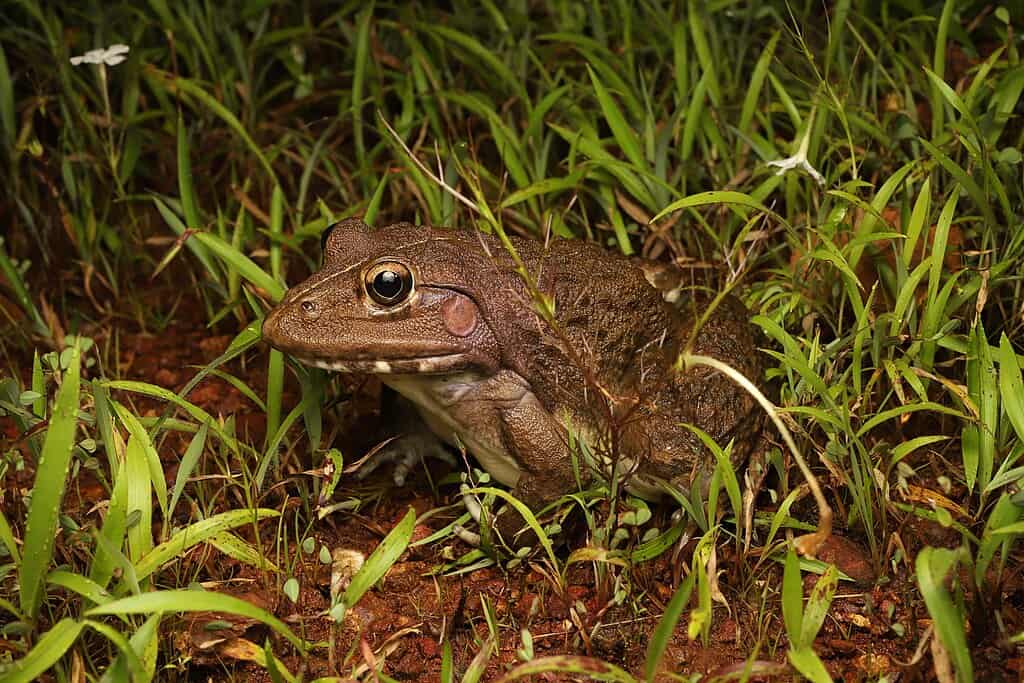
The Calaveras County Fair and Jumping Frog Jubilee in Angels Camp, California, stands as one of America’s most famous frog-centered celebrations. Inspired by Mark Twain’s 1865 short story “The Celebrated Jumping Frog of Calaveras County,” this tradition has continued for over 90 years. Each May, the fairgrounds come alive with thousands of spectators watching as contestants urge their amphibian athletes to make record-breaking leaps. The current record stands at 21 feet, 5¾ inches, set by a frog named Rosie the Ribeter in 1986. Beyond the jumping competition, the four-day event includes a full county fair with agricultural exhibitions, concerts, and carnival rides.
What began as a small promotional event has evolved into a significant cultural institution that attracts international media attention and contributes substantially to the local economy. The celebration has created a unique intersection of literature, local history, and environmental awareness, as participating teams and spectators learn about frog conservation and habitat protection through educational displays and presentations that accompany the festivities.
Thailand’s Rocket Festival: When Frogs Signal the Rains

In northeastern Thailand and parts of Laos, the appearance of frogs historically signaled the coming monsoon season, a critical time for rice planting. This natural indicator became intertwined with the Bun Bang Fai, or Rocket Festival, typically held in May before the rainy season begins. According to local beliefs, the festival’s homemade rockets—some reaching heights of several kilometers—stimulate rainfall by “waking up” the rain god Phaya Thaen. Locals celebrate the expected rains and the subsequent frog emergence with colorful parades, music, dance performances, and competitive rocket launching.
Frogs feature prominently in festival folklore and imagery, symbolizing fertility and abundance. Communities prepare special dishes with frogs during this time and perform traditional dances that mimic their movements. As climate change alters rainfall patterns, affecting both agriculture and frog breeding cycles, the festival has taken on new significance as a cultural response to environmental challenges. Many communities now incorporate environmental education components into the celebration, highlighting the ecological importance of frogs as bioindicators and their role in sustainable agricultural practices.
The Northern Cricket Frog Migration of Wisconsin

The shores of Lake Michigan in Wisconsin witness a remarkable natural event each spring when thousands of Northern Cricket Frogs (Acris crepitans) migrate from their winter hibernation sites to breeding ponds. These tiny frogs, typically measuring less than two inches, create a subtle but significant spectacle as they hop across roads and through residential areas. Local conservation groups have developed the “Frog Watch” celebration to coincide with this migration, organizing community science initiatives where residents monitor frog populations and help create safe passage across roads.
Evening “Frog Choruses” have become popular events where families gather at local nature centers to listen to the distinctive clicking calls that give these frogs their name. Educational programs explain how these amphibians serve as indicators of ecosystem health, and volunteers construct temporary drift fences to guide migrating frogs away from hazardous road crossings. The migration has inspired local artists who create frog-themed works for annual exhibitions, and restaurants offer special “Frog Watch” menus (though notably not featuring frog legs) to raise funds for wetland conservation efforts. What began as a simple natural phenomenon has evolved into a celebration that connects community members with local ecology and conservation science.
Monsoon Magic: India’s Frog Weddings

In various regions across India, particularly in agricultural communities of Maharashtra, Assam, and Karnataka, the annual arrival of monsoon rains coincides with an unusual tradition—frog weddings or “manduk vivah.” When monsoon rains are delayed, threatening crops and livelihoods, villagers capture two frogs, dress them in miniature wedding attire, and conduct a traditional marriage ceremony with all the elements of a human wedding: priests, guests, music, and feasting. This ritual, believed to please the rain gods and bring precipitation, celebrates the intimate connection between frogs and rainfall. Far from being mere superstition, the practice recognizes frogs as biological indicators of environmental conditions.
The ceremonies have evolved in recent years to include conservation messaging, with many communities using the tradition as an opportunity to educate about declining amphibian populations and wetland preservation. Local environmental organizations now partner with communities to expand these events into amphibian awareness days, featuring informational displays about native frog species and their ecological importance. The tradition reflects an indigenous understanding of ecological relationships that predates modern science while adapting to incorporate contemporary conservation concerns.
The Great Western Toad Migration of British Columbia
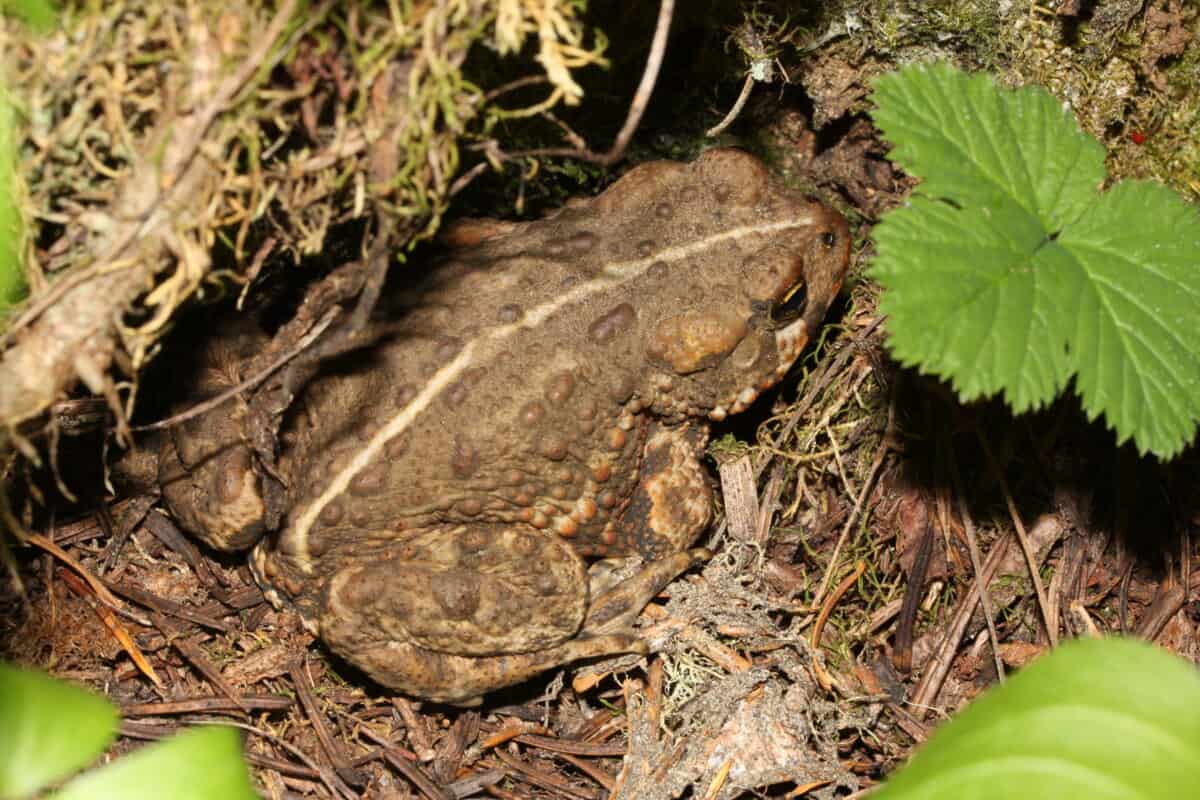
Each summer along the shores of Whistler’s Lost Lake in British Columbia, Canada, an extraordinary natural event unfolds as hundreds of thousands of tiny Western Toadlets (Anaxyrus boreas) emerge from the water and begin their precarious journey into the surrounding forests. This mass exodus has become the centerpiece of the community’s Toadlet Festival, a celebration that combines citizen science, environmental education, and family-friendly activities. For approximately three weeks, typically in July and August, volunteers establish “toad roads”—protected pathways that allow the centimeter-long amphibians to safely cross human thoroughfares.
The Whistler Naturalists Society coordinates daily “Toad Talks” that explain the species’ life cycle and ecological significance, while volunteers count migrating toadlets to monitor population trends. Local schools participate through art projects and monitoring activities, and evening programs include guided walks to observe adult toads returning to breeding sites. The festival has expanded to include traditional ecological knowledge components, with indigenous elders sharing cultural perspectives on the relationship between humans and amphibians. What began as a conservation necessity has transformed into a celebration that connects community members with natural cycles and instills a sense of environmental stewardship while generating tourism interest during the summer season.
Taiwan’s Alishan Frog Festival: Chorus in the Mountains

In Taiwan’s mountainous Alishan region, the arrival of spring brings an extraordinary natural concert as millions of Taipei tree frogs (Rhacophorus taipeianus) and Alishan tree frogs (Kurixalus aliorum) begin their mating calls in unison. This amphibian chorus, once considered merely a noisy natural occurrence, has been transformed into the Alishan Frog Festival, a celebration that combines ecological tourism with indigenous Tsou cultural traditions. The festival coincides with the peak breeding season in March and April when frog calls reach their highest intensity on rainy evenings. Guided nighttime walks allow visitors to experience the remarkable soundscape while learning about amphibian ecology.
The Tsou people, who have historically viewed frogs as harbingers of agricultural prosperity, perform traditional dances and music inspired by frog movements and sounds. Local schools participate through scientific monitoring programs where students record calling patterns and species distributions, contributing valuable data to conservation efforts. The festival has become an important economic driver for local communities, promoting sustainable tourism while highlighting the region’s unique biological heritage. Conservation messaging emphasizes the threats facing Taiwan’s endemic amphibians, particularly climate change and habitat fragmentation, connecting the cultural celebration to pressing environmental concerns.
Environmental Significance: Why Frog Migrations Matter

These annual frog invasions represent far more than curious natural phenomena—they are crucial ecological processes with significant environmental implications. Amphibians serve as exceptional bioindicators, their permeable skin making them particularly sensitive to environmental changes and pollutants. Mass migrations offer scientists valuable opportunities to monitor population health, species diversity, and ecosystem functioning. The timing of these events provides insights into climate change impacts, as altered precipitation patterns and temperature regimes affect breeding triggers.
Additionally, these aggregations represent important trophic pulses in ecosystems, providing concentrated food sources for predators and contributing to nutrient cycling when many individuals die naturally after breeding. The celebrations surrounding these events have increasingly incorporated citizen science components, with community members collecting valuable data that would be impossible for professional scientists to gather alone.
Through participatory monitoring, local knowledge becomes integrated with scientific research, creating more comprehensive understanding of amphibian ecology. By transforming these natural phenomena into cultural celebrations, communities establish emotional connections to ecological processes that might otherwise go unnoticed, fostering conservation mindsets that extend beyond the specific species involved.
Conservation Challenges: Celebrating While Protecting

While these frog-focused celebrations bring attention to amphibian species, they also present conservation challenges that communities must carefully navigate. Increased human presence during migrations can potentially disturb breeding behaviors or damage sensitive habitats if not properly managed. Festival organizers increasingly implement visitor guidelines, designated viewing areas, and educational components to minimize negative impacts.
Climate change poses perhaps the greatest threat to these annual phenomena, as shifting precipitation patterns and temperature regimes disrupt the environmental cues that trigger migrations and breeding events. Some communities have observed changes in migration timing and reduced numbers of participating amphibians, raising concerns about the long-term viability of both the natural events and the celebrations they inspire. Habitat fragmentation, particularly road construction that intersects migration routes, creates additional hazards for traveling amphibians.
In response, many celebration organizers have incorporated conservation actions like temporary road closures, amphibian underpasses, and volunteer “frog ferry” programs where participants help carry amphibians across dangerous crossings. The festivals themselves have become platforms for addressing these challenges, with many evolving to balance celebration with active conservation, turning participants from spectators into stewards of these remarkable natural phenomena.
Economic Impact: How Frogs Boost Local Economies

The economic benefits of frog-centered celebrations extend far beyond the immediate festival activities, creating significant positive impacts for host communities. In Rayne, Louisiana, the annual Frog Festival attracts approximately 15,000 visitors, generating an estimated $3.2 million in economic activity through accommodations, dining, retail purchases, and related tourism services.
Similarly, the Calaveras County Jumping Frog Jubilee brings in over 50,000 attendees during its four-day run, with economic impact studies suggesting the event contributes approximately $5 million to the local economy annually. These celebrations create employment opportunities in event management, hospitality, and guide services, often providing work during otherwise slower tourism seasons. Local artisans and food vendors benefit from specialized markets for frog-themed merchandise and culinary offerings.
The consistent annual nature of these events allows communities to develop reliable economic plans around the festivities. Beyond direct spending, these celebrations generate valuable media coverage and social media visibility that would be prohibitively expensive to purchase as advertising. More subtly, the amphibian-inspired events often lead to community infrastructure improvements to accommodate visitors, which benefit residents year-round. Importantly, many communities have found ways to channel some of this economic activity back into conservation efforts, creating a virtuous cycle where celebrating frogs leads to better protection of the species and their habitats.
Future of Frog Festivals: Adapting to Environmental Change

As environmental conditions continue to shift under the influence of climate change and habitat alteration, frog festivals and celebrations are adapting to maintain relevance and effectiveness. Many organizers are implementing flexible scheduling that can adjust to changing migration timing, rather than fixed calendar dates that might no longer align with amphibian biological cycles. Conservation components are becoming increasingly central, with some festivals evolving primarily into conservation events with celebratory elements, rather than vice versa.
Digital technologies are being incorporated to expand participation beyond physical attendance, with live-streaming of migrations, citizen science mobile applications, and virtual reality experiences making these natural phenomena accessible to global audiences while reducing physical impact on sensitive habitats. Innovative partnerships between festival organizers and research institutions are emerging, with some celebrations becoming important platforms for long-term ecological monitoring and conservation research. Indigenous knowledge is increasingly being integrated with scientific approaches, creating more holistic understanding of amphibian ecology and more culturally resonant celebrations.
As amphibian populations face mounting threats globally, these festivals may take on heightened significance as ways to maintain cultural connections to species that become increasingly rare. The most successful celebrations will likely be those that remain adaptive, science-informed, and deeply connected to community values while responding to the conservation challenges of the coming decades.
Conclusion: The Enduring Connection Between Humans and Amphibians
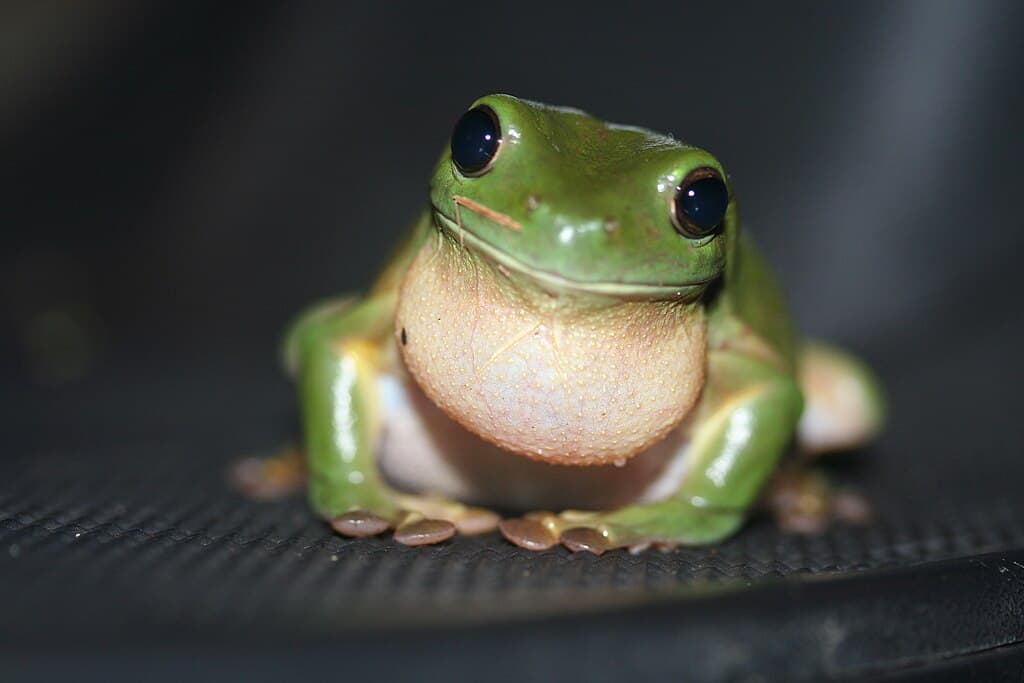
The transformation of annual frog invasions from natural curiosities into celebrated cultural events represents a profound example of how humans can develop positive relationships with ecological phenomena. These celebrations demonstrate that conservation need not be separate from cultural expression—indeed, the most effective protection often comes when natural events are woven into the fabric of community identity and economic well-being.
As amphibians worldwide face unprecedented threats from habitat loss, climate change, disease, and pollution, these festivals take on new importance as vehicles for awareness, education, and action. They remind us that humans have long found meaning and joy in the cycles of the natural world, and that this emotional connection may be as important for conservation as scientific understanding. When communities celebrate frogs, they affirm the value of these sensitive creatures as both ecological indicators and cultural symbols.
Through these unique festivities, people of all ages and backgrounds are invited to witness the remarkable journeys of these amphibians, to understand their ecological significance, and to participate in ensuring their continued existence. In an age of increasing disconnection from natural processes, these celebrations offer a hopeful model for how communities can align cultural practices with environmental stewardship, creating traditions that honor both natural heritage and the human capacity for adaptation and care.

From exploring the marine wonders in the Azores and witnessing the vast savannas of Kenya, to delving deep into the rich biodiversity of South Africa and traversing iconic landscapes in Australia and the US like Yellowstone, Chris's experiences are vast.
With a penchant for diving alongside sharks, the ocean holds a special place in his heart.
Through his academic insights, he champions wildlife conservation, striving with 'Animals Around The Globe' to cultivate a profound connection between humans and animals, enhancing our mutual appreciation.
Connect with him at Feedback@animalsaroundtheglobe.com.
- Hollywood’s Wildest Star: California’s Famous Puma P-22 - July 21, 2026
- Desert Foxes Make a Comeback in U.S. National Parks - July 21, 2026
- The Sacred Goose of Ancient Rome: Protector of the Capitol - July 21, 2026