


On the night of November 17, 1998, the skies above Arizona lit up with a spectacular celestial event that captivated observers and scientists alike. NASA’s sophisticated monitoring equipment captured one of the most intense meteor storms in recorded history – the Leonid meteor storm. This remarkable astronomical phenomenon transformed Arizona’s night sky into a breathtaking display of cosmic fireworks, with meteors streaking across the atmosphere at rates exceeding thousands per hour.
The data collected during this event provided invaluable insights for scientists studying meteor showers, cometary debris, and the upper atmosphere. This article explores what NASA observed during this extraordinary event, the scientific significance of their findings, and how these observations have shaped our understanding of meteor storms.
The Leonid Meteor Storm of 1998
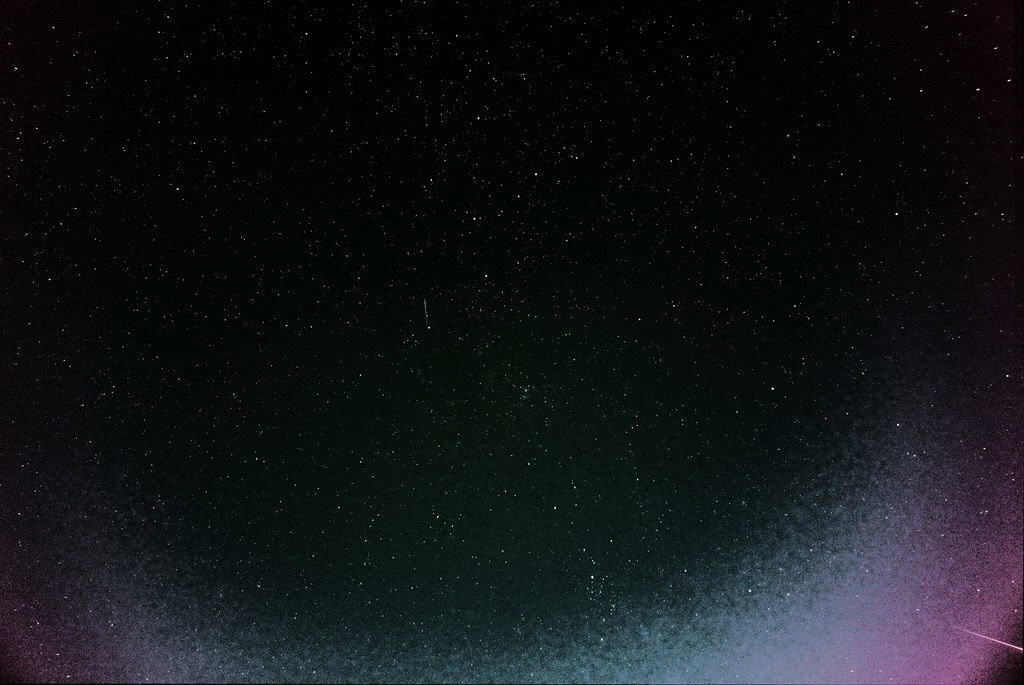
The 1998 Leonid meteor storm stands as one of the most significant meteor events observed by NASA in modern times. Unlike typical meteor showers that produce 10-20 meteors per hour, the 1998 Leonid storm peaked at an extraordinary rate of over 1,000 meteors per hour over Arizona’s clear desert skies. NASA scientists had positioned specialized equipment throughout the state to capture this rare event, which occurs when Earth passes through an especially dense region of debris left by Comet 55P/Tempel-Tuttle. The comet, which orbits the sun every 33 years, leaves behind a trail of dust and small particles that create the Leonid meteor shower when Earth intersects this debris field. The 1998 event was particularly notable because Earth crossed through an especially concentrated debris stream, resulting in the spectacular storm that NASA documented over Arizona.
NASA’s Observation Equipment
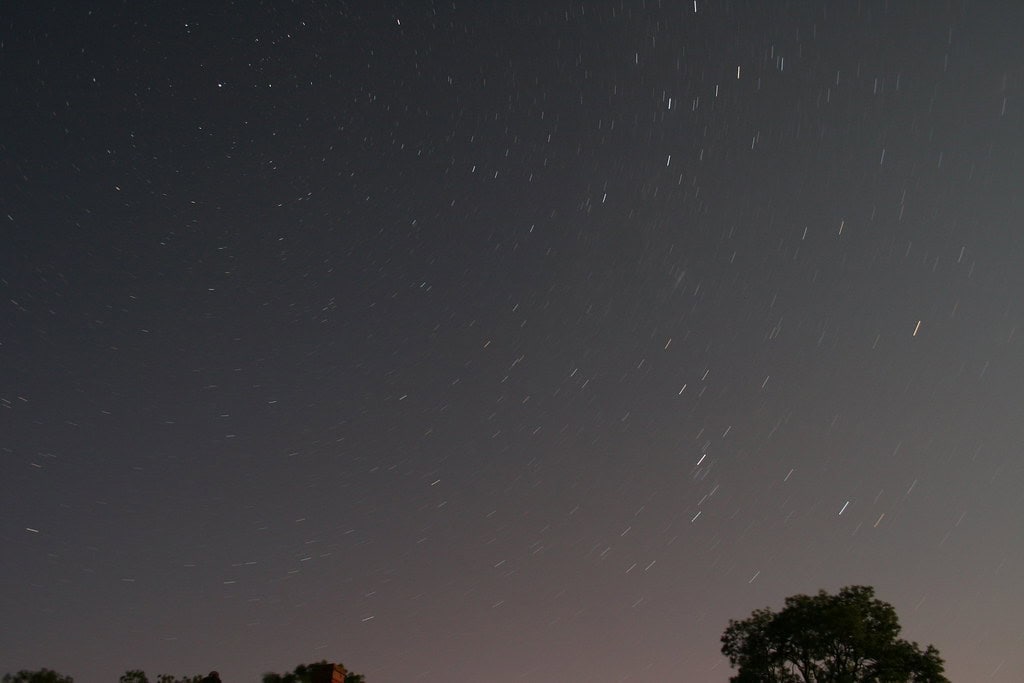
To document the Leonid meteor storm, NASA deployed an impressive array of specialized equipment across Arizona. The agency utilized multiple observation platforms, including ground-based cameras with all-sky imaging capabilities, spectroscopic instruments to analyze meteor composition, and airborne observatories. NASA’s specially equipped research aircraft flew at altitudes of approximately 50,000 feet, positioning scientists above most of Earth’s atmosphere for clearer observations.
These aircraft carried intensified video cameras, medium-field imagers, and spectrographs to capture detailed data about the meteors. Additionally, ground stations at locations like Kitt Peak National Observatory and other dark-sky sites throughout Arizona provided complementary data. This multi-platform approach allowed NASA to gather comprehensive information about meteor trajectories, velocities, brightness variations, and chemical compositions during the storm.
The Visual Spectacle
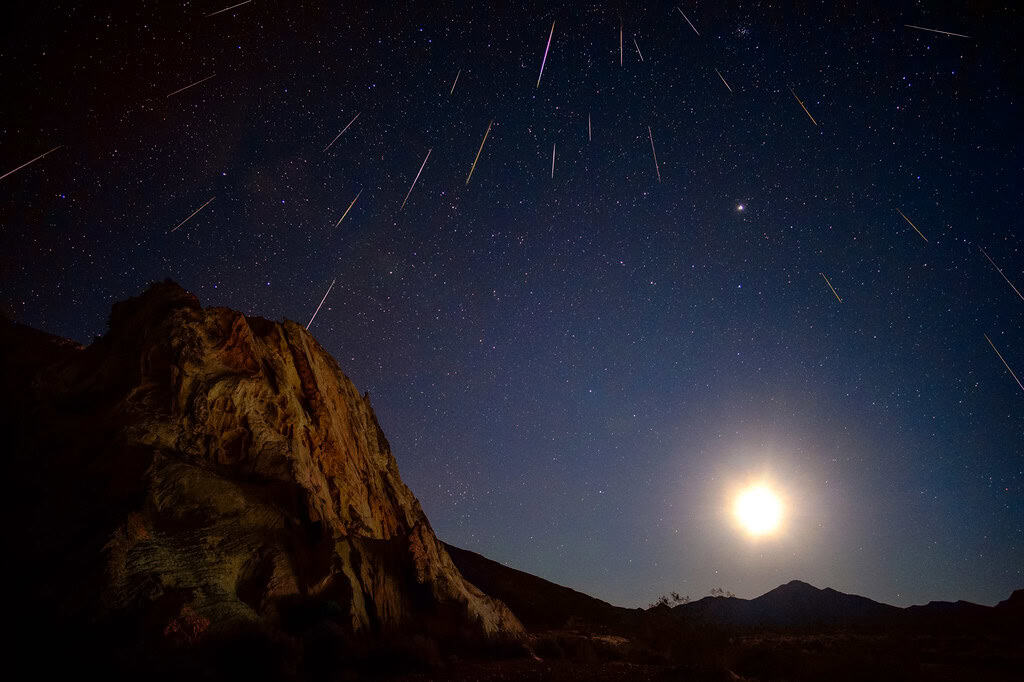
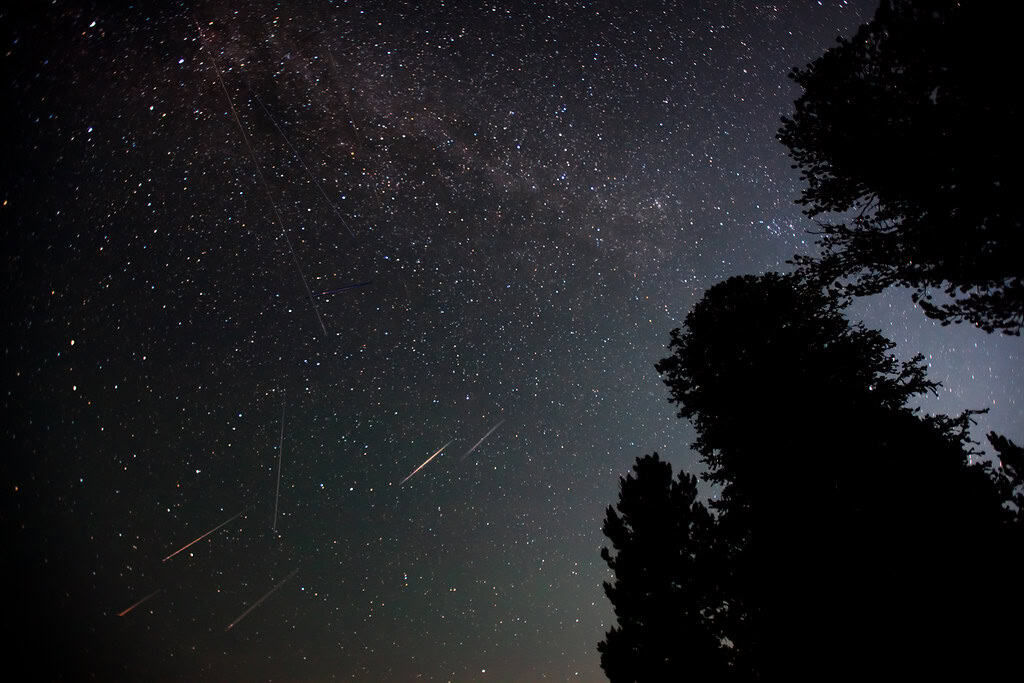
NASA’s imaging equipment captured breathtaking visuals of the meteor storm that far exceeded what the human eye could perceive. The agency’s intensified cameras revealed meteors in spectacular detail, showing brilliant green, blue, and occasionally red streaks illuminating Arizona’s night sky. Some meteors exhibited distinctive “trains” – glowing trails of ionized gas that remained visible for several minutes after the meteor itself had disappeared.
Time-lapse photography assembled by NASA scientists showed the radiant point in the constellation Leo, from which hundreds of meteors appeared to emanate. Particularly remarkable were the “fireballs” – exceptionally bright meteors that created brief daytime-like conditions in some areas of Arizona. These fireballs, some reaching magnitudes brighter than the full moon, produced shadows visible in NASA’s ground-based footage and occasionally exhibited fragmentation as they disintegrated in the atmosphere.
Acoustic Phenomena
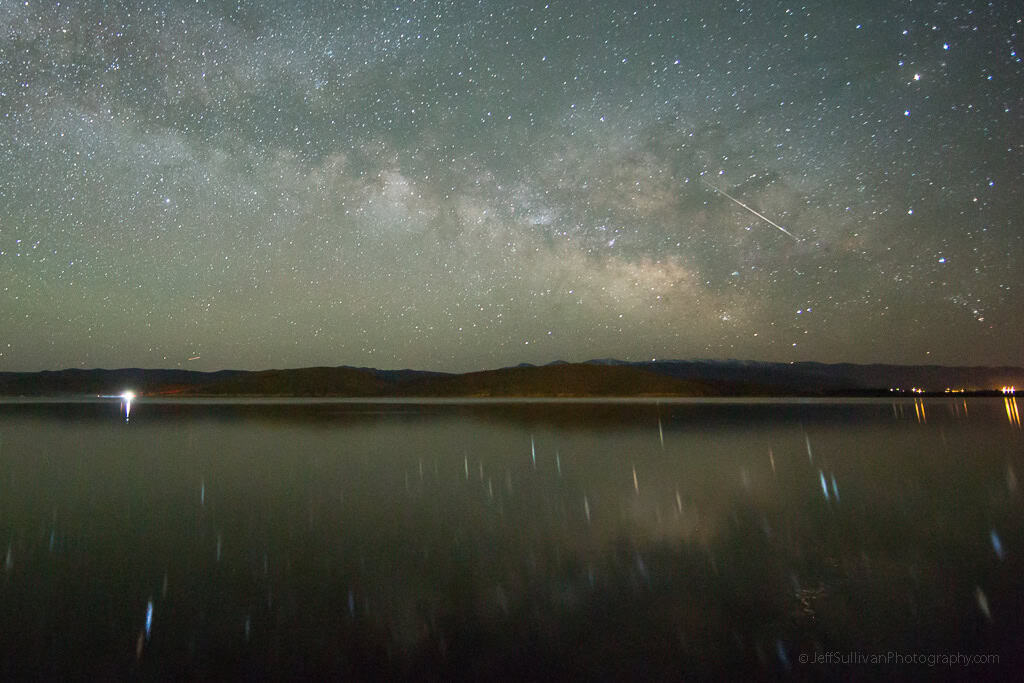
One of the most surprising aspects of NASA’s observations during the Arizona meteor storm was the detection of acoustic phenomena. While most meteors burn up silently in the upper atmosphere, NASA’s sensitive equipment recorded unusual sounds associated with the largest meteors. These included both sonic booms from meteors large enough to penetrate deep into the atmosphere and more mysterious “electrophonic” sounds. These electrophonic sounds, reported by observers on the ground and captured by NASA’s audio equipment, occurred simultaneously with bright meteor flashes despite the considerable distance to the meteors.
Scientists theorize these sounds result from very low frequency radio waves generated by the meteors that cause objects near listeners to vibrate. NASA’s recordings from multiple Arizona locations provided some of the best scientific evidence for this rarely documented phenomenon, contributing valuable data to the study of meteor acoustics.
Atmospheric Impact Analysis
NASA scientists closely monitored the effects of the meteor storm on Earth’s upper atmosphere over Arizona. Their instruments detected significant increases in ionization within the upper mesosphere and lower thermosphere regions as meteors burned up. This increased ionization temporarily altered radio wave propagation patterns, which NASA documented using specialized radio receivers. Particularly interesting was the detection of metal layers in the upper atmosphere – thin concentrations of vaporized meteoric material including iron, sodium, and magnesium at altitudes between 80-110 km.
These metallic layers, observed through spectroscopic analysis, persisted for hours after the peak of the storm. NASA’s atmospheric scientists also noted small but measurable temperature increases in certain atmospheric layers due to the energy deposited by the meteors. These observations provided rare data on how meteor storms can temporarily modify Earth’s upper atmospheric chemistry and physics.
Meteor Trajectory Mapping

Through coordinated observations from multiple locations across Arizona, NASA successfully created detailed trajectory maps of thousands of meteors during the storm. Using triangulation techniques with synchronized video feeds, scientists calculated precise three-dimensional paths of meteors as they entered the atmosphere. This mapping revealed that the Leonid meteors encountered Earth’s atmosphere at extremely high velocities – approximately 71 kilometers per second (160,000 mph), among the fastest of any meteor shower.
NASA’s analysis showed that these high-velocity impacts produced extremely high temperatures exceeding 10,000°C, which explained the distinctive green coloration produced by ionized oxygen in the atmosphere. The trajectory data also enabled scientists to trace the meteors back to specific debris streams within Comet Tempel-Tuttle’s orbit, providing valuable information about the comet’s history and composition. This comprehensive mapping effort represented one of the most detailed studies of meteor shower dynamics ever conducted.
Size and Composition Analysis

NASA’s spectroscopic instruments pointed toward the Arizona skies revealed surprising details about the size and composition of the Leonid meteors. Most of the meteors originated from particles astonishingly small – typically ranging from sand grain size (about 1mm) to pea-sized objects (about 1cm). Despite their small size, these particles produced brilliant displays due to their extreme velocity.
Spectral analysis of the light produced during their atmospheric entry showed that the meteors contained a diverse mix of elements, with notable concentrations of sodium, magnesium, iron, and silicon – all consistent with the composition of their parent comet. NASA scientists also detected unexpected organic compounds, including simple carbon-containing molecules, providing evidence that comets may distribute organic materials throughout the solar system. This compositional analysis offered valuable insights into both the nature of Comet Tempel-Tuttle and the potential role of comets in delivering complex molecules to early Earth.
Rare “Bolide” Documentation

Among NASA’s most significant observations during the Arizona meteor storm was the documentation of several exceptional “bolides” – extremely bright meteors that often terminate in spectacular explosions. Using high-speed cameras operating at several hundred frames per second, NASA captured unprecedented details of these rare events. The footage revealed that bolides often undergo multiple fragmentations as they descend through the atmosphere, with each fragmentation event causing a noticeable flare in brightness.
The largest bolide documented during the storm was estimated to be from an original object approximately 10 centimeters in diameter that produced a flash briefly exceeding the brightness of the full moon. NASA’s equipment recorded the shockwave propagating through the atmosphere and the distinctive terminal burst as the meteoroid completely disintegrated. The fragmentation patterns observed provided valuable data for improving models of how meteoric material behaves during atmospheric entry – information that has applications for both asteroid defense and spacecraft reentry design.
Timing and Distribution Patterns

NASA’s comprehensive monitoring revealed fascinating patterns in the timing and spatial distribution of meteors during the Arizona storm. Rather than appearing at a constant rate, the meteors arrived in distinct “pulses” or surges, with brief periods where rates exceeded 2,000 meteors per hour alternating with relatively quieter intervals. These pulses corresponded to Earth’s passage through particularly dense filaments within the broader debris stream of Comet Tempel-Tuttle. NASA’s precise timing measurements helped refine models of how cometary debris disperses along orbital paths.
Additionally, the spatial distribution showed a distinct pattern of “clustering” – where meteors appeared in groups rather than uniformly across the sky. This clustering effect, clearly visible in NASA’s all-sky camera footage from multiple Arizona locations, provided evidence that cometary particles remain somewhat grouped even after separating from the parent comet. These observations helped astronomers refine models of how cometary debris evolves over time and improve predictions for future meteor shower intensities.
Comparing to Historical Records
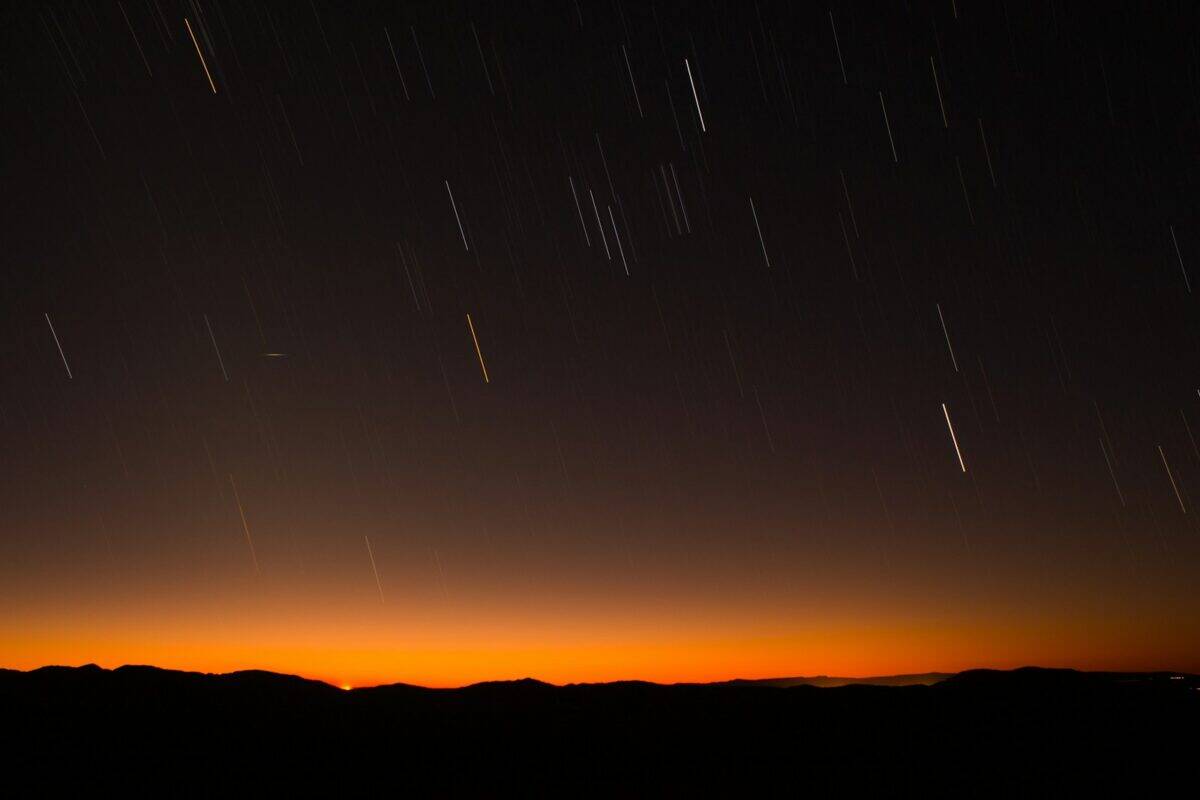
NASA scientists compared their observations of the Arizona meteor storm with historical accounts of previous Leonid storms. Particularly notable was the comparison with the famous 1966 Leonid storm, which had also been well observed over the southwestern United States. The 1998 event, while intense, did not quite match the extraordinary rates of the 1966 storm, which briefly reached an estimated 150,000 meteors per hour. However, NASA’s modern instrumentation provided vastly more detailed data than was possible during previous events.
By combining their observations with historical records dating back hundreds of years, NASA researchers identified a 33-year cycle in Leonid storm intensity, corresponding to the orbital period of the parent comet. This historical analysis also revealed a complex pattern where multiple storm peaks can occur in successive years as Earth encounters different debris streams from the comet. The Arizona observations thus helped establish the 1998 event within the broader context of Leonid storm history and improved scientists’ ability to predict future meteor storm activity.
Scientific Impact of the Observations
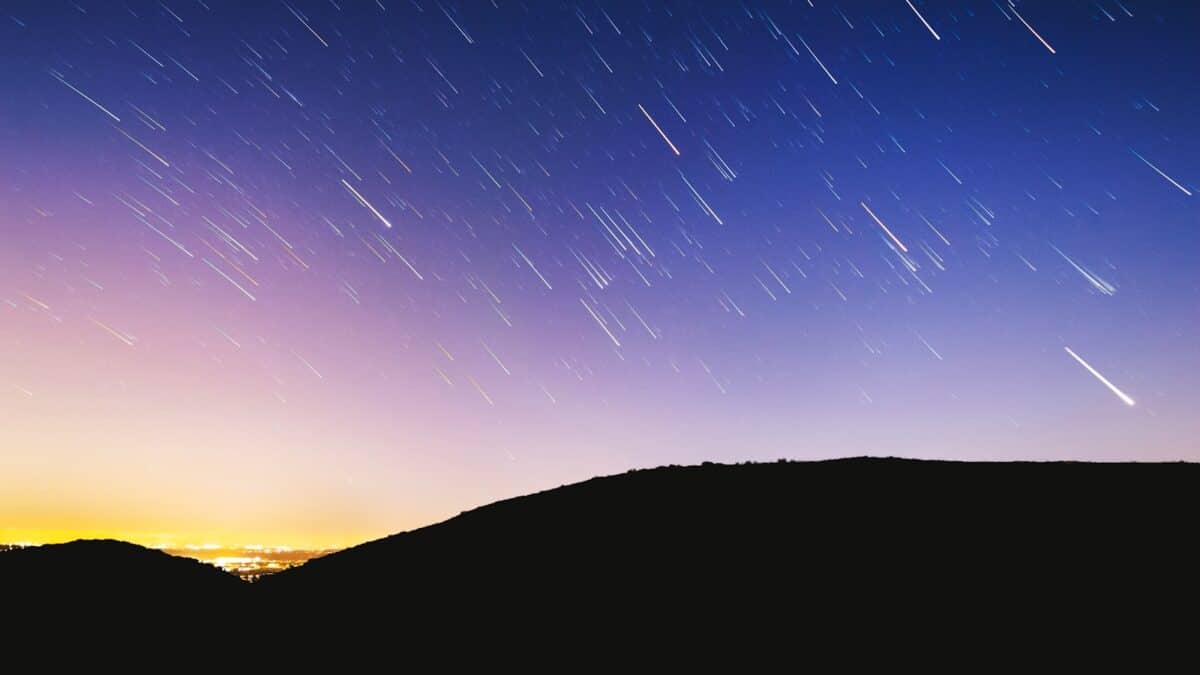
The data collected by NASA during the Arizona meteor storm had far-reaching scientific implications. The observations significantly advanced our understanding of meteor physics, providing detailed measurements of how meteoroids decelerate, fragment, and ablate as they encounter Earth’s atmosphere. The spectroscopic data improved knowledge of meteoroid composition and helped establish connections between meteors and their parent bodies. Perhaps most significantly, the observed patterns of meteor distribution helped refine models of how cometary debris evolves over time.
NASA scientists used the Arizona observations to develop improved techniques for predicting future meteor shower intensities – predictions that proved remarkably accurate for subsequent Leonid returns in 1999 and 2001. Additionally, the atmospheric effects documented during the storm contributed to our understanding of how meteoric material influences Earth’s upper atmosphere, including metal layers that affect atmospheric chemistry. The comprehensive dataset collected became a reference point for meteor science, cited in hundreds of subsequent scientific publications and continuing to yield insights even decades after the event.
Public Engagement and Education
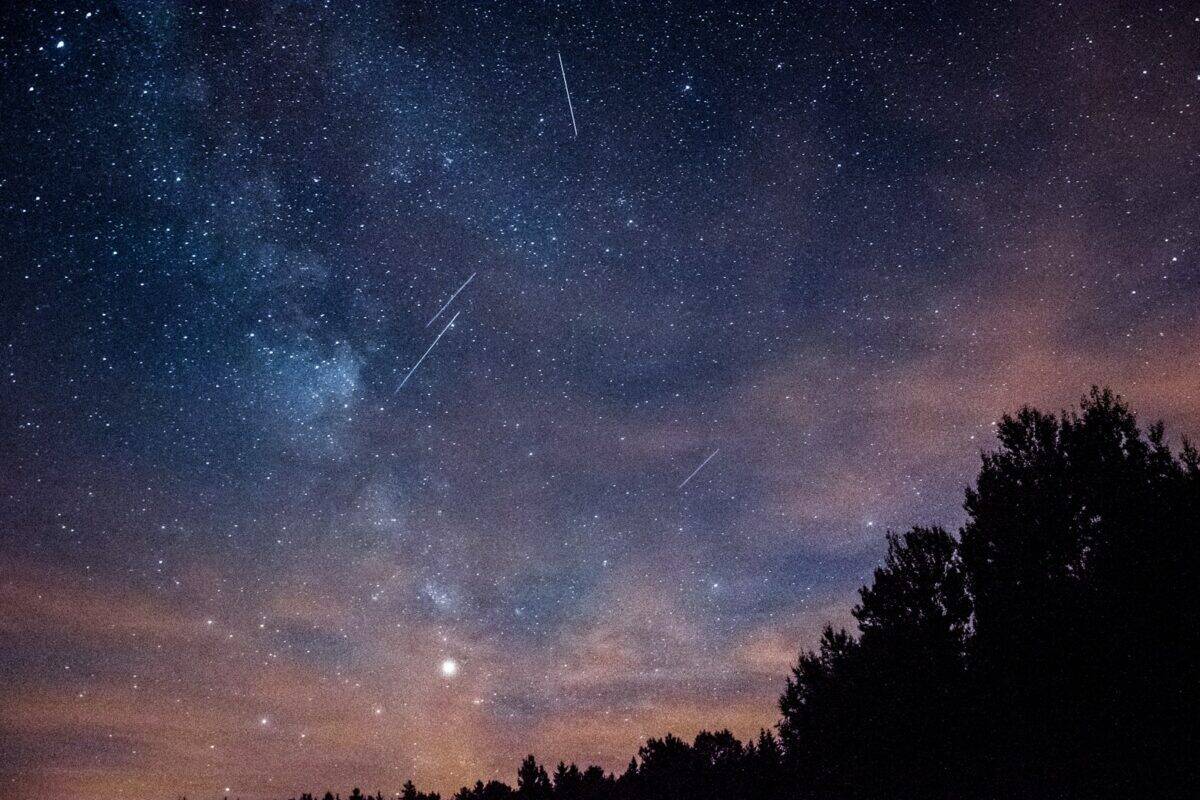
Beyond the scientific value, NASA leveraged the Arizona meteor storm observations for substantial public outreach and education. The agency organized public viewing events at multiple locations across Arizona, where astronomers provided real-time explanations of the unfolding celestial spectacle. NASA’s website featured live streams from their cameras, allowing people worldwide to witness the event. The stunning images captured became staples in astronomy textbooks and planetarium shows, helping to inspire public interest in astronomical phenomena.
NASA also developed educational materials explaining the science behind meteor showers, using the Arizona observations as captivating examples. The event generated significant media coverage, with NASA scientists appearing on national news programs to explain the meteor storm. This combination of spectacular visuals and accessible scientific explanation made the Arizona meteor storm observations one of NASA’s most successful public engagement efforts around an astronomical event, demonstrating how natural celestial phenomena can capture public imagination and serve as gateways to broader scientific understanding.
Conclusion
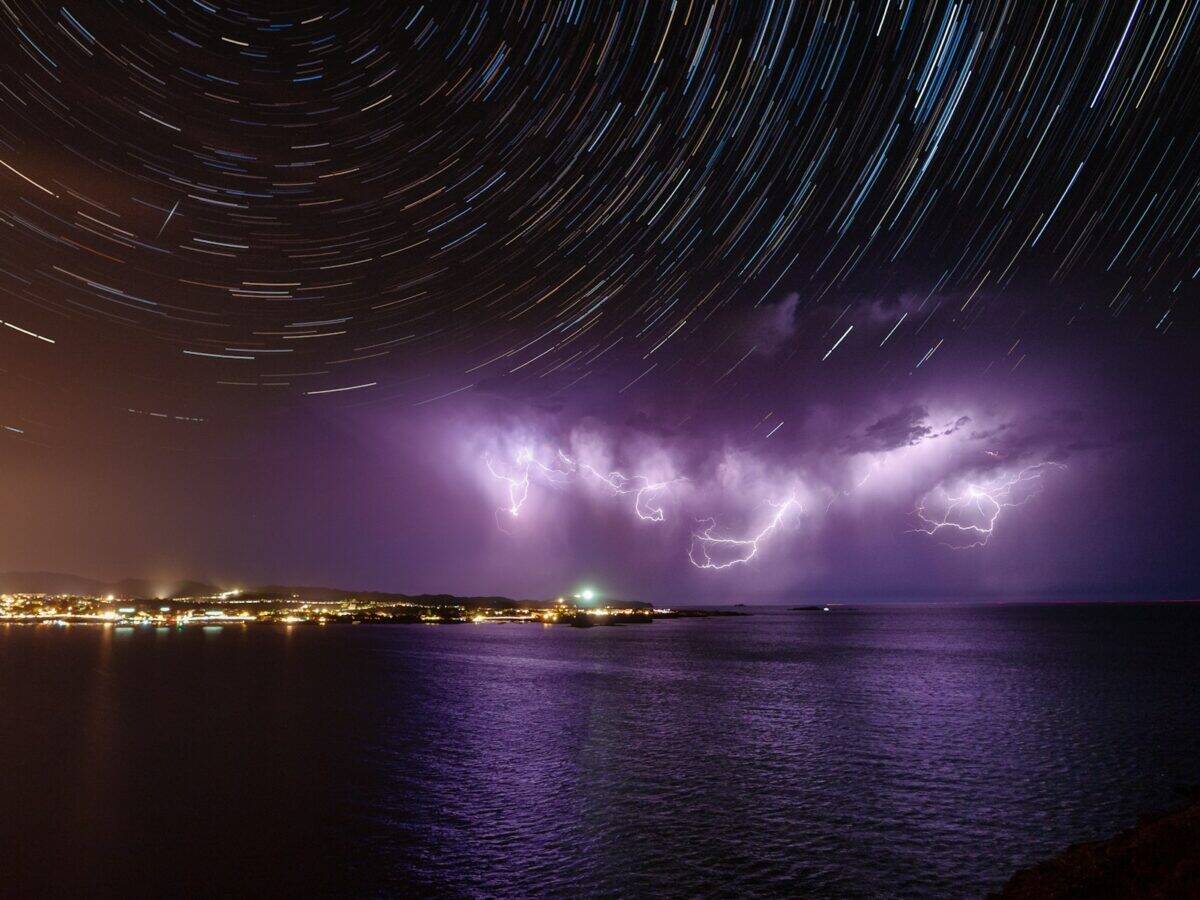
The 1998 Leonid meteor storm over Arizona represents one of the most comprehensively documented celestial events in NASA’s history. Through their sophisticated multi-platform approach, NASA scientists captured unprecedented details of meteor behavior, composition, and atmospheric effects during this extraordinary display. The data collected has significantly advanced our understanding of meteor physics, cometary debris evolution, and the interaction between meteoric material and Earth’s atmosphere.
Beyond the scientific value, the spectacular images obtained during the Arizona observations have inspired generations of astronomy enthusiasts and students. As we look forward to future meteor displays, the Arizona observations continue to serve as both a scientific benchmark and a reminder of the awe-inspiring nature of celestial phenomena that connect us to the broader cosmos.

From exploring the marine wonders in the Azores and witnessing the vast savannas of Kenya, to delving deep into the rich biodiversity of South Africa and traversing iconic landscapes in Australia and the US like Yellowstone, Chris's experiences are vast.
With a penchant for diving alongside sharks, the ocean holds a special place in his heart.
Through his academic insights, he champions wildlife conservation, striving with 'Animals Around The Globe' to cultivate a profound connection between humans and animals, enhancing our mutual appreciation.
Connect with him at Feedback@animalsaroundtheglobe.com.
- The Best Cat Breeds for Highly Empathetic Owners - July 21, 2026
- Why Spiders Don’t Get Stuck in Their Own Webs - July 20, 2026
- What Scientists Found in a 10,000-Year-Old Beehive - July 20, 2026