


Worried about unexpected vet bills?
Pet insurance can cover thousands in unexpected vet costs. Get a free quote from Lemonade in under 2 minutes.
Get My Free Quote →Sponsored · Opens Lemonade.com
Hamsters may be small, but they’re sensitive creatures that can experience stress just like any other pet. As responsible hamster owners, it’s crucial to recognize the signs of stress in these tiny companions to ensure they lead happy, healthy lives. Stress in hamsters can stem from various sources, including environmental changes, improper handling, or health issues. Left unaddressed, chronic stress can significantly impact your hamster’s wellbeing and potentially shorten its lifespan. This comprehensive guide will walk you through the telltale signs of hamster stress, helping you identify problems early and take appropriate action to restore your furry friend’s comfort and happiness.
Understanding Normal Hamster Behavior

Before you can identify stress in your hamster, it’s essential to understand what constitutes normal behavior. Hamsters are naturally nocturnal or crepuscular, meaning they’re most active during the evening and night hours. During the day, they typically sleep and should only be disturbed when necessary. Healthy hamsters are curious, energetic during their active periods, and enjoy exploring their environment. They spend time grooming themselves, gathering food, exercising on their wheel, and constructing nests. Each hamster has its unique personality—some may be more social or shy than others. By observing your pet during its regular active hours over several days, you’ll establish a behavioral baseline that helps you notice when something seems off.
Physical Signs of Stress

Stressed hamsters often exhibit noticeable physical symptoms. One of the most common signs is excessive grooming or barbering, where a hamster may over-groom to the point of creating bald patches. Conversely, some stressed hamsters might neglect their grooming entirely, appearing disheveled. Watch for hunched posture, squinted eyes, or puffed-up fur, which can indicate discomfort or stress. Wet tail, a potentially fatal condition characterized by diarrhea and a damp rear end, can be triggered by stress and requires immediate veterinary attention. Changes in eating habits, sudden weight loss, or visible trembling are additional physical indicators that your hamster might be experiencing stress. If you notice any of these symptoms persisting for more than a day, it’s advisable to consult with a small animal veterinarian.
Behavioral Changes Indicating Stress

Stress often manifests through alterations in your hamster’s typical behavior patterns. A normally active hamster that suddenly becomes lethargic or a typically docile pet that turns aggressive might be experiencing stress. Excessive hiding is another red flag—while hamsters naturally seek shelter occasionally, consistently remaining hidden outside their usual sleeping hours could signal anxiety. Bar chewing or attempting to escape from the cage may indicate that your hamster feels unsafe or uncomfortable in its environment. Excessive scratching, restlessness, or pacing are additional behavioral indicators of potential stress. Some hamsters might also freeze in place or exhibit startled responses to minor stimuli when stressed. Pay particular attention to any sudden or dramatic behavioral shifts, as these typically suggest that something in your hamster’s world has gone awry.
Changes in Activity Levels

A hamster’s activity level can be a significant indicator of its mental state. Stressed hamsters often exhibit radical changes in their exercise routines. Some may become hyperactive, running frantically on their wheel for extended periods as a coping mechanism for anxiety. This excessive activity can lead to exhaustion and further health problems. Conversely, other hamsters respond to stress by becoming notably less active, showing little interest in toys or exercise equipment they previously enjoyed. You might notice reduced use of their wheel, tunnels, or playthings. Monitor the timing of your hamster’s activities as well—if a normally nocturnal hamster suddenly becomes active during daylight hours, this disruption in circadian rhythm could indicate stress. Keeping a simple log of your hamster’s activity patterns for a week can help you identify concerning changes that might require intervention.
Cage-Related Stress Behaviors

The cage environment plays a crucial role in your hamster’s psychological wellbeing, and many stress behaviors specifically relate to habitat issues. Bar biting or constant climbing on cage walls suggests your hamster feels confined or understimulated. Digging frantically in corners may indicate a desire to escape from perceived threats or discomfort. Some stressed hamsters develop stereotypic behaviors—repetitive, seemingly purposeless actions like running back and forth in the same pattern or digging in the same spot repeatedly. These behaviors, similar to pacing seen in zoo animals, suggest psychological distress. Nest destruction or refusing to use hideouts could indicate your hamster doesn’t feel secure in its environment. For hamsters in wire cages, pressingg their faces against the bars or attempting to squeeze through gaps are concerning behaviors that often signal stress related to insufficient space or environmental enrichment.
Eating and Drinking Patterns
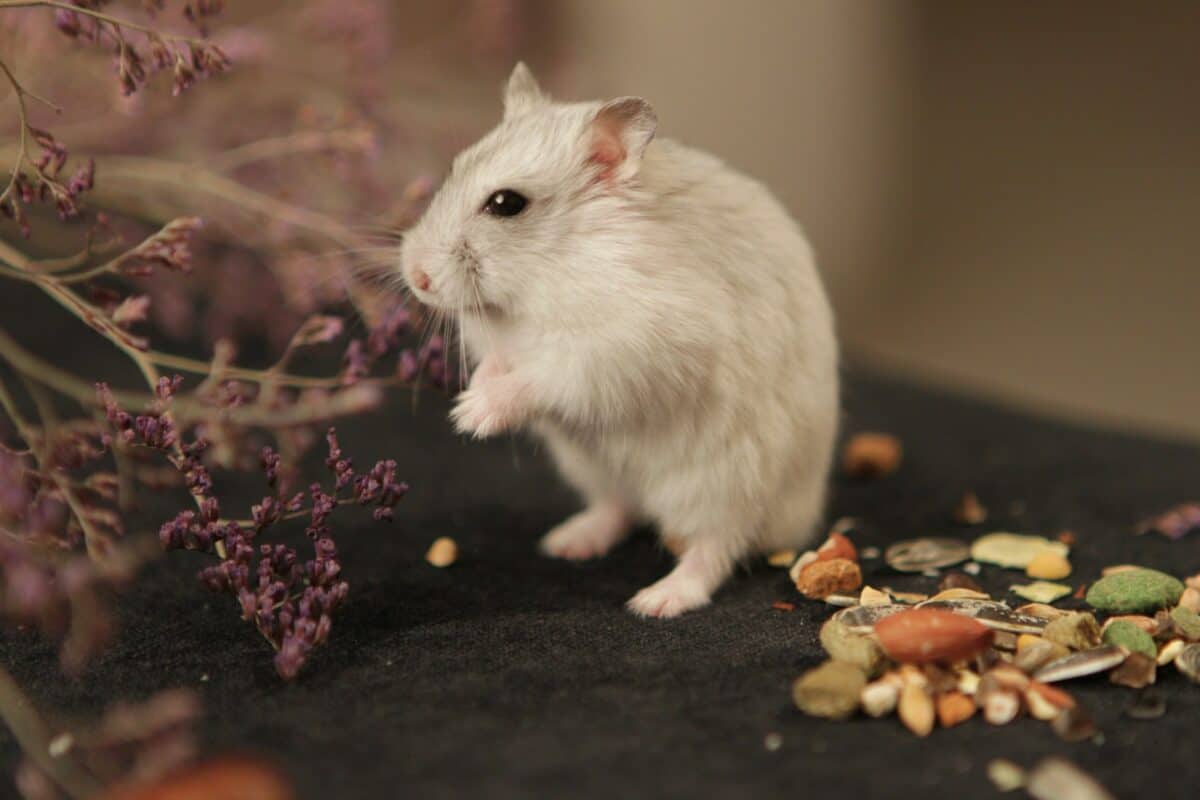
Changes in eating and drinking habits are reliable indicators of hamster stress. A stressed hamster might suddenly eat significantly less, refuse favorite treats, or stop eating altogether—a serious condition requiring immediate attention. Some hamsters do the opposite, stress-eating or hoarding more food than usual in their nests. Monitor water consumption as well; decreased drinking can lead to dehydration, while excessive drinking might indicate a stress response or an underlying health issue. You might notice food scattered around the cage rather than eaten or stored properly, suggesting your hamster is too anxious to engage in normal food-related behaviors. To track these changes accurately, maintain a consistent feeding schedule and note approximately how much food and water your hamster typically consumes daily. This baseline makes it easier to spot potentially stress-related fluctuations in appetite and hydration.
Sleep Disturbances

Healthy hamsters have consistent sleep patterns, typically sleeping during daylight hours and becoming active in the evening and throughout the night. Stress can significantly disrupt these natural rhythms. You might notice your hamster sleeping at unusual times, waking frequently during its normal sleep period, or struggling to settle down for rest. Some stressed hamsters may appear restless even when trying to sleep, frequently changing positions or sleeping in exposed areas rather than in their hideouts. Sleep-related stress can create a vicious cycle where lack of quality rest further exacerbates anxiety. If your hamster’s habitat is in a busy room, consider whether environmental noise or activity might be interrupting its sleep. Creating a darker, quieter environment during your hamster’s natural sleep hours can sometimes alleviate sleep-related stress symptoms and help restore normal patterns.
Social Interaction Changes
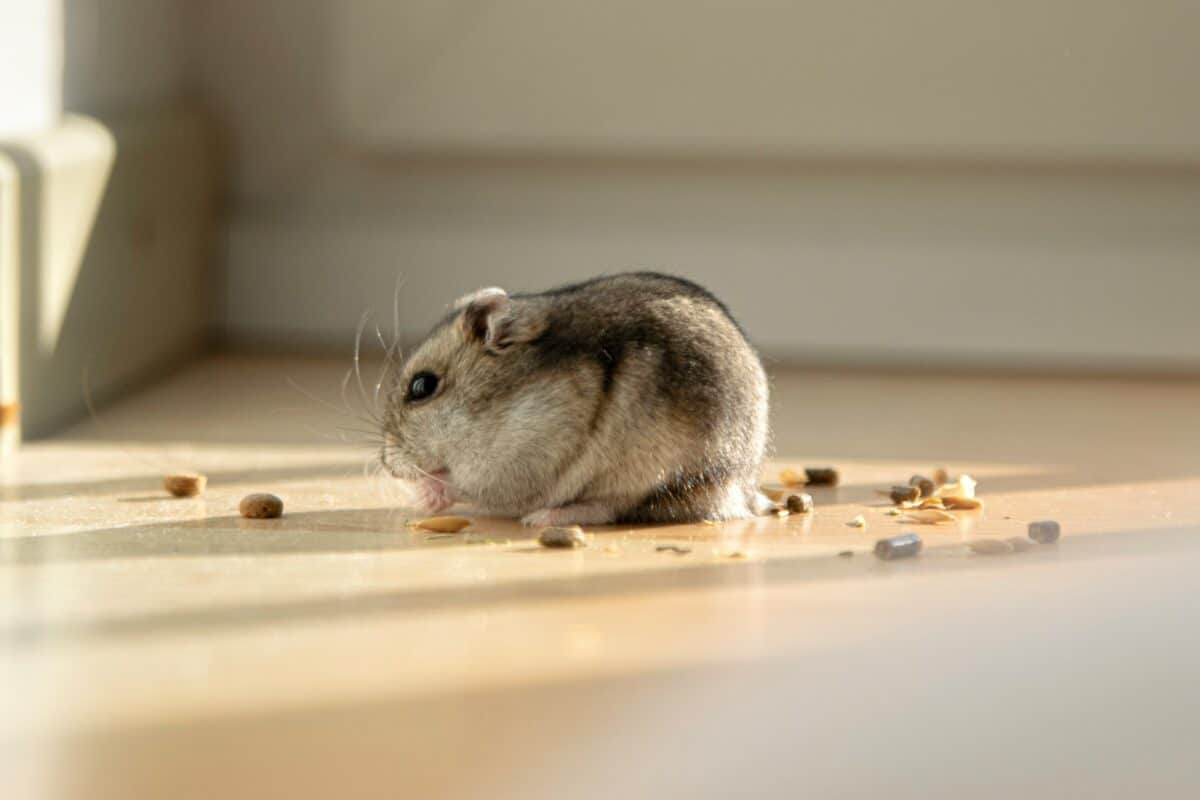
How your hamster interacts with you and other hamsters (if applicable) can reveal much about its stress levels. A previously friendly hamster that suddenly becomes aggressive, biting or lunging when approached, may be experiencing stress or fear. Conversely, an independent hamster that suddenly seeks excessive attention might also be responding to stressors. If you have multiple hamsters, watch for increased fighting, separation, or unusual territorial behavior. Remember that most hamster species, particularly Syrian hamsters, are solitary by nature and should be housed alone as adults—forced cohabitation is a common source of severe stress. Even for typically sociable species like Dwarf hamsters, overcrowding or incompatible pairings can create chronic stress. When handling your hamster, pay attention to signals like squirming, freezing, or attempting to escape, which may indicate handling-related stress rather than enjoyment of interaction.
Common Causes of Hamster Stress
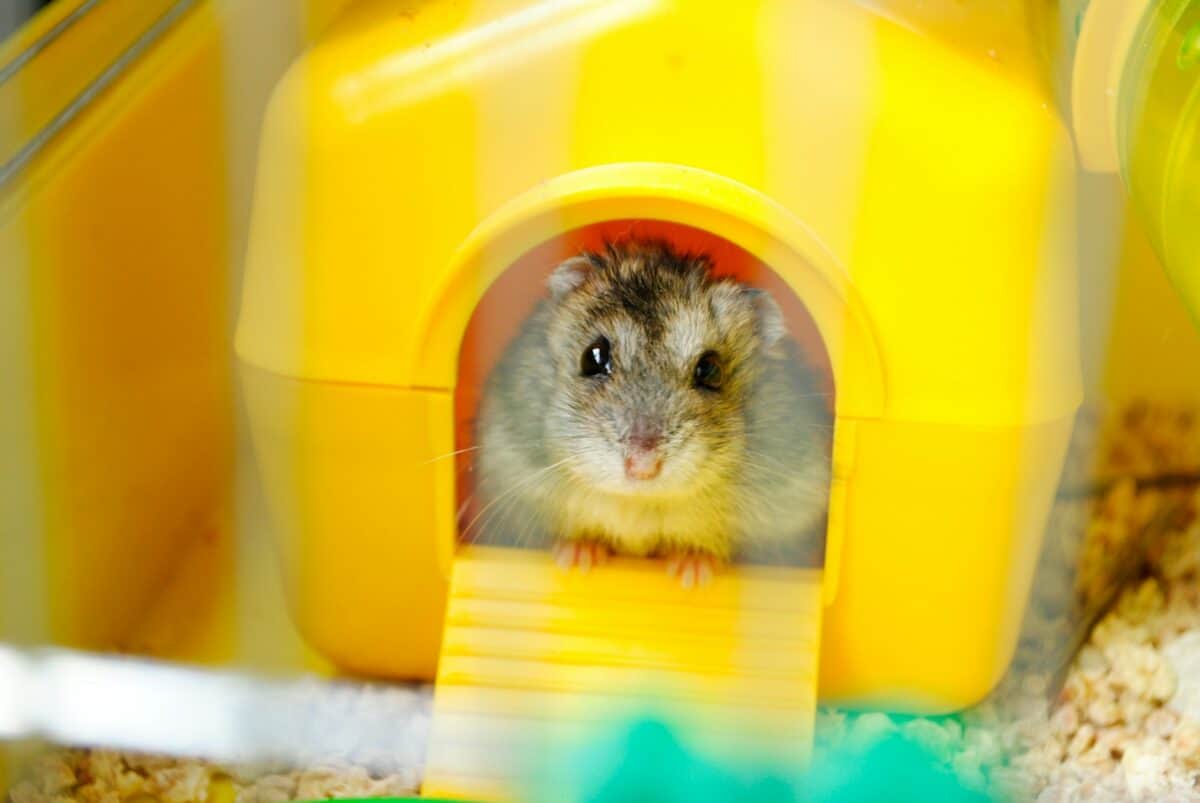
Understanding what triggers stress in hamsters helps you prevent problems before they start. Inadequate cage size is perhaps the most common stressor—hamsters need significantly more space than many commercial cages provide, with experts recommending a minimum of 450 square inches of unbroken floor space. Environmental factors like improper temperature (too hot or too cold), bright lighting during sleep hours, loud noises, or the presence of predator pets (cats, dogs, ferrets) nearby can all induce stress. Changes in routine, such as moving the cage, cleaning too frequently, or irregular feeding times, can upset these creatures of habit. Other common stressors include inappropriate bedding that doesn’t allow for natural burrowing, lack of enrichment items, insufficient exercise opportunities, rough handling, or unwanted social interactions. New hamsters often experience temporary stress while acclimating to their environment, but chronic stress usually indicates that one or more of these fundamental needs aren’t being met.
How to Reduce Your Hamster’s Stress
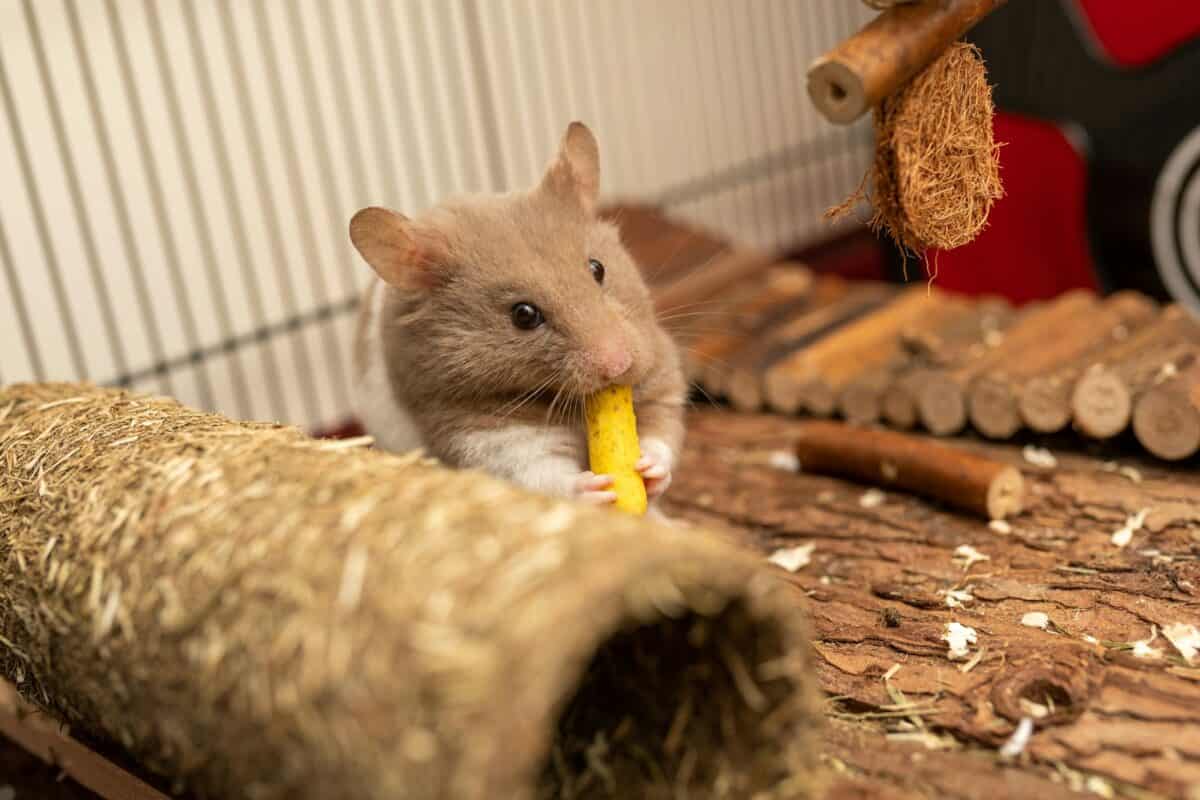
Once you’ve identified signs of stress in your hamster, taking proactive steps to address the underlying causes can help restore your pet’s wellbeing. Start by evaluating the cage setup—ensure it provides ample space (larger than minimum requirements if possible), plenty of bedding for burrowing (at least 6 inches deep in areas), appropriate hideouts, and enrichment items like tunnels, chew toys, and a solid exercise wheel. Create a quiet environment away from household traffic, television noise, and other pets. Maintain a consistent routine for feeding, cleaning, and interaction. Use partial cage cleanings rather than full habitat overhauls to preserve your hamster’s scent markings. Handle your hamster gently and appropriately, allowing it to wake naturally before interaction and respecting its cues when it wants to return to its cage. For severe stress cases, try natural aids like placing the cage in a quieter room or providing more complex enrichment opportunities. Remember that stress reduction often requires patience—your hamster may need time to adjust to positive changes.
When to Seek Veterinary Help

While some stress behaviors can be addressed through environmental modifications, others warrant professional medical attention. Contact a veterinarian experienced with small exotic pets if your hamster shows signs of wet tail (diarrhea, lethargy, hunched posture, wet behind), stops eating or drinking for more than 24 hours, exhibits significant weight loss, demonstrates self-harming behaviors, or has any obvious injuries. Respiratory problems like wheezing, sneezing, or labored breathing also require immediate care. Persistent stereotypic behaviors that don’t improve with environmental enrichment may indicate chronic stress requiring veterinary guidance. When seeking help, look specifically for an exotic pet veterinarian, as not all general practitioners have specialized knowledge of hamster health. Prepare for your appointment by documenting your hamster’s symptoms, when they began, any changes in environment or routine, and take photos or videos of concerning behaviors if possible. Early intervention often leads to better outcomes for stress-related health issues.
Preventative Measures for a Stress-Free Hamster

Preventing stress is far easier than treating it. Create an optimal habitat from the start by researching your specific hamster species’ needs. Provide a spacious cage with varied terrain, deep bedding areas, multiple hideouts, and appropriate enrichment items that allow for natural behaviors like burrowing, climbing, and foraging. Position the cage in a temperature-controlled area (65-75°F) away from drafts, direct sunlight, and household disruptions. Establish and maintain a consistent care routine that respects your hamster’s nocturnal nature. Introduce new elements to the cage gradually rather than making dramatic changes. When bringing a new hamster home, minimize handling for the first week, allowing it time to acclimate to its surroundings. Educate family members, especially children, about proper hamster care and handling techniques. Regularly “hamster-proof” any play areas outside the cage to eliminate escape routes, toxic materials, or hazards. By consistently providing an environment that accounts for your hamster’s physical and psychological needs, you’ll significantly reduce the likelihood of stress-related problems throughout its life.
Recognizing stress in your hamster requires attentiveness, knowledge, and an understanding of your pet’s individual personality and habits. By familiarizing yourself with the physical and behavioral indicators outlined in this guide, you’ll be better equipped to identify potential issues before they escalate into serious health concerns. Remember that hamsters, despite their small size, have complex needs that must be met for them to thrive both physically and psychologically in captivity. Your role as a responsible hamster owner includes not just providing food and shelter, but also creating an environment where your pet feels secure, engaged, and able to express natural behaviors. With proper care, stress prevention, and prompt intervention when necessary, you can help ensure your hamster lives its best possible life as your small but mighty companion.
Worried about unexpected vet bills?
Pet insurance can cover thousands in unexpected vet costs. Get a free quote from Lemonade in under 2 minutes.
Get My Free Quote →Sponsored · Opens Lemonade.com

- How Coral Polyps Work Together as One Super-Organism - June 9, 2026
- The Ocean’s Loudest Creature Is Smaller Than You’d Think - June 9, 2026
- 30 Bites and Stings That Are Worse Than You Think - June 9, 2026