

In the vast tapestry of Earth’s evolutionary history, where species continuously adapt or face extinction, there exists a remarkable outlier—a living fossil that has defied the conventional patterns of evolution. The horseshoe crab, with its prehistoric appearance and ancient lineage, stands as nature’s time capsule, virtually unchanged for over 200 million years. While dinosaurs rose and fell, while mammals diversified and humans emerged, these remarkable arthropods have maintained their distinctive form and ecological niche since the Triassic period. This extraordinary evolutionary stasis has fascinated scientists and nature enthusiasts alike, raising profound questions about the mechanisms of evolution and the exceptional resilience of certain body plans in the face of changing environments.
The Living Fossil: An Introduction to Horseshoe Crabs
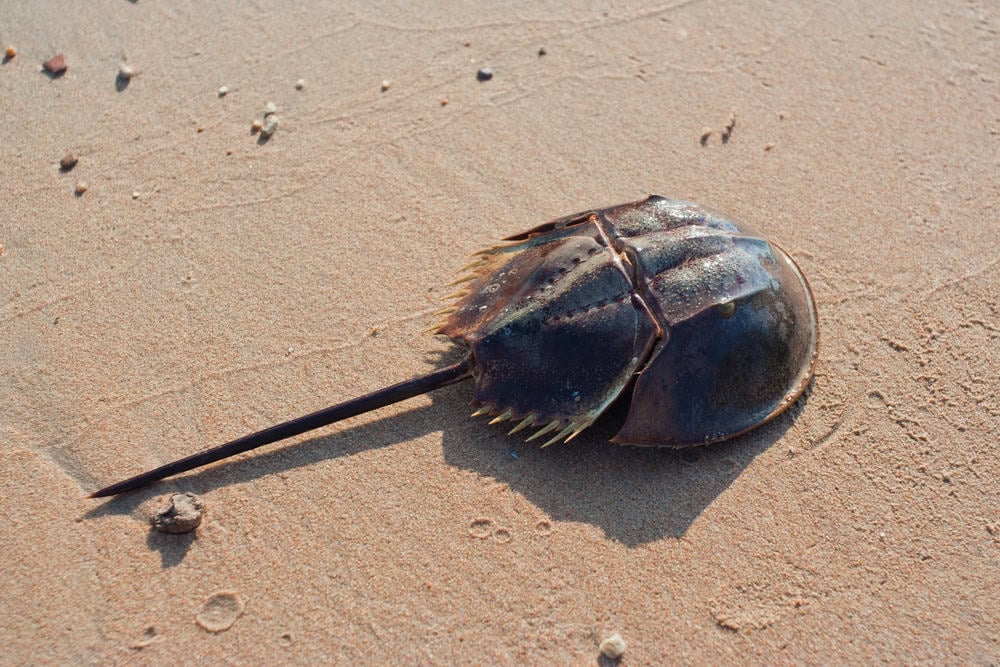
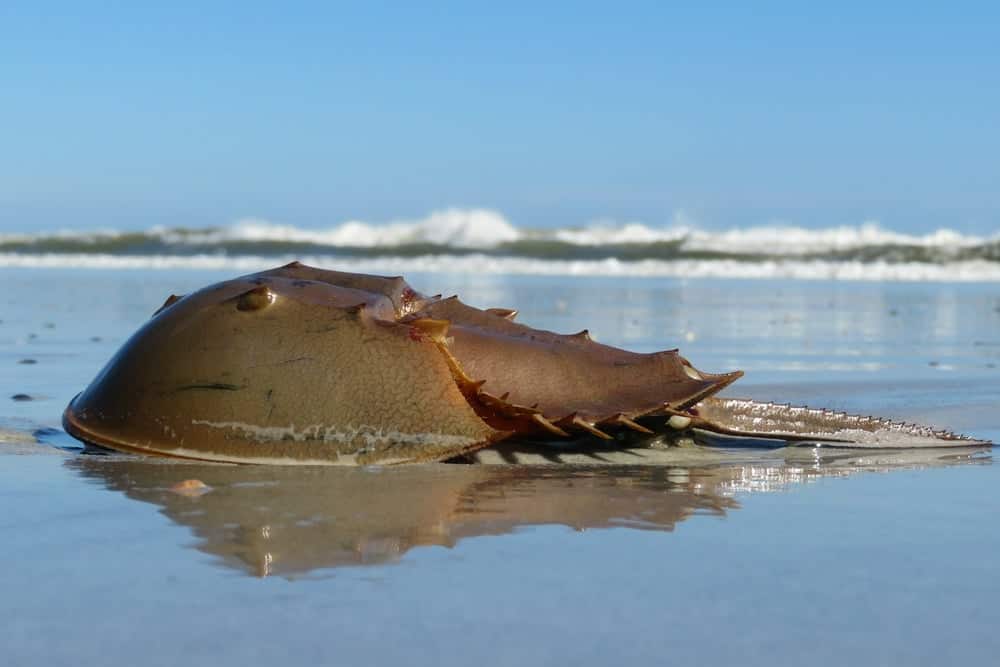
Despite their name, horseshoe crabs (Limulidae) are not true crabs at all. They belong to the subphylum Chelicerata, making them more closely related to spiders, scorpions, and ticks than to crustaceans. These remarkable creatures first appeared in the fossil record approximately 450 million years ago, but the modern forms we recognize today have remained largely unchanged for about 200 million years. Their distinctive horseshoe-shaped shell (prosoma), long spike-like tail (telson), and multiple pairs of legs make them instantly recognizable and markedly different from most other marine arthropods. Four extant species exist today: Limulus polyphemus in North America, and three other species in Southeast Asia, all bearing striking resemblance to their ancient ancestors preserved in fossils from the Mesozoic era.
Evolutionary Stasis: What Does It Really Mean?
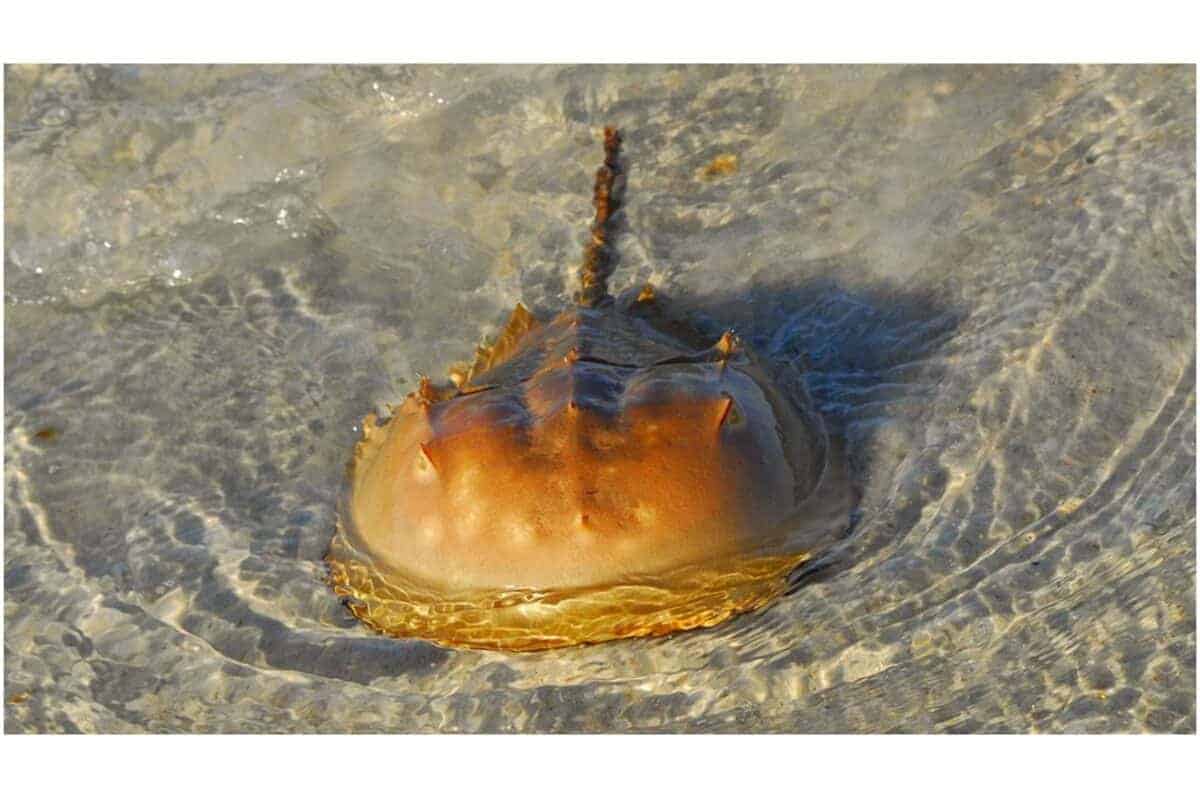
When biologists describe horseshoe crabs as having “not evolved” for 200 million years, they’re referring to a phenomenon known as evolutionary stasis or morphological conservation. This doesn’t mean these animals haven’t experienced any genetic changes over time—all living organisms undergo genetic mutations with each generation. Rather, it indicates that the external morphology and basic anatomy of horseshoe crabs have remained remarkably consistent. Fossil specimens from the Jurassic period are instantly recognizable as horseshoe crabs, with body plans nearly identical to modern specimens. This pattern challenges the common misconception that evolution always proceeds toward increasing complexity or continuous change. Instead, it demonstrates that when a body plan works exceptionally well for its ecological niche, natural selection can actively preserve that form over vast spans of geological time.
Anatomy of an Ancient Success Story
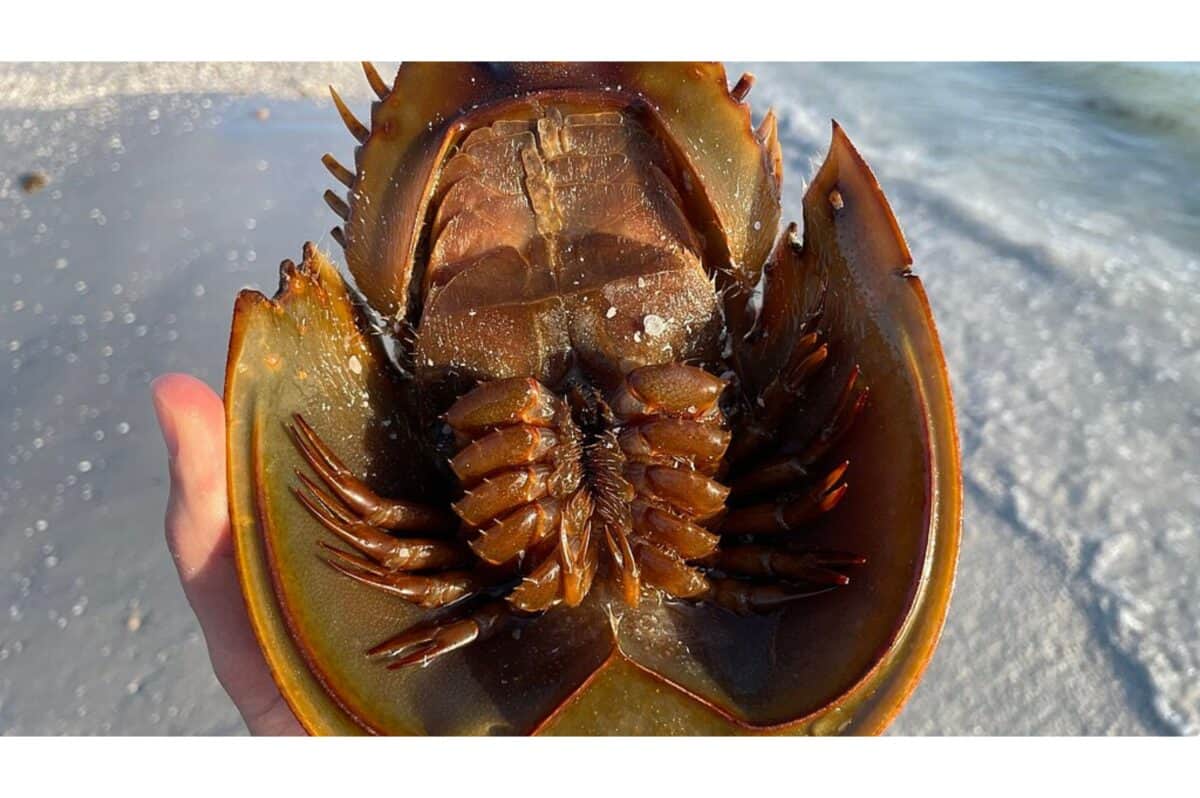
The horseshoe crab’s anatomy represents a masterpiece of evolutionary engineering that has stood the test of time. Their hard exoskeleton provides excellent protection while their distinctive dome-shaped carapace helps them navigate through sandy or muddy seafloors. The telson, often mistaken for a dangerous stinger, actually serves as a rudder for steering and as a lever to right themselves if flipped over. Perhaps most fascinating are their unique eyes—horseshoe crabs possess a total of ten eyes, including two compound eyes visible on the shell and additional photoreceptors throughout the body. Their primitive but effective book gills allow them to extract oxygen from water while briefly visiting land. This anatomical toolkit, established 200 million years ago, continues to serve these creatures effectively in their marine habitats today, demonstrating the principle that evolutionary success doesn’t always require continuous modification.
The Prehistoric World They First Inhabited
When the modern horseshoe crab form stabilized around 200 million years ago, Earth was a dramatically different place. The supercontinent Pangaea was beginning to break apart, and the planet was recovering from the devastating Permian-Triassic extinction event that had wiped out approximately 96% of marine species. The Triassic period witnessed the rise of dinosaurs and primitive mammals, while the oceans teemed with ammonites, marine reptiles, and primitive fish. Early horseshoe crabs inhabited shallow coastal waters much as they do today, but the coastlines they patrolled belonged to a world without flowering plants, grass, or any of the familiar landscapes of the modern era. Through subsequent mass extinctions, including the event that ended the reign of dinosaurs, these resilient arthropods persisted, their basic body plan proving remarkably adaptable to Earth’s changing conditions over geological timescales.
Why Haven’t They Changed? Theories Behind Evolutionary Stasis
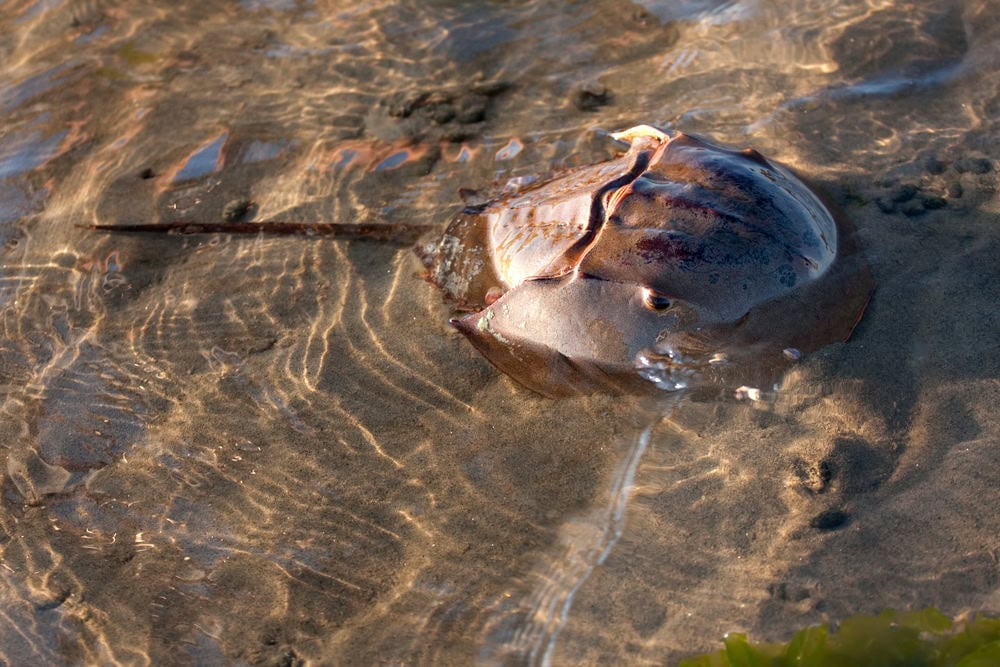
Scientists have proposed several theories to explain the horseshoe crab’s extraordinary evolutionary stasis. One leading explanation involves the concept of “stabilizing selection,” where extreme variants are selected against, maintaining a consistent phenotype over time. Horseshoe crabs may have achieved such a perfect adaptation to their ecological niche that any significant deviation from their body plan would prove disadvantageous. Another theory points to their generalist feeding strategy and broad environmental tolerance—they can survive in various conditions and eat many types of prey, reducing selective pressure to evolve specialized traits. Their relatively long generation time (taking approximately 10 years to reach sexual maturity) may also slow the pace of evolution compared to organisms with more rapid reproductive cycles. Recent molecular studies suggest that horseshoe crabs do evolve at the genetic level at rates comparable to other arthropods, but these changes haven’t significantly altered their external morphology, creating the appearance of stasis while internal adaptations continue.
Blue Blood: The Remarkable Biochemistry of Horseshoe Crabs

Perhaps the most extraordinary feature of horseshoe crabs is their distinctive blue blood, a trait that has remained constant throughout their evolutionary history. Unlike vertebrates who use hemoglobin (containing iron) to transport oxygen, horseshoe crabs employ hemocyanin, a copper-based protein that turns blue when oxygenated. Even more remarkable is their blood’s unique defensive properties. When exposed to bacterial endotoxins, horseshoe crab blood rapidly forms a gel-like clot through a cascade of enzymatic reactions. This property has made horseshoe crab blood invaluable to human medicine—Limulus Amebocyte Lysate (LAL) derived from their blood is used to test for bacterial contamination in vaccines, injectable drugs, and medical implants. No synthetic alternative has fully matched the sensitivity of this ancient immune system, which horseshoe crabs evolved long before mammals appeared on Earth. This biochemical sophistication suggests that while their external form has remained stable, horseshoe crabs have maintained a highly effective internal physiology that continues to serve them well in the modern ocean.
Reproduction Rituals Unchanged Through Time
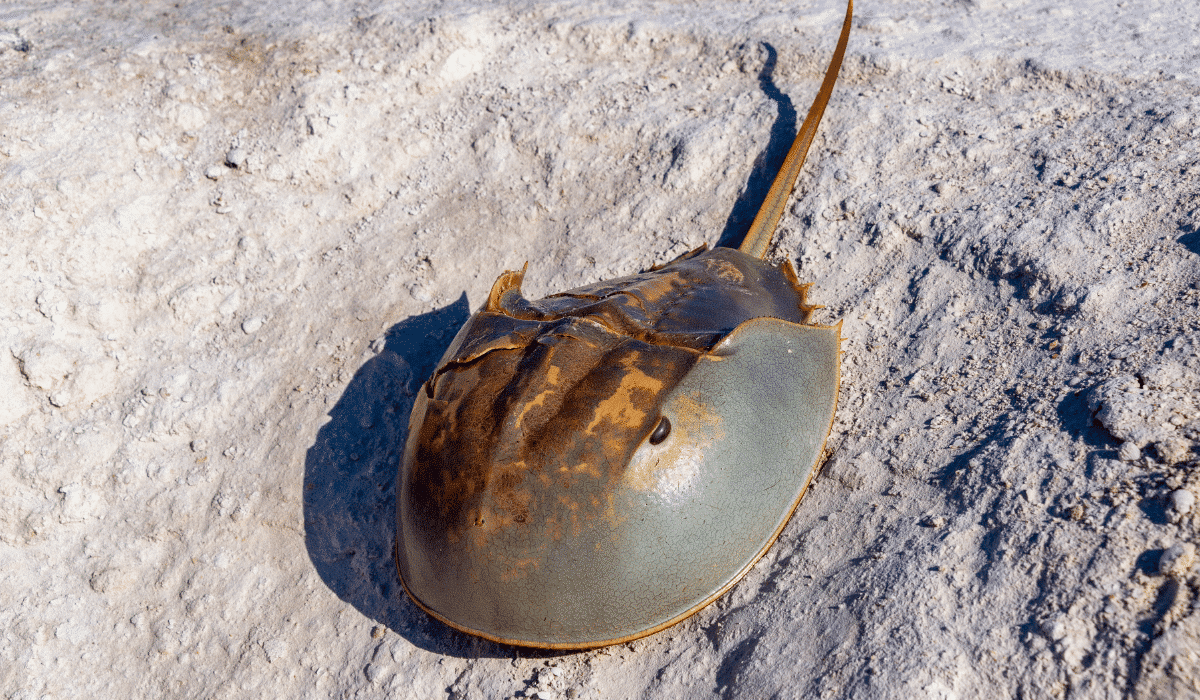
The reproductive behaviors of horseshoe crabs offer another window into their evolutionary conservation. Each spring during high tides coinciding with full and new moons, thousands of horseshoe crabs participate in mass spawning events along sandy beaches—a ritual that has likely occurred in similar fashion for millions of years. Females, often with males attached to their backs, crawl ashore to dig nests in the sand where they deposit thousands of eggs, which males then fertilize. This synchronization with lunar and tidal cycles represents a reproductive strategy so successful it has persisted virtually unchanged since the Mesozoic era. The eggs provide a critical food source for migratory shorebirds, creating an ecological relationship that may have existed for millions of years. Remarkably, horseshoe crab embryos develop through stages that recapitulate ancient evolutionary forms, offering scientists a living glimpse into arthropod evolution while demonstrating the species’ fundamental biological continuity across vast spans of time.
Ecological Importance in Modern Ecosystems
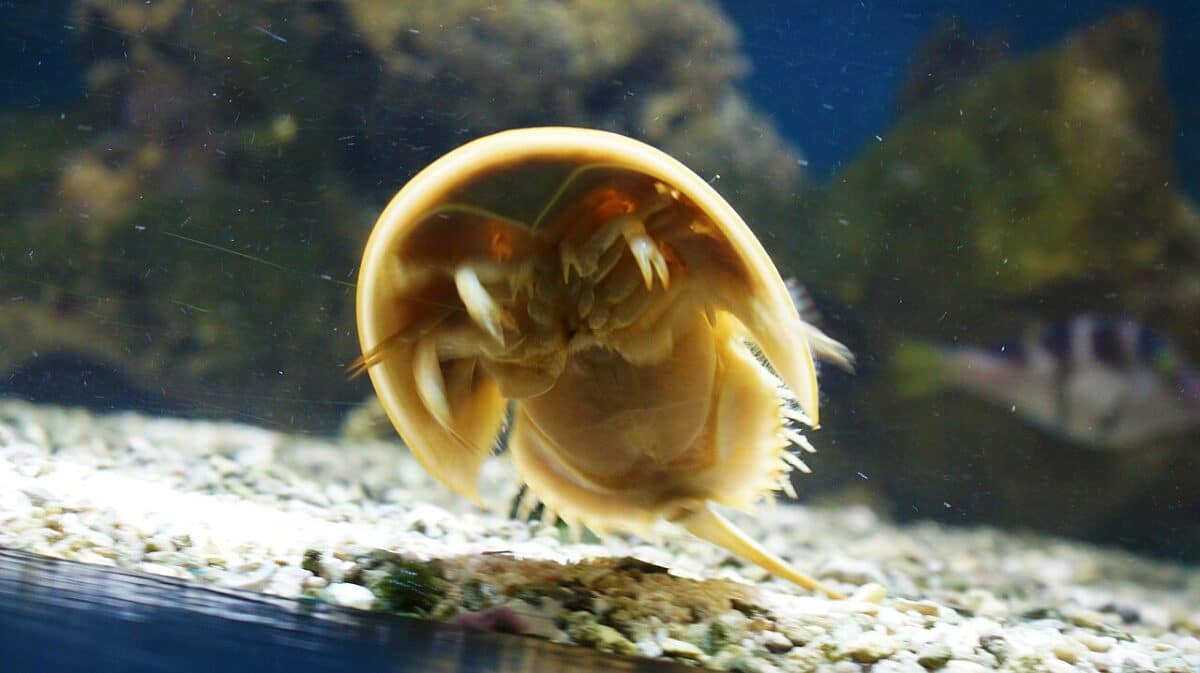
Despite their ancient origins, horseshoe crabs remain vitally important members of coastal ecosystems today. Their annual spawning events provide critical nutrition for numerous species, particularly migratory shorebirds like the red knot, which time their migrations to coincide with horseshoe crab egg availability. As predators and scavengers, horseshoe crabs help regulate populations of small invertebrates and contribute to nutrient cycling in coastal environments. Their burrowing activities aerate sediments, benefiting other benthic organisms. The fact that these ecological relationships have remained stable for millions of years speaks to the horseshoe crab’s successful integration into marine food webs and their continued relevance despite their ancient lineage. Unlike many “living fossils” that persist only in specialized or isolated habitats, horseshoe crabs have maintained significant ecological roles in dynamic coastal ecosystems throughout their evolutionary history, proving that evolutionary success isn’t always measured by anatomical change.
Conservation Challenges in the Anthropocene
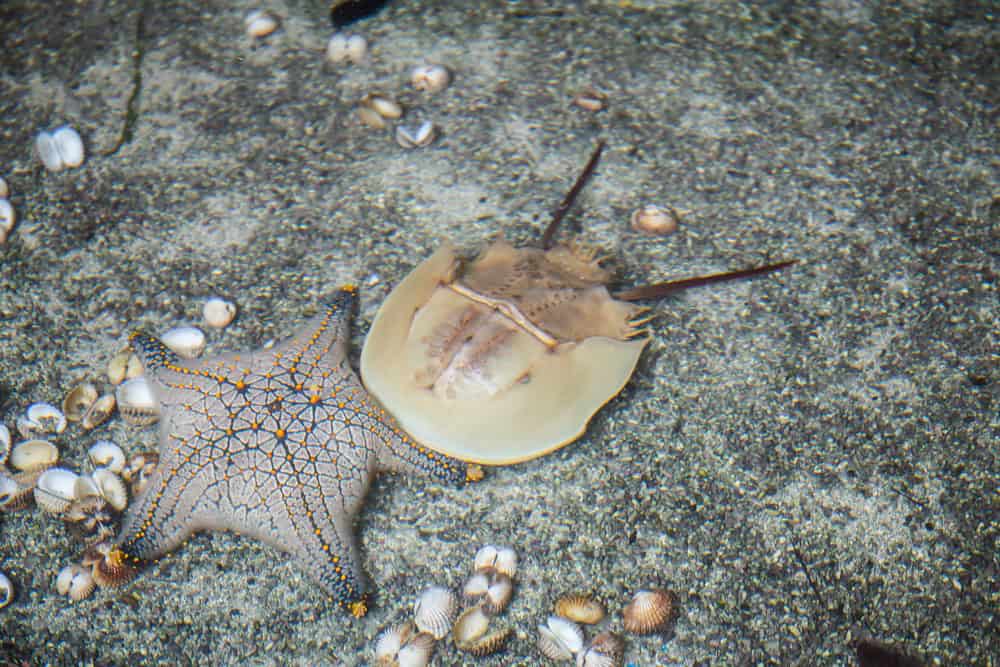
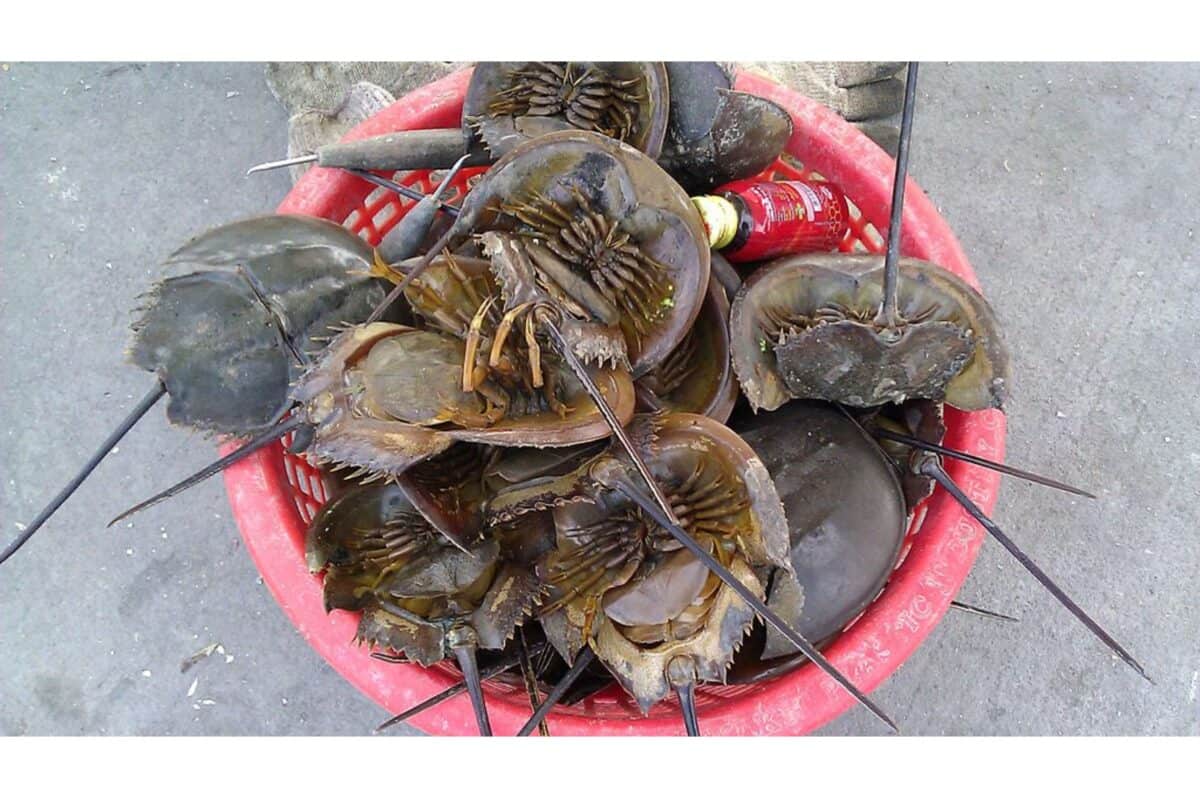
Despite surviving multiple mass extinctions and 200 million years of Earth’s history, horseshoe crabs now face their greatest challenge—human activity. All four extant species have experienced population declines, with the Asian species particularly threatened. Horseshoe crabs are harvested for multiple purposes: as bait for eel and conch fisheries, for their valuable blood in the biomedical industry, and in some regions, for human consumption. Habitat destruction through coastal development, pollution, and climate change further threaten these ancient survivors. The International Union for Conservation of Nature (IUCN) lists three of the four species as endangered or vulnerable. Conservation efforts include harvesting restrictions, habitat protection, and development of synthetic alternatives to horseshoe crab blood for medical testing. The irony is profound—a creature that survived the asteroid impact that killed the dinosaurs now faces existential threats from the activities of a species that has existed for less than 0.2% of the horseshoe crab’s evolutionary history.
Other “Living Fossils”: Is the Horseshoe Crab Unique?

While horseshoe crabs are often cited as the quintessential example of evolutionary stasis, they are not alone in this distinction. Several other organisms have maintained relatively unchanged morphologies over vast time spans. The coelacanth, a lobe-finned fish thought extinct until discovered alive in 1938, has changed little in 400 million years. Ginkgo trees, nautilus mollusks, sturgeon, and crocodilians also exhibit remarkable evolutionary conservation. However, the horseshoe crab stands out for the completeness of its fossil record and the extent of its morphological stasis. Modern genetic analyses have revealed that even among these “living fossils,” genetic evolution continues at the molecular level, even when not expressed in obvious physical changes. The horseshoe crab thus represents an extreme but not unique case of evolutionary conservation, offering important insights into the varied patterns of evolution across different lineages and the complex relationship between genetic change and morphological stability over time.
Scientific Significance: What Horseshoe Crabs Teach Us About Evolution

The extraordinary evolutionary stasis of horseshoe crabs challenges simplistic notions about evolution and provides valuable insights for evolutionary biologists. Their persistence demonstrates that evolution does not always favor novelty or increasing complexity—sometimes it actively preserves successful adaptations through negative or purifying selection. Horseshoe crabs serve as important model organisms for studying the relationship between genetic and morphological evolution, as they exhibit substantial genetic change without corresponding physical transformation. Their embryonic development provides windows into ancient developmental pathways conserved over hundreds of millions of years. Additionally, horseshoe crabs illustrate the concept of “evolutionary bottlenecks,” where only certain lineages survive major extinction events, potentially reducing evolutionary plasticity. By studying these living fossils, scientists gain deeper understanding of evolutionary processes, the factors that drive or inhibit change, and the remarkable resilience of certain body plans across deep time. In many ways, horseshoe crabs represent a natural experiment in evolutionary biology, demonstrating the complex interplay between conservation and change in life’s ongoing story.
Future Prospects: Will They Survive Another 200 Million Years?

The future of horseshoe crabs remains uncertain in the face of unprecedented human-driven environmental change. Their remarkable evolutionary resilience suggests an extraordinary capacity for survival, having already weathered multiple mass extinctions and dramatic planetary transformations. However, the rapid pace of anthropogenic change presents novel challenges that may exceed their adaptive capacity. Climate change is altering coastlines and water temperatures at rates far exceeding natural historical variations. Ocean acidification threatens the marine ecosystems they depend upon. Continued harvesting for biomedical use, despite efforts at sustainable management, places additional pressure on wild populations. Yet there are reasons for cautious optimism: conservation efforts are gaining momentum, with increased protection of spawning beaches and development of horseshoe crab aquaculture to reduce pressure on wild populations. The very attributes that have enabled their evolutionary persistence—broad temperature tolerance, generalist feeding habits, and effective reproductive strategies—may prove advantageous in facing climate change. Whether these ancient survivors can adapt to the Anthropocene will likely depend on humanity’s willingness to preserve the coastal habitats and ecological relationships that have sustained them for 200 million years.
Conclusion: Time Travelers in Our Oceans
The horseshoe crab stands as one of nature’s most profound evolutionary success stories, a living window into Earth’s distant past that continues to thrive in modern oceans. Their 200-million-year journey of morphological stability amidst a changing planet challenges us to reconsider fundamental assumptions about evolution and adaptation. These remarkable creatures have persisted through asteroid impacts, continental drift, countless species extinctions, and dramatic climate fluctuations—all while maintaining a body plan and ecological strategy established when dinosaurs were just beginning their reign. As we face unprecedented global changes in the Anthropocene era, horseshoe crabs offer valuable lessons about resilience, adaptation, and the delicate balance between conservation and change in biological systems. Their fate now rests largely in human hands, making their continued survival both a profound responsibility and an opportunity to demonstrate that we can coexist with even the most ancient inhabitants of our shared planet.

- Could Wolves Be the Answer to America’s Ecosystem Crisis? - July 20, 2026
- 10 Animals That Cheat Death in the Most Unexpected Ways - July 19, 2026
- The Shrimp That Punches Like a Bullet - July 19, 2026