
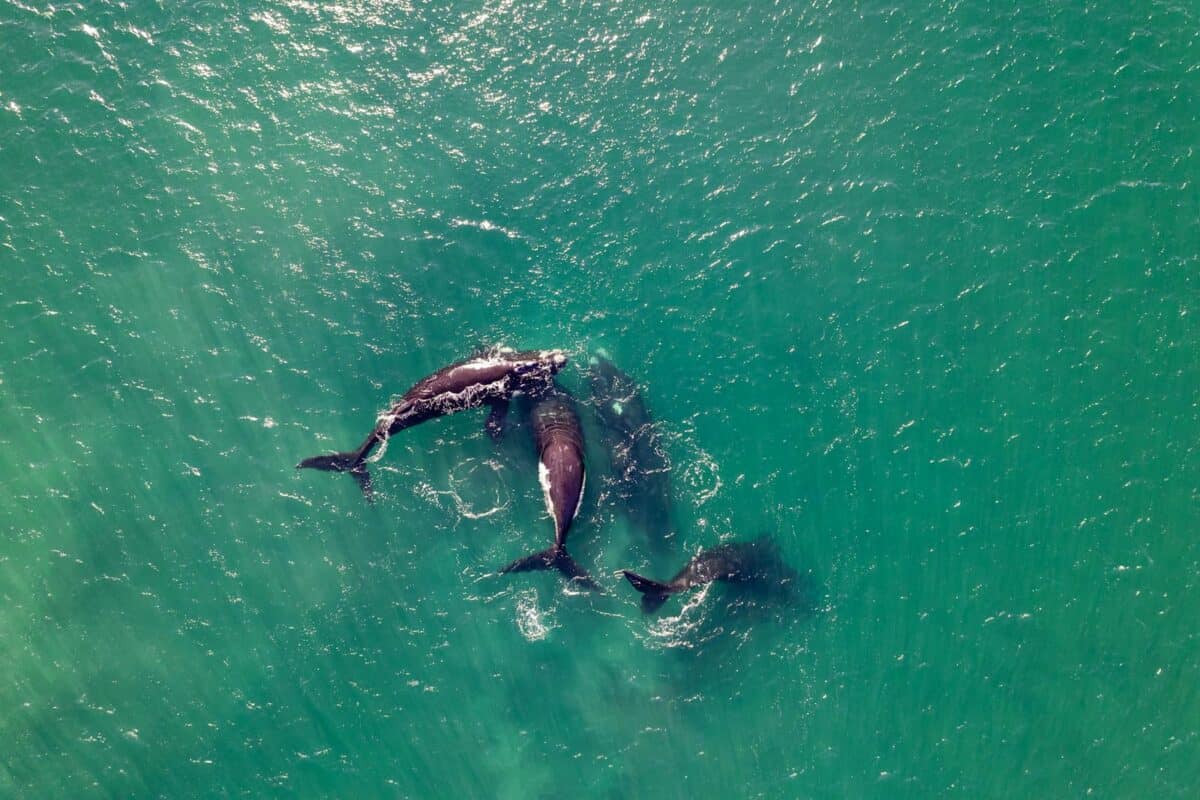
Orcas, also known as killer whales, have one of the most sophisticated social structures in the animal kingdom. Unlike many mammalian species where males take leadership roles, orca pods are matriarchal societies where females, particularly older females, hold positions of immense importance. These highly intelligent marine mammals live in tight-knit family groups called pods, which typically consist of a matriarch (often a grandmother), her offspring, and their offspring.
This multi-generational family structure creates complex social dynamics where wisdom and experience are highly valued. The eldest females become repositories of crucial knowledge that ensures the survival of their descendants through challenging environmental conditions and food scarcity. This matriarchal organization has evolved over thousands of years and represents one of the closest parallels to human extended family structures found in the animal world.
The Grandmother Hypothesis in Marine Mammals
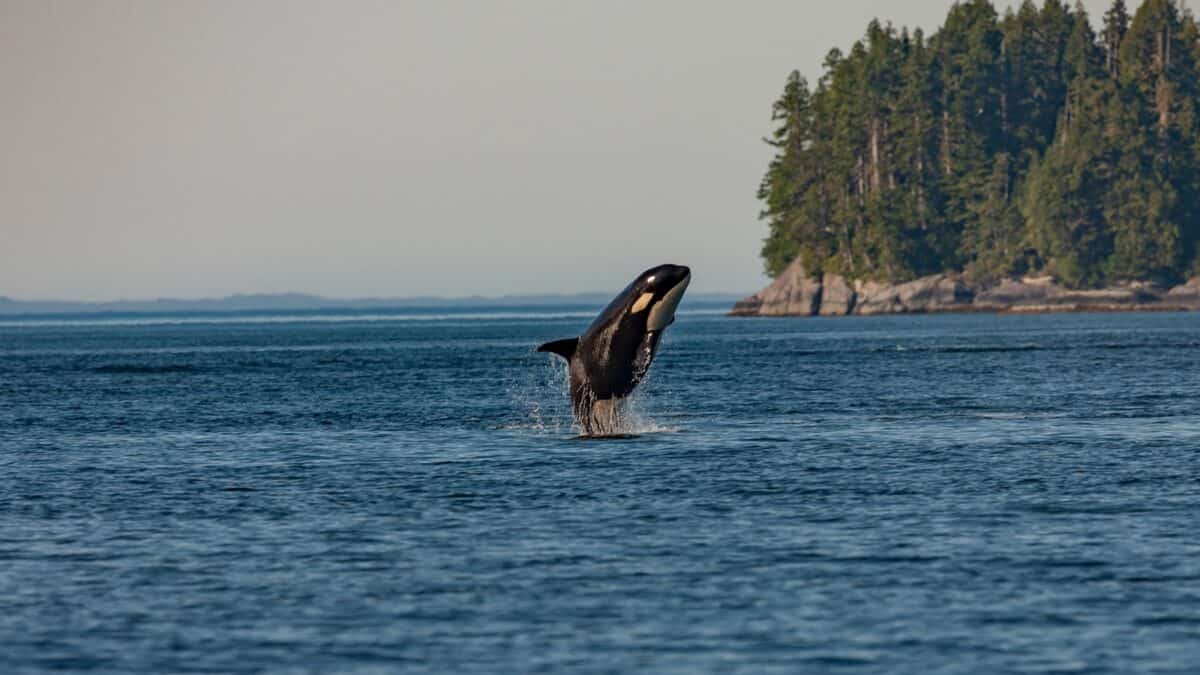
The “grandmother hypothesis,” first proposed to explain human female post-reproductive longevity, has found compelling evidence in orca populations. This hypothesis suggests that females who live long past their reproductive years provide evolutionary advantages to their families through knowledge sharing and caregiving. In orcas, females typically stop reproducing in their 30s or 40s but can live into their 80s or even 100s.
This extended post-reproductive lifespan is extremely rare in the animal kingdom, observed in only a handful of species including humans, short-finned pilot whales, belugas, and narwhals. Research published in the Proceedings of the National Academy of Sciences has demonstrated that post-reproductive orca grandmothers significantly increase the survival chances of their grandcalves, especially during times of food scarcity. This represents one of the strongest cases of the grandmother hypothesis in non-human species and highlights the evolutionary importance of knowledge transfer across generations.
Knowledge Keepers: Ecological Memory in Grandmother Orcas

Grandmother orcas serve as living libraries of ecological knowledge for their pods. Having lived through decades of changing ocean conditions, they remember productive feeding grounds, migration routes, and hunting techniques that younger whales haven’t experienced. This ecological memory becomes particularly crucial during periods of environmental stress or food scarcity.
A study published in Current Biology found that pods led by older females were more successful at locating salmon during years when these fish were scarce. The researchers discovered that grandmother orcas would lead their families to historically productive hunting areas that younger whales had no knowledge of. This generational knowledge transfer represents a form of cultural transmission that helps orca pods adapt to changing environmental conditions without waiting for genetic adaptations to occur. In essence, grandmother orcas provide their pods with an ecological roadmap based on decades of experience navigating their marine territories.
Leadership During Salmon Hunts

One of the most critical roles grandmother orcas play is leading hunting expeditions, particularly for salmon which constitute the primary diet for many resident orca populations. Research conducted by the Center for Whale Research has documented that post-reproductive females take the lead position during hunting activities 54% more often than reproductive females. This leadership becomes even more pronounced when salmon are scarce, with grandmother orcas increasing their leading behavior by nearly 85%.
The positioning is strategic—by swimming at the front of the group, they utilize their extensive knowledge of salmon migration patterns and feeding grounds to direct the pod toward productive hunting areas. Scientists have observed that pods with experienced grandmothers maintain better nutritional status during lean years compared to pods without post-reproductive females. This hunting leadership directly translates to survival advantages for the entire family group, highlighting the evolutionary value of knowledge preservation through extended female longevity.
Allomothering: Grandmother Orcas as Caregivers

Beyond their role as knowledge keepers, grandmother orcas engage in direct caregiving activities known as allomothering—the care of offspring by individuals other than the biological mother. This behavior allows younger reproductive females to focus on hunting and maintaining their own physical condition while ensuring their calves receive adequate attention and protection. Researchers have documented grandmother orcas swimming closely alongside young calves, intervening when they stray too far from the pod, and even sharing food with them.
This shared parenting approach creates a buffer against the high energy demands of calf-rearing in the challenging marine environment. The practice of allomothering may partially explain why orca calves with living grandmothers show higher survival rates in the critical first two years of life. The presence of an experienced caregiver who has successfully raised multiple generations provides an additional layer of protection for vulnerable young orcas and represents a significant evolutionary advantage for pods with post-reproductive females.
Social Mediation and Conflict Resolution

The complex social dynamics within orca pods require sophisticated mediation skills, and grandmother orcas often serve as social stabilizers. Researchers studying Southern Resident killer whales in the Pacific Northwest have observed that matriarchs play crucial roles in resolving conflicts between pod members and maintaining group cohesion. They accomplish this through a combination of vocalizations, body positioning, and direct interventions when tensions arise. The presence of respected elder females appears to reduce aggressive interactions and promote cooperative behaviors essential for group hunting and survival.
In times of social disruption, such as the loss of a pod member or encounters with unfamiliar orcas, grandmother whales often take central positions in the group formation, emitting distinct vocalizations that appear to calm younger whales and direct the pod’s movements. This social leadership becomes especially important during interactions between different pods, where grandmother orcas may facilitate temporary associations that benefit both groups through shared hunting opportunities or social exchanges.
Cultural Transmission of Pod-Specific Dialects

Orcas possess remarkable vocal abilities and develop pod-specific dialects that serve as cultural identifiers. Grandmother orcas play a pivotal role in maintaining and teaching these unique vocal traditions to younger generations. Each orca pod has its own distinctive set of calls that function similarly to a regional accent or dialect in human language. Young calves learn these vocalizations through extensive exposure and practice with pod members, with grandmother orcas often providing the most consistent vocal models.
Research by marine biologists has demonstrated that pods with elder females maintain more stable vocal traditions with fewer modifications over time. This cultural preservation helps maintain pod identity and cohesion across generations. When pods occasionally split to form new family groups, the vocal traditions often evolve slightly, creating a branching pattern of dialects that scientists can use to track the genealogical relationships between different orca communities. The grandmother’s role in preserving these acoustic signatures represents another dimension of cultural transmission that extends beyond their reproductive years.
Evidence From Southern Resident Killer Whales
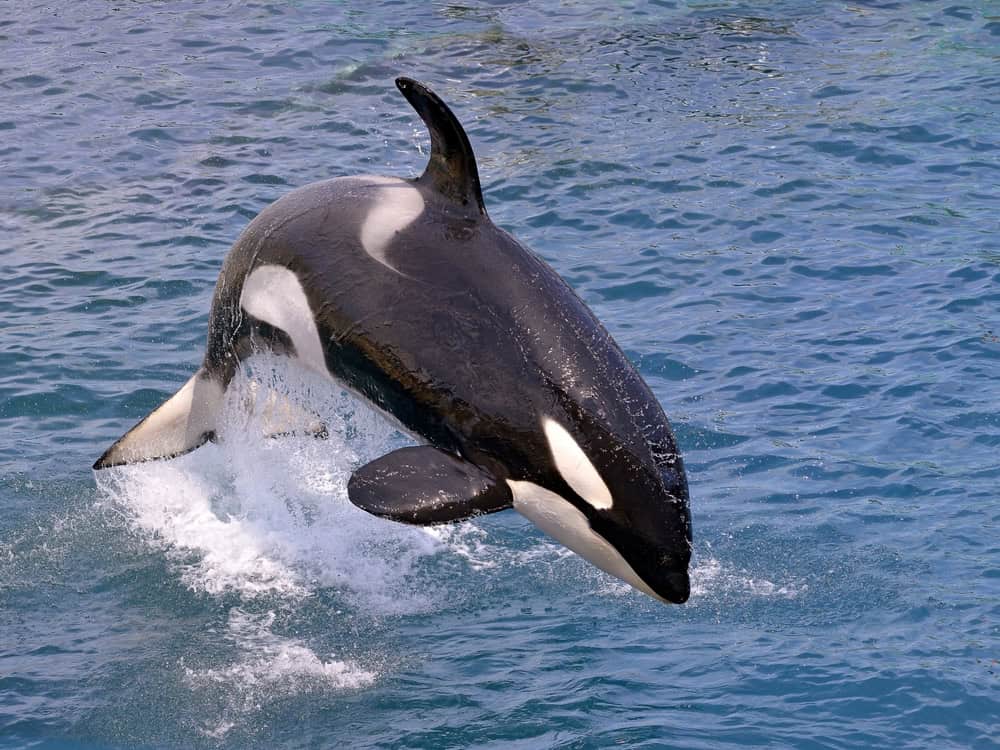
The endangered Southern Resident killer whale population of the Pacific Northwest has provided some of the most compelling evidence for the grandmother effect in orcas. Long-term studies spanning over four decades have tracked the life histories of individual whales in this population, creating an unprecedented dataset on family relationships and survival outcomes. Analysis of this data revealed that calves whose maternal grandmother had died within the previous two years faced a mortality risk 4.5 times higher than those with living grandmothers. This effect was particularly pronounced during years when Chinook salmon—their preferred prey—were scarce.
The research also found that the death of a post-reproductive grandmother had a more significant impact on pod survival than the loss of a reproductive female of similar age. This suggests that the knowledge and leadership provided by grandmother orcas cannot be easily replaced, even by experienced mothers. The Southern Resident population’s struggle for survival in recent decades, facing prey depletion and environmental challenges, has made the role of grandmother orcas even more critical for maintaining this culturally distinct community.
Comparison with Other Cetacean Species

While the grandmother effect is particularly pronounced in orcas, similar patterns have been observed in other cetacean species with extended female post-reproductive lifespans. Short-finned pilot whales demonstrate comparable matriarchal pod structures where older females continue contributing to group survival long after they stop reproducing. Recent research has also identified post-reproductive periods in beluga whales and narwhals, suggesting that the evolutionary advantages of grandmother caregiving may be more widespread among highly social marine mammals than previously recognized.
However, the extent and specific manifestations of the grandmother role vary significantly across species. For instance, sperm whales form matrilineal units but do not appear to have the same extended post-reproductive period as orcas. These differences may relate to feeding ecology, predation pressure, and social complexity. Orcas represent the most extreme example of the grandmother effect among non-human species, with females spending approximately 40% of their lifespan in a post-reproductive state—a proportion that rivals human female post-reproductive longevity.
Conservation Implications of the Grandmother Effect

Understanding the critical role of grandmother orcas has significant implications for conservation efforts. When elder females are lost from a pod—whether through natural mortality or human impacts—they take with them irreplaceable ecological knowledge that may have accumulated over many decades. This loss can substantially reduce a pod’s resilience to environmental changes and resource fluctuations. Conservation biologists now recognize that protecting older female orcas should be a priority for maintaining healthy populations.
This understanding has influenced marine protected area designs, fishing regulations in critical orca habitats, and mitigation measures for vessel noise and disturbance. The documented importance of grandmother orcas also highlights why population numbers alone don’t tell the complete story of a species’ conservation status—the age structure and preservation of knowledge-holding individuals are equally important for long-term viability. In endangered populations like the Southern Residents, where only approximately 75 individuals remain, the loss of even one grandmother orca represents a significant blow to the community’s collective knowledge and resilience.
Threats to Grandmother Orcas in Modern Oceans
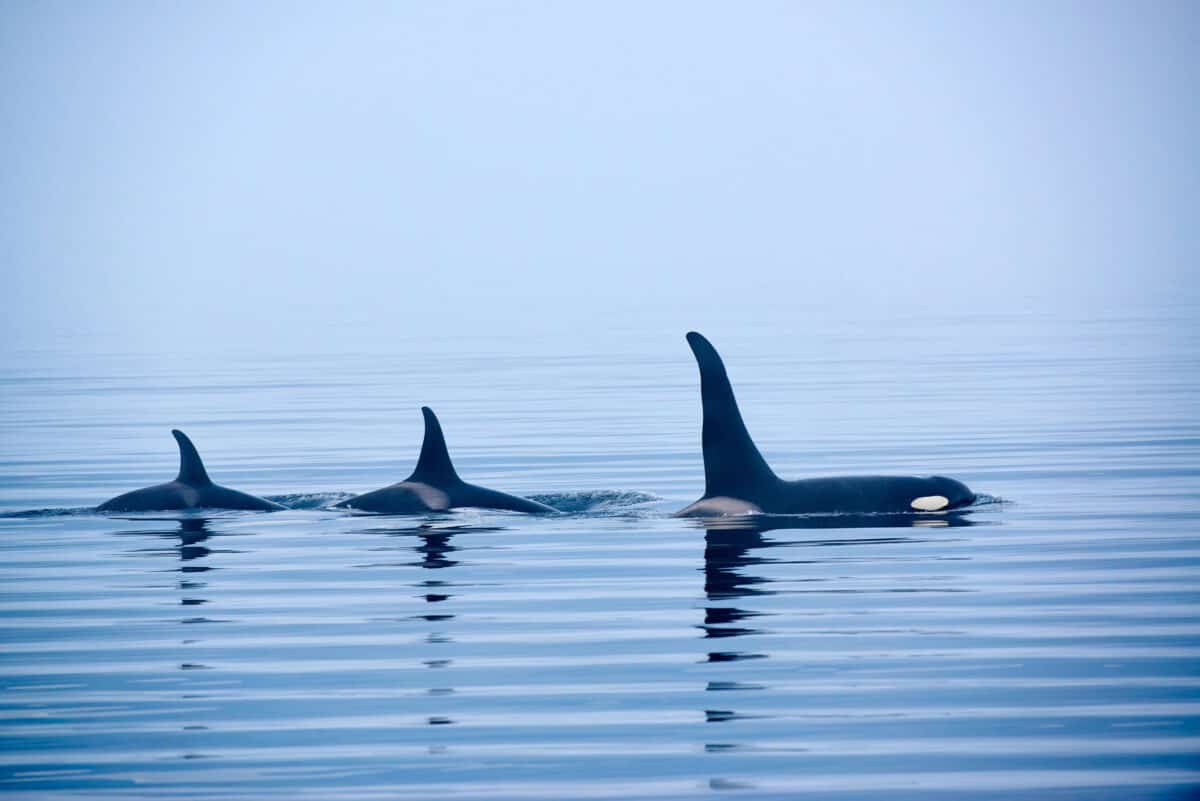
Despite their importance to pod survival, grandmother orcas face numerous anthropogenic threats in today’s oceans. As the oldest members of their pods, they have accumulated higher levels of persistent organic pollutants like PCBs in their blubber, as these toxins concentrate up the food chain and remain in the body for decades. This toxic load can compromise immune function and potentially shorten their lifespans. Noise pollution from shipping, military activities, and industrial operations interferes with the complex vocalizations orcas use to coordinate hunting and maintain social bonds—functions in which grandmother orcas play central roles.
Climate change is altering prey distribution patterns, potentially rendering historical knowledge about feeding grounds less relevant and challenging the ecological memory that grandmother orcas provide. Additionally, reduced prey availability due to overfishing, particularly of Chinook salmon for resident orcas, creates nutritional stress that disproportionately affects older females who may already have decreased foraging efficiency. These combined stressors threaten to disrupt the intergenerational knowledge transfer that has been crucial to orca survival for millennia.
Parallels Between Human and Orca Grandmother Roles
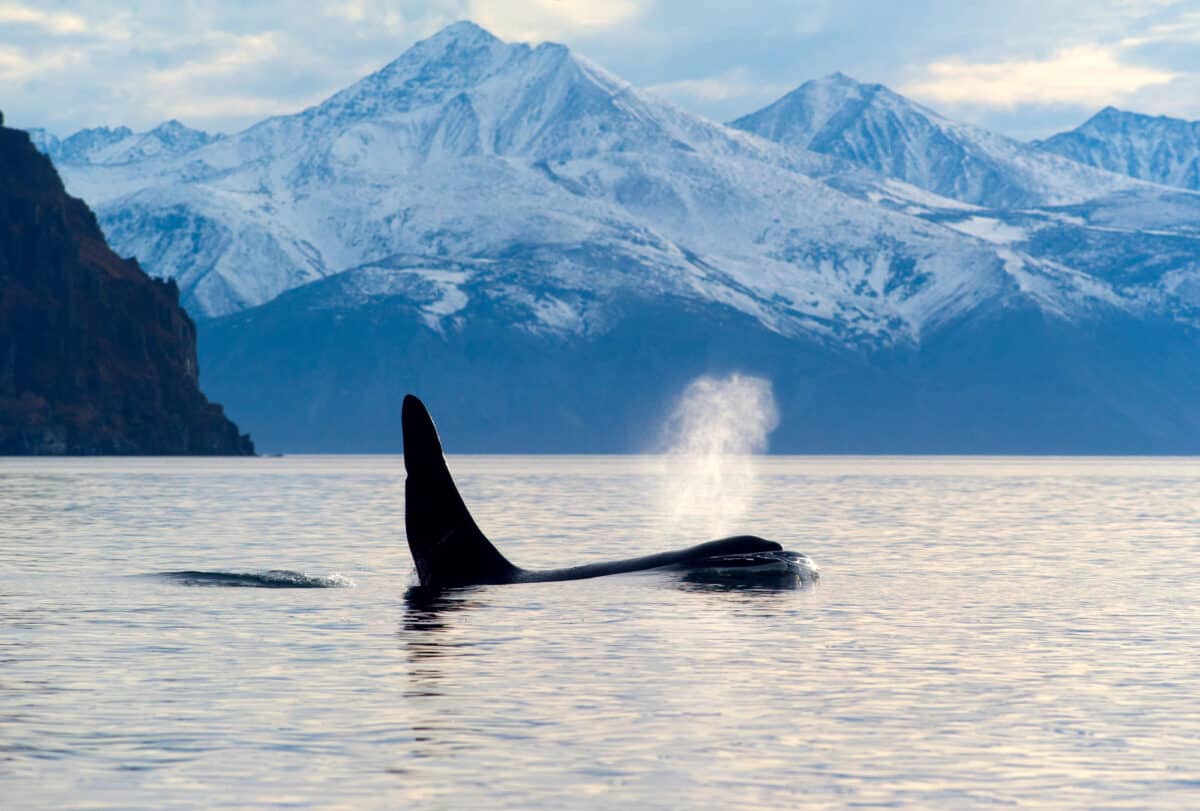
The similarities between human and orca grandmother roles offer fascinating insights into the evolution of extended female lifespans across species. In both humans and orcas, post-reproductive females contribute significantly to the survival of their grandchildren through knowledge sharing, direct care, and resource provisioning. Anthropological research across human cultures has documented how grandmothers improve child survival rates by providing childcare, food, and cultural knowledge—paralleling the benefits grandmother orcas provide to their pods.
The convergent evolution of substantial post-reproductive lifespans in these two highly social, long-lived species suggests that the grandmother role represents a powerful adaptive advantage in complex societies. However, important differences exist: human grandmothers typically provide more direct food provisioning to grandchildren, while orca grandmothers contribute more through hunting leadership and ecological knowledge. Both species demonstrate how natural selection can favor extended female longevity when the benefits of wisdom and care outweigh the reproductive potential of continued childbearing. This evolutionary parallel offers a profound connection between humans and these intelligent marine predators, highlighting how similar solutions can evolve to address the challenges of raising offspring in complex social groups.
The Continuing Importance of Grandmother Orcas
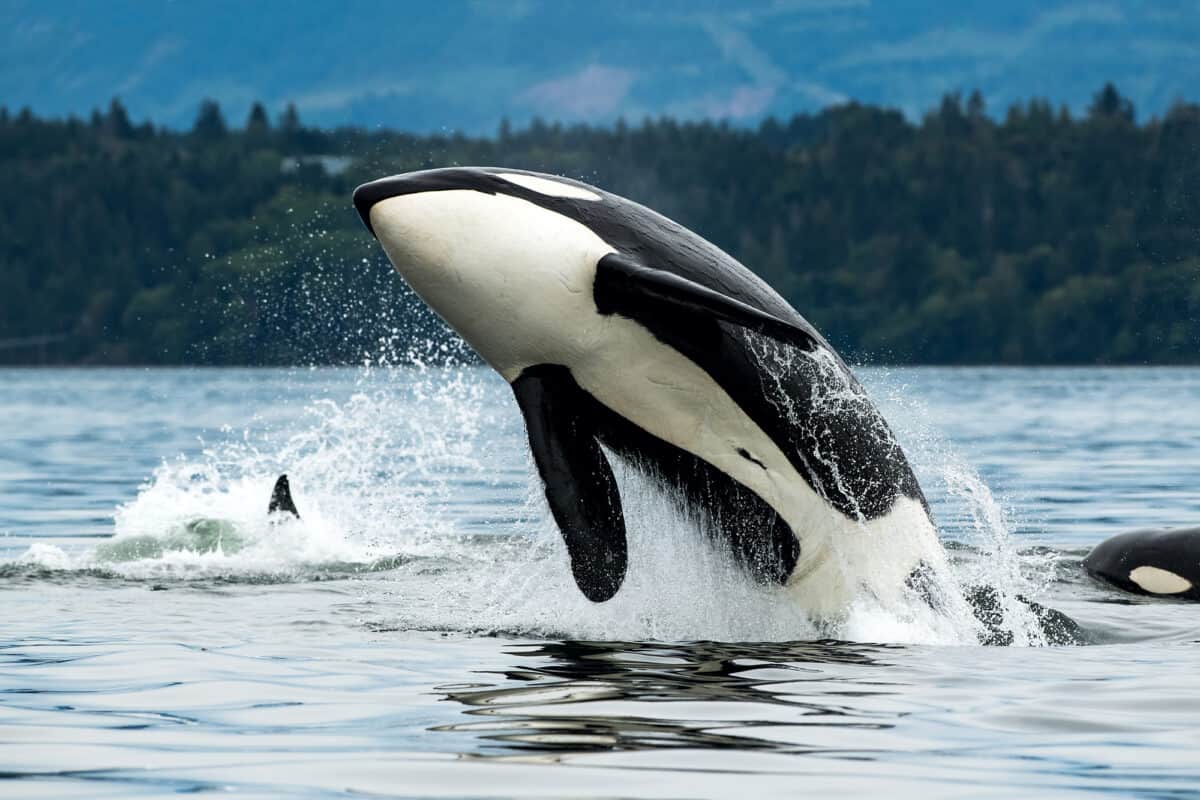
The critical role of grandmother orcas in pod survival represents one of nature’s most compelling examples of how knowledge, experience, and caregiving transcend reproductive capacity in social species. Their extended post-reproductive lifespans—which can last several decades—provide evolutionary advantages through ecological knowledge preservation, leadership during challenging times, calf protection, and cultural maintenance. As ocean environments face unprecedented changes due to human activities, the wisdom of grandmother orcas may become even more vital for adaptation and survival.
The growing scientific understanding of their importance has transformed how we conceptualize orca conservation, emphasizing the need to protect not just population numbers but also the social structures and knowledge transmission systems that have evolved over thousands of years. The grandmother effect in orcas reminds us that in highly intelligent, social species, the value of an individual extends far beyond reproduction—experience, relationships, and accumulated wisdom can contribute to survival in ways that are just as crucial as producing offspring. As we continue to learn more about these remarkable matriarchs, we gain not only scientific insights but also a deeper appreciation for the diverse ways in which knowledge and care sustain life across generations.

- The Perfect Pet for Each Zodiac Sign - July 7, 2026
- The Wild Animal That Embodies Your Zodiac Sign’s Spirit - July 6, 2026
- 7 Steps to Planting Admirably Beautiful Bluebonnets - July 6, 2026