

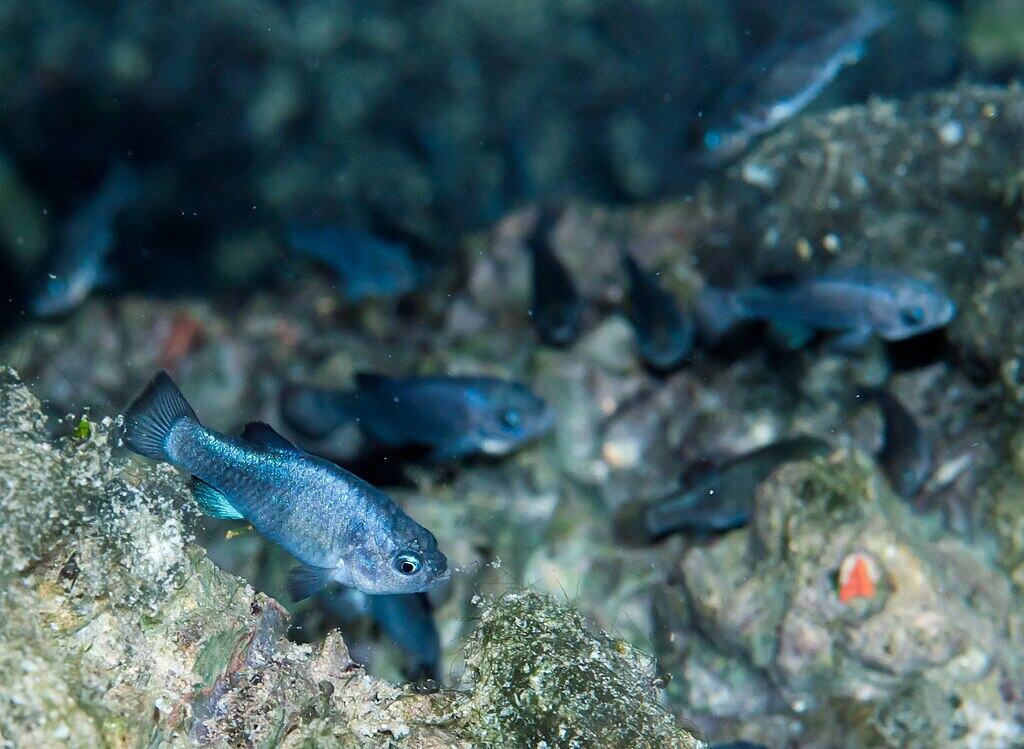
Out in the Nevada desert, tucked away in a deep, water-filled limestone cavern, lives one of the rarest fish on the planet—the Devils Hole pupfish. But after two recent earthquakes rocked the region, only 38 of these tiny, endangered fish remain.
These weren’t just minor tremors. The quakes were strong enough to stir up sediment, damage algae beds, and knock eggs and larvae right off their shallow rock shelf—the only place the pupfish can breed. This kind of disruption is catastrophic for a species already teetering on the brink of extinction.
According to the U.S. Fish and Wildlife Service, the population count dropped from 60 to 38. That’s dangerously close to their all-time low of 35 in 2013.
What Makes This Fish So Special?
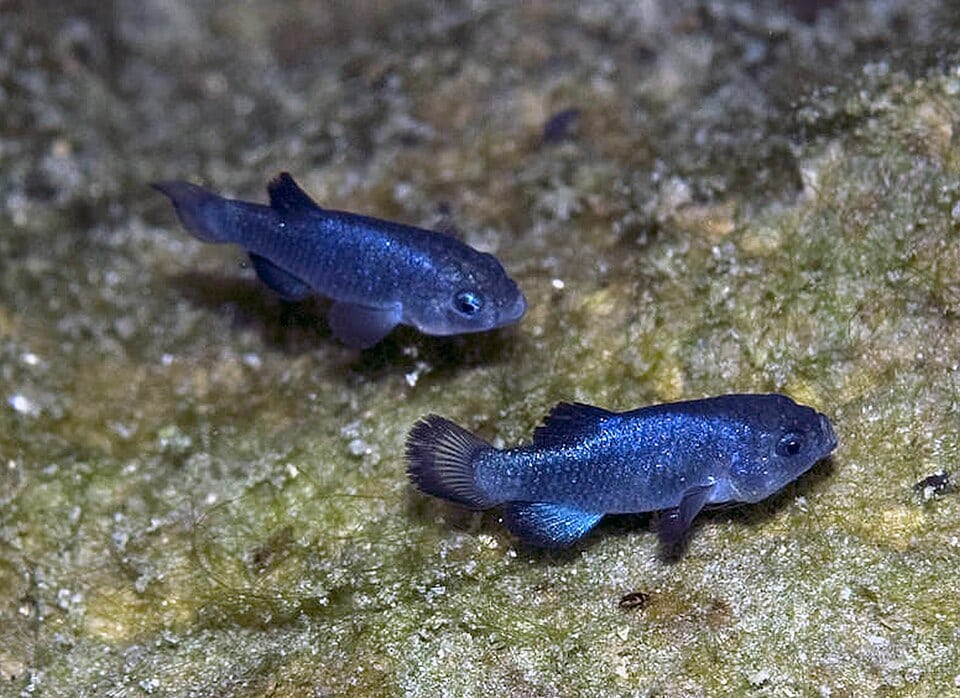
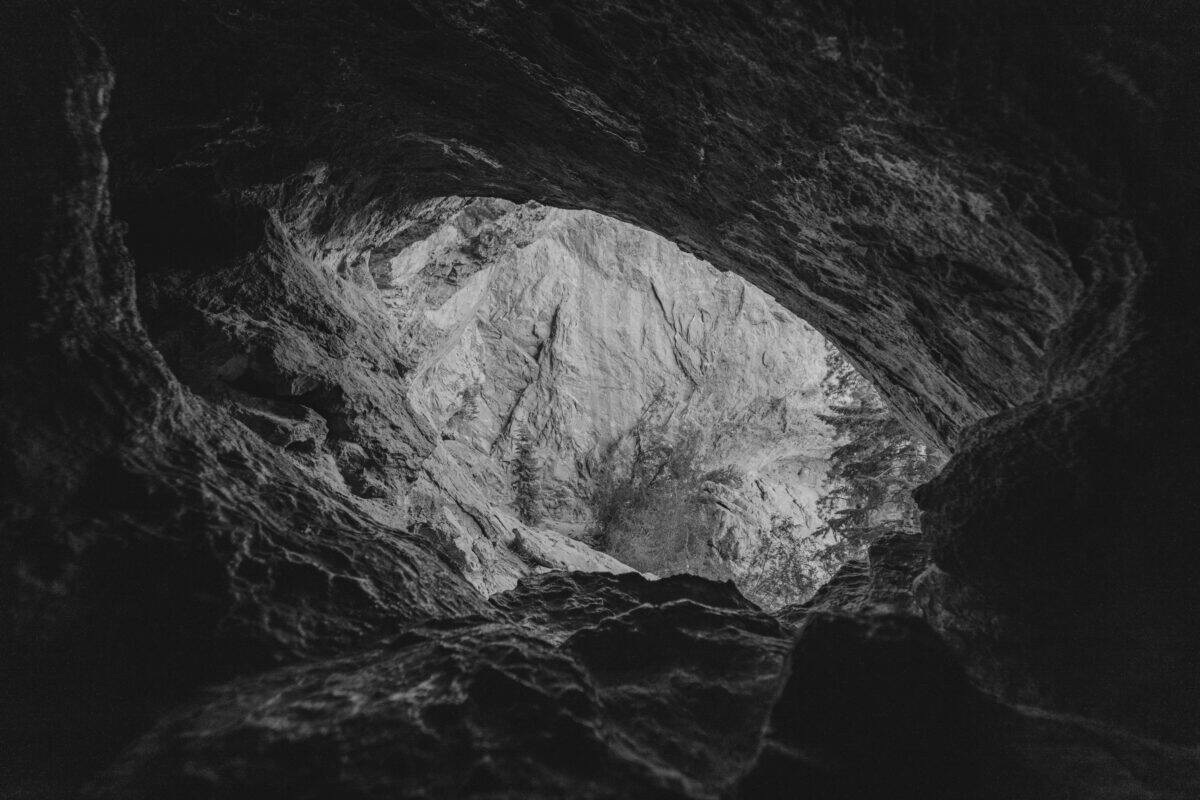
The Devils Hole pupfish isn’t just rare—it’s practically a living fossil. Scientists believe it’s been isolated in that one cave for over 10,000 years. It lives exclusively in Devils Hole, a 3.5-meter by 22-meter (12 ft x 72 ft) sunlit opening that leads into a geothermal pool over 150 meters (500 feet) deep.
It survives in water that stays a steady 33°C (91°F), with very low oxygen and virtually no food source beyond some algae. Basically, it’s evolved to survive in a hot tub with zero room service.
That specialization is also why it’s so vulnerable. One big shake—or even a few bad breeding seasons—could cause the species to vanish entirely.
Conservationists Race Against Time
Following the recent die-off, wildlife officials acted quickly. They moved 19 pupfish from a backup population housed at a nearby conservation center into Devils Hole, hoping to kick-start spawning.
The fish are being carefully monitored for signs of recovery, and biologists say there is at least some good news—more pupfish are mating, and algae growth has started to rebound. These may be small wins, but for a species this close to extinction, every single egg counts.
The next population count is scheduled for fall 2025, and scientists hope that by then, the numbers will show an upward trend.
Why It Matters?
Aside from being rare, the Devils Hole pupfish is a symbol of how fragile isolated ecosystems can be. One natural disaster, one careless human move, and it’s all over.
This tiny blue fish has survived thousands of years in one of the harshest environments on Earth. Now, it’s facing its toughest challenge yet. And the world is watching.

- Coatimundi Attacks Arizona Hiker in Rare Desert Confrontation - July 17, 2026
- Rabid Bat Bites Texas Man—Fourth Kerr County Case This Year - July 17, 2026
- Colorado’s Rattlesnake Den Livestreams 2,000 Snakes - July 15, 2026