


Bats have long fascinated scientists for their unique biological capabilities, from echolocation to flight. However, perhaps their most intriguing feature lies hidden within their immune systems. Certain bat species possess remarkable disease resistance that allows them to harbor deadly viruses without becoming ill themselves. Among these extraordinary creatures, one species in particular stands out for its potential to revolutionize our understanding of disease immunity. As researchers delve deeper into the genetic and immunological adaptations of these remarkable mammals, they’re uncovering secrets that could one day transform human medicine and help us combat emerging infectious diseases.
The Egyptian Fruit Bat: A Viral Reservoir

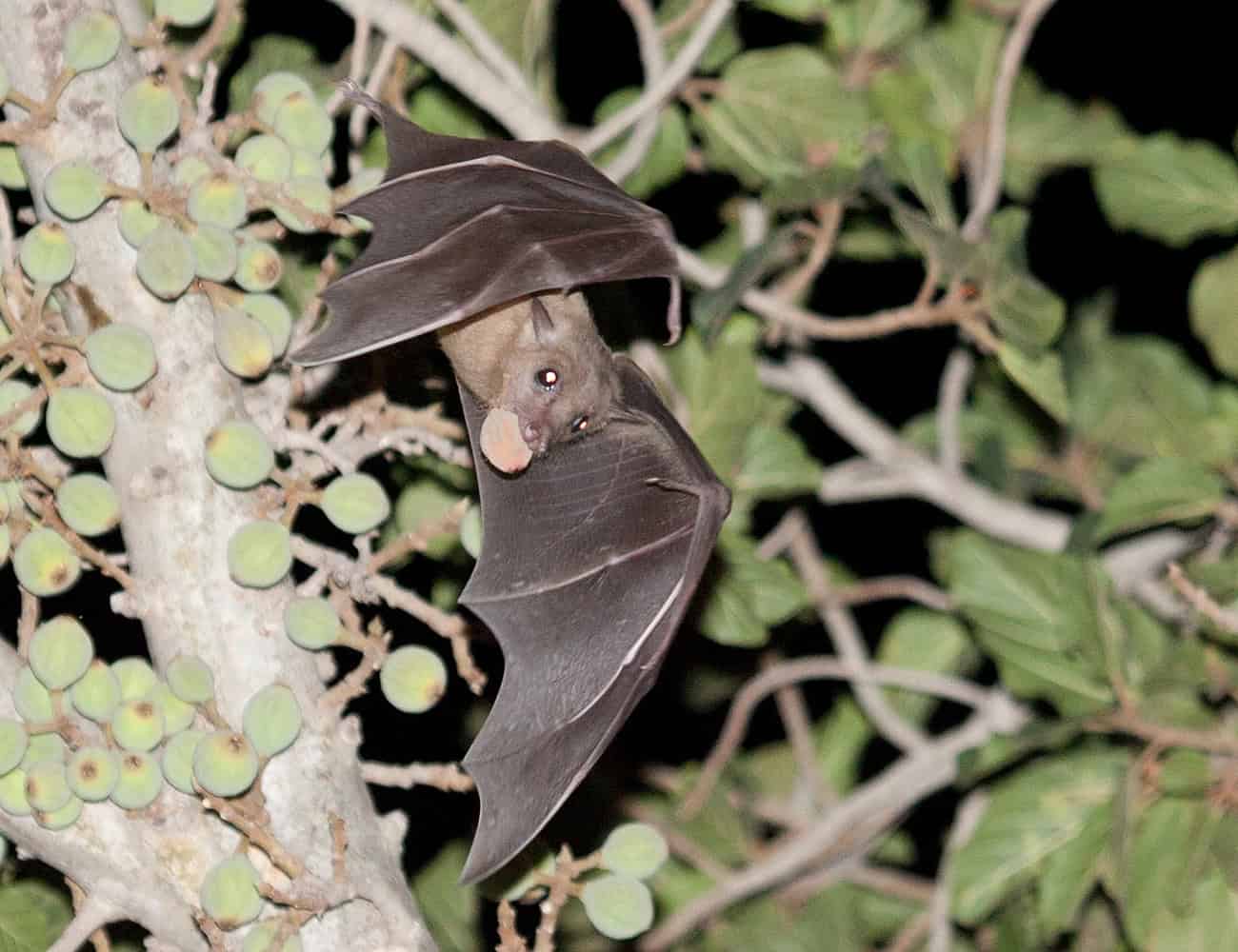
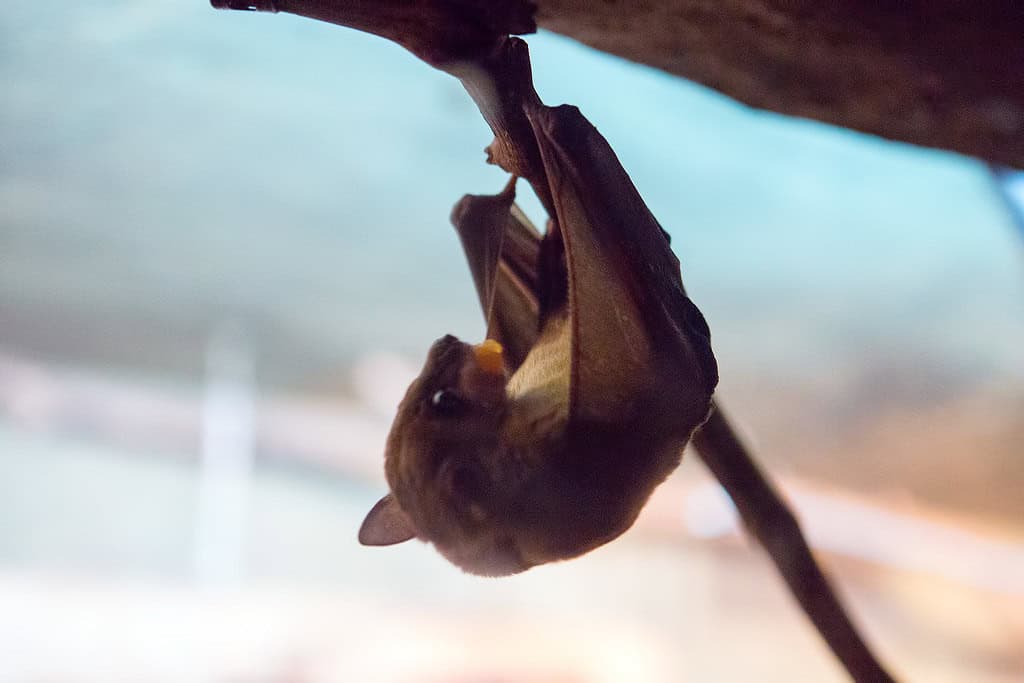
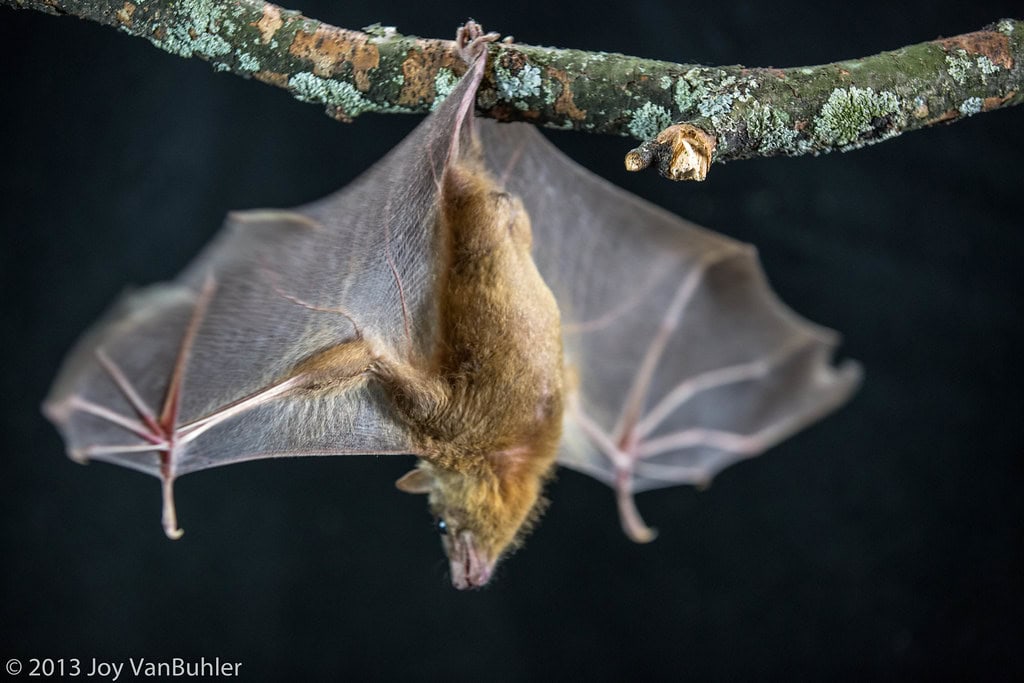
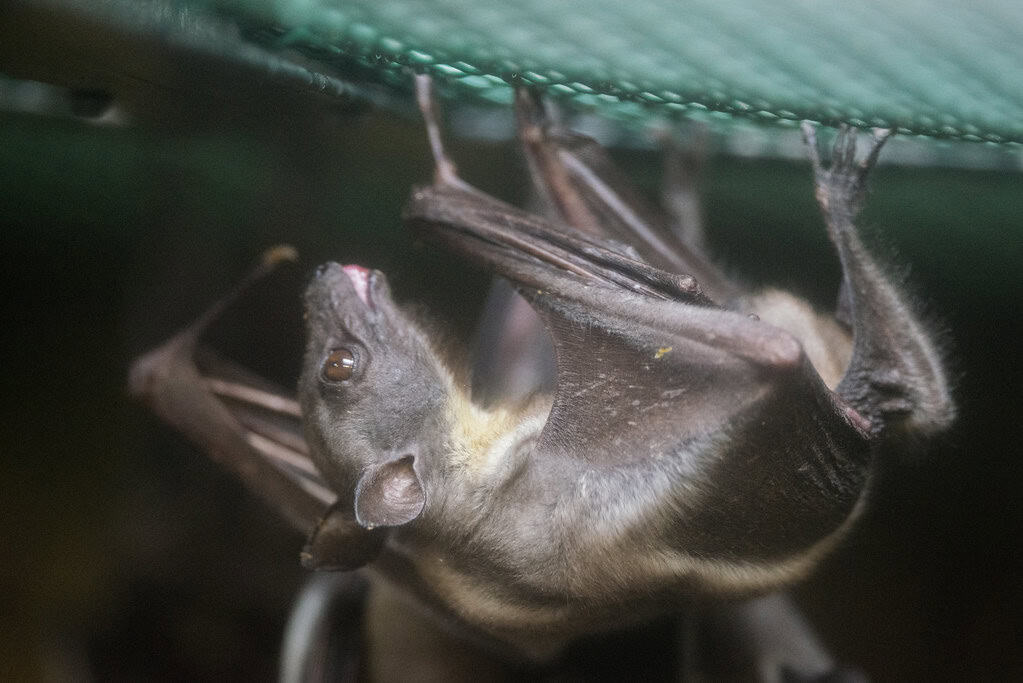
The Egyptian fruit bat (Rousettus aegyptiacus) has emerged as a focal point for scientists studying disease immunity. This medium-sized fruit bat, native to Africa, the Middle East, and parts of the Mediterranean, carries numerous viruses that are deadly to humans, including Marburg virus and potentially coronaviruses, yet remains unaffected by these pathogens. Unlike many mammals that succumb to these viral infections, the Egyptian fruit bat coexists with these microbes in a remarkable state of balance. This ability to harbor viruses without developing symptoms makes them perfect natural laboratories for studying disease resistance mechanisms.
Evolutionary Adaptations to Viral Threats

Bats, including the Egyptian fruit bat, have evolved alongside viruses for millions of years, developing sophisticated defense mechanisms. Their long lifespan compared to other mammals of similar size suggests they’ve developed effective strategies against the degenerative effects of both aging and disease. Research indicates that their evolutionary adaptations didn’t eliminate viruses but instead created a unique tolerance. This co-evolution has resulted in immune systems that can recognize viral invaders without triggering the excessive inflammatory responses that often cause severe disease in humans. Understanding these evolutionary adaptations could provide critical insights into how we might better manage our own immune responses to viral infections.
The Interferon Mystery
One of the most fascinating discoveries about Egyptian fruit bats involves their interferon system. Interferons are proteins produced by the immune system that interfere with viral replication. While humans and most mammals produce interferons in response to viral infections, Egyptian fruit bats maintain a constant low-level interferon response.
This perpetual state of immune readiness, known as “constitutive expression,” allows them to rapidly contain viral threats without waiting for the full immune response to activate. Scientists have found that bat cells constitutively express interferon alpha, providing a baseline antiviral state that may explain their exceptional viral resistance. This discovery could inspire new approaches to antiviral therapies that focus on maintaining immune vigilance rather than reactive treatments.
DNA Damage Control and Immunity

The Egyptian fruit bat demonstrates remarkable DNA repair capabilities that contribute to its disease resistance. Flight is metabolically demanding and generates harmful byproducts called reactive oxygen species, which can damage DNA. To counter this, bats have developed enhanced DNA repair mechanisms that not only protect against flight-induced damage but also provide broader protection against viral threats.
Research has shown that these bats have specialized DNA damage response pathways that help maintain cellular integrity even when infected with viruses. This connection between DNA repair and antiviral immunity represents a fascinating area of study with potential applications for human health, particularly for cancer treatments and antiviral therapies where DNA damage plays a significant role.
The Inflammation Balancing Act

Perhaps the most remarkable aspect of the Egyptian fruit bat’s immune system is its ability to balance inflammation. In humans and many other mammals, viral infections can trigger excessive inflammatory responses that damage tissues and organs—a phenomenon seen dramatically in severe COVID-19 cases. Egyptian fruit bats, however, have evolved mechanisms to dampen inflammatory responses while still effectively controlling viral replication.
Recent studies have identified specific anti-inflammatory pathways in bat immune cells that prevent the cytokine storms responsible for much of the damage in human viral infections. These bats essentially possess a “Goldilocks” immune system—not too aggressive to cause self-damage, but robust enough to control pathogens. Understanding these regulatory mechanisms could lead to new treatments for inflammation-driven diseases in humans.
Metabolic Adaptations and Immunity

The Egyptian fruit bat’s metabolic adaptations also contribute to its disease resistance. During flight, these bats experience dramatic metabolic rate increases similar to what humans might experience during intense fever. This elevated metabolism, which would be dangerous for most mammals if sustained, has led to special adaptations that protect their cells from metabolic stress.
Scientists have discovered that these metabolic adaptations overlap significantly with immune function. The bat’s cells can withstand extreme energy demands without triggering self-destructive pathways, allowing them to survive conditions that would be lethal to human cells. These findings suggest potential new approaches to treating metabolic diseases and enhancing cellular resilience against infections in humans.
The Microbiome Connection

Research into the Egyptian fruit bat has revealed another critical factor in their disease immunity: their unique microbiome. The collection of bacteria, fungi, and other microorganisms that inhabit these bats’ digestive tracts differs significantly from that of other mammals. These microbial communities appear to play an important role in training the bat’s immune system to recognize and tolerate certain viral patterns without overreacting.
Studies have shown that the Egyptian fruit bat’s gut microbiome contains species that produce compounds with antiviral properties. Additionally, there appears to be a sophisticated communication network between their microbiome and immune cells that helps maintain balance. This research area offers promising avenues for developing microbiome-based therapies that could enhance human viral resistance.
Novel Antiviral Proteins
The genome of the Egyptian fruit bat encodes several unique antiviral proteins not found in other mammals. In 2018, researchers identified a previously unknown family of antiviral compounds produced by these bats that can effectively neutralize a broad spectrum of viruses. These proteins, which some scientists have nicknamed “bat-specific antivirals,” work through mechanisms distinct from known human antiviral compounds.
They appear to target fundamental aspects of viral replication without triggering excessive immune responses. Pharmaceutical companies are currently investigating synthetic versions of these proteins as potential broad-spectrum antiviral treatments. If successful, these compounds could represent an entirely new class of antiviral medications inspired by bat biology.
Challenges in Bat Immunology Research
Despite the enormous potential, studying Egyptian fruit bat immunology presents significant challenges. These animals are difficult to maintain in laboratory settings, and their biology differs enough from traditional lab animals that many standard research tools don’t work effectively. Additionally, their status as potential reservoirs for zoonotic diseases means that research requires specialized containment facilities and safety protocols.
Ethical considerations around bat research have also intensified, as habitat destruction threatens many bat populations worldwide. Scientists are working to develop non-invasive research methods and bat-specific laboratory tools to advance this research while respecting both safety requirements and conservation concerns. Recent advances in genomic technologies and cell culture systems specifically adapted for bat cells are helping overcome some of these hurdles.
From Bats to Bedside: Therapeutic Applications
The insights gained from studying Egyptian fruit bat immunity are beginning to translate into potential human therapies. Several pharmaceutical companies have research programs focused on bat-inspired antiviral compounds and immune modulators. One promising area involves synthetic versions of bat interferon regulators that could help control excessive inflammation in severe viral infections without compromising viral clearance.
Another approach focuses on enhancing DNA repair mechanisms using compounds derived from bat cellular pathways. Early clinical trials are underway for treatments targeting conditions ranging from viral hepatitis to autoimmune disorders. While these therapies remain experimental, they represent a growing recognition that bat immunology offers valuable blueprints for next-generation medical treatments.
Conservation Implications
The potential medical benefits of Egyptian fruit bat research highlight the importance of bat conservation efforts. Many bat species, including those with valuable immunological adaptations, face threats from habitat loss, climate change, and persecution based on misunderstandings about their role in disease transmission. Ironically, the destruction of bat habitats can increase human-bat contact and the risk of zoonotic disease spillover.
Conservation biologists emphasize that protecting bat populations and their natural habitats is not only important for ecosystem health but also for preserving biological resources that could benefit human medicine. Several international initiatives now combine disease research with conservation efforts, recognizing that bat health and human health are interconnected concerns in our global ecosystem.
Future Research Directions
The study of Egyptian fruit bat immunity represents just the beginning of a promising research frontier. Scientists are now expanding their investigations to include comparative studies across multiple bat species, seeking to identify common mechanisms of viral tolerance as well as species-specific adaptations. Advanced technologies like single-cell RNA sequencing and CRISPR gene editing are being adapted for bat research, allowing more precise understanding of how their immune cells function.
Collaborative international research networks are forming to share resources and expertise in this specialized field. As climate change and habitat disruption increase the risk of new zoonotic disease emergences, understanding bat immunity has taken on new urgency. The coming decade is likely to see accelerated discovery in this field with potential applications extending beyond infectious disease to cancer, aging, and autoimmune conditions.
The Bat Immunity Revolution: A Conclusion
The Egyptian fruit bat represents a remarkable example of nature’s solutions to problems that continue to challenge human medicine. Their ability to coexist with deadly viruses without succumbing to disease offers a biological blueprint that could revolutionize our approach to viral infections and immune regulation. As research tools advance and our understanding deepens, the molecular secrets of bat immunity are gradually revealing themselves, promising new therapies and prevention strategies for some of humanity’s most persistent disease threats.
The path from bat cave to clinical application remains complex, requiring careful science, ethical consideration, and conservation commitment. Yet the potential rewards—new antiviral treatments, anti-inflammatory therapies, and insights into healthy aging—make this one of the most exciting frontiers in biomedical research, demonstrating once again that some of our most valuable medical insights come from understanding the remarkable adaptations of the natural world.

From exploring the marine wonders in the Azores and witnessing the vast savannas of Kenya, to delving deep into the rich biodiversity of South Africa and traversing iconic landscapes in Australia and the US like Yellowstone, Chris's experiences are vast.
With a penchant for diving alongside sharks, the ocean holds a special place in his heart.
Through his academic insights, he champions wildlife conservation, striving with 'Animals Around The Globe' to cultivate a profound connection between humans and animals, enhancing our mutual appreciation.
Connect with him at Feedback@animalsaroundtheglobe.com.
- The Anatomy of a Spider: What Makes It So Unique? - July 19, 2026
- The Largest Wolf Pack Ever Tracked in the Wild - July 19, 2026
- Saving Manatees in Florida’s Warming Waters - July 19, 2026