

In the rugged, high-altitude landscapes of Central Asia, a conservation success story is slowly unfolding. The snow leopard, one of the world’s most elusive and endangered big cats, is showing promising signs of recovery after decades of decline. Known as the “ghost of the mountains” for its secretive nature and rare sightings, this magnificent feline has faced numerous threats that pushed it perilously close to extinction.
Recent research and conservation efforts, however, have begun to reverse this trend, offering hope for the species’ long-term survival. This comeback represents not just a win for biodiversity, but also demonstrates the positive impact of dedicated global conservation work, community engagement, and international cooperation.
The Current State of Snow Leopard Populations

The latest population estimates suggest that between 4,000 and 6,500 snow leopards now exist in the wild, spanning 12 countries across Central and South Asia. While this number remains concerningly low, it represents stability and even growth in some regions compared to the declining trends observed throughout the late 20th century. Particularly encouraging increases have been documented in parts of Mongolia, India’s Spiti Valley, and certain regions of Kyrgyzstan.
Scientists have been able to track these population changes through innovative monitoring techniques like camera traps, genetic sampling from scat, and satellite tracking. The International Union for Conservation of Nature (IUCN) has responded to these positive developments by reclassifying snow leopards from “endangered” to “vulnerable” in 2017—still a threatened category, but one that acknowledges the species’ improving status.
Historical Decline and Threats

The snow leopard’s decline was driven by a perfect storm of threats that intensified throughout the 20th century. Poaching for the animal’s magnificent fur and body parts used in traditional medicine took a severe toll on populations. Habitat loss and fragmentation, as human settlements expanded into mountain regions, further isolated remaining populations. The cats often fell victim to retaliatory killings by herders protecting their livestock, creating conflict between conservation needs and human livelihoods.
Climate change began altering high-altitude ecosystems, potentially reducing suitable habitat. Mining operations and infrastructure development carved up territory while reducing prey species. By the early 1990s, experts estimated fewer than 3,500 snow leopards remained in the wild, with numbers continuing to fall. Some local populations had disappeared entirely, creating genetic isolation for the remaining groups.
The Role of International Conservation Efforts

The road to recovery began with coordinated international conservation initiatives. The Snow Leopard Trust, founded in 1981, pioneered research and protection efforts across the species’ range. The Global Snow Leopard and Ecosystem Protection Program (GSLEP), launched in 2013, brought together all 12 snow leopard range countries in an unprecedented cooperation to protect the species and its mountain habitats. International treaties like CITES (Convention on International Trade in Endangered Species) have helped reduce illegal wildlife trafficking.
Additionally, major conservation organizations including WWF, Panthera, and the Wildlife Conservation Society have directed significant resources toward snow leopard conservation programs. These collaborative efforts have created protected areas, trained local rangers, implemented anti-poaching measures, and conducted vital research that informs conservation strategies. Financial support from international donors has been crucial, with millions of dollars directed toward snow leopard conservation in recent years.
Community-Based Conservation Success Stories

Perhaps the most transformative aspect of snow leopard conservation has been the shift toward community-based approaches. Programs like Snow Leopard Enterprises help local herders develop alternative income sources through handicrafts and sustainable businesses, reducing economic dependence on livestock that can conflict with leopards. Insurance and compensation schemes have been established to reimburse herders for livestock losses, removing incentives for retaliatory killings.
In Nepal’s Annapurna Conservation Area, locally managed conservation committees have taken ownership of protection efforts, resulting in increased leopard sightings and reduced poaching incidents. Community rangers, often former hunters themselves, now serve as guardians of the species. In Mongolia, the formation of community conservation groups has resulted in a 20% increase in snow leopard populations across monitored areas since 2009. This approach recognizes that successful conservation must benefit both wildlife and the people who share their habitat.
Technological Innovations in Monitoring

Modern technology has revolutionized how researchers study and monitor snow leopards. Camera traps equipped with motion sensors and night vision capabilities provide unprecedented insights into the behavior, population density, and distribution of these notoriously elusive cats. DNA analysis from scat samples allows scientists to identify individual leopards, track family relationships, and estimate population sizes without direct contact. GPS collars transmit real-time location data, helping researchers understand movement patterns, habitat use, and territorial behaviors.
Satellite imagery and GIS mapping enable the identification of critical habitat corridors and potential conflict zones. Citizen science platforms now allow local communities and tourists to contribute snow leopard sightings, creating a broader monitoring network. These technological advances have addressed a fundamental challenge in snow leopard conservation—the difficulty of studying an animal rarely seen by human eyes—and provided data essential for effective protection measures.
The Complex Impacts of Climate Change

Climate change represents a significant wild card in snow leopard recovery efforts. As global temperatures rise, the high-altitude ecosystems these cats depend on are experiencing rapid changes. Tree lines are shifting upward, potentially reducing the alpine habitat suitable for snow leopards and their prey. Altered precipitation patterns affect vegetation growth and water availability, impacting the entire mountain food web. Some models predict that up to 30% of current snow leopard habitat could become unsuitable by 2070 due to climate changes. However, the impacts aren’t universally negative.
In some regions, warming may actually increase vegetation productivity and prey abundance, potentially benefiting leopard populations. Snow leopards have demonstrated remarkable adaptability to harsh conditions throughout their evolutionary history, which may help them adjust to changing circumstances. Conservation efforts increasingly focus on identifying and protecting climate refugia—areas likely to remain suitable habitat despite broader environmental changes—to ensure long-term survival options for the species.
Success Stories from Range Countries
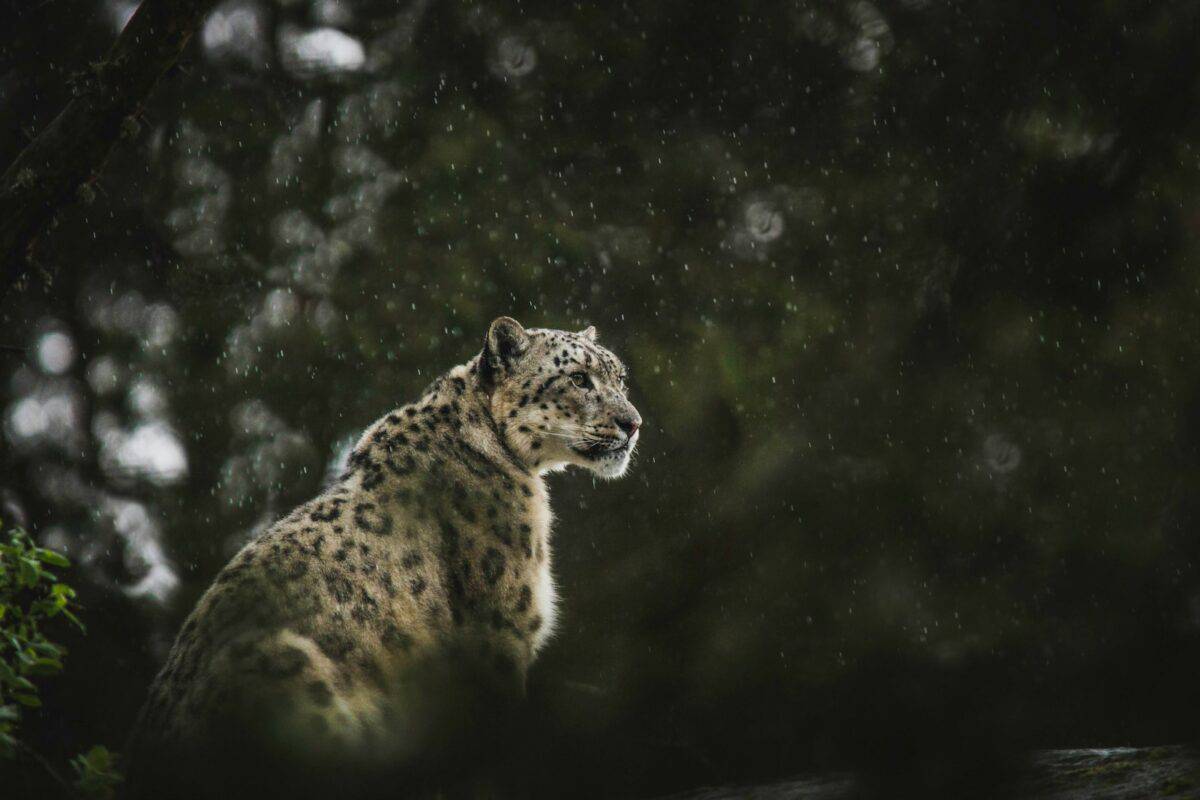
Specific countries within the snow leopard’s range have achieved notable conservation successes. Mongolia has established vast protected areas, including the Tost Tosonbumba Nature Reserve, created specifically for snow leopards in 2016, where populations have increased by approximately 12% over five years. India’s Project Snow Leopard has expanded protected habitat and reduced poaching, with camera trap surveys in Hemis National Park showing a 20% population increase since 2010. In Kyrgyzstan, anti-poaching units have reduced illegal hunting by over 80% in key snow leopard territories since 2012.
Pakistan’s conservation breeding program maintains a healthy insurance population while supporting reintroduction efforts. Nepal has pioneered successful community conservation models that have both reduced human-leopard conflict and increased leopard numbers. These country-specific successes demonstrate that with dedicated resources and appropriate strategies, snow leopard populations can recover even in challenging socioeconomic and environmental contexts.
The Snow Leopard’s Ecological Importance
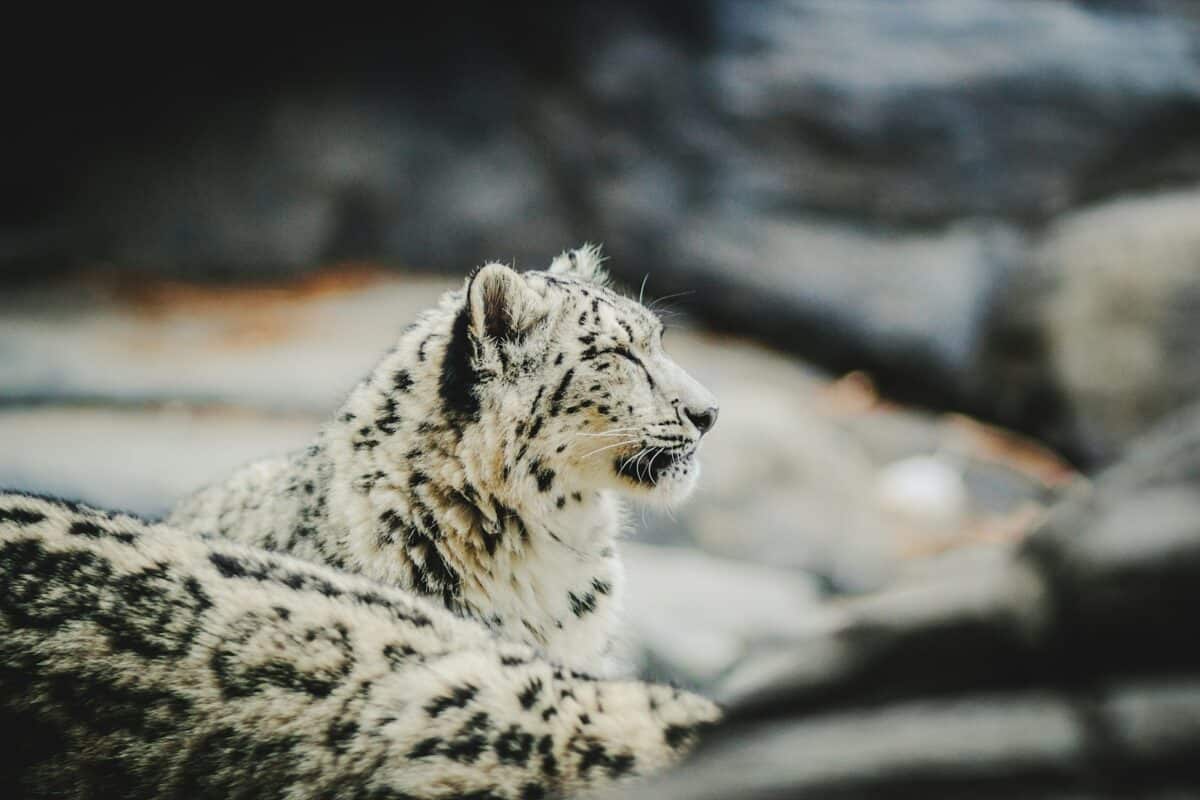
The recovery of snow leopard populations has significance far beyond the species itself. As apex predators, these cats play a crucial role in maintaining ecological balance in their mountain ecosystems. They help regulate populations of prey species like blue sheep, ibex, and marmots, preventing overgrazing and maintaining vegetation health. Their presence creates trophic cascades that benefit numerous other species and ecosystem processes. Snow leopards are considered an umbrella species—by protecting them and their habitat, conservation efforts automatically extend protection to countless other plants and animals that share their mountain environment.
Additionally, healthy mountain ecosystems provide essential ecosystem services to human populations, including water security for an estimated 330 million people living downstream from snow leopard habitat. The presence of these magnificent predators also indicates overall ecosystem health, serving as a living barometer for the condition of some of the world’s most important high-altitude environments.
Remaining Challenges to Recovery
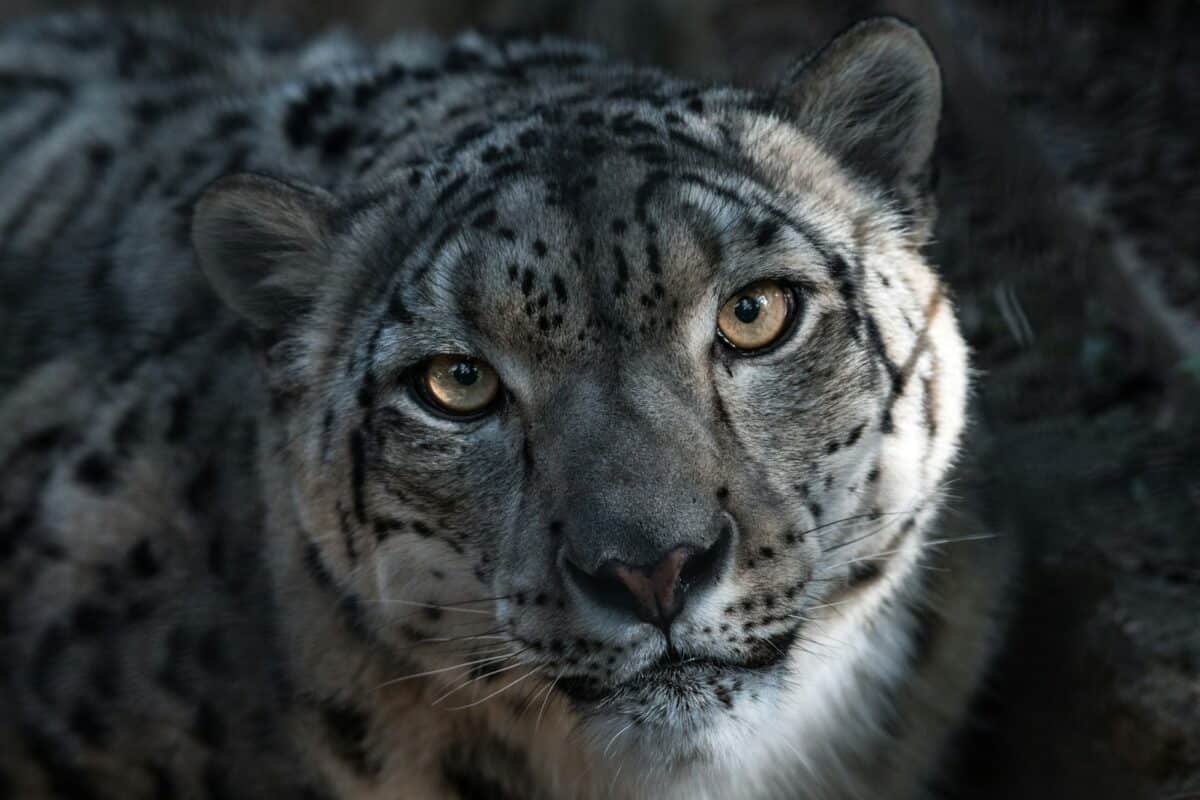
Despite progress, snow leopard conservation faces significant ongoing challenges. Habitat fragmentation continues as development projects like roads, mines, and dams divide mountain landscapes. Retaliatory killings still occur when leopards prey on livestock, creating an economic and cultural conflict that requires nuanced solutions. Poaching remains a threat in some regions, driven by demand for pelts and body parts in black markets. Climate change continues to alter mountain ecosystems in ways that are difficult to predict.
Additionally, political instability in several range countries complicates conservation efforts, with security concerns limiting fieldwork and enforcement capabilities. The species’ naturally low population density and large territorial requirements make them inherently vulnerable to extinction pressures. Perhaps most concerning is the uneven nature of recovery—while some populations are increasing, others continue to decline, creating a complex conservation landscape that requires region-specific approaches rather than one-size-fits-all solutions.
The Role of Captive Breeding Programs

Captive breeding programs serve as an important complement to wild conservation efforts. Approximately 600 snow leopards currently live in zoos and breeding facilities worldwide, managed under careful genetic protocols to maintain genetic diversity. These programs function as an insurance population should wild numbers face catastrophic decline. They also provide valuable research opportunities to study snow leopard biology, reproductive physiology, and behavior in controlled settings.
Several facilities have successfully reintroduced captive-born leopards to protected wild habitats, though these efforts remain challenging. Captive breeding programs also play a crucial educational role, allowing millions of people to see these elusive cats and learn about conservation challenges. The Snow Leopard Species Survival Plan, coordinated across North American zoos, maintains detailed genetic records to ensure the captive population remains viable for future generations. While captive programs aren’t a substitute for protecting wild populations, they represent an important component of comprehensive conservation strategy.
Future Conservation Priorities

Looking ahead, conservation experts have identified several priorities to ensure continued snow leopard recovery. Expanding connectivity between isolated populations through protected corridors ranks high on the agenda, allowing genetic exchange and sustainable population dynamics. Strengthening anti-poaching enforcement remains essential, particularly in regions where illegal hunting continues. Climate-smart conservation planning must anticipate environmental changes and protect areas projected to remain suitable for snow leopards despite warming trends.
Scaling up successful community conservation models to new regions offers an opportunity to expand protection while improving human livelihoods. Developing sustainable funding mechanisms beyond traditional donor support will ensure long-term program viability. Advanced monitoring techniques, including environmental DNA sampling and improved satellite tracking, promise better population data to guide conservation decisions. International cooperation needs continued strengthening, especially in transboundary regions where leopards cross national borders. The Global Snow Leopard and Ecosystem Protection Program has set an ambitious goal of securing 20 healthy snow leopard landscapes by 2020, with plans to expand this target in coming decades.
Economic Benefits of Snow Leopard Conservation
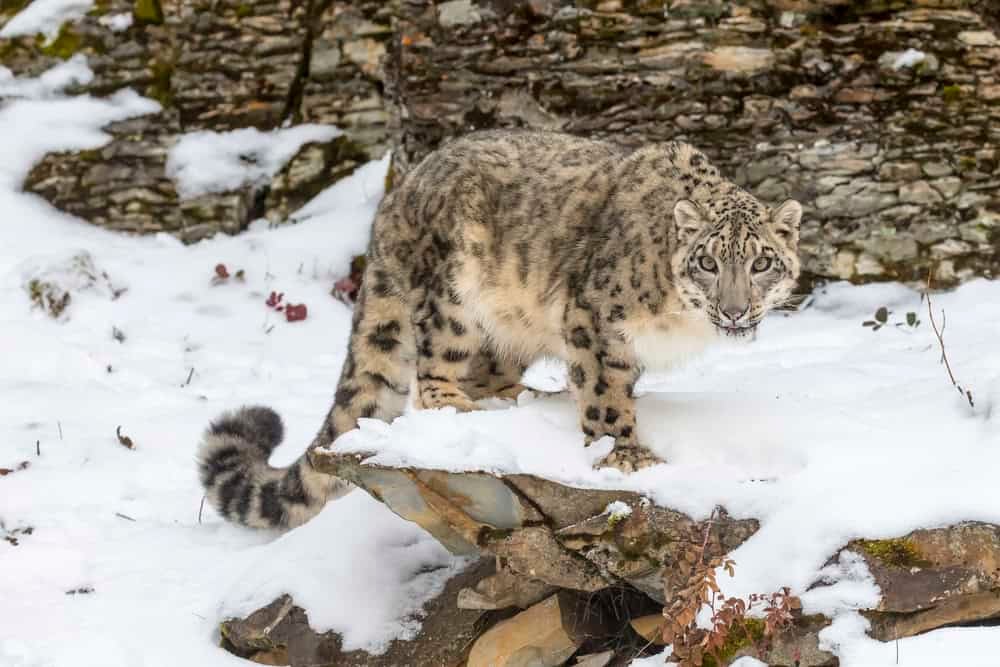
The recovery of snow leopard populations brings tangible economic benefits to mountain communities. Ecotourism centered around snow leopard habitat has grown substantially, with travelers paying premium prices for guided treks with the hope of glimpsing these elusive cats. In India’s Hemis National Park, snow leopard tourism generates over $1 million annually for local communities. Conservation programs create jobs ranging from rangers and guides to researchers and program administrators. Community enterprise initiatives linked to conservation, such as handicraft production and sustainable herding practices, provide diversified income sources in economically vulnerable regions.
Payment for ecosystem services models compensate communities for protecting watersheds and forests that support snow leopards and provide downstream benefits. Conservation funding brings infrastructure improvements including schools, health clinics, and improved livestock practices that benefit entire communities. This economic dimension transforms conservation from a perceived burden to an opportunity, aligning environmental protection with human development goals.
Conclusion: A Cautiously Optimistic Future

The recovery of snow leopard populations represents a beacon of hope in an era of biodiversity loss. From the brink of extinction, these magnificent felines are gradually reclaiming their place in the mountains of Central Asia, demonstrating that dedicated conservation efforts can reverse even seemingly hopeless situations. This success story hinges not just on protection measures but on a fundamental shift in approach—recognizing that lasting conservation must benefit both wildlife and the communities that share their habitat.
While substantial challenges remain, the combined efforts of governments, conservation organizations, scientists, and local communities have created momentum that offers realistic hope for the snow leopard’s long-term survival. As these elusive cats continue their quiet recovery across the high mountains of Asia, they remind us that with sufficient commitment, knowledge, and resources, even our planet’s most endangered species can find a path back from the edge.

- How Florida’s Kids Saved the Panther From Extinction - August 16, 2026
- How to Stop Racoons Stealing and Eating Your Halloween Pumpkins - August 13, 2026
- The World’s 7 Most Mysterious Animal Migrations Explained by Science - August 12, 2026