

In the harshness of the African savanna, competition for resources is intense, and survival demands adaptation and innovation. Amidst this challenging environment, an extraordinary phenomenon has emerged that defies conventional understanding of interspecies relationships. African wild dogs (Lycaon pictus) and spotted hyenas (Crocuta crocuta) – typically fierce competitors and even enemies – have been observed forming temporary but strategic alliances in certain regions of Africa. These unprecedented partnerships, driven by mutual benefit rather than friendship, offer a fascinating glimpse into how adversaries can become allies when survival is at stake. This article explores the complex dynamics of these rare alliances, examining how two of Africa’s most efficient predators occasionally set aside their differences to face greater threats together.
The Natural Rivalry Between Wild Dogs and Hyenas

African wild dogs and spotted hyenas traditionally share an antagonistic relationship characterized by intense competition and hostility. Both species occupy similar ecological niches as social predators, targeting comparable prey species across the African savannas and woodlands. This natural overlap in habitat and food preferences inevitably leads to conflict. Hyenas, with their powerful jaws and superior strength, frequently steal kills from wild dog packs – a behavior known as kleptoparasitism. Wild dogs, despite being smaller, compensate with their exceptional teamwork and hunting efficiency, often achieving higher hunting success rates than hyenas. Research conducted in the Serengeti has documented that hyenas can claim up to 25% of wild dog kills in certain territories, creating a significant source of tension. This inherent rivalry makes their occasional alliances all the more remarkable and worthy of scientific investigation.
Documented Cases of Wild Dog-Hyena Cooperation
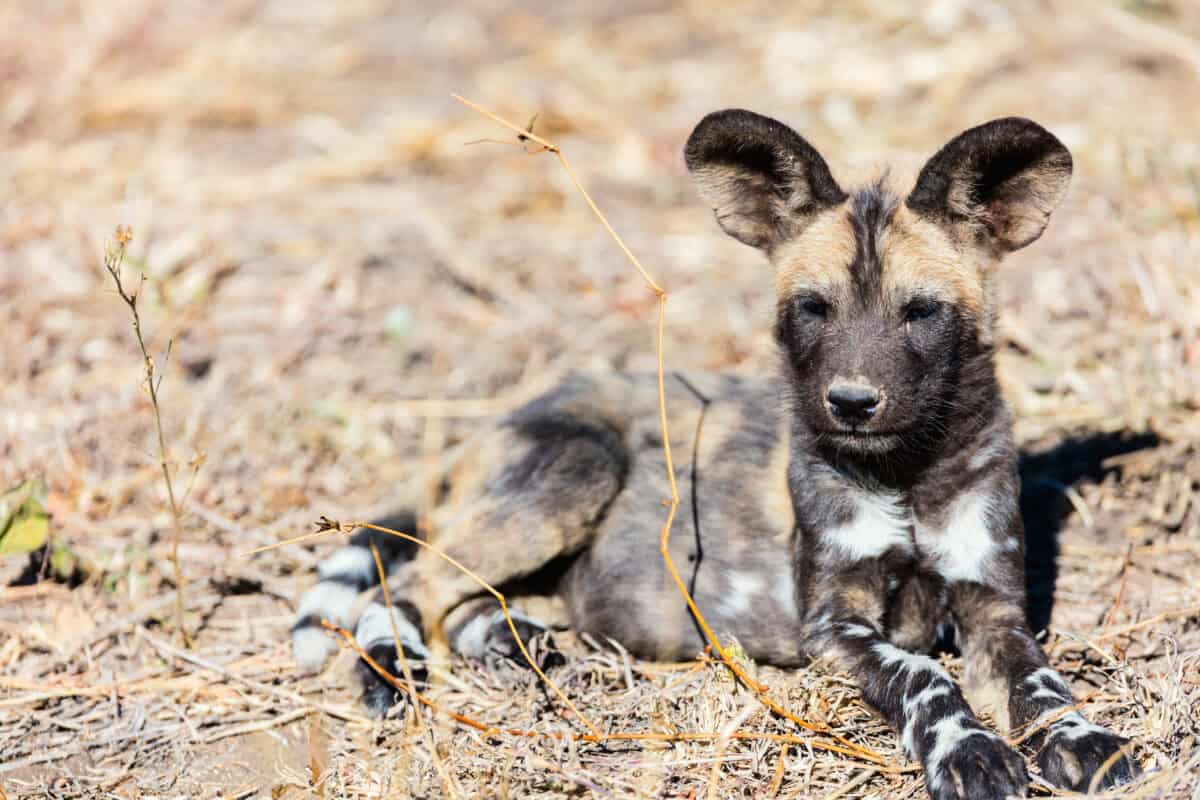
Although rare, several well-documented cases of cooperation between wild dogs and hyenas have been recorded by researchers and wildlife observers. In Kenya’s Laikipia region, a research team led by Dr. Rosie Woodroffe observed multiple instances where a wild dog pack and a small clan of hyenas coordinated their movements while hunting in lion-dominated territory. In Botswana’s Okavango Delta, wildlife filmmakers captured footage of three wild dogs and two hyenas working in apparent coordination to drive off a lioness from a potential hunting ground. Researchers in Zimbabwe’s Mana Pools National Park documented a remarkable case where a pack of wild dogs and a small group of hyenas maintained proximity for nearly two weeks during a severe drought period in 2019, hunting in a loosely coordinated fashion while maintaining vigilance against lions. These observations, while still considered exceptional rather than routine behavior, provide compelling evidence that under certain circumstances, these traditional enemies can form functional, if temporary, alliances.
Survival Pressures Driving Unlikely Alliances
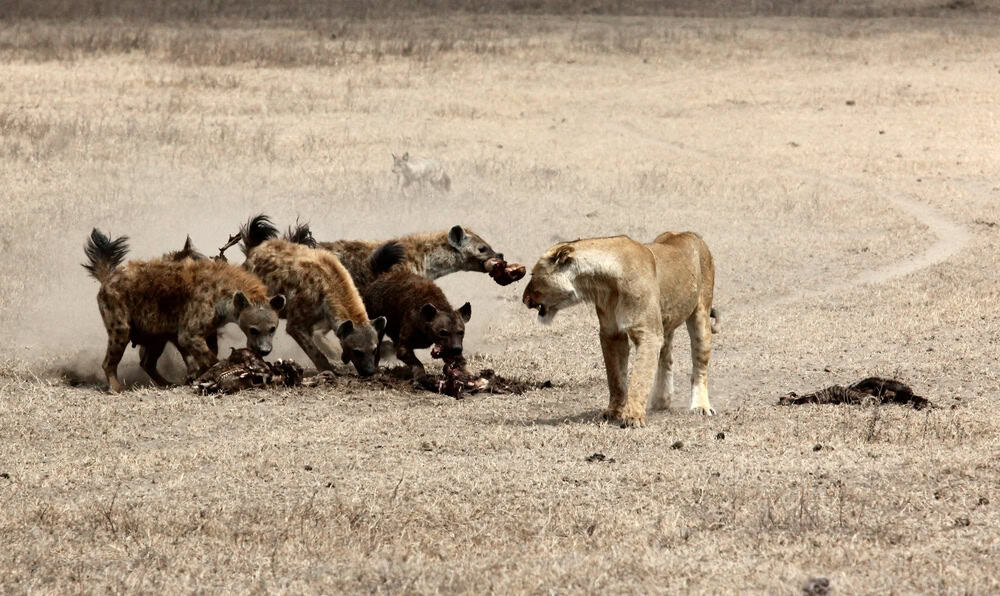
The formation of these unconventional alliances appears to be driven by several significant survival pressures that transcend the typical interspecies competition. The most compelling factor is the presence of lions, which represent a lethal threat to both species. Lions are responsible for up to 32% of wild dog mortality in some regions and frequently kill hyenas when possible. During periods of extreme environmental stress, such as prolonged droughts or in areas with abnormally high lion density, the benefits of mutual vigilance against a common enemy may outweigh the costs of competition between wild dogs and hyenas. Resource scarcity plays another crucial role, as declining prey populations can force adaptations in hunting strategies. Additionally, demographic factors such as unusually small pack or clan sizes may increase vulnerability, making alliance formation a viable survival strategy. Research suggests these alliances are more commonly observed when both species face heightened external threats that make their typical competitive relationship less sustainable.
The Mechanics of Interspecies Communication
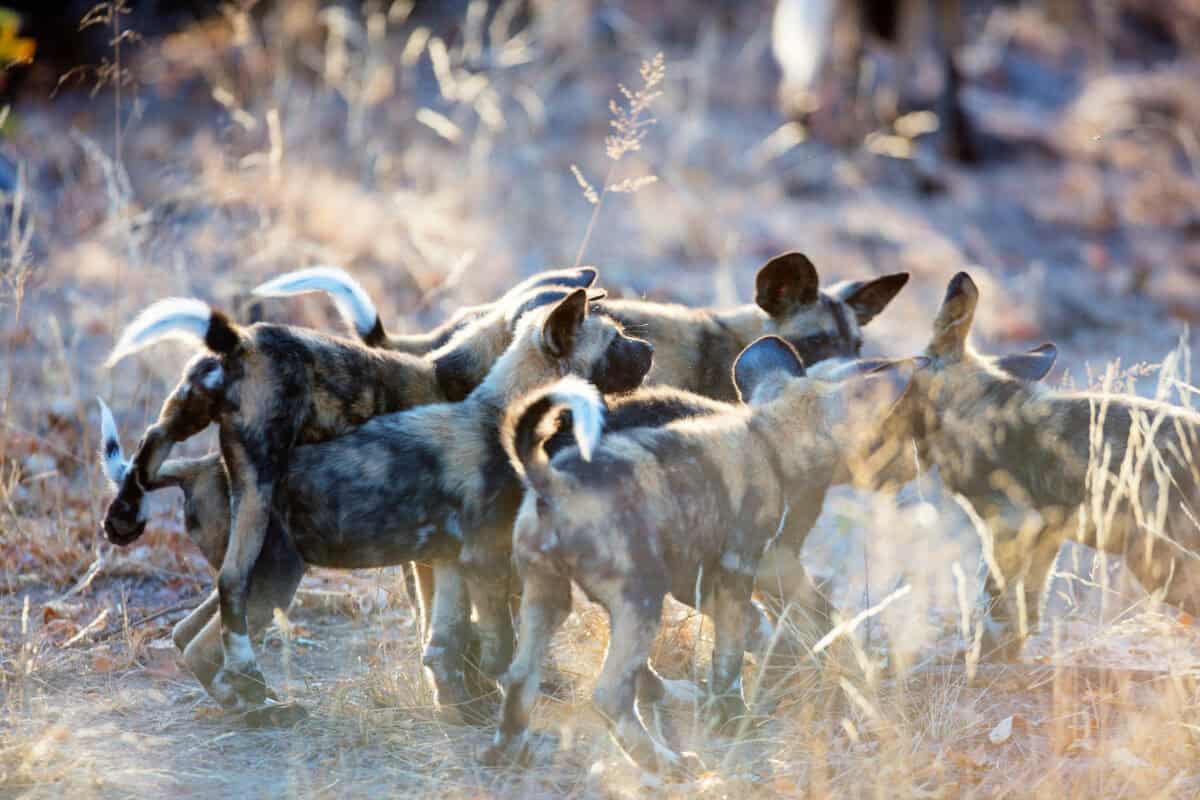
The ability of wild dogs and hyenas to form functional alliances hinges on sophisticated interspecies communication, a phenomenon that continues to fascinate behavioral ecologists. While they don’t share an explicit language, they appear to interpret each other’s behavioral cues and vocalizations with remarkable accuracy. Both species demonstrate high social intelligence and can recognize alarm calls across species boundaries. Wild dogs’ high-pitched twitters and hyenas’ whoops seem to serve as mutual alert systems when predators approach. Body language plays an equally important role, with submission signals, vigilance postures, and hunting formation movements being recognized across species lines. Researchers studying these interactions have noted the development of what appears to be a rudimentary “diplomatic protocol” – maintaining specific distances, avoiding direct eye contact during peaceful interactions, and displaying non-threatening body language when in proximity. This sophisticated communication framework allows these natural competitors to coordinate activities despite their evolutionary differences.
Benefits for Wild Dogs in the Alliance

For African wild dogs, the benefits of these unusual alliances can be substantial and multifaceted. Their smaller size (typically 18-30 kg) compared to hyenas (45-70 kg) makes them particularly vulnerable to larger predators, especially lions. By associating with hyenas, wild dogs gain an additional early warning system against approaching threats. Research in the Okavango Delta documented that wild dog packs allied with hyenas experienced 18% fewer lion encounters than isolated packs. Additionally, the alliance can provide wild dogs with increased scavenging opportunities, as hyenas are adept at locating carcasses and have the strength to break open large bones that wild dogs cannot access alone. Some studies suggest that in certain ecological contexts, these benefits can translate to measurable fitness advantages, including higher pup survival rates during periods of alliance formation. While wild dogs still face the risk of food theft from their hyena partners, the evidence suggests that in high-threat environments, the protective benefits may outweigh this disadvantage.
Advantages for Hyenas in the Partnership
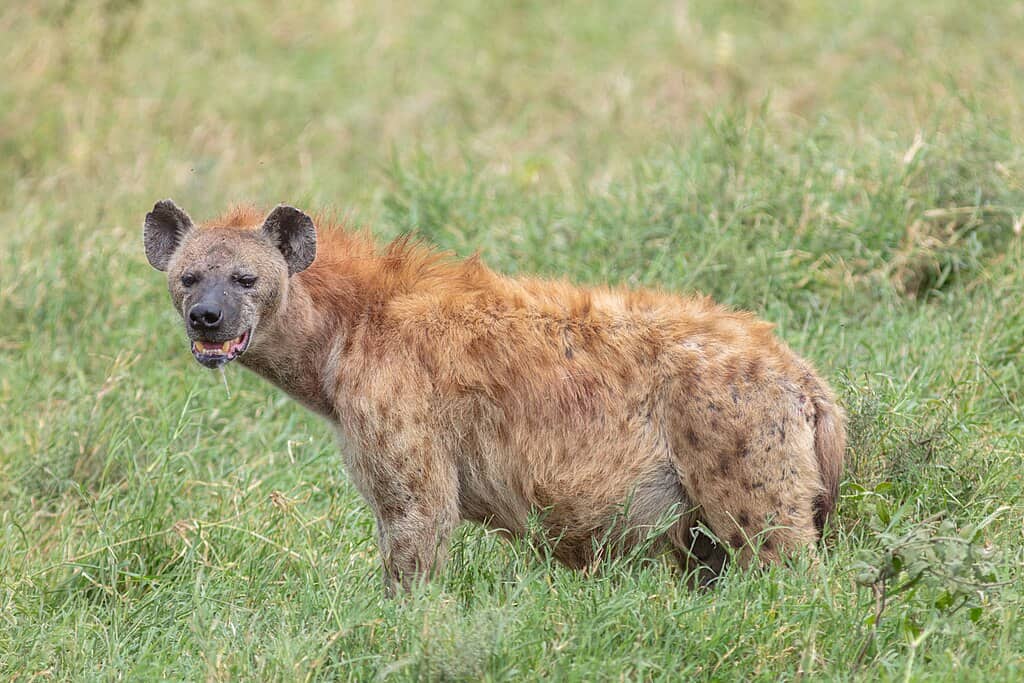
Spotted hyenas, despite their formidable strength and legendary bite force, also derive significant benefits from associating with wild dogs under certain conditions. Wild dogs are exceptional hunters with success rates often exceeding 80% on hunts, compared to hyenas’ typical 30-50% success rate. By maintaining proximity to wild dog packs, hyenas can capitalize on this hunting efficiency through scavenging opportunities. More importantly, wild dogs serve as an excellent early detection system for hyenas. Their acute senses and constant communication help alert to dangers that might otherwise surprise hyenas. In territories with high lion density, this vigilance partnership becomes particularly valuable. Research in Hluhluwe-iMfolozi Park in South Africa noted that hyena clans with occasional wild dog associations showed increased ability to avoid lion encounters, particularly beneficial for hyena cubs, which suffer high mortality from lion predation. Additionally, in some observed cases, the combined numerical presence of both species created a more effective deterrent against other predators than either could achieve alone.
The Role of Ecological Conditions

The formation of wild dog-hyena alliances appears highly dependent on specific ecological conditions that alter the typical cost-benefit equation of their interactions. These alliances are most frequently observed in areas experiencing ecological stress or unusual predator dynamics. During severe droughts, when prey becomes concentrated around dwindling water sources and competition intensifies, the defensive benefits of alliance formation may outweigh competitive costs. Seasonal variations also influence alliance frequency, with more cases documented during dry seasons when visibility is higher and predator encounters more likely. Habitat structure plays another critical role – open landscapes with few hiding places create greater vulnerability to ambush predators like lions, potentially increasing the value of interspecies vigilance. Researchers have noted that these alliances virtually never form in prey-rich, predator-poor environments, strongly suggesting that they represent an adaptation to specific ecological pressures rather than a general behavioral tendency. This context-dependent nature of the alliances provides valuable insights into the flexibility of social structures among apex predators.
The Temporary Nature of These Alliances
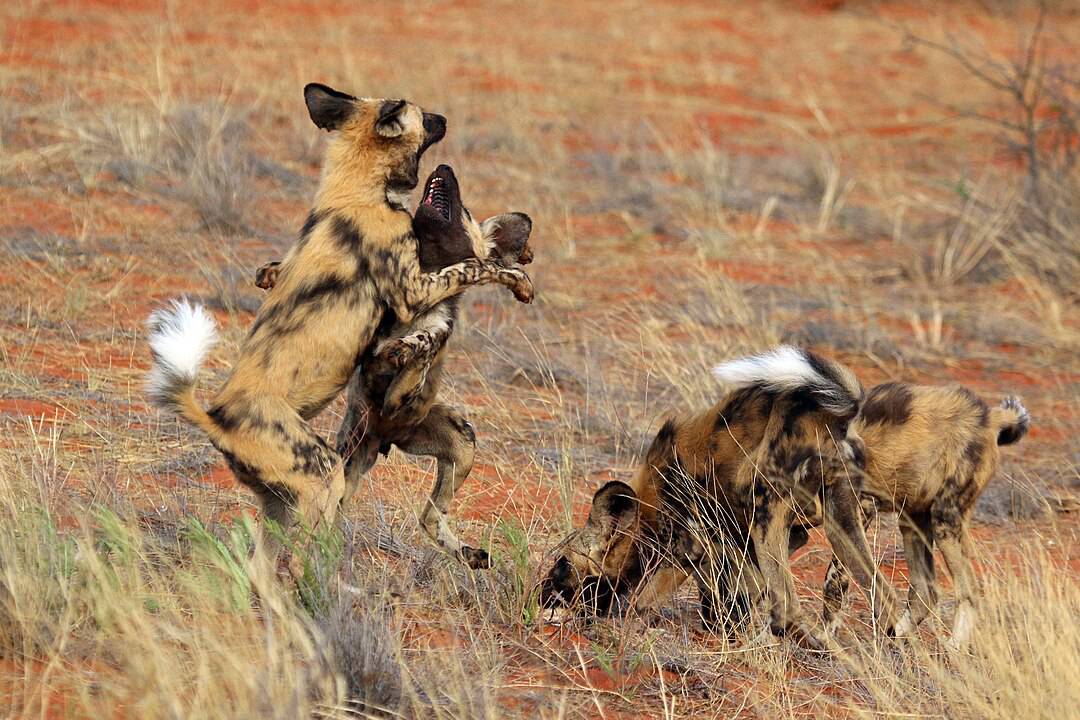
A defining characteristic of wild dog-hyena alliances is their explicitly temporary and conditional nature. Unlike the permanent social structures within each species, these interspecies partnerships form and dissolve in response to changing environmental conditions and threat levels. Long-term monitoring in the Okavango Delta revealed that alliance duration typically ranges from several days to, in exceptional cases, a few weeks. Once the specific pressure that prompted the alliance subsides – such as a reduction in lion activity or improvement in hunting conditions – the species typically revert to their normal competitive relationship. The transient nature of these alliances highlights their functional rather than social basis, serving as strategic responses to specific challenges rather than reflecting fundamental changes in interspecies dynamics. Interestingly, researchers have documented that alliances may re-form between the same individuals or groups when similar conditions arise again, suggesting a possible “memory” component to these relationships that adds another layer of complexity to our understanding of cognitive capabilities in these species.
Implications for Understanding Animal Intelligence
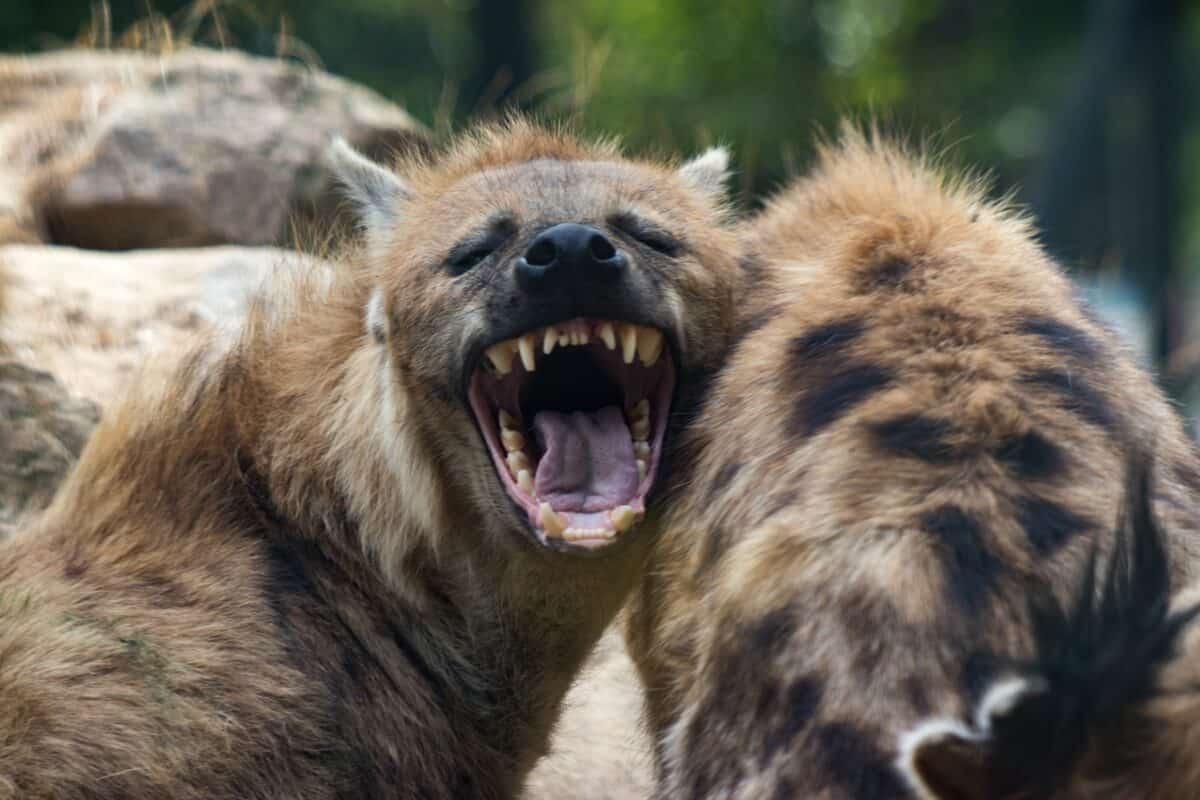
The capacity of wild dogs and hyenas to form situational alliances provides compelling evidence for sophisticated cognitive abilities in both species. This behavior demonstrates remarkable behavioral plasticity – the ability to adapt social responses based on environmental assessment rather than fixed instincts. Both species must effectively weigh the risks and benefits of cooperation against competition, a complex cognitive task requiring assessment of multiple variables including resource availability, threat levels, and potential partner reliability. For evolutionary biologists, these alliances represent a fascinating example of convergent social evolution, as these distantly related carnivores have independently evolved complex social structures that allow for adaptive cooperation. Cognitive ecologists suggest these alliances demonstrate “ecological intelligence” – the ability to respond adaptively to complex and changing environmental challenges. The capacity to temporarily suppress competitive instincts in favor of cooperative behaviors when circumstances demand indicates levels of behavioral control and strategic thinking previously underappreciated in non-primate mammals, challenging traditional views about the cognitive limitations of these species.
Conservation Implications

The discovery of these adaptive alliances carries significant implications for conservation strategies targeting both endangered African wild dogs and increasingly threatened hyena populations. African wild dogs are among Africa’s most endangered carnivores, with fewer than 6,600 individuals remaining in fragmented populations. Understanding their full behavioral repertoire, including these alliance-forming capabilities, is crucial for effective conservation planning. The knowledge that these species can adapt their social strategies in response to ecological pressures suggests they may possess greater resilience than previously thought, provided sufficient habitat and prey remain available. However, this adaptation also underscores the importance of preserving intact predator guilds within conservation areas, as the dynamics between multiple predator species create the ecological context in which these adaptive behaviors emerge. Conservation efforts that focus solely on single species without considering these complex interspecies relationships risk overlooking crucial aspects of predator ecology. As climate change increases environmental volatility across Africa, the ability to form flexible alliances may become increasingly important for predator survival, making the protection of both species and their interactions a conservation priority.
Challenges in Researching Interspecies Alliances
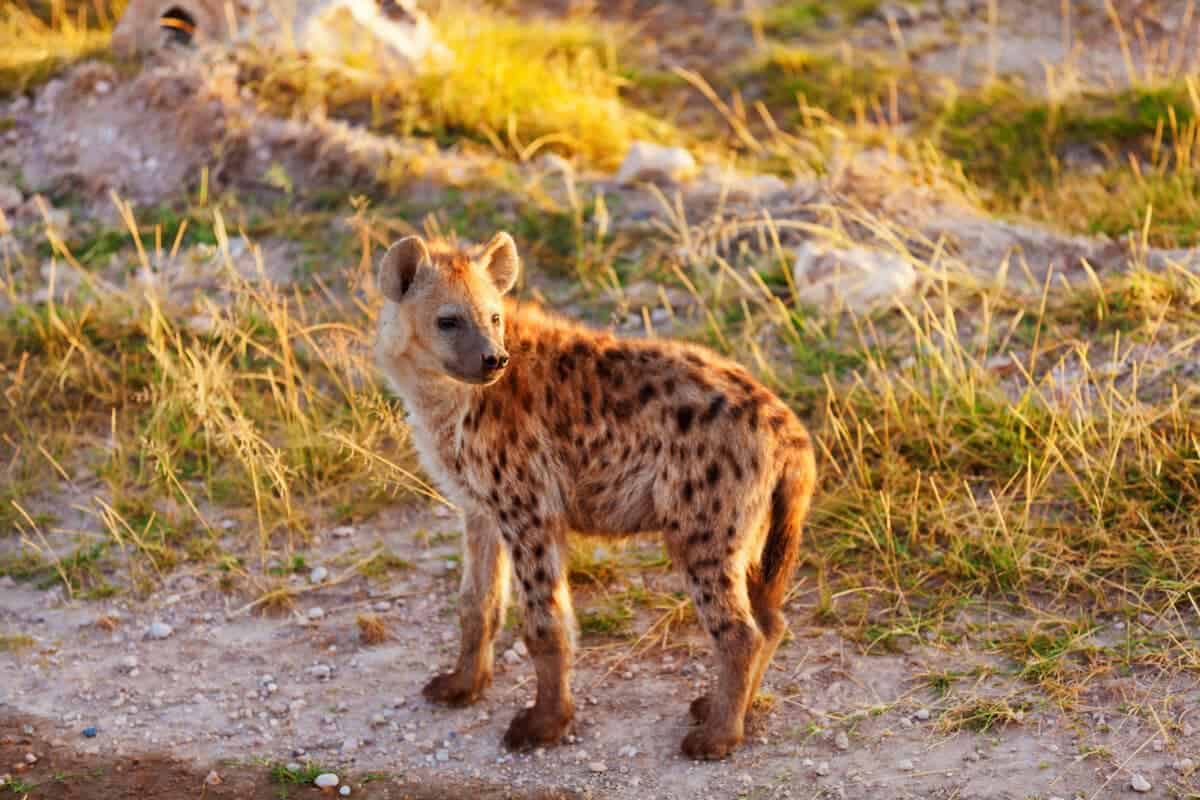
Studying these rare alliances presents researchers with substantial methodological challenges that have limited our understanding of their frequency and significance. The intermittent and unpredictable nature of these events makes them difficult to observe systematically, often leaving researchers reliant on opportunistic observations rather than controlled studies. The vast territories these carnivores inhabit – wild dog packs can range over areas exceeding 1,500 square kilometers – make comprehensive monitoring logistically challenging and resource-intensive. Additionally, distinguishing genuine cooperation from coincidental proximity requires careful behavioral analysis and long-term observation. Technological advances in wildlife tracking, including GPS collars with proximity sensors and camera trap networks, have recently enhanced researchers’ ability to detect and document these interactions. However, interpreting the cognitive and social dimensions of observed behaviors remains challenging, requiring integration of ethological, ecological, and evolutionary perspectives. Despite these challenges, ongoing research using multidisciplinary approaches continues to yield new insights into these remarkable interspecies relationships, gradually building a more complete understanding of their ecological significance and evolutionary origins.
Similar Phenomena in Other Species
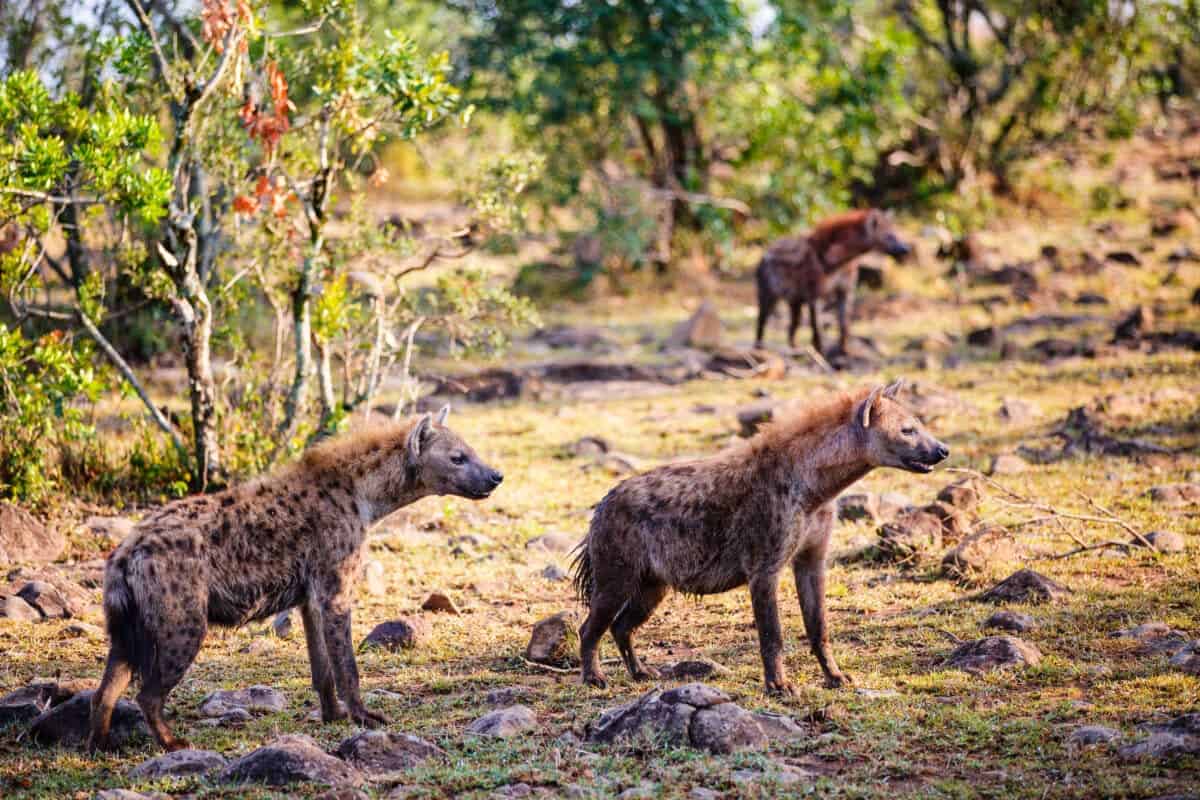
The alliance formation between wild dogs and hyenas, while remarkable, is not entirely without parallel in the animal kingdom. Comparable interspecies cooperation has been documented in various contexts, offering broader insights into the evolution of cooperative behaviors across species boundaries. In marine environments, mixed-species hunting associations form between certain dolphin species and false killer whales, increasing hunting efficiency for both. Various bird species form mixed-species flocks that enhance predator detection while foraging. Perhaps most analogous to the wild dog-hyena case is the occasional cooperation observed between coyotes and badgers in North America, who coordinate to hunt ground squirrels more effectively than either could alone. These diverse examples suggest that interspecies cooperation represents a convergent solution to ecological challenges across different taxonomic groups and environments. However, the wild dog-hyena alliance stands out for occurring between species that are otherwise such direct competitors and occasional enemies, making it particularly significant for understanding the flexibility of social behavior under strong selection pressures. These comparative examples help contextualize the wild dog-hyena relationship within broader patterns of adaptive social strategies in the animal kingdom.
Conclusion: Redefining Our Understanding of Predator Relationships
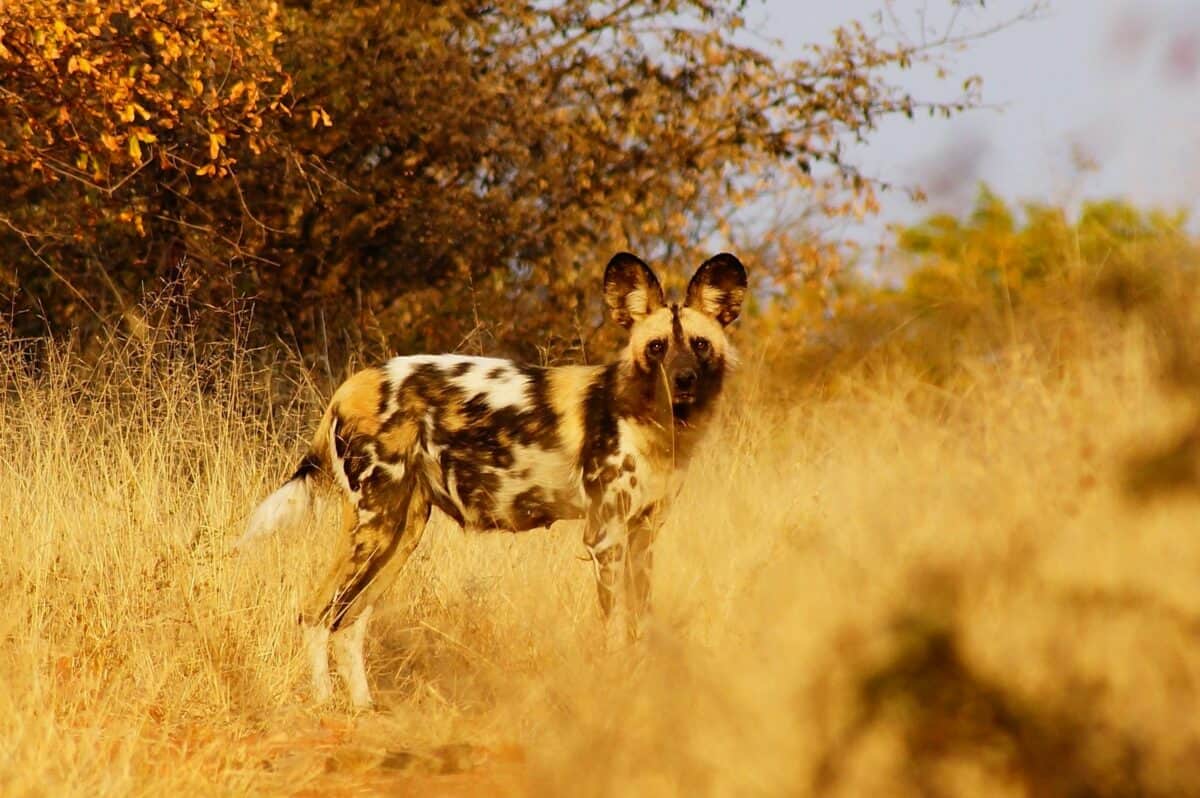
The remarkable alliances formed between African wild dogs and spotted hyenas fundamentally challenge our traditional understanding of predator relationships and interspecies dynamics in complex ecosystems. These partnerships, emerging from necessity rather than affinity, demonstrate how even evolutionary competitors can develop sophisticated cooperative mechanisms when survival advantages outweigh competitive costs. The contextual, temporary nature of these alliances highlights the remarkable behavioral flexibility of these species, showcasing levels of ecological intelligence that demand a reevaluation of cognitive capacities in non-primate mammals. For conservation biology, these discoveries emphasize the importance of preserving not just individual species but the complex ecological contexts that allow such adaptive behaviors to emerge. As climate change and habitat fragmentation continue to alter African landscapes, the capacity for such flexible social adaptations may become increasingly critical for the survival of these endangered predators, making continued research into these extraordinary alliances not merely academically fascinating but conservation-critical.

From exploring the marine wonders in the Azores and witnessing the vast savannas of Kenya, to delving deep into the rich biodiversity of South Africa and traversing iconic landscapes in Australia and the US like Yellowstone, Chris's experiences are vast.
With a penchant for diving alongside sharks, the ocean holds a special place in his heart.
Through his academic insights, he champions wildlife conservation, striving with 'Animals Around The Globe' to cultivate a profound connection between humans and animals, enhancing our mutual appreciation.
Connect with him at Feedback@animalsaroundtheglobe.com.
- Why Spiders Don’t Get Stuck in Their Own Webs - July 20, 2026
- What Scientists Found in a 10,000-Year-Old Beehive - July 20, 2026
- This Spider Builds Fake Decoys of Itself - July 20, 2026