

Have you ever wondered if animals feel loss the way humans do? The answer might surprise you and even tug at your heartstrings. Across the animal kingdom, there are astonishing stories of grief, compassion, and mourning. From elephants gently touching the bones of their loved ones, to birds refusing to leave a fallen partner’s side, these behaviors show that the experience of grief is not just a human affair. As we explore the fascinating world of animal mourning, prepare to discover just how deep the bonds between creatures truly run. You might find that, when it comes to love and loss, we are not so different from the animals we share this planet with.
13 Magpies Mournful Rituals

Magpies have long fascinated researchers with their intelligent and social behaviors, but their response to death is particularly touching. When a magpie comes across a fallen companion, it often gathers with others, forming a small, somber group around the body. Some magpies have been seen bringing grass or twigs and gently placing them near the deceased, almost as if they are offering a tribute. These rituals can last for several minutes, with the birds occasionally touching or nudging their lost friend. Their silent gatherings suggest a shared understanding of loss and a need for closure. This behavior is not only rare among birds but also remarkably similar to human mourning customs. Through their actions, magpies show that grief can bridge the gap between species.
12 Horses Show Signs of Sorrow

Horses form deep attachments within their herds, and their reactions to the death of a companion can be surprisingly emotional. When a horse dies, others in the group are often seen standing quietly nearby, sometimes refusing to leave the body for hours or even days. Some horses may nuzzle, sniff, or nudge their fallen friend, displaying behaviors that mirror human attempts to say goodbye. Owners have described horses becoming withdrawn, losing their appetite, or displaying signs of restlessness after a loss. These changes aren’t just fleeting—they can linger for weeks, signaling a profound sense of absence. Such responses highlight the depth of relationships within horse communities, reminding us that grief is not limited to humans alone.
11 African Elephants Express Grief

Few animals are as famous for their emotional intelligence as African elephants. When a herd member dies, elephants are known to gather around the body, touching it gently with their trunks and feet. They may stay by the corpse for hours, sometimes even returning to the site days or weeks later. Elephants have been observed covering the body with leaves or dirt, almost as if holding a burial ceremony. The group often grows quiet, and some individuals appear visibly distressed, refusing to eat or participate in normal activities. Calves, in particular, may remain especially close to their lost mothers. These behaviors show a deep awareness of death and a powerful bond that endures even after life has ended.
10 Gray Wolves Lament Loss

Wolves live in close-knit packs, and the death of a member can send ripples of sadness through the group. When a wolf dies, the pack often gathers around, sniffing and licking the body. Sometimes, they let out mournful howls that echo through the forest, a haunting sound that some believe is a call to the missing member. The pack’s social structure can become unsettled, with individuals displaying signs of depression or anxiety. Younger wolves may become especially needy, seeking comfort from others. These reactions highlight the importance of each member within the pack and reveal a capacity for grief that is both profound and complex. The wolves’ emotional response is a testament to the depth of their social connections.
9 Dolphins Exhibit Mourning Behavior

Dolphins are famous for their intelligence and emotional sensitivity, and their response to death is both poignant and striking. When a dolphin loses a companion, especially a calf, the mother or close pod members may support the body at the surface, sometimes for hours on end. These dolphins will often stay with the deceased, refusing to leave even as the group moves on. Other members of the pod may circle or touch the body, creating a sense of shared mourning. In some cases, dolphins have been seen carrying their dead for days, a clear sign of the difficulty they face in letting go. Such acts of devotion and sadness are powerful reminders that grief knows no boundaries in the natural world.
8 Chimpanzees Hold Vigils

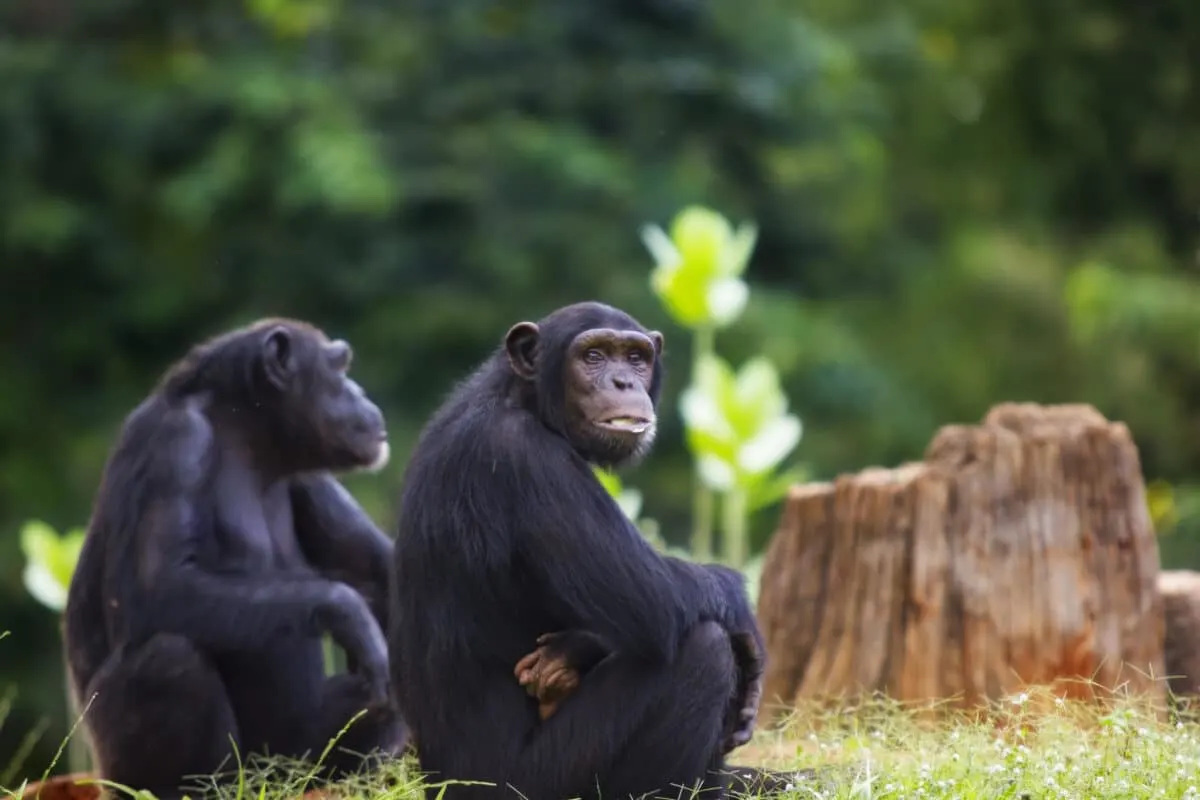
Chimpanzees, our closest relatives in the animal kingdom, have been observed engaging in behaviors that strongly resemble human mourning. When a chimpanzee dies, family members and friends may sit quietly around the body, sometimes grooming it or gently touching the face and hands. Mothers have been known to carry their deceased infants for days, unwilling to part with them. Other group members often show subdued behavior, refraining from play or loud vocalizations during this period. These mourning rituals provide comfort and a sense of togetherness during times of loss. The chimpanzees’ actions reveal an emotional complexity that challenges our understanding of animal consciousness and grief.
7 Crows Gather in Mourning

Crows are renowned for their intelligence and strong social bonds, but their reaction to death is truly fascinating. When a crow dies, others in the area will often gather around the body, forming what some researchers call a “crow funeral.” These gatherings can attract dozens of birds, all standing silently or cawing in a low, mournful tone. Crows may remain near the site for hours, seemingly paying their respects. Some scientists believe these rituals help crows learn about potential dangers, but the sense of loss and communal grieving is hard to ignore. These dark-feathered birds show us that even in the world of corvids, mourning is a shared and meaningful experience.
6 Cats Grieve Quietly

Cats are often seen as independent creatures, but anyone who has shared a home with multiple felines knows how deeply they can bond. When a cat loses a companion—whether feline, canine, or human—they may display subtle yet unmistakable signs of grief. These can include searching for the lost friend, sleeping in their favorite spots, or becoming unusually withdrawn. Some cats refuse food or vocalize more than usual, almost as if calling out for their companion. The change in routine and the silence left behind can be overwhelming for these sensitive animals. In their quiet way, cats remind us that even the most solitary creatures can feel the pain of loss.
5 Giraffes Display Unusual Behavior

Giraffes are generally gentle giants, but their response to death is both moving and mysterious. When a giraffe calf or companion dies, others in the herd have been seen standing vigil nearby, sometimes for hours. Mothers, in particular, may nuzzle or lick their deceased offspring, reluctant to walk away. Occasionally, other giraffes will approach, sniff, and show signs of agitation or confusion. These behaviors, though subtle, indicate a recognition of loss and a reluctance to let go. Giraffes may even return to the spot where the body lay, as if searching for their lost friend. Such actions reveal an emotional depth that is often overlooked in these towering animals.
4 Sea Lions Mourn Their Young

Sea lions form tight-knit colonies, and the loss of a pup can be devastating for mothers. When a pup dies, the mother often stays close, nudging or calling to it in vain. These displays can last for hours, with the mother showing clear signs of distress and reluctance to leave. Other sea lions in the colony may also gather nearby, creating a somber atmosphere. The mother’s behavior can change dramatically, becoming withdrawn or less active in the days following the loss. These acts of mourning highlight the powerful maternal instincts and deep emotional bonds that exist among sea lions. Their grief is a silent testament to the ties that bind animal families.
3 Whales Carry Their Dead

Whales, especially orcas and pilot whales, have drawn global attention for their responses to death within their pods. When a calf or companion dies, whales have been observed carrying the body on their backs or pushing it along the water for days. Mothers are especially known for this heartbreaking behavior, often refusing to let go of their young. The pod may slow its pace, with other members staying close to the grieving mother. Researchers have witnessed whales vocalizing mournfully, adding a haunting soundtrack to their journey. These powerful displays of attachment and sadness reveal just how deeply whales feel loss. Their mourning rituals are among the most poignant in the animal kingdom.
2 Bonobos Show Compassionate Mourning

Bonobos, like chimpanzees, are highly social and empathetic animals. When a bonobo dies, the group may gather in silence, with individuals gently touching or grooming the body. Mothers have been seen carrying their deceased infants for days, refusing to be separated. Other bonobos show support by staying close, offering comfort through touch and shared quiet moments. The entire group’s behavior becomes subdued, with play and vocalizations noticeably reduced. These acts of compassion and support help the group process the loss together. Bonobos’ mourning rituals are a powerful reminder of the emotional complexity shared by many primates.
1 Dogs Show Heartbreaking Loyalty

Dogs are perhaps the most familiar example of animals that grieve, and their loyalty in the face of loss is legendary. When a canine companion or beloved human dies, dogs may exhibit signs of sadness such as whimpering, searching the house, or lying beside their loved one’s belongings. Some dogs have been known to refuse food or wait by the door for days, hoping for their friend’s return. Stories abound of dogs visiting graves or remaining at the site of a loved one’s death for extended periods. These behaviors reflect a depth of attachment and loyalty that is truly remarkable. The enduring bonds dogs form with those they love show us that grief and devotion are universal languages.
Conclusion

Animals across the globe demonstrate touching and sometimes heart-wrenching signs of grief, each in their unique way. Their acts of mourning remind us that love, loss, and remembrance are not just human experiences. The natural world is full of stories that echo our own feelings, blurring the lines between species and bringing us closer to the creatures we share this planet with.

As a little kid, I fell in love with nature, wildlife, and animals. Living in the USA, South Africa, Italy, China and Germany gave me the opportunity to discover the world's Wildlife. My favorite animals are Mountain Gorillas, Siberian Tigers, and Great White Sharks.
I'm a certified PADI Open Water Diver, went to Everest Base Camp and Trekked Gorillas in Uganda. I hold a Master of Science in Economics and Finance.
Please send any feedback to feedback@animalsaroundtheglobe.com
- Top 10 Dangerous Marine Animals - August 8, 2026
- 30 U.S. States Where Bears Still Roam Wild and Free - August 8, 2026
- 12 Animals That Are Master Builders in Nature - August 8, 2026