


When we look at the rugged silhouette of a crocodile gliding through murky waters, we’re witnessing a living fossil—a creature that has remained remarkably unchanged for over 80 million years. While dinosaurs rose and fell, mammals diversified, and humans developed civilization, crocodilians have maintained their successful body plan and predatory lifestyle with minimal alterations.
This evolutionary stability is not due to some failure to adapt but rather represents one of nature’s most impressive success stories. This article explores the fascinating journey of crocodilians through deep time, examining why these ancient reptiles have endured virtually unchanged for so long and what this remarkable stability tells us about evolution.
The Ancient Origins of Crocodilians
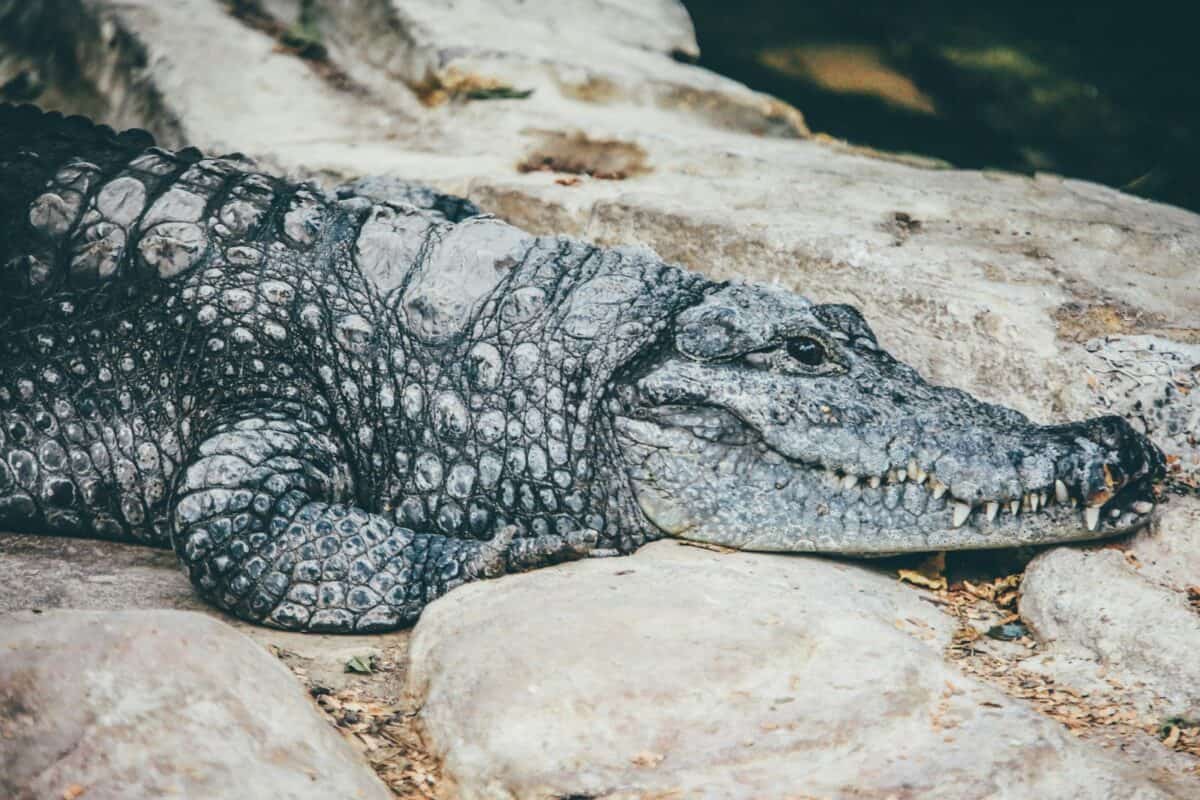
Crocodilians first appeared during the Late Triassic period, approximately 200 million years ago, evolving from archosaurs—the group that also gave rise to dinosaurs and eventually birds. The earliest ancestors of modern crocodiles were more terrestrial and some even walked on two legs. However, by the Late Cretaceous period, about 80-85 million years ago, crocodilians had evolved into forms strikingly similar to those we see today.
Fossil evidence from this period shows specimens that would be nearly indistinguishable from modern crocodiles and alligators to the untrained eye. This remarkable consistency over tens of millions of years spans the extinction event that wiped out the non-avian dinosaurs and countless other species, yet the crocodilian lineage persisted virtually unchanged.
What Makes a Perfect Predator?
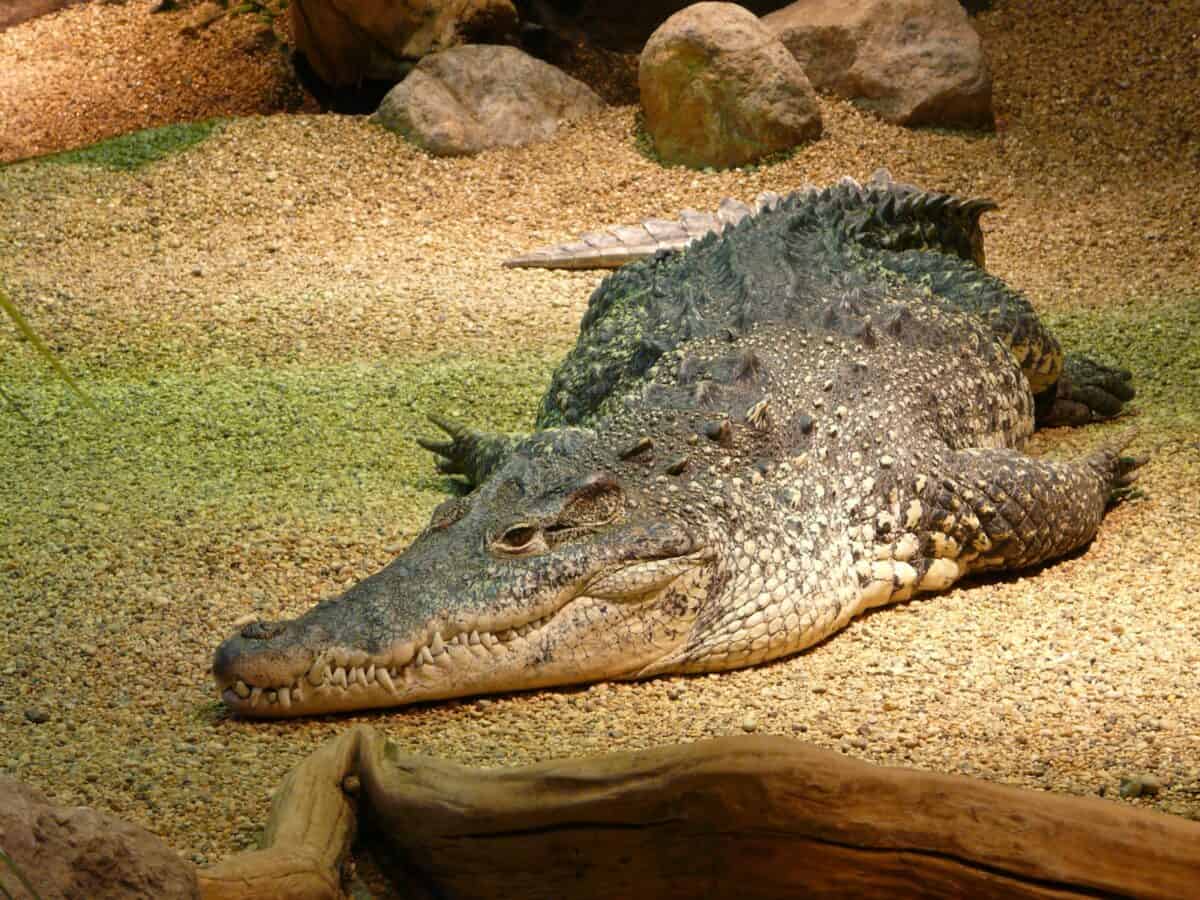
Crocodilians represent an evolutionary pinnacle in aquatic predation. Their low-slung, streamlined body design allows them to move through water with minimal resistance while keeping most of their body hidden. Their powerful tails provide propulsion that can launch them with surprising speed both in water and for short bursts on land. Their eyes and nostrils are positioned on top of their heads, allowing them to see and breathe while remaining almost completely submerged.
Perhaps most iconic are their powerful jaws lined with conical teeth, which deliver one of the strongest bite forces in the animal kingdom—up to 3,700 pounds per square inch in some species. This combination of features makes them nearly perfect ambush predators, and this perfection has required little modification over millions of years.
The Concept of Evolutionary Stasis

The term “living fossil” was first coined by Charles Darwin to describe organisms that have experienced little apparent change over long periods. Modern evolutionary biologists refer to this phenomenon as “evolutionary stasis.” In the case of crocodilians, this doesn’t mean they haven’t evolved at all but rather that their basic body plan and ecological niche have remained remarkably stable.
This stasis occurs when selection pressures remain consistent and when a species has already evolved features so well-adapted to their environment that major changes would likely be disadvantageous rather than beneficial. Crocodilians represent perhaps the most dramatic example of evolutionary stasis among large vertebrates, having maintained their form through shifts in climate, continental drift, and the rise and fall of countless other species.
Genetic Evidence of Stability and Change

Modern genetic studies have provided fascinating insights into crocodilian evolution. While their external morphology has remained largely unchanged, their genomes tell a more nuanced story. Research has shown that crocodilians have experienced significant molecular evolution, with changes occurring at the genetic level even as their physical appearance remained stable.
Their genomes evolve more slowly than those of mammals or birds, however, which may contribute to their morphological stability. Interestingly, crocodilians share a closer genetic relationship with birds than with other reptiles like snakes and lizards, a reminder of their shared ancestry with dinosaurs. This genetic evidence suggests that evolutionary stasis is not simply a failure to evolve but can be an active process maintained by selection pressures.
Anatomical Adaptations That Stood the Test of Time
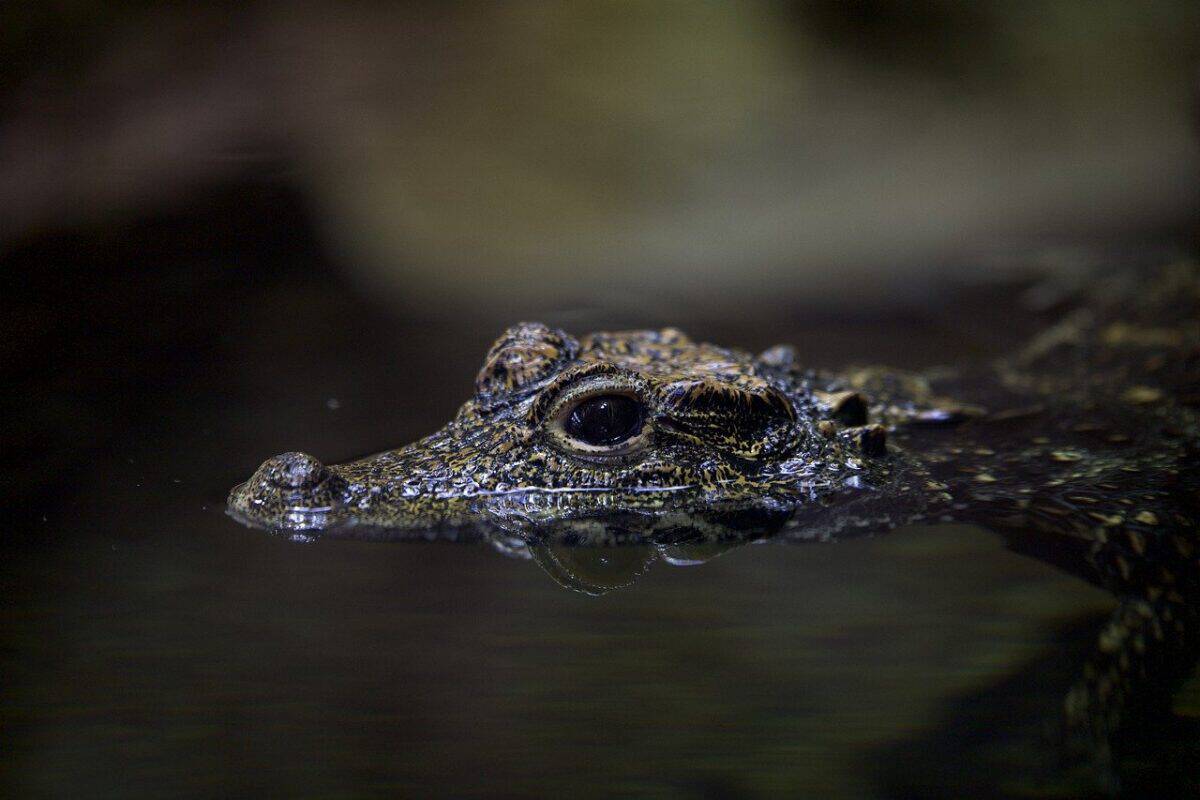
The crocodilian body plan has persisted because it represents a suite of exceptionally effective adaptations. Their heart, unlike that of other reptiles, has a complete ventricular septum, allowing for more efficient circulation and higher metabolic output when needed. Their skin is covered in osteoderms—bony plates that provide protection while allowing flexibility.
Their sensory adaptations include pressure receptors on their snouts that can detect minute water disturbances, allowing them to locate prey even in complete darkness. Their semi-aquatic lifestyle allows them to exploit both terrestrial and aquatic food sources, providing resource security during environmental changes. Most remarkably, their basic body plan works equally well whether they’re 3 feet or 20 feet long, allowing different species to occupy various ecological niches while maintaining the same fundamental design.
Surviving Multiple Mass Extinctions
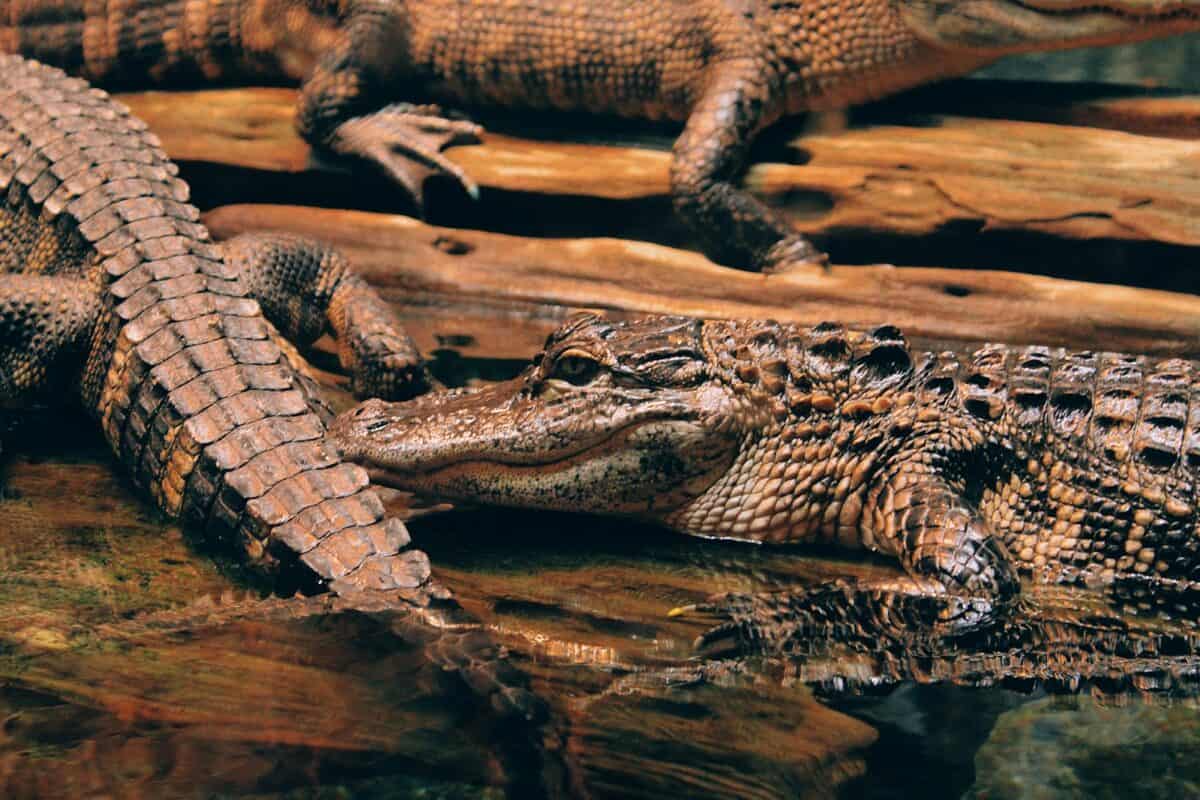
One of the most remarkable aspects of crocodilian evolutionary history is their survival through multiple mass extinction events. They weathered the end-Triassic extinction (approximately 201 million years ago), the end-Jurassic extinction (145 million years ago), and most impressively, the Cretaceous-Paleogene extinction event 66 million years ago that eliminated all non-avian dinosaurs.
Their survival through these catastrophic periods speaks to the versatility and resilience of their seemingly unchanging design. Factors that likely contributed to their survival include their semi-aquatic lifestyle, their ability to go extended periods without food, their broad diet that can include carrion, and their remarkable physiological adaptations that allow them to adjust their metabolism in response to environmental conditions. These features have repeatedly proven advantageous during global catastrophes when more specialized species perished.
Modern Crocodilian Diversity
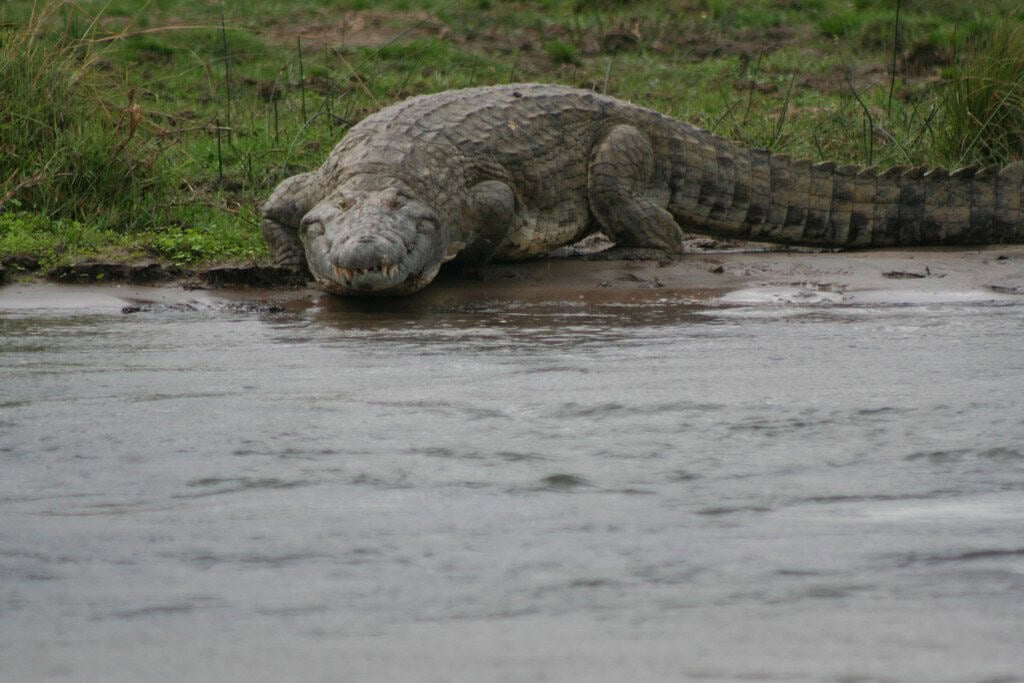
Despite their conservative body plan, today’s crocodilians comprise 24 recognized species across three families: Alligatoridae (alligators and caimans), Crocodylidae (crocodiles), and Gavialidae (gharials). These species range from the diminutive dwarf crocodile, which reaches only about 5 feet in length, to the massive saltwater crocodile, which can exceed 20 feet and weigh over a ton. Their habitats span tropical and subtropical regions across North and South America, Africa, Asia, and Australia.
While all maintain the basic crocodilian blueprint, subtle variations exist in snout shape, tooth arrangement, scale patterns, and physiological adaptations to different habitats. The gharial, with its extremely slender snout specialized for catching fish, represents perhaps the most divergent form, yet even this specialized crocodilian maintains the fundamental body plan that has proven so successful for tens of millions of years.
Behavioral Complexity: Not Just Primitive Reptiles

While crocodilians may appear primitive, research has revealed surprising behavioral complexity that contradicts the notion that they are simply “living fossils” in terms of intelligence. They engage in sophisticated social behaviors, including complex communication through vocalizations, body postures, and chemical signals. They display parental care, with females guarding nests and helping hatchlings reach water safely.
Some species have been observed using tools, such as balancing sticks on their snouts to lure nesting birds. They’ve also demonstrated remarkable learning abilities and long-term memory in experimental settings. These cognitive capabilities suggest that while their physical form may have remained stable, their behavioral repertoire has continued to evolve and refine, allowing them to navigate changing ecological contexts while maintaining their basic physical design.
Physiological Innovations Within a Conservative Framework
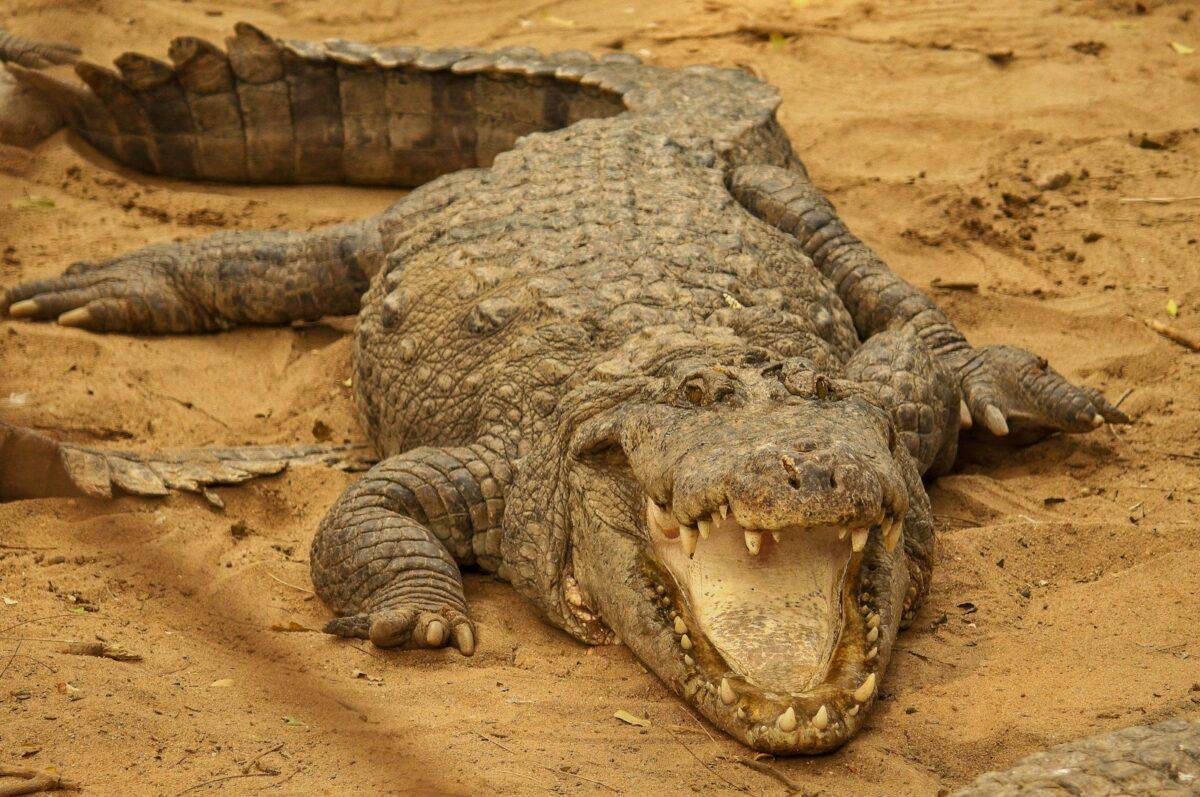
Beneath their seemingly unchanged exterior, crocodilians possess remarkable physiological adaptations that have been refined over millions of years. Their cardiovascular system allows them to redirect blood flow during diving, extending underwater endurance. They can adjust their digestive metabolism dramatically, thriving on as little as 40-50 meals per year if necessary. Their immune systems are extraordinarily robust, with antimicrobial peptides in their blood that can kill a wide range of pathogens, including drug-resistant bacteria that plague human medicine.
Their wound-healing capabilities are legendary among researchers, with injuries that would be life-threatening to mammals often healing without infection. Perhaps most remarkably, they possess temperature-dependent sex determination, where nest temperature determines the sex of offspring—a system that has functioned effectively through dramatic climate shifts over millions of years. These physiological adaptations demonstrate that evolutionary stability doesn’t preclude sophisticated refinements.
Environmental Adaptability: The Key to Longevity

The remarkable 80-million-year persistence of the crocodilian body plan speaks to its exceptional environmental adaptability. Crocodilians can tolerate a wide range of temperatures, though they generally prefer warmer climates. Some species can survive in brackish or saltwater environments, while others are strictly freshwater specialists. They can adjust their activity patterns seasonally, with some species even entering a dormant state similar to hibernation during adverse conditions.
Some crocodilians can survive in highly polluted waters that would be toxic to many other vertebrates. This environmental flexibility has allowed them to persist through dramatic climate shifts, including ice ages and warming periods, that drove many other species to extinction or forced major evolutionary adaptations. Their combination of physiological tolerance and behavioral flexibility has repeatedly proven advantageous through changing environmental conditions while requiring minimal alterations to their basic body design.
Threats to Modern Crocodile

Despite surviving for 80 million years with minimal changes, many crocodilian species now face unprecedented threats from human activities. Habitat destruction through deforestation, drainage of wetlands, and development has eliminated suitable habitat across their range. Pollution, particularly agricultural runoff and industrial contaminants, threatens their reproduction and health. Hunting for their valuable skins devastated many populations in the mid-20th century, though international protection and sustainable management programs have allowed some recovery.
Climate change presents new challenges, as temperature-dependent sex determination makes them vulnerable to skewed sex ratios in warming climates. Of the 24 recognized crocodilian species, the International Union for Conservation of Nature (IUCN) lists seven as Vulnerable, one as Endangered, and three as Critically Endangered. The gharial and Chinese alligator face particularly dire situations, with wild populations numbering in the hundreds. Ironically, after weathering 80 million years of natural changes, many crocodilian species may require human intervention to survive the Anthropocene.
Conservation Success Stories and Future Prospects

Despite the challenges, crocodilian conservation has seen some remarkable successes. The American alligator represents one of wildlife management’s greatest achievements, having rebounded from near-extinction in the 1960s to stable populations across its range following protection and regulated management. Similar success has been seen with the American crocodile, saltwater crocodile, and Nile crocodile. Conservation programs often succeed with crocodilians because of their reproductive potential (females can lay dozens of eggs annually) and their ability to thrive in protected habitats.
Sustainable use programs that provide economic incentives for conservation through controlled harvesting have proven effective in many regions. The future of crocodilians may well depend on continued conservation efforts, habitat protection, and addressing climate change. With proper management, these living representatives of the Mesozoic era could potentially continue their 80-million-year success story well into the future, assuming humans can provide the stability these ancient survivors need to persist.
Conclusion: Evolutionary Perfection Endures

The 80-million-year stability of the crocodilian body plan represents one of evolution’s most remarkable success stories. Far from being evolutionary failures, crocodilians exemplify the principle that when a design achieves exceptional fitness for its environment, dramatic change becomes unnecessary. Their story challenges the common misconception that evolution always proceeds toward increasing complexity or constant change.
Through continental drift, climate fluctuations, and multiple mass extinctions, the crocodilian blueprint has remained effective, requiring only minor tweaks to a fundamentally sound design. As we face our own environmental challenges in the modern era, perhaps there’s wisdom to be found in the crocodilian example—the value of finding sustainable adaptations that can endure through changing conditions rather than requiring constant reinvention.

From exploring the marine wonders in the Azores and witnessing the vast savannas of Kenya, to delving deep into the rich biodiversity of South Africa and traversing iconic landscapes in Australia and the US like Yellowstone, Chris's experiences are vast.
With a penchant for diving alongside sharks, the ocean holds a special place in his heart.
Through his academic insights, he champions wildlife conservation, striving with 'Animals Around The Globe' to cultivate a profound connection between humans and animals, enhancing our mutual appreciation.
Connect with him at Feedback@animalsaroundtheglobe.com.