

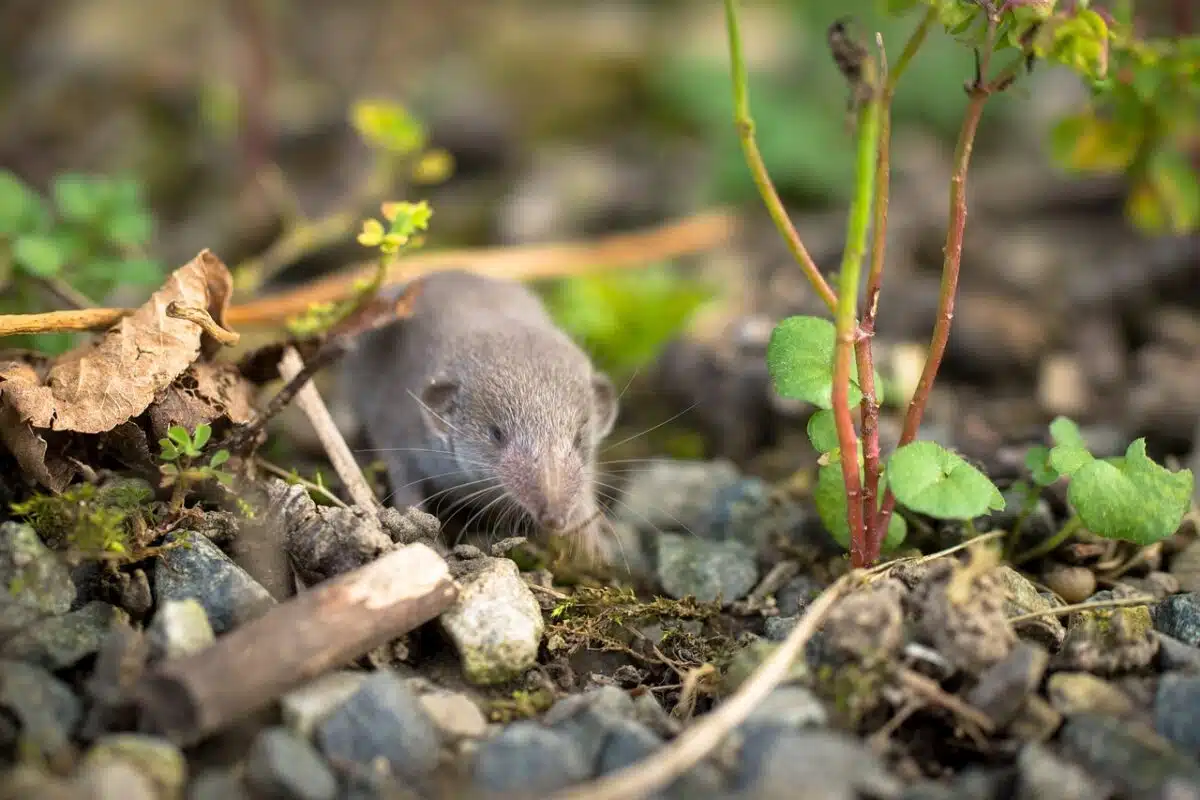
Within Earth’s biodiversity, mammals range from the colossal blue whale—weighing up to 200 tons—to creatures so tiny they can balance on a human fingertip. The smallest mammal in the world, the Etruscan shrew (Suncus etruscus), weighs approximately 1.8 grams, less than a single U.S. penny which weighs 2.5 grams. This minuscule marvel represents nature’s extraordinary ability to pack complex biological systems into incredibly small packages.
Despite its diminutive size, this tiny creature possesses a complete mammalian body with a beating heart, functioning brain, digestive system, and the ability to reproduce—all in a body that could easily sit on a teaspoon with room to spare. Let’s explore the fascinating world of the planet’s smallest mammal and discover how something so small survives in a world built for much larger creatures.
The Etruscan Shrew: A Miniature Marvel
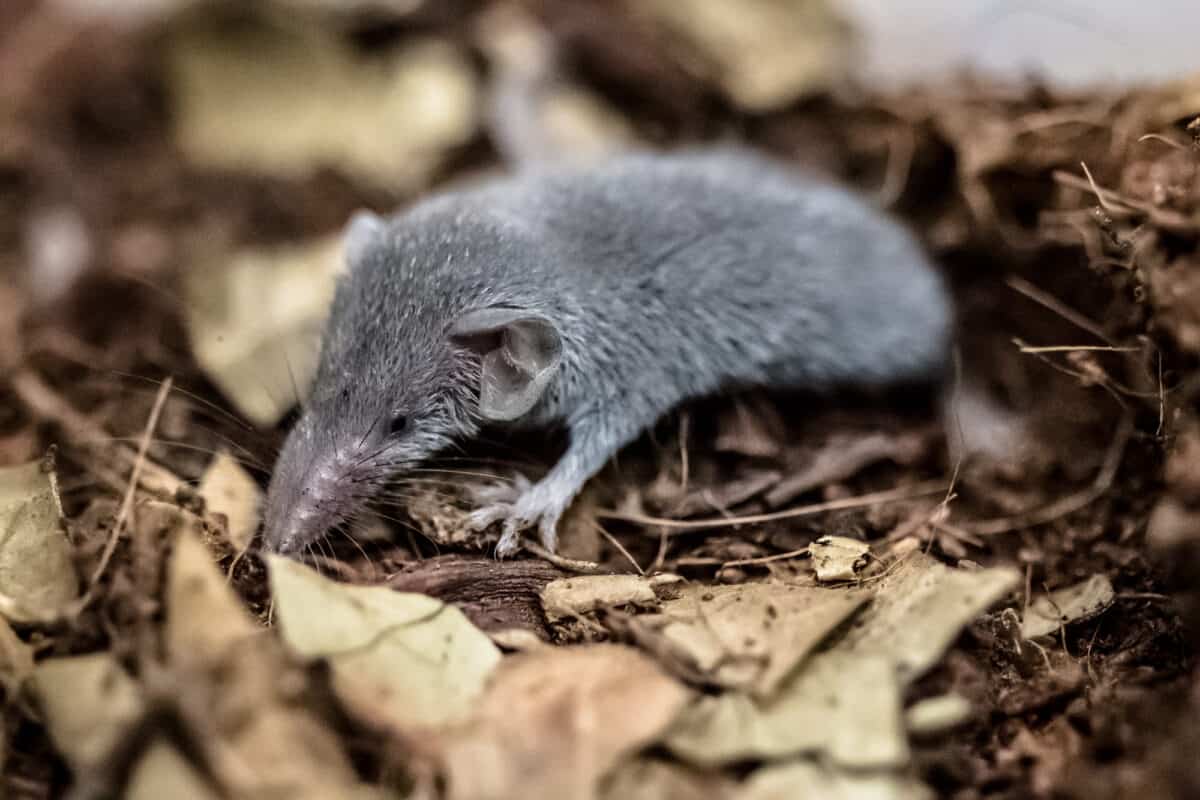
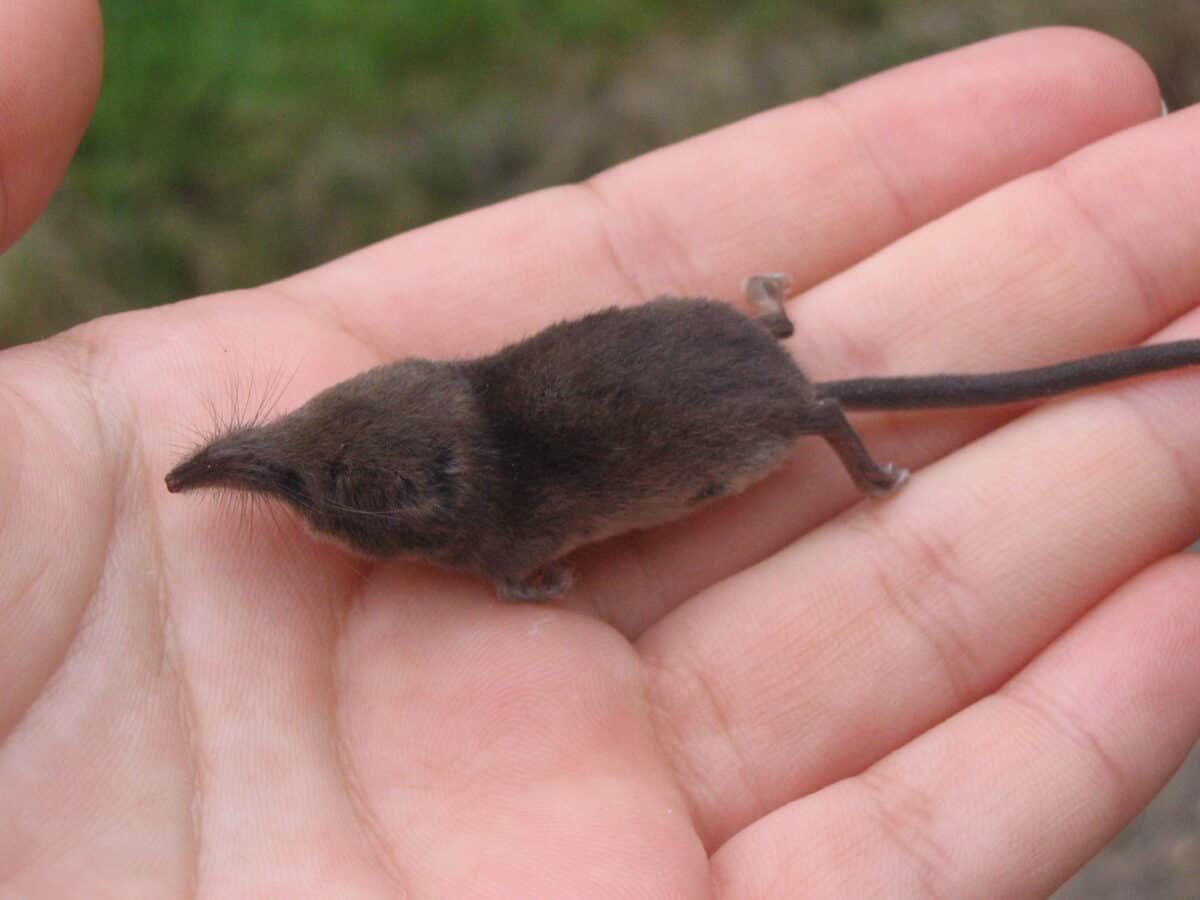
The Etruscan shrew (Suncus etruscus) holds the title of the world’s smallest mammal by mass. This tiny insectivore measures just 3.5-5 centimeters (1.4-2 inches) in body length, with an additional 2-3 centimeters of tail. Its average weight of 1.8 grams makes it lighter than a standard paper clip or a U.S. penny. Native to parts of Europe, North Africa, and Asia, these diminutive creatures inhabit warm, humid environments where they can find abundant insect prey. Their fur ranges from grayish-brown to pale brown, providing effective camouflage in their natural habitat. Despite their minuscule size, Etruscan shrews are perfect examples of mammalian biology at its most compact, challenging our understanding of how small warm-blooded creatures can possibly be.
Extraordinary Metabolic Demands
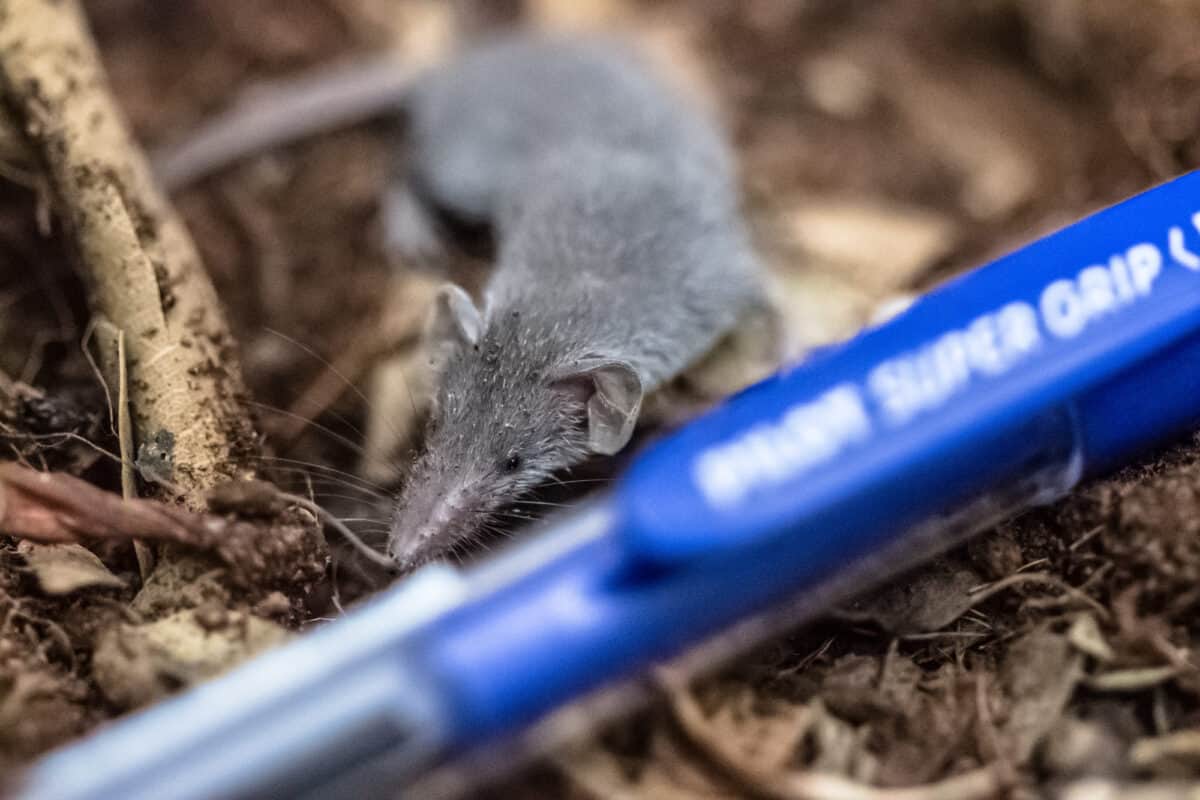
The Etruscan shrew’s tiny size creates extraordinary metabolic challenges. With a heart rate that can reach an astonishing 1,200 beats per minute (compared to a human’s 60-100 BPM), this miniature mammal has one of the fastest metabolisms in the animal kingdom. Its heart can constitute up to 1.2% of its body weight—proportionally far larger than in most mammals. This rapid metabolism means the shrew must consume food amounting to 1.5-2 times its body weight daily just to survive.
Without constant feeding, an Etruscan shrew can starve to death in as little as 3-4 hours. This metabolic furnace also results in a breathing rate of approximately 700 breaths per minute, and a body temperature that fluctuates between 30-40°C (86-104°F) depending on activity level and environmental conditions. The shrew’s extreme metabolism illustrates the physiological limits of mammalian miniaturization.
Hunting and Predatory Behavior
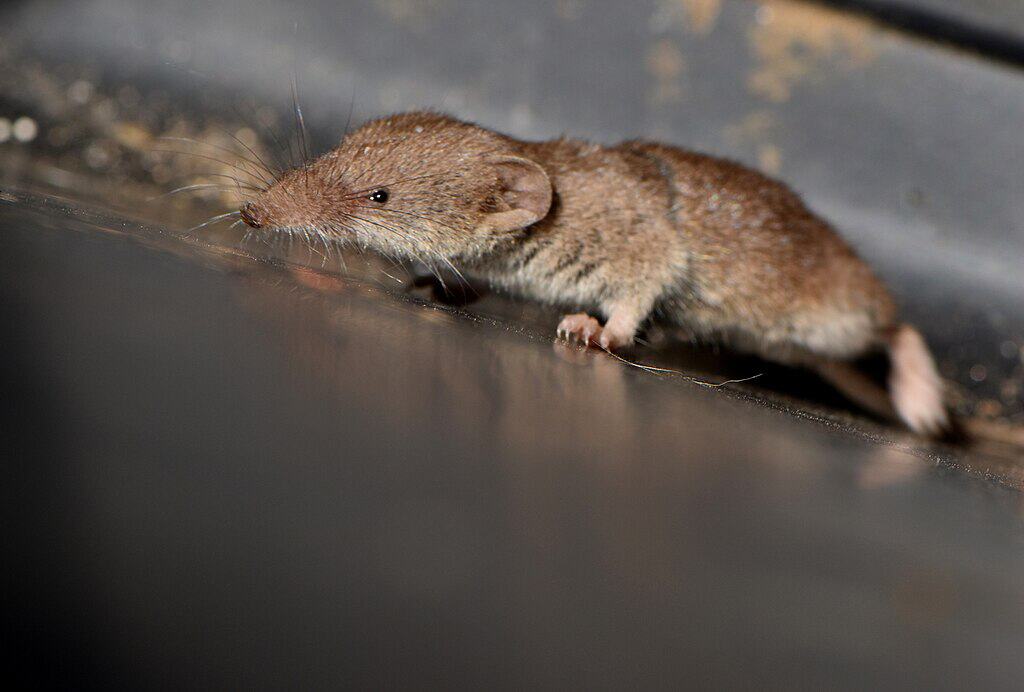
Despite their tiny size, Etruscan shrews are formidable predators with voracious appetites. They primarily hunt insects, spiders, and small invertebrates, using their exceptional sense of touch and smell to locate prey. What makes their hunting particularly remarkable is the precision with which they attack—they can identify the exact location of a prey’s vulnerable spots through subtle vibrations and scent trails.
When hunting, they can make up to 25 precision strikes per minute on their prey. Their jaws, equipped with sharp teeth, deliver a paralyzing bite to the neck or head region of their victims. The shrew must consume prey frequently due to its high metabolism, often eating every 15-30 minutes when active. Interestingly, they can recognize prey through a sophisticated sensory process that resembles a primitive form of echolocation, using their whiskers to detect air currents and vibrations that reveal the presence and position of potential meals.
Remarkable Brain Function

The Etruscan shrew possesses one of the smallest mammalian brains in absolute terms, yet it demonstrates remarkable cognitive abilities for its size. Weighing just 60 milligrams—less than a grain of rice—the shrew’s brain represents about 3.6% of its body weight, which is proportionally larger than the human brain-to-body ratio of approximately 2%. Despite its minuscule dimensions, this brain controls complex behaviors including sophisticated hunting techniques, spatial navigation, and social interactions.
Neuroscientists have been particularly fascinated by the shrew’s neocortex, which processes sensory information with surprising efficiency despite having fewer neural connections than larger mammals. The shrew’s brain also regulates its extreme metabolism and rapid motor functions, allowing it to move at speeds that make it appear as a blur to human observers. This efficient neural architecture demonstrates nature’s ability to create sophisticated processing systems at miniature scales.
Survival Adaptations in a Gigantic World
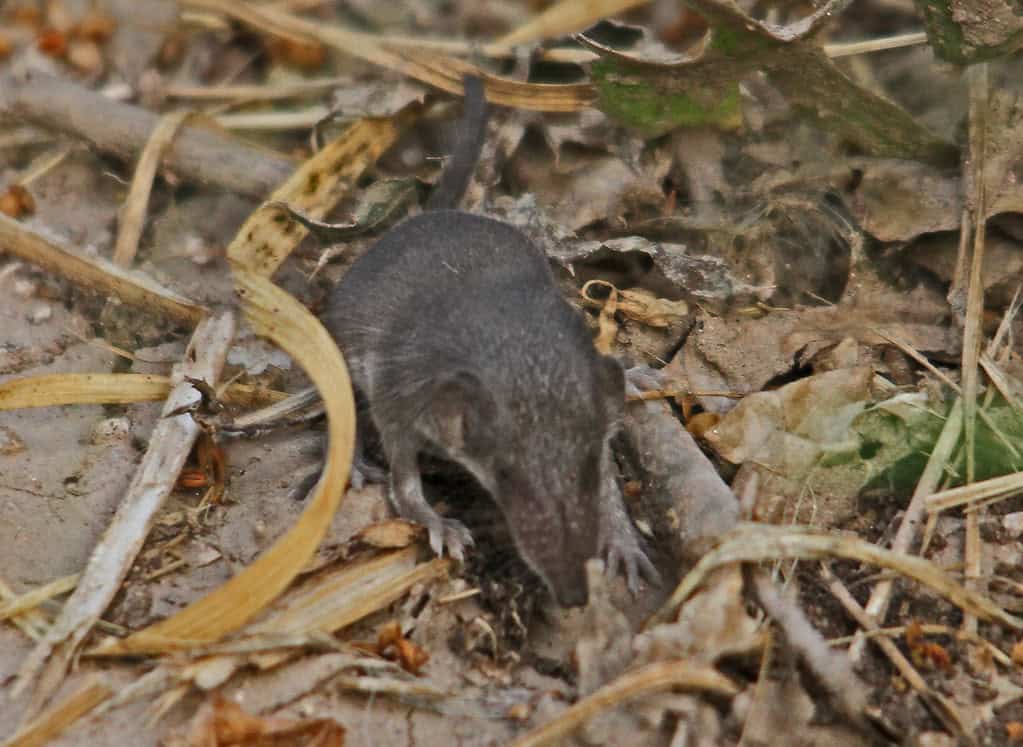
Living as a creature weighing less than a penny presents enormous survival challenges that the Etruscan shrew has overcome through remarkable adaptations. To conserve energy when food is scarce, these tiny mammals can enter a state of temporary torpor, lowering their body temperature and metabolic rate for short periods. Their fur, though fine, provides crucial insulation against temperature fluctuations. The shrew’s lightweight skeleton represents another adaptation, with bones that are extremely thin yet sufficiently strong to support their muscles and internal organs. T
heir skin is remarkably thin as well, allowing for efficient heat exchange with the environment—crucial for a creature whose high surface-area-to-volume ratio would otherwise lead to rapid heat loss. Additionally, Etruscan shrews have adapted to be primarily nocturnal, reducing the risk of predation and water loss during hot daylight hours. These multiple adaptations work in concert to allow survival at a size that pushes the physiological limits of mammalian existence.
Reproduction and Lifespan
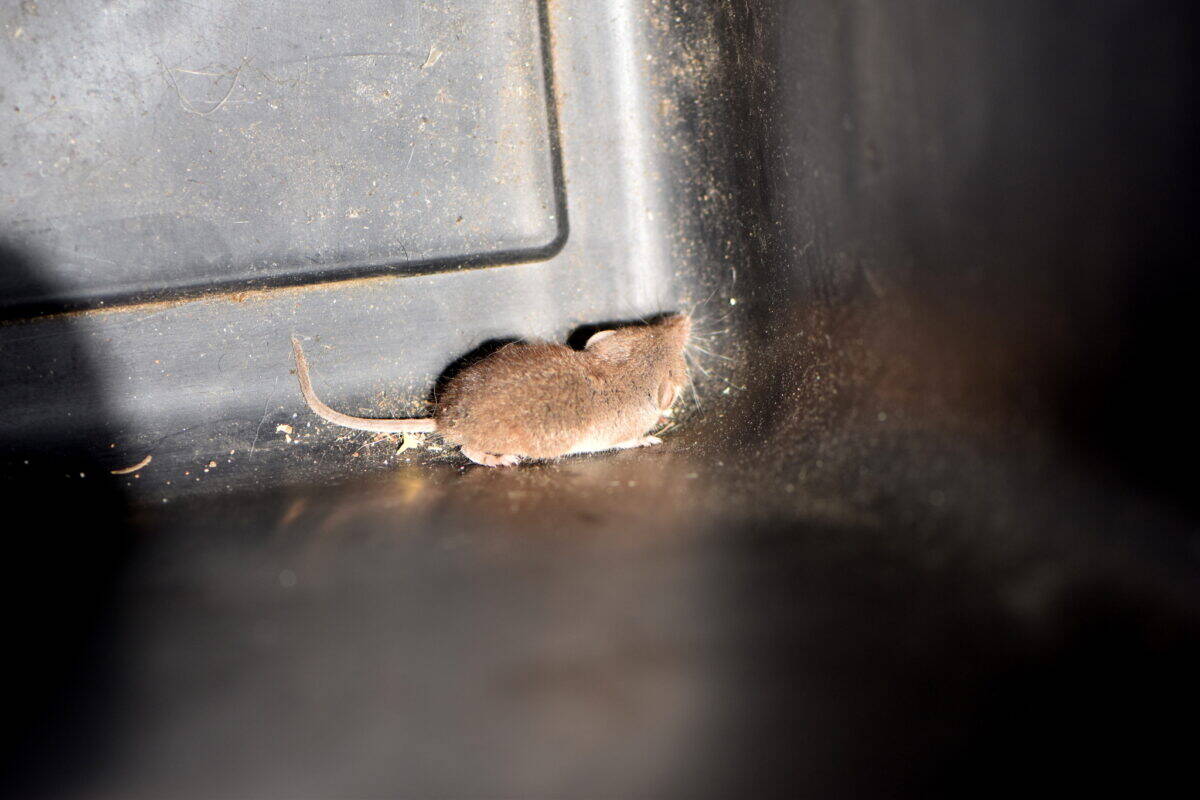
The reproductive biology of the Etruscan shrew is as remarkable as its size. Females can produce multiple litters per year, typically consisting of 2-5 young. The gestation period is incredibly short at just 27-28 days, one of the briefest among mammals. Newborn shrews weigh a minuscule 0.2 grams—about the weight of a single grain of rice—yet they develop rapidly, reaching adult size within about 3-4 weeks.
Mother shrews nurse their young frequently to support their high metabolic needs, and weaning occurs when the offspring reach approximately 70% of adult size. Despite their reproductive capability, Etruscan shrews have relatively short lifespans, typically living only 12-18 months in the wild. This brief life expectancy is directly related to their extraordinarily high metabolism, which essentially causes them to “burn through” their lives at an accelerated rate. Their rapid reproductive cycle compensates for this short lifespan, ensuring population sustainability despite individual mortality.
Competitors for the “Smallest Mammal” Title
While the Etruscan shrew holds the title for the smallest mammal by mass, it faces close competition from several other diminutive species. The Kitti’s hog-nosed bat (Craseonycteris thonglongyai), also called the bumblebee bat, competes for the title with a weight of about 2 grams and a body length of around 3 centimeters, making it the smallest bat and potentially the smallest mammal by skull size.
Another contender is the pygmy shrew (Sorex minutus), weighing 3-5 grams with a body length of 4-6 centimeters. The American pygmy shrew (Sorex hoyi) is North America’s smallest mammal, weighing approximately 2-4 grams. The Baluchistan pygmy jerboa (Salpingotulus michaelis), the smallest rodent, weighs about 3.5 grams but appears larger due to its disproportionately long tail and hind legs. These various “smallest” titles depend on the specific measurement criteria—mass, length, or volume—highlighting the diversity of evolutionary paths toward miniaturization in different mammalian lineages.
Geographic Distribution and Habitat

The Etruscan shrew has a surprisingly wide distribution for such a specialized creature, inhabiting parts of Southern Europe, North Africa, and Asia, extending as far east as Malaysia. These tiny mammals prefer warm, humid environments that support abundant insect populations, including Mediterranean scrublands, grasslands, and agricultural areas with sufficient ground cover. They typically construct nests in small crevices, under rocks, or in abandoned burrows of other animals, lining these shelters with soft vegetation.
The shrew’s geographic range is influenced by temperature constraints—due to their high surface-area-to-volume ratio and resulting heat loss, they cannot survive in cold climates. Climate change poses a potential threat to their distribution, as warming temperatures may force populations to shift their ranges to maintain suitable thermal conditions. Despite their specialized needs, Etruscan shrews have successfully adapted to human-altered landscapes, including traditional agricultural systems that maintain sufficient insect diversity and ground cover for these tiny predators.
Evolutionary History and Significance
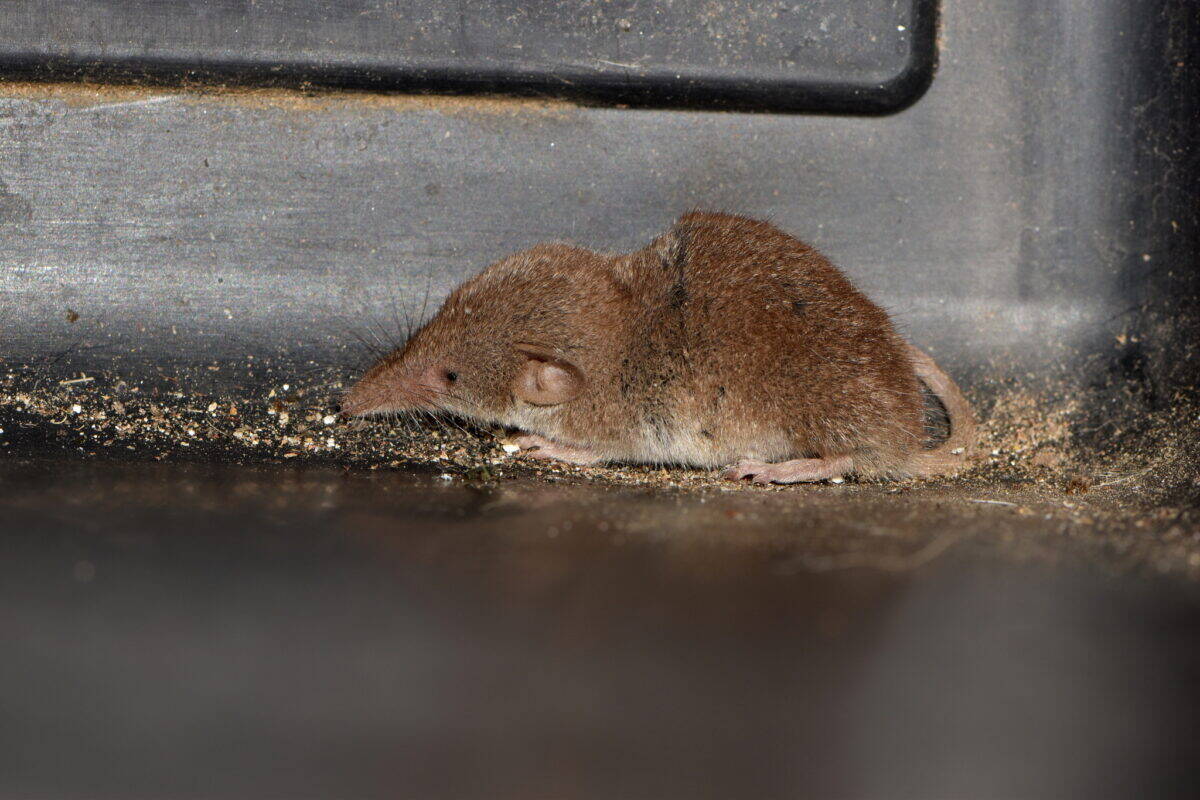
The evolutionary path that led to the Etruscan shrew’s extreme miniaturization offers fascinating insights into mammalian adaptation. These tiny creatures belong to the family Soricidae, which emerged during the Oligocene epoch approximately 30 million years ago. Their diminutive size represents an evolutionary strategy known as niche miniaturization, allowing them to exploit food resources unavailable to larger competitors.
Fossil evidence suggests that the ancestors of modern shrews were somewhat larger, with progressive size reduction occurring as they specialized in hunting small invertebrates. This evolutionary trajectory demonstrates the principle of adaptive radiation, where organisms evolve to fill specific ecological niches. The shrew’s miniaturization has pushed the physiological boundaries of what’s possible for a warm-blooded vertebrate, making them valuable subjects for scientific research on metabolic efficiency, thermoregulation, and the scaling of biological processes. Their existence challenges previous assumptions about the minimum viable size for a mammal, proving that complex biological systems can function effectively at scales once thought impossibly small.
Conservation Status and Threats
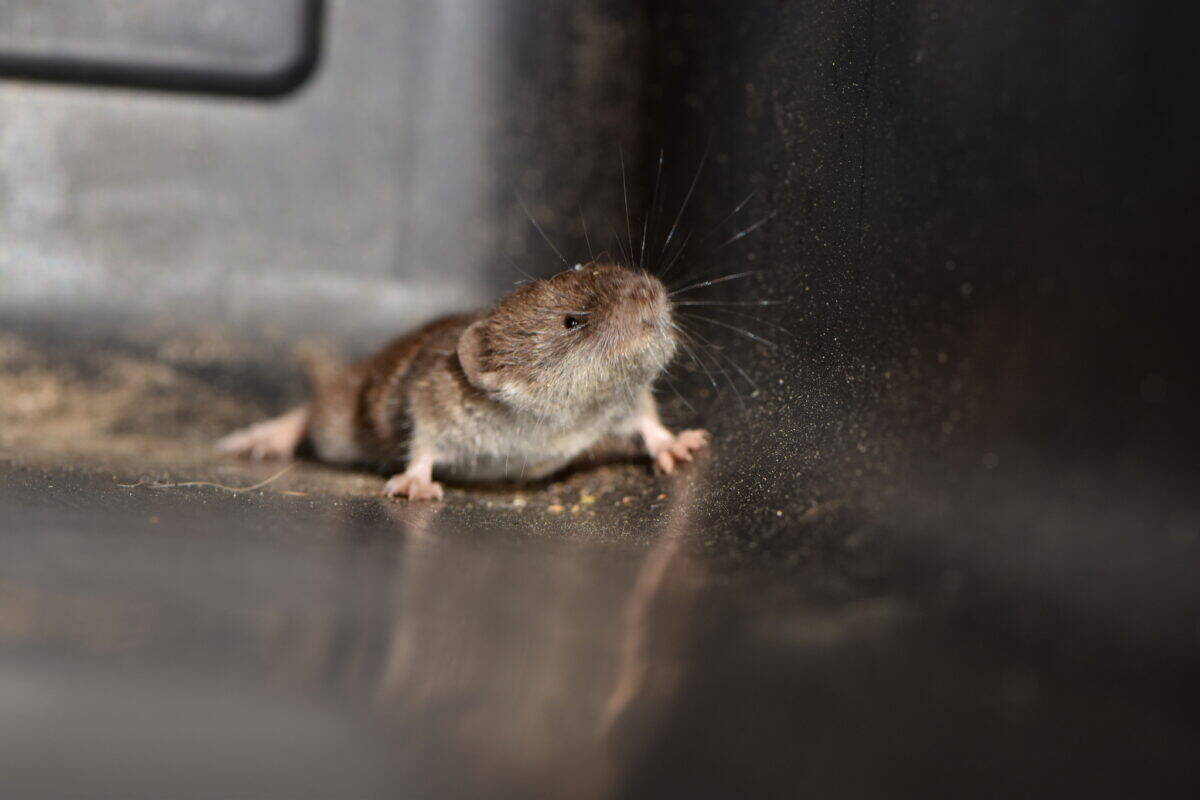
The Etruscan shrew is currently listed as “Least Concern” on the IUCN Red List, but this status masks localized threats to specific populations. Their primary challenges include habitat loss due to urbanization, intensive agriculture, and the use of pesticides that reduce insect prey availability. Climate change represents another significant threat, as these tiny mammals are particularly vulnerable to temperature fluctuations due to their high metabolism and thermal constraints.
In some regions, introduced predators such as domestic cats pose additional risks to local populations. Conservation efforts for the Etruscan shrew focus on habitat protection, particularly preserving traditional agricultural landscapes with diverse vegetation structure and minimal pesticide use. Monitoring programs track population trends in various parts of their range, though their secretive nature and small size make accurate population assessments challenging. Despite their abundance in suitable habitats, the specialized nature of these miniature mammals makes them potential indicator species for ecosystem health, particularly regarding insect biodiversity and microhabitat complexity.
Scientific Research and Human Fascination
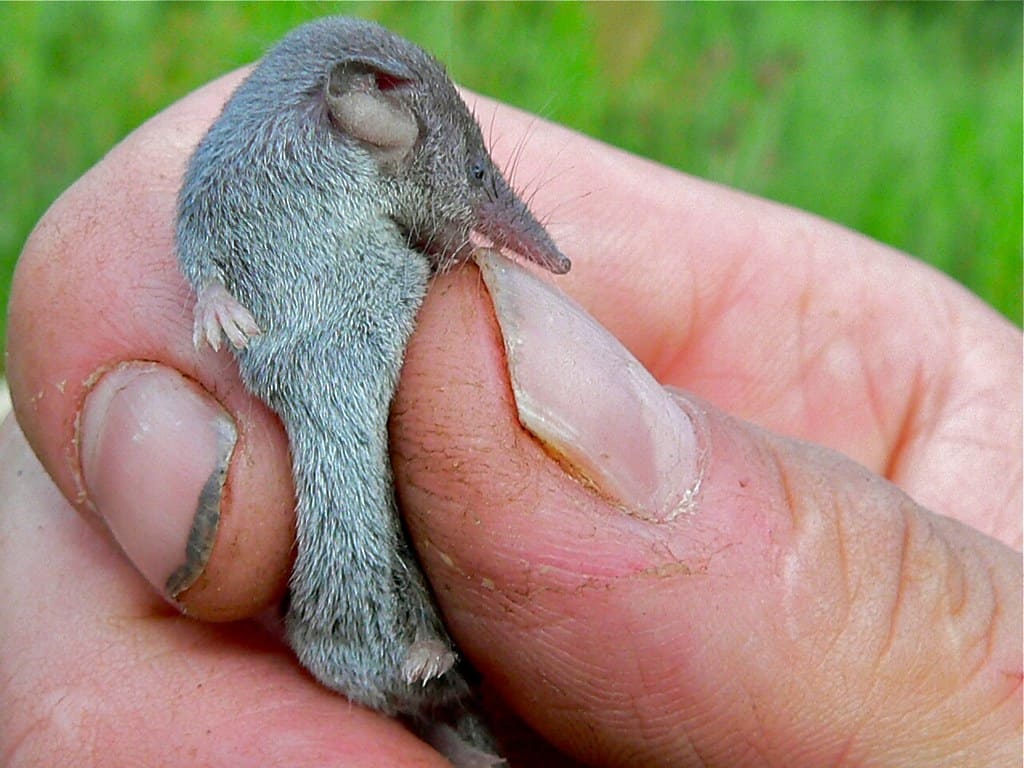
The Etruscan shrew has captivated scientific interest across multiple disciplines, from physiology and neuroscience to evolutionary biology. Researchers study these tiny mammals to understand the physiological limits of warm-blooded creatures, investigating how they maintain body temperature despite their high surface-area-to-volume ratio. Neuroscientists examine their remarkably efficient brains to understand how complex behaviors can be controlled by minimal neural architecture.
Their extreme metabolism has inspired research into energy efficiency and metabolic scaling laws. Beyond strictly scientific pursuits, these diminutive creatures spark human fascination and wonder, frequently appearing in nature documentaries and popular science publications. The concept of a fully functioning mammal smaller than a coin challenges our perceptions of scale in the natural world. Despite this public interest, Etruscan shrews are rarely kept in captivity due to their specialized needs and continuous feeding requirements. Their study exemplifies how even the smallest creatures can provide profound insights into biological principles and evolutionary adaptations.
Comparing Size: Just How Small Is “Smaller Than a Penny”?

To truly comprehend the extraordinary miniature scale of the Etruscan shrew, consider these comparisons: at 1.8 grams, it weighs less than a standard U.S. penny (2.5 grams), less than a standard paperclip (1.9 grams), and approximately the same as a single raisin. An adult human is roughly 40,000 times heavier than this tiny mammal. If you placed an Etruscan shrew on a standard teaspoon, it would occupy only about one-third of the space. Five of these shrews together would weigh about the same as a single sheet of printer paper.
Their hearts, at roughly 20 milligrams, are smaller than a pumpkin seed, while their brains weigh approximately 60 milligrams—less than a single grain of rice. Their individual red blood cells, however, are similar in size to those of larger mammals, including humans, highlighting how certain cellular components cannot be proportionally miniaturized. These comparisons help illustrate the extraordinary achievement of packing all necessary mammalian systems—circulatory, respiratory, digestive, nervous, reproductive—into a package smaller than many insects and only slightly larger than some arachnids.
The Wonder of Miniature Mammals
The Etruscan shrew stands as a testament to the extraordinary adaptability and diversity of mammalian life on our planet. Weighing less than a penny yet equipped with all the biological systems necessary for mammalian existence, this tiny creature demonstrates that complex life can function at scales once thought impossible. Its extraordinarily fast metabolism, sophisticated predatory behavior, and remarkable brain function challenge our understanding of biological limitations and reveal nature’s ingenious solutions to the challenges of miniaturization.
The shrew’s existence reminds us that the natural world contains wonders at every scale, from the massive blue whale to creatures smaller than some insects. As climate change and habitat loss increasingly threaten biodiversity worldwide, preserving these miniature marvels becomes not just a conservation imperative but a way of protecting the full spectrum of evolutionary innovation. The story of the world’s smallest mammal is ultimately one of nature’s boundless creativity—proof that remarkable complexity can exist in the smallest of packages.

From exploring the marine wonders in the Azores and witnessing the vast savannas of Kenya, to delving deep into the rich biodiversity of South Africa and traversing iconic landscapes in Australia and the US like Yellowstone, Chris's experiences are vast.
With a penchant for diving alongside sharks, the ocean holds a special place in his heart.
Through his academic insights, he champions wildlife conservation, striving with 'Animals Around The Globe' to cultivate a profound connection between humans and animals, enhancing our mutual appreciation.
Connect with him at Feedback@animalsaroundtheglobe.com.
- Why Spiders Don’t Get Stuck in Their Own Webs - July 20, 2026
- What Scientists Found in a 10,000-Year-Old Beehive - July 20, 2026
- This Spider Builds Fake Decoys of Itself - July 20, 2026