

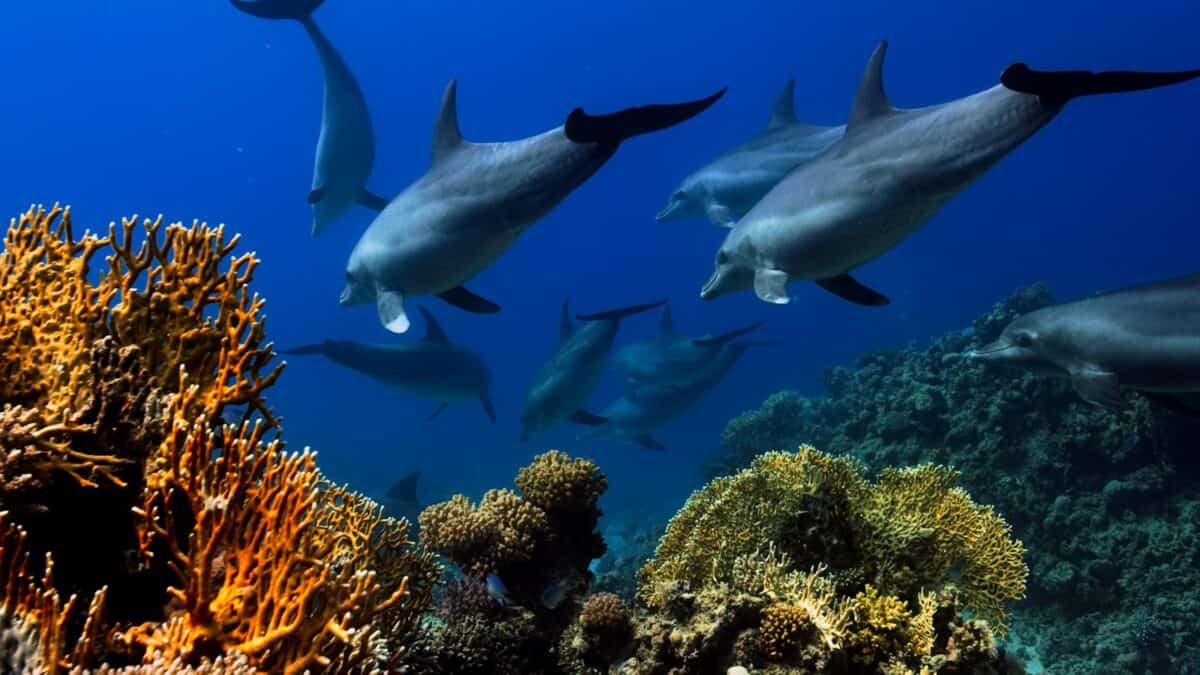
In the crystal-clear waters of the world’s oceans, dolphins have been observed engaging in a behavior that has astounded marine biologists and pharmacologists alike. These intelligent marine mammals have been documented deliberately rubbing themselves against specific types of coral and sea sponges in what appears to be self-medication. This remarkable discovery not only highlights the extraordinary intelligence of dolphins but also points to their sophisticated understanding of their environment’s medicinal properties. The behavior, first observed systematically in the early 2000s, has now been studied extensively, revealing a fascinating intersection between marine mammal behavior and natural pharmacology.
The Discovery of Medicinal Coral Use

Marine biologists first documented dolphins engaging in deliberate coral rubbing behavior in the Red Sea and Indo-Pacific Ocean regions. The breakthrough study published in 2022 by researchers from the University of Zurich provided substantial evidence that Indo-Pacific bottlenose dolphins (Tursiops aduncus) were selectively choosing certain coral species and actively rubbing their bodies against them. This wasn’t random play or social behavior – the dolphins were observed queuing up to visit these underwater “pharmacies,” suggesting a deliberate and purposeful activity. Scientists noted the dolphins would often revisit the same coral formations, indicating that these locations served as consistent sources of treatment for the pod members.
Scientific Evidence Behind the Behavior

Research published in the journal iScience revealed that the mucus secreted by certain coral species, particularly gorgonian coral and certain sea sponges, contains compounds with antimicrobial, antibacterial, and anti-inflammatory properties. When analyzing samples collected from coral species that dolphins frequently rubbed against, scientists discovered bioactive compounds including terpenoids, alkaloids, and peptides that could effectively combat various skin infections and parasites. The study also found that these substances could regulate the skin microbiome of the dolphins, potentially preventing opportunistic infections. The deliberate transfer of these bioactive compounds to dolphin skin represents an extraordinary case of zoopharmacognosy – the process by which animals self-medicate using substances found in their environment.
The Coral Species of Choice

Dolphins don’t rub against just any coral; they show clear preferences for specific species. Among their favorites are gorgonian corals (Rumphella aggregata), leather corals (Sarcophyton sp.), and certain sea sponges such as Ircinia sp. These particular marine organisms are known to produce potent bioactive compounds as a defense mechanism against predators and to prevent microbial overgrowth on their surfaces. Each of these species produces a unique cocktail of compounds, suggesting that dolphins might be selecting different “medications” based on their specific ailments. The mucus produced by these corals contains compounds that can combat bacterial, fungal, and viral infections – essentially serving as a natural antibiotic ointment for dolphin skin conditions.
The Self-Medication Process

The self-medication process dolphins employ is remarkably methodical. They typically approach the coral formations in a controlled manner, often slowing their swimming speed significantly. Once at the coral, they deliberately rub various parts of their bodies—including their bellies, fins, and heads—against the coral surface. This behavior can last anywhere from a few seconds to several minutes, with some dolphins observed making multiple passes through the same coral formation. The pressure applied during rubbing appears calibrated to extract the maximum amount of mucus without causing damage to the coral. This delicate balance suggests an evolved understanding of how to use these natural resources sustainably, ensuring their medicinal coral “pharmacies” remain viable for future use.
Skin Conditions Treated by Coral

Marine biologists have identified several skin conditions that dolphins appear to treat through coral rubbing. These include bacterial and fungal infections, parasitic infestations (particularly from marine leeches and xenobalanus barnacles), and irritations caused by environmental factors such as temperature changes or pollution. Researchers have observed that dolphins with visible skin lesions or discoloration visit coral sites more frequently than their healthier counterparts, suggesting a direct correlation between skin health and self-medication behavior. Follow-up observations show that many skin conditions visibly improve after repeated coral treatment sessions, with lesions showing reduced inflammation and accelerated healing. This provides compelling evidence that the coral mucus is indeed effectively treating these conditions rather than merely providing temporary relief.
Cultural Transmission of Medicinal Knowledge

One of the most fascinating aspects of this behavior is how it appears to be culturally transmitted within dolphin pods. Juvenile dolphins learn which coral species have medicinal properties by observing adult pod members. They often watch attentively as older dolphins engage in rubbing behavior before attempting it themselves.
This represents a sophisticated form of cultural learning that goes beyond simple imitation. Mother dolphins have been observed guiding their calves to specific coral formations and demonstrating the rubbing technique, suggesting an active teaching process. This cultural transmission ensures that knowledge of natural medicines is preserved across generations within dolphin communities, creating what scientists describe as a form of “non-human traditional medicine.”
Regional Variations in Medicinal Coral Use

Interestingly, dolphin populations in different ocean regions have developed preferences for locally available medicinal marine organisms. In the Red Sea, bottlenose dolphins predominantly use certain gorgonian coral species, while in the waters around Australia, Indo-Pacific dolphins have been documented using different sponge species for similar purposes.
These regional variations suggest that dolphins adapt their medicinal practices to local ecosystems, developing specialized knowledge about the healing properties of marine organisms in their particular habitat. Each dolphin community essentially develops its own “pharmacopeia” based on local biodiversity, demonstrating remarkable adaptability and ecological intelligence that allows them to utilize the specific healing resources available in their environment.
Pharmaceutical Potential for Humans

The discovery of dolphins’ medicinal use of coral has generated significant interest in the pharmaceutical industry. Researchers are now investigating these dolphin-selected coral species for compounds that could be developed into new antibiotics, antifungals, and anti-inflammatory drugs for human use. Several promising compounds have already been isolated, including pseudopterosin from sea whips (a type of gorgonian coral), which has shown potential as an anti-inflammatory agent in clinical trials. Marine bioprospecting—the search for valuable compounds in marine organisms—has gained new direction from observing which species dolphins select, essentially using these intelligent marine mammals as guides to potential new medicines. This represents a fascinating case where animal behavior observation could help address human medical challenges, including the growing crisis of antibiotic resistance.
Ecological Implications and Conservation
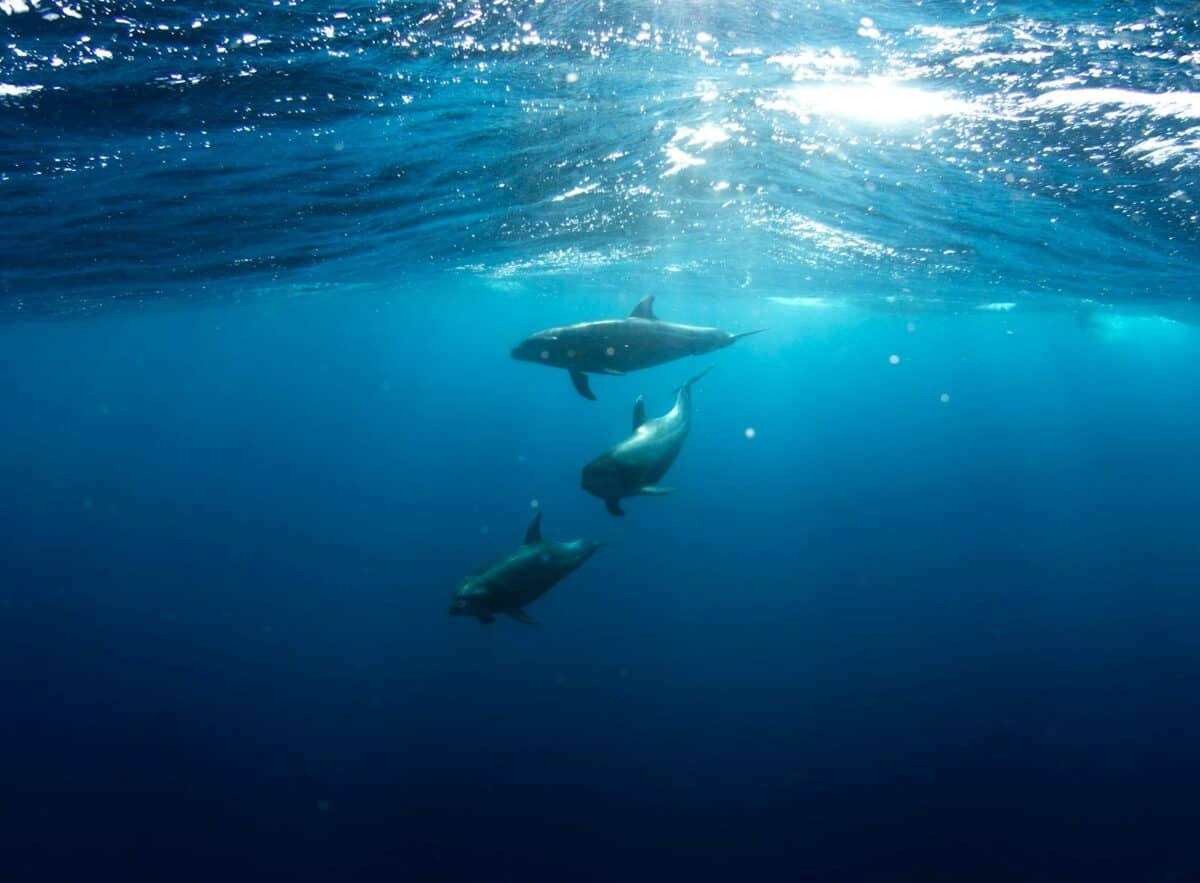
This medicinal relationship between dolphins and corals highlights the complex interconnections within marine ecosystems. It emphasizes the importance of coral reef conservation not just for the general biodiversity they support but specifically for their role in dolphin health. With coral reefs facing unprecedented threats from climate change, ocean acidification, pollution, and destructive fishing practices, dolphins may be losing access to their natural pharmacies. Conservation efforts now have an additional dimension to consider: preserving these ecosystems not only maintains biodiversity but also protects access to natural medicines that dolphin populations have relied on for potentially thousands of years. This discovery reinforces the need for comprehensive marine protected areas that safeguard these interactions between species.
Similar Behaviors in Other Marine Species

While dolphins’ coral rubbing is perhaps the most well-documented case of marine self-medication, they’re not alone in this behavior. Other marine species have been observed using environmental resources for medicinal purposes. Certain species of parrotfish secrete a mucous cocoon at night that has antimicrobial properties, protecting them from parasites while they sleep. Some surgeonfish rub against sponges to remove parasites, while green turtles seek out specific algae believed to have antiparasitic properties. These parallels suggest that medicinal use of marine resources may be more widespread than previously recognized, pointing to a complex network of medicinal knowledge embedded within marine ecosystems that scientists are only beginning to understand.
Challenges in Studying Dolphin Self-Medication
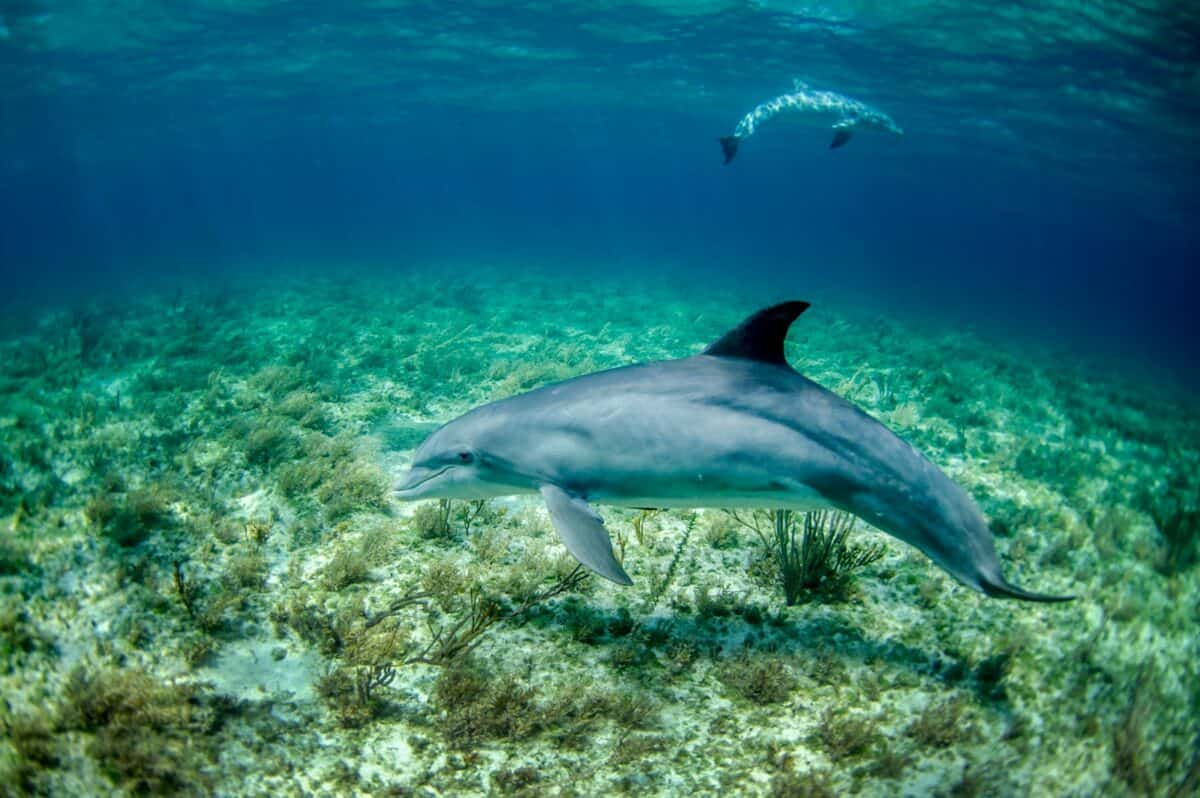
Researching this remarkable behavior presents numerous challenges. Marine environments are difficult to observe continuously, and determining the precise motivation behind dolphin behavior requires sophisticated research methods. Scientists employ underwater cameras, drones, and tagging systems to track dolphin movements and interactions with coral. Another challenge lies in demonstrating causality—proving that the dolphins are indeed seeking medical benefits rather than engaging in the behavior for other reasons such as play or social bonding. Researchers address this by documenting correlations between visible skin conditions and frequency of coral visits, as well as through chemical analysis of coral compounds and their effects on common dolphin pathogens. Despite these challenges, ongoing research continues to strengthen the evidence for intentional self-medication among dolphin populations.
Future Research Directions

The discovery of dolphins’ medicinal use of coral has opened numerous avenues for future research. Scientists are now designing studies to more precisely document which skin conditions respond to which coral species, effectively mapping out the dolphin “pharmacopeia.” Researchers are also investigating whether dolphins select different coral species for different ailments, suggesting a sophisticated understanding of coral properties.
Genomic studies comparing the microbiomes of treated and untreated dolphin skin may provide insights into how coral compounds affect bacterial communities. Additionally, long-term studies are being established to monitor whether climate change impacts on coral reefs are affecting dolphin health outcomes. These research directions not only promise to deepen our understanding of dolphin intelligence but may also yield valuable insights for human medicine and conservation efforts.
Conclusion: Nature’s Pharmacy and Dolphin Intelligence
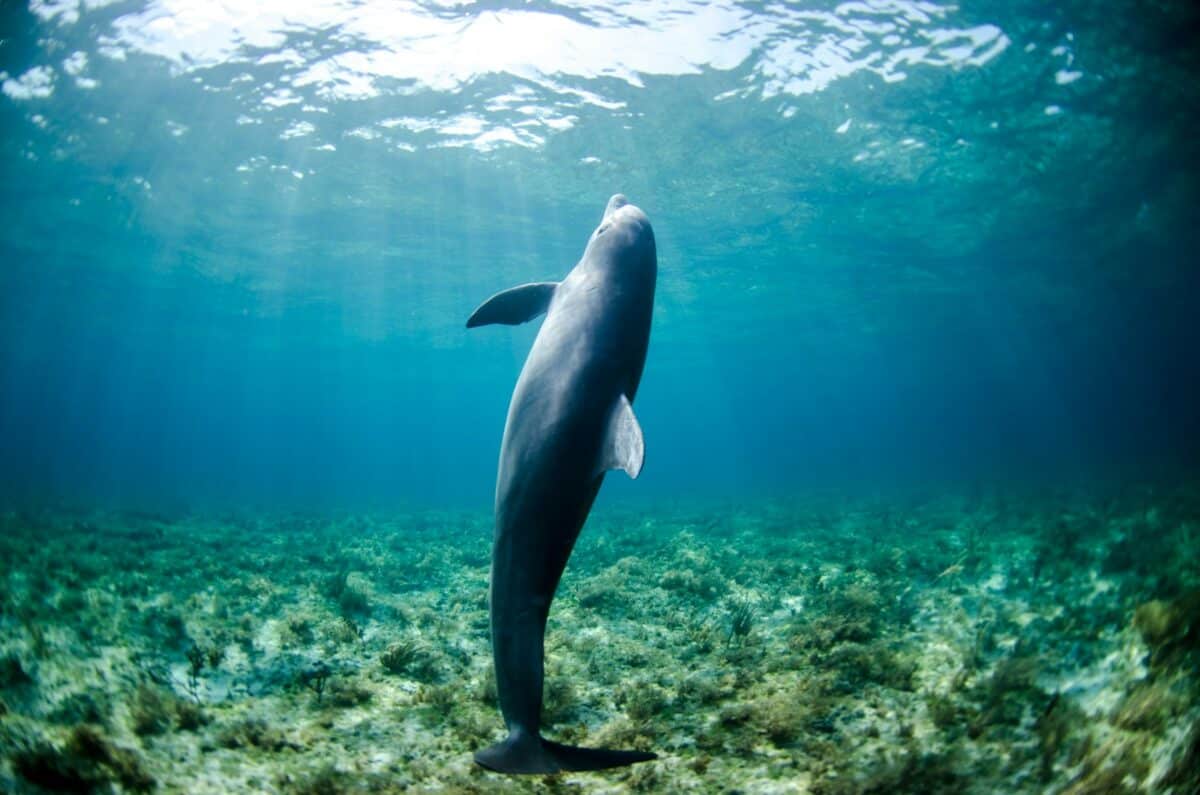
The discovery that dolphins use coral as medicine represents one of the most sophisticated examples of animal self-medication documented in the natural world. This behavior illuminates the remarkable intelligence and environmental awareness of dolphins, who have essentially developed their own system of marine medicine without human intervention.
The practice demonstrates not only their ability to identify healing substances but also to culturally transmit this knowledge across generations, creating a sustainable relationship with their environment. As we face growing challenges in developing new antibiotics and treatments for human use, these marine mammals offer both inspiration and practical direction for discovering new compounds. Perhaps most importantly, this remarkable relationship between dolphins and coral reminds us of the intricate connections within ecosystems, and how much remains to be discovered about the natural world and its innate wisdom.

From exploring the marine wonders in the Azores and witnessing the vast savannas of Kenya, to delving deep into the rich biodiversity of South Africa and traversing iconic landscapes in Australia and the US like Yellowstone, Chris's experiences are vast.
With a penchant for diving alongside sharks, the ocean holds a special place in his heart.
Through his academic insights, he champions wildlife conservation, striving with 'Animals Around The Globe' to cultivate a profound connection between humans and animals, enhancing our mutual appreciation.
Connect with him at Feedback@animalsaroundtheglobe.com.
- The Lizard That Shoots Blood From Its Eyes - July 21, 2026
- What Happens If Fireflies Stop Glowing? - July 21, 2026
- Coyotes Are Thriving in Every U.S. State — Even New York City - July 21, 2026