

Every year, tens of thousands of people around the world die from something as simple—and as terrifying—as a snakebite. In remote villages, jungles, and farms, help often comes too late, or not at all. But thanks to one man’s extraordinary (and painful) mission, that might be about to change.
In a groundbreaking development, scientists have created a novel antivenom capable of neutralizing the neurotoxins of 19 of the world’s deadliest snakes. This innovative approach combines human-derived antibodies with a small molecule inhibitor, offering hope for a universal treatment against snakebite envenoming—a condition that claims over 100,000 lives annually and leaves many more with permanent disabilities.
The Global Snakebite Crisis Could Soon Have a Breakthrough Cure

Snakebite poison remains one of the most overlooked public health crises in the world. It’s estimated that between 81,000 and 138,000 people die from snakebites annually, while hundreds of thousands more are left with life-altering injuries. Many live in rural areas where access to effective antivenom is limited or nonexistent.
Part of the problem? Traditional antivenoms are species-specific. If doctors don’t know exactly which snake bit the victim—or if the right antivenom isn’t available—the chances of survival drop drastically.
But that may be about to change.
The Global Burden of Snakebite Envenoming
Snakebite envenoming is a significant public health issue, particularly in rural and tropical regions. The World Health Organization estimates that snakebites cause between 81,000 and 138,000 deaths each year, with an additional 400,000 individuals suffering from permanent disabilities. Traditional antivenoms are species-specific and often derived from animal antibodies, leading to limitations in availability, efficacy, and potential allergic reactions.
Recognizing the limitations of existing treatments, researchers aimed to develop a broad-spectrum antivenom. The team focused on the Elapidae family, which includes some of the most venomous snakes like cobras, mambas, and kraits. By creating a testing panel of 19 of the World Health Organization’s category 1 and 2 deadliest elapid snakes, they sought to identify antibodies capable of neutralizing a wide range of neurotoxins.
Tim Friede: The Man Behind the Antibodies

Central to this breakthrough is Tim Friede, a Wisconsin man who has voluntarily subjected himself to over 200 snakebites over 18 years. His unique approach aimed to build immunity and has resulted in the development of broadly neutralizing antibodies.
Tim Friede isn’t a doctor or a scientist by training—he’s a man on a mission. For the past 18 years, he’s allowed himself to be bitten by some of the world’s deadliest snakes. Not once or twice—but over 200 times. His goal? To build immunity in his own body and, in the process, help researchers develop a universal snakebite treatment. Against all odds, it worked.
Scientists isolated two potent antibodies—LNX-D09 and SNX-B03—from Friede’s blood. These antibodies have shown the rare ability to neutralize the neurotoxins from a wide range of elapid snakes, a family that includes cobras, mambas, and kraits.
A Game-Changing Three-Part Antivenom
Researchers didn’t stop there. They combined the two human-derived antibodies with a small molecule called varespladib, which blocks a key enzyme found in most snake venoms.
The result? A powerful antivenom cocktail that protected lab animals from the effects of 13 of the 19 deadliest snake species tested—and offered partial protection against the remaining six.
It’s a massive leap forward from current antivenoms, which are often only effective against a single species.
Hope for the World’s Most Vulnerable
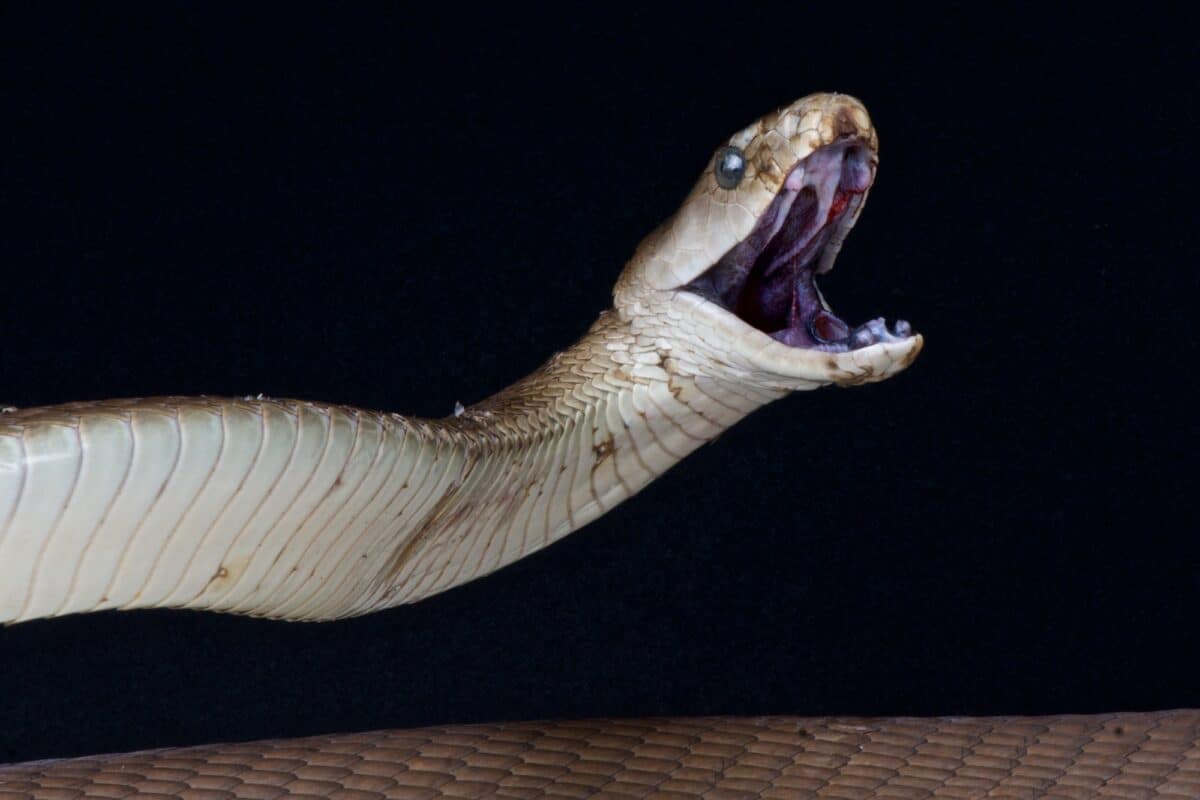
This breakthrough could be especially transformative in places where identifying the snake is difficult or where treatment is far away. A universal antivenom would eliminate the guesswork, save precious time, and reduce the need for multiple costly antivenoms.
Just as importantly, using human antibodies instead of animal-derived ones could mean fewer allergic reactions and more effective treatment overall.
The Road Ahead
The work isn’t done yet. Clinical trials are still needed, and researchers hope to expand the treatment to include vipers—another family of deadly snakes with different venom compositions.
But the results so far are deeply encouraging. And thanks to the determination of one man, and a team of dedicated scientists, we may be closer than ever to solving a global medical crisis that’s been ignored for far too long.
As Tim Friede himself puts it:
“If I can go through the pain and help make something that saves lives—then it was worth every bite.”

- How Horse Breeds Influence Riding Techniques and Styles - July 6, 2026
- The Bird That Can Fly Over the Tallest Mountains Without Stopping - July 5, 2026
- The Smallest Frog Species – It’s Almost Impossible to See - July 4, 2026