

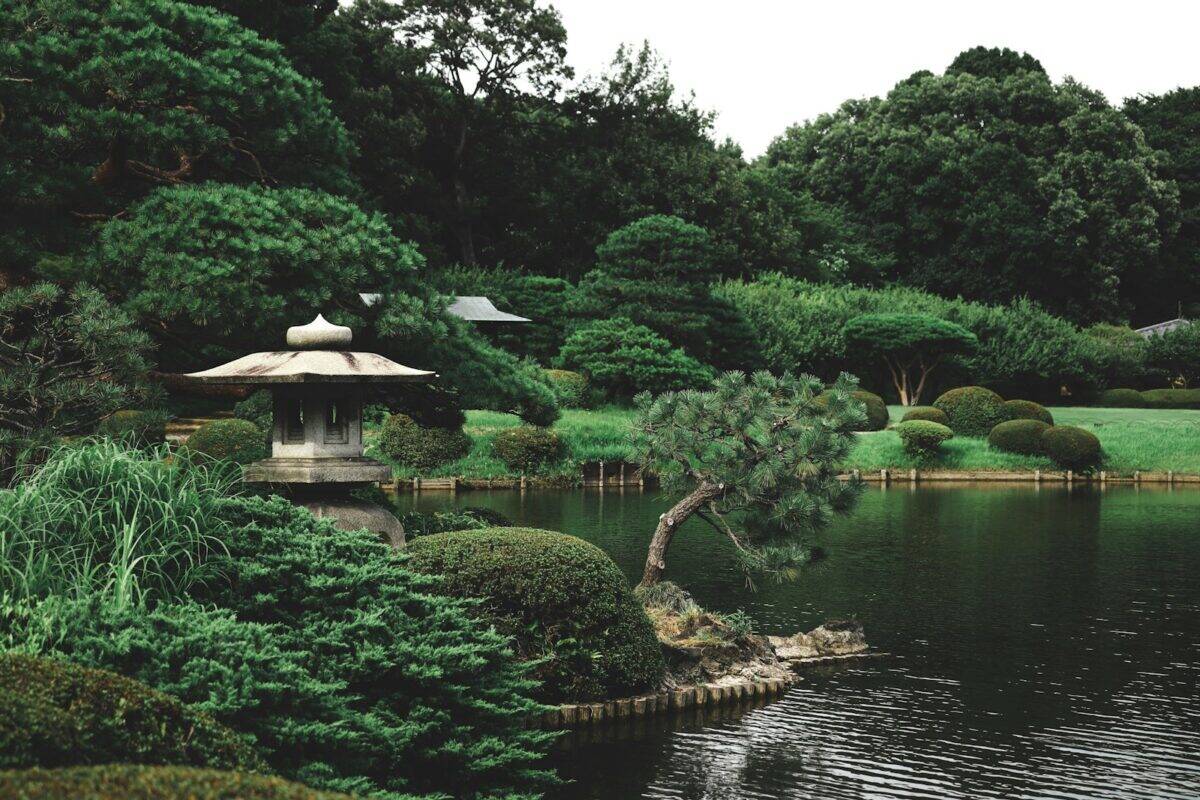
In a world where natural habitats are shrinking at an alarming rate, unconventional conservation approaches are gaining importance. One such approach is transforming our gardens into micro-sanctuaries for endangered wildlife. Gardens—whether in urban backyards, community spaces, or larger botanical institutions—can serve as critical lifelines for threatened species. These green spaces, when thoughtfully designed and maintained, provide food, shelter, and breeding grounds for animals struggling to survive in their diminishing natural environments. From tiny insects to small mammals and birds, gardens can become pockets of biodiversity that contribute significantly to conservation efforts. This article explores how everyday gardens can become extraordinary safe havens for endangered animals, examining everything from design principles to specific species that benefit from garden sanctuaries.
The Biodiversity Crisis and the Role of Gardens

The world is currently experiencing what scientists have termed the sixth mass extinction, with species disappearing at 100 to 1,000 times the natural background rate. According to the International Union for Conservation of Nature (IUCN), over 40,000 species are threatened with extinction, representing 28% of all assessed species. This biodiversity crisis is predominantly driven by habitat loss, with approximately 10 million hectares of forest being destroyed annually. In this context, gardens emerge as unexpected allies in conservation efforts. The global garden space is vast—in the UK alone, private gardens cover approximately 433,000 hectares, exceeding the total area of all national nature reserves. When these spaces are designed to support wildlife, they form a network of micro-habitats that can significantly contribute to species survival. Research published in the journal Biological Conservation has demonstrated that urban gardens can support up to 50% of a region’s native bird species and 60% of its native insect species, showcasing their immense potential as conservation tools.
Wildlife-Friendly Garden Design Principles
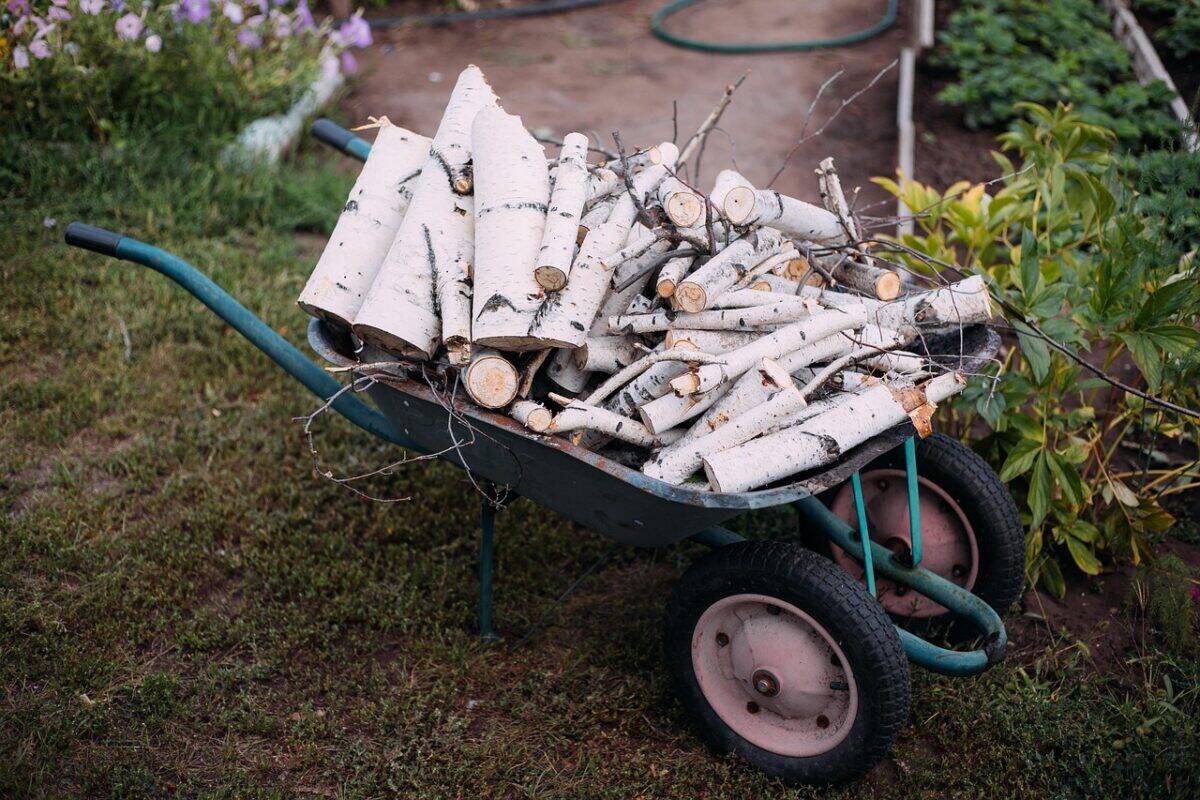
Creating a garden that genuinely supports endangered wildlife requires thoughtful design based on ecological principles. The core concept is to mimic natural habitats while maximizing biodiversity. This begins with structural diversity—incorporating various layers from ground cover to shrubs to trees, creating multiple niches for different species. Native plants should form the foundation of wildlife gardens, as they have co-evolved with local fauna and provide appropriate food and shelter. According to research from the University of Delaware, native plants support up to 35 times more caterpillar biomass than non-native alternatives, directly impacting bird populations that rely on these insects to feed their young. Water features, from simple bird baths to small ponds, are also essential elements that support amphibians and provide drinking water for various species. Importantly, wildlife-friendly gardens should minimize chemical inputs and embrace some degree of “messiness”—leaf litter, dead wood, and unmowed areas provide crucial habitats for countless small creatures that form the base of the food web.
Pollinators in Peril: How Gardens Can Help
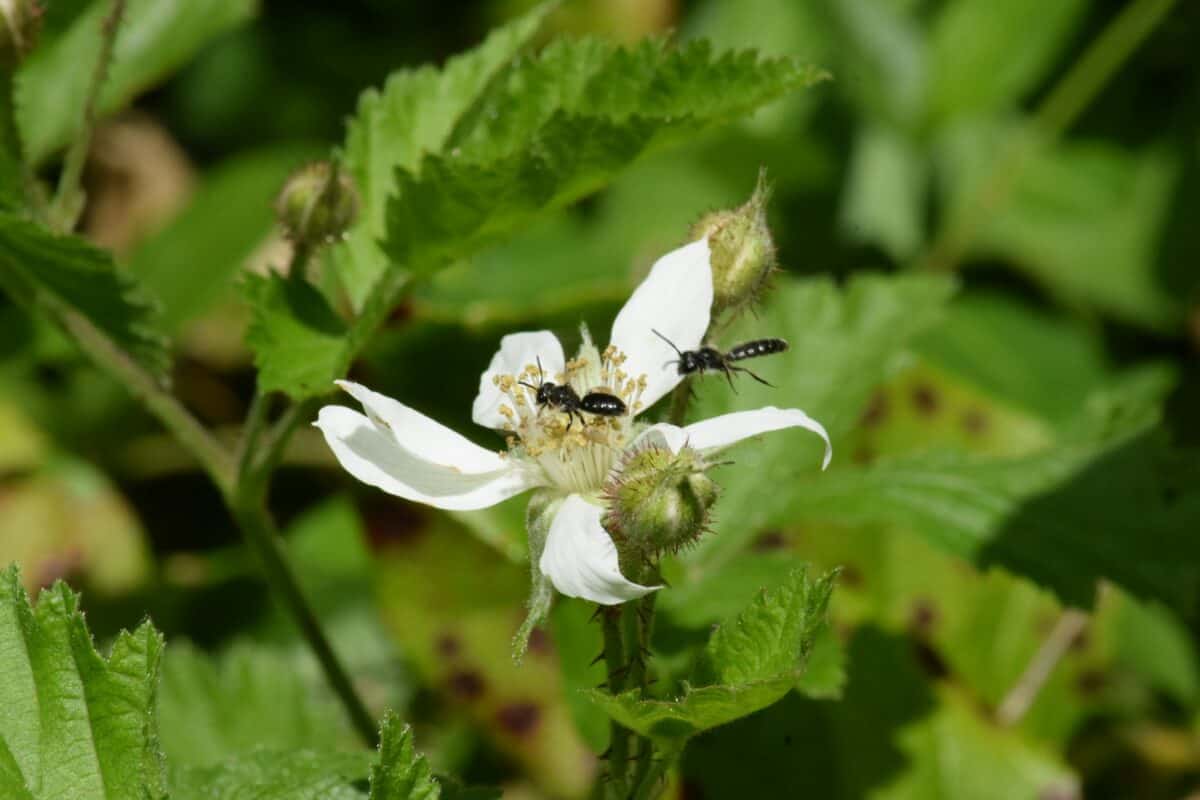
Pollinators—particularly bees, butterflies, and moths—face unprecedented challenges worldwide. In North America alone, 28% of bumble bee species are considered threatened, while the iconic monarch butterfly has declined by more than 80% in the eastern United States over the past two decades. These declines have serious implications not only for biodiversity but also for human food security, as approximately 75% of global food crops depend at least partly on animal pollination. Gardens can provide crucial support for these endangered pollinators through several means. Planting nectar-rich flowering plants that bloom sequentially throughout the growing season ensures continuous food sources. Research has shown that even small gardens with 8-10 pollinator-friendly plant species can support over 20 bee species. Including host plants—such as milkweed for monarch butterflies or violets for fritillaries—enables complete life cycles to occur within the garden space. Creating pollinator-specific habitats, such as bee hotels, bare soil patches for ground-nesting bees, or butterfly puddling areas, further enhances a garden’s value. Perhaps most importantly, maintaining pesticide-free environments protects these sensitive invertebrates from harmful chemicals that have contributed significantly to their decline.
Birds and Gardens: Creating Avian Sanctuaries
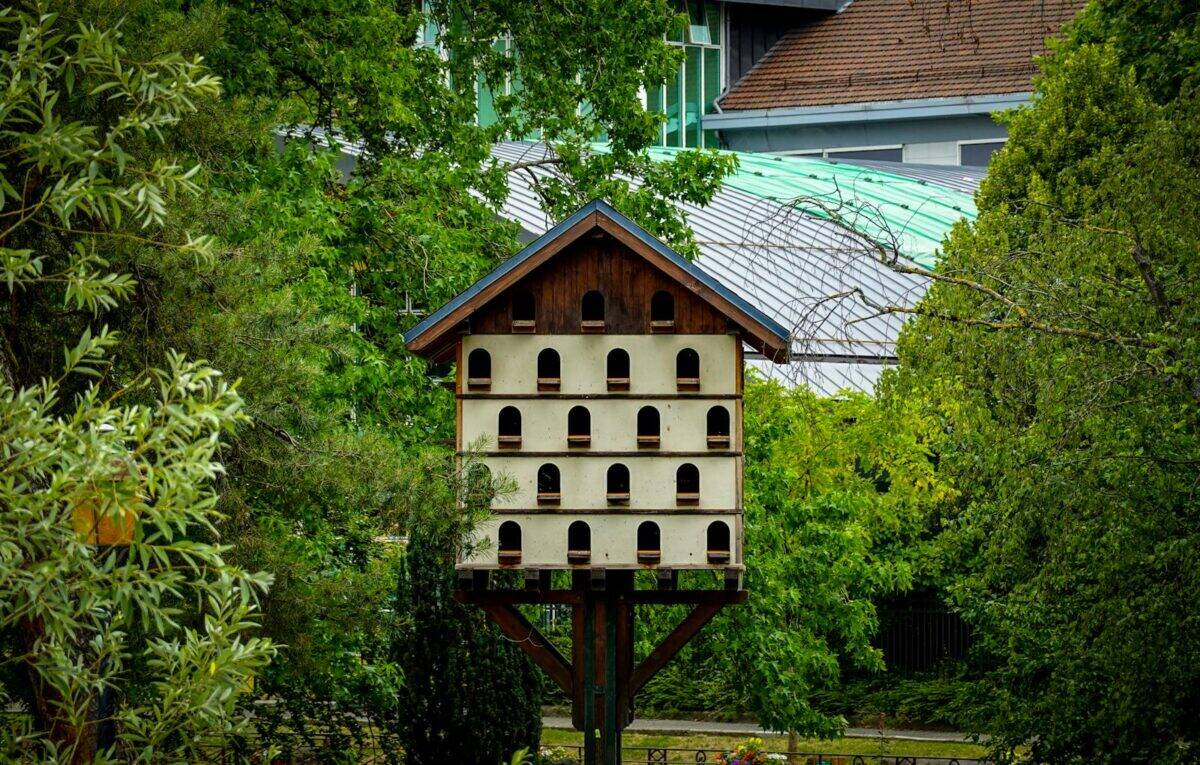
Birds represent some of the most visible and appreciated wildlife in gardens, yet many species face serious threats. According to the 2019 State of the Birds Report, North America has lost nearly 3 billion birds since 1970—a staggering 29% decline. Gardens can serve as critical refuges for declining bird populations by providing essential resources. Dense shrubs and trees offer nesting sites and protection from predators, while native plants produce berries, seeds, and support insects that birds depend on for food. Research published in the journal Landscape and Urban Planning found that gardens with more than 70% native plant coverage supported eight times more bird biomass than those dominated by non-native species. Water features are particularly important for birds, especially during migration and drought periods. For threatened species with specific habitat requirements, gardens can incorporate tailored elements—bluebird houses for Eastern Bluebirds, open grassy areas for American Kestrels, or brush piles for Spotted Towhees. Year-round bird feeding, when done properly with clean feeders and appropriate foods, can also provide critical supplemental nutrition during resource-scarce periods. By creating these bird-friendly landscapes, gardeners can contribute significantly to avian conservation while enjoying increased biodiversity in their outdoor spaces.
Amphibians and Reptiles: Cold-Blooded Garden Residents
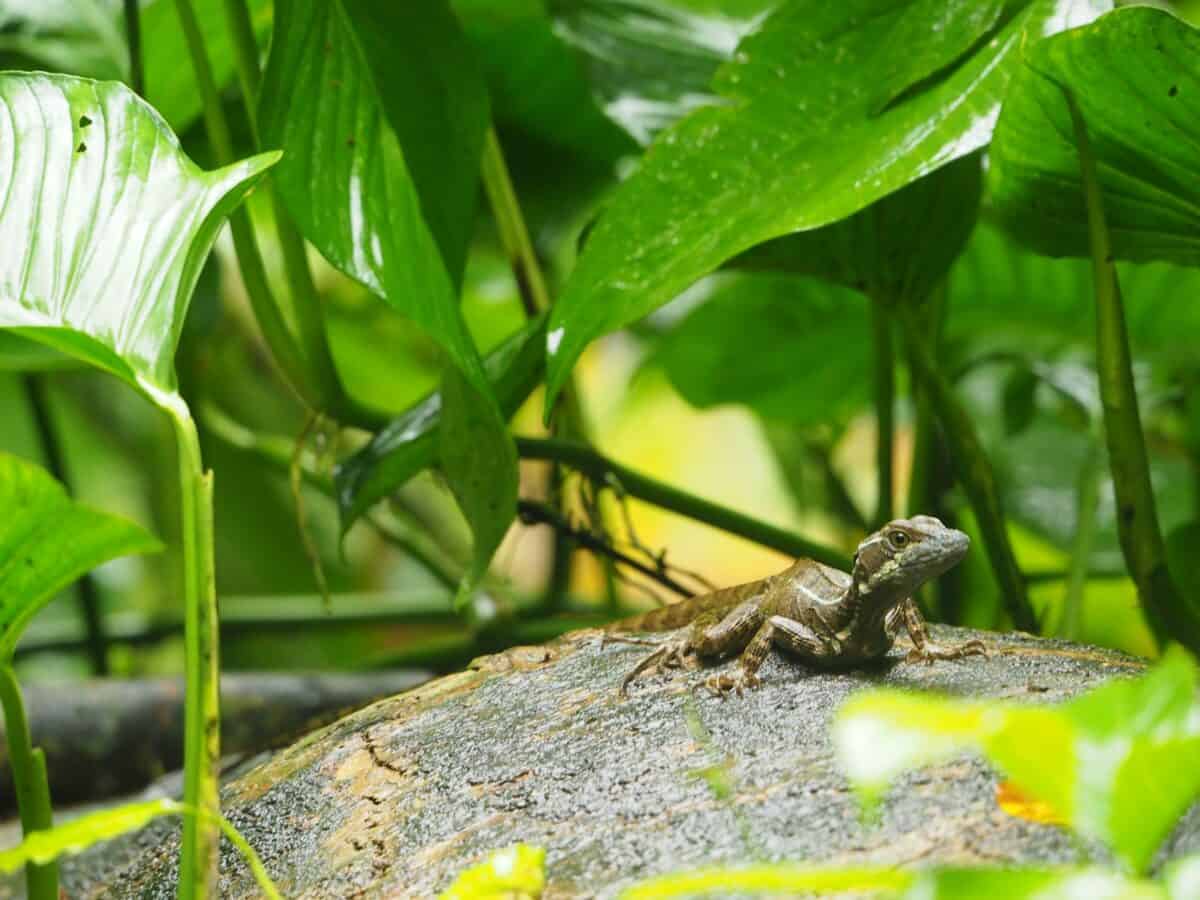
Amphibians and reptiles are experiencing alarming global declines, with 41% of amphibian species and 21% of reptile species threatened with extinction. These cold-blooded vertebrates face multiple challenges including habitat loss, climate change, disease, and pollution. Gardens can provide valuable sanctuary for these animals through thoughtful habitat creation. Garden ponds with gently sloping sides, native aquatic plants, and absence of fish can support endangered amphibians throughout their complex life cycles. Research has demonstrated that even small garden ponds can significantly increase amphibian abundance and diversity in urban and suburban landscapes, with some studies documenting up to seven different frog and salamander species utilizing properly designed garden ponds. For reptiles, gardens can incorporate rock piles, dry stone walls, or log stacks that provide crucial basking sites and hibernation locations. Leaving some areas of the garden unmowed with taller grass benefits both groups, providing hunting grounds and shelter. Perhaps most critically, chemical-free maintenance practices protect these animals with highly permeable skin that makes them particularly vulnerable to pesticides and fertilizers. Gardens that support amphibians and reptiles not only contribute to conservation but also benefit from natural pest control, as many of these species consume insects, slugs, and small rodents.
Small Mammals: From Hedgehogs to Bats

Small mammals face increasing challenges in fragmented landscapes, yet many species can thrive in garden environments when provided with appropriate habitat features. The European hedgehog, for example, has declined by more than 50% in rural Britain since 2000 but shows better population stability in urban and suburban gardens. Similarly, many bat species—of which over 25% are threatened globally—increasingly utilize gardens as natural habitats diminish. Creating garden sanctuaries for these mammals involves several key elements. Connectivity between gardens is crucial, achieved through small openings in fences or walls that allow hedgehogs and other ground-dwelling mammals to move between properties. Brush piles, log stacks, and dedicated mammal shelters provide daytime hiding spots and winter hibernation sites. For bats, gardens can incorporate night-scented flowers that attract the insects they feed on, while bat boxes mounted on trees or buildings offer alternative roosting sites. Water sources are essential for all mammals, while chemical-free management protects their food sources and prevents accumulation of toxins through the food chain. Research published in Mammal Review has shown that wildlife-friendly gardens can support up to 12 different mammal species, demonstrating their significant conservation potential. By welcoming these mammals, gardens not only contribute to biodiversity conservation but also benefit from natural pest control services these animals provide.
Endangered Plant Conservation in Gardens
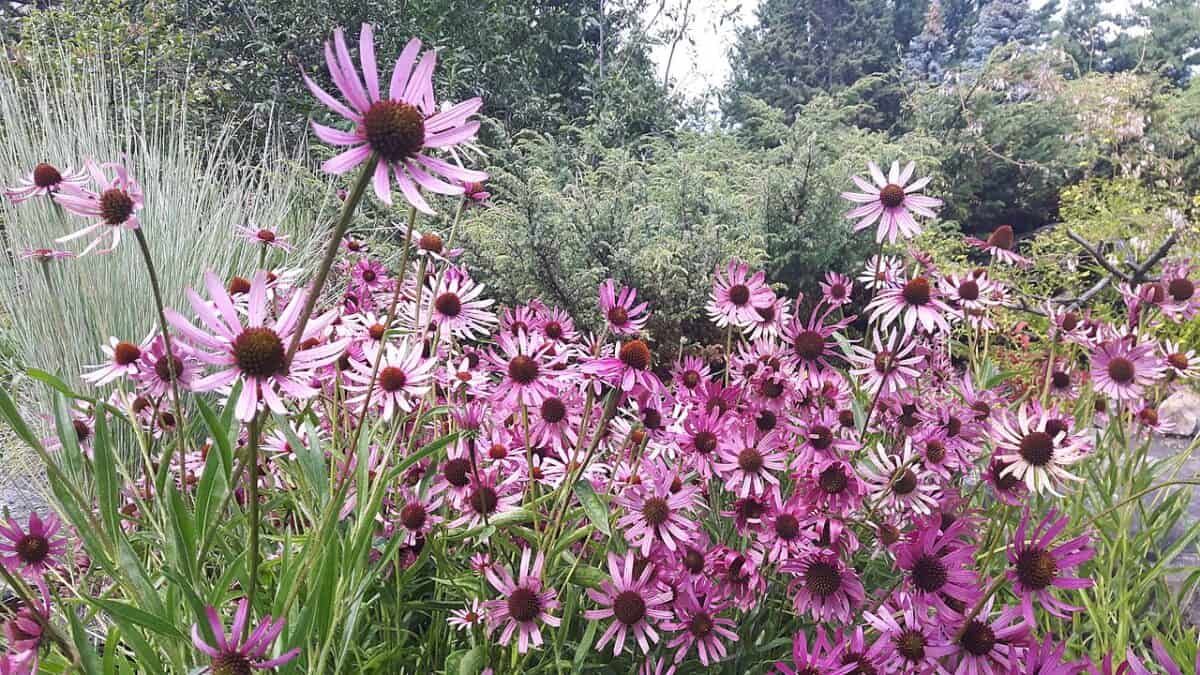
While animals often receive more attention in conservation discussions, plants face equally severe threats, with over 40% of known plant species at risk of extinction. Gardens have historically played a crucial role in plant conservation, serving as repositories for endangered species and genetic diversity. Today, this role is more important than ever. Botanical gardens worldwide collectively maintain over 10,000 threatened plant species—approximately one-third of all known threatened plants—in what scientists call “ex situ conservation.” Private and community gardens can participate in this conservation work by incorporating endangered native plants specific to their region. In North America, for example, garden cultivation of plants like the Tennessee coneflower (Echinacea tennesseensis) and Robbin’s cinquefoil (Potentilla robbinsiana) has contributed to their recovery and subsequent delisting from the Endangered Species Act. Beyond simply growing these plants, gardeners can contribute to conservation by collecting and sharing seeds through established seed-saving networks, participating in citizen science monitoring programs, and educating others about plant conservation. These efforts not only protect the plants themselves but also support the entire ecosystem of specialist pollinators and herbivores that depend on these specific plant species for survival.
Community and Public Gardens: Scaling Up Conservation
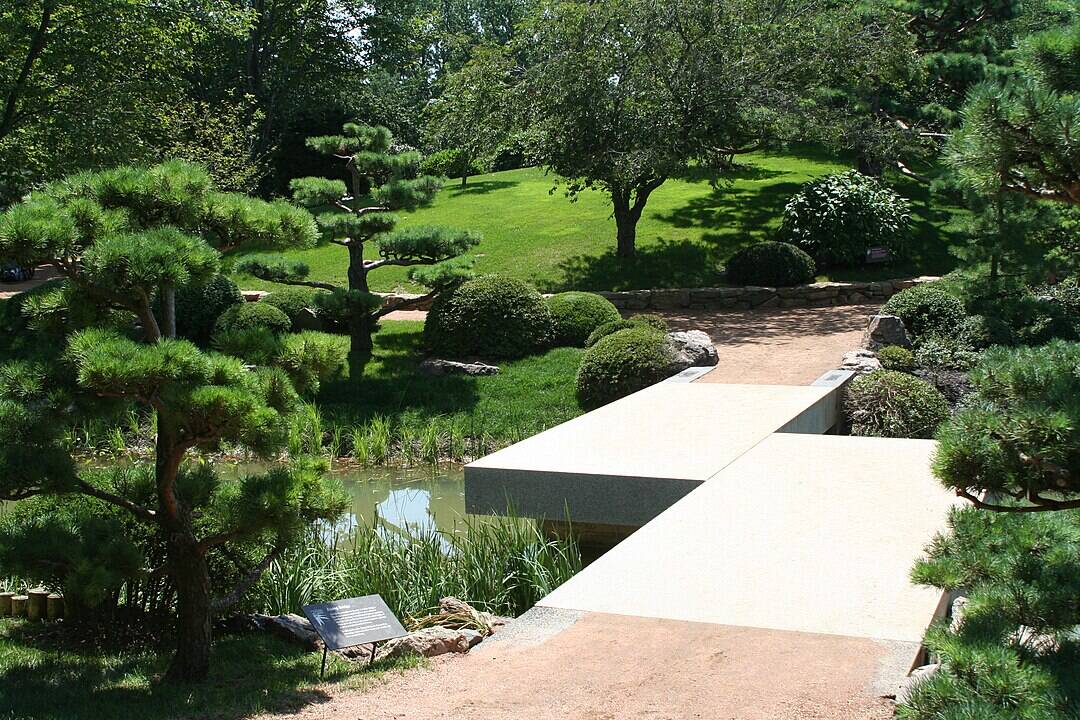
While individual home gardens contribute meaningfully to wildlife conservation, community and public gardens offer opportunities to scale these efforts. These larger shared spaces provide expanded habitat size, greater plant diversity, and increased community engagement. Community gardens in urban areas can transform ecological deserts into biodiversity hotspots, with studies showing increases of up to 30-50% in bird species richness and 60% in pollinator diversity compared to conventional urban spaces. Public gardens, including botanical gardens and arboretums, often combine significant land area with scientific expertise, making them particularly valuable for endangered species conservation. The Chicago Botanic Garden’s 385-acre campus, for instance, includes specialized habitats for endangered butterflies and native bees, while also maintaining endangered plant collections and conducting restoration research. Community-based conservation gardens also foster valuable human connections to nature, building public support for broader conservation initiatives. Research has demonstrated that people who participate in community garden projects show increased pro-environmental attitudes and behaviors. These communal spaces can incorporate educational elements like interpretive signage and structured programs that further amplify their conservation impact, ultimately creating conservation hubs that benefit both wildlife and people.
Certification Programs and Recognition for Wildlife Gardens

Several established programs offer certification and recognition for gardens that provide habitat for endangered and threatened wildlife, creating incentives and guidance for gardeners interested in conservation. The National Wildlife Federation’s Garden for Wildlife program, established in 1973, has certified over 250,000 wildlife habitats across the United States. To qualify, gardens must provide food, water, cover, and places for wildlife to raise young, while employing sustainable gardening practices. Similarly, the Xerces Society offers pollinator habitat certification that specifically recognizes gardens supporting endangered bees and butterflies. International programs include the Canadian Wildlife Federation’s Certified Wildlife Habitat program and the UK’s Wildlife Trusts’ Wildlife Garden certification. These certification programs offer multiple benefits: they provide structured frameworks for creating effective wildlife habitats, connect gardeners to resources and expertise, and create visible recognition that can inspire neighbors and visitors. Research published in Landscape and Urban Planning found that certified wildlife gardens supported significantly higher bird and butterfly diversity than non-certified gardens of similar size, demonstrating the efficacy of these programs. Furthermore, certified gardens collectively form networks of habitat patches that facilitate wildlife movement through developed landscapes, creating corridors that connect larger natural areas and enhance the overall conservation value of individual gardens.
Case Studies: Success Stories of Garden Conservation
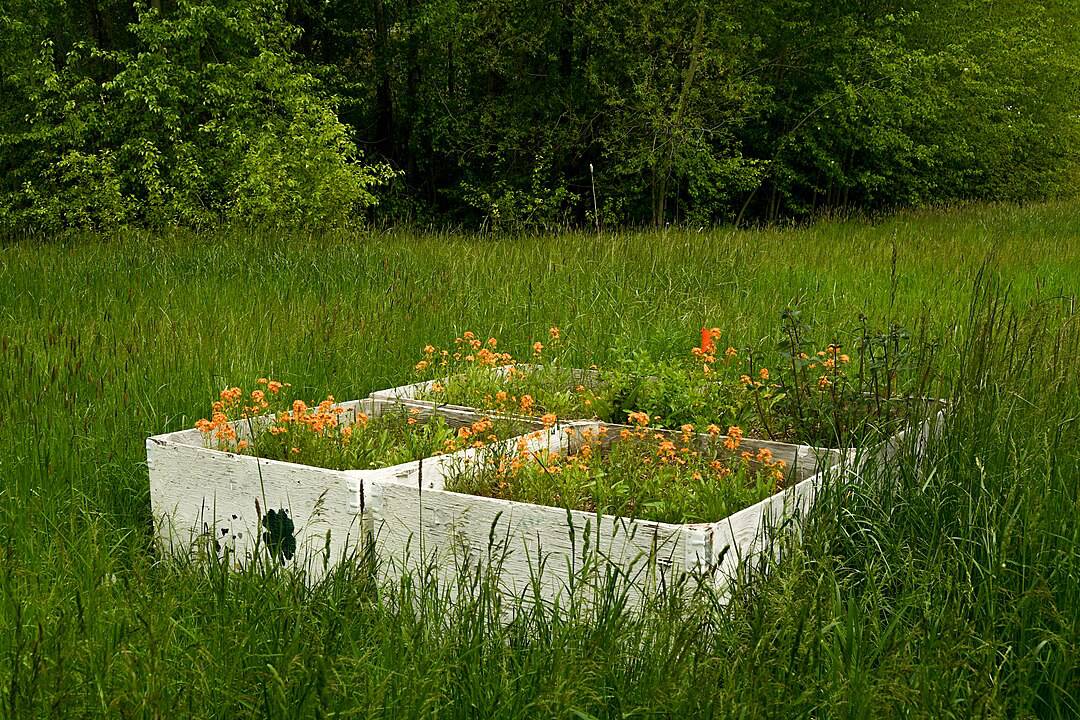
Concrete examples of successful garden-based conservation efforts provide both inspiration and practical models for replication. In Portland, Oregon, the Backyard Habitat Certification Program has engaged over 6,500 properties covering more than 1,500 acres, creating a network of habitats that has contributed to the recovery of species like the Western Bumble Bee and Slender-billed White-breasted Nuthatch. In the United Kingdom, the Hedgehog Street initiative has mobilized over 100,000 garden owners to create hedgehog highways between properties, helping to stabilize urban hedgehog populations even as rural populations continue to decline. The Million Pollinator Garden Challenge in the United States successfully registered 1,040,000 pollinator gardens between 2015 and 2018, creating over one million acres of habitat for endangered pollinators. On a smaller scale, individual stories abound—like the suburban San Francisco garden that now hosts a breeding population of endangered Mission Blue butterflies after the gardener incorporated the butterfly’s native lupine host plants. The Edith’s Checkerspot butterfly has similarly benefited from garden plantings of its host plant, Plantago erecta, in California gardens, helping to maintain populations of this threatened species. These success stories demonstrate that targeted garden interventions, especially when coordinated across multiple properties, can make meaningful contributions to species recovery and persistence.
Challenges and Limitations of Garden Conservation
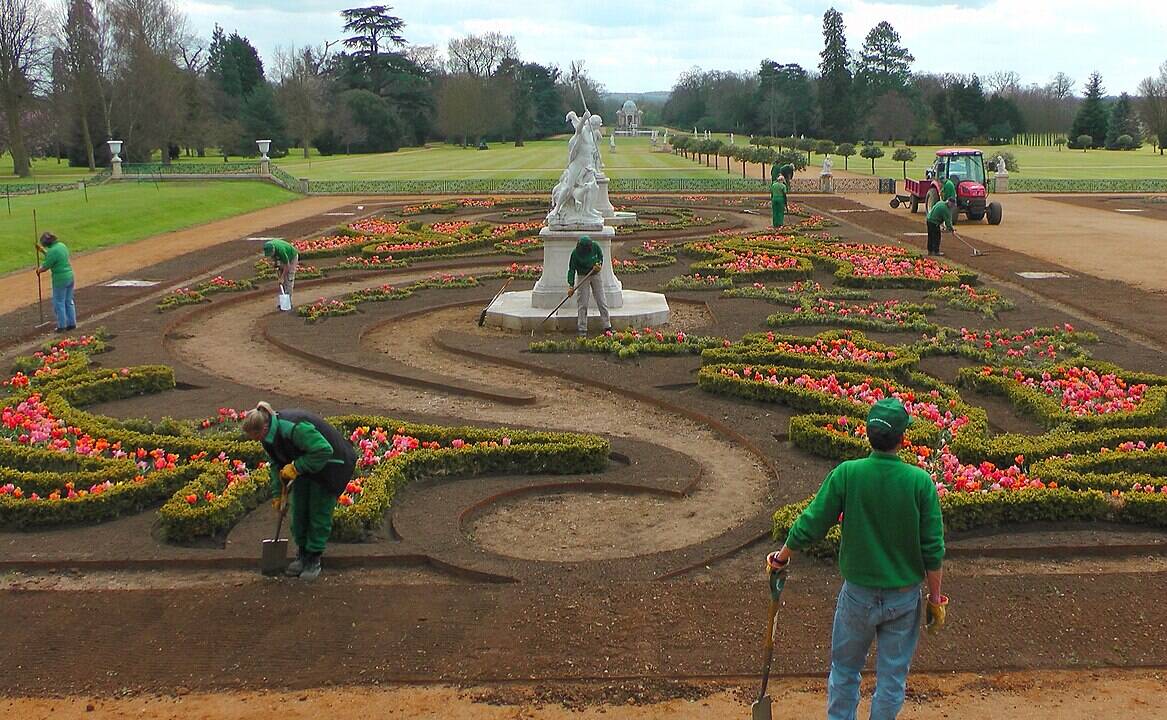
While gardens offer valuable conservation opportunities, it’s important to recognize their limitations and challenges. Gardens alone cannot replace the need for large protected natural areas, as some species require extensive territories or highly specific habitat conditions that cannot be replicated in garden settings. The fragmented nature of garden habitats poses challenges for species with limited mobility or those vulnerable to predation while moving between habitat patches. Gardens may also inadvertently create ecological traps—environments that attract wildlife but fail to provide all necessary resources for their survival, potentially reducing rather than enhancing fitness. There are practical challenges as well: sustaining garden habitats requires ongoing maintenance, and ownership changes can threaten habitat continuity. From a conservation science perspective, measuring the actual population-level impacts of garden habitats remains difficult, with limited long-term monitoring data available. Cultural and social barriers exist too, including aesthetic preferences for manicured landscapes and neighborhood regulations that restrict wildlife-friendly practices. Despite these limitations, gardens still offer meaningful conservation benefits, especially when these challenges are acknowledged and addressed through thoughtful design, community-level coordination, and integration with broader conservation strategies that protect and connect larger natural habitats.
Future Directions: Emerging Approaches in Garden Conservation
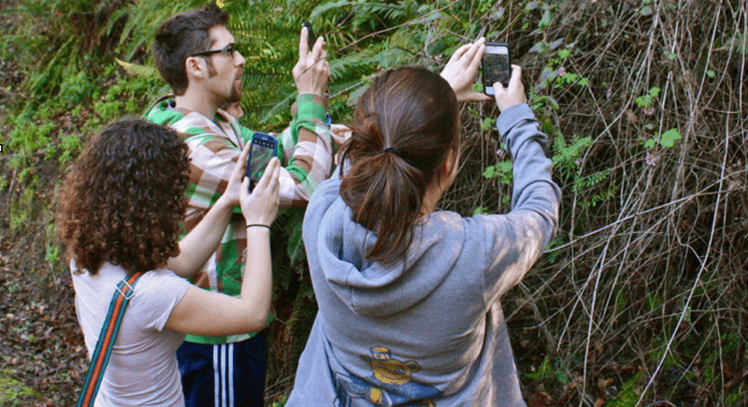
The field of garden-based conservation continues to evolve, with several promising directions emerging. Technological innovations are expanding possibilities—smartphone apps like iNaturalist allow gardeners to document garden biodiversity and contribute to scientific understanding, while garden planning software can now incorporate wildlife habitat components into design. Climate change adaptation is increasingly central to garden conservation, with efforts focusing on creating gardens that will support wildlife through changing conditions. This includes selecting plants with broader temperature tolerances, creating microclimate diversity, and emphasizing water conservation. Genetic considerations are gaining attention, with some programs now incorporating locally-sourced plant genetics to preserve regional adaptations and support co-evolved insect specialists. Connectivity planning has advanced beyond simple garden-to-garden connections to sophisticated wildlife corridor mapping that positions gardens as stepping stones between larger natural areas. Community science approaches are expanding, with gardeners contributing valuable data on wildlife populations, phenology changes, and conservation outcomes. Perhaps most promising is the growing integration of social and ecological research, recognizing that successful garden conservation requires understanding both ecosystem functions and human motivations. Organizations like the Ecological Landscape Alliance and the Native Plant Society are developing new models for knowledge exchange between scientists, conservation practitioners, and home gardeners, creating communities of practice that accelerate learning and implementation of effective conservation gardening.
Gardens represent a unique intersection of human creativity and natural processes, offering distinctive opportunities for conservation in human-dominated landscapes. When viewed individually, a single wildlife garden may seem insignificant against the scale of global biodiversity loss. However, when considered collectively, the millions of gardens worldwide represent a vast potential network of habitats that can meaningfully support endangered species. The true power of garden conservation lies in this cumulative effect—the aggregation of individual actions into landscape-scale impact. Research increasingly confirms that appropriately designed gardens can support surprising levels of biodiversity, including threatened and endangered species. Perhaps equally important is the human dimension of garden conservation, as these accessible spaces connect people directly to conservation outcomes, fostering ecological understanding and environmental stewardship. In our increasingly urbanized world, where many people have limited contact with natural systems, gardens that shelter endangered wildlife create powerful opportunities for reconnection and engagement with biodiversity. As we face unprecedented conservation challenges, garden sanctuaries remind us that meaningful conservation can begin literally in our own backyards—one plant, one habitat feature, and one garden at a time.

- How Bearded Dragons Became a Top Choice for U.S. Families - August 15, 2026
- 10 Animals With Natural Armor - August 15, 2026
- 13 Unexpectedly Aggressive Animals - August 15, 2026