


In a world where human life expectancy hovers around 70-80 years, certain animals put our lifespans to shame with their remarkable longevity. From the ocean depths to remote forests, creatures with extraordinary biological adaptations have evolved to survive for decades, centuries, and in some cases, potentially millennia. These long-lived animals challenge our understanding of aging and mortality, serving as subjects of intensive scientific research into senescence and age-related diseases. This article explores the 14 longest-living animals ever documented, examining not just their impressive lifespans but also the evolutionary advantages and unique biological mechanisms that allow them to endure for such extraordinary periods.
Greenland Shark The Ocean’s Ancient Wanderer

The Greenland shark (Somniosus microcephalus) holds the title for the longest-living vertebrate on Earth, with scientists estimating these elusive creatures can live for 400 years or more. In 2016, researchers used radiocarbon dating of eye lens proteins to determine that one specimen was approximately 392 years old, with a potential age range between 272 and 512 years. These slow-growing sharks add merely 1 centimeter to their length annually, reaching sexual maturity only after more than a century of life—around 150 years. Their extraordinary longevity appears connected to their extremely slow metabolism, a necessity for survival in the frigid Arctic and North Atlantic waters where temperatures often hover just above freezing. The Greenland shark’s tissues contain high levels of trimethylamine N-oxide (TMAO), a natural antifreeze that prevents their cells from freezing in extreme cold, potentially contributing to their remarkable lifespans.
Ocean Quahog The Millennial Mollusk

The ocean quahog (Arctica islandica), a species of edible clam, has earned its place among the longest-living organisms on the planet. In 2006, scientists discovered a specimen off the coast of Iceland that was an astounding 507 years old, which they nicknamed “Ming” after the Chinese dynasty that was ruling when it was born around 1499. Scientists determine the age of these bivalves by counting growth rings on their shells, similar to dating trees by their rings. Ocean quahogs can enter a hibernation-like state during adverse conditions, slowing their metabolism dramatically and potentially contributing to their extraordinary longevity. These clams also demonstrate exceptional resistance to oxidative stress—damage caused by free radicals—which is believed to be a significant factor in their ability to live for centuries. Their shells grow thicker with age, providing increased protection from predators and further enhancing their survival prospects in the harsh marine environment.
Bowhead Whale The Arctic Giant

Bowhead whales (Balaena mysticetus) are remarkable not only for their massive size—they can reach lengths of up to 60 feet and weigh 100 tons—but also for their extraordinary lifespans. Researchers have documented bowheads living beyond 200 years, with traditional knowledge from indigenous whalers supporting these estimates. The longevity of these marine mammals was dramatically confirmed when aboriginal hunters discovered ancient harpoon points from the 1880s embedded in the blubber of recently harvested whales, indicating the animals had survived encounters with whalers more than a century earlier. Scientists believe bowhead whales’ longevity is connected to their extremely efficient DNA repair mechanisms and low body temperature, which may slow cellular aging. Their Arctic habitat, while harsh, keeps their massive bodies from overheating, potentially reducing metabolic stress. Additionally, these whales have evolved specialized immune systems that prevent cancer, a significant cause of mortality in many large mammals, allowing them to maintain healthy cell division over their two-century lifespans.
Galapagos Giant Tortoise Darwin’s Long-Lived Legacy
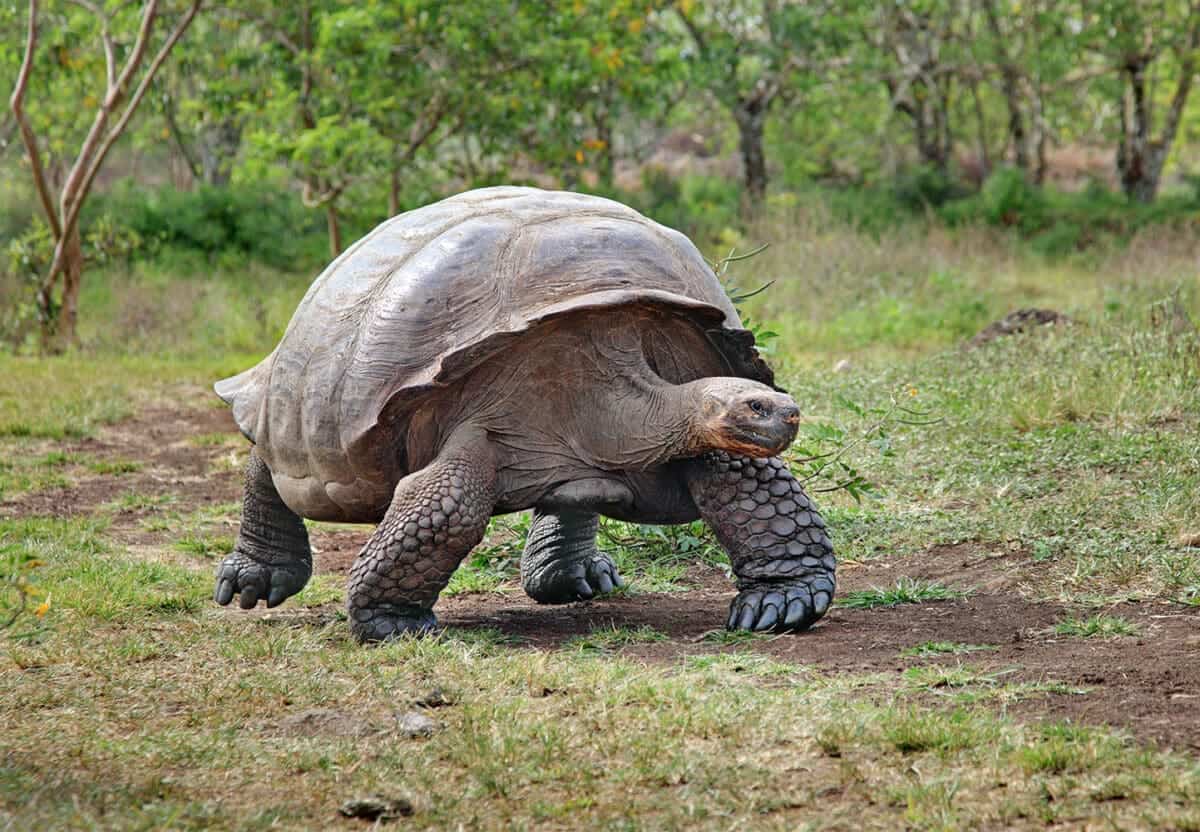
The Galapagos giant tortoise (Chelonoidis nigra) has become synonymous with longevity in the animal kingdom. These gentle giants routinely live beyond 100 years, with the longest documented lifespan being approximately 175 years. Perhaps the most famous individual was Lonesome George, the last of the Pinta Island subspecies, who died in 2012 at an estimated age of over 100 years. The secret to their longevity appears multifaceted, involving slow metabolic rates, efficient use of limited resources, and remarkable biological maintenance systems. Their cells show enhanced resistance to oxidative damage and demonstrate extraordinary abilities to repair DNA damage. The tortoises’ slow growth, late sexual maturity (around 20-25 years), and extended reproductive lifespan (potentially 100+ years) are all adaptations that contribute to their place among the longest-living land animals. Additionally, their thick, protective shells serve not only as defense against predators but also as calcium reservoirs, helping them survive extended periods of drought or food scarcity in their arid Galapagos environment.
Aldabra Giant Tortoise The Indian Ocean Centenarian

The Aldabra giant tortoise (Aldabrachelys gigantea) rivals its Galapagos cousin in longevity, with individuals frequently exceeding 100 years of age. The most famous specimen was Jonathan, an Aldabra giant tortoise living on the island of St. Helena, who is estimated to have hatched around 1832, making him potentially 190+ years old as of recent documentation—the oldest living land animal known to science. These tortoises’ exceptional lifespans stem from their exceptionally slow metabolism, which allows them to survive on limited resources. Their bodies are remarkably efficient at cellular maintenance, with extraordinary resistance to cancer and age-related diseases. Despite their slow pace of life, Aldabra tortoises remain sexually active well into their second century. Scientists have noted that these tortoises show almost no signs of age-related health decline until very late in life, a phenomenon called “negligible senescence” that makes them valuable subjects for research into human aging and longevity. Their environment on isolated Indian Ocean islands has few predators, allowing natural selection to favor extremely long lifespans rather than rapid reproduction.
Tuatara The Living Fossil

The tuatara (Sphenodon punctatus) is often called a living fossil, as it is the last surviving member of an order of reptiles that flourished during the age of dinosaurs. Native only to New Zealand, these remarkable reptiles can live well beyond 100 years, with some specimens estimated to reach 200 years of age. Unlike most reptiles, tuataras continue growing throughout their lives, albeit at an extremely slow rate after reaching maturity at around 20 years. Their extraordinary longevity is attributed to several factors, including a remarkably slow metabolism—their body temperature can drop to 41°F (5°C) during winter months, the lowest of any reptile that remains active. Tuataras possess unique adaptations, including a primitive third eye (the parietal eye) on the top of their head, which while not used for vision, helps regulate circadian rhythms and vitamin D synthesis. Their extraordinarily slow reproductive rate—females lay eggs only once every 2-5 years—and late sexual maturity (15-20 years) are classic traits of extremely long-lived species, following the evolutionary principle that organisms that reproduce slowly often have longer natural lifespans.
Red Sea Urchin The Immortal Spiny Survivor

The red sea urchin (Strongylocentrotus franciscanus) demonstrates remarkable longevity among marine invertebrates, with documented lifespans exceeding 200 years. These spiny creatures show few signs of aging or deterioration as they grow older, exhibiting a phenomenon scientists call “negligible senescence.” Unlike many organisms, red sea urchins don’t experience declining fertility or increased mortality rates with age. Their remarkable longevity appears connected to their ability to continuously regenerate damaged tissues and their robust defense against oxidative stress, a major contributor to aging. These urchins grow very slowly, especially after reaching adulthood, and their growth can almost completely halt during food scarcity, allowing them to survive unfavorable conditions. The oldest documented specimens have been found in the Pacific Northwest of North America, where the cold, nutrient-rich waters support their extended lifespans. Scientists study these remarkably durable echinoderms to better understand the biological mechanisms that might help combat human aging, as their cells appear to resist the telomere shortening that typically limits cell division in most other organisms.
Rougheye Rockfish The Centenarian of the Deep

The rougheye rockfish (Sebastes aleutianus) is among the longest-living fish species, with verified specimens reaching 205 years of age. Found in the cold, deep waters of the North Pacific, these slow-growing fish have adapted to environments where resources are limited but stable. Scientists determine their age by examining growth rings in their ear bones (otoliths), similar to counting tree rings. The rougheye rockfish’s exceptional longevity may be attributed to several factors, including their deep-water habitat where stable, cold temperatures slow metabolic processes and reduce oxidative stress. These fish demonstrate extremely slow growth rates and late sexual maturity, typically not reproducing until they’re 20-25 years old. Unlike many fish species that release millions of eggs, rougheye rockfish are ovoviviparous, meaning females retain fertilized eggs inside their bodies until they develop into larvae, investing more energy in fewer, more viable offspring. This reproductive strategy typically correlates with longer lifespans. Their extraordinary longevity poses conservation challenges, as their slow reproduction rates make populations vulnerable to overfishing, potentially requiring decades or even centuries to recover from population declines.
Lake Sturgeon The Freshwater Methuselah

Lake sturgeon (Acipenser fulvescens), prehistoric-looking fish native to North America’s Great Lakes and river systems, can live extraordinarily long lives, with documented specimens reaching 150+ years. These ancient fish have remained virtually unchanged for more than 150 million years, earning them the nickname “living fossils.” Their impressive lifespans are complemented by their massive size—they can grow to over 7 feet long and weigh more than 300 pounds. Lake sturgeon demonstrate extremely late sexual maturity, with females not reproducing until 20-25 years of age and then only spawning once every 4-6 years. Males mature slightly earlier but still take 8-12 years before first reproduction. This delayed reproductive strategy is a classic indicator of a species evolved for longevity. Their long lives may also be connected to their relatively low metabolic rates and their ability to thrive in cold, oxygen-rich waters where cellular aging processes occur more slowly. Unfortunately, these magnificent fish face significant conservation challenges due to historical overharvesting for their eggs (caviar) and habitat destruction, with their slow reproduction making population recovery particularly difficult despite their potential to live for more than a century.
Koi Fish The Colorful Centenarians
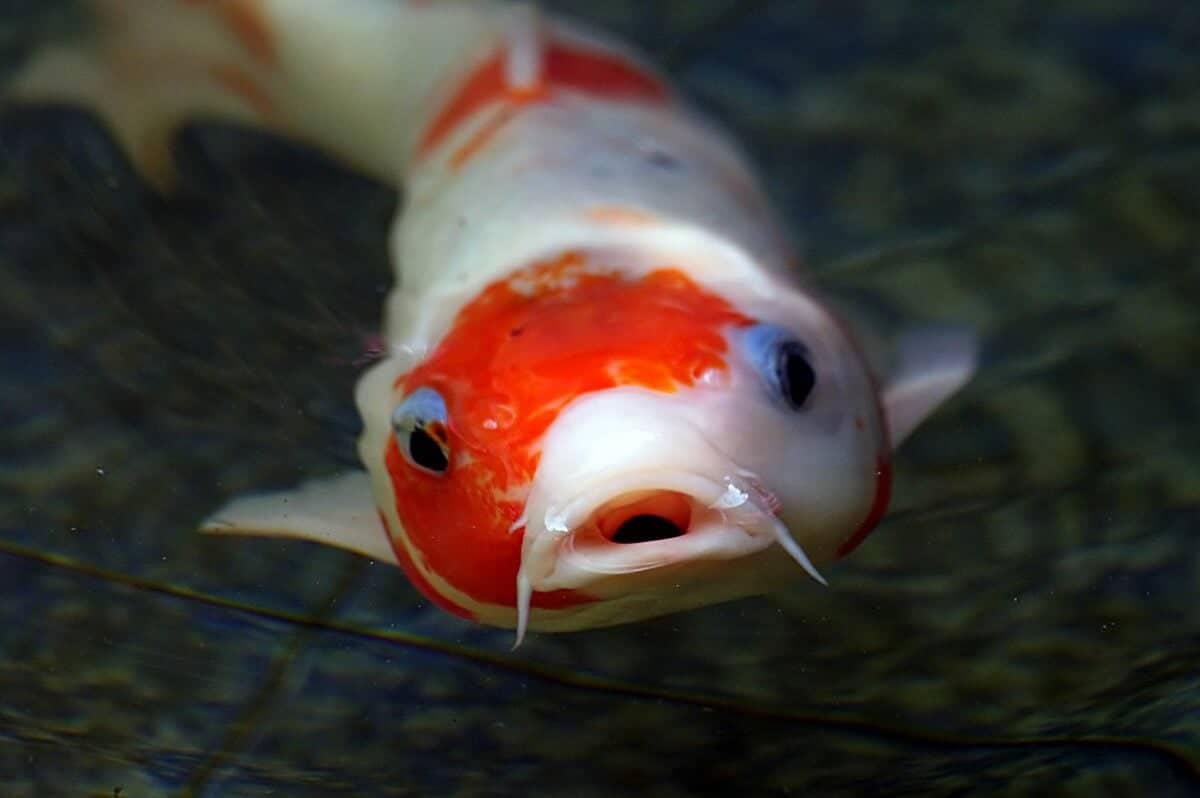
Koi fish (Cyprinus carpio), the ornamental varieties of common carp, are renowned not only for their vibrant colors and cultural significance but also for their remarkable longevity. While typical koi in garden ponds might live 20-30 years, exceptional specimens in optimal conditions have been documented living well beyond a century. The most famous example was a scarlet koi named Hanako from Japan, whose age was verified at 226 years through scientific examination of her scales when she died in 1977. Koi achieve such extraordinary lifespans through a combination of selective breeding for longevity, excellent care, and their inherent biological adaptations. Unlike many fish species, koi continue growing throughout their lives, albeit at progressively slower rates. They possess remarkable adaptability to various water conditions and can lower their metabolism dramatically during winter months, potentially reducing cumulative cellular damage over time. Koi demonstrate impressive immune function well into old age and show resistance to many common fish diseases. These ornamental fish have been selectively bred in Japan for aesthetic qualities for over 1,000 years, with longevity becoming a valued trait among serious koi keepers who often pass prized specimens down through multiple generations of their families.
African Elephant The Long-Lived Land Giant

African elephants (Loxodonta africana) stand as the longest-living land mammals after humans, with well-documented lifespans reaching 70 years in the wild. These magnificent creatures embody slow-paced development, with calves dependent on their mothers for years and females not reaching sexual maturity until 10-12 years of age. The oldest reliably documented wild African elephant was a female named Tyrima who died at approximately 75 years old in Kenya’s Amboseli National Park. Elephants’ longevity correlates with their extraordinary brain development, which continues well into their 30s and 40s, allowing them to accumulate vast ecological knowledge that benefits their herds. Their remarkable memory—literally “elephant memory”—serves crucial survival functions, helping matriarchs recall the locations of seasonal water sources or dangerous areas even after decades. Elephants exhibit several hallmarks of long-lived species, including extensive parental investment, complex social structures, and relatively few offspring (usually just 4-5 calves in a lifetime) receiving intensive care. Remarkably, female elephants remain fertile for most of their lives, with documented cases of elephants successfully reproducing into their 60s, challenging the mammalian pattern of reproductive senescence seen in most other long-lived species.
Macaw The Colorful Centenarian

Macaws, particularly the larger species like the Hyacinth Macaw (Anodorhynchus hyacinthinus) and Scarlet Macaw (Ara macao), demonstrate exceptional longevity among birds, with well-documented lifespans exceeding 50 years in the wild and some captive individuals surviving beyond 80-100 years. These magnificent parrots combine their striking plumage with cognitive abilities comparable to those of a 3-5 year old human child. Their extraordinary lifespans correlate with their slow development—macaws typically don’t reach sexual maturity until 3-5 years of age, and pairs often bond for life. Several biological adaptations contribute to their longevity, including efficient respiratory systems that effectively manage oxidative stress, robust immune functions, and remarkably efficient digestive systems that extract maximum nutrition from their varied diet of nuts, fruits, and seeds. A famous example of macaw longevity was “Charlie,” a blue and gold macaw reportedly owned by Winston Churchill, who lived to be 114 years old. While the Churchill connection has been disputed, Charlie’s exceptional age was well-documented. Macaws’ impressive lifespans demand significant consideration from potential owners, as these birds often outlive their caretakers, requiring provisions in wills and estate planning to ensure proper care throughout their lives.
Immortal Jellyfish The Animal That Cheats Death

The immortal jellyfish (Turritopsis dohrnii) represents perhaps the most extraordinary case of longevity in the animal kingdom, as it has developed the remarkable ability to theoretically live forever through cellular transdifferentiation. Unlike virtually all other animals, when faced with environmental stress, physical damage, or even natural aging, this tiny jellyfish (typically only 4-5mm across) can revert from its mature medusa state back to its juvenile polyp stage—essentially hitting a biological reset button on its life cycle. This process, scientifically termed transdifferentiation, involves mature specialized cells transforming into different cell types entirely, allowing the jellyfish to start its life cycle anew. While predation and disease still limit individual specimens’ survival in the wild, this biological immortality means a single T. dohrnii could potentially cycle between its life stages indefinitely if environmental conditions permitted. First discovered in the Mediterranean in the 1880s but only recognized for its immortal properties in the 1990s, these jellyfish have now spread throughout the world’s oceans. Scientists are intensively studying the immortal jellyfish’s unique cellular mechanisms, hoping to gain insights into human aging, cancer research, and regenerative medicine, as understanding how these creatures can essentially turn back their biological clocks could revolutionize our approach to age-related diseases.
Conclusion:

The astonishing longevity of these animals—from the 400-year-old Greenland shark to the potentially immortal jellyfish and 10,000-year-old glass sponge—highlights the incredible diversity of life’s strategies for defying time. Each species achieves its extended lifespan through unique adaptations: slow metabolism, resistance to disease, regenerative capabilities, and evolutionary trade-offs like delayed reproduction. Studying these biological outliers not only deepens our understanding of aging but also holds potential insights for improving human health and longevity. As science continues to unlock the secrets of these time-defying creatures, they remind us that the natural world holds powerful lessons in resilience, adaptation, and the possibilities of life far beyond our own human limits.

As a little kid, I fell in love with nature, wildlife, and animals. Living in the USA, South Africa, Italy, China and Germany gave me the opportunity to discover the world's Wildlife. My favorite animals are Mountain Gorillas, Siberian Tigers, and Great White Sharks.
I'm a certified PADI Open Water Diver, went to Everest Base Camp and Trekked Gorillas in Uganda. I hold a Master of Science in Economics and Finance.
Please send any feedback to feedback@animalsaroundtheglobe.com
- Why the Great Barrier Reef Is the Best Place to Spot Sea Turtles - June 3, 2026
- 2 Animals With Super Sized Body Parts and What They are For - June 3, 2026
- Explore The Azores - June 3, 2026