


Across the animal kingdom, mothers employ remarkable strategies to prepare their offspring for survival on their own. From teaching essential hunting skills to establishing social structures, the maternal instinct to equip young ones for independence demonstrates one of nature’s most fundamental purposes. This intricate process varies dramatically across species, influenced by habitat requirements, predatory threats, and social dynamics. Whether through gradual instruction or seemingly harsh “tough love” approaches, animal mothers are masterful teachers, ensuring their offspring can thrive long after leaving maternal care. This article explores the fascinating methods animal mothers use to prepare their young for independence—providing an intimate glimpse into one of nature’s most fundamental relationships.
The Evolutionary Purpose of Maternal Training

The drive to prepare offspring for independence isn’t simply altruistic—it’s deeply embedded in evolutionary biology. Natural selection has favored maternal behaviors that maximize offspring survival rates, as this directly impacts a mother’s reproductive success. According to evolutionary biologists, species with longer periods of maternal care typically demonstrate more complex teaching behaviors, reflecting the advanced skills their young must master. This investment in offspring education represents an evolutionary trade-off: mothers dedicate significant energy to fewer offspring rather than producing many with minimal support. Research from the University of Oxford shows that species with extended maternal training periods typically produce fewer offspring but enjoy higher survival rates, demonstrating that quality of parenting often trumps quantity of offspring in evolutionary success metrics.
Big Cat Mothers: Masters of Hunting Instruction

Lion, tiger, and cheetah mothers exemplify some of nature’s most methodical teaching approaches. These big cat mothers guide their cubs through a carefully structured hunting curriculum that typically spans 1-2 years. The process begins with mothers bringing home already-killed prey for their cubs to examine. As cubs develop, mothers progress to bringing injured prey that can’t escape, allowing cubs to practice the killing bite in a controlled setting. When cubs reach about nine months of age, mothers demonstrate hunting techniques in slow motion, exaggerating stalking movements and attack positions. Finally, mothers take cubs on guided hunts, allowing them to participate while providing backup support. Research from the Serengeti Lion Project has documented that cubs who complete this full training regimen have a 50% higher survival rate during their first year of independence compared to orphaned cubs who must teach themselves.
Marine Mammal Education: Navigating Ocean Challenges

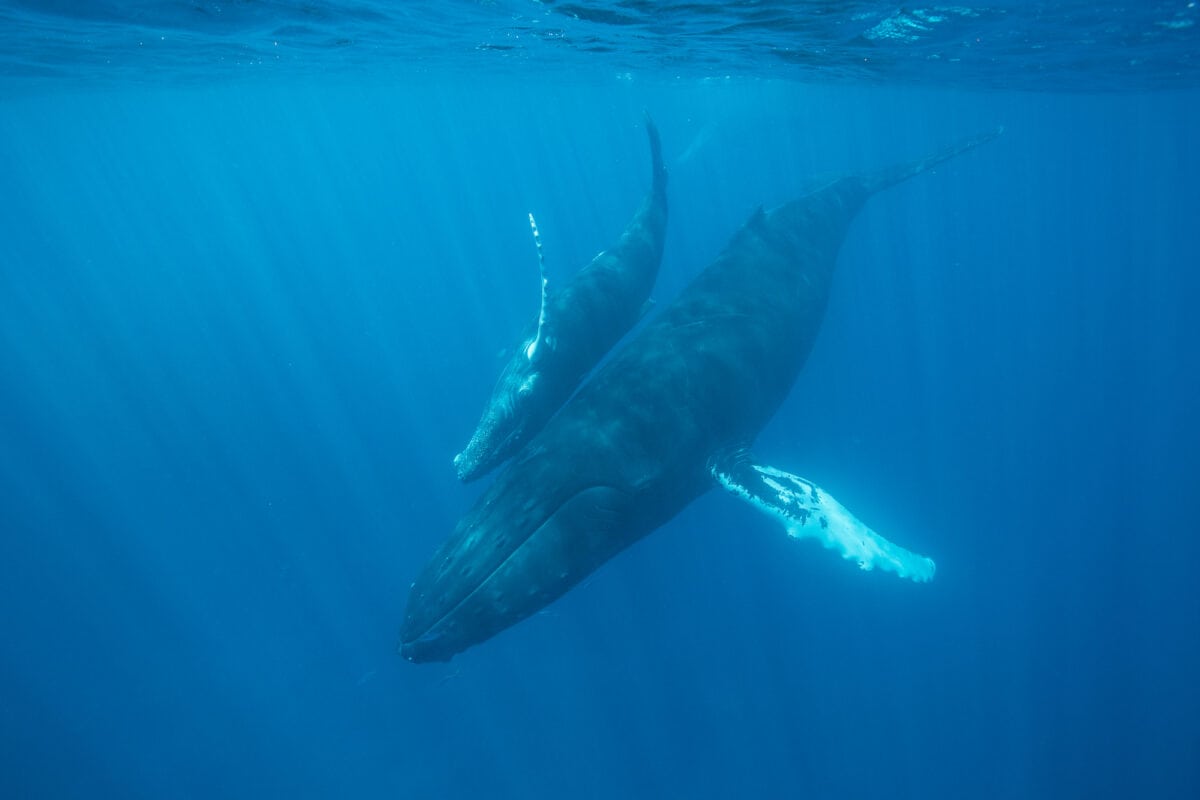
Dolphin, whale, and orca mothers face the complex task of teaching navigation, hunting techniques, and pod communication protocols. Dolphin calves stay with their mothers for up to six years, learning sophisticated echolocation skills and hunting strategies specific to their pod’s traditional feeding grounds. Orca matriarchs are particularly remarkable teachers, with some pods developing highly specialized hunting techniques passed down through generations. In transient orca pods that hunt marine mammals, mothers teach a risky but effective technique for catching seals on beaches by intentionally beaching themselves momentarily. Researchers from the Center for Whale Research have documented mothers deliberately slowing down successful hunting techniques when teaching calves, a form of instructional scaffolding that appears to facilitate better learning. These marine mammals demonstrate that cultural knowledge transmission—not just instinct—plays a crucial role in preparing young for independence.
Tough Love: Pushing Young Birds From the Nest
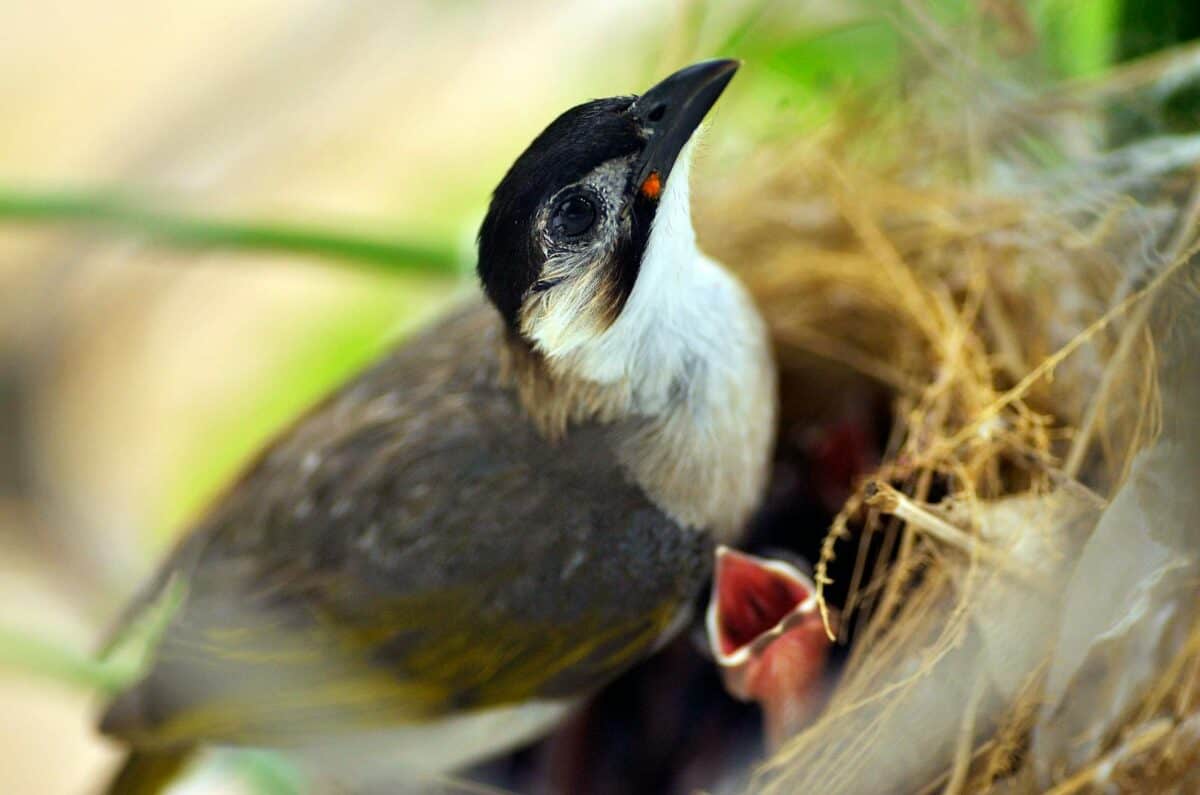
Bird mothers are perhaps the most iconic practitioners of what humans might call “tough love” in preparing offspring for independence. For many bird species, the final step in development involves mothers actively pushing reluctant fledglings from the nest, forcing them to attempt flight. Eagle mothers are particularly known for this approach, sometimes withholding food to motivate fledglings to fly to feeding areas. This seemingly harsh approach is actually carefully timed to coincide with sufficient wing strength development. Ornithologists have observed that bird mothers don’t abandon their young after pushing them from the nest; rather, they continue offering protection and supplemental feeding during a transitional period. Research from Cornell University’s Ornithology Lab indicates that birds that fledge naturally through maternal encouragement develop stronger flight muscles and better navigation skills than those that leave the nest too early due to predator disturbance, demonstrating the biological wisdom behind this approach.
Primate Motherhood: Complex Social Skills Training
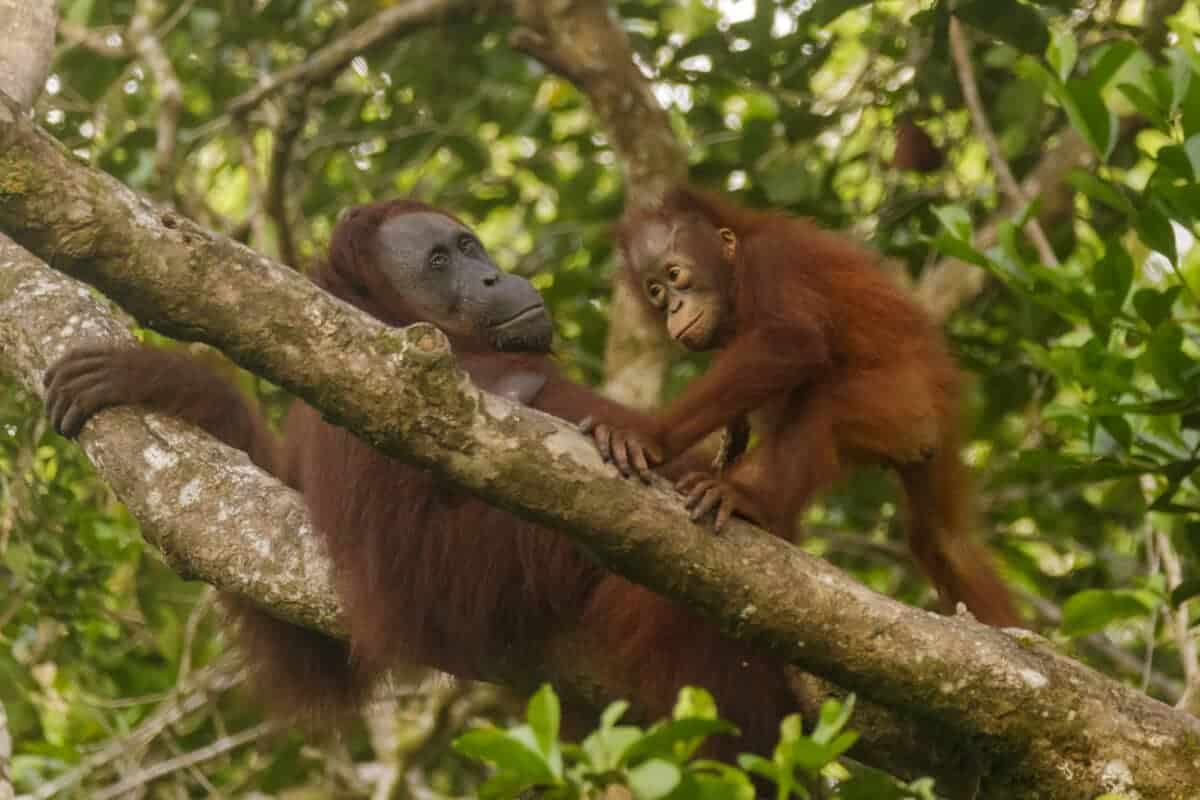
Primate mothers, our closest evolutionary relatives, engage in some of the most sophisticated offspring training observed in the animal kingdom. Chimpanzee, gorilla, and orangutan mothers not only teach practical survival skills but also complex social dynamics crucial for group living. Chimpanzee mothers have been observed teaching tool use for termite fishing and nut cracking, with distinct regional variations that constitute true cultural transmission. Particularly fascinating is how primate mothers gradually withdraw assistance as their young demonstrate mastery. Primatologists from the Jane Goodall Institute have documented that chimpanzee mothers will demonstrate a technique, then hand the tools to their offspring, offering correction only when necessary. Beyond practical skills, primate mothers actively socialize their young by facilitating appropriate interactions with group members of various ranks, teaching the intricate social hierarchies that determine access to resources and mates in primate societies.
Marsupial Methods: Pouch-Based Education
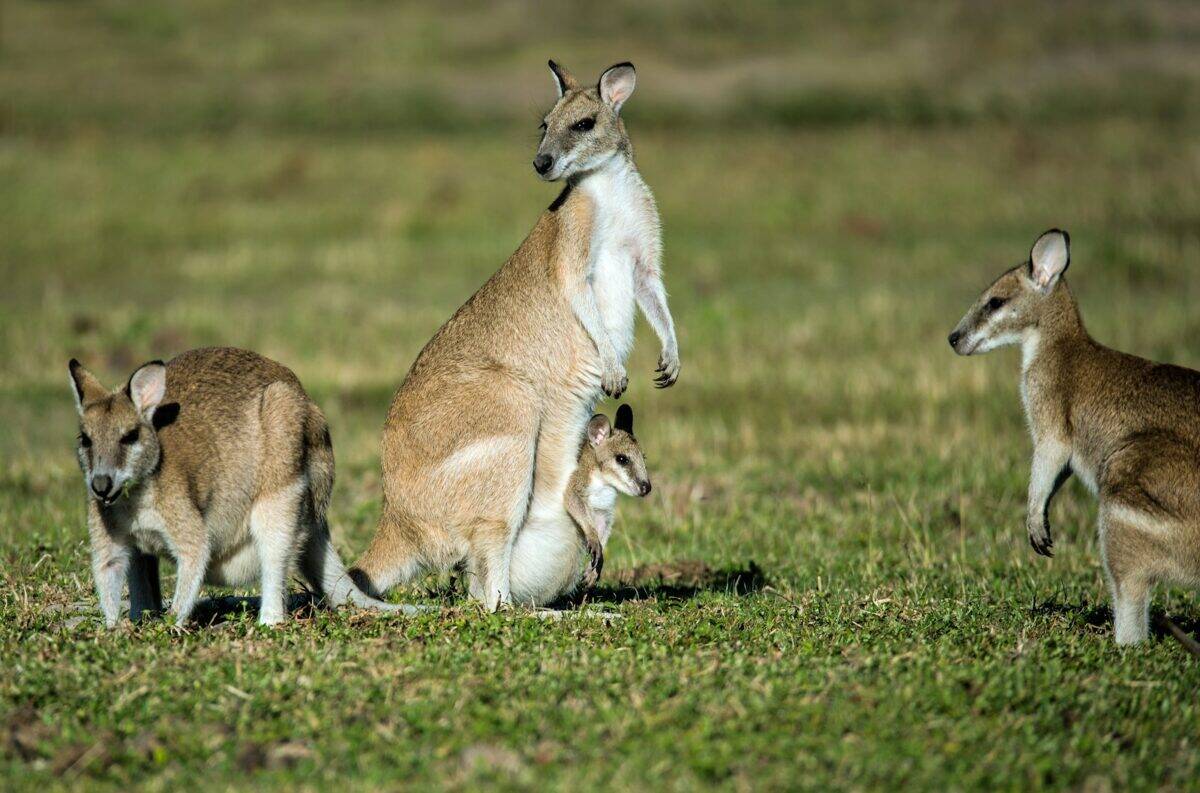
Kangaroo, wallaby, and koala mothers represent a unique educational approach linked to their marsupial biology. Young joeys remain in the pouch for extended periods (up to 18 months in some species), gradually venturing out for increasingly longer periods while maintaining the pouch as a safe refuge. This creates a natural “home base” learning system where joeys can explore independently and retreat to safety as needed. Researchers from the Australian Wildlife Conservancy have observed that kangaroo mothers initially control their joeys’ exploration by retrieving them back to the pouch if they venture too far, gradually extending the allowable exploration radius as joeys develop. During this transitional period, joeys learn critical skills like identifying safe food sources, recognizing predator warning signs, and navigating territory boundaries. By the time joeys are permanently out of the pouch, they’ve already mastered most essential survival skills through this graduated independence training approach.
Insect Architects: Preparing the Next Generation Indirectly

While many insects never meet their offspring, certain species demonstrate remarkable maternal preparation for their young’s independence. Leaf-cutter ants, digger wasps, and certain beetle species create elaborate architectural provisions to support offspring they’ll never see. The digger wasp, for instance, constructs complex underground chambers stocked with paralyzed prey precisely measured to sustain larval development until adulthood. Entomologists from the University of California have found that these mothers encode remarkable information in their nest construction—positioning prey in ways that guide hatching larvae on how to consume it efficiently, and designing exit tunnels that teach navigation skills. Even more fascinating are dung beetles that create perfectly shaped brood balls containing dung for nourishment and female-produced substances that inoculate larvae with gut bacteria essential for digestion. These insect mothers effectively create “programmed learning environments” that guide offspring development without direct interaction, demonstrating that maternal preparation for independence can occur even without direct teaching.
Reptilian Resilience: Independence from Birth

Most reptile mothers represent the opposite end of the parental investment spectrum, with minimal to no direct training for offspring. Sea turtles, most snakes, and many lizard species lay eggs in carefully selected locations and then depart, leaving hatchlings to navigate life independently from birth. However, this doesn’t mean these mothers don’t prepare their young. Herpetologists from the University of Florida have documented how sea turtle mothers encode critical navigational information through nest placement—the temperature of sand impacts sex determination, while distance from water creates a natural training ground for hatchlings to develop leg strength during their crucial first journey to the ocean. Similarly, some snake species influence their offspring’s hunting abilities by selecting egg deposition sites near suitable prey populations for newly hatched young. Even in these seemingly “hands-off” approaches, maternal instincts for site selection represent millions of years of evolutionary wisdom that indirectly prepares offspring for successful independent living.
Maternal Mentoring in Elephant Herds

Elephant maternal care represents one of the most extended and comprehensive educational systems in the animal kingdom. Calves remain under direct maternal and allomothering care (care from other herd females) for up to 16 years, learning through what resembles a structured apprenticeship system. Elephant mothers teach not only practical skills like trunk coordination for feeding and water access but also complex social rules and extended geographical knowledge. Research from the Amboseli Elephant Research Project has revealed that matriarchs—often grandmothers to young calves—hold critical survival knowledge including locations of distant water sources during droughts, recognition of dozens of other elephant family units, and assessment of potential threats. This information transfers gradually through observation and guided experience. Particularly remarkable is how elephant herds practice “graduated responsibility,” where adolescent females receive progressively more significant caretaking responsibilities for younger calves, effectively preparing them for future motherhood through direct experience under maternal supervision.
Wolf Pack Parenting: Cooperative Education
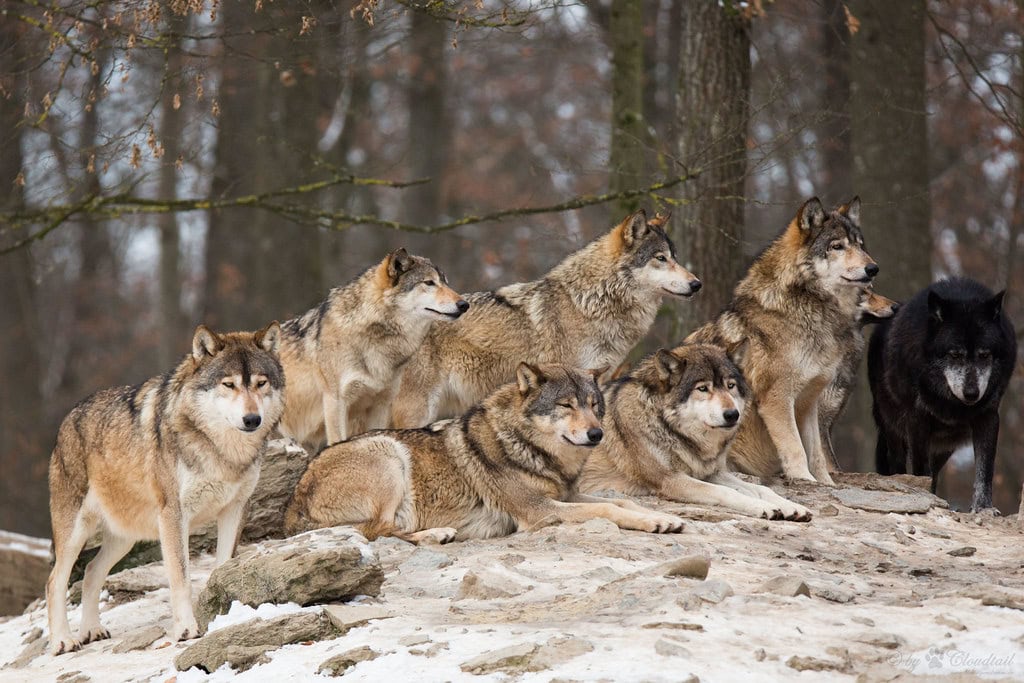
Wolf pups benefit from one of nature’s most sophisticated cooperative educational systems. While the mother wolf plays the primary nurturing role during the earliest weeks, the entire pack participates in educating young wolves through a structured integration process. Wolf biologists from the International Wolf Center have documented how adult pack members gradually include pups in increasingly complex pack activities. Beginning around 3 months of age, adult wolves demonstrate hunting techniques through elaborate play sessions that mimic hunting movements and pack coordination. As pups develop, they’re first allowed to follow hunting parties at a distance, then permitted to join the approach formation, and finally included in actual prey capture. Throughout this process, adults modulate their behavior to accommodate learning pups, sometimes deliberately slowing hunts or creating learning opportunities by corralling weakened prey. This cooperative educational approach ensures that wolf pups master not just hunting techniques but also the intricate social protocols that maintain pack cohesion—a critical survival factor for a species dependent on coordinated group action.
Oceanic Teaching: How Fish Mothers Prepare Offspring
The maternal preparations employed by fish species demonstrate remarkable diversity, from minimal investment to complex training systems. Certain cichlid species in the African Great Lakes provide some of the most sophisticated fish parenting observed. These mothers carry developing fry in their mouths for protection (mouthbrooding), but research from the University of Konstanz reveals they don’t simply release fully-developed fry. Instead, they implement a graduated independence system where fry are initially released to feed under supervision, then quickly retrieved into the mouth when danger threatens. This cycle repeats with increasingly longer “free swimming” periods until fry develop sufficient speed and predator recognition. Other fish species, like the smallmouth bass, demonstrate defense-focused parental investment, with mothers guarding fry aggressively against predators while allowing natural foraging to develop independently. These diverse approaches all serve the same ultimate purpose: maximizing offspring survival by protecting them during their most vulnerable developmental windows while ensuring they develop the independent feeding and predator-avoidance skills needed for adulthood.
Human Parallels: What Animal Mothers Teach Us

The diverse approaches to maternal education found throughout the animal kingdom offer fascinating parallels to human parenting philosophies. The graduated independence practiced by elephant herds mirrors contemporary child development approaches that emphasize progressive responsibility. The specialized skill transmission observed in chimpanzee mothers resembles apprenticeship models in human education. Perhaps most striking is how different species balance protection with independence training—a fundamental tension in human parenting as well. Developmental psychologists from Harvard University have noted that optimal human development appears to follow patterns similar to those seen in nature: protection during vulnerability combined with graduated challenges that build competence. As human parents navigate the complex landscape of raising independent children, nature’s diverse approaches offer valuable perspective. They remind us that independence training isn’t a uniform process but must be tailored to specific environments, challenges, and individual developmental timelines—a principle as relevant in human homes as it is in wolf dens, elephant herds, and chimpanzee communities.
The remarkable diversity of maternal approaches across the animal kingdom reveals a fundamental truth about preparing young for independence: successful development requires a careful balance between protection and freedom to explore. Whether through the extended apprenticeship of elephant calves, the graduated nest-leaving of fledgling birds, or the programmed learning environments created by insect mothers, nature has evolved countless strategies to navigate this delicate balance. What unites these varied approaches is their remarkable adaptation to each species’ particular survival challenges and developmental timeline. As human society continues studying these natural educational systems, we gain not only scientific insight into evolutionary biology but also perspective on our own parenting approaches. Perhaps the most profound lesson from animal mothers is the universal purpose behind their diverse methods: equipping the next generation with both the skills and confidence to thrive independently in an unpredictable world.

- 21 Scary Creatures You Might Run Into While Hiking In The U.S - June 3, 2026
- The Difference Between Turtles and Tortoises—Explained - June 3, 2026
- What Makes Owls the Silent Predators of the Night? - June 3, 2026