


In a remarkable paleontological discovery that has scientists buzzing with excitement, a well-preserved giant sloth skeleton was recently unearthed in central Florida. The find represents one of the most complete Eremotherium laurillardi specimens ever discovered in the state, offering new insights into these massive Ice Age mammals that once roamed the Americas. Standing potentially over 15 feet tall when reared up on its hind legs, this ancient creature would have dwarfed any modern-day land mammal in the Western Hemisphere. The discovery provides a fascinating glimpse into Florida’s prehistoric past and adds another significant chapter to our understanding of the megafauna that inhabited North America before their extinction approximately 10,000 years ago.
The Unexpected Discovery
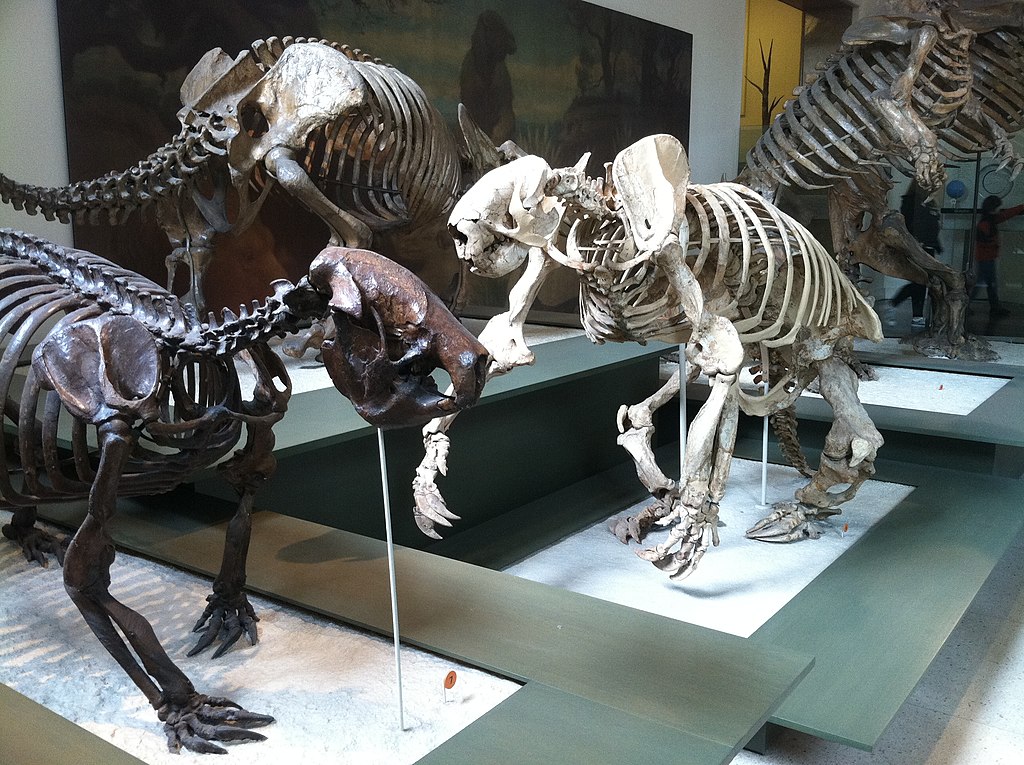
The remarkable find occurred during routine excavation work for a residential development project in Marion County, Florida. Construction workers were digging foundation trenches when they noticed large, unusual bones emerging from the sandy soil. Work was immediately halted, and experts from the Florida Museum of Natural History were called to the site. What initially appeared to be a few scattered remains quickly revealed itself as something much more significant – an almost complete skeleton of a giant ground sloth. This fortuitous discovery highlights how Florida’s rich paleontological history continues to reveal itself even in areas undergoing modern development.
Identifying the Ice Age Giant

Scientists have identified the skeleton as belonging to Eremotherium laurillardi, one of the largest species of giant ground sloths that lived during the Pleistocene epoch. This particular specimen appears to be an adult, estimated to have weighed between 4-5 tons when alive. The skeleton includes a remarkably well-preserved skull with teeth, most of the vertebral column, limb bones, and even delicate elements like ankle bones and claws that rarely survive in the fossil record. The completeness of the skeleton makes it an invaluable scientific resource, allowing researchers to study the animal’s anatomy in unprecedented detail.
Florida’s Rich Paleontological History

Florida has long been recognized as a treasure trove for paleontologists, particularly for Pleistocene megafauna remains. The state’s unique geological conditions, including numerous sinkholes, springs, and river deposits, create environments conducive to fossil preservation. Over decades, Florida has yielded remains of mastodons, mammoths, saber-toothed cats, and other giant sloths, but complete skeletons remain exceedingly rare. This recent discovery joins other significant finds like the Leisey Shell Pit fossils and the famous Vero Beach site in documenting Florida’s prehistoric ecosystem. The peninsula’s geography made it a vital habitat for many Ice Age species, with its warmer climate serving as a refuge during glacial periods.
The Life of Giant Ground Sloths

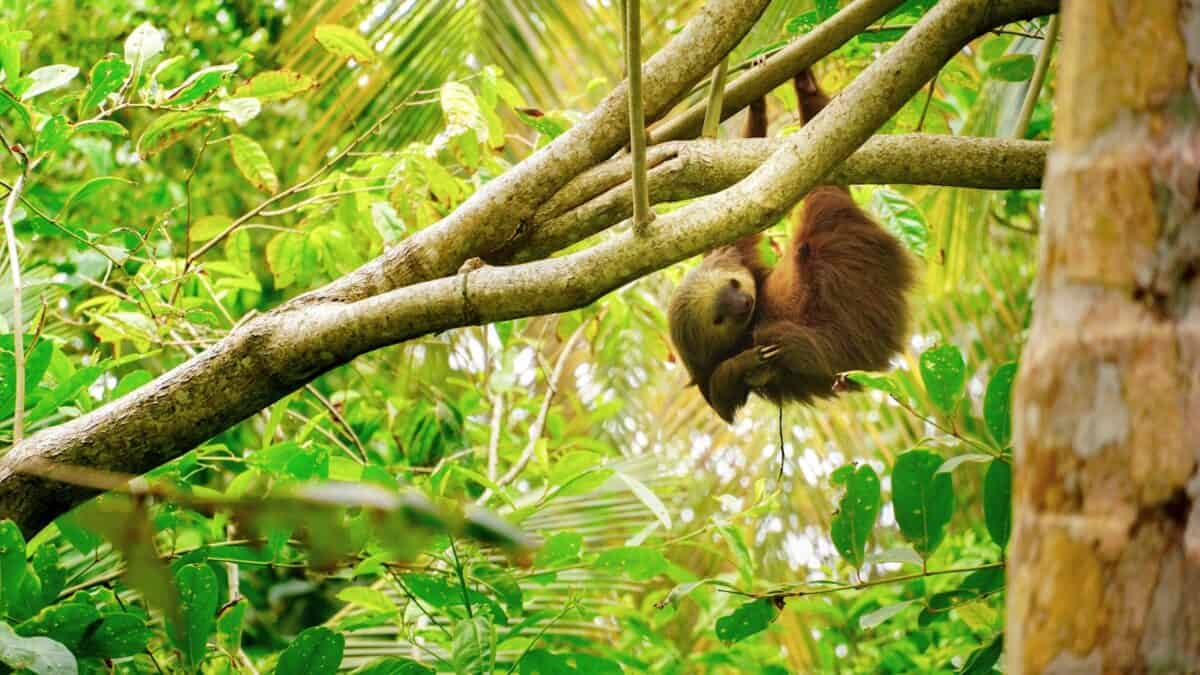
Unlike their modern tree-dwelling relatives, giant ground sloths were terrestrial behemoths that roamed across what is now the Americas. Eremotherium was among the largest, with some specimens reaching heights of over 15 feet when standing on their hind legs. These massive herbivores used their strong forelimbs and large claws not for hunting but for pulling down branches and digging for roots and tubers. Analysis of their teeth shows wear patterns consistent with browsing on tough vegetation. Despite their intimidating size and claws, giant sloths were generally slow-moving and peaceful creatures. They likely lived in family groups and had few natural predators as adults, though young sloths would have been vulnerable to large carnivores of the era.
Scientific Significance of the Find

The exceptional preservation of this specimen offers scientists a rare opportunity to study the anatomy and biology of Eremotherium in unprecedented detail. Most giant sloth fossils are fragmentary, consisting of isolated bones or partial skeletons. The completeness of this find allows researchers to analyze how the different skeletal elements fit together and functioned as a whole. Of particular interest are the limb proportions and joint structures, which provide insights into how these massive creatures moved. Additionally, isotope analysis of the teeth may reveal information about the animal’s diet and the local environment during its lifetime. The specimen’s excellent condition also makes it possible to extract ancient DNA, potentially revealing genetic information about this extinct species.
Dating the Remains

Preliminary analysis suggests the sloth lived approximately 12,000 years ago, placing it near the end of the Pleistocene epoch, just before the extinction of most North American megafauna. Researchers are employing radiocarbon dating techniques on collagen extracted from the bones to establish a more precise age. The sedimentary context in which the skeleton was found also provides valuable dating information, with distinctive layers of sand and organic material that can be correlated with known geological and climatic events. This temporal placement is particularly significant as it corresponds to a period of dramatic environmental change and the arrival of humans in the Americas, both factors potentially linked to the eventual extinction of these giants.
Clues About Extinction
The timing of this giant sloth’s life and death provides potentially valuable information about the extinction of megafauna in North America. The late Pleistocene witnessed the disappearance of numerous large mammal species across the continent, including all species of ground sloths. Scientists continue to debate whether climate change, human hunting, disease, or some combination of factors drove these extinctions. Initial examination of the Florida skeleton reveals no obvious signs of human interaction, such as cut marks or hunting injuries. However, the specimen’s age places it within the timeframe when humans were beginning to populate Florida, making it relevant to ongoing discussions about the role of early human populations in megafaunal extinctions.
Preservation Challenges

Recovering and preserving the giant sloth skeleton presented significant challenges for the paleontological team. Florida’s humid climate and acidic soils typically accelerate decomposition, making the exceptional condition of this specimen all the more remarkable. The bones were found in what appears to be an ancient sinkhole that had filled with water-saturated sediments, creating anaerobic conditions that prevented complete decay. Excavation required meticulous work to prevent damage to the fragile remains, with each bone carefully mapped before removal. The excavation team employed specialized techniques, including plaster jacketing for larger bones and fine brushes for cleaning smaller elements. After excavation, the bones underwent careful conservation treatments to stabilize them for long-term preservation and study.
Public Fascination with Giant Sloths

The discovery has sparked considerable public interest, highlighting the enduring fascination with prehistoric megafauna. Giant sloths, with their massive size and strange appearance, captivate the imagination in much the same way as dinosaurs. These creatures represent a lost world that once existed in familiar landscapes, making them particularly intriguing to local communities. News of the Florida discovery has drawn attention from media outlets nationwide and generated excitement on social media platforms. The Florida Museum of Natural History has reported a surge in visitors interested in learning more about the state’s prehistoric past. This public engagement offers valuable opportunities for science education and raising awareness about natural history and conservation. The museum plans to eventually display the skeleton as part of a new exhibition on Florida’s Ice Age mammals.
Comparing to Other Giant Sloth Discoveries

While this Florida discovery is remarkable, it joins several other significant giant sloth findings across the Americas. Notable discoveries include the Eremotherium remains from Daytona Beach, Florida in the 1970s, the Paramylodon harlani specimens from the La Brea Tar Pits in California, and Megatherium fossils from various locations in South America. What makes the current find exceptional is its completeness and excellent preservation state. Many previous discoveries consisted of partial skeletons or isolated elements. The Marion County specimen’s completeness allows for more comprehensive research than has been possible with most other finds. Additionally, modern analytical techniques not available for earlier discoveries can now be applied to this specimen, potentially yielding new insights about these ancient creatures.
Future Research Plans

The scientific team has outlined ambitious research plans for the giant sloth remains. Beyond traditional morphological studies, researchers will employ cutting-edge technologies including CT scanning to create detailed 3D models of the bones and internal structures. This will allow for biomechanical analyses to better understand how the animal moved and interacted with its environment. DNA extraction attempts are planned, although successful retrieval of genetic material from specimens this old remains challenging in Florida’s climate. Stable isotope analyses of tooth enamel will provide information about the sloth’s diet and environmental conditions. Microwear analysis of teeth surfaces may reveal seasonal dietary changes. The research team has also collected sediment samples from around the skeleton for paleoenvironmental reconstruction through pollen analysis and other techniques. This multi-disciplinary approach promises to extract maximum scientific value from this exceptional find.
Conclusion: A Window into Florida’s Prehistoric Past

The discovery of this extraordinarily well-preserved giant sloth skeleton in Florida represents a significant moment in North American paleontology. As one of the most complete Eremotherium specimens ever found in the region, it offers unparalleled research opportunities and will substantially enhance our understanding of these magnificent Ice Age creatures. The find not only illuminates the biology and ecology of giant ground sloths but also provides context for broader questions about Late Pleistocene environments and extinction patterns. For Floridians, the discovery serves as a powerful reminder that their state was once home to an astonishing array of megafauna that would seem almost mythical by today’s standards. As research progresses on this remarkable specimen, we can expect new revelations about Florida’s prehistoric past and the magnificent giants that once called it home.

From exploring the marine wonders in the Azores and witnessing the vast savannas of Kenya, to delving deep into the rich biodiversity of South Africa and traversing iconic landscapes in Australia and the US like Yellowstone, Chris's experiences are vast.
With a penchant for diving alongside sharks, the ocean holds a special place in his heart.
Through his academic insights, he champions wildlife conservation, striving with 'Animals Around The Globe' to cultivate a profound connection between humans and animals, enhancing our mutual appreciation.
Connect with him at Feedback@animalsaroundtheglobe.com.
- Why Spiders Don’t Get Stuck in Their Own Webs - July 20, 2026
- What Scientists Found in a 10,000-Year-Old Beehive - July 20, 2026
- This Spider Builds Fake Decoys of Itself - July 20, 2026