

Did you ever look into the eyes of your pet and wonder just how much is going on behind those curious gazes? The truth is, animals are constantly surprising us with their wit, emotions, and unexpected resourcefulness. From clever crows to empathetic elephants, the animal kingdom is brimming with astonishing intelligence that often goes unnoticed. Prepare to be amazed, maybe even a little humbled, as we dive into the incredible ways our fellow creatures show us they’re far smarter than we ever imagined.
14 Problem Solving Skills

One of the clearest signs of animal intelligence is the ability to solve problems. Many animals, like octopuses, have been observed figuring out how to open jars to get food trapped inside. Crows are famous for dropping nuts on roads to let cars crack them open, then waiting for traffic lights to change before retrieving their snack. Even rats can navigate complex mazes with impressive memory and adaptability, learning from mistakes and changing tactics when necessary. Problem-solving isn’t limited to getting food, either; some animals use tools to build shelters or escape enclosures. Dolphins have even been seen covering their snouts with sponges to protect themselves while foraging on the ocean floor. These creative solutions show that animals can think on their feet, adapt to new situations, and come up with strategies that often leave humans in awe.
13 Use of Tools

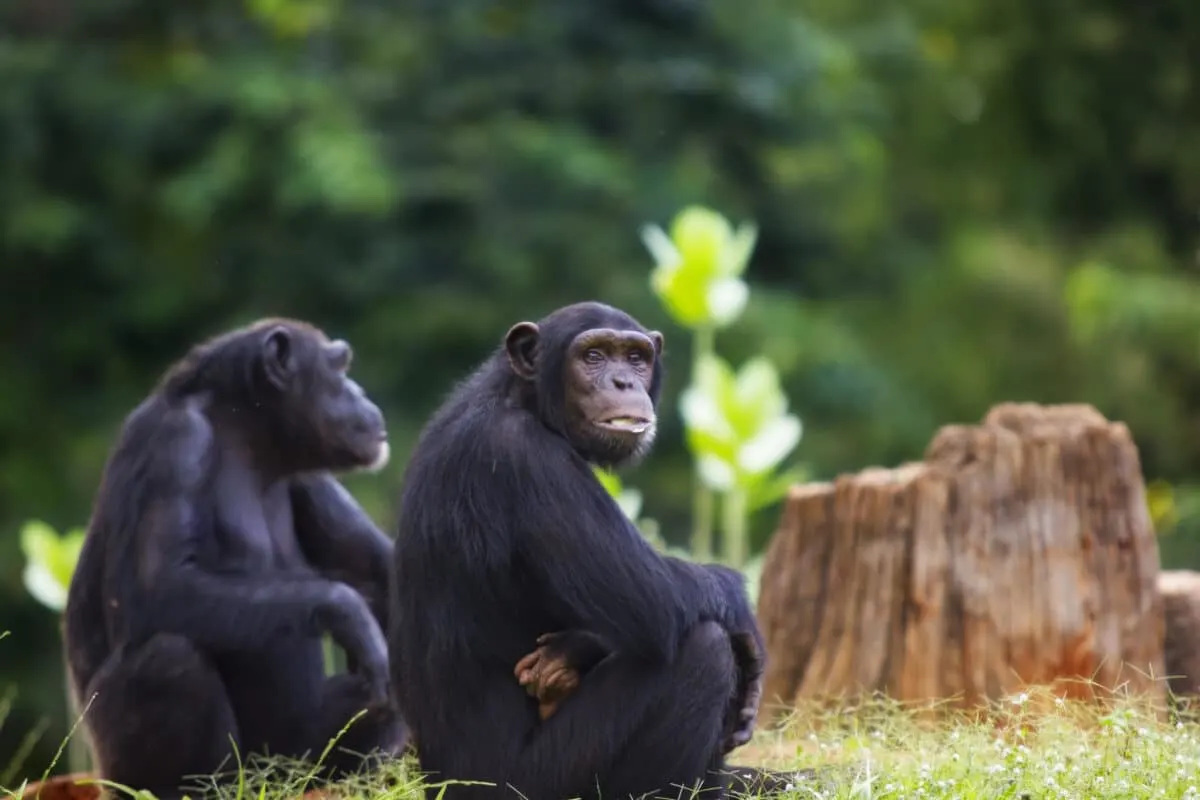
Tool use was once thought to be a strictly human trait, but now we know animals from all corners of the globe use tools in remarkable ways. Chimpanzees fashion sticks to extract termites from mounds, while sea otters crack open shellfish with carefully chosen rocks. Elephants have been spotted using branches to swat flies or scratch hard-to-reach spots. Even birds, like the New Caledonian crow, craft hooks from twigs to fish out insects hidden in tree bark. The fact that animals not only use objects but also modify them for specific tasks reveals a level of foresight and inventiveness that’s hard to deny. This behavior challenges our assumptions about what separates humans from the rest of the animal world.
12 Social Intelligence

Some of the smartest animals thrive in complex social groups, where understanding and responding to others’ emotions is vital. Elephants, dolphins, and wolves are just a few examples of species with intricate family structures and social hierarchies. These animals can recognize individuals, remember past interactions, and even form alliances—just like people do. Dolphins have signature whistles to identify themselves, while elephants demonstrate acts of kindness and cooperation within their herds. The ability to navigate social dynamics, show empathy, and communicate effectively is a powerful sign of intelligence that often mirrors our own.
11 Communication Skills

Animals are not only capable of making noise—they often use sophisticated communication systems to convey messages. Parrots and some primates can learn human words and use them meaningfully. Whales sing hauntingly complex songs that can travel for miles underwater. Prairie dogs use distinct “barks” to warn about specific predators, even describing their size and color! Honeybees perform intricate “waggle dances” to tell hive-mates where to find the best flowers. These diverse languages, from gestures to sounds, show that animals can share information, warn of danger, or even bond through shared signals.
10 Self-Awareness

One of the most fascinating signs of intelligence is self-awareness, which scientists often test with the “mirror test.” Animals like dolphins, magpies, elephants, and some apes have passed this test, recognizing themselves in a mirror rather than mistaking their reflection for another animal. This remarkable ability suggests a sense of identity and consciousness that was once thought to be purely human. Self-awareness is crucial for understanding emotions, planning, and even experiencing empathy—traits that show just how deep animal minds can go.
9 Memory Abilities

Animals often astound researchers with their memory skills. Elephants are legendary for remembering water sources and migration routes, even after many years. Clark’s nutcrackers, a type of bird, can recall the locations of thousands of seed caches months after hiding them. Even dogs remember their owners’ routines and can anticipate events based on past experiences. This capacity to store and recall information not only helps animals survive but also highlights the sophisticated workings of their brains.
8 Planning for the Future

Some animals don’t just live in the moment—they actively plan for the future. Squirrels and jays carefully hide food to retrieve later, while chimpanzees have been observed saving tools for tasks they’ll need to complete hours later. Certain birds build nests in anticipation of breeding season, selecting the safest and most comfortable spots. Even octopuses arrange their dens with items for protection and camouflage. These examples show that many species think ahead and can prepare for challenges long before they arise.
7 Emotional Understanding

Animals often demonstrate a surprising depth of feeling. Dogs comfort their owners when they sense sadness, and elephants mourn their dead, sometimes touching the bones for hours. Dolphins have been observed supporting sick pod members, staying by their side until help arrives. Even rats show empathy, freeing companions from traps even when there’s no reward for themselves. These emotional responses reveal a capacity for compassion and understanding that makes it hard to believe animals are just driven by instinct.
6 Cultural Behaviors

Culture isn’t just for people—many animals pass down knowledge and customs through generations. Whales and dolphins have unique hunting techniques that differ from pod to pod, much like human traditions. Some groups of chimpanzees use special tools or grooming habits not seen in others, teaching these skills to their young. Even birds like finches can develop unique songs in different regions, passed down like family heirlooms. This sharing of learned behavior is a hallmark of intelligence and adaptability.
5 Playfulness and Creativity

Anyone who’s watched a kitten chase a laser or a crow slide down a snow-covered roof knows that animals love to play. But play isn’t just for fun—it often signals intelligence. Dolphins surf waves, otters juggle pebbles, and ravens invent games with sticks or snowballs. Play allows animals to practice skills, experiment with their environment, and even develop social bonds. The creativity and joy animals show when they play remind us that intelligence isn’t all about survival; sometimes, it’s about enjoying life, too.
4 Learning from Experience

Animals aren’t just creatures of habit—they can learn from their mistakes and successes. Pigeons can be taught to peck specific symbols to earn rewards, while dogs quickly learn which behaviors please their owners. Even wild animals, like bears, avoid traps after bad experiences, and some birds learn to avoid cars after seeing others get hit. This ability to adapt and improve based on past events is a strong indicator of intelligence, showing they can change their behavior to suit new situations.
3 Deception and Trickery

Believe it or not, many animals are skilled at deception. Octopuses camouflage themselves to avoid predators or sneak up on prey. Some birds, like the drongo, mimic alarm calls to scare other animals away from food, then swoop in and steal it for themselves. Even dogs can feign injury to get attention or treats. These cunning tactics reveal a sophisticated understanding of others’ thoughts and actions, a sign of intelligence that’s both impressive and, sometimes, a little mischievous.
2 Adaptation to Human Environments

Urban wildlife is proof that animals can adapt rapidly to changing circumstances. Raccoons manipulate locks and garbage cans, pigeons navigate bustling cities, and foxes learn to cross busy streets safely. Some birds have changed their migration patterns to take advantage of city lights or warmer temperatures. These adaptations show that animals can observe, learn, and thrive in the environments humans create, often faster than we expect.
1 Problem Sharing and Teamwork

The most inspiring examples of animal intelligence often involve teamwork. Wolves hunt in coordinated packs, using signals and roles to bring down large prey. Ants form living bridges to cross gaps, and bees work together to maintain their hive. Dolphins collaborate to herd fish, taking turns feeding. This collective intelligence allows animals to accomplish tasks that would be impossible alone and highlights the incredible power of working together in nature.
Conclusion

The more we observe and learn about animals, the more we realize just how much we have in common. Their intelligence, emotions, and adaptability challenge us to see them not just as creatures of instinct, but as complex beings with minds and hearts of their own. What hidden talents might your favorite animal reveal next?

As a little kid, I fell in love with nature, wildlife, and animals. Living in the USA, South Africa, Italy, China and Germany gave me the opportunity to discover the world's Wildlife. My favorite animals are Mountain Gorillas, Siberian Tigers, and Great White Sharks.
I'm a certified PADI Open Water Diver, went to Everest Base Camp and Trekked Gorillas in Uganda. I hold a Master of Science in Economics and Finance.
Please send any feedback to feedback@animalsaroundtheglobe.com
- 15 Animals That Have Gone Extinct in Recent History - June 12, 2026
- 15 Unique Horse Coat Patterns and What They Mean - June 12, 2026
- 10 Cool Animals You Can See in Italy - June 12, 2026