

Worried about unexpected vet bills?
Pet insurance can cover thousands in unexpected vet costs. Get a free quote from Lemonade in under 2 minutes.
Get My Free Quote →Sponsored · Opens Lemonade.com
Golf courses occupy vast tracts of land that, when designed thoughtfully, can serve as vital sanctuaries for local wildlife while still providing excellent recreational opportunities for golfers. As environmental consciousness grows within the golf industry, course designers, managers, and owners are increasingly recognizing their unique position to contribute positively to conservation efforts. Wildlife-friendly golf courses not only support biodiversity but also enhance the playing experience by creating more natural, visually appealing landscapes. This comprehensive guide explores how to transform traditional golf courses into thriving ecosystems that benefit both wildlife and human visitors.
Understanding the Ecological Potential of Golf Courses
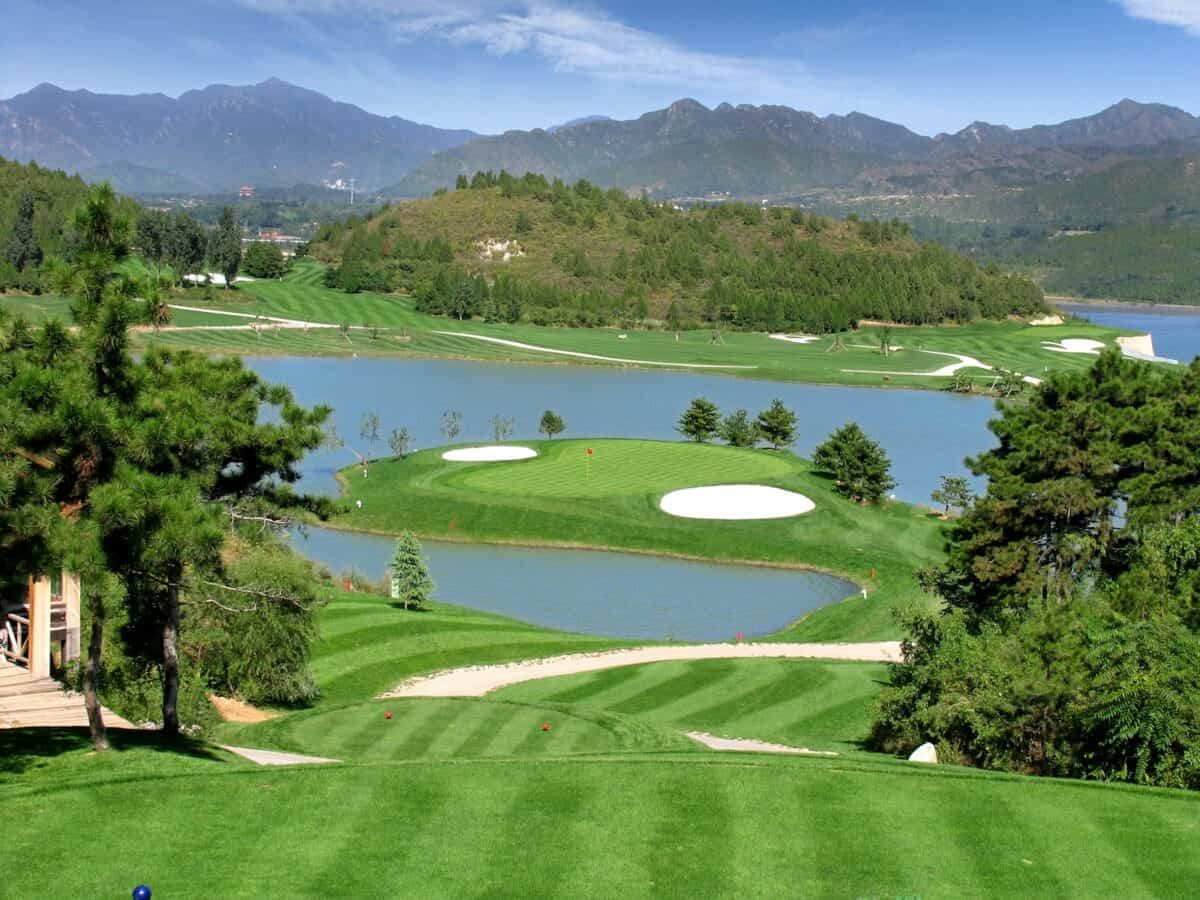
Golf courses represent significant opportunities for wildlife conservation, particularly in urban and suburban areas where natural habitats are increasingly fragmented. With their extensive green spaces, varied habitats including woodlands, meadows, water features, and transitional zones, golf courses can function as wildlife corridors connecting larger habitat patches. According to the United States Golf Association (USGA), the average 18-hole golf course covers approximately 150-200 acres, with only about 40% of that land actually used for fairways, greens, and tees. The remaining 60% represents potential wildlife habitat that can be optimized to support local ecosystems. Research by the Audubon International has shown that properly managed golf courses can support over 100 bird species and numerous other wildlife types, demonstrating their tremendous potential for biodiversity conservation.
Conducting Comprehensive Site Assessments
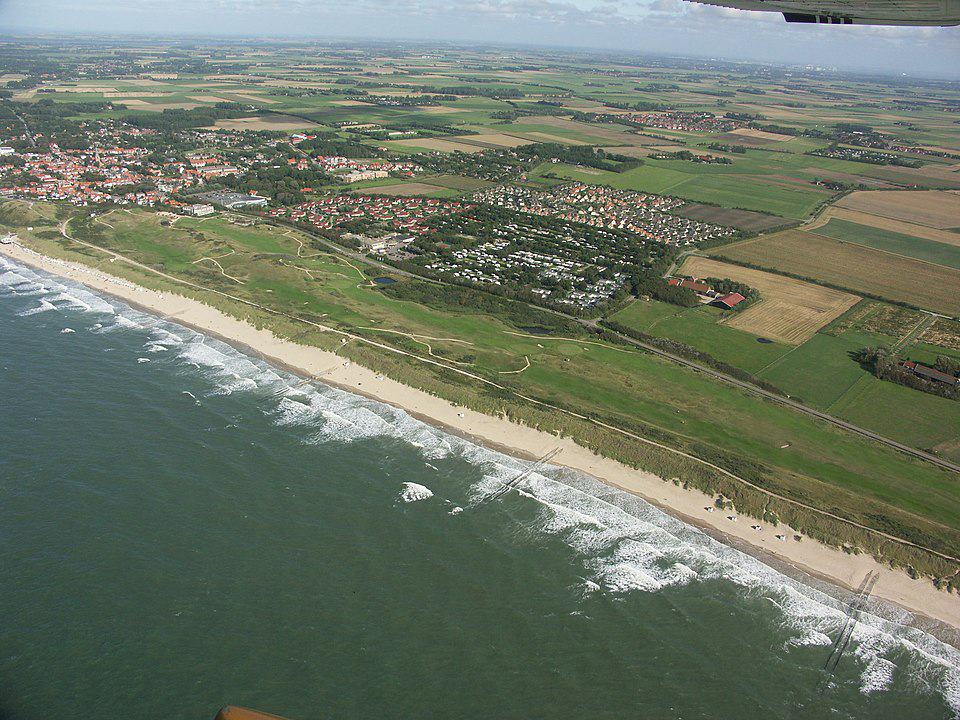
The foundation of any wildlife-friendly golf course design begins with a thorough site assessment. This process should identify existing natural features, native vegetation, wildlife habitats, drainage patterns, and potential ecological connections to surrounding landscapes. Engage biologists, ecologists, and environmental consultants who can identify the local ecosystem’s specific needs. Document baseline conditions including soil types, topography, hydrology, and existing wildlife populations to establish reference points for future monitoring. Special attention should be paid to identifying any rare, threatened, or endangered species that might be present on the property, as these will require specific conservation strategies. This assessment phase should ideally span multiple seasons to capture seasonal variations in wildlife activity and plant life cycles, providing a comprehensive understanding of the site’s ecological dynamics throughout the year.
Preserving and Enhancing Native Vegetation
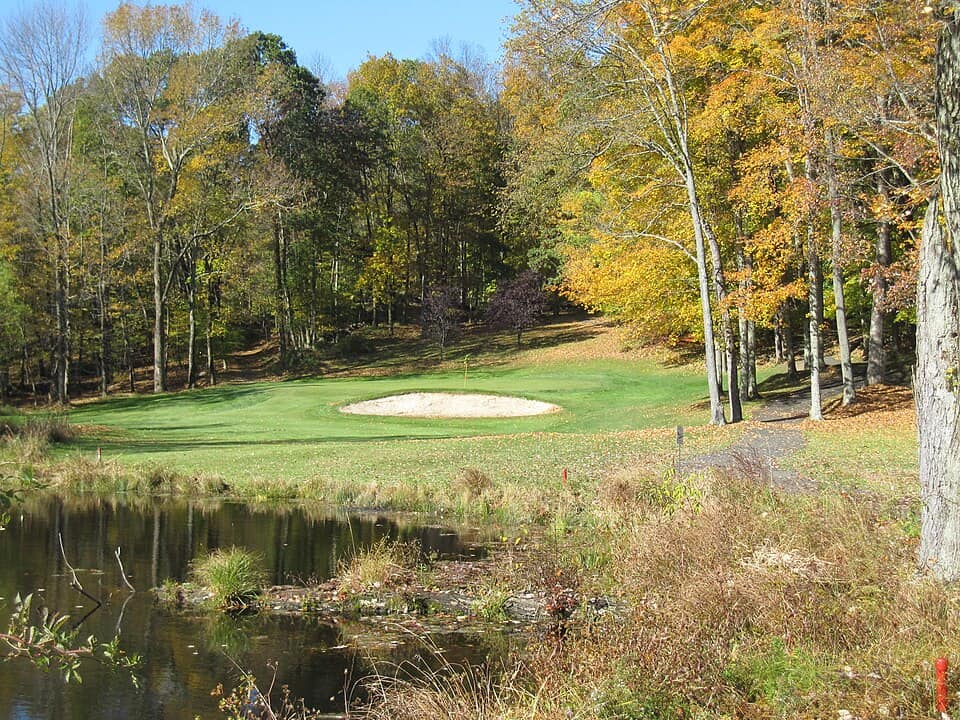
Native vegetation forms the backbone of wildlife-friendly golf course design. Native plants have evolved alongside local wildlife species, providing appropriate food sources, nesting materials, and shelter that exotic species often cannot match. When designing or renovating a golf course, prioritize the preservation of existing native plant communities, particularly mature trees and established understory vegetation that would take decades to replace. For areas requiring new plantings, select diverse native species that provide food and habitat throughout the seasons. Consider creating tiered vegetation zones with trees, shrubs, and herbaceous plants that mimic natural forest edges—these ecotones typically support greater biodiversity than homogeneous areas. Research by the National Wildlife Federation indicates that native plant gardens support 3-4 times more beneficial insects and birds compared to landscapes with non-native plants. Reduce maintained turf areas where possible, replacing them with native grasses, wildflower meadows, or forest patches that require less water, fewer chemical inputs, and provide superior habitat value.
Creating Wildlife Corridors and Habitat Connectivity
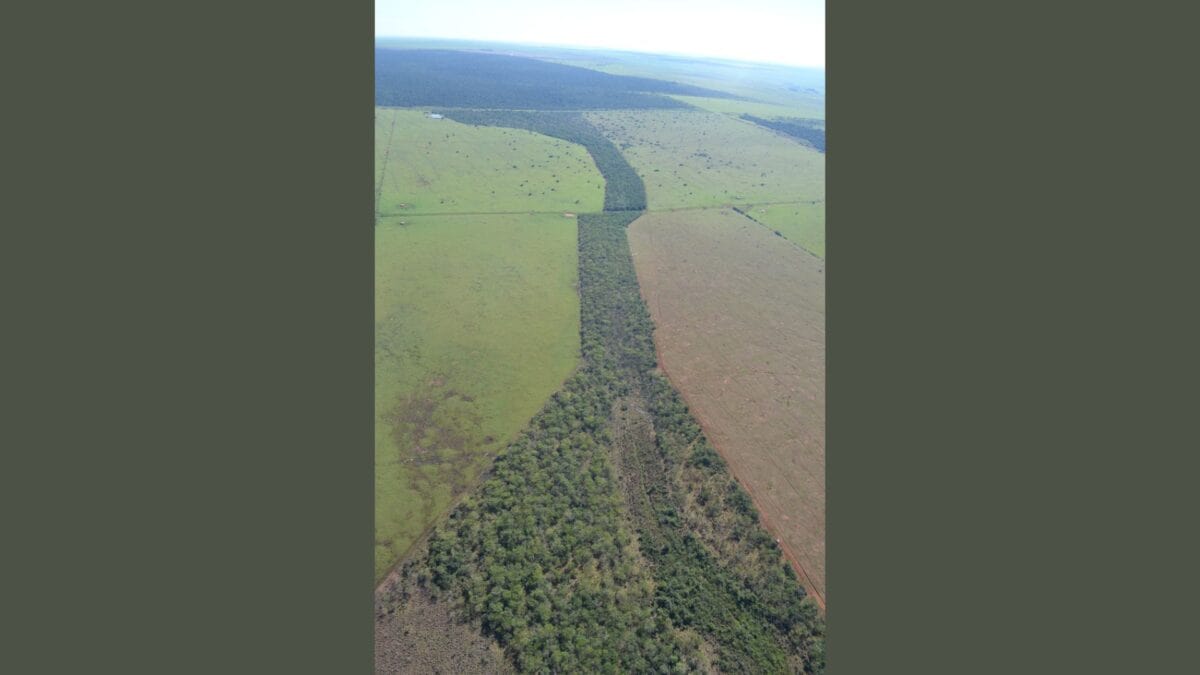
Wildlife-friendly golf courses should function as part of the broader ecological landscape rather than isolated islands of habitat. Designing wildlife corridors that connect habitats both within the course and to natural areas beyond the property boundaries is crucial for wildlife movement, genetic exchange, and resilience. These corridors can take many forms: wooded buffers along water features, naturalized rough areas between fairways, or dedicated conservation zones that traverse the property. The width and composition of these corridors should be determined based on the needs of target wildlife species—larger mammals may require corridors of 100 feet or more in width, while smaller species can utilize narrower passages. Strategic placement of corridors should consider the surrounding landscape matrix and identify key connection points to adjacent natural areas. Golf courses situated near protected lands, parks, or other green spaces have particularly high value as connective habitat and should emphasize these linkages in their design. Studies by conservation biologists have demonstrated that connected habitat patches support wildlife populations that are 50% more resilient to environmental changes than isolated patches.
Designing and Managing Water Features
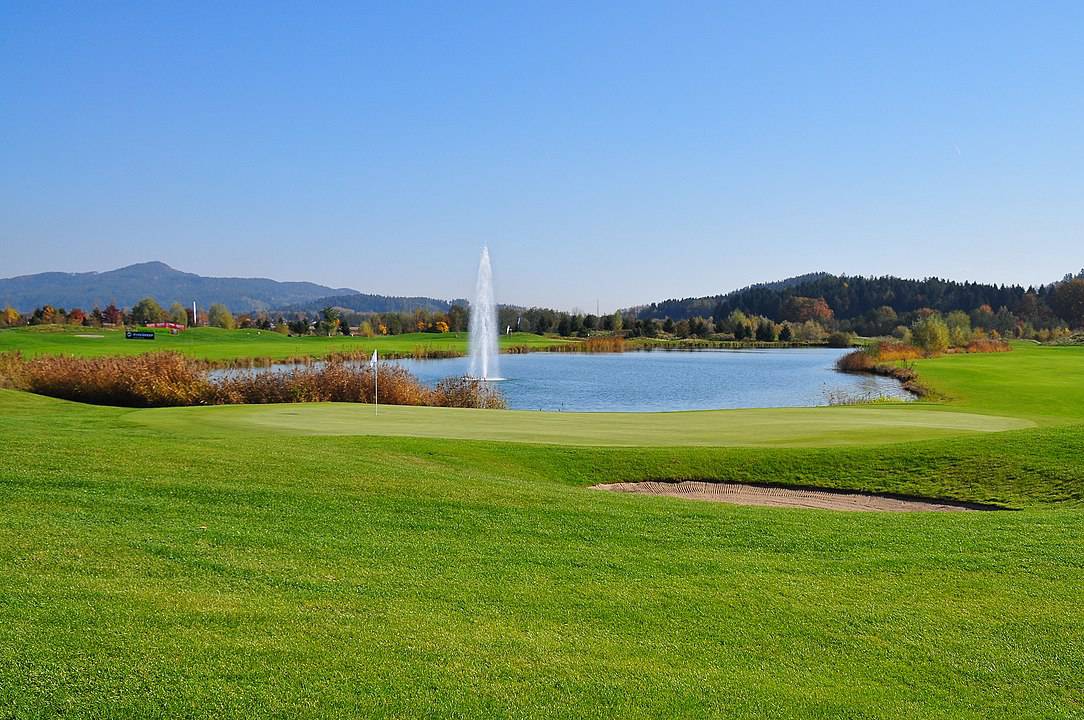
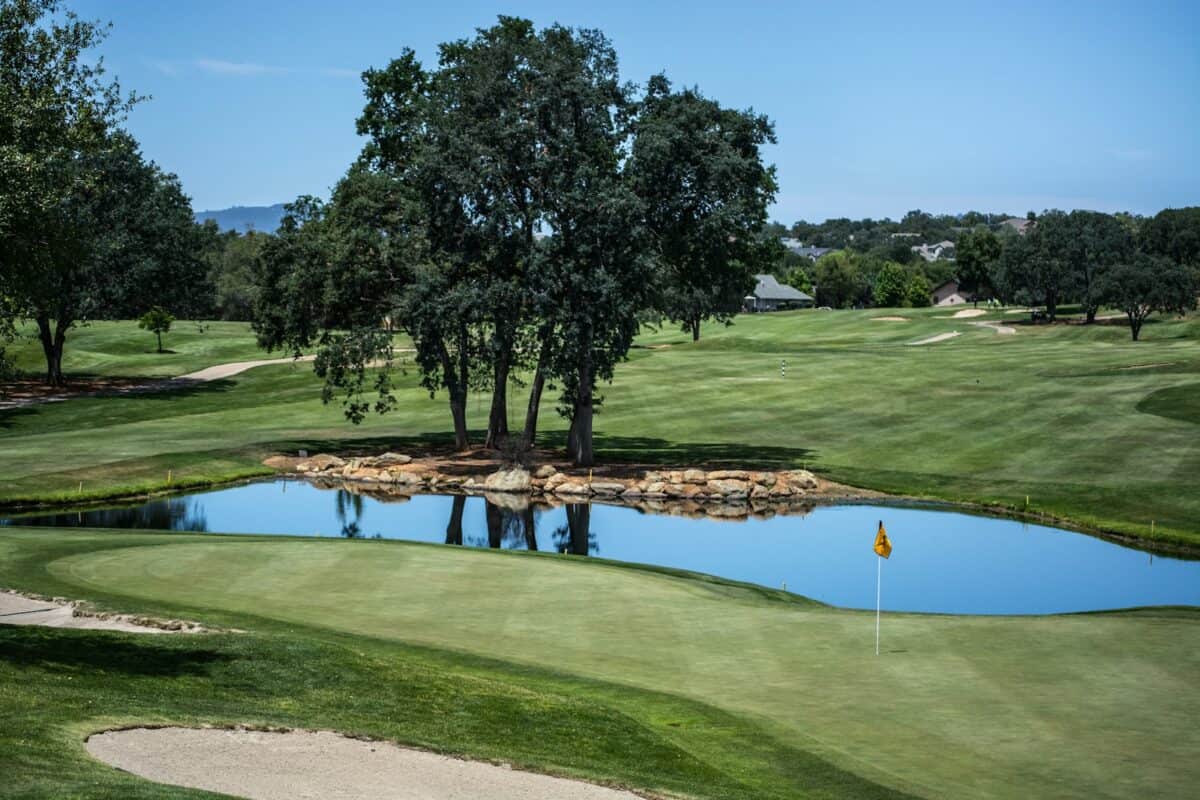
Water features on golf courses—including ponds, streams, wetlands, and rain gardens—represent prime opportunities for wildlife habitat enhancement. These aquatic environments can support diverse communities of fish, amphibians, reptiles, birds, insects, and plant life when properly designed and maintained. Natural shoreline designs with varied depths and gradual slopes provide access points for wildlife and support emergent vegetation zones essential for many species. Incorporating shallow shelves around pond perimeters (1-2 feet deep) creates habitat for wading birds and supports aquatic vegetation that improves water quality. When possible, integrate existing natural waterways into the course design rather than channelizing or redirecting them. For constructed water features, mimic natural systems with irregular shapes, variable depths, and diverse edge conditions. Maintain vegetated buffers of at least 25-50 feet around water features to filter runoff, prevent erosion, and provide terrestrial habitat adjacent to aquatic areas. These riparian buffers should include a mix of native trees, shrubs, and herbaceous plants adapted to periodically wet conditions. Avoid using chemical treatments in and around water features, instead relying on biological controls and proper design to maintain water quality.
Implementing Integrated Pest Management
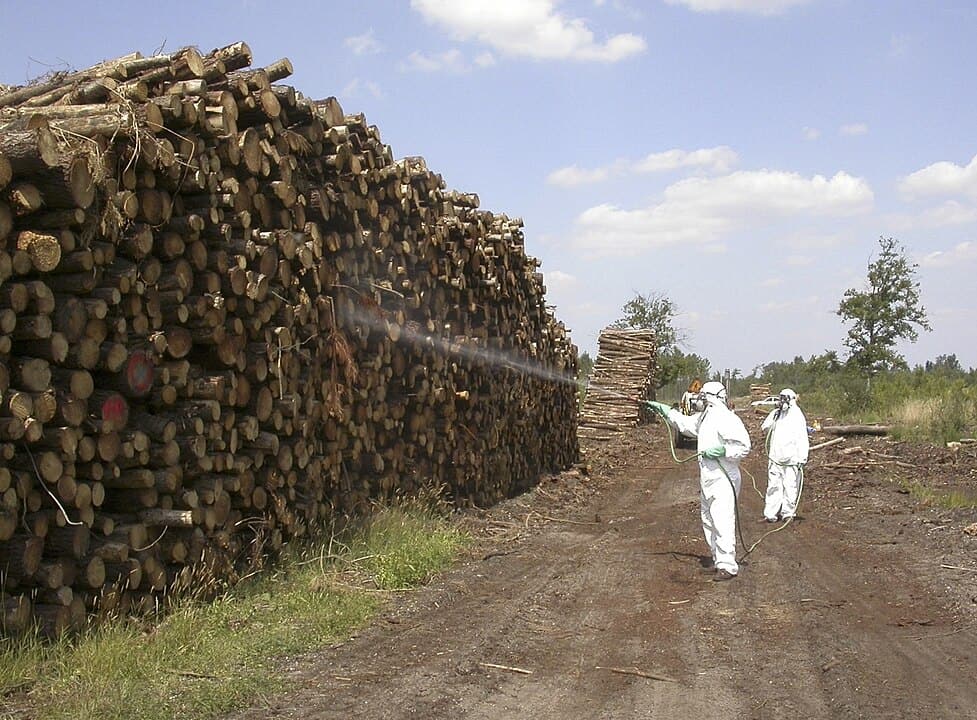
Traditional golf course management often relies heavily on chemical pesticides, herbicides, and fertilizers that can harm wildlife directly or indirectly by contaminating food sources and habitats. Wildlife-friendly courses should implement comprehensive Integrated Pest Management (IPM) programs that minimize chemical use through biological controls, cultural practices, and targeted applications. IPM strategies include selecting disease-resistant turf varieties, maintaining appropriate mowing heights, improving drainage in problem areas, and encouraging beneficial insects that prey on pest species. Research by the Environmental Protection Agency shows that IPM programs can reduce pesticide use by up to 50% while maintaining acceptable playing conditions. When treatments are necessary, opt for products with lower toxicity profiles and shorter persistence in the environment, applying them precisely to affected areas rather than course-wide. Establish buffer zones around sensitive habitats where no chemical applications occur, particularly near water features and natural areas with high wildlife value. Regularly monitor pest populations to determine intervention thresholds based on actual conditions rather than calendar-based preventative treatments. Additionally, educate staff and golfers about the ecological benefits of occasional imperfections in playing surfaces compared to the environmental costs of maintaining “perfect” conditions.
Creating Specialized Wildlife Habitats

Beyond general habitat improvements, wildlife-friendly golf courses should incorporate specialized habitat features targeting key species groups. For birds, install nesting boxes specific to local species—bluebird houses along woodland edges, wood duck boxes near water features, and raptor platforms in open areas. Brush piles and log stacks provide shelter for small mammals, reptiles, and amphibians, while also creating decomposition habitat for beneficial insects. Stone walls, rock piles, and sandy areas provide basking sites for reptiles and nesting areas for native bees. Standing dead trees (snags) should be preserved when safe to do so, as they provide crucial nesting cavities for woodpeckers and other cavity-nesting birds, along with perches for raptors. Butterfly gardens featuring nectar plants for adults and host plants for caterpillars support pollinator populations—include milkweed for monarchs, asters and goldenrods for late-season nectar, and native grasses that provide overwintering sites. Even golf course out-of-bounds markers and yardage posts can be designed as habitat, using hollow bamboo or drilled wooden posts to create nesting sites for solitary bees. These specialized habitats should be strategically placed throughout the course to create a network of resources that support wildlife throughout their life cycles.
Sustainable Water Management Practices
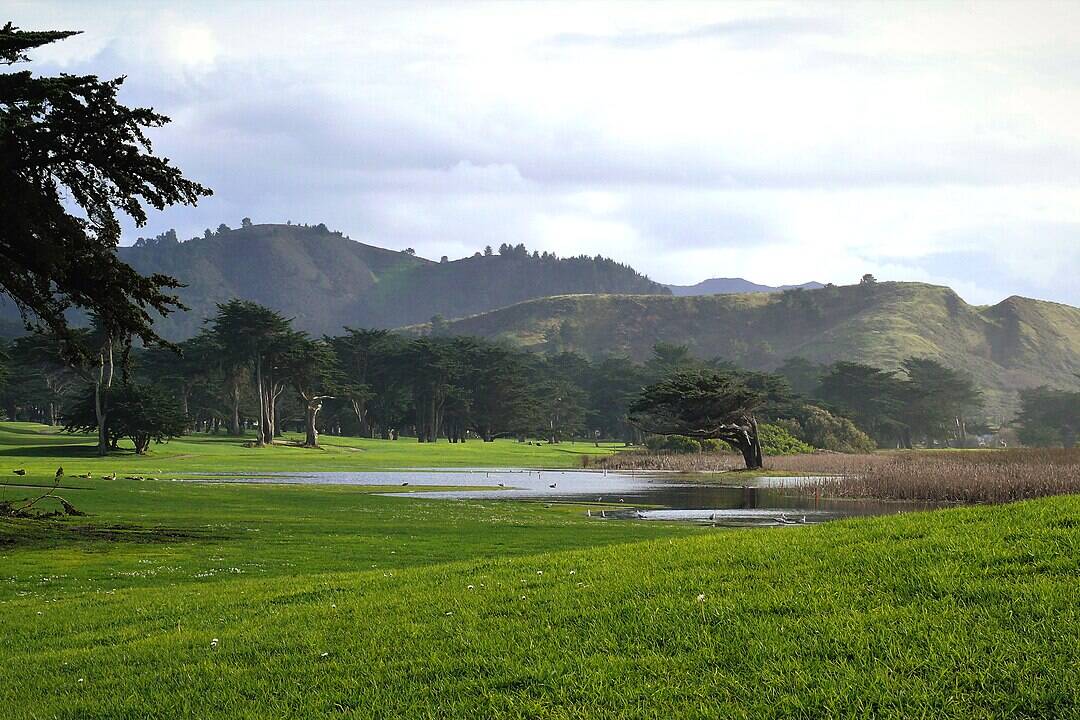
Water conservation and quality management are essential components of wildlife-friendly golf course design. Implement rainwater harvesting systems, including retention ponds and underground cisterns, to capture precipitation for irrigation use. Design the course topography to slow and filter stormwater through vegetated swales, rain gardens, and bioretention areas before it reaches natural waterways. Select drought-tolerant turfgrass varieties appropriate for the local climate, and utilize soil moisture sensors and weather-based irrigation controls to apply water only when and where needed. Data from the Golf Course Superintendents Association of America shows that courses using precision irrigation technology can reduce water consumption by 20-50%. Consider using treated effluent or recycled water for irrigation where available and appropriate, while monitoring soil salinity and adjusting management practices accordingly. Incorporate permeable surfaces for cart paths and parking areas to reduce runoff and promote groundwater recharge. These water conservation measures not only benefit wildlife by preserving natural hydrology and water quality but also improve the golf course’s resilience to drought conditions and reduce operational costs.
Minimizing Light and Noise Pollution

Light and noise pollution from golf course operations can significantly disrupt wildlife behavior, particularly for nocturnal species and during breeding seasons. Design lighting systems using dark-sky compliant fixtures that direct light downward rather than into the sky or surrounding natural areas. Use timers, motion sensors, and zoned lighting controls to minimize illumination during non-operational hours. Select lighting with appropriate color temperatures—warmer lights (below 3000K) have less impact on wildlife than cool white or blue-rich lighting. For clubhouses and other structures adjacent to natural areas, implement window treatments or glazing that reduces light spill and prevents bird collisions. Noise pollution can be addressed through strategic placement of maintenance facilities away from sensitive wildlife areas and using vegetated buffers to absorb sound. Schedule maintenance activities to avoid early morning and evening hours when wildlife activity peaks, particularly during breeding seasons. Research has shown that artificial light at night can disrupt animal migration patterns, alter predator-prey relationships, and interfere with reproduction cycles in many species, while noise pollution can mask important communication signals for birds and other wildlife, highlighting the importance of these often-overlooked aspects of wildlife-friendly design.
Engaging Golfers in Wildlife Conservation
Successful wildlife-friendly golf courses engage players as partners in conservation efforts. Install interpretive signage throughout the course highlighting wildlife habitats, native plant communities, and conservation practices. These educational elements enhance the playing experience while building support for ecological management approaches. Create wildlife viewing areas at strategic locations—near water features or adjacent to naturalized areas—where golfers can observe wildlife during play or between rounds. Develop a field guide specific to the course’s wildlife and distribute it to members and guests, encouraging them to record sightings. Organize citizen science activities such as bird counts, butterfly surveys, or amphibian monitoring that involve golfers in gathering valuable ecological data. Establish a designated conservation committee within club governance structures to provide input on management decisions affecting wildlife. Research by the USGA Environmental Research Program has found that courses with active education programs report higher player satisfaction and stronger member support for sustainable management practices. Golf courses that effectively communicate their conservation efforts often find that these initiatives become marketing advantages, attracting environmentally conscious players and enhancing the facility’s reputation in the broader community.
Certification Programs and Professional Resources

Several established certification programs provide frameworks and recognition for wildlife-friendly golf course design and management. Audubon International’s Cooperative Sanctuary Program for Golf has certified over 900 courses worldwide, providing guidelines across six categories: environmental planning, wildlife habitat management, chemical use reduction, water conservation, water quality management, and outreach/education. The Golf Environment Organization (GEO) offers GEO Certified®, an internationally recognized sustainability certification covering biodiversity, resources, and community aspects of golf operations. The United States Golf Association (USGA) provides extensive research and resources through its Green Section, including case studies of successful wildlife habitat projects and best management practices. Professional organizations like the American Society of Golf Course Architects (ASGCA) and the Golf Course Superintendents Association of America (GCSAA) offer continuing education and resources focused on environmental design and management. These programs not only provide valuable guidance but also help courses document and market their environmental commitments, potentially accessing new funding sources through grants and conservation partnerships.
Monitoring and Adaptive Management

Wildlife-friendly golf course design is not a one-time implementation but an ongoing process requiring regular monitoring and adaptive management. Establish comprehensive monitoring protocols to track wildlife populations, habitat quality, water quality parameters, and the effectiveness of management practices. Conduct regular wildlife inventories using consistent methodologies—bird surveys, amphibian call counts, pollinator transects, or camera trapping for mammals—to document species diversity and abundance. Document changes in vegetation communities, particularly in newly restored areas, through photo points and periodic botanical surveys. Use this monitoring data to evaluate the success of habitat enhancements and guide adjustments to management practices. Adaptive management involves systematically testing approaches, learning from outcomes, and modifying techniques accordingly. For example, if monitoring shows that certain nesting boxes aren’t being utilized, their design or placement can be adjusted based on observed wildlife preferences. Establish clear conservation goals with measurable objectives, such as “increase turtle nesting success by 25%” or “support at least 50 bird species annually,” to provide benchmarks for evaluating progress. Regular reporting of monitoring results to stakeholders, including club members, management, and certification organizations, helps maintain support for wildlife conservation initiatives and documents the course’s environmental contributions.
Wildlife-friendly golf course design represents a significant evolution in how we conceptualize these recreational spaces, transforming them from environmental liabilities into conservation assets. The approaches outlined in this guide demonstrate that excellent golf and thriving ecosystems need not be mutually exclusive goals. By implementing thoughtful design features, sustainable management practices, and ongoing monitoring programs, golf courses can provide crucial habitat in increasingly developed landscapes. The benefits extend beyond wildlife conservation to include enhanced player experiences, reduced operational costs, improved community relations, and greater resilience to climate change impacts. As environmental challenges intensify globally, the golf industry has both an opportunity and responsibility to demonstrate leadership in landscape-scale conservation. The future of golf lies in facilities that honor the game’s traditional connection to nature while embracing innovative approaches to environmental stewardship—creating spaces where wildlife and human recreation coexist harmoniously for generations to come.
Worried about unexpected vet bills?
Pet insurance can cover thousands in unexpected vet costs. Get a free quote from Lemonade in under 2 minutes.
Get My Free Quote →Sponsored · Opens Lemonade.com

- How Elephants Remember Each Other After Decades Apart - June 10, 2026
- This Amphibian Has the Most Toxic Skin Known to Science - June 10, 2026
- How Conservationists Track Rhinos Using GPS - June 10, 2026