


Motherhood in the animal kingdom often requires extraordinary sacrifices and remarkable adaptations. While human parents certainly face challenges, some animal mothers take maternal dedication to astonishing levels. From sacrificing their bodies to practicing vigilant protection for years, these remarkable mothers have evolved incredible strategies to ensure their offspring’s survival in harsh and unforgiving environments. This article explores ten extraordinary animal mothers whose parenting approaches demonstrate nature’s ingenuity and the powerful force of maternal instinct.
The Ultimate Sacrifice: Octopus Mothers

The female octopus demonstrates perhaps the most extreme form of maternal dedication in the animal kingdom. After laying up to 100,000 eggs, she attaches them to the roof of her den and begins a vigilant death watch. For approximately six months, the mother octopus refuses to leave her eggs unattended, forgoing food completely. She constantly blows fresh, oxygen-rich water over her developing offspring and protects them from predators. This extreme devotion comes at the ultimate cost—by the time her eggs hatch, the mother octopus is severely malnourished and dies shortly afterward. This remarkable example of maternal sacrifice evolved because octopus offspring have better survival chances when they develop over longer periods, which the mother’s protection enables.
Koala Mothers: Preparing Babies for Toxic Diets
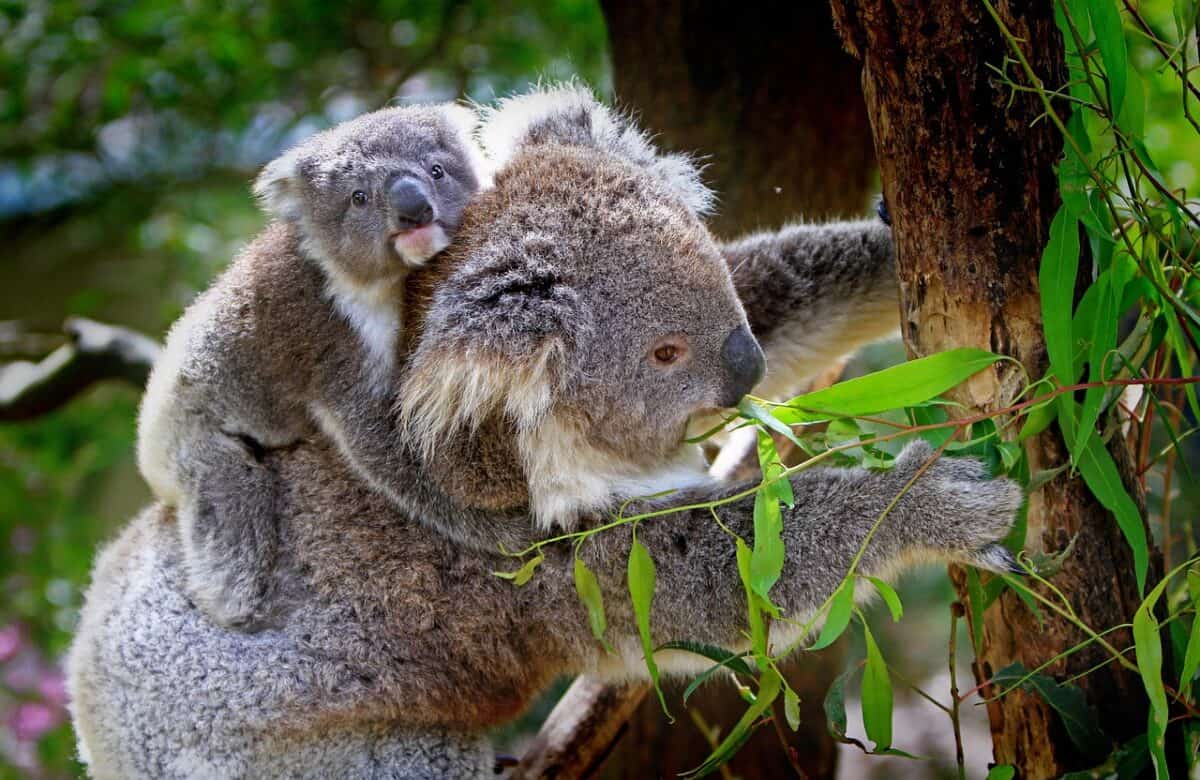
Koala mothers face a unique dietary challenge—their exclusive food source, eucalyptus leaves, is highly toxic to most animals. To prepare their joeys for this poisonous diet, koala mothers produce a special fecal substance called “pap” which they feed to their babies when they’re about six months old. This substance contains the essential gut bacteria needed to break down eucalyptus toxins and extract nutrients from the leaves. Without this maternal gift, joeys would be unable to transition from milk to their adult diet. Additionally, koala mothers carry their young in their pouches for about six months, then on their backs for another six months while continuing to nurse them—a significant energy expenditure for an animal surviving on a notoriously low-nutrient food source.
The Marathon Mom Polar Bears
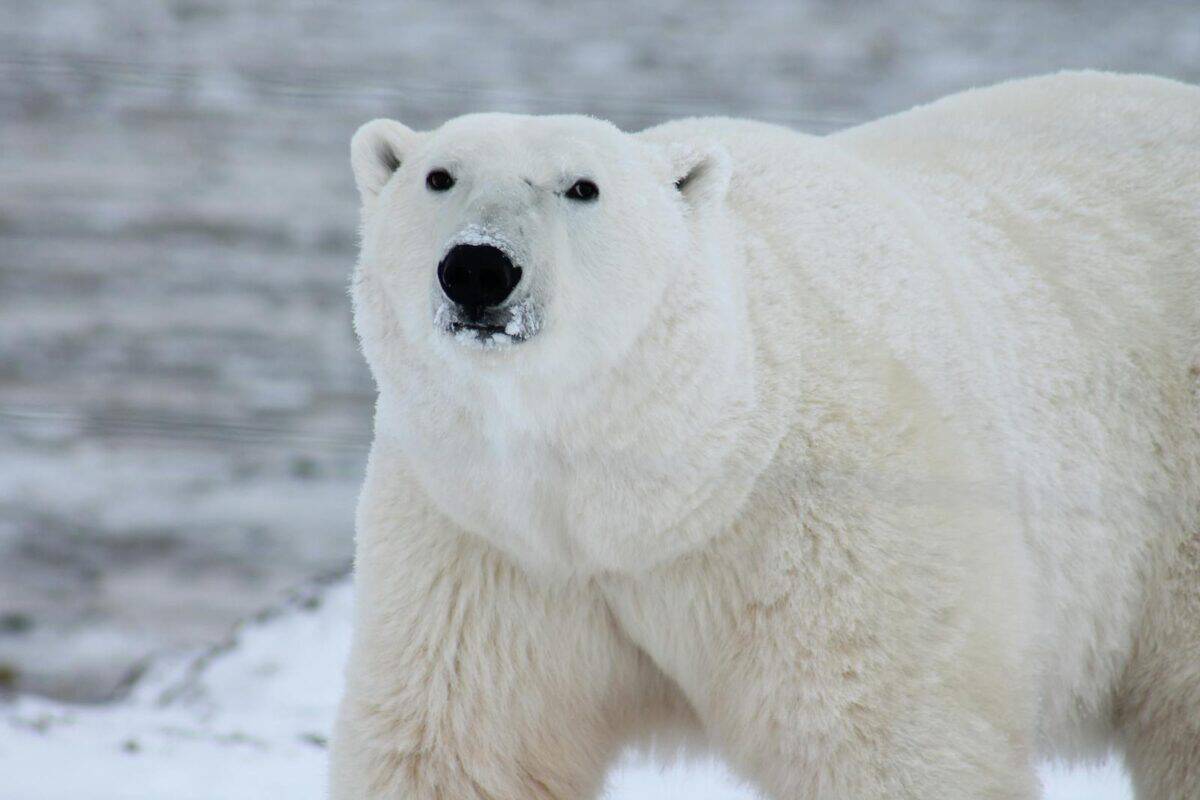
Polar bear mothers endure one of the most challenging pregnancy and early motherhood periods of any mammal. After mating, females undergo delayed implantation, allowing them to time their pregnancy with optimal conditions. The pregnant polar bear then excavates a maternity den in snowdrifts or frozen earth where she’ll give birth to cubs weighing just one pound each. For the next four to eight months, she remains in the den without eating or drinking, living entirely off her fat reserves while producing rich milk for her growing cubs. When they finally emerge, the mother has typically lost 43% of her body weight. Despite this extreme fasting and the harsh Arctic environment, she still produces milk with about 31% fat content—the richest milk of any bear species—to help her cubs rapidly develop insulating fat layers essential for survival.
Surinam Toad Babies From Her Back
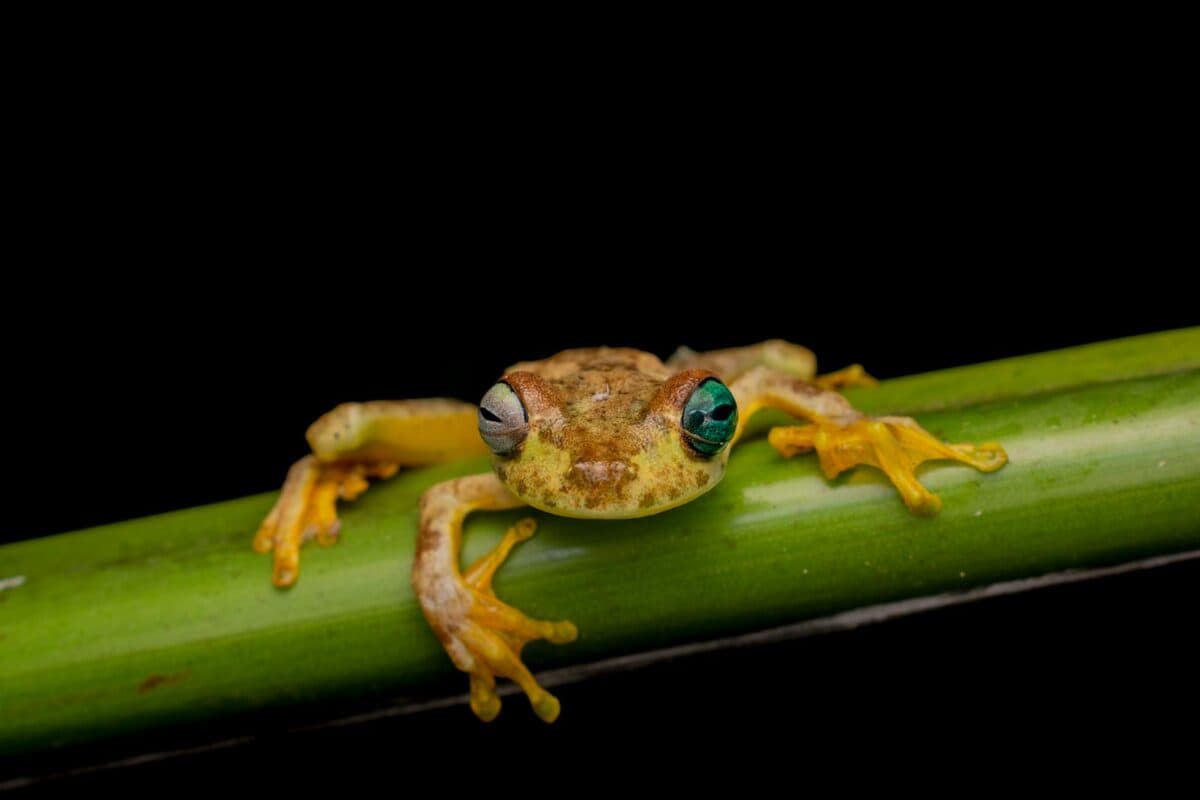
The female Surinam toad (Pipa pipa) takes bodily sacrifice to strange and spectacular levels. During mating, the male attaches fertilized eggs to the female’s back, where her skin grows over them to create individual pockets. For the next three to four months, the mother carries her developing offspring embedded in her back, providing nutrients through a specialized vascular system that evolves specifically for this purpose. When the froglets are fully developed, they burst through her skin and swim away as miniature adults. This process, called “phrynoderma,” allows the mother to provide a safe and nutrient-rich environment for her offspring away from predators. After the young emerge, the mother sheds her specialized skin layer and returns to normal—until her next reproductive cycle when the remarkable process begins again.
Desert-Dwelling Caecilians Feeding with Skin
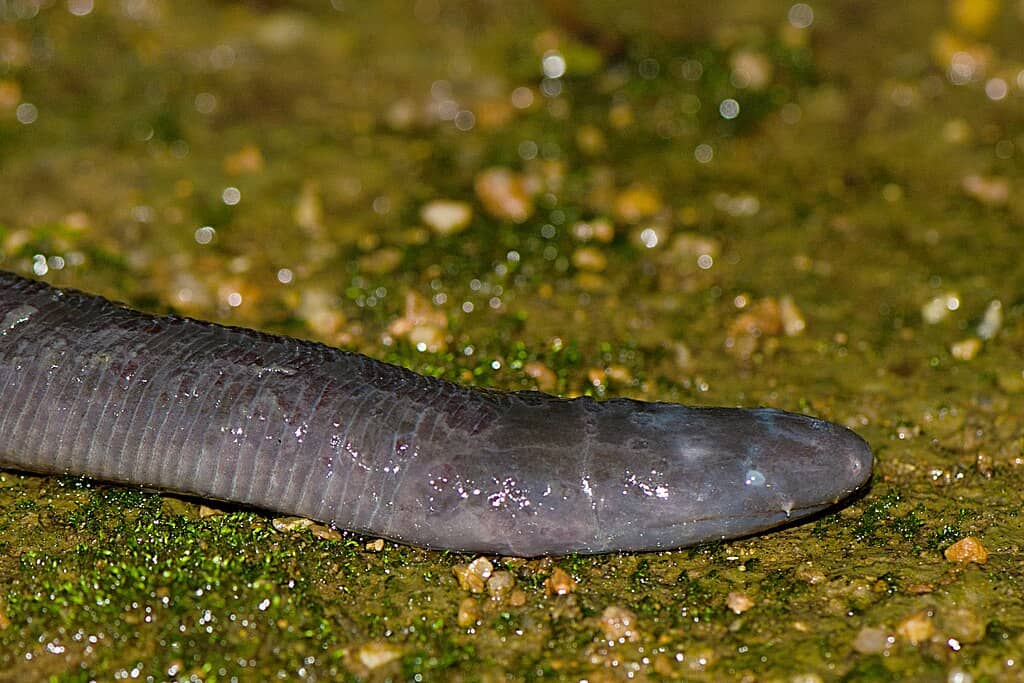
Some species of caecilians—limbless, serpentine amphibians—exhibit an extraordinary form of maternal care that takes skin sacrifice to extremes. The mother grows a specialized outer layer of skin that’s rich in fats and proteins. When her young hatch, they use specialized teeth to scrape off and consume this nutritious skin, which the mother continuously regenerates during the nurturing period. This process, called maternal dermatophagy, allows babies to grow rapidly while remaining safely with their mother, away from predators in their underground habitat. For species living in arid regions where prey is scarce, this feeding strategy provides critical nutrition during the vulnerable early development stage. The mother can lose up to 14% of her body weight through this skin feeding process, demonstrating an impressive physical sacrifice for offspring survival.
Orangutan Mothers Eight Years of Dedication

Orangutan mothers have the longest inter-birth interval of any land mammal, investing an extraordinary amount of time in raising a single offspring. Young orangutans remain completely dependent on their mothers for at least two years, nursing frequently and being carried everywhere through the forest canopy. The mother teaches her offspring crucial survival skills, including identifying over 200 food sources, building night nests, and navigating the complex three-dimensional space of the rainforest. This intensive apprenticeship continues for six to eight years before the young orangutan becomes independent. This extended dependency allows for the complex learning necessary for survival in their challenging environment. With such tremendous maternal investment, female orangutans typically raise only 4-5 offspring in their lifetime, making each infant incredibly valuable—which helps explain their fierce protective behaviors when their young are threatened.
Alligator Mothers Gentle Giants

Despite their fearsome reputation, female American alligators demonstrate remarkably tender maternal care. After building nests of vegetation that create heat through decomposition, they guard their eggs vigilantly for about 65 days. When the babies begin to hatch, they respond to their mother’s calls by making high-pitched croaking sounds from inside their eggs. The mother then gently digs them out and carries groups of hatchlings in her mouth—using the same jaws capable of crushing turtle shells—to the water with extraordinary gentleness. For the next one to two years, she continues to protect her young from predators, including male alligators that might see the hatchlings as prey. Research has shown that up to 80% of alligator hatchlings wouldn’t survive their first year without this maternal protection, making this dedication critical to species survival.
Emperor Penguins The Antarctic Fast

Emperor penguin mothers push physical endurance to extraordinary limits during reproduction. After laying a single egg, the female transfers it to her mate’s feet and immediately begins a treacherous 50-80 mile journey back to the ocean to feed. This journey, taking up to two weeks across the harsh Antarctic terrain, is just the beginning of her sacrifice. While the males incubate the eggs during the brutal winter, females spend months hunting in the ocean, storing food in their bodies. Upon returning with stomachs full of digested fish, they find their mates and chicks by voice recognition among thousands of nearly identical penguins. They then regurgitate the stored food for their hungry chicks. Throughout the breeding season, emperor penguin mothers lose approximately 50% of their body weight, yet still produce nutritious secretions for their offspring—a testament to maternal dedication in one of Earth’s most unforgiving environments.
Tasmanian Devils The Impossible Pregnancy
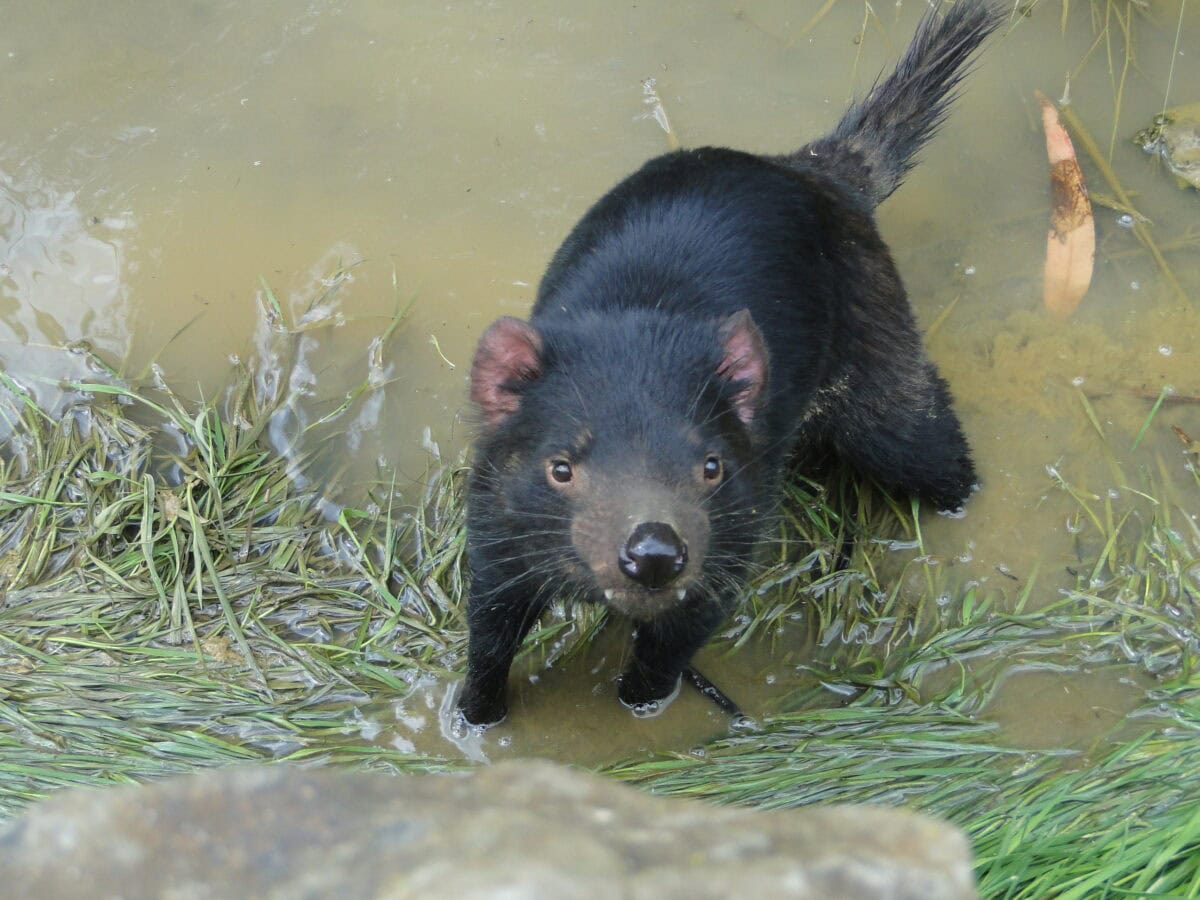
Female Tasmanian devils face a mathematical improbability during reproduction that demands extraordinary maternal adaptations. They typically produce 20-30 embryos but possess only four teats in their pouch. This creates a brutal race where only the first four young to reach the pouch survive, attaching so firmly to the teats that they cannot be removed without fatal consequences. The mother’s body undergoes remarkable changes to support these survivors, producing milk with different nutritional compositions for joeys of different ages. As the young grow, the pouch expands from finger-sized to accommodating young that each weigh about 200 grams. Despite their reputation for aggression, mother Tasmanian devils show gentle care toward their offspring, carrying them in the pouch for about four months and then in a den for another five months while teaching essential hunting and survival skills.
African Elephants The Multi-Generation Matriarchs

African elephant mothers epitomize long-term maternal investment, beginning with the longest pregnancy of any land mammal—22 months. Calves rely completely on their mothers for the first three to five years, during which the mother produces up to 50 liters of milk daily. Beyond physical nourishment, elephant mothers provide crucial social education, with calves learning over 1,000 subtle communication signals and complex social rules. The maternal bond typically lasts 50+ years, with mothers continuing to guide their adult children throughout their lives. Perhaps most remarkably, elephant grandmothers and great-grandmothers take active roles in raising younger generations, with studies showing that calves with grandmothers present have significantly higher survival rates. This multi-generational maternal care system creates a knowledge repository spanning over a century, allowing young elephants to benefit from the accumulated wisdom of their maternal ancestors—a powerful survival advantage in their challenging environments.
Earwig Mothers Unexpected Insect Devotion
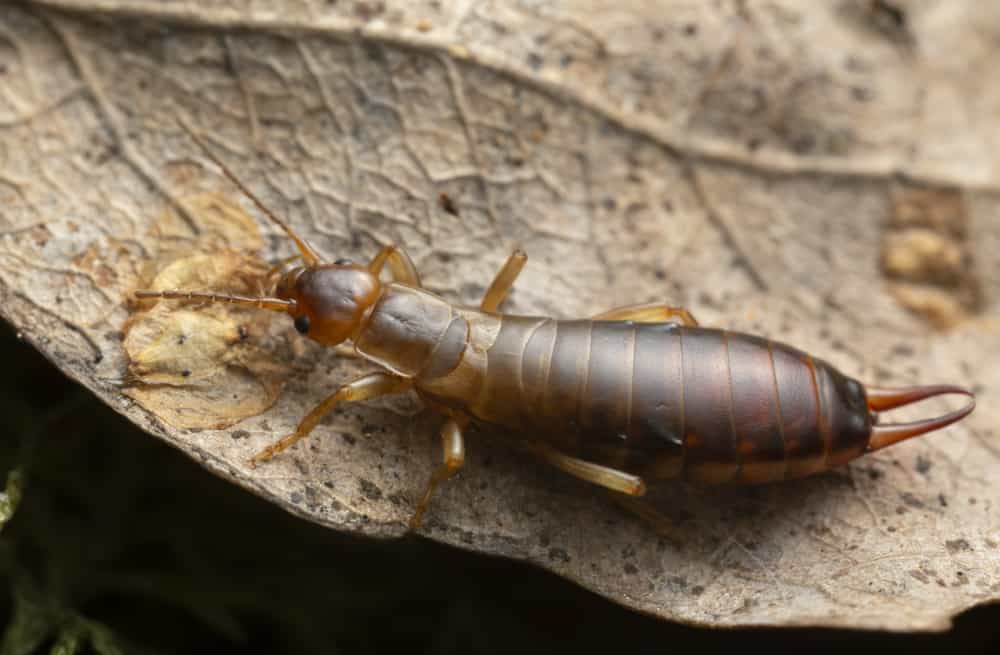
In a world where most insects abandon their eggs after laying them, the common earwig (Forficula auricularia) stands out for its extraordinary maternal care. The mother earwig excavates an underground nest where she lays approximately 50 eggs. Rather than departing, she remains with the eggs, cleaning them regularly with her mouthparts to prevent deadly fungal infections. She also repositions the eggs to optimize temperature and humidity conditions, responding to environmental changes with remarkable attentiveness. When the nymphs hatch, the mother continues her care, foraging for food and regurgitating it to her offspring. She also protects them fiercely from predators, using her intimidating cerci (rear pincers) as defensive weapons. This maternal care continues until the nymphs can forage independently after their first molt, demonstrating that dedicated motherhood has evolved independently even among insects typically considered simple in their behaviors.
Conclusion: The Universal Language of Maternal Sacrifice

The extraordinary examples of maternal dedication observed across the animal kingdom reveal powerful evolutionary forces at work. These diverse mothering strategies—from self-sacrifice to multi-year teaching commitments—highlight how natural selection has shaped parental investment to maximize offspring survival in specific ecological contexts. The octopus mother’s death watch and the polar bear’s extreme fasting demonstrate how mothers may sacrifice their own bodies when their environments demand it. The multi-year commitments of orangutans and elephants show how complex environments require extended learning periods under maternal guidance. These remarkable adaptations remind us that while motherhood takes drastically different forms across species, the underlying drive to ensure offspring survival represents one of nature’s most powerful and universal forces. As we face global conservation challenges, understanding these intricate maternal relationships becomes increasingly vital for protecting not just individual species but the complex web of life they support.

As a little kid, I fell in love with nature, wildlife, and animals. Living in the USA, South Africa, Italy, China and Germany gave me the opportunity to discover the world's Wildlife. My favorite animals are Mountain Gorillas, Siberian Tigers, and Great White Sharks.
I'm a certified PADI Open Water Diver, went to Everest Base Camp and Trekked Gorillas in Uganda. I hold a Master of Science in Economics and Finance.
Please send any feedback to feedback@animalsaroundtheglobe.com
- Why the Great Barrier Reef Is the Best Place to Spot Sea Turtles - June 3, 2026
- 2 Animals With Super Sized Body Parts and What They are For - June 3, 2026
- Explore The Azores - June 3, 2026