

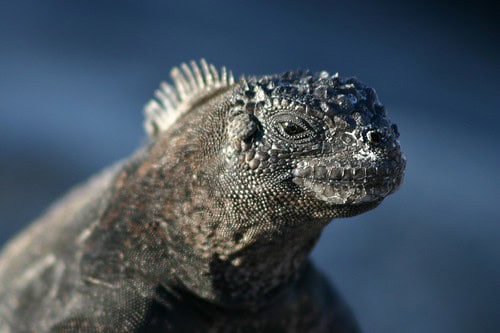
When summer rolls around and the natural world bursts into vibrant life, there’s no better time to embark on a wildlife safari adventure. From the vast plains of Africa to the dense rainforests of South America, wildlife safaris offer unforgettable opportunities to witness incredible animals in their natural habitats. These experiences go beyond simple sightseeing—they create profound connections with nature and often inspire a deeper commitment to conservation. Whether you’re watching lions hunt at dawn in the Serengeti or tracking gorillas through misty mountain forests, a summer wildlife safari promises encounters that will remain etched in your memory for a lifetime. In this comprehensive guide, we’ll explore the world’s most extraordinary wildlife destinations perfect for your summer adventure.
The Majesty of East African Safaris
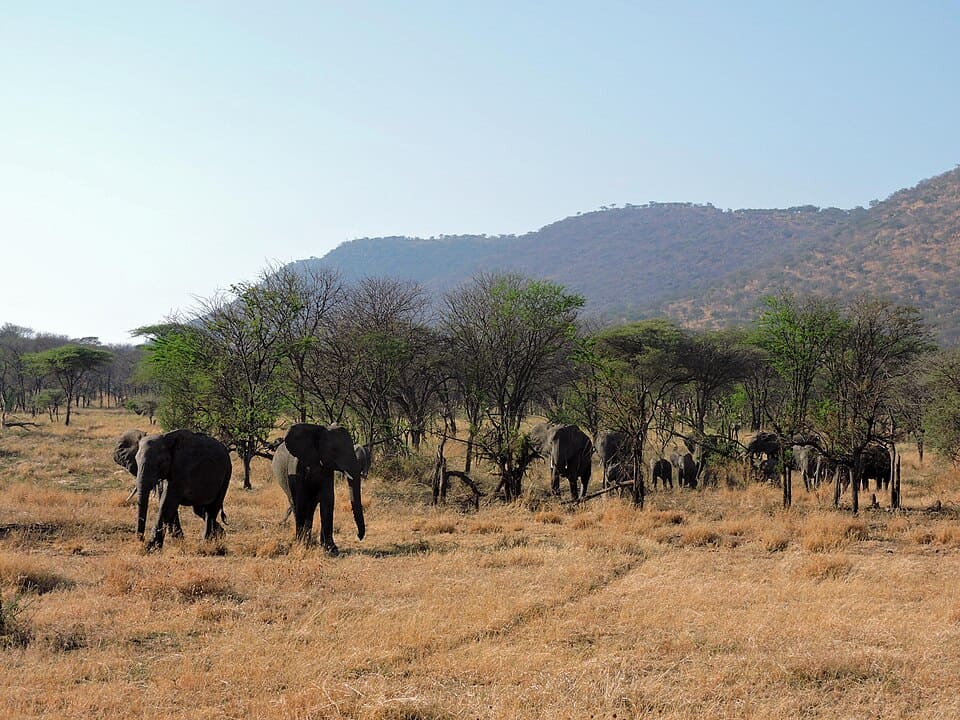
East Africa remains the quintessential safari destination, with Kenya and Tanzania offering some of the most spectacular wildlife viewing opportunities on the planet. The Maasai Mara in Kenya and Tanzania’s Serengeti National Park host the Great Migration, where approximately 1.5 million wildebeest, along with hundreds of thousands of zebras and gazelles, traverse the plains in search of fresh grazing. Summer months (June through September) provide optimal viewing conditions as the herds cross the Mara River—a dramatic spectacle where crocodiles lie in wait. Beyond this famous migration, these parks teem with the “Big Five” (lion, leopard, elephant, buffalo, and rhinoceros), providing unparalleled photography opportunities and game drives. The region’s established tourism infrastructure offers everything from luxury lodges to authentic tented camps, allowing visitors to experience the wilderness without sacrificing comfort.
Botswana’s Okavango Delta: A Watery Paradise

The Okavango Delta represents one of Africa’s most unique ecosystems and offers an extraordinary safari experience during summer months. This massive inland delta floods annually, creating a lush oasis in an otherwise arid region. The peak flooding typically occurs between June and August, coinciding perfectly with summer travel plans for Northern Hemisphere visitors. During this period, the delta becomes a haven for wildlife, including large herds of elephants, buffalo, and antelope species, alongside predators like lions and leopards. What truly sets the Okavango apart is the opportunity for water-based safaris—gliding silently through channels in traditional mokoro canoes provides an intimate perspective on the delta’s wildlife. With its strict conservation policies and low-impact tourism model, Botswana ensures that the Okavango remains one of Africa’s most pristine wilderness areas, making it ideal for travelers seeking authentic and uncrowded safari experiences.
South Africa’s Diverse Safari Landscapes
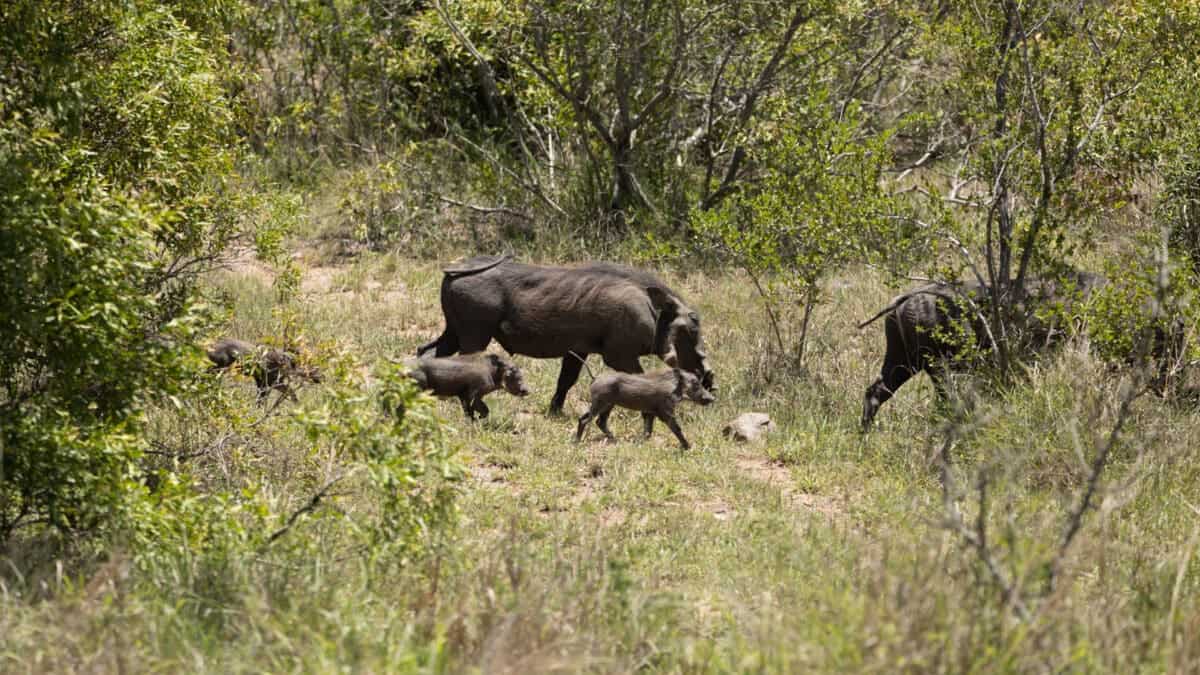
South Africa offers exceptional safari opportunities with distinct advantages for summer travelers. The country’s premier wildlife destination, Kruger National Park, spans nearly 7,523 square miles and hosts an impressive diversity of wildlife, including 147 mammal species and 507 bird species. During the Southern Hemisphere’s winter (Northern Hemisphere’s summer), the dry conditions concentrate animals around water sources, making wildlife spotting particularly rewarding. Beyond Kruger, private reserves like Sabi Sands, Madikwe, and Phinda provide exclusive safari experiences with luxury accommodations and highly skilled guides. What distinguishes South Africa from other safari destinations is its remarkable diversity—visitors can combine wildlife viewing with world-class wineries, stunning coastal drives along the Garden Route, and cultural experiences in vibrant cities like Cape Town. This versatility, coupled with excellent infrastructure and a wide range of accommodation options, makes South Africa an ideal destination for first-time safari-goers and those seeking a multifaceted adventure.
The Galapagos Islands: Darwin’s Living Laboratory
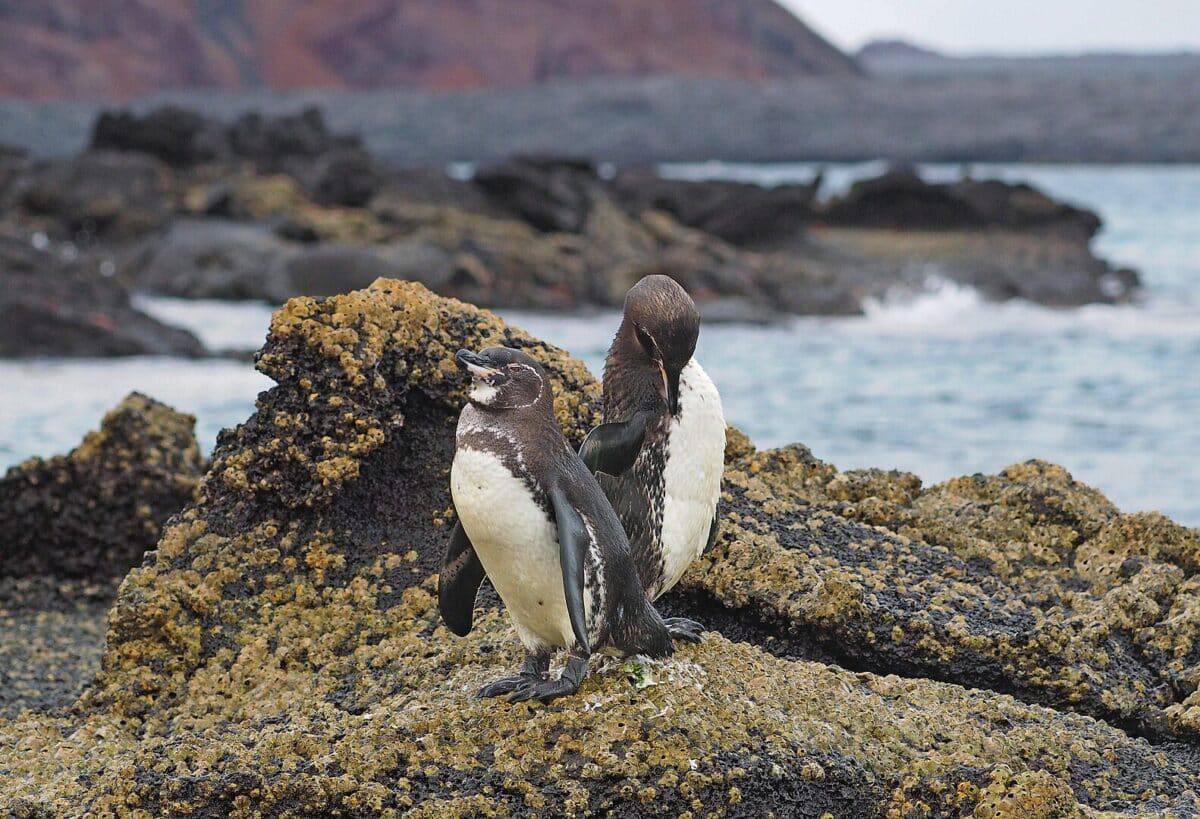
The Galapagos Islands offer a completely different type of wildlife safari that’s particularly captivating during summer months. Located 600 miles off Ecuador’s coast, this archipelago famously inspired Darwin’s theory of evolution and continues to enchant visitors with its fearless wildlife and unique species. June through September brings slightly cooler temperatures and calmer seas, creating ideal conditions for both land and marine exploration. Unlike traditional safaris where animals might flee from human presence, Galapagos wildlife shows remarkable indifference to visitors—marine iguanas bask on paths, sea lions frolic with snorkelers, and blue-footed boobies perform mating dances mere feet away. A typical Galapagos safari involves island-hopping aboard specialized cruise vessels or staying at eco-lodges and taking day trips. Key wildlife encounters include giant tortoises, which can live over 100 years; endemic marine iguanas; playful Galapagos sea lions; and a remarkable variety of finches whose specialized beaks demonstrate adaptive evolution. With strict visitor regulations and carefully managed tourism, the Galapagos provides an extraordinary opportunity to observe wildlife in a pristine ecosystem unlike anywhere else on Earth.
India’s Tiger Territories
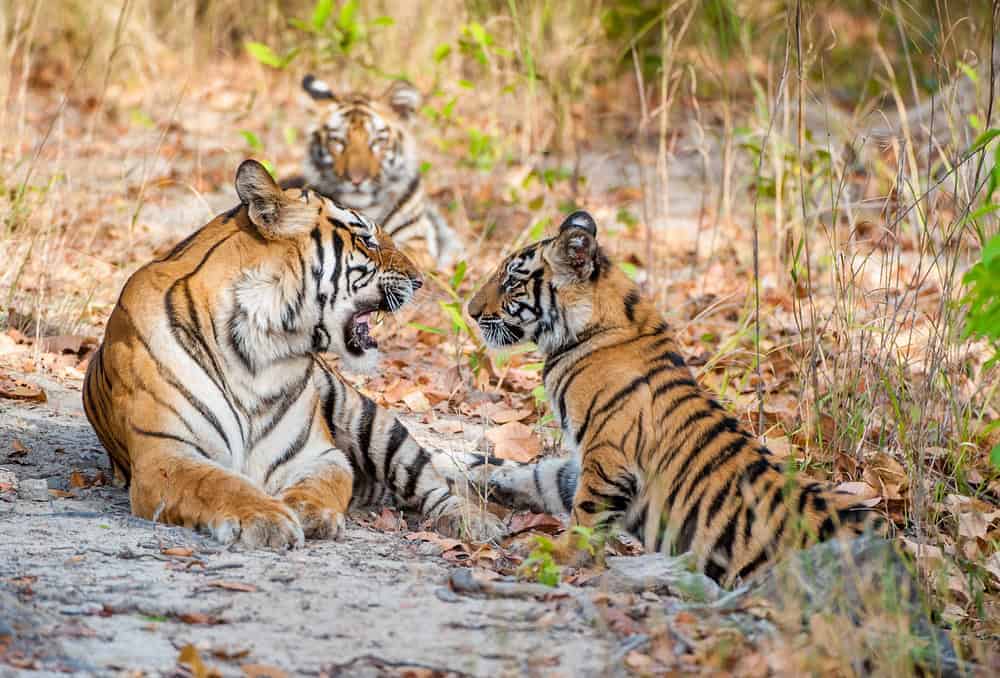
For wildlife enthusiasts seeking an iconic predator, India’s tiger reserves offer unparalleled opportunities to observe the Bengal tiger in its natural habitat. While early summer can be intensely hot in India, the period just before monsoon season (May-June) provides exceptional tiger sightings as these magnificent cats frequent water sources. Ranthambore National Park, with its atmospheric ruins providing dramatic backdrops for tiger photography, is among the most accessible reserves. More adventurous travelers might prefer Bandhavgarh National Park, which boasts one of India’s highest tiger densities, or Kanha National Park, whose sal forests and meadows inspired Kipling’s “The Jungle Book.” Beyond tigers, these reserves shelter leopards, sloth bears, various deer species, and rich birdlife. Safari experiences typically involve morning and afternoon game drives in shared or private jeeps, with expert naturalists who interpret animal behavior and track wildlife. India’s tiger tourism directly supports conservation efforts, with portions of park fees funding anti-poaching initiatives and community development programs that incentivize wildlife protection. With fewer than 4,000 wild tigers remaining worldwide, witnessing these majestic cats in their natural environment offers both an unforgettable adventure and contributes to their survival.
Rwanda and Uganda: Gorilla Trekking Adventures
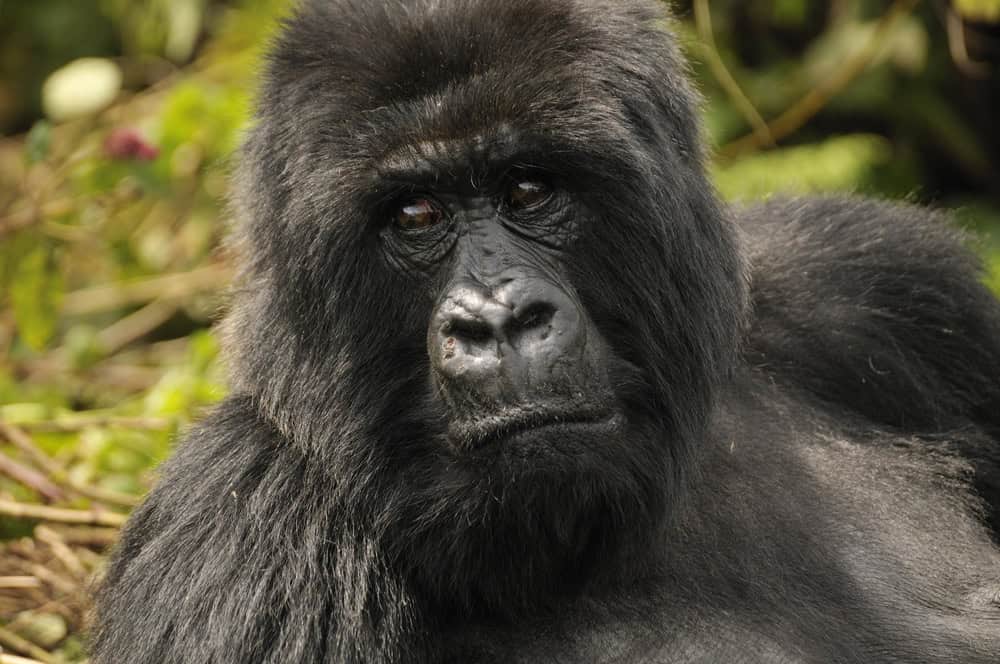
Perhaps no wildlife encounter matches the profound impact of observing mountain gorillas in their natural forest habitat. Rwanda’s Volcanoes National Park and Uganda’s Bwindi Impenetrable National Park provide the world’s premier gorilla trekking experiences, with the relatively dry summer months offering more comfortable hiking conditions. These remarkable primates, sharing approximately 98% of human DNA, live in family groups led by dominant silverback males. The trek to reach them varies from moderately challenging to strenuous, as visitors hike through dense mountain forests accompanied by experienced trackers. Once a gorilla family is located, guests enjoy a strictly regulated one-hour encounter, watching as these gentle giants forage, play, and care for their young. With fewer than 1,000 mountain gorillas remaining in the wild, permits are limited and expensive ($1,500 in Rwanda, $700 in Uganda), but the fees directly support conservation and community development. Beyond the emotional impact of connecting with our evolutionary cousins, these treks contribute significantly to gorilla conservation success stories—their population has increased from a critical low of about 250 in the 1980s to current numbers, representing one of conservation’s most heartening achievements.
Borneo’s Rainforest Realm

Borneo offers a uniquely specialized wildlife safari experience focused on primates and rainforest ecology, with the summer months being especially favorable for exploration. The world’s third-largest island harbors some of Earth’s oldest rainforests and exceptional biodiversity, including approximately 222 mammal species. The undisputed highlight for most visitors is encountering wild orangutans—these intelligent great apes can be observed in rehabilitation centers like Sepilok in Malaysian Borneo or Tanjung Puting National Park in Indonesian Borneo. Summer typically brings relatively drier conditions, making it easier to navigate the forest trails and riverways that provide access to wildlife areas. Beyond orangutans, Borneo offers opportunities to see proboscis monkeys with their distinctive large noses, diminutive pygmy elephants, hornbills, and countless other species. The island’s rich marine ecosystems, particularly around Sipadan and Mabul, allow visitors to combine rainforest exploration with world-class diving. As Borneo continues to face challenges from palm oil plantation expansion and deforestation, ecotourism plays a vital role in demonstrating the economic value of preserving intact forests and their remarkable wildlife.
Brazil’s Pantanal: Jaguar Country
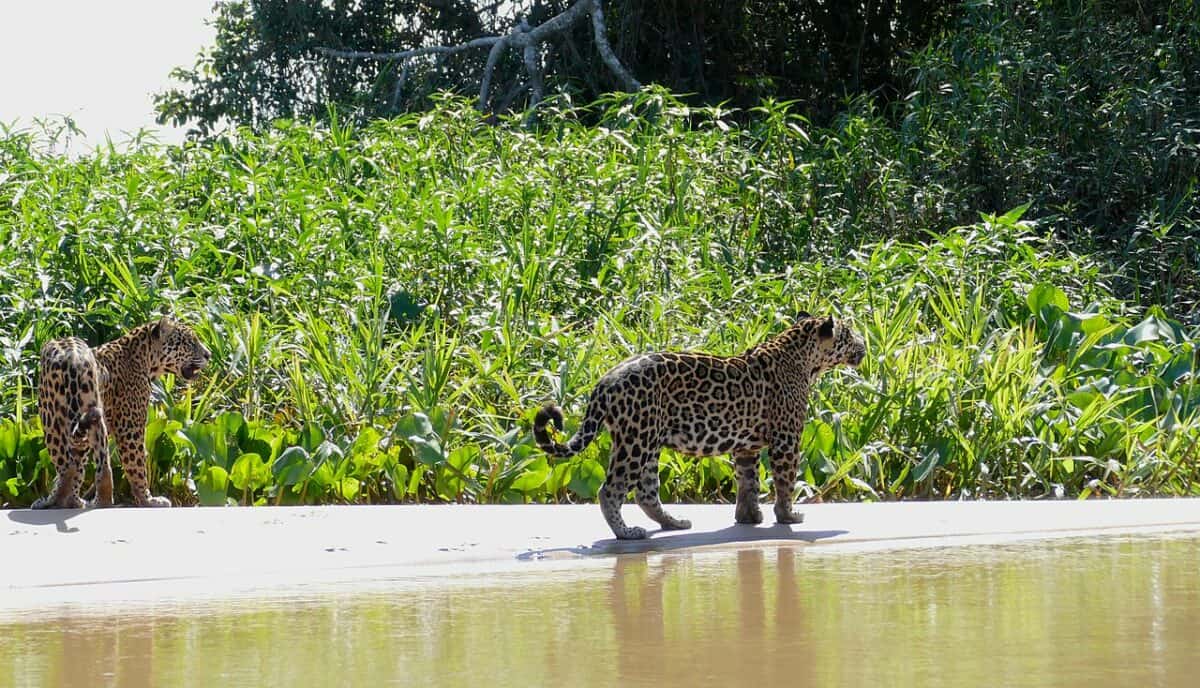
While the Amazon may be better known, Brazil’s Pantanal offers South America’s premier wildlife safari destination, particularly during the dry season from June through October. This vast wetland ecosystem—the world’s largest tropical wetland at approximately 75,000 square miles—transforms during the dry months as waters recede, concentrating wildlife around remaining water sources. The Pantanal boasts the highest density of jaguars in the world, with the northern Pantanal’s Porto Jofre area offering almost guaranteed sightings during summer months. Unlike the dense forests where these elusive cats typically live, the open landscapes of the dry-season Pantanal allow for exceptional viewing opportunities as jaguars hunt along riverbanks. Beyond these magnificent predators, visitors encounter giant otters, capybaras, caimans, and an astonishing variety of birds—over 650 species have been recorded. Safari experiences typically combine boat trips along rivers with overland excursions in specialized vehicles and horseback rides through ranchlands. The region’s unique blend of wilderness and traditional cattle ranching creates a distinctive safari experience that differs dramatically from African counterparts while offering similarly spectacular wildlife encounters.
Costa Rica’s Biodiversity Hotspots
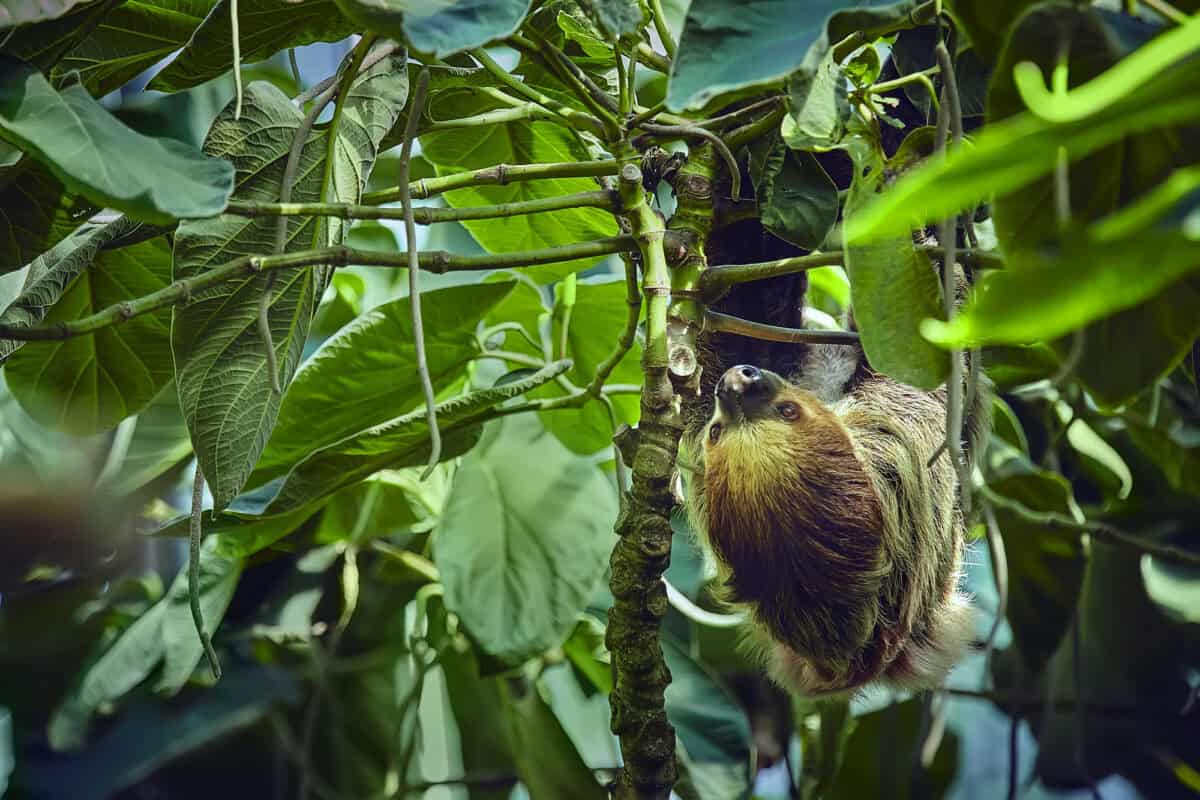
Costa Rica presents a compact yet incredibly diverse safari destination where summer months offer excellent wildlife viewing despite coinciding with the green season. This small Central American nation hosts approximately 5% of Earth’s biodiversity within its borders, protected by an exemplary national park system that covers roughly 25% of the country. While afternoon showers are common during summer, mornings typically remain clear, and the increased moisture actually enhances wildlife activity. Corcovado National Park on the Osa Peninsula represents Costa Rica’s crown jewel for wildlife enthusiasts, with opportunities to observe scarlet macaws, four monkey species, tapirs, and occasionally elusive predators like jaguars and pumas. The Monteverde Cloud Forest offers encounters with the resplendent quetzal and fascinating hummingbirds, while Tortuguero National Park presents nesting sea turtles from July through October. Costa Rica pioneered ecotourism development and offers exceptional infrastructure for wildlife observation, from canopy walkways to night hikes and specialized boat excursions. With its combination of accessibility, safety, biodiversity, and commitment to conservation, Costa Rica provides an ideal wildlife safari for families and those seeking a multifaceted nature experience without the logistical complexities of more remote destinations.
Madagascar: The Eighth Continent

Madagascar offers perhaps the world’s most distinctive wildlife safari, showcasing an evolutionary experiment that has unfolded in isolation for over 88 million years. This massive island nation harbors an astonishing array of species found nowhere else—approximately 90% of its wildlife is endemic, including all 100+ lemur species. The summer months of June through September align with Madagascar’s dry season, providing optimal conditions for wildlife observation and navigation of the often challenging terrain. A comprehensive Madagascar safari might begin in the eastern rainforests of Andasibe-Mantadia, home to the indri (the largest living lemur, known for its haunting calls), before exploring the spiny forests of the south, where ring-tailed lemurs and bizarre plants adapted to arid conditions thrive. The western deciduous forests harbor jumping sifaka lemurs and rare birds, while the northern region presents remarkable geological formations alongside specialized wildlife. Beyond lemurs, highlights include chameleons, colorful frogs, peculiar insects, and distinctive bird species like the ground-rollers. Madagascar presents more logistical challenges than many safari destinations, with limited infrastructure and sometimes difficult travel conditions, but rewards adventurous travelers with wildlife encounters that genuinely cannot be replicated anywhere else on Earth.
The Arctic: Summer Wildlife Spectacle
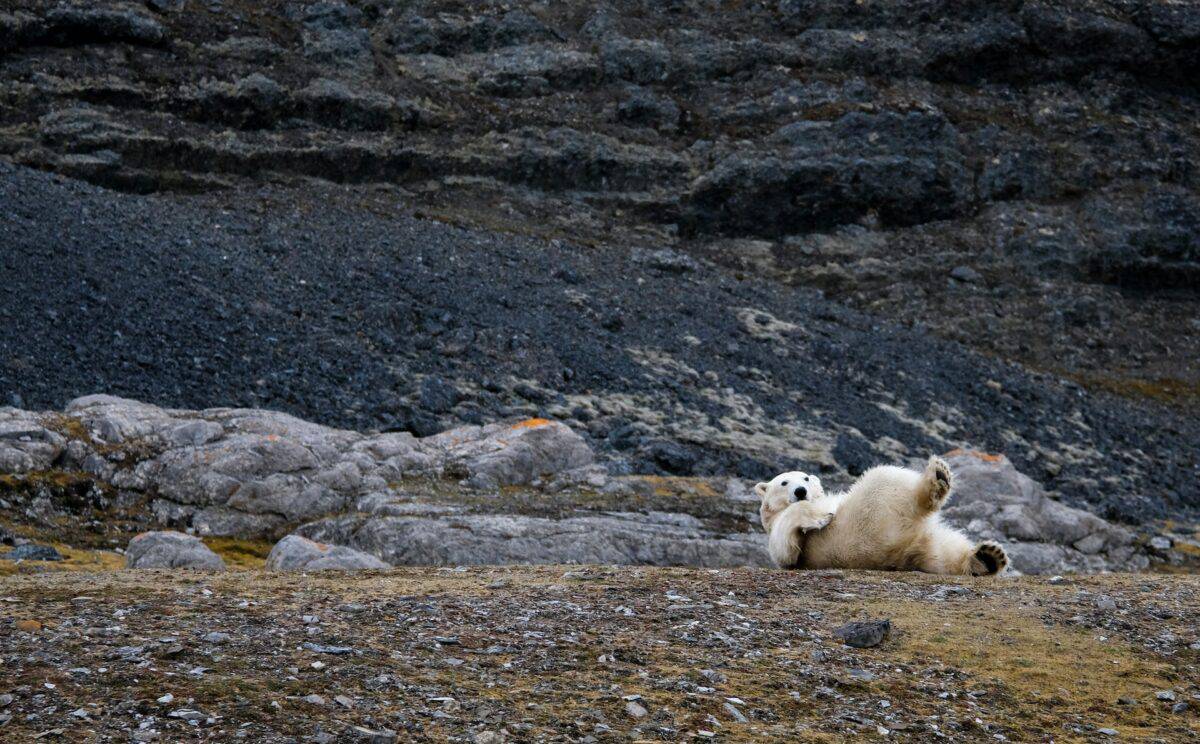
For an unconventional wildlife safari, the Arctic during summer months (June-August) offers extraordinary opportunities to observe specialized species in a landscape transformed by the midnight sun. The brief Arctic summer brings an explosion of life as migratory birds arrive in massive numbers, plants burst into bloom, and marine mammals congregate in productive waters. Svalbard, Norway’s high Arctic archipelago, provides one of the most accessible and rewarding Arctic safari experiences. Here, travelers can observe polar bears hunting on sea ice or roaming tundra landscapes, walruses hauled out on beaches, Arctic foxes in their brown summer coats, and breeding colonies of seabirds numbering in the millions. Expedition cruises offer the primary means of exploring this remote region, with daily zodiac excursions providing close encounters with wildlife and glacial landscapes. Churchill, Manitoba presents another Arctic safari option, focusing on beluga whales that gather by the thousands in the Churchill River during summer. With 24-hour daylight during peak summer months, wildlife viewing opportunities extend around the clock, creating unique opportunities for photography and observation. As climate change rapidly transforms Arctic ecosystems, witnessing this fragile region firsthand creates powerful advocates for its protection.
Planning Your Summer Wildlife Safari: Essential Considerations

Successfully planning a summer wildlife safari requires careful consideration of several key factors. First, align your destination choice with your specific wildlife interests—whether big predators, primates, marine species, or overall biodiversity. Research typical animal behavior during summer months, as seasonal patterns dramatically affect wildlife viewing opportunities. Consider physical requirements, as safaris range from comfortable vehicle-based experiences to strenuous hiking adventures. Budget planning must account for not just accommodations but also park fees, specialized guides, and often significant transportation costs to remote areas. Responsible travelers should thoroughly research operators’ ethical standards regarding wildlife interactions, community benefits, and environmental practices. Most premium wildlife destinations require bookings 6-12 months in advance, particularly for specialized experiences like gorilla trekking permits or small expedition vessels. Regarding equipment, quality binoculars represent the single most important investment, followed by appropriate clothing for the specific environment. Finally, managing expectations remains crucial—while professional wildlife documentaries show constant action, real safari experiences involve patience, appreciation for all aspects of natural environments, and understanding that truly wild animals appear on their own schedules, not visitors’. With proper planning, a summer wildlife safari can deliver transformative encounters that foster deeper connections with the natural world and inspire ongoing conservation support.
A summer wildlife safari represents far more than a vacation—it creates a profound connection with the natural world that often transforms perspectives and priorities long after returning home. Witnessing wild animals in their natural habitats provides visceral understanding of ecosystem relationships that no documentary or book can fully convey. This experiential learning frequently translates into increased support for conservation initiatives, from financial contributions to advocacy and lifestyle changes that reduce environmental impact. Beyond conservation benefits, wildlife safaris deliver remarkable economic value to regions harboring biodiversity, creating tangible incentives for habitat protection over extractive activities like logging or mining. For communities living alongside wildlife, sustainable tourism provides alternative livelihoods that transform animals from threats or resources into valuable assets worth protecting. On a personal level, the moments of wonder experienced on safari—whether watching a leopard’s graceful descent from a tree, observing the tender interactions of elephant families, or meeting the thoughtful gaze of a mountain gorilla—create memories that endure for a lifetime and often inspire deeper exploration of our relationship with the natural world.

- 21 Scary Creatures You Might Run Into While Hiking In The U.S - June 3, 2026
- The Difference Between Turtles and Tortoises—Explained - June 3, 2026
- What Makes Owls the Silent Predators of the Night? - June 3, 2026