

Imagine a creature so tiny it could curl up comfortably on your fingertip. In the vast world of mammals, not every animal is a towering elephant or thundering rhino. Some of the most fascinating mammals are the smallest—masters of survival in a world built for giants. These little wonders defy expectations and remind us that size is not everything. Their stories are packed with surprise, inspiration, and even a touch of mischief. Let’s journey into the miniature kingdom of the ten tiniest mammals on our planet, and discover marvels you might never have imagined.
10. Pygmy Rabbit

The pygmy rabbit is a true natural wonder, often overlooked in the wilds of North America. Weighing just around 400 grams and standing at about 24 centimeters long, it’s the smallest rabbit species in the world. Unlike its larger cousins, the pygmy rabbit prefers dense sagebrush habitats where it can hide from predators. Its soft, grayish coat blends seamlessly into the landscape, making it nearly invisible to anyone not looking closely. These rabbits are mostly active at dusk and dawn, nibbling on sagebrush leaves and stems. They’re incredibly shy, darting into burrows at the slightest sign of danger. Despite their small size, pygmy rabbits are tough survivors, adapting to harsh winters and arid summers alike.
9. American Shrew Mole

Barely bigger than a cotton ball, the American shrew mole is a pint-sized powerhouse. This tiny mammal weighs in at just 10 grams and measures about 10 centimeters in length, tail included. It spends nearly all its life tunneling underground in moist forests along the Pacific coast of North America. Unlike true moles, its pointed snout and small eyes give it a shrew-like look, hence its name. The American shrew mole’s diet consists mostly of insects, earthworms, and tiny invertebrates. It’s so secretive that spotting one is like finding a needle in a haystack. Even though it’s so small, this little mole is a vital part of its ecosystem, aerating the soil and controlling insect populations.
8. Long-tailed Planigale

Meet the long-tailed planigale—a mammal so tiny and flat, it could slip under your door! Native to the grasslands and floodplains of northern Australia, it weighs a mere 4.3 grams on average and measures around 5 centimeters from nose to tail. Its head is remarkably flattened, allowing it to squeeze into impossibly narrow cracks in search of insects and larvae. The long-tailed planigale’s agility and speed make it a fearsome predator in the miniature world of soil and leaf litter. Despite its tiny size, it is fiercely territorial and will not hesitate to challenge other planigales for food. Its survival depends on its ability to stay hidden and strike quickly at unsuspecting prey. Watching one dart through the grass is a reminder of how evolution can shape even the smallest creatures into specialized marvels.
7. Etruscan Shrew

Holding the unofficial title of the world’s smallest mammal by weight, the Etruscan shrew is a true featherweight. Adults tip the scales at just 1.8 grams and rarely exceed 4 centimeters in body length. Living across Europe, North Africa, and parts of Asia, this shrew’s heart beats a blazing 1,500 times per minute—the highest rate among mammals. Its tiny size means it’s always hungry, hunting insects almost constantly to fuel its blazing metabolism. The Etruscan shrew’s sharp senses help it locate prey even in total darkness. Despite its delicate appearance, it’s a relentless hunter. Its life is a frantic race against starvation, and every moment counts.
6. Bumblebee Bat

The bumblebee bat, also known as Kitti’s hog-nosed bat, is an astonishing creature that seems almost too small to be real. Native to limestone caves in Thailand and Myanmar, this bat weighs only about 2 grams—less than a single penny—and measures 3 centimeters in length. Its delicate wings beat rapidly as it flits through the twilight, catching insects on the wing. Despite its minuscule size, the bumblebee bat’s face is surprisingly pig-like, with a flat snout and wide nostrils. It spends its days roosting in tiny colonies, hidden high up in cave ceilings. This bat’s survival depends on the health of its fragile cave habitats, making it one of the world’s most vulnerable mammals.
5. Pygmy Jerboa

If you’ve never seen a pygmy jerboa, picture a mouse crossed with a kangaroo, shrunk down to pocket size. Native to the deserts of Pakistan and Afghanistan, this tiny rodent weighs just 3 grams and measures about 4.5 centimeters. Its oversized hind legs and long tail help it leap enormous distances—up to a meter at a time—despite its minuscule body. The pygmy jerboa spends its nights foraging for seeds and insects, relying on its speed to escape predators. Its enormous eyes make it a master of navigating in the dark, while its fur blends perfectly with the sandy landscape. Despite its comical appearance, the pygmy jerboa is perfectly adapted to a harsh, arid life.
4. Desert Dormouse

The desert dormouse is a tiny ball of fluff that thrives in the deserts and rocky hills of Central Asia. With a body length of just 7 centimeters and a weight of about 18 grams, it’s one of the smallest rodents in its family. This nocturnal mammal spends its days hiding in burrows or crevices, emerging at night to search for seeds, berries, and insects. Its thick fur helps protect it from the intense heat of the desert sun, while its bushy tail stores fat for lean times. The desert dormouse is an agile climber, often scrambling among rocks and low shrubs in search of food. Despite facing threats from habitat loss, it continues to surprise researchers with its resilience and adaptability.
3. Pink Fairy Armadillo
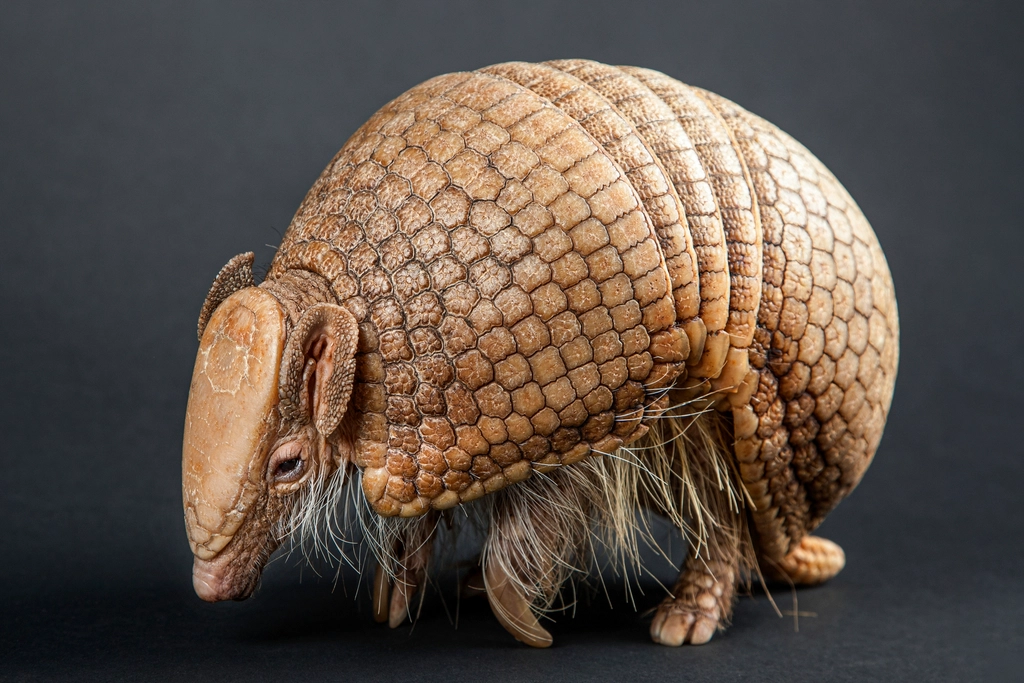
The pink fairy armadillo is like something out of a fairy tale—tiny, elusive, and almost impossibly cute. Native to the sandy plains of central Argentina, this miniature armadillo measures just 13 centimeters in length and weighs around 120 grams. Its distinctive pink shell is soft and flexible, unlike other armadillos, and it uses its powerful front claws to dig quickly into the ground. The pink fairy armadillo spends most of its life underground, coming up only at night to search for ants and worms. Its delicate size and secretive lifestyle make it one of the rarest and least understood mammals in the world. Spotting one is a bit like finding a unicorn in your backyard.
2. African Pygmy Mouse

The African pygmy mouse is a true miniature marvel, found in grasslands and savannas across Sub-Saharan Africa. Weighing just 3 grams and measuring around 6 centimeters long, it’s one of the world’s tiniest rodents. Despite its small stature, the African pygmy mouse is a master escape artist, jumping up to 45 centimeters in the air to evade predators. Its fur can shift color slightly to match its surroundings, helping it blend into the grass. These mice are social creatures, often living in groups and communicating with a variety of chirps and squeaks. Their tiny size belies a bold, adventurous spirit, as they explore their world with boundless curiosity. Every day is a new adventure for these pint-sized explorers.
1. Least Weasel

Topping our list is the least weasel, a mammal that proves dynamite comes in small packages. Despite its tiny frame—adults can weigh as little as 25 grams and measure just 13 centimeters—this weasel is a fearless predator. Found across Europe, Asia, and North America, the least weasel preys on animals much larger than itself, including rabbits and voles. Its slender, elongated body lets it slip into burrows and chase down even the fastest prey. The least weasel’s white winter coat provides perfect camouflage in snowy landscapes, while its brown summer fur keeps it hidden from sight. Its fierce hunting style and boundless energy have made it a legend among small mammals. Watching a least weasel hunt is witnessing a tiny warrior in action—proof that courage isn’t measured in grams or centimeters.
Conclusion

The world of the smallest mammals is filled with surprises, resilience, and a touch of magic. These pint-sized creatures prove that being small can be a superpower, allowing them to thrive in some of the planet’s harshest environments. Each one tells a story of adaptation and survival that’s as remarkable as any giant of the animal kingdom. Who knew such tiny lives could have such a big impact?

As a little kid, I fell in love with nature, wildlife, and animals. Living in the USA, South Africa, Italy, China and Germany gave me the opportunity to discover the world's Wildlife. My favorite animals are Mountain Gorillas, Siberian Tigers, and Great White Sharks.
I'm a certified PADI Open Water Diver, went to Everest Base Camp and Trekked Gorillas in Uganda. I hold a Master of Science in Economics and Finance.
Please send any feedback to feedback@animalsaroundtheglobe.com
- 10 Smallest Mammals on Earth - July 18, 2026
- 10 Things That Make Indoor Cats Happy And 4 That Do Not - July 18, 2026
- The 13 Most Energetic Dog Breeds for Active Owners - July 18, 2026
Leave a comment
You must be logged in to post a comment.