


Worried about unexpected vet bills?
Pet insurance can cover thousands in unexpected vet costs. Get a free quote from Lemonade in under 2 minutes.
Get My Free Quote →Sponsored · Opens Lemonade.com
The humble bee, a creature often overlooked or feared due to its sting, plays an irreplaceable role in global ecosystems and human food systems. While scientists have been warning about declining bee populations for decades, recent data suggests these vital pollinators may be disappearing faster than previously predicted. This accelerated decline raises urgent questions about what would happen if bees were to go extinct sooner than expected. The consequences would extend far beyond just losing honey – they would fundamentally alter our food security, ecological stability, and even global economies. As we face this potential crisis, understanding the full implications becomes crucial for mobilizing meaningful conservation efforts before it’s too late.
The Current State of Bee Populations

Bee populations worldwide have been declining at alarming rates. Since the 1990s, beekeepers have reported annual colony losses of 30-50% in some regions, far exceeding the historical 10-15% loss rate considered normal. Recent studies show this decline is accelerating, with the United States losing about 45% of managed honey bee colonies from April 2020 to April 2021, according to the Bee Informed Partnership.
Wild bee species face even more dire circumstances, with approximately 25% of known bee species not reported since the 1990s. Multiple factors drive this decline, including pesticide use, habitat loss, climate change, diseases, parasites like the Varroa destructor mite, and monoculture farming practices. This accelerating loss pattern suggests we may reach critical population thresholds much sooner than the end-of-century timeframes previously projected by some conservation models.
The Scale of Bee Pollination in Agriculture

The agricultural impact of bees cannot be overstated. Approximately 75% of the world’s food crops depend at least partially on pollination, with bees being the dominant pollinators. These crops represent about 35% of global food production by volume. In financial terms, bee pollination services contribute an estimated $235-577 billion annually to global agriculture. This includes staple fruits like apples, almonds, blueberries, and cherries, which rely on bee pollination for 90% or more of their yield.
In the United States alone, honey bees contribute over $20 billion to crop production annually. Without bees, agricultural productivity would plummet dramatically, with some regions and crops experiencing nearly total failure. The speed of bee decline directly correlates to how quickly these agricultural impacts would manifest, with faster extinction scenarios allowing less time for adaptation of agricultural practices.
Immediate Food Supply Disruptions

If bee populations collapsed faster than expected, immediate and severe food supply disruptions would follow. Within one growing season, crops heavily dependent on bee pollination would show dramatic yield reductions of 40-90%. Fruits like watermelons, apples, and cherries would become luxury items due to scarcity and price increases of potentially 200-500%. Almonds, which rely almost exclusively on honey bee pollination, would face production collapse, impacting not just direct consumption but the entire almond milk and almond product industry.
These immediate shortages would ripple through food processing chains, affecting thousands of products containing bee-pollinated ingredients. While grains like wheat, corn, and rice are primarily wind-pollinated and would be less directly affected, the nutritional diversity of human diets would narrow significantly as fruits, nuts, and certain vegetables became scarce. The accelerated timeline would mean these shortages would hit markets before alternative pollination methods or crop breeding programs could be implemented at scale.
Economic Consequences Beyond Agriculture

The economic impact of rapid bee extinction would extend far beyond farm gates. Within the first few years, global food markets would experience unprecedented volatility, with price spikes of 300-500% for certain commodities. Industries dependent on bee-pollinated crops would face existential threats – cosmetics using almond oil, pharmaceuticals utilizing plant compounds, and textiles derived from cotton (partially bee-pollinated) would all experience supply chain disruptions and increased production costs. The honey industry, valued at approximately $7 billion globally, would collapse entirely.
Employment impacts would be severe, with an estimated 1.4 million agricultural jobs at risk in the United States alone. Tourism connected to flowering landscapes would diminish as plant diversity declined. Insurance markets would face new challenges in pricing agricultural risk in a post-bee world. Economic modeling suggests that faster-than-expected bee extinction could reduce global GDP by 0.5-1.5% within a decade of collapse, representing hundreds of billions in economic damage before adaptation measures could take effect.
Cascading Ecological Effects
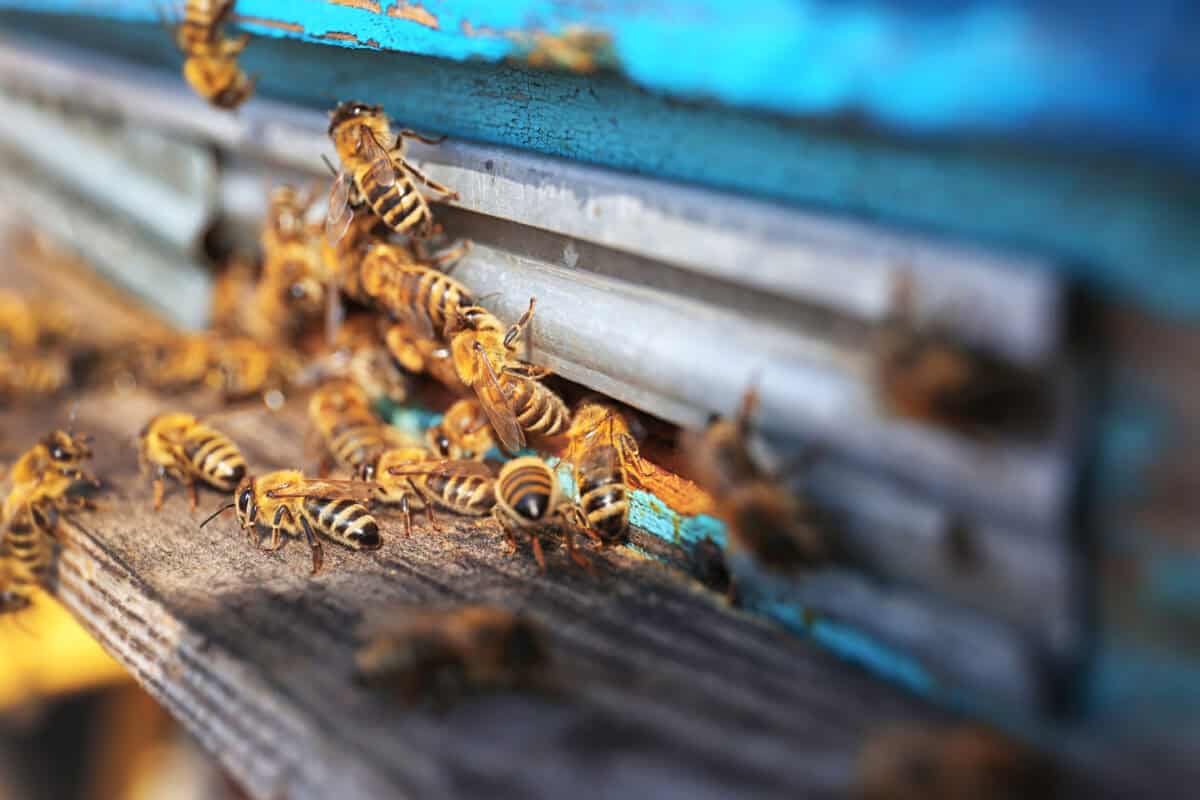
Bee extinction would trigger devastating ecological cascades throughout natural systems. As primary pollinators for an estimated 80-95% of flowering plant species in many ecosystems, their absence would cause widespread plant reproductive failure. Studies suggest that within 5-10 years of bee extinction, we could expect a 40-80% reduction in wildflower diversity, fundamentally altering landscapes.
This floral collapse would then impact countless species that depend on these plants for food and habitat. Seed-eating birds would face population crashes within 2-3 breeding seasons. Small mammals reliant on fruits and seeds would decline shortly thereafter. Larger predators would subsequently experience food scarcity as prey populations diminished. Insect populations that compete with or prey upon bees would experience temporary booms followed by crashes as ecological relationships rebalanced.
Forest regeneration would slow dramatically as bee-pollinated trees failed to reproduce efficiently. Perhaps most concerning, these ecological cascades would accelerate other environmental crises, creating feedback loops that further destabilize ecosystems already under pressure from climate change and habitat fragmentation.
Impact on Wild Plant Communities

Wild plant communities would undergo dramatic restructuring following rapid bee extinction. Many flowering plants have co-evolved with specific bee species over millions of years, developing intricate relationships for successful reproduction. Without their pollination partners, an estimated 50-80% of wild flowering plants would experience reproductive failure or significant decline.
While some plants can self-pollinate or utilize other pollinators, many species have specialized flower structures that only bees can effectively pollinate. Research indicates that plant communities would shift dramatically toward wind-pollinated species like grasses and certain trees. This shift would reduce biodiversity hotspots by an estimated 30-60% within decades, much faster than previous models suggested.
The aesthetic and cultural value of wildflower meadows, flowering forests, and other naturally vibrant landscapes would diminish rapidly. Additionally, plants that provide critical ecosystem services like erosion control, water filtration, and carbon sequestration would decline, further destabilizing environmental systems that humans rely upon indirectly.
Human Nutritional Consequences
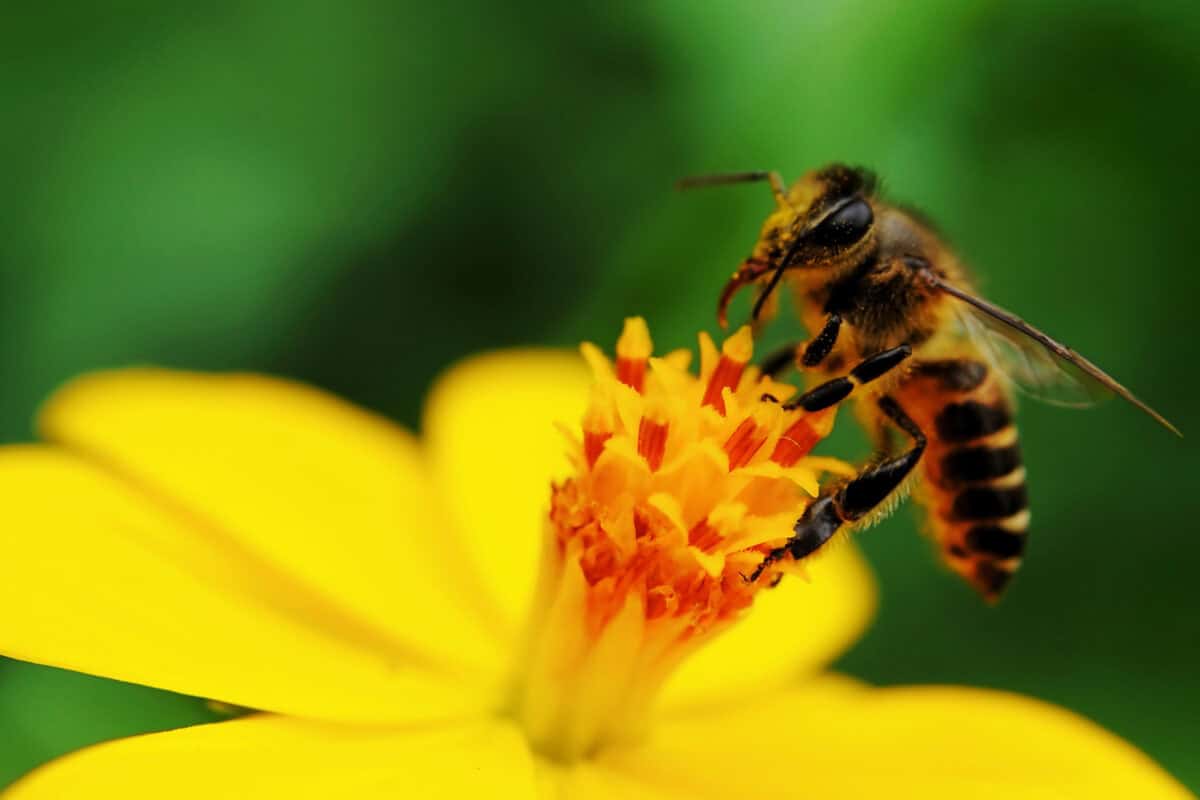
Accelerated bee extinction would significantly impact human nutrition worldwide. Bee-pollinated crops are crucial sources of vitamins, minerals, and phytonutrients in human diets. For example, fruits and vegetables dependent on bee pollination provide approximately 90% of vitamin C, 100% of lycopene, 74% of vitamin A, and 50% of folate in the global food supply.
A sudden decline in these foods would create nutritional gaps difficult to fill through other dietary sources. Research suggests that within 3-5 years of bee collapse, micronutrient deficiencies would increase by 20-40% globally, with children in developing countries most vulnerable. Protein diversity would also diminish as bee-dependent legume crops declined.
While caloric intake might be maintained through increased reliance on wind-pollinated grains, the nutritional quality of global diets would deteriorate significantly. Public health experts estimate that nutrition-related disorders could increase by 15-30% within a decade of bee extinction, representing millions of additional cases of preventable disease annually.
Alternative Pollination Methods and Their Limitations

If faced with rapid bee extinction, humanity would scramble to implement alternative pollination methods, but each has significant limitations. Hand pollination, already practiced in parts of China where wild pollinators have disappeared, requires enormous human labor – an estimated 20-30 workers to replace the pollination services of a single bee colony.
Robotic pollinators and micro-drones are under development but remain prohibitively expensive and technologically limited, with current models able to pollinate only specific crop types under controlled conditions. Managed populations of other insects like flies, beetles, and moths could be expanded, but these species typically pollinate at 20-70% lower efficiency than bees. Additionally, breeding self-pollinating crop varieties would take decades of research and development, far too slow to address immediate food security threats.
The economic viability of these alternatives makes them realistic only for high-value crops, leaving many essential food plants without pollination solutions. Most critically, none of these methods could scale quickly enough to prevent major agricultural disruptions if bee populations collapsed faster than the 20-30 year timeline currently anticipated by many experts.
Social and Political Ramifications

The social and political consequences of accelerated bee extinction would be profound and far-reaching. Food insecurity would increase dramatically, with an estimated additional 300-500 million people facing inadequate nutrition within five years of bee collapse. Nations heavily dependent on bee-pollinated export crops would experience economic and political instability as agricultural revenues declined.
Developing regions with limited capacity to implement technological alternatives would be disproportionately affected. Political tensions would rise over remaining pollination resources, with potential for “pollination refugees” fleeing agricultural collapse in the hardest-hit regions. Civil unrest related to food shortages and price spikes would likely increase, particularly in urban areas where populations are further removed from food production.
Global governance would face unprecedented challenges in managing food distribution and preventing humanitarian crises. Historical analysis suggests that rapid food system disruptions frequently trigger political instability, suggesting that bee extinction could become a significant geopolitical security threat if it occurred faster than social systems could adapt.
Adaptations in Human Food Systems

Human food systems would need to undergo rapid and radical transformation to adapt to a world without bees. Short-term adaptations would include massive shifts toward wind-pollinated grain production, expanded greenhouse cultivation with manual pollination for high-value crops, and increased reliance on self-pollinating plant varieties.
Vertical farming in urban centers would likely accelerate to compensate for reduced field crop yields. Dietary recommendations would shift, promoting nutritional adequacy with available foods. Culturally, many traditional cuisines would be forced to evolve as key ingredients became unavailable or prohibitively expensive. Long-term adaptations would include comprehensive breeding programs to develop self-fertile varieties of currently bee-dependent crops and increased investment in algae and fungal protein sources that don’t require pollination.
The pace of bee extinction would determine how disruptive this transition becomes – a more rapid collapse would outpace adaptation capability, potentially creating a multi-year global food crisis before new agricultural systems could stabilize. The resulting food system would likely be less diverse, more resource-intensive, and possibly more vulnerable to other environmental stressors.
Current Conservation Efforts and Their Effectiveness

Multiple conservation strategies are being implemented to prevent bee extinction, though their effectiveness varies significantly. Habitat restoration projects have shown promising local results, with some regions reporting 15-45% population recoveries when wildflower corridors are established.
Pesticide regulations are evolving, with the European Union’s neonicotinoid restrictions demonstrating measurable benefits in some bee populations, though global chemical use continues to rise overall. Educational initiatives have increased public participation in bee conservation, with community science programs monitoring over 10,000 locations worldwide. The economic value of bees has prompted some agricultural sectors to adopt bee-friendly farming practices, including cover cropping, reduced tillage, and integrated pest management. However, these efforts face significant challenges in scale and coordination.
Only an estimated 0.5-2% of former bee habitat has been restored globally. Conservation funding remains inadequate, with less than $50 million annually dedicated to bee conservation worldwide despite the hundreds of billions in ecosystem services they provide. Most critically, current conservation timelines are based on gradual decline models, not the accelerated extinction scenario that emerging data suggests may be unfolding.
Conclusion: The Urgency of Accelerated Action

The potential for faster-than-expected bee extinction represents a global emergency that demands immediate, coordinated response across scientific, political, and social domains. The consequences of bee loss would cascade through agricultural systems, natural ecosystems, economies, and human societies with a speed and severity that could overwhelm our adaptive capacity.
Unlike many environmental challenges that unfold over generations, bee extinction could manifest its most severe impacts within years rather than decades, leaving little time for technological or agricultural adaptation. This acceleration factor transforms bee conservation from an important environmental concern to an urgent humanitarian priority. The window for effective intervention is narrowing as multiple stressors continue to impact bee populations worldwide.
Our response in the next five to ten years will likely determine whether we can maintain sufficient pollinator populations to prevent the most catastrophic outcomes or whether we must prepare for a fundamentally altered relationship with our food systems and natural world. The choice between these futures remains ours, but the timeline for making this choice may be much shorter than we previously believed.
Worried about unexpected vet bills?
Pet insurance can cover thousands in unexpected vet costs. Get a free quote from Lemonade in under 2 minutes.
Get My Free Quote →Sponsored · Opens Lemonade.com

From exploring the marine wonders in the Azores and witnessing the vast savannas of Kenya, to delving deep into the rich biodiversity of South Africa and traversing iconic landscapes in Australia and the US like Yellowstone, Chris's experiences are vast.
With a penchant for diving alongside sharks, the ocean holds a special place in his heart.
Through his academic insights, he champions wildlife conservation, striving with 'Animals Around The Globe' to cultivate a profound connection between humans and animals, enhancing our mutual appreciation.
Connect with him at Feedback@animalsaroundtheglobe.com.
- The Most Common Backyard Wildlife in Pennsylvania - June 9, 2026
- The Surprising Way Sea Otters Use Rocks as Tools - June 9, 2026
- Squirrels Adopt Orphaned Babies Like Their Own - June 9, 2026