

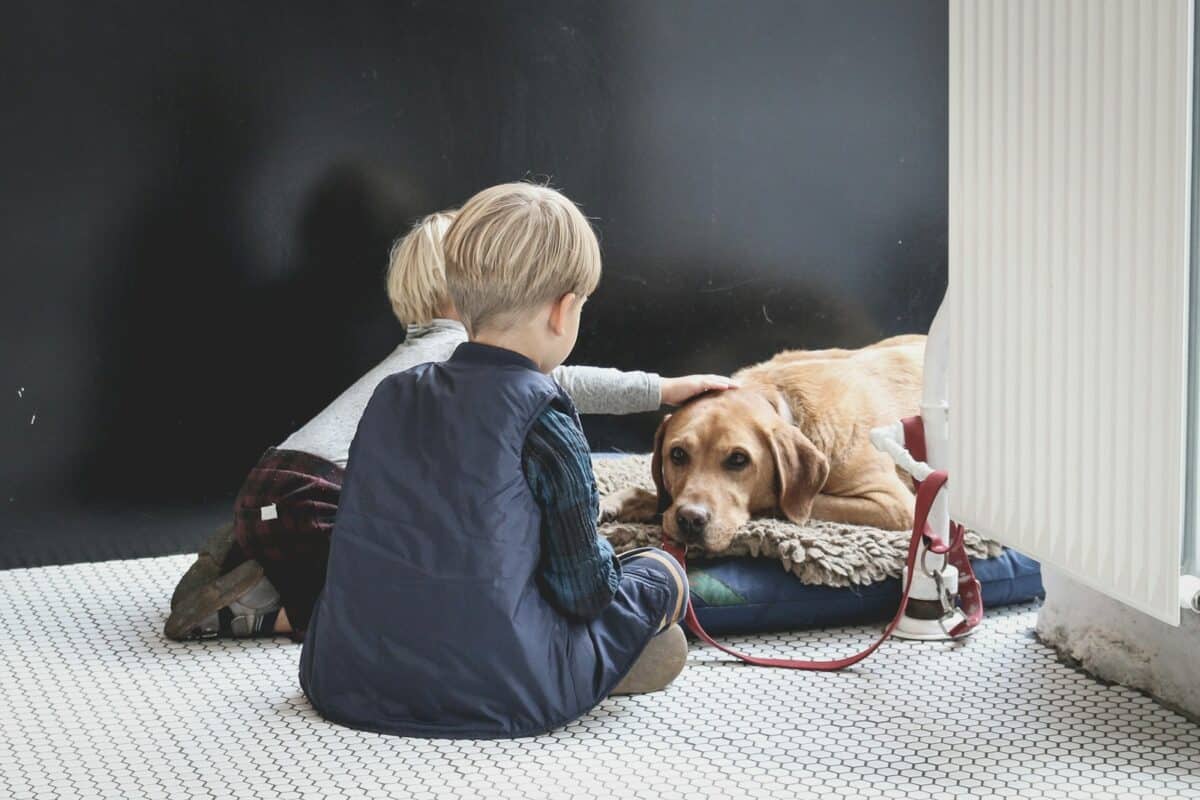
The special bond between children and pets has been observed by countless families worldwide. Many pet owners have noticed their furry companions showing a distinct preference for the youngest members of the household, often greeting children with more enthusiasm, seeking them out for playtime, or even becoming protective of them. This phenomenon isn’t just anecdotal—various behavioral, evolutionary, and psychological factors contribute to why some animals seem to prefer the company of children over adults. Understanding these dynamics can help families foster healthier relationships between their pets and all household members while shedding light on the fascinating ways animals perceive and interact with humans of different ages.
The Energy Match: Why Pets and Kids Connect
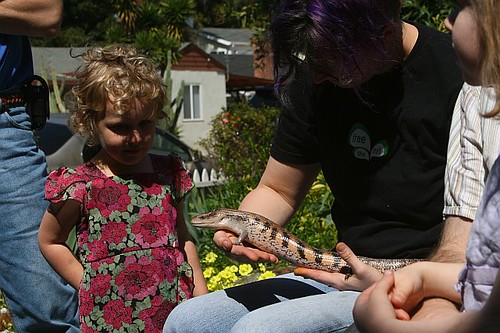
One of the most obvious reasons pets often gravitate toward children is the natural energy match between them. Many pets, especially younger ones, possess boundless energy and enthusiasm similar to that of children. Dr. Sophia Martinez, veterinary behaviorist at the Animal Behavior Institute, explains: “Children typically move more, play more actively, and express emotions more openly than adults. This energy level mirrors that of many pets, particularly dogs and younger cats, creating a natural compatibility.” Research has shown that animals are highly responsive to movement patterns, and the spontaneous, playful movements of children can be more stimulating and engaging for pets than the often predictable, measured movements of adults. This shared exuberance creates opportunities for interaction that many pets find rewarding and seek to repeat.
Height Perception and Non-Threatening Presence

The physical stature of children plays a significant role in how some pets perceive them compared to adults. Many animals, especially those that have had negative experiences with humans or those from rescue situations, can find tall adults inherently more intimidating. Dr. James Wilson, animal psychologist, notes that “Children’s smaller stature puts them closer to eye level with most household pets, creating less of a looming presence that some animals might find threatening.” This height similarity can make initial interactions more comfortable for pets. Studies have shown that dogs, in particular, exhibit fewer stress signals when approaching or being approached by children versus unfamiliar adults. However, this same factor requires careful supervision, as the face-to-face positioning can also increase risk during interactions with animals who feel cornered or threatened.
Evolutionary Instincts and Protective Behavior
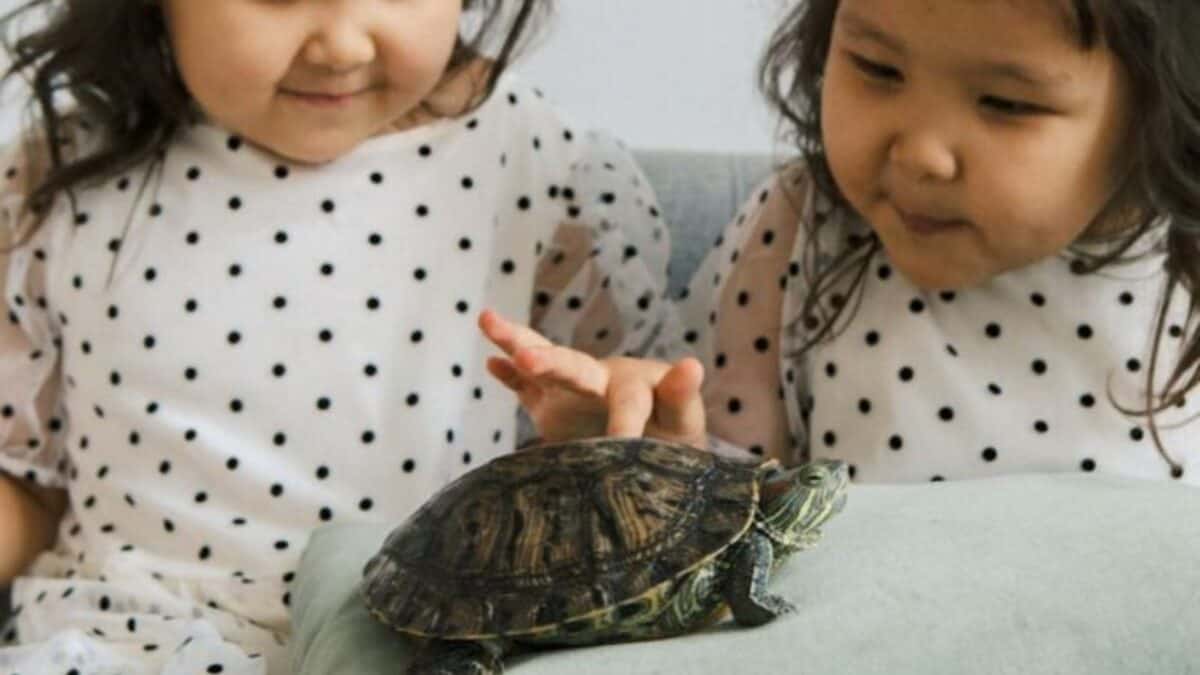
Some animal behaviorists suggest that certain pets’ preference for children may have evolutionary roots. Many domesticated animals, particularly dogs, have been selectively bred for thousands of years to be protective of their human “pack.” Research from the Max Planck Institute for Evolutionary Anthropology suggests that dogs can recognize vulnerability in humans and often show increased protective behaviors toward those they perceive as more vulnerable—typically including children, elderly individuals, and pregnant women. This protective instinct may manifest as increased attention, gentleness, or vigilance around children. Cats too, despite their reputation for independence, have been observed showing particular gentleness around infants and young children, suggesting an innate recognition of vulnerability that transcends species.
The Treat and Play Connection

A more pragmatic reason some pets gravitate toward children involves positive reinforcement through food and play. Children are often more likely than adults to engage in extended play sessions with pets and may be more generous (sometimes excessively so) with treats and food. Dr. Eliza Montgomery, animal behavior researcher, explains: “Animals quickly learn which family members are most likely to provide rewards, whether those are food treats, engaging play sessions, or physical affection. If children consistently provide these positive experiences, pets naturally develop stronger positive associations with them.” This association-based preference is particularly strong in food-motivated animals like dogs and certain bird species. A 2019 study published in the Journal of Veterinary Behavior found that dogs could develop preferences for specific people based on who regularly fed them, with these preferences sometimes overriding other factors like who provides most of their care.
Unconditional Acceptance and Judgment-Free Zones

The psychological dynamic between children and pets often involves a level of unconditional acceptance that can be missing in adult-pet relationships. Children typically interact with pets without the judgment or correction that adults might apply. This creates what animal behaviorists call a “judgment-free zone” where pets can behave more naturally. “Unlike adults who might scold a pet for jumping on furniture or making noise, children are more likely to accept and even celebrate a pet’s natural behaviors,” explains Dr. Richard Tanner, veterinary behaviorist. “This lack of judgment can make children more appealing companions.” Pets are remarkably sensitive to human emotional states and body language, often detecting disapproval even when not explicitly communicated. The relatively judgment-free interactions with children can create stronger bonds built on acceptance rather than compliance.
Predictability vs. Novelty in Interactions
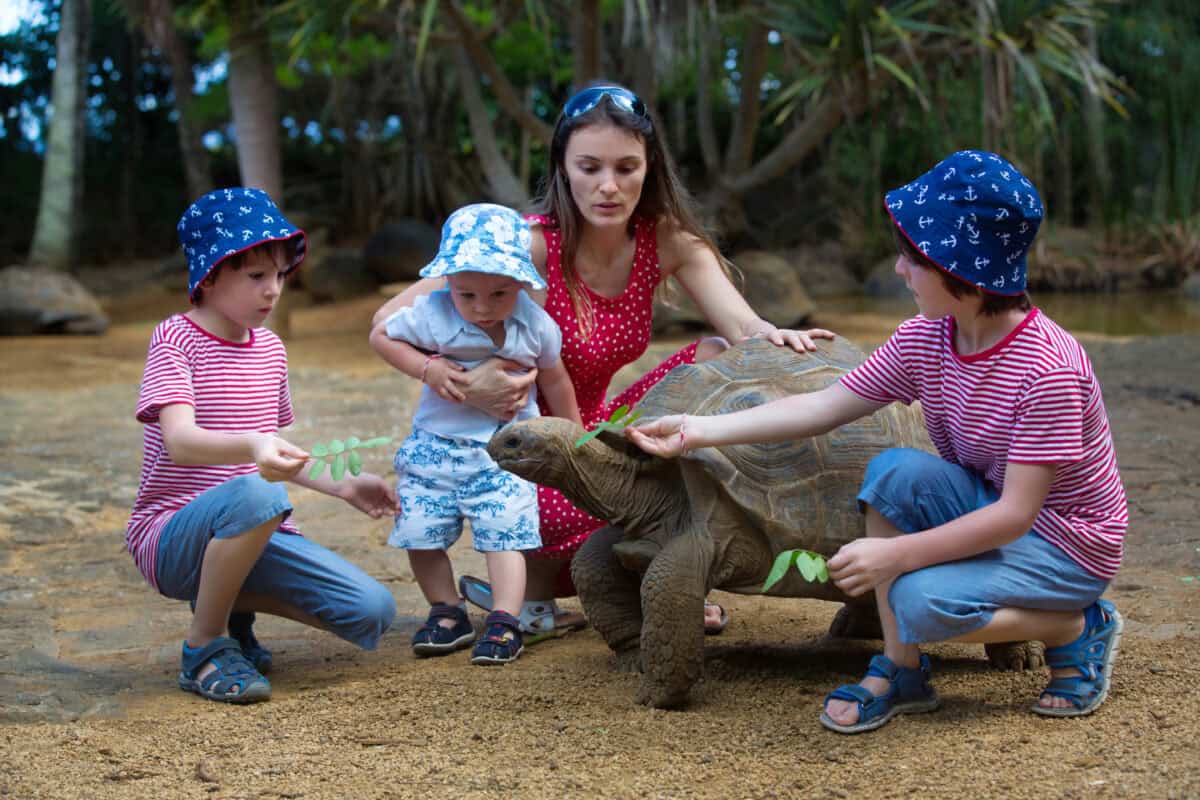
The predictability of interactions with adults versus the novelty of interactions with children can influence pet preferences. Adults typically establish consistent routines with pets, which provides security but sometimes lacks stimulation. Children, on the other hand, bring an element of novelty and unpredictability that many animals find engaging. Research from the University of Lincoln’s School of Life Sciences suggests that many domesticated animals, particularly dogs, thrive with a balance of predictability and novelty. Dr. Laura Chambers, animal cognition researcher, notes: “Some pets, especially those with high intelligence like border collies or parrots, can become bored with the predictable interactions they have with adults. Children’s spontaneity can provide beneficial mental stimulation.” This preference for novelty must be balanced with an animal’s need for security, as excessive unpredictability can cause stress in some pets.
Touch and Physical Affection Differences

The way children and adults physically interact with pets differs significantly and can influence animal preferences. Studies on animal touch sensitivity indicate that many pets respond positively to the gentle, sometimes clumsy touches of children, which can differ from the more purposeful handling by adults. Dr. Michael Santos, veterinary touch specialist, explains: “Children often engage in what we call ‘comfort touching’—gentle stroking and cuddling without a specific purpose. Adults more frequently engage in ‘functional touching’—petting with the goal of calming, examining, or controlling the animal.” Research from the University of California’s Veterinary Medicine department found that dogs often displayed more relaxed body language during comfort touching than functional touching. This difference may explain why some pets seek out children for physical affection, though it’s important to note that individual animals have unique preferences for types of handling.
Early Socialization and Critical Periods
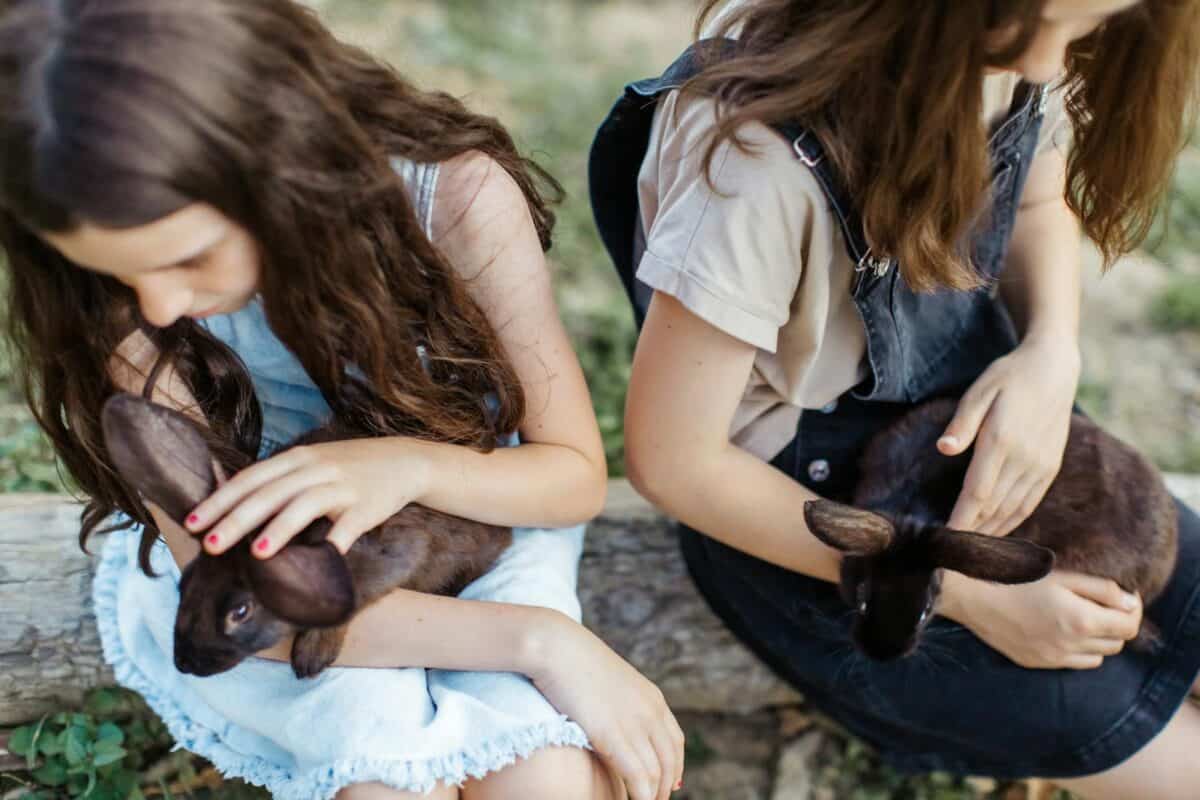
A pet’s preference for children versus adults can be significantly influenced by their early socialization experiences. Animals that were exposed to children during their developmental sensitive periods (typically the first few months of life for dogs and cats) often retain a lifelong comfort with and preference for younger humans. Dr. Vanessa Leeds, veterinary developmental psychologist, points out: “Puppies and kittens that have positive experiences with children during their critical socialization periods, roughly between 3-14 weeks of age, often develop lasting positive associations with children.” A comprehensive study tracking pet development from the Swedish University of Agricultural Sciences found that dogs who had regular, positive interactions with children under 12 years old during their first four months showed significantly more relaxed behavior around children throughout their lives compared to dogs without this early exposure. For adopted adult pets, their unknown history with children can significantly impact their comfort level, making gradual, supervised introductions essential.
Species and Breed-Specific Tendencies

Not all pets demonstrate the same tendencies toward preferring children, and significant variations exist both between and within species. Certain dog breeds, for instance, have been selectively bred for characteristics that may make them more naturally attuned to children. Dr. Harrison Wells, canine geneticist, explains: “Breeds with nanny-like histories, such as Newfoundlands, Bernese Mountain Dogs, and Golden Retrievers, were often specifically selected for their gentleness with children and protective instincts.” These genetic predispositions can manifest as a stronger affinity for children. Among cats, studies from Ohio State University’s Veterinary Medical Center suggest that certain breeds like Ragdolls, Maine Coons, and Birmans often demonstrate more patience and affinity for children, though individual personality variations remain the strongest predictor of compatibility. Birds show perhaps the most dramatic species differences, with highly social species like cockatiels and budgerigars often forming strong bonds with gentle children, while more territorial species may find children’s unpredictable movements stressful.
Personality Match: Beyond Age Categories
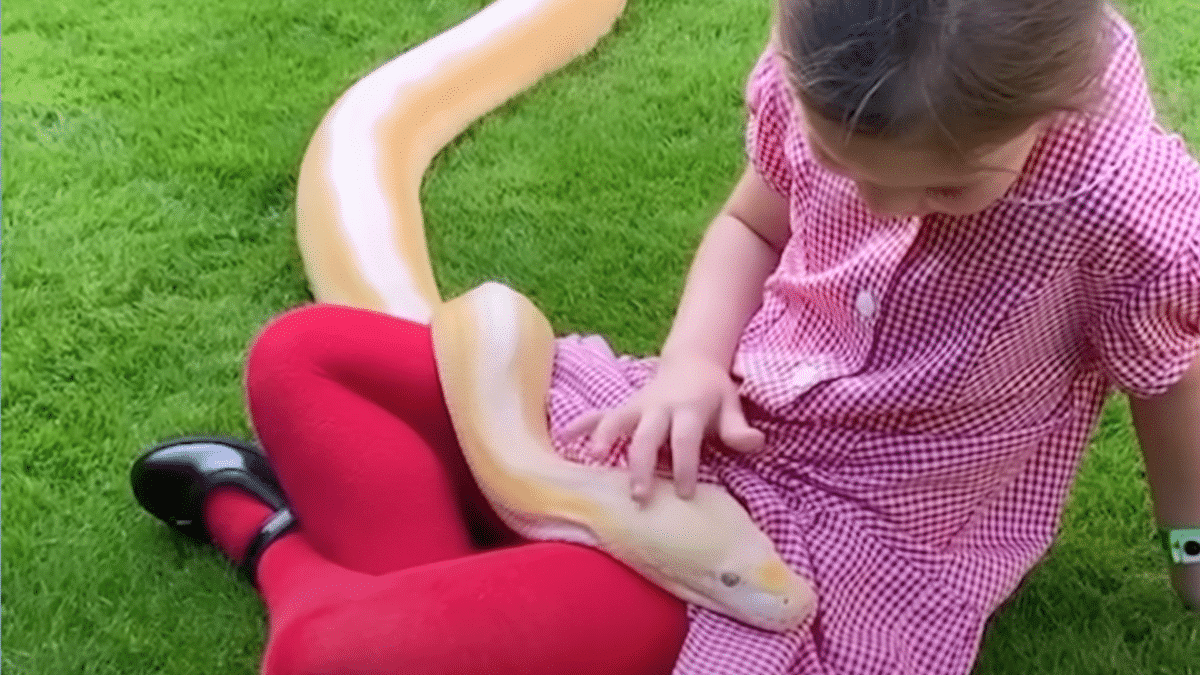
While age is a significant factor, the personality match between a pet and human often transcends age categories entirely. Dr. Amanda Fisher, comparative psychologist specializing in human-animal interactions, emphasizes: “What we often interpret as a preference for children versus adults may actually be a preference for certain personality traits or interaction styles that happen to be more common in children.” Research from the University of Pennsylvania’s School of Veterinary Medicine has identified four key traits that strongly influence pet-human compatibility across age groups: consistency, energy level, confidence, and affection style. Animals tend to bond more strongly with humans who match their needs in these areas, regardless of age. A highly energetic dog may prefer an active child over a sedentary adult, but might equally bond with an athletic adult over a quiet child. This suggests that perceived age preferences may sometimes reflect personality compatibility rather than age-specific attraction.
Medical Considerations and Sensory Factors

Sometimes, a pet’s preference for children may have sensory or medical underpinnings that aren’t immediately obvious. Children typically have higher-pitched voices than adults, particularly adult males, and some animals respond more positively to these higher frequencies. Dr. Leslie Thompson, veterinary audiologist, notes: “Dogs can hear frequencies up to 45,000 Hz compared to humans’ 20,000 Hz limit. This heightened sensitivity means they perceive substantial differences between adult and child vocalizations.” Studies using audio frequency analysis have shown that some dogs show more alertness and positive body language in response to children’s higher-pitched speech compared to adult speech patterns. Additionally, research from Tokyo University of Agriculture has found that dogs can detect subtle differences in human scent profiles, with children’s less developed hormonal profiles creating distinctly different scent signatures from adults. These sensory differences may contribute to some animals’ preferences for younger humans.
Fostering Healthy Relationships Across All Ages
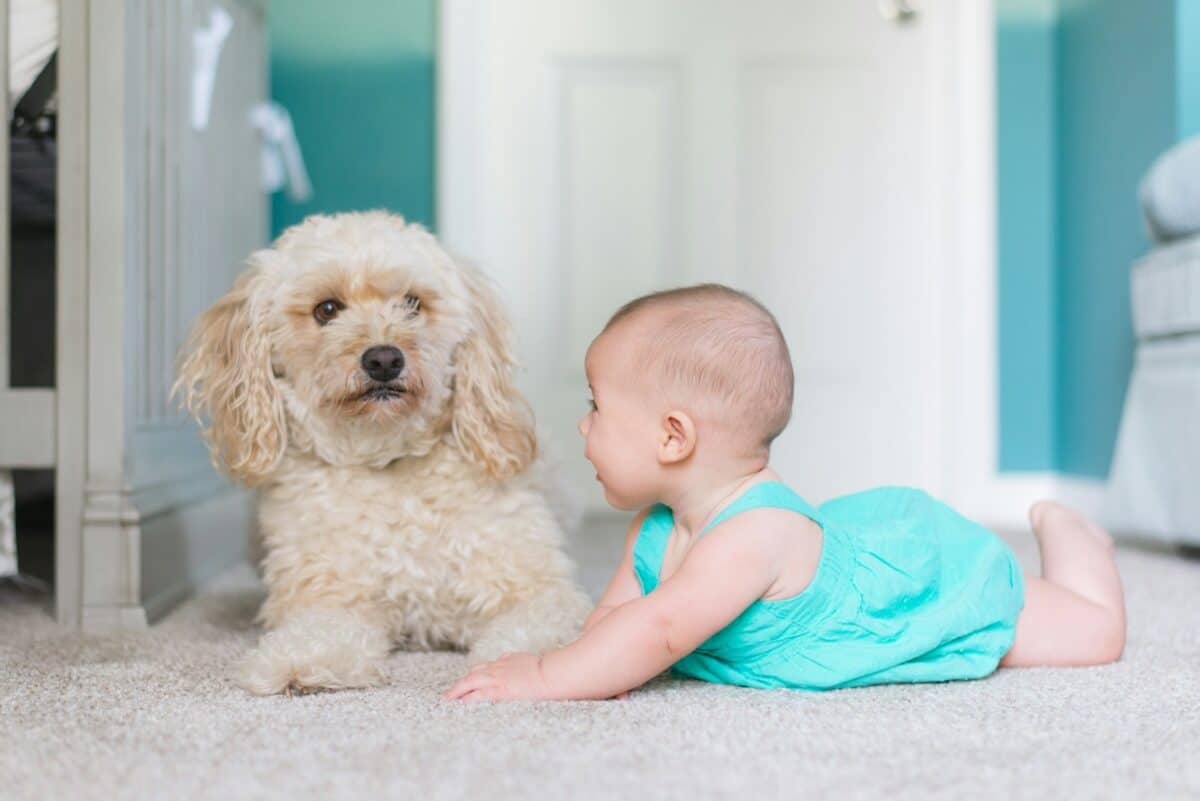
Understanding why a pet might show preferences for children can help families create an environment where the animal forms positive relationships with all household members. Veterinary behaviorist Dr. Caroline Winston recommends several strategies: “Adults can benefit from occasionally adopting more child-like interaction styles—getting down on the floor to play, using enthusiastic praise, and engaging in pure play without training goals.” Research from the American Veterinary Medical Association shows that consistent positive interactions with all family members help reduce exclusive attachments that can lead to protective aggression or separation anxiety. For pets that show strong child preferences, structured positive interactions with adults—such as adults always providing meals or favorite treats—can help broaden the animal’s social bonds. The goal isn’t to eliminate the special connection between pets and children, but rather to ensure the pet feels comfortable and secure with all family members, creating a healthier household dynamic for everyone.
The tendency of some pets to prefer children over adults reflects a fascinating intersection of evolutionary biology, behavioral psychology, and individual experiences. Rather than a simple preference, it represents a complex response to differences in energy levels, physical stature, interaction styles, and sensory experiences between children and adults. Understanding these dynamics can help families foster healthy relationships between pets and all household members while honoring the special bonds that naturally form. As research in animal behavior continues to advance, we gain deeper insights into the remarkable ways our pets perceive and relate to different human age groups, enriching our appreciation for the complex emotional and social lives of the animals who share our homes. These insights not only improve human-animal relationships but also remind us that our pets are sophisticated beings with preferences and perceptions that deserve our understanding and respect.

- How Crickets Chirp Using Their Wings - July 20, 2026
- The Largest Sea Turtle Ever Rescued Off North Carolina - July 20, 2026
- The Ocean’s Escape Artist: Why Octopuses Outsmart Us All - July 20, 2026