


When a beloved pet ingests something potentially harmful, every moment counts. Pet poisoning situations require quick thinking and decisive action, but panic can cloud judgment just when clear decision-making is most critical. From common household items to certain foods and plants, our homes contain numerous substances that pose serious health risks to our animal companions. Understanding how to recognize toxic exposure and respond appropriately can make the difference between a close call and a tragedy. This comprehensive guide will walk you through the essential steps to take if you suspect your pet has consumed something toxic, providing you with the knowledge to act confidently during this frightening emergency situation.
Recognizing Signs of Toxicity in Pets

Pets can’t tell us when they’ve eaten something harmful, making it crucial to recognize the warning signs of poisoning. Common symptoms include sudden vomiting, diarrhea, drooling, difficulty breathing, unusual lethargy, disorientation, seizures, or collapse. Some toxic exposures may cause excessive thirst, frequent urination, pale or yellowish gums, or unusual behavioral changes like agitation or depression. Remember that symptoms can vary widely depending on what was ingested, how much was consumed, and your pet’s size, age, and overall health condition. Some toxins act quickly, producing symptoms within minutes, while others might take hours or even days to show effects. The absence of immediate symptoms doesn’t necessarily mean your pet is safe, as some toxins damage organs gradually over time.
Common Household Toxins for Pets

Many everyday items around your home pose significant poisoning risks to pets. Human medications—including over-the-counter pain relievers like acetaminophen and ibuprofen—are among the most common causes of pet poisoning and can cause liver damage, kidney failure, or internal bleeding. Cleaning products, insecticides, rodenticides, antifreeze, and fertilizers also present serious dangers. Certain foods toxic to pets include chocolate, xylitol (found in sugar-free products), grapes, raisins, onions, garlic, alcohol, and caffeine. Houseplants like lilies (extremely toxic to cats), sago palms, azaleas, and rhododendrons can cause severe reactions or even death. Even batteries, coins, essential oils, and marijuana products can cause serious health issues when ingested by curious pets. Understanding these common toxins is the first step in preventing accidental poisonings and recognizing when immediate action is needed.
Immediate Actions: The First Critical Steps
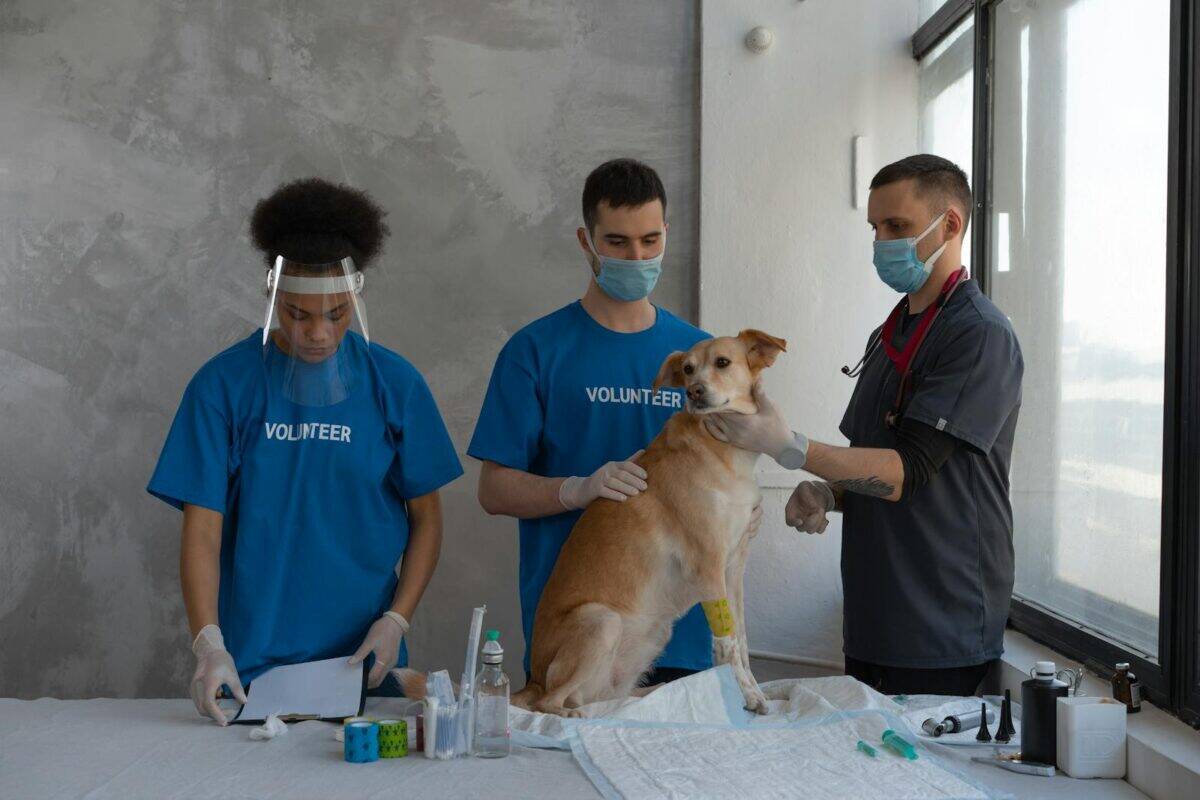
If you catch your pet in the act of consuming something toxic or suspect they have already done so, stay calm and act quickly. First, safely remove your pet from the area to prevent further exposure. If possible, identify what was consumed and approximately how much—this information will be crucial for treatment. Do not attempt to induce vomiting unless specifically instructed to do so by a veterinarian or poison control professional, as this can sometimes worsen the situation with certain toxins. Never administer any human medications or home remedies without professional guidance. Quickly collect any remains of the toxic substance, packaging, or labels, as these may provide valuable information about ingredients and concentrations. If the toxin got on your pet’s fur or paws, prevent them from grooming themselves further and consider a gentle rinse with lukewarm water if the substance isn’t something that reacts with water.
When to Call Pet Poison Control

Contact a pet poison helpline immediately when you suspect your pet has ingested something toxic, even if they aren’t showing symptoms yet. The ASPCA Animal Poison Control Center (1-888-426-4435) and Pet Poison Helpline (1-855-764-7661) operate 24/7, providing expert guidance from veterinary toxicology specialists. Though these services typically charge a consultation fee, the specialized advice they provide can be lifesaving. Be prepared to provide your pet’s approximate weight, species, breed, age, any existing health conditions, what was ingested, how much they consumed, and when the exposure occurred. The poison control specialist will assess the toxicity risk and provide specific instructions tailored to your situation, which may include at-home monitoring, first aid measures, or immediate veterinary care. Following their guidance precisely can significantly improve outcomes in poisoning cases.
Transporting Your Pet to the Veterinarian

If a pet poison control service or your veterinarian advises seeking immediate medical care, prepare for safe transportation. Call the veterinary clinic before leaving to alert them of your emergency arrival, allowing them to prepare necessary treatments. Safely confine your pet in a carrier or secure them with a harness and seatbelt to prevent injury during transport. If your pet is experiencing seizures, respiratory distress, or unconsciousness, wrap them gently in a towel or blanket, being careful not to restrict breathing. Bring the toxic substance’s packaging, any vomit or stool samples, and notes about when exposure occurred and symptoms observed. If possible, have someone else drive while you monitor your pet. For after-hours emergencies, know the location of your nearest 24-hour veterinary emergency facility in advance. Stay calm during transport, as pets can sense anxiety, potentially worsening their distress during this critical time.
Veterinary Treatment for Toxic Ingestion

Upon arrival at the veterinary clinic, your pet will receive appropriate emergency care based on the specific toxin involved and your pet’s condition. Initial treatments often include inducing vomiting (when safe to do so), administering activated charcoal to bind remaining toxins in the digestive tract, or performing gastric lavage (stomach pumping) in severe cases. Intravenous fluids are commonly administered to support kidney function and help flush toxins from the system. Blood tests will likely be performed to assess organ function and monitor for damage. Depending on the toxin, specific antidotes or treatments may be available. For example, vitamin K1 for certain rodenticide poisonings or N-acetylcysteine for acetaminophen toxicity. Some cases require additional supportive care such as oxygen therapy, seizure control medications, or treatments for specific symptoms. Severely affected pets may need hospitalization for continuous monitoring and treatment, potentially for several days depending on the toxin’s effects and your pet’s response to therapy.
How to Induce Vomiting (When Advised)

Inducing vomiting should only be attempted when explicitly instructed by a veterinarian or poison control professional. For dogs, hydrogen peroxide (3%, the common household variety) is typically the recommended emetic, administered at a dose of 1 teaspoon (5 ml) per 10 pounds of body weight, with a maximum of 3 tablespoons for large dogs. Never exceed this dosage or use concentrations stronger than 3%. The solution can be administered using a syringe or turkey baster aimed at the back of the throat, or mixed with a small amount of food if your dog will consume it willingly. After administration, walking your dog gently for about 10 minutes can help trigger vomiting, which should occur within 15-20 minutes. For cats, do not attempt home induction of vomiting, as no safe home methods exist—cats require veterinary medications to safely induce vomiting. Importantly, never induce vomiting if your pet is unconscious, having seizures, has difficulty breathing, or has ingested sharp objects, caustic substances (acids/alkalis), petroleum products, or cleaning chemicals, as vomiting these substances can cause additional harm.
When NOT to Induce Vomiting
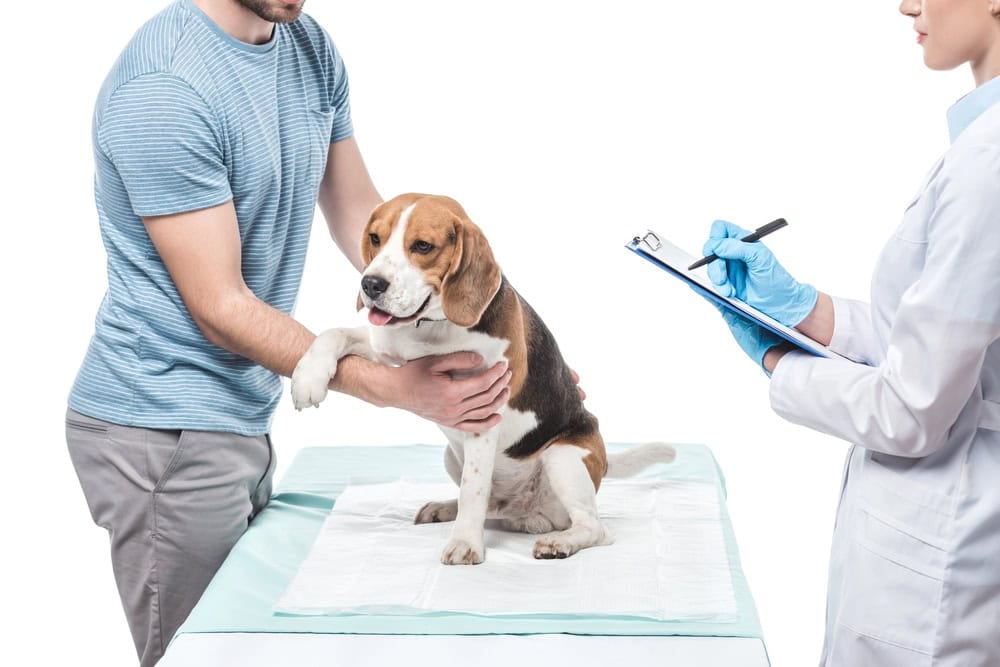
There are several critical situations when inducing vomiting is dangerous and should never be attempted, regardless of what was ingested. Never induce vomiting if your pet is already showing signs of neurological impairment such as extreme lethargy, disorientation, seizures, or loss of consciousness. Vomiting is contraindicated when caustic substances like drain cleaners, oven cleaners, batteries, or strong acids/alkalis have been consumed, as these can burn the esophagus a second time during vomiting. Petroleum products such as gasoline, kerosene, or some furniture polishes create aspiration risks if vomited. Sharp objects or large solid items that could cause damage during vomit-induced contractions should be left for veterinary removal. Brachycephalic (flat-faced) breeds like Bulldogs, Pugs, and Persian cats have a higher risk of aspiration when vomiting. Additionally, if the ingestion occurred more than 2-3 hours prior, inducing vomiting is usually ineffective as the substance has likely moved beyond the stomach. When in doubt, always consult with a professional before attempting any home treatment.
Specific Toxins and Their Treatments

Different toxins require specific approaches to treatment. Chocolate toxicity, caused by theobromine, is treated based on the type and amount consumed—dark chocolate and baking chocolate contain higher toxic concentrations than milk chocolate. Antifreeze (ethylene glycol) poisoning requires extremely prompt treatment within hours of ingestion with a specific antidote (fomepizole or ethanol) to prevent fatal kidney damage. Rodenticide poisonings are treated according to the specific active ingredient; many newer anticoagulant rodenticides require extended vitamin K1 therapy for weeks. Grape and raisin toxicity, which can cause acute kidney failure in some dogs, necessitates aggressive fluid therapy and kidney support. Lily ingestion in cats requires immediate and aggressive fluid therapy to prevent irreversible kidney damage. Xylitol ingestion, commonly found in sugar-free gum and some peanut butters, requires glucose monitoring and liver protection therapies. Medication overdoses have various antidotes depending on the drug; for instance, naloxone for opioid overdoses or specific treatments for NSAID toxicity. The timing of treatment is critical for all these toxins, with earlier intervention generally resulting in better outcomes and lower treatment costs.
Preventing Future Toxic Exposures

After experiencing a poisoning scare, take proactive steps to prevent future incidents. Conduct a thorough home safety audit, examining each room from your pet’s perspective—crawling on the floor if necessary to spot hazards at their eye level. Store all medications, cleaning supplies, automotive products, and pest control items in cabinets with childproof latches or in high locations inaccessible to pets. Research pet-safe alternatives to toxic houseplants and garden products. Be particularly vigilant during holidays when chocolate, lilies, and other hazards may enter your home temporarily. Create a designated “pet-free zone” for storing items that cannot be made completely inaccessible otherwise. Educate all household members and visitors about the importance of keeping personal items like medications and sugar-free gum secured. Keep garbage containers securely covered or stored in latched cabinets. Train your pet with “leave it” commands and consider using bitter apple spray on non-movable items that might attract chewing. For pet-proofing peace of mind, consider consulting with your veterinarian about specific concerns related to your pet’s age, breed, and known behavioral tendencies.
Creating a Pet First Aid Kit
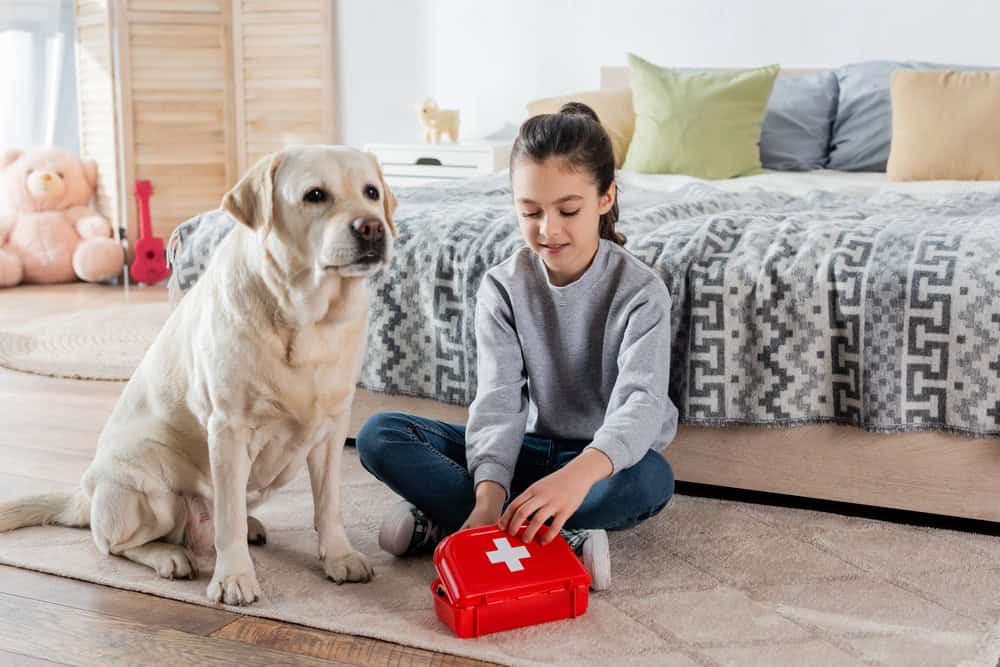
A well-stocked pet first aid kit is essential for emergency preparedness. Include your veterinarian’s phone number, the nearest emergency veterinary clinic contact, and poison control hotlines (with associated account numbers if you’ve used their services before). Store 3% hydrogen peroxide (check expiration dates regularly) and a turkey baster or large syringe for administration if directed by a professional. Add a pair of latex gloves, a muzzle or strip of gauze for safely restraining an injured pet, digital thermometer, eye dropper for administering liquids, tweezers for removing foreign objects, styptic powder for nail bleeding, gauze pads, adhesive tape, scissors, and a blanket or towel for transport. Include any current medications your pet takes regularly along with dosing instructions. Consider adding activated charcoal (only to be used when directed by a veterinarian), saline eye wash, and an up-to-date pet first aid guide. Keep this kit easily accessible but secured away from pets and children, checking it semi-annually to replace expired items and refresh your memory about its contents.
The Importance of Immediate Action

When it comes to pet poisonings, time is truly of the essence. Many toxins begin causing damage within minutes to hours of ingestion, and the window for certain treatments closes quickly. For example, inducing vomiting is typically only effective within 1-2 hours of ingestion. With antifreeze poisoning, treatment must begin within 8-12 hours for dogs and 3 hours for cats to prevent fatal kidney damage. The cost of treatment typically increases significantly with delayed care, as more intensive interventions become necessary once toxins have been absorbed and begun damaging organ systems. Early intervention can mean the difference between a simple outpatient procedure and days of intensive hospitalization. Additionally, poisoning symptoms often worsen progressively—what begins as mild drooling or lethargy can rapidly escalate to seizures or organ failure if left untreated. Studies from veterinary emergency centers consistently show that outcomes are markedly better for poisoning cases that receive prompt medical attention. Remember that even if your pet appears normal shortly after ingestion, many toxins cause delayed effects, making immediate professional consultation crucial regardless of symptoms.
Being prepared for a potential pet poisoning emergency requires foresight, education, and planning, but these efforts can save your pet’s life during a crisis. Understanding the common household toxins, recognizing symptoms of poisoning, and knowing the immediate steps to take creates a foundation of preparedness that allows you to act decisively rather than panic when seconds count. Remember that prevention remains the most effective strategy—regularly pet-proofing your home and remaining vigilant about what your pet can access will significantly reduce the risk of toxic emergencies. Consider taking a pet first aid course to build confidence in handling various emergency situations, and keep emergency contact information readily accessible. Most importantly, never hesitate to seek professional guidance when you suspect your pet has been exposed to something toxic, even if symptoms haven’t yet appeared or seem mild. With quick action, appropriate medical care, and preventative measures, most pets can recover fully from toxic exposures and continue living happy, healthy lives alongside their devoted human companions.

- How Crickets Chirp Using Their Wings - July 20, 2026
- The Largest Sea Turtle Ever Rescued Off North Carolina - July 20, 2026
- The Ocean’s Escape Artist: Why Octopuses Outsmart Us All - July 20, 2026