


In the relentless theater of survival that is the natural world, speed is often the difference between life and death. Whether pursuing prey across vast savannas or evading becoming someone else’s meal, the ability to move quickly has evolved as one of nature’s most valuable assets. From the lightning-fast cheetah to the swooping peregrine falcon, from the ocean’s quicksilver marlins to the humble dragonfly’s aerial prowess, our planet hosts an impressive array of creatures that have mastered the art of velocity. These natural speed demons have developed specialized anatomies, hunting strategies, and physiological adaptations that allow them to achieve remarkable speeds, making them the ultimate racing champions of the wild. This article explores these magnificent speedsters, delving into their unique adaptations and the evolutionary advantages that their velocity provides in nature’s grand competition.
The Evolutionary Importance of Speed

Speed in the animal kingdom represents one of evolution’s most powerful adaptations, sharpened over millions of years through natural selection. For predators, greater velocity means enhanced hunting success and improved access to nutrition. For prey, speed offers escape from danger and the preservation of genetic lineage. This evolutionary arms race has produced remarkable specializations across species, from aerodynamic body shapes to highly efficient respiratory systems that maximize oxygen intake during high-intensity pursuits. Through this constant pressure, nature has crafted biological marvels of engineering—creatures whose bodies represent the pinnacle of natural design for rapid movement. Interestingly, different environments have produced convergent evolutionary solutions, with land, sea, and air all featuring their own specialized speed champions adapting to their unique locomotive challenges.
The Cheetah: Land Speed Champion

The cheetah (Acinonyx jubatus) stands as the undisputed sprint champion among terrestrial animals, capable of reaching speeds up to 70 mph (113 km/h) in just three seconds—faster acceleration than most sports cars. This remarkable feat stems from the cheetah’s specialized anatomy: a lightweight frame (averaging 80-140 pounds), exceptionally long legs, an enlarged heart and lungs, wide nostrils for maximum oxygen intake, and a flexible spine that acts like a spring. Perhaps most crucial is the cheetah’s semi-retractable claws that function similar to running spikes, providing critical traction during high-speed chases. Their enlarged adrenal glands produce hormones that prepare the body for extraordinary exertion, though this comes at a cost—cheetahs can maintain top speed for only 20-30 seconds before risking dangerous overheating. Unlike other big cats, cheetahs hunt primarily by day, using their exceptional eyesight to spot prey from distances up to 5 kilometers away, then employing their unmatched acceleration to close the gap in brief, explosive sprints.
Peregrine Falcon: The Aerial Dive Specialist

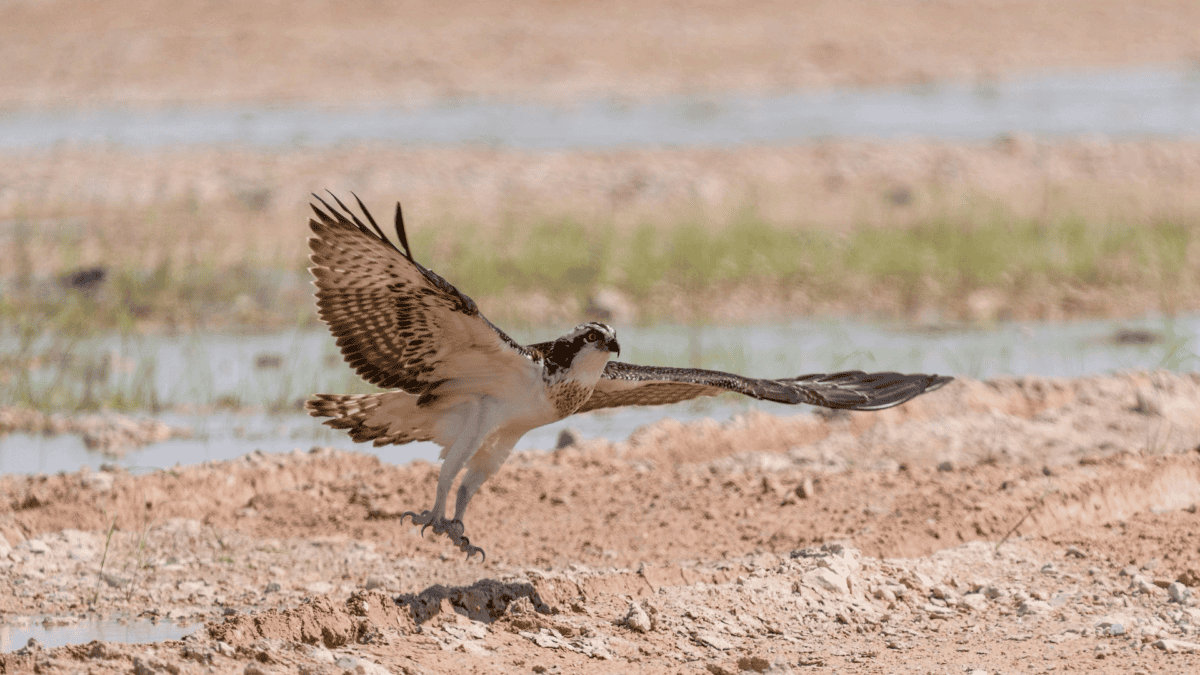
When it comes to pure speed, no animal on Earth can match the peregrine falcon (Falco peregrinus) during its hunting stoop—a high-altitude dive that can reach speeds of over 240 mph (386 km/h). This remarkable velocity makes it not just the fastest bird but the fastest animal on the planet. The peregrine’s speed is made possible by a suite of specialized adaptations: a streamlined body with stiff, narrow wings that can be tucked close to reduce drag; specialized nostrils containing baffles that prevent air from being forced into the lungs at high speed; and exceptionally dense feathers that withstand the enormous pressure generated during dives. Perhaps most impressive are the falcon’s specialized cardiovascular and respiratory systems that allow it to maintain consciousness and precision while experiencing g-forces that would cause a human to black out. The falcon’s hunting technique involves spotting prey from heights of up to 3,000 feet, then diving at an almost vertical angle, striking its target with a clenched foot or specialized notch on its beak called the “tomial tooth” that severs the prey’s spine upon impact.
Sailfish: Ocean’s Speed Demon

Beneath the ocean’s surface, the sailfish (Istiophorus) reigns as the fastest swimmer, capable of bursts reaching 68 mph (110 km/h). These magnificent predators, which can grow to over 10 feet long and weigh up to 200 pounds, derive their extraordinary speed from several evolutionary adaptations. Their bodies represent the pinnacle of hydrodynamic design, with a pointed bill that reduces water resistance, a crescent-shaped tail that generates powerful propulsion, and specialized skin covered in tiny scales that reduce drag by up to 20% compared to smooth surfaces. Perhaps most remarkable is the sailfish’s ability to retract its dorsal fin—the distinctive “sail” that gives it its name—into a groove along its back when swimming at high speeds to further minimize resistance. Their muscles contain unusually high concentrations of myoglobin, allowing for better oxygen utilization during intense activity. Sailfish typically hunt in groups, using their speed and their distinctive bills not to spear prey as commonly believed, but to slash through schools of smaller fish, stunning or injuring them before circling back to consume the disabled victims.
The Pronghorn: North America’s Speed Survivor
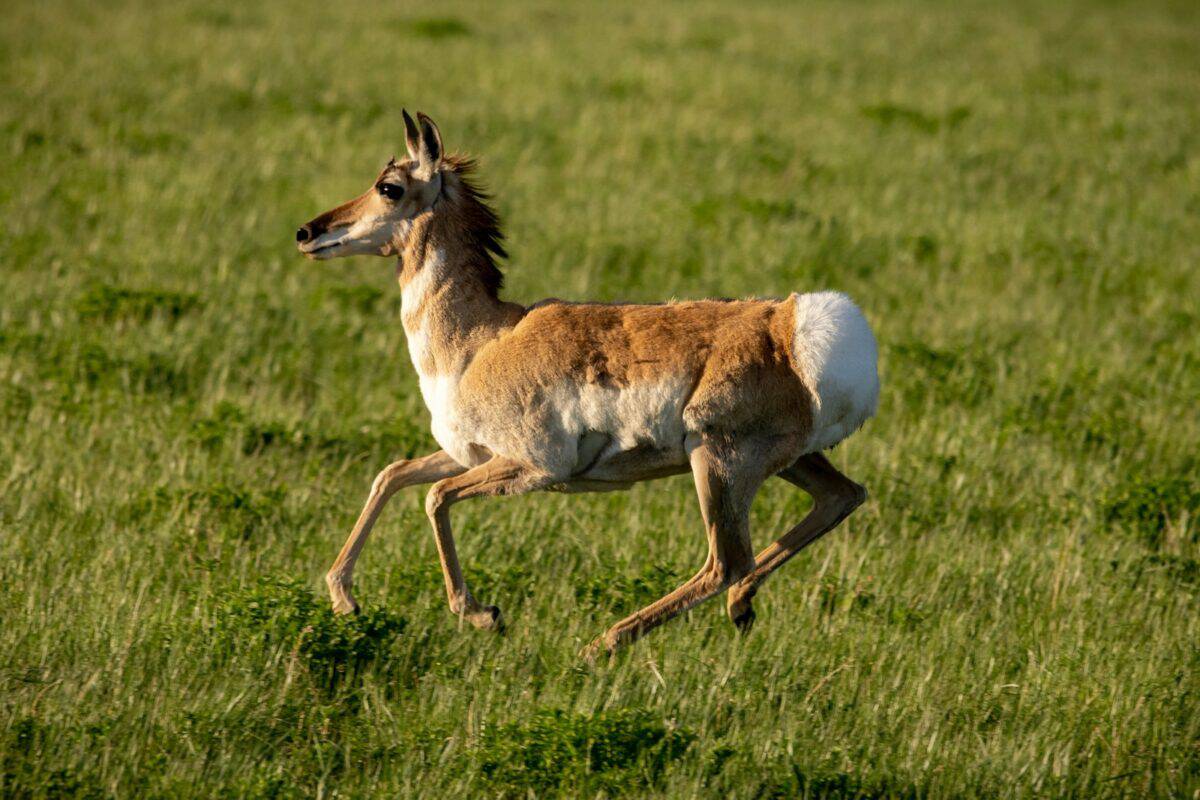
The pronghorn (Antilocapra americana) of North America’s plains represents an evolutionary puzzle—it can sustain speeds of 55 mph (89 km/h) for extended periods, making it the second-fastest land animal and the champion of endurance running. Yet no predator in its current ecosystem can match its speed. This evolutionary mismatch is explained by looking to the past: pronghorns evolved alongside now-extinct American cheetahs during the Pleistocene epoch, retaining their extreme speed even after these predators disappeared approximately 12,000 years ago. The pronghorn’s speed comes from specialized adaptations including oversized windpipes and lungs that process three times more oxygen than similarly sized mammals, exceptionally light bone structure, specialized leg tendons that act as springs, and a large heart that can pump oxygen-rich blood efficiently during prolonged runs. Unlike the cheetah, which prioritized acceleration, the pronghorn evolved for sustained high-speed running over distances of several miles, possessing extraordinary aerobic capacity that allows it to maintain speeds of over 40 mph for 10-15 minutes without rest—a capability unmatched in the animal kingdom.
Dragonflies: Insect Aerial Acrobats

Among insects, dragonflies stand as the undisputed masters of flight speed and agility, capable of reaching speeds up to 35 mph (56 km/h)—remarkable for creatures measuring just inches in length. Their aerial prowess comes from 300 million years of evolutionary refinement, resulting in flight capabilities that still astonish scientists and inspire biomimetic engineering. Dragonflies possess two pairs of independently controlled wings that can beat asynchronously, allowing for unparalleled maneuverability including the ability to hover, fly backward, and change direction instantaneously. Their compound eyes contain up to 30,000 lenses each, covering nearly the entire head and providing nearly 360-degree vision that allows them to track prey with extraordinary precision. This visual system, combined with specialized neurons that process visual information directly without routing through the brain, gives dragonflies reaction times as fast as 50 milliseconds. These adaptations make them lethal predators with a hunting success rate exceeding 95%—significantly higher than sharks (50%) or lions (25%)—as they intercept flying insects with calculated mid-air adjustments, snatching prey with their bristled legs in a movement so rapid it’s nearly invisible to the human eye.
The Physiology of Speed: Muscle Adaptations
The extraordinary velocities achieved by nature’s fastest animals result from specialized muscle adaptations that maximize power output and efficiency. Speed champions across different environments share several key physiological traits despite their diverse evolutionary histories. Fast-twitch muscle fibers, which contract rapidly but fatigue quickly, dominate in high-speed predators, comprising up to 80% of a cheetah’s muscle mass compared to 40% in humans. These specialized fibers can generate force up to three times faster than slow-twitch alternatives. Additionally, speed-adapted species feature uniquely efficient enzyme systems that rapidly convert stored energy into mechanical force, with cheetahs, falcons and sailfish all showing elevated levels of adenosine triphosphate (ATP) and creatine phosphate that provide immediate energy during explosive acceleration. The ratio of muscle mass to total body weight also differs significantly in speed specialists—while an average mammal’s locomotor muscles represent about 40% of body mass, this figure reaches 60% in cheetahs, with leg muscles comprising a disproportionate percentage. Perhaps most fascinating is the specialized glycolytic capacity in these animals, allowing their muscles to function briefly but efficiently in oxygen debt, producing more power output per pound of tissue than any human-engineered motor.
Brown Hare: Europe’s Sprint Champion
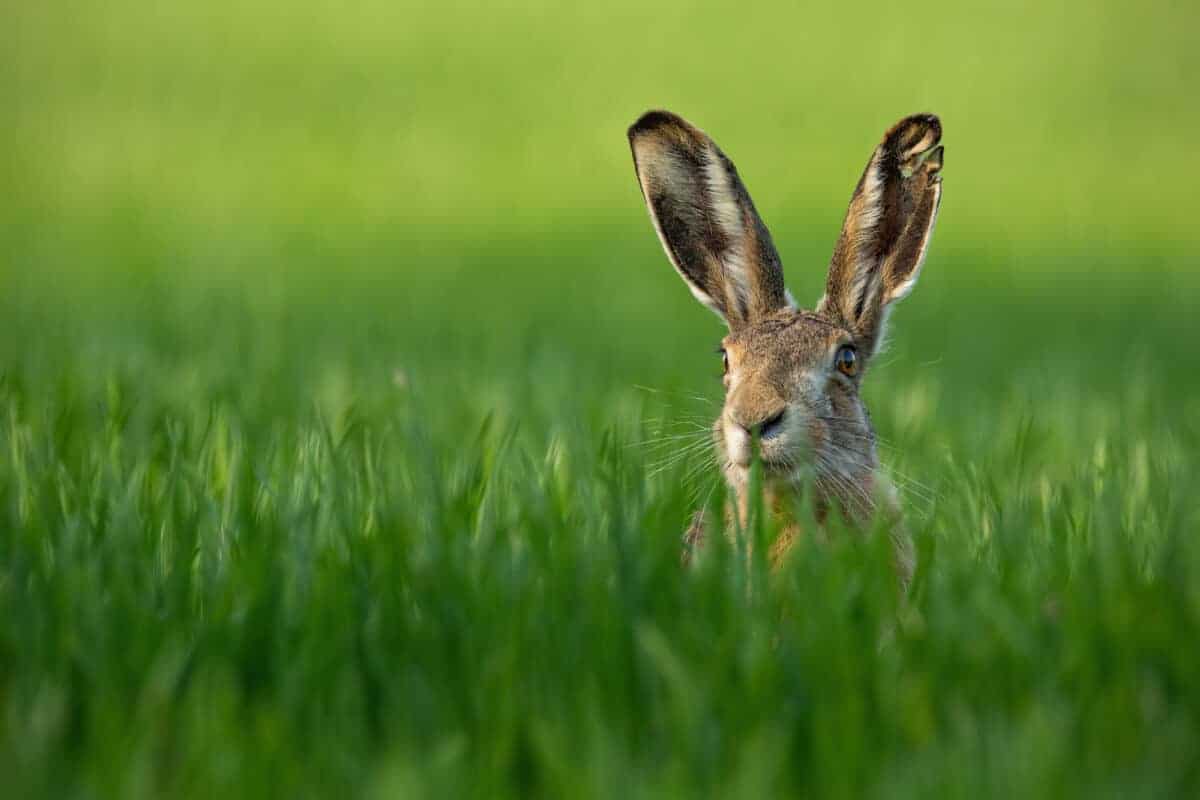
Often overlooked in discussions of speed, the European brown hare (Lepus europaeus) deserves recognition as one of the world’s fastest small mammals, capable of reaching speeds up to 45 mph (72 km/h) in short bursts. This remarkable velocity serves as its primary defense against predators in the open grasslands and agricultural landscapes of Europe and western Asia. Brown hares possess disproportionately powerful hind legs that can propel them forward in leaps reaching up to 10 feet in length. Their speed is enhanced by several specialized adaptations, including a lightweight skeleton that comprises just 7% of total body weight (compared to 13-15% in most mammals), and extraordinarily developed gluteal and hamstring muscles that store and release elastic energy during running. Perhaps most impressive is the hare’s zigzagging ability—it can change direction mid-sprint at full speed, a tactic that frequently confounds pursuing predators like foxes and golden eagles. Unlike rabbits, which seek safety in burrows, brown hares rely entirely on detection and speed for survival, possessing panoramic vision with eyes positioned high on the sides of their heads, allowing them to spot predators approaching from nearly any direction while remaining motionless in their shallow depressions called “forms.”
Mako Shark: The Ocean’s Sprinter

The shortfin mako shark (Isurus oxyrinchus) combines raw power with astonishing speed, capable of bursts exceeding 45 mph (72 km/h), making it the fastest shark species and among the quickest marine predators. Unlike many sharks that rely on ambush tactics, the mako actively chases down fast-moving prey including tuna, swordfish, and even marine mammals. This exceptional velocity stems from evolutionary adaptations refined over 400 million years: a torpedo-shaped body with a pointed snout that minimizes water resistance; a crescent-shaped, asymmetrical tail (with a larger upper lobe) that generates powerful forward thrust; and specialized skin covered in microscopic tooth-like scales called dermal denticles that reduce drag by creating tiny vortices that improve water flow across the body. The mako’s speed is further enhanced by physiological adaptations including a unique circulatory system that maintains core body temperature up to 8°C warmer than the surrounding water—a rare trait among fish called regional endothermy. This elevated temperature increases muscle efficiency and nerve conduction speed, allowing for faster reactions and more powerful contractions during high-speed pursuits. Makos are also equipped with proportionally large hearts that pump oxygenated blood efficiently during intense activity, enabling them to maintain high velocities for extended periods when tracking fast-swimming prey.
Swift: The Marathon Flyer

The common swift (Apus apus) may not match the peregrine falcon’s diving speed, but it holds the distinction of being the fastest bird in level flight, reaching speeds of 70 mph (112 km/h). More impressive than its top speed, however, is the swift’s unparalleled aerial endurance—these remarkable birds spend almost their entire lives airborne, landing only to breed. Young swifts may remain continuously in flight for 2-3 years before their first landing. This extraordinary lifestyle is possible due to several specialized adaptations: highly efficient wings with a high aspect ratio (long and narrow) that generate significant lift while minimizing drag; a streamlined body shape with short legs and specialized feet designed primarily for clinging to vertical surfaces rather than walking; and the ability to enter unihemispheric sleep, where one brain hemisphere remains awake while the other sleeps, allowing continuous flight even during rest periods. Their metabolic efficiency is so finely tuned that swifts can reduce their metabolism during poor weather conditions, entering a torpor-like state while remaining airborne. During their annual migration between Europe and sub-Saharan Africa, swifts cover approximately 14,000 miles, flying at altitudes up to 10,000 feet and consuming flying insects captured on the wing—truly living their lives “on the fly” as nature’s ultimate marathon racers.
Hunting Strategies: The Physics of Pursuit
Nature’s fastest predators employ sophisticated hunting strategies that demonstrate remarkable understanding of physics and geometry, refined through evolutionary processes. Rather than simply chasing prey in straight lines, these animals utilize complex pursuit algorithms that maximize their advantages while minimizing energy expenditure. Cheetahs, for instance, employ what scientists call constant bearing decreasing range (CBDR) pursuit—the same intercept strategy used by guided missiles—maintaining a constant visual angle to their prey while decreasing distance. This approach allows them to conserve energy by anticipating the prey’s movements rather than reacting to every zigzag. Peregrine falcons demonstrate even more sophisticated hunting mathematics, approaching their prey from high altitudes at precisely calculated angles that maintain the target in the falcon’s specialized foveal vision (area of sharpest sight) while concealing the predator in the prey’s blind spot until the last moment. Marine predators like killer whales exhibit cooperation that incorporates fluid dynamics principles, creating pressure waves to knock seals off ice floes. Perhaps most remarkable is the strategy employed by dragonflies, which solve complex trajectory prediction problems instantaneously, positioning themselves not where their prey is, but where it will be. These pursuit calculations, performed by neural networks evolved over millions of years, represent natural computing solutions to complex physics problems that human engineers have only recently begun to replicate in guidance systems and autonomous vehicles.
The Energetic Cost of Speed
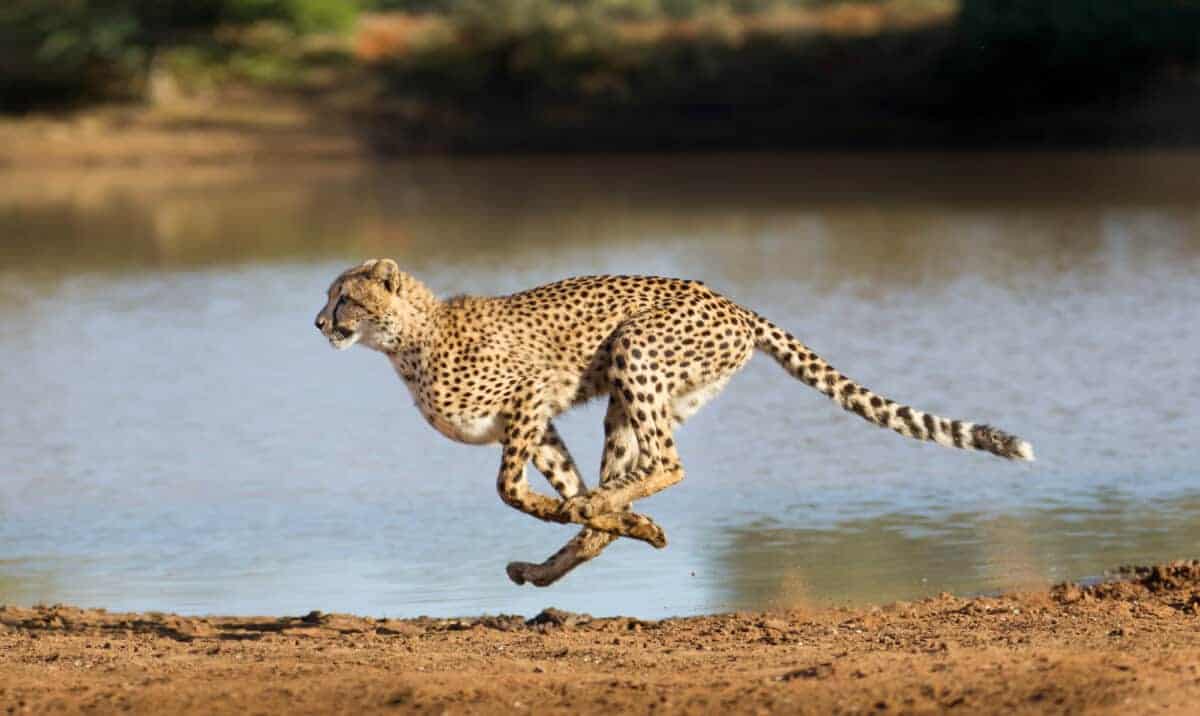
The remarkable velocities achieved by nature’s fastest animals come with significant energetic costs and evolutionary trade-offs that highlight the specialized nature of these adaptations. High-speed pursuit represents one of the most energetically expensive activities in nature, with cheetahs experiencing a metabolic rate during chases that is 15 times their resting rate, consuming approximately 2,000 calories in a single one-minute sprint. This extreme energy expenditure explains why successful hunts are followed by extensive rest periods and why failed hunts can be so detrimental to survival. The physiological cost extends beyond mere energy consumption—cheetahs risk dangerous body temperature elevations during pursuits, with core temperatures sometimes exceeding 105°F (40.5°C), approaching levels that could cause brain damage. Other speed specialists make different compromises: pronghorns dedicate an extraordinary percentage of their body mass to respiratory muscles and cardiovascular tissue at the expense of digestive system capacity, requiring them to consume specific high-nutrient vegetation. Falcons sacrifice low-speed maneuverability for high-speed diving capability through wing adaptations that make slow flight more challenging. These energetic compromises explain why extreme speed has evolved selectively rather than universally—it represents a specialized ecological niche that provides survival advantages only under specific environmental conditions and feeding strategies, where the benefits of exceptional velocity outweigh its considerable physiological costs.
From the lightning-fast strikes of the cheetah to the breathtaking dives of the peregrine falcon, nature’s speedsters represent the pinnacle of evolutionary engineering—living examples of how natural selection can produce extraordinary capabilities that still inspire human technology and design. These animals remind us that speed in nature isn’t merely about raw velocity, but about specialized adaptations perfectly suited to specific ecological niches, hunting strategies, and survival challenges. The trade-offs these creatures have made—sacrificing endurance for acceleration, versatility for specialization, or metabolic efficiency for bursts of power—demonstrate the complex balancing act that drives evolution. As we continue to study these remarkable speed champions, they provide not only insights into biomechanics and physiology but also a deeper appreciation for the elegant solutions that have emerged through millions of years of natural selection. In a world increasingly dominated by human influence, preserving these magnificent racers and the habitats that shaped them remains essential both for biodiversity conservation and for the continued inspiration they provide to human innovation and technology.

- Wildlife Mysteries That Took Decades to Solve - July 21, 2026
- The Largest Python Ever Captured in Florida’s Everglades - July 21, 2026
- How Crickets Chirp Using Their Wings - July 20, 2026