


In the ever-evolving tapestry of nature, a curious phenomenon is unfolding across the globe: some animal species are shrinking while others are growing larger. This seemingly contradictory trend isn’t random—it reflects animals’ remarkable adaptability to our rapidly changing world. From climate change to human activities, various environmental pressures are reshaping the physical dimensions of wildlife in ways that challenge our understanding of evolution. These body size changes aren’t merely academic curiosities; they offer critical insights into how species respond to environmental challenges and may even predict which animals will thrive or struggle in our transforming planet. This fascinating area of research blends ecology, evolutionary biology, and conservation science to tell a compelling story about life’s resilience and vulnerability in the face of unprecedented change.
The Shrinking Phenomenon: Introducing Animal Downsizing

Across diverse ecosystems, scientists have documented a concerning trend: many animal species are becoming smaller. This phenomenon, termed “shrinking syndrome,” has been observed in mammals, birds, fish, reptiles, and even some insects. For example, North American migratory birds have reduced their wing size by an average of 1.3% since the 1970s. Alpine chamois, a mountain goat species, have decreased in body mass by approximately 25% over the past 30 years. Perhaps most dramatically, some fish species show size reductions of up to 20% in heavily fished areas compared to their historical measurements. These changes are occurring at rates much faster than would be expected through traditional evolutionary processes, suggesting that contemporary environmental pressures are driving rapid adaptations in body size.
Climate Change: A Primary Driver of Shrinking Bodies

Climate change emerges as one of the most significant factors behind animal downsizing. This pattern aligns with a long-established ecological principle known as Bergmann’s Rule, which observes that animals tend to be smaller in warmer climates and larger in colder environments. As global temperatures rise, many species are adapting by reducing their body size. The mechanism behind this is largely thermodynamic—smaller bodies have larger surface-area-to-volume ratios, allowing for more efficient heat dissipation in warmer conditions.
Research published in Nature Communications found that over the past century, more than 100 species of birds and mammals have experienced measurable decreases in average body size correlated with rising temperatures. The relationship is particularly pronounced in ectothermic (cold-blooded) animals like reptiles and amphibians, whose metabolism is directly influenced by environmental temperatures.
Hunting and Fishing Pressure: Evolutionary Consequences

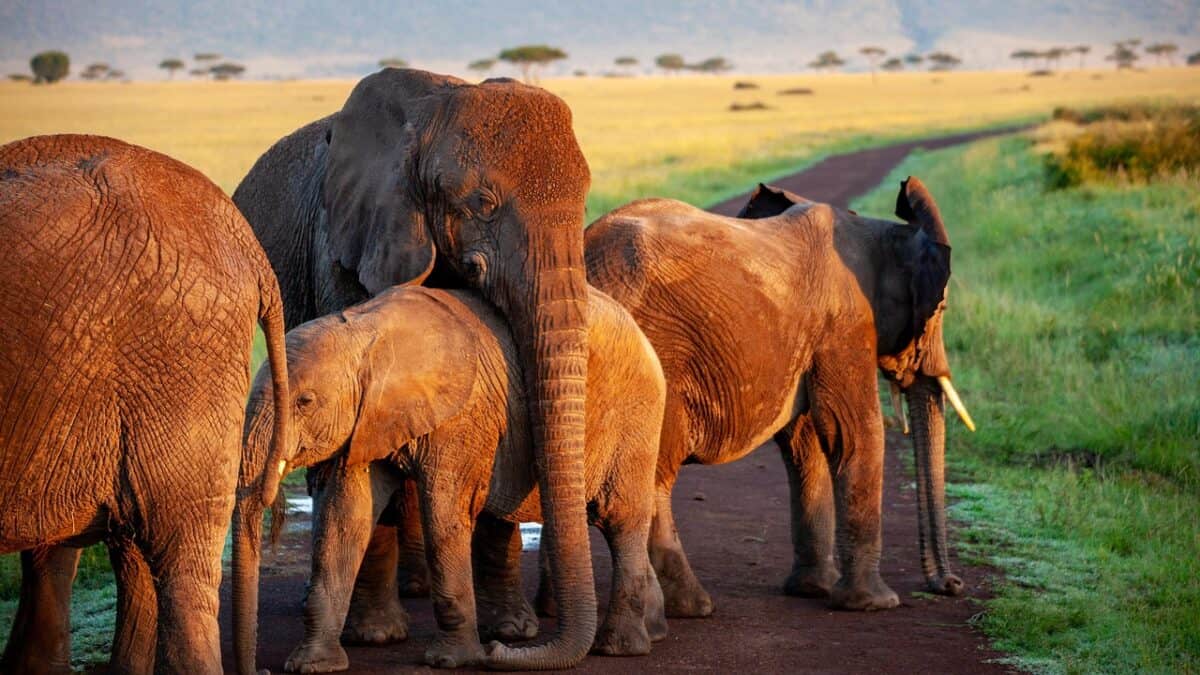
Human harvest of animals through hunting and fishing has inadvertently become a powerful evolutionary force driving size changes. When humans selectively target larger individuals—prizing the biggest fish, deer with the largest antlers, or elephants with the most impressive tusks—they create strong selection pressure favoring smaller body sizes. This phenomenon, termed “harvest-induced evolution,” can occur with remarkable speed.
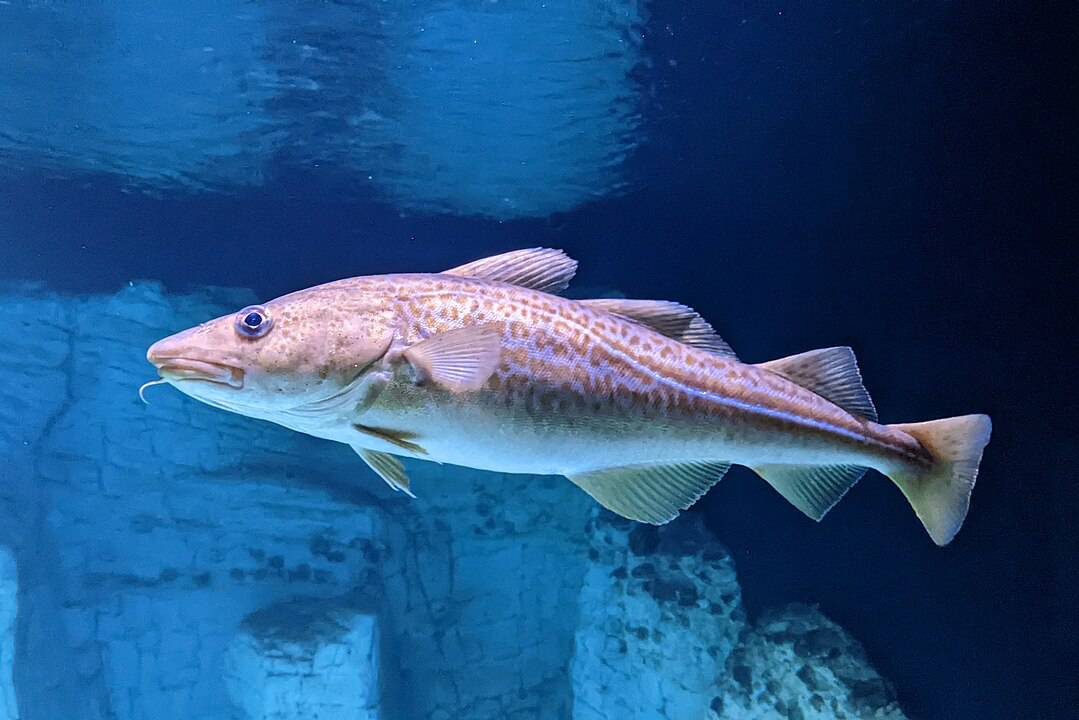
In commercially fished populations of Atlantic cod, for instance, sexual maturity now occurs at significantly smaller sizes and younger ages than just decades ago. Similarly, African elephants in heavily poached regions are evolving smaller tusks or sometimes no tusks at all. These changes represent a form of unnatural selection where human preference for certain traits directly influences which animals survive to reproduce, fundamentally altering species’ physical characteristics over just a few generations.
Habitat Fragmentation and Its Size-Related Effects
As human development carves up once-continuous habitats into smaller, isolated patches, animals face new constraints that can influence body size. Fragmented habitats typically support fewer resources and smaller populations, often leading to reduced body sizes through resource limitation. For mammals especially, habitat fragmentation can create “island effect” conditions even on continents, where isolated populations undergo similar changes to those observed in true island species—generally becoming smaller over time.
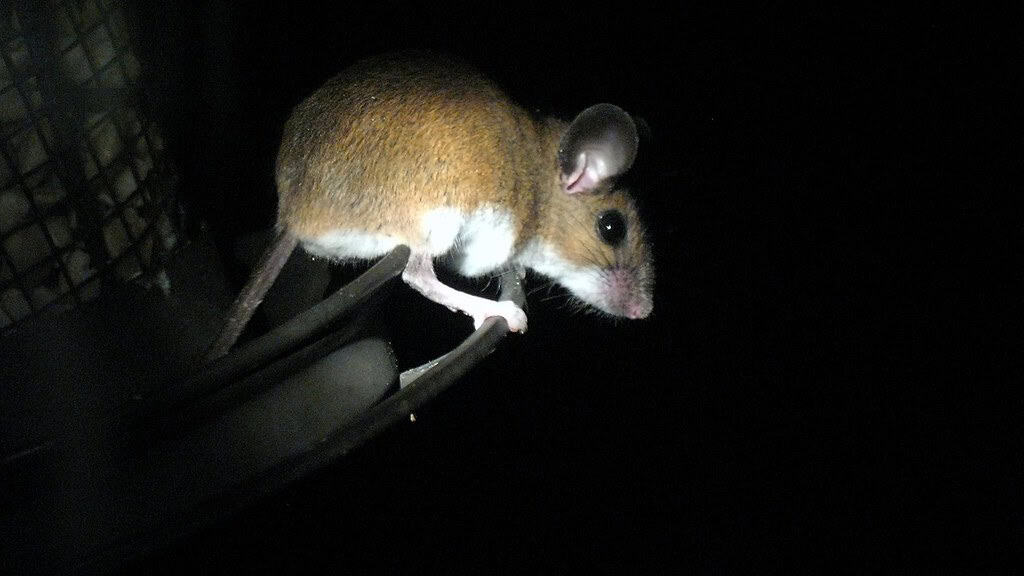
A striking example comes from studies of white-footed mice in fragmented urban forests around New York City, where populations in smaller forest patches show decreased body size compared to those in larger, more connected habitats. The fragmentation effect interacts with other pressures like climate change, potentially accelerating the downsizing trend in affected species.
The Supersize Trend: Animals Getting Bigger

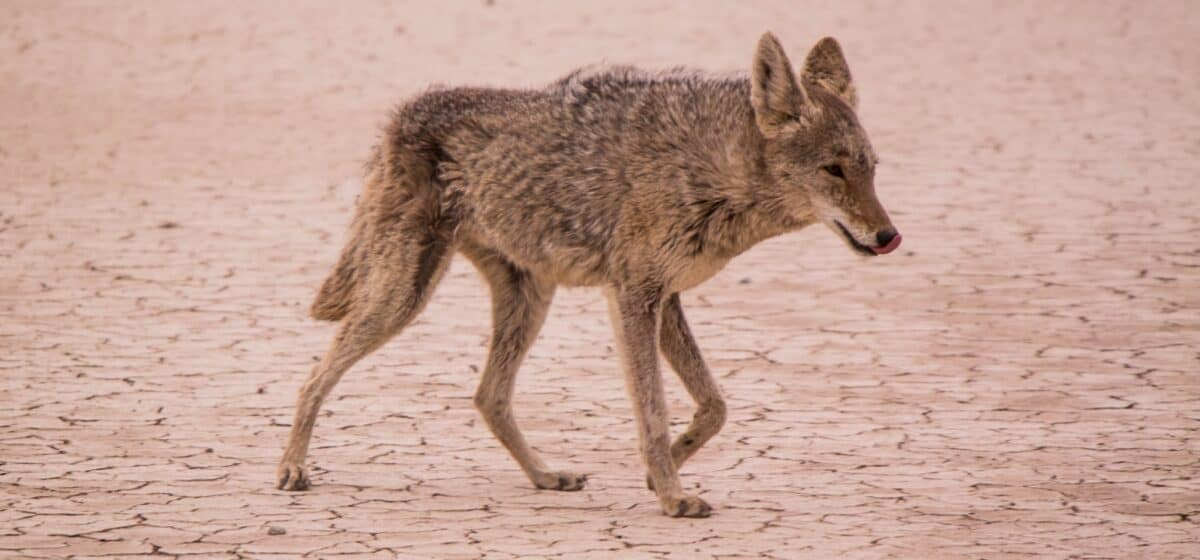
While many species are shrinking, a parallel and seemingly contradictory trend shows other animals increasing in size. This “supersizing” phenomenon occurs particularly in certain environments and taxonomic groups. Urban-dwelling animals like raccoons, coyotes, and white-footed mice in some areas have increased in body mass compared to their rural counterparts, likely due to abundant food resources and reduced predation in human-dominated landscapes.
Similarly, some agricultural pest species have grown larger, benefiting from monoculture farming practices that provide concentrated food sources. In marine environments, certain jellyfish species have expanded both their geographic range and individual size, with some populations experiencing dramatic blooms where individuals reach historically unprecedented dimensions. These size increases, like decreases observed in other species, often reflect adaptive responses to specific environmental conditions created or modified by human activities.
Urban Giants: Why City Animals Are Growing

The urban environment has created a unique evolutionary playground for many adaptable species, often favoring larger body sizes. City-dwelling animals face distinctive selection pressures: abundant year-round food sources (particularly human food waste), reduced predation risk, and modified competitive dynamics. Research published in the journal Science found that certain urban mammal species have experienced significant size increases over the past century. For example, urban populations of house mice are on average 6-7% larger than their rural relatives, while urban possums can weigh up to 30% more than those in natural habitats.
These “urban giants” demonstrate remarkable adaptability to human-created environments, with larger individuals often better able to exploit diverse food resources and survive the unique challenges of city living. Interestingly, this trend runs counter to the global pattern of shrinking observed in many wild animal populations, highlighting how dramatically different selective pressures can produce opposite evolutionary outcomes.
Ocean Dynamics: Size Changes in Marine Species

Marine ecosystems display some of the most dramatic and well-documented examples of human-driven size changes in animals. Commercial fishing has targeted larger individuals of economically valuable species for centuries, creating strong selection pressure for earlier maturation at smaller sizes. A landmark study in the journal Science examined 125 years of data from North Sea fish populations, revealing that cod, haddock, and other commercially important species now mature at half the size they did a century ago. However, the marine environment also showcases the “bigger is better” trend in certain species.
Some jellyfish populations are experiencing unprecedented blooms where individuals reach enormous sizes, benefiting from ocean warming, reduced competition from overfished species, and nutrient pollution. Similarly, some deep-sea creatures appear to be increasing in size as changing ocean currents deliver more nutrients to their habitats. These contrasting patterns highlight how complex interactions between fishing pressure, climate change, and altered food webs drive body size evolution in marine ecosystems.
The Island Rule: Natural Experiments in Size Change

Islands have long served as natural laboratories for understanding how isolation affects animal size evolution. The “island rule” describes a consistent pattern where large mainland species tend to evolve smaller body sizes on islands, while small mainland species often evolve larger bodies when isolated on islands. This phenomenon has produced remarkable examples throughout evolutionary history—from the dwarf elephants that once inhabited Mediterranean islands at just 10% of their mainland ancestors’ size to the giant Komodo dragons of Indonesia.
The mechanisms driving these changes include resource limitations (favoring smaller body sizes in large animals), reduced predation (allowing smaller animals to grow larger), and competitive release (when competitors are absent). Modern habitat fragmentation essentially creates “habitat islands” within continents, potentially subjecting many species to similar evolutionary pressures. By studying historical and contemporary island populations, scientists gain valuable insights into how body size changes might unfold in increasingly fragmented mainland habitats.
Ecological Consequences of Changing Animal Sizes
The widespread shifts in animal body sizes carry significant implications for ecosystem function and stability. Body size strongly influences nearly every aspect of an animal’s ecology—from metabolic requirements and reproductive rates to competitive abilities and predator-prey relationships. When key species change size, cascading effects can ripple throughout entire food webs. Smaller predators, for instance, may shift their prey preferences, altering predation pressure across the ecosystem.
Reduced body sizes often correlate with decreased reproductive output, potentially lowering population resilience to environmental stressors. In marine systems, downsized fish populations have shown altered migration patterns and reduced ability to withstand temperature fluctuations. Meanwhile, supersized urban animals like raccoons and coyotes can exert novel predation pressures on smaller urban species. Perhaps most concerning is the potential for desynchronization between interdependent species—such as pollinators and flowering plants—when size changes alter the timing of key life history events.
Case Study: Polar Bears and Arctic Adaptations

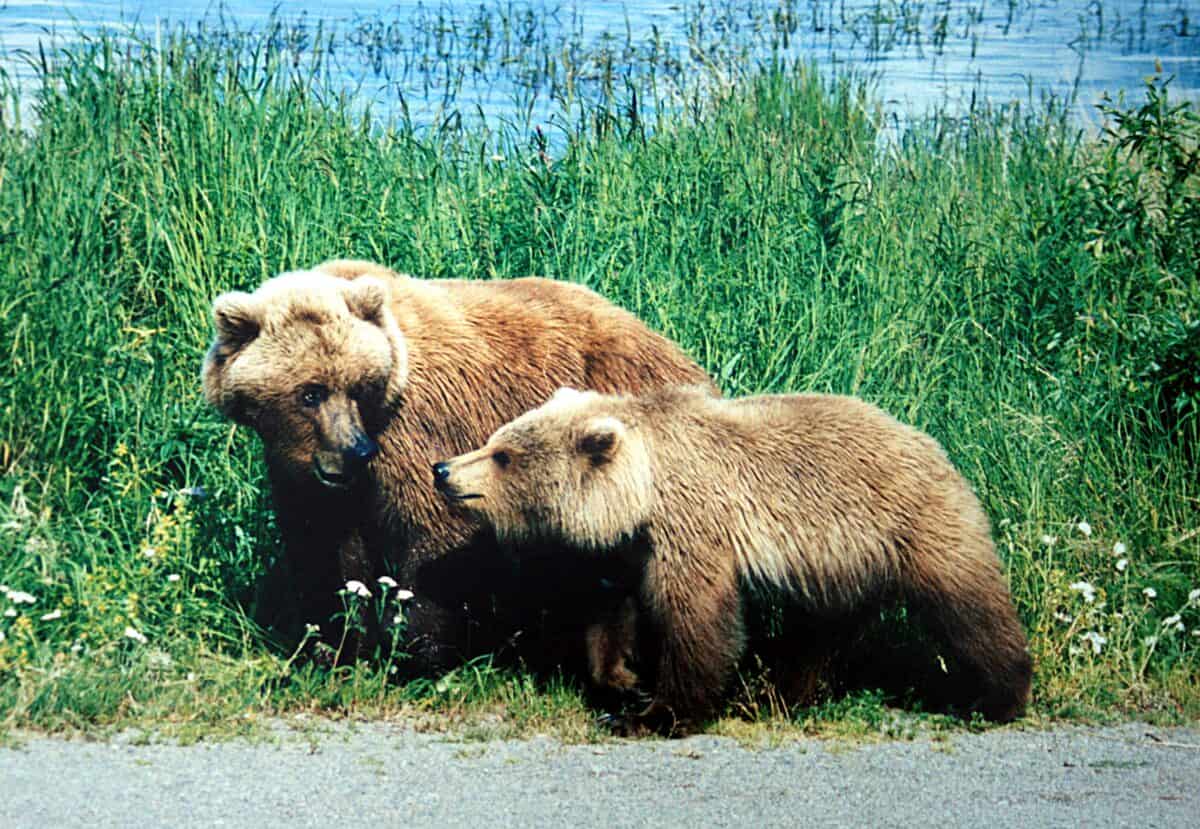
Polar bears represent one of the most visible and well-studied examples of climate-driven body size changes. Research tracking polar bear populations in the Arctic has documented a 10-15% decrease in average body mass over the past three decades, coinciding with dramatic sea ice loss. These magnificent predators rely on sea ice as a platform for hunting seals, and reduced ice coverage directly impacts their feeding success. Smaller body sizes result primarily from nutritional stress—bears simply cannot accumulate sufficient fat reserves during shortened hunting seasons.
This downsizing carries serious reproductive consequences, as females with insufficient body mass cannot successfully carry and nurse cubs. The shrinking of polar bears illustrates how body size changes can serve as visible indicators of environmental stress long before population declines become evident. It also demonstrates the complex interplay between habitat change, resource availability, and physiological constraints that drive contemporary evolution in body size.
Technological Insights: How Scientists Track Size Changes
Documenting and understanding animal size changes requires sophisticated measurement techniques that span historical and contemporary data. Museum collections have proven invaluable in this research, housing specimens collected over centuries that provide baseline measurements for comparison with modern individuals. Advanced imaging technologies like CT scanning allow researchers to extract precise morphological data from these preserved specimens without damaging them. For living populations, wildlife biologists employ various techniques including standardized field measurements, photogrammetry (extracting measurements from photographs), and automated image analysis.
Remote tracking technologies have revolutionized data collection—GPS collars not only track animal movements but increasingly incorporate sensors that monitor growth rates and body condition. Perhaps most promising are emerging genetic techniques that can identify genes associated with body size regulation, potentially revealing the molecular mechanisms underlying observed size changes. Combined with big data approaches that aggregate observations across species and regions, these technologies are helping scientists construct a comprehensive picture of how and why animal bodies are changing shape in the Anthropocene.
Conservation Implications: Protecting Evolving Species
The rapid changes in animal body sizes present novel challenges for conservation biology, requiring approaches that account for ongoing evolutionary processes rather than simply attempting to preserve historical states. Traditional conservation strategies often aim to restore populations to past conditions, but such approaches may be ineffective or even counterproductive if they work against adaptive size changes that increase survival in current environments. For species undergoing maladaptive size changes—such as commercial fish populations evolving smaller sizes with reduced reproductive potential—conservation interventions might include size-specific harvest regulations or protected areas that allow for the recovery of larger body sizes.
Connectivity conservation, which focuses on maintaining or restoring habitat connections, becomes particularly important as it allows for gene flow that can counteract some negative effects of fragmentation-induced size changes. Conservation planning increasingly needs to incorporate evolutionary potential, protecting not just current biodiversity but the capacity of species to adapt to changing conditions through mechanisms like body size adjustments. This represents a fundamental shift toward “evolutionary conservation” that acknowledges nature’s dynamic rather than static character.
Conclusion: Adapting to a Changing World
The parallel trends of shrinking and enlarging animals tell a nuanced story about life’s responses to human-altered environments. These size changes represent both the remarkable adaptability of species and the intense selective pressures of the Anthropocene era. As we’ve explored throughout this article, body size shifts often reflect animals’ attempts to solve specific environmental challenges—from thermoregulation in warming climates to exploiting novel food sources in urban environments.
While some of these adaptations may help species persist through changing conditions, others may represent desperate responses that cannot be maintained long-term. Understanding these dynamic physical responses provides valuable indicators of ecosystem health and species vulnerability, potentially helping predict which animals face greatest extinction risk. As humans continue to transform the planet, monitoring and understanding these bodily changes offers critical insights not just into animal biology, but into the cascading ecological effects of our own species’ outsized influence on Earth’s living systems.

From exploring the marine wonders in the Azores and witnessing the vast savannas of Kenya, to delving deep into the rich biodiversity of South Africa and traversing iconic landscapes in Australia and the US like Yellowstone, Chris's experiences are vast.
With a penchant for diving alongside sharks, the ocean holds a special place in his heart.
Through his academic insights, he champions wildlife conservation, striving with 'Animals Around The Globe' to cultivate a profound connection between humans and animals, enhancing our mutual appreciation.
Connect with him at Feedback@animalsaroundtheglobe.com.
- Desert Foxes Make a Comeback in U.S. National Parks - July 21, 2026
- The Sacred Goose of Ancient Rome: Protector of the Capitol - July 21, 2026
- Top 10 Animal Encounters in Europe - July 21, 2026