


Every December, the peculiar lyrics of “The Twelve Days of Christmas” echo through shopping malls and living rooms alike. We sing along almost reflexively, rarely stopping to question why anyone would gift a partridge perched in a pear tree. It sounds absurd when you really think about it. What’s the point of this odd collection of birds, dancers, and leaping lords?
The truth behind the carol’s origins is far more fascinating than most people realize. There’s mystery woven into every line, with theories ranging from secret Catholic codes to French wedding songs. Some say the partridge represents Jesus himself, while others argue it’s just nonsense meant to trip up children in a memory game. Let’s dive into the surprisingly complex history of what might be the most puzzling Christmas carol ever written.
The French Connection Behind the Carol

The original song isn’t even English but French, appearing in its earliest known printed English version in the 1780 children’s book called Mirth Without Mischief. What’s particularly interesting is how the evidence points so clearly across the Channel. The partridge was actually unknown in England until the 1770s when it was introduced from France.
The title page says the song was “Sung at King Pepin’s ball,” referring to Pepin the Short who ruled from 752 to 768. There’s no English King Pepin, which makes the French origin pretty obvious. Carols are based on dance music, light and joyful, with a religious impulse, and many were developed in France between 1400-1650.
The Secret Catholic Catechism Theory

Perhaps the most widespread explanation for the carol’s meaning is the claim that it served as a hidden teaching tool. From 1558 until 1829, Roman Catholics in Ireland and England weren’t permitted to practice their faith openly, and someone supposedly wrote this carol as a catechism song for young Catholics. It’s a compelling story, honestly.
According to this interpretation, the partridge in a pear tree represents Jesus, the Son of God, symbolically presented as a mother partridge that will die to protect its young. The idea is romantic in its way, imagining persecuted believers cleverly encoding their faith into children’s songs. The theory claimed the twelve gifts each had secret meanings to help young Catholics learn about their faith when Catholicism was forbidden, though this theory has now been proven false.
Why the Catholic Code Theory Falls Apart

Here’s the thing, though. The secret Catholic meaning sounds great until you actually examine it closely. None of the secret meanings are distinctly Catholic; all are fundamental to Church of England and other Christian denominations, including Old and New Testament, 10 commandments, and the 11 faithful apostles. If Catholics needed to hide their beliefs, why would they hide concepts that Anglicans also believed?
A song genuinely used as a memory aid would be expected to have a standard, fixed form, not variation upon variation. Yet the supposed symbolism changes wildly depending on who’s telling the story. There’s no religious connection between the objects and what they represent; how does eight maids milking remind anyone of the eight beatitudes, or lords leaping of the Apostles’ Creed?
A Wedding Song and Fertility Symbols
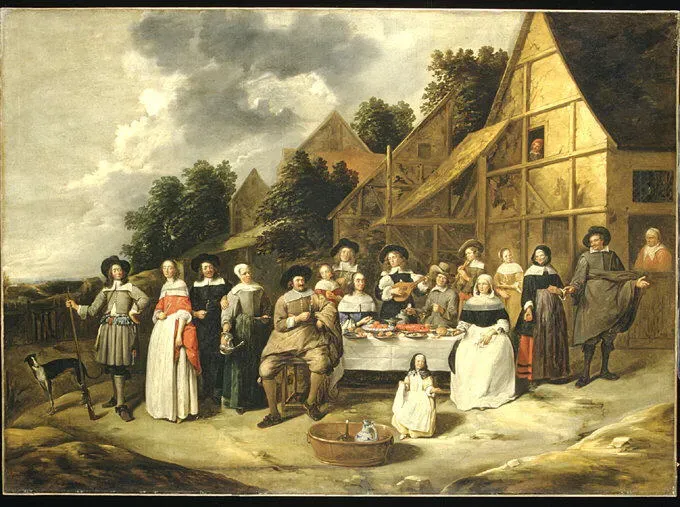
Scholar Edward Phinney argued in 1990 that the carol is actually a love song, pointing out that all the gifts are from a lover to a woman, including impossible presents like eight maids milking and nine ladies dancing. That makes way more sense when you consider the context of how people actually celebrated Christmas centuries ago.
The partridge was famous as an aphrodisiac, six geese laying are reproducing, seven verses feature birds which are symbols of fertility, and the pear itself is a male fertility symbol. The whole song seems to point to a festival of joy and love more appropriate to a secular holiday like Valentine’s Day or May Day, though weddings were a prominent feature of the Christmas season.
The Partridge as Christ Symbol

Setting aside whether the Catholic theory is historically accurate, the symbolism itself is genuinely beautiful. The partridge is used as a symbol of fidelity, forming monogamous pairs in winter months, and the mother partridge has a reputation for faking injury to draw predators away from her helpless nestlings. This sacrificial behavior made it a natural symbol for Christ’s love.
The French revered the mother partridge which would feign injury to draw predators away, willing to sacrifice herself for her children, and used the bird as a symbol for Jesus. The pear tree was chosen because the song is full of alliteration: partridge-pear, two-turtle, maids-milking, swans-swimming. Sometimes the simple answer is the right one.
The Memory and Forfeit Game
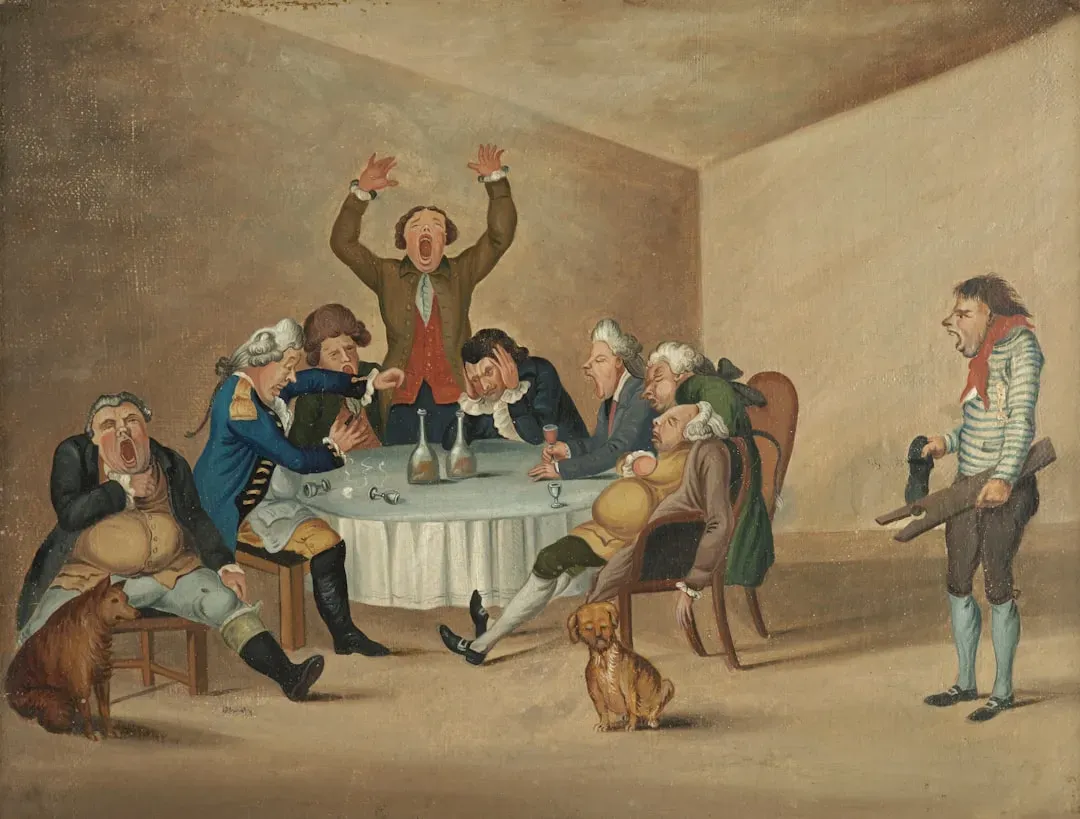
Every time the song is mentioned in historical books, it’s described as a forfeit game where each person repeats the gifts and pays a forfeit, like a kiss or sweetmeat, when they miss one. Think of it like a Victorian-era party game designed to create laughter and maybe a little flirtation. There’s a good chance that some of the more ridiculous gifts in this carol were added by children hoping to trip up their friends.
It was entertainment, plain and simple. The cumulative structure made it increasingly difficult to remember all the items in order, which was precisely the point. You can almost picture families gathered around fireplaces, children giggling as someone inevitably mixes up the lords and ladies.
What Modern Believers Choose to See
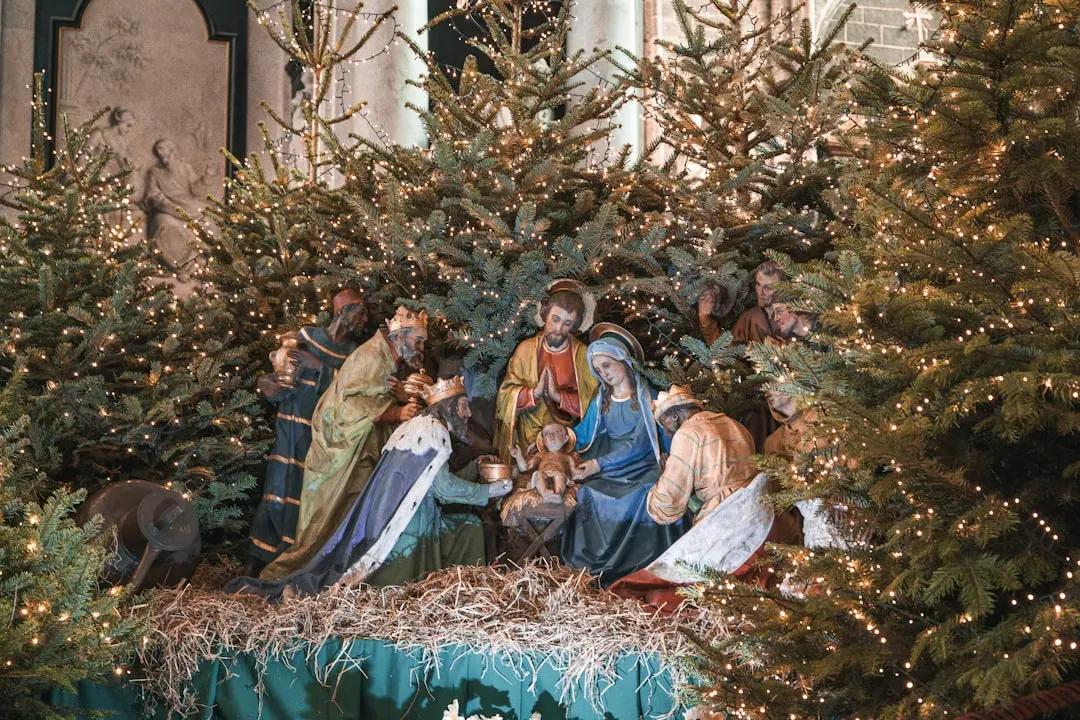
Even if the historical Catholic catechism story isn’t true, many Christians today find genuine spiritual meaning in the symbolism. Each verse in the song comes back to one gift, the partridge in a pear tree, and Jesus is the greatest gift of all. There’s something powerful about that interpretation, regardless of the song’s actual origins.
While the theory has been proven false, you might be more excited to sing about twelve lords leaping if they represented something more meaningful, so the suggested alternative meanings can help use a fun carol as authentic worship. Sometimes meaning comes from what we bring to a tradition, not just what history handed down.
Conclusion: Mystery and Meaning Intertwined
The partridge in a pear tree remains wonderfully ambiguous, which might be exactly what makes it endure. Whether it started as a French party game, a fertility celebration, or simply a catchy children’s song, people have found ways to make it meaningful. The Catholic catechism theory may be a modern invention, yet the symbolism it suggests resonates with millions who sing the carol each year.
What’s fascinating is how we project our own needs onto old traditions, searching for deeper significance in what might have been playful nonsense. The partridge can be Christ if you want it to be, or it can just be a bird in a tree, given by someone hoping to make their true love laugh. Maybe the real gift isn’t in knowing the definitive answer but in the layers of meaning we keep discovering. What interpretation speaks most to you when you hear those opening notes?

- 17 Rare Dog Breeds You Might Not Have Heard of Before - June 30, 2026
- 15 Exotic Animals People Bond With – And the Hidden Dangers They Bring - June 30, 2026
- 22 Coolest Animals Gifted with Extreme Abilities of Survival - June 30, 2026