


When we think of intelligent animals, dolphins, chimpanzees, and ravens typically come to mind. Pangolins—those peculiar, scale-covered mammals often mistaken for reptiles—rarely enter the conversation. Yet, recent research suggests we’ve been underestimating these endangered creatures. Despite their prehistoric appearance and secretive nature, pangolins demonstrate surprising cognitive abilities that challenge our understanding of mammalian intelligence. From sophisticated problem-solving skills to complex social behaviors, pangolins are proving themselves to be far more intellectually capable than previously believed. This article explores the fascinating cognitive world of pangolins and why their intelligence matters for conservation efforts.
The Misunderstood Pangolin: Breaking Down Stereotypes

Pangolins have long been dismissed as simple creatures, primarily due to their shy, nocturnal nature and limited observation in the wild. Their prehistoric appearance—resembling armored anteaters—has contributed to misconceptions about their cognitive abilities. The scientific community has traditionally focused research efforts on more accessible and traditionally “intelligent” species, leaving pangolins largely unstudied. However, as researchers develop more sophisticated observation techniques and conservation centers provide opportunities for controlled studies, we’re discovering that pangolins possess cognitive abilities that contradict these long-held stereotypes. Their unique evolutionary path has produced specialized forms of intelligence adapted to their ecological niche, proving that intelligence comes in many forms beyond what we typically recognize in more familiar animals.
The Pangolin’s Problem-Solving Prowess

Recent studies have revealed remarkable problem-solving abilities in pangolins that were previously undocumented. Researchers at conservation centers have observed pangolins figuring out complex feeding puzzles, sometimes mastering them faster than other mammals considered more intelligent. In one notable study, pangolins quickly learned to manipulate specially designed feeding boxes that required multiple steps to access food rewards.
They remembered solutions to these puzzles for extended periods, demonstrating both learning capacity and memory retention. Even more impressive, pangolins have been observed improvising tools in captivity—using objects to reach food or dig more efficiently. This level of tool manipulation, while not as sophisticated as that seen in primates or corvids, suggests cognitive flexibility previously unrecognized in these scaled mammals.
Spatial Intelligence and Navigation Skills

Pangolins display exceptional spatial intelligence that enables them to navigate complex environments with remarkable precision. Field studies tracking wild pangolins have shown they can maintain detailed mental maps of their territories, which often span several square kilometers. These animals can reliably relocate specific termite mounds and ant colonies within their range, even after weeks or months between visits.
More impressively, pangolins appear to optimize their foraging routes, creating efficient paths between feeding sites that minimize energy expenditure—a behavior requiring sophisticated spatial awareness. In captivity, pangolins quickly memorize the layouts of their enclosures and can navigate complex enrichment structures with ease. This advanced spatial cognition likely evolved as an adaptation to their nocturnal lifestyle, allowing them to navigate effectively in low-light conditions while avoiding predators and efficiently finding food resources.
Adaptive Learning and Behavioral Flexibility

Despite their reputation for being specialists with rigid behavioral patterns, pangolins demonstrate surprising behavioral flexibility and adaptive learning. Researchers have documented pangolins adjusting their foraging techniques based on prey availability and environmental conditions. When introduced to novel environments or food sources, pangolins typically display caution initially but quickly adapt their behavior through exploration and experimentation.
In rehabilitation centers, pangolins have been observed learning from observation, sometimes adopting behaviors from other pangolins or even from their human caretakers. This capacity for behavioral flexibility contradicts earlier assumptions about pangolins being instinct-driven specialists. Their ability to adapt to changing circumstances and learn new behaviors throughout their lifetime indicates a more sophisticated level of cognition than previously credited to these unusual mammals.
Social Intelligence and Communication

While pangolins are generally solitary, they display forms of social intelligence during their limited interactions with conspecifics. During mating season, male and female pangolins engage in complex courtship behaviors that require social awareness and communication. Mother pangolins show sophisticated nurturing behaviors, adjusting their care based on their offspring’s needs and teaching young pangolins essential survival skills through demonstration.
Researchers have identified a range of vocalizations and chemical signals that pangolins use to communicate, suggesting a more complex social language than previously recognized. In rehabilitation settings, pangolins sometimes form social bonds with caretakers, recognizing individual humans and responding differently based on past interactions. This capacity for social recognition and relationship-building indicates a level of social intelligence that goes beyond what would be expected for a supposedly solitary specialist species.
Sensory Intelligence: The Pangolin’s Information Processing System

Pangolins possess a sophisticated sensory intelligence adapted to their ecological niche. Their sense of smell is extraordinarily developed, allowing them to detect insect colonies underground or inside trees with remarkable precision. This olfactory intelligence enables them to make complex decisions about which food sources to target based on factors like colony size, species composition, and nutritional value.
Pangolins also demonstrate impressive tactile intelligence through their sensitive paws and long, specialized tongues, which they use to extract prey from narrow openings with surgical precision. Interestingly, despite their poor eyesight, pangolins can process and integrate information from their other senses to create detailed mental representations of their environment. This multi-sensory integration requires sophisticated neural processing that suggests higher cognitive abilities than previously attributed to these animals.
Emotional Intelligence in Pangolins

Emerging evidence suggests pangolins may possess forms of emotional intelligence previously unrecognized. Caretakers at rescue centers report that pangolins display distinct individual personalities and emotional responses. Some pangolins appear to form attachments to specific caretakers, showing excitement upon their arrival and distress during separation. Mothers show remarkable sensitivity to their offspring’s emotional states, responding appropriately to distress calls and providing comfort beyond mere physical care.
Pangolins in captivity have displayed what appears to be curiosity, playfulness, and even boredom—emotional states once thought limited to more traditionally “intelligent” animals. While the scientific community remains cautious about anthropomorphizing these behaviors, the consistency of these observations across different facilities suggests pangolins possess emotional lives more complex than previously acknowledged. This emotional intelligence may play a crucial role in their survival strategies and social interactions in the wild.
Comparing Pangolin Intelligence to Other Species

When comparing pangolin intelligence to other species, researchers find themselves rethinking traditional intelligence hierarchies. While pangolins may not demonstrate the abstract reasoning of corvids or the tool use of primates, they excel in specialized forms of intelligence adapted to their ecological needs. Their spatial memory rivals that of many rodents and carnivores, while their problem-solving abilities in certain contexts compare favorably to some primates.
Pangolins show learning speeds for certain tasks that exceed those of many mammals of similar brain size. Interestingly, pangolins share some cognitive traits with elephants and bears—both species known for their impressive intelligence—possibly reflecting convergent evolution of certain cognitive abilities in species that specialize in locating and extracting hidden food sources. These comparisons highlight the need for a more nuanced understanding of animal intelligence that recognizes specialized adaptations rather than placing species on a single linear scale of cognitive ability.
The Neurobiology Behind Pangolin Intelligence
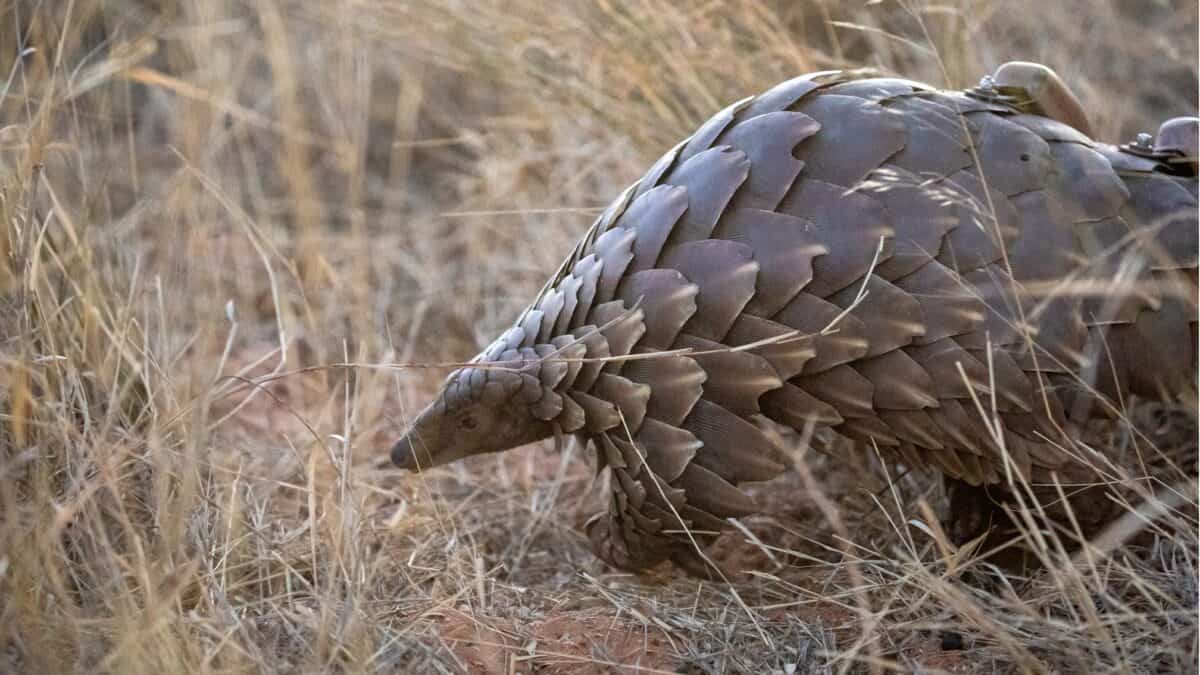
The neurobiological basis of pangolin intelligence remains largely unexplored due to the endangered status of all pangolin species and the resulting ethical restrictions on invasive research. However, non-invasive studies and examinations of pangolins that died from natural causes have provided some insights. Despite having relatively small brains compared to their body size, pangolins show well-developed regions associated with sensory processing, particularly olfaction and touch.
The cerebral cortex, while not as convoluted as in primates, shows specialized development in areas related to spatial memory and sensory integration. Preliminary research suggests pangolins may have unique neurological adaptations that allow for efficient cognitive processing in specialized domains. The distribution of certain neurotransmitters and receptors in the pangolin brain suggests potential parallels to neural systems associated with learning and memory in other mammals. These neurobiological findings, though preliminary, support behavioral observations of pangolin intelligence and point to unique evolutionary adaptations in their cognitive systems.
Intelligence as a Survival Strategy

For pangolins, intelligence functions as a crucial survival strategy in their evolutionary history. Their cognitive abilities allow them to efficiently locate and harvest widely dispersed and hidden food sources—a challenge that requires sophisticated problem-solving and spatial memory. Intelligence helps pangolins avoid predation through learning which areas are dangerous and remembering safe retreat locations. Their ability to adapt to changing environmental conditions through behavioral flexibility has likely helped pangolins survive in diverse habitats across Africa and Asia.
Mothers use their intelligence to protect vulnerable offspring, teaching them essential skills and helping them avoid dangers during the critical learning period. Intriguingly, the pangolin’s famous defense mechanism—rolling into a tight, scale-covered ball—requires sophisticated proprioception and body awareness to execute effectively. These examples illustrate how pangolin intelligence, while specialized, represents an elegant evolutionary solution to the specific challenges faced by these unique mammals throughout their evolutionary history.
Conservation Implications of Pangolin Intelligence
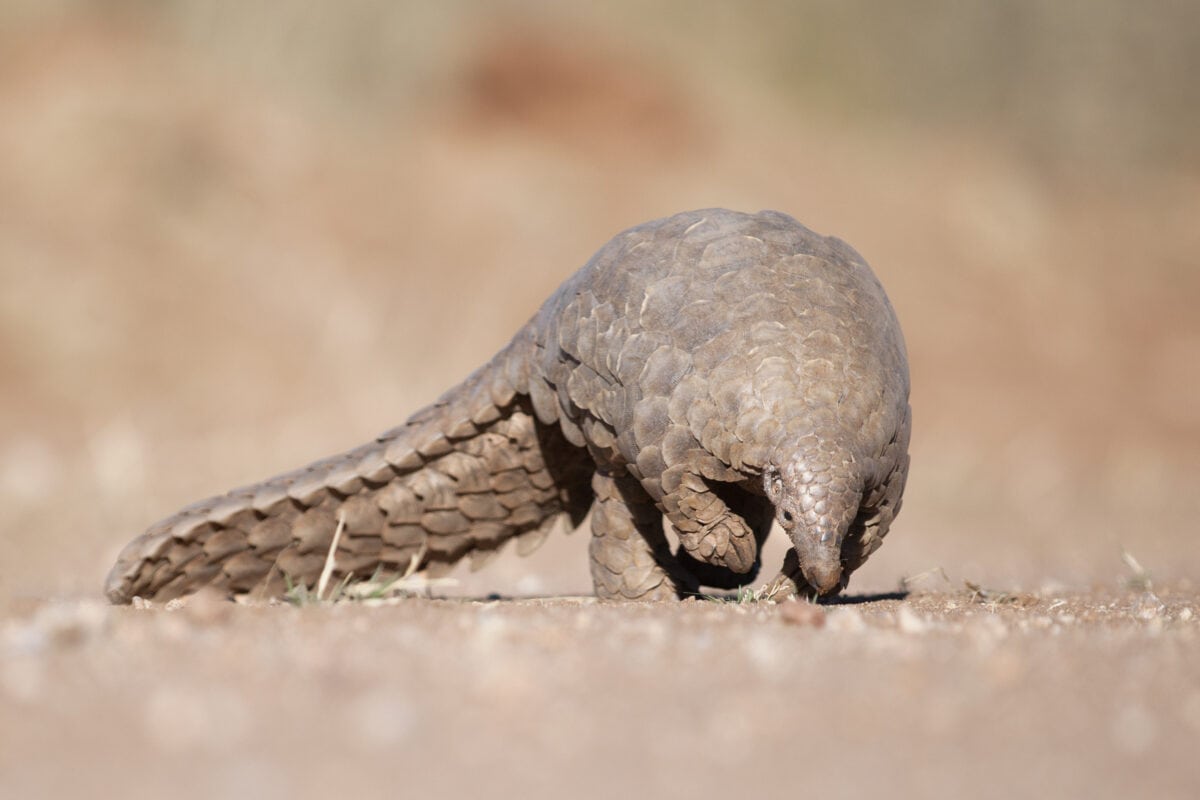
Recognizing pangolin intelligence has profound implications for conservation efforts. Understanding their cognitive abilities helps conservation programs design more effective rehabilitation protocols for confiscated and injured pangolins. Enrichment programs in rehabilitation centers can now be tailored to challenge pangolins’ problem-solving abilities and provide appropriate cognitive stimulation, improving welfare and survival rates upon release. Knowledge of pangolins’ learning capabilities allows conservationists to help them adapt to new environments when relocation is necessary.
Perhaps most importantly, public awareness of pangolin intelligence can foster greater empathy and support for conservation efforts. Research has shown that public support for conservation increases when people recognize cognitive complexity in endangered species. As pangolins face unprecedented threats from poaching and habitat loss, highlighting their intelligence creates a more compelling case for their protection and may help combat the illegal wildlife trade that has decimated their populations worldwide.
Future Research Directions
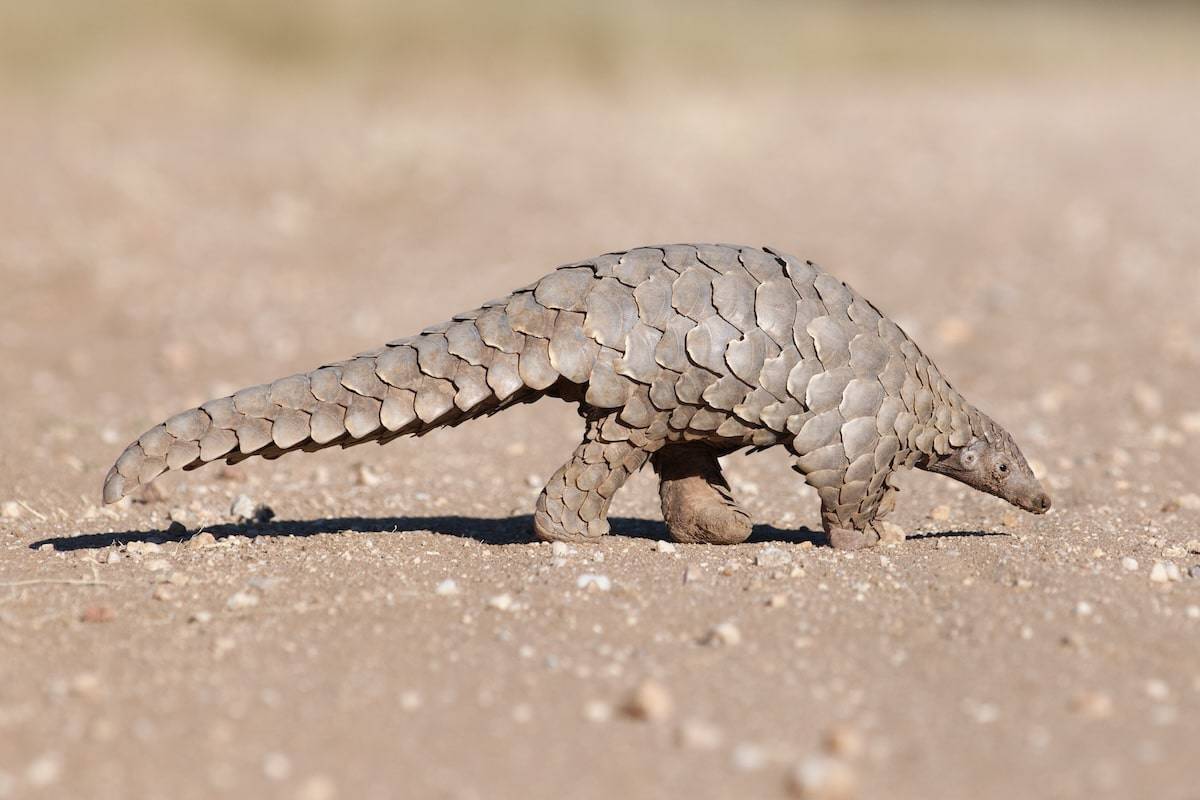
The study of pangolin intelligence remains in its infancy, with numerous promising research directions to explore. Non-invasive cognitive testing protocols specifically designed for pangolins’ unique physical capabilities and behavioral tendencies are being developed to better assess their problem-solving abilities and learning capacity. Field studies using modern tracking technology offer opportunities to better understand how pangolins navigate and make decisions in natural settings. Comparative studies examining cognitive differences between the eight pangolin species could provide insights into how intelligence evolves in response to different ecological pressures.
Researchers are also developing ethical methods to study pangolin brain function, such as non-invasive imaging techniques that can be applied during veterinary care. Collaborative efforts between rehabilitation centers, zoos, and research institutions promise to expand our understanding of pangolin cognition while contributing to conservation. As research methods advance and more data becomes available, our understanding of pangolin intelligence will undoubtedly continue to evolve and challenge preconceptions about these remarkable animals.
Conclusion: Reconsidering Our Understanding of Animal Intelligence
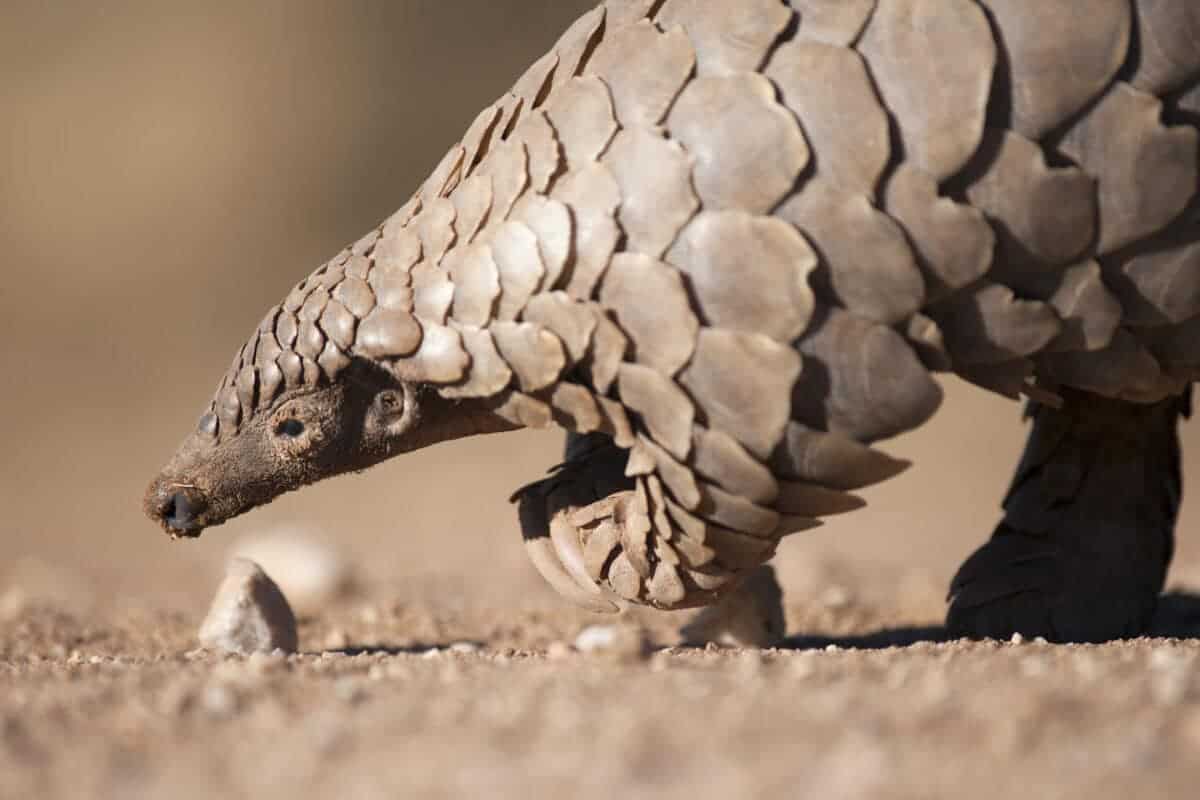
The emerging evidence of pangolin intelligence challenges us to reconsider our understanding of animal cognition and the diverse forms it can take. These scale-covered mammals, often overlooked in discussions of animal intelligence, demonstrate sophisticated problem-solving abilities, remarkable spatial memory, behavioral flexibility, and forms of social and emotional intelligence uniquely adapted to their ecological niche. Their cognitive abilities remind us that intelligence in the animal kingdom isn’t a linear progression from “simple” to “complex” but rather a diverse array of specialized adaptations to different evolutionary challenges.
For pangolins—critically endangered across all eight species—recognition of their cognitive complexity adds urgency to conservation efforts and provides new insights for rehabilitation and protection strategies. As we continue to learn more about these remarkable animals, the truth about pangolin intelligence doesn’t just surprise us—it transforms our understanding of the rich cognitive lives of animals and our responsibility to protect them.

From exploring the marine wonders in the Azores and witnessing the vast savannas of Kenya, to delving deep into the rich biodiversity of South Africa and traversing iconic landscapes in Australia and the US like Yellowstone, Chris's experiences are vast.
With a penchant for diving alongside sharks, the ocean holds a special place in his heart.
Through his academic insights, he champions wildlife conservation, striving with 'Animals Around The Globe' to cultivate a profound connection between humans and animals, enhancing our mutual appreciation.
Connect with him at Feedback@animalsaroundtheglobe.com.
- The Largest Clam Ever Dredged Up From U.S. Waters - July 22, 2026
- How Animated Films Shape What Kids Believe About Animals - July 22, 2026
- The Most Iconic Animals Saved from Extinction in the U.S. - July 22, 2026