

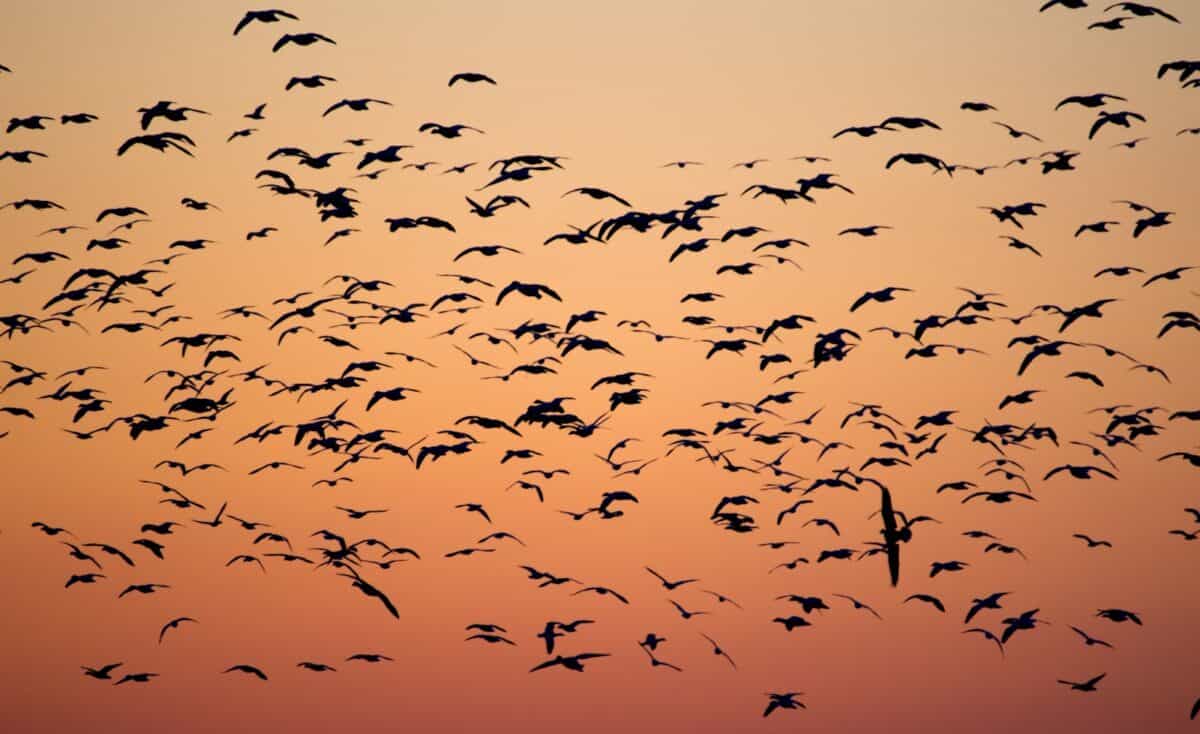
Migration is one of nature’s most extraordinary phenomena, with billions of birds embarking on epic journeys across continents and oceans each year. These seasonal movements are guided by a complex interplay of instinct, learning, and environmental cues. But what happens when this finely tuned system breaks down? When a bird “forgets” how to migrate, the consequences can be profound for both individual birds and entire populations. This fascinating disruption to one of nature’s most reliable patterns offers insights into avian biology, behavior, and the increasing challenges birds face in our rapidly changing world.
The Basics of Bird Migration
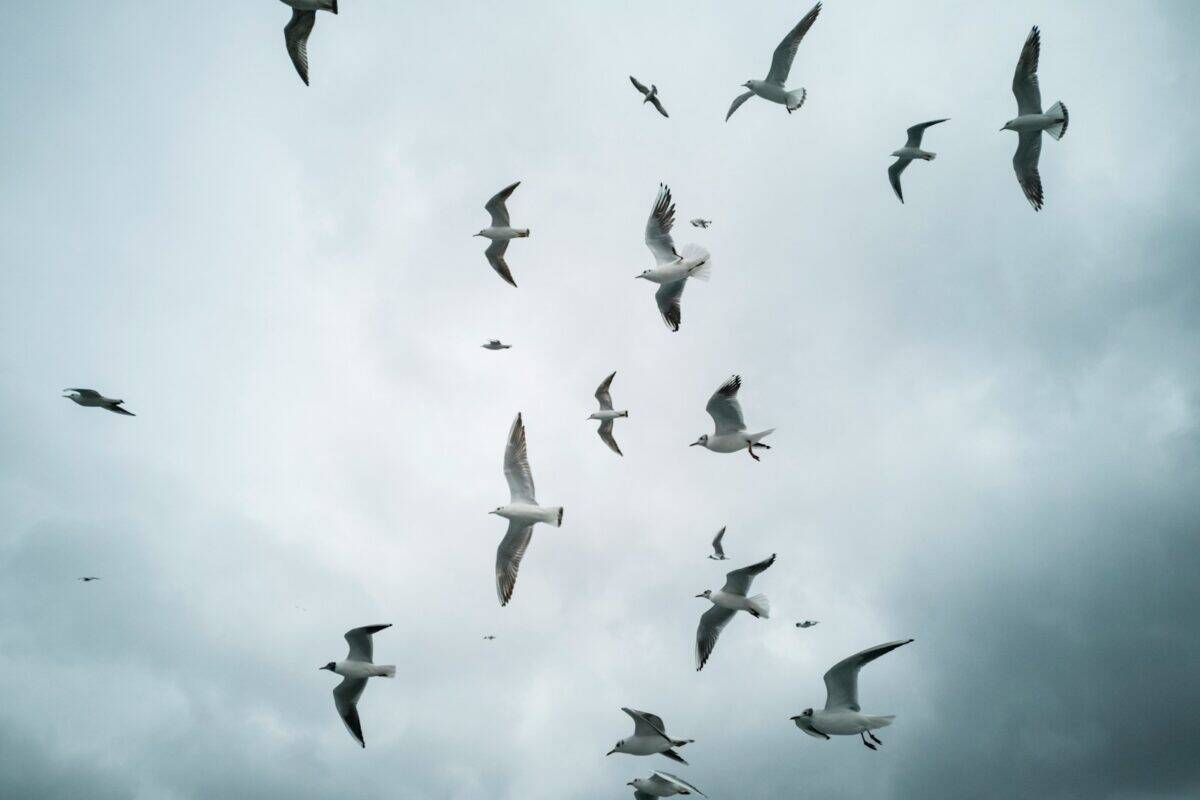
Bird migration is a remarkable navigational feat that has evolved over millions of years. Each year, approximately 4,000 species—nearly 40% of all bird species worldwide—undertake seasonal journeys that can span thousands of miles. These migrations are typically driven by food availability, breeding opportunities, and climate conditions.
Birds have developed sophisticated navigation systems that integrate celestial cues (stars, sun position), geomagnetic sensing, landmarks, and even smell to find their way. Many migratory behaviors are genetically programmed, with young birds inheriting directional preferences and timing from their parents. However, experience and learning also play crucial roles in perfecting these journeys, especially in species that migrate in family groups or flocks where knowledge is passed down through generations.
Is Migration Instinctive or Learned?
The question of whether migration is purely instinctive or partially learned varies significantly among bird species. Research has revealed that many birds possess an innate genetic program that provides them with directional information and migratory restlessness (Zugunruhe) at appropriate times of year. For example, studies with hand-raised European warblers showed they oriented in appropriate migratory directions even when raised in isolation from adults. However, other species depend more heavily on cultural transmission of knowledge.
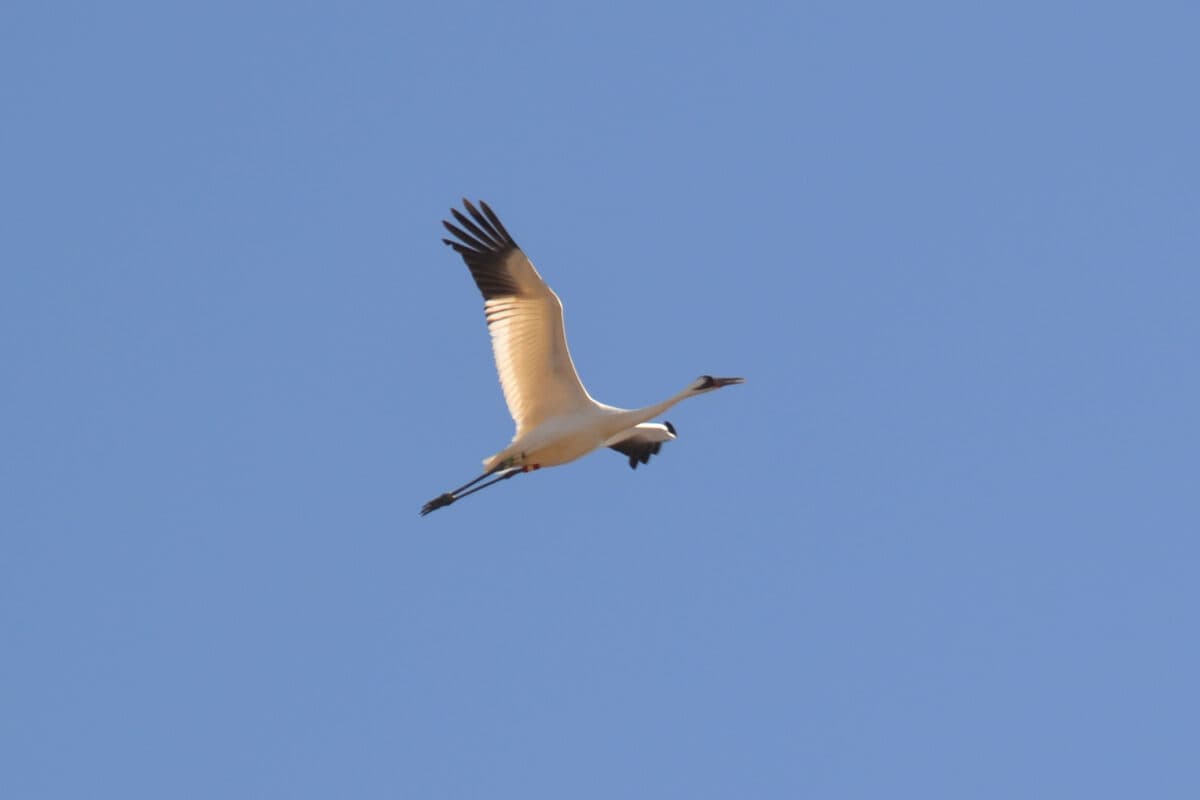
Whooping cranes, for instance, must learn migration routes from parents or human substitutes. Most migratory birds likely rely on a combination of innate programming and experiential learning, with the balance differing by species. This hybrid system usually ensures reliability while allowing for adaptability—but it also creates vulnerabilities when either component is disrupted.
When Innate Navigation Systems Fail

Birds’ internal navigation systems can malfunction for various reasons. Genetic mutations may disrupt the development of brain structures responsible for migration, such as the specialized cells containing magnetite crystals that detect Earth’s magnetic field. Environmental contaminants like heavy metals and pesticides can impair neurological function related to navigation. Research published in the journal Nature has demonstrated that even low levels of certain agricultural chemicals can interfere with migratory birds’ ability to orient properly.
Additionally, birds that experience head trauma may suffer damage to navigation centers in the brain. When these innate systems fail, birds may migrate in the wrong direction, leave at inappropriate times, or fail to develop migratory behavior altogether. This can be particularly devastating for species that rely heavily on genetic programming rather than social learning, as they have fewer backup mechanisms to compensate for the failure.
Disruption of Cultural Knowledge Transfer

For species that depend on learning migration routes from older, experienced individuals, population declines can create a dangerous knowledge gap. When elder birds with migration experience die without successfully passing their knowledge to younger generations, critical information about stopover sites, flight paths, and timing can be permanently lost. This phenomenon, sometimes called “cultural memory extinction,” has been documented in several species.
The dramatic decline of monarch butterflies demonstrates a similar principle in insects—when too few individuals complete the journey, the chain of knowledge becomes broken. In birds like the lesser white-fronted goose, conservation efforts have included human-led migrations using ultralight aircraft to reestablish lost migration routes. These interventions highlight how the disruption of cultural knowledge transfer can severely impact species that rely on social learning for successful migration.
Environmental Triggers and Climate Change

Birds rely on environmental cues such as changing day length (photoperiod), temperature shifts, and food availability to time their migrations. Climate change is increasingly disrupting these relationships. As temperatures warm, spring arrives earlier in many regions, but birds migrating from distant wintering grounds may still be responding to photoperiod cues that haven’t changed. This mismatch can cause birds to arrive after optimal breeding conditions have passed.
Research published in the Proceedings of the National Academy of Sciences found that some European migratory birds have arrived at breeding grounds up to two weeks later than optimal due to this phenomenon. These disruptions can create a form of “migratory confusion” where birds receive conflicting signals about when to depart. Over generations, this can lead to what appears to be populations “forgetting” proper migration timing, though it’s actually an evolutionary response to changing conditions that may not always be adaptive.
The Phenomenon of Partial Migration
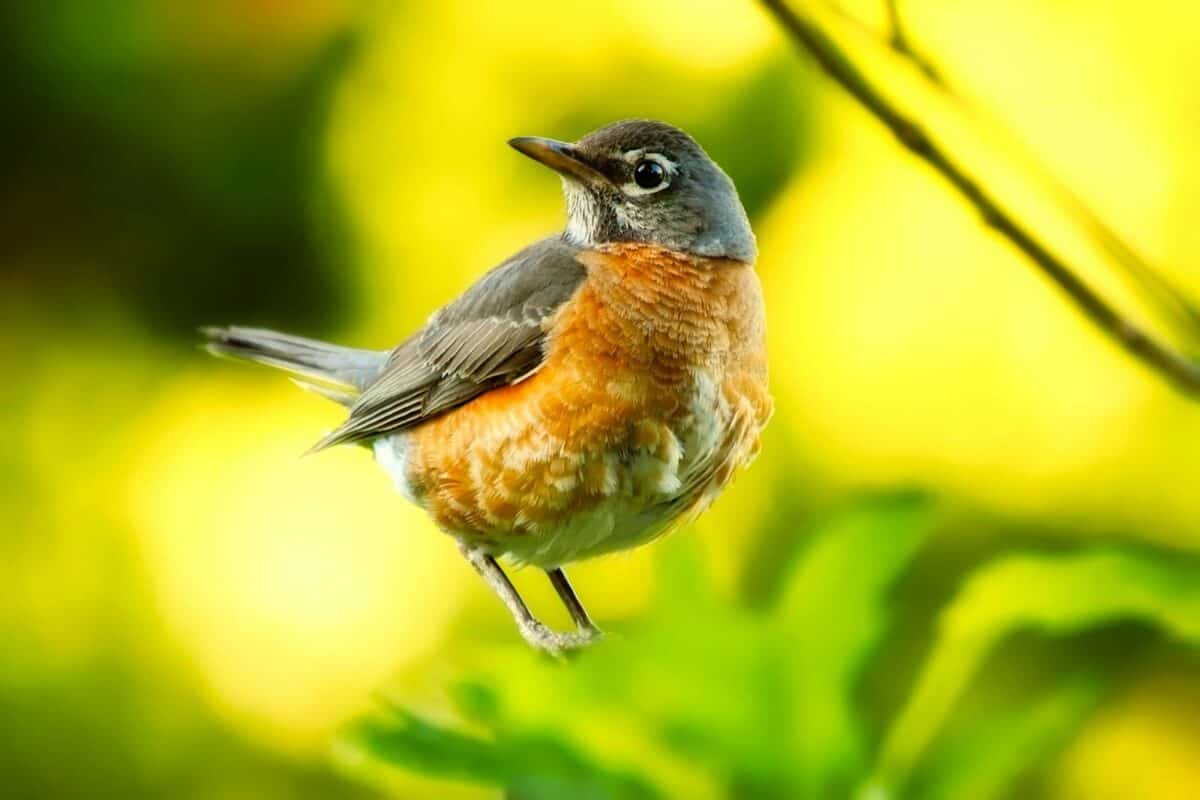
Some bird species practice what scientists call “partial migration,” where only a portion of the population migrates while others remain resident year-round. This strategy creates flexibility, allowing species to adapt to changing conditions. However, it also creates situations where birds may appear to “forget” to migrate when environmental conditions make staying put advantageous. European blackbirds, American robins, and blue jays all exhibit partial migration patterns that can shift over time.
In recent decades, researchers have documented increasing numbers of traditionally migratory birds overwintering in breeding territories. A 2017 study in the journal Global Change Biology found that the proportion of migratory blackcaps wintering in the UK rather than Africa has increased dramatically since the 1960s. This shift demonstrates how quickly migratory behaviors can change when selective pressures favor residents over migrants—effectively, populations can “forget” migration patterns within just a few generations if conditions reward non-migratory individuals.
Case Study: The California Condor

The California condor provides a compelling example of lost migratory knowledge. Historically, these massive birds undertook seasonal movements between coastal and inland habitats. However, when the species declined to just 22 individuals in the 1980s before being saved through captive breeding, this migratory behavior was lost. The captive-bred condors released back into the wild did not possess the cultural knowledge of traditional movement patterns.
Researchers from the U.S. Fish and Wildlife Service have documented that modern condors now move in different patterns than their ancestors, lacking the seasonal rhythms that once characterized the species. While condors have survived, their current behavior represents a simplified version of their historical ecological role. This case illustrates how quickly migratory knowledge can disappear when population bottlenecks occur, even in long-lived species, and how difficult it can be to restore these complex behaviors once lost.
Individual Consequences of Failed Migration
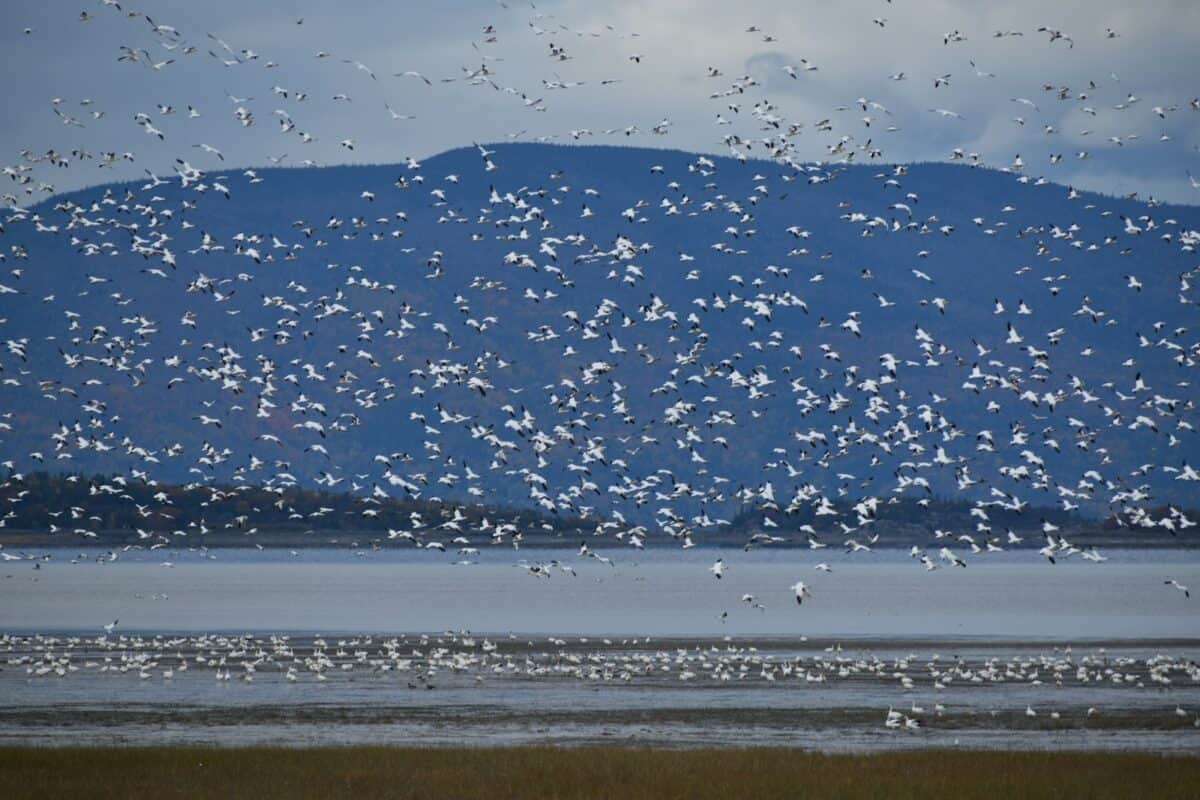
When an individual bird fails to migrate properly, the consequences are often dire. Birds that don’t reach appropriate wintering grounds may face food scarcity, harsh weather conditions, and increased predation risk. A study published in the Journal of Animal Ecology found that European swallows that failed to complete migration to Africa had survival rates approximately 40% lower than those that successfully completed the journey.
For species that migrate in response to seasonal food availability, remaining in breeding territories can lead to starvation as insects disappear and plants go dormant. Additionally, birds that migrate at incorrect times or along wrong routes may miss crucial stopover sites where they typically replenish fat reserves. Without these critical refueling opportunities, birds can deplete their energy stores and die from exhaustion mid-journey. The physical demands of migration are so precise that even small deviations in timing or route can have fatal consequences for individual birds.
Population-Level Impacts
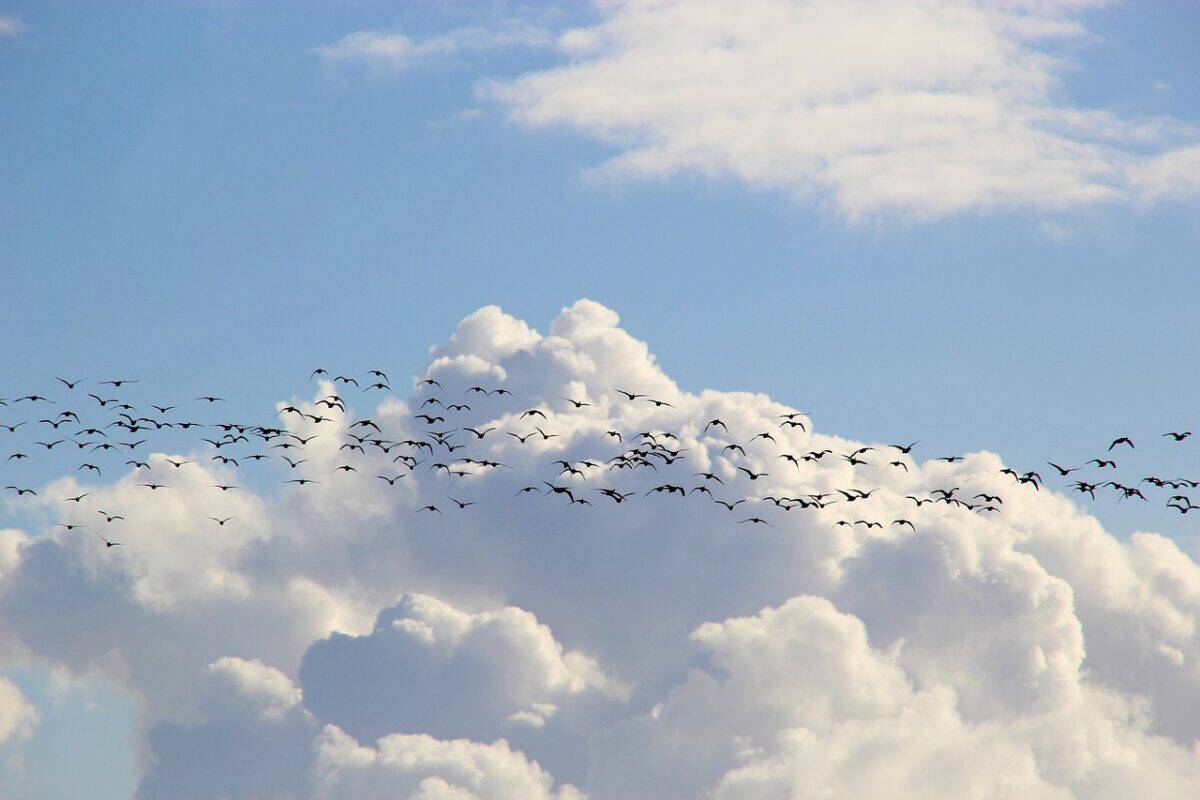
When significant portions of a bird population lose migratory knowledge or ability, the consequences extend beyond individual birds to affect entire species. Population-level impacts can include range contractions, decreased genetic diversity, and increased vulnerability to localized threats. The evolutionary advantages of migration—accessing seasonally abundant resources while avoiding harsh conditions—are lost when birds become sedentary. This can lead to declining population health and reproductive success.
According to research published in Science, migratory bird species are declining faster than non-migratory birds globally, with disruption to migration patterns being a key factor. The loss of migratory behavior can also disrupt ecosystems that depend on birds for services like seed dispersal, pest control, and pollination. When birds no longer move between habitats seasonally, these ecological functions may be performed less effectively, creating ripple effects throughout natural communities.
Human Interventions and Conservation Efforts

Conservationists have developed innovative approaches to address lost migration knowledge in threatened bird species. One dramatic example is the work of Operation Migration, which used ultralight aircraft to teach captive-bred whooping cranes their ancestral migration routes between Wisconsin and Florida. Although this program has since concluded, it demonstrated the possibility of human intervention in restoring lost migratory knowledge.
Other conservation efforts include habitat protection along migratory flyways, reducing light pollution that can disorient night-migrating birds, and creating international agreements to protect migratory species across their entire ranges. The Convention on the Conservation of Migratory Species of Wild Animals now includes over 130 participating countries committed to protecting migratory pathways. Additionally, citizen science projects like eBird allow researchers to track changing migration patterns in real-time, helping identify species at risk of losing migratory behaviors before populations decline critically.
Adaptation and Evolution of New Patterns
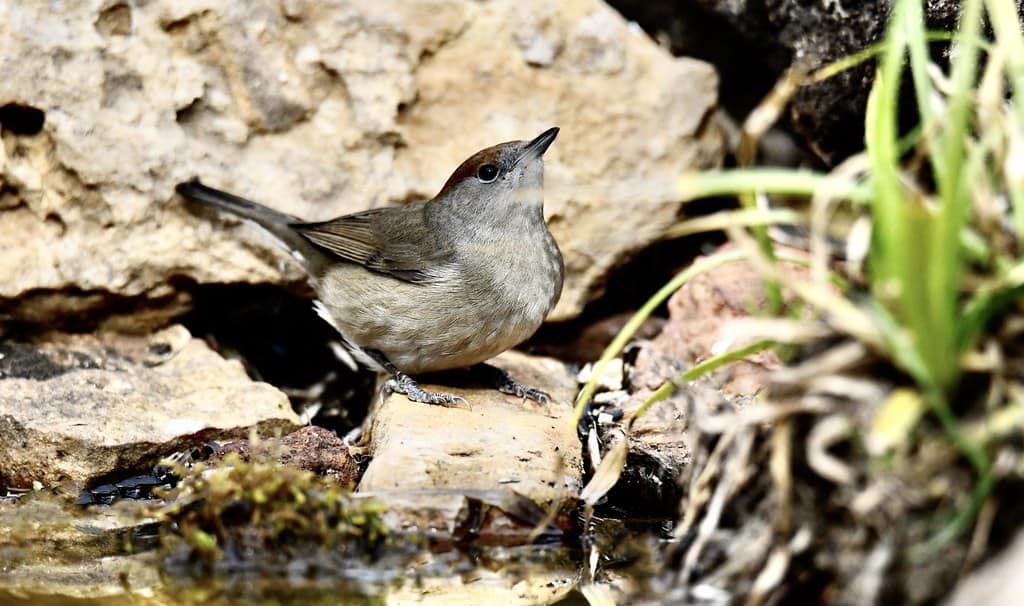
While the loss of traditional migration patterns may initially appear catastrophic, birds demonstrate remarkable adaptability. Some species develop new migration routes or timing in response to environmental changes. The famous case of European blackcaps establishing new wintering grounds in Britain instead of their traditional Mediterranean destinations demonstrates this flexibility. Researchers have found that these birds have evolved different wing shapes and beak structures compared to their traditionally migrating counterparts in just 30 generations—evidence of rapid adaptation.
Similarly, some populations of white storks in Spain and Portugal have stopped migrating to Africa, instead feeding at landfills year-round. These examples suggest that what appears to be “forgetting” migration may sometimes represent adaptive shifts to new conditions. The genetic flexibility that allows birds to adapt migration patterns may prove crucial for their survival as climate change accelerates, potentially transforming what initially seems like a failure into an evolutionary advantage.
Future Outlook for Migratory Birds

The future for migratory birds depends on complex interactions between their adaptive capacity and the rate of environmental change. Scientists predict that migration patterns will continue to shift dramatically in coming decades as climate change accelerates. Some species may shorten migration distances or abandon migration entirely as northern winters become milder, while others may be forced to migrate further to find suitable habitat.
Research published in the Proceedings of the Royal Society B suggests that species with greater behavioral flexibility and genetic diversity will likely adapt more successfully. However, specialists with rigid migratory programs may face greater challenges. Conservation strategies increasingly focus on maintaining connectivity between habitats and protecting critical stopover sites. Additionally, reducing threats like collisions with buildings, predation by domestic cats, and habitat destruction will be essential for giving migratory birds the best chance to adapt their behaviors to our changing world.
Conclusion

When birds “forget” how to migrate, we witness one of nature’s most remarkable adaptations being disrupted in real-time. This phenomenon reveals the delicate balance between genetic programming and learned behavior that guides avian journeys across the globe. While the consequences for individual birds and populations can be severe, these disruptions also demonstrate the remarkable adaptability of birds as they respond to changing conditions.
As humans continue to transform the planet, the fate of migratory birds will depend on both their evolutionary resilience and our commitment to conservation. By understanding the complex factors that influence migration and taking steps to protect critical habitats and reduce threats, we can help ensure that future generations will continue to witness the awe-inspiring spectacle of bird migration across our skies.

From exploring the marine wonders in the Azores and witnessing the vast savannas of Kenya, to delving deep into the rich biodiversity of South Africa and traversing iconic landscapes in Australia and the US like Yellowstone, Chris's experiences are vast.
With a penchant for diving alongside sharks, the ocean holds a special place in his heart.
Through his academic insights, he champions wildlife conservation, striving with 'Animals Around The Globe' to cultivate a profound connection between humans and animals, enhancing our mutual appreciation.
Connect with him at Feedback@animalsaroundtheglobe.com.
- How Tigers Mark Their Territory Using Scent and Scratches - July 29, 2026
- The Deadly Volcano That Erased a Town Is Now Active Again - July 29, 2026
- 12 Deep Sea Animals With Terrifying Adaptations - July 29, 2026