

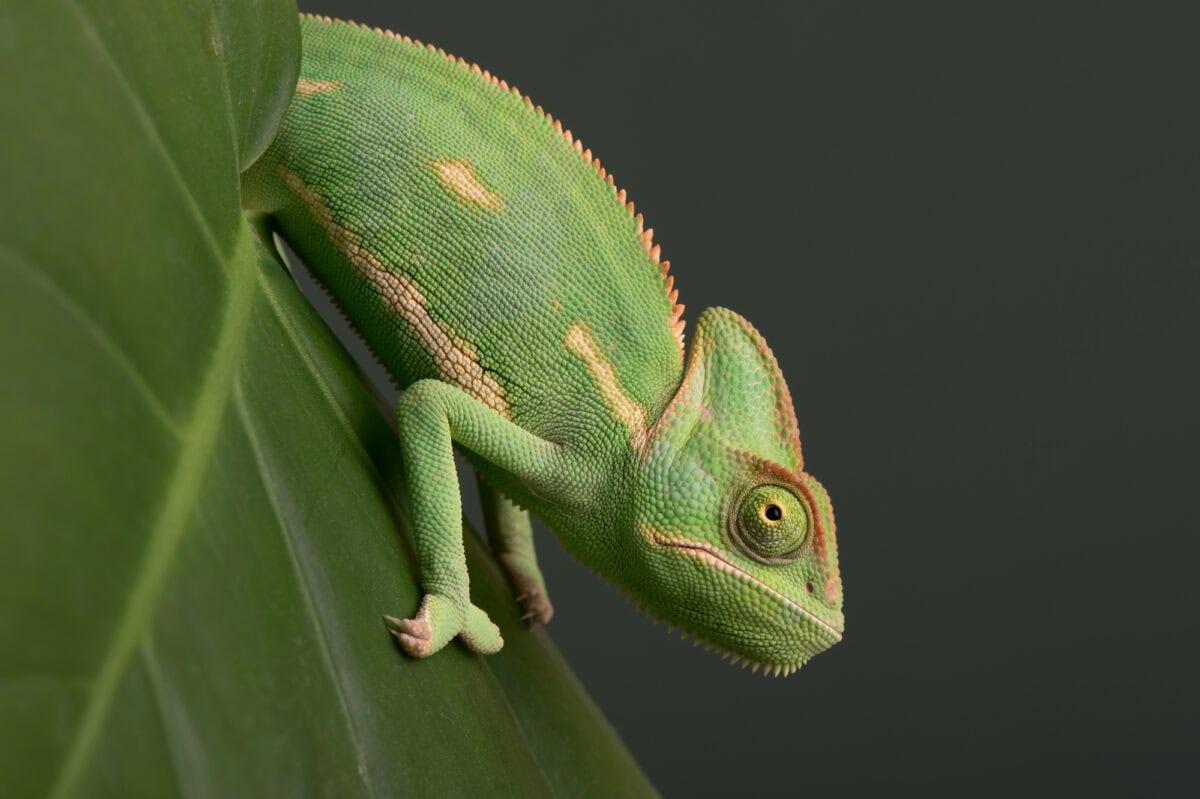
The animal kingdom is full of remarkable creatures, but few are as mesmerizing as reptiles that can change their colors. While chameleons often steal the spotlight in this category, they’re far from alone in possessing this fascinating ability. From desert-dwelling lizards to aquatic turtles, the reptile world boasts numerous species that can transform their appearance for camouflage, communication, or temperature regulation. These color-changing capabilities range from subtle shifts to dramatic transformations that seem almost magical. Let’s explore 15 incredible color-changing reptiles that demonstrate nature’s ingenuity in adaptation and survival.
The Science Behind Reptilian Color Change

Before diving into specific species, it’s important to understand how reptiles change color. Unlike digital screens that use light to create colors, reptiles rely on specialized cells called chromatophores. These cells contain pigments and can expand or contract to reveal different colors. Most color-changing reptiles possess three types of chromatophores: melanophores (containing black/brown melanin), xanthophores (yellow/red), and iridophores (which reflect blue and white light). By controlling these cells through hormones or neural signals, reptiles can create an impressive palette of colors. The speed and extent of color change vary greatly between species, with some changing in seconds while others require hours or days. Environmental factors like temperature, stress levels, and social interactions often trigger these fascinating transformations.
14. Panther Chameleon (Furcifer pardalis)

Native to Madagascar, the Panther Chameleon is arguably one of the most spectacular color-changers in the reptile world. Males display an extraordinary range of base colors depending on their geographic origin, from vibrant blues and greens to striking reds and oranges. When relaxed, a male might showcase his characteristic bright colors, but during territorial disputes or mating displays, he can rapidly transform into a kaleidoscope of colors with contrasting patterns. Females are typically less colorful, wearing subtle tans and browns, but can signal receptiveness to mating or stress through color shifts. Unlike the common misconception that chameleons change color primarily for camouflage, Panther Chameleons mostly alter their appearance for communication and thermoregulation, using their spectacular color shifts to express emotions, establish dominance, or attract mates.
13. Smith’s Dwarf Chameleon (Bradypodion taeniabronchum)
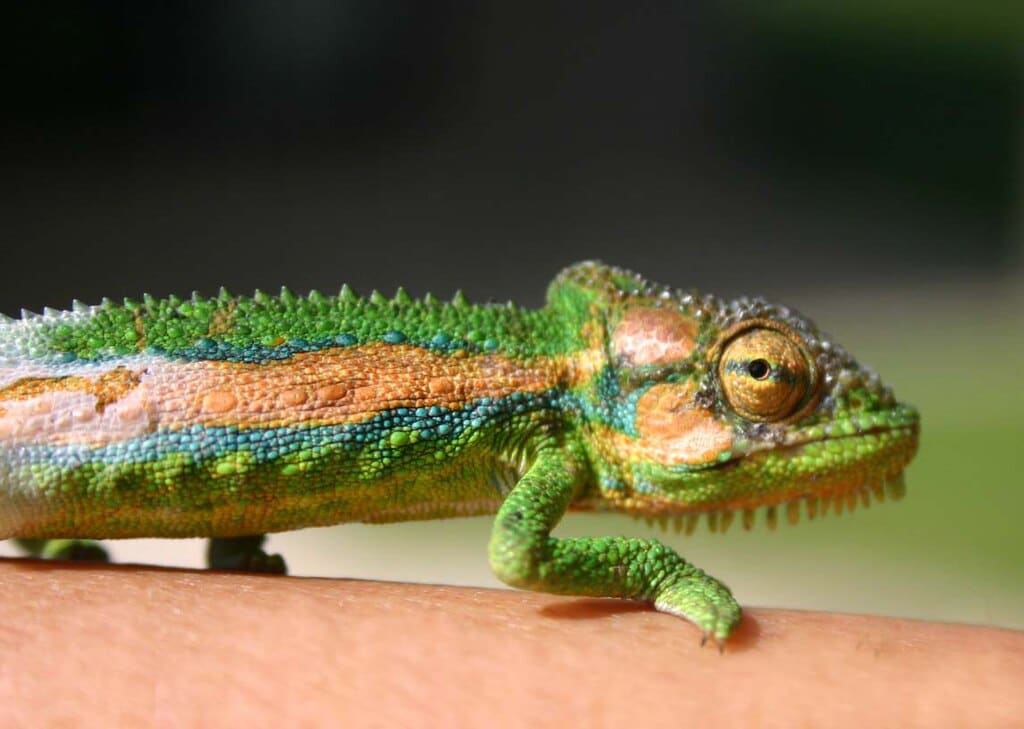
This diminutive chameleon from South Africa might be small in size, but it’s mighty in color-changing abilities. Growing to just 3-4 inches long, Smith’s Dwarf Chameleon can transform from a subdued brown to brilliant greens, blues, and yellows in a matter of seconds. Research published in Biology Letters revealed that these chameleons use their color-changing skills primarily for social signaling rather than camouflage. Males and females both change colors when communicating with potential mates or rivals. What makes this species particularly fascinating is how they’ve evolved color patterns specific to their local environments—populations living in different forests have developed distinct color “languages.” Despite their impressive abilities, these chameleons are threatened by habitat loss, making their spectacular displays increasingly rare in the wild.
12. Green Anole (Anolis carolinensis)

Often mistakenly called the “American Chameleon,” the Green Anole is actually a member of the iguana family native to the southeastern United States. While its color-changing ability isn’t as dramatic as true chameleons, this slender lizard can shift from a bright emerald green to various shades of brown, gray, or almost black. The color change occurs through the expansion or contraction of pigment-containing cells and is influenced by temperature, mood, and health. When cool or stressed, anoles tend to darken; when warm and relaxed, they display their signature green. Males also flash a bright pink or red dewlap (throat fan) during territorial displays and courtship, adding another dimension to their visual communication. These adaptable reptiles are common backyard inhabitants across the American Southeast, where they can often be spotted performing their color changes on fences, trees, and garden plants.
11. Flap-Necked Chameleon (Chamaeleo dilepis)
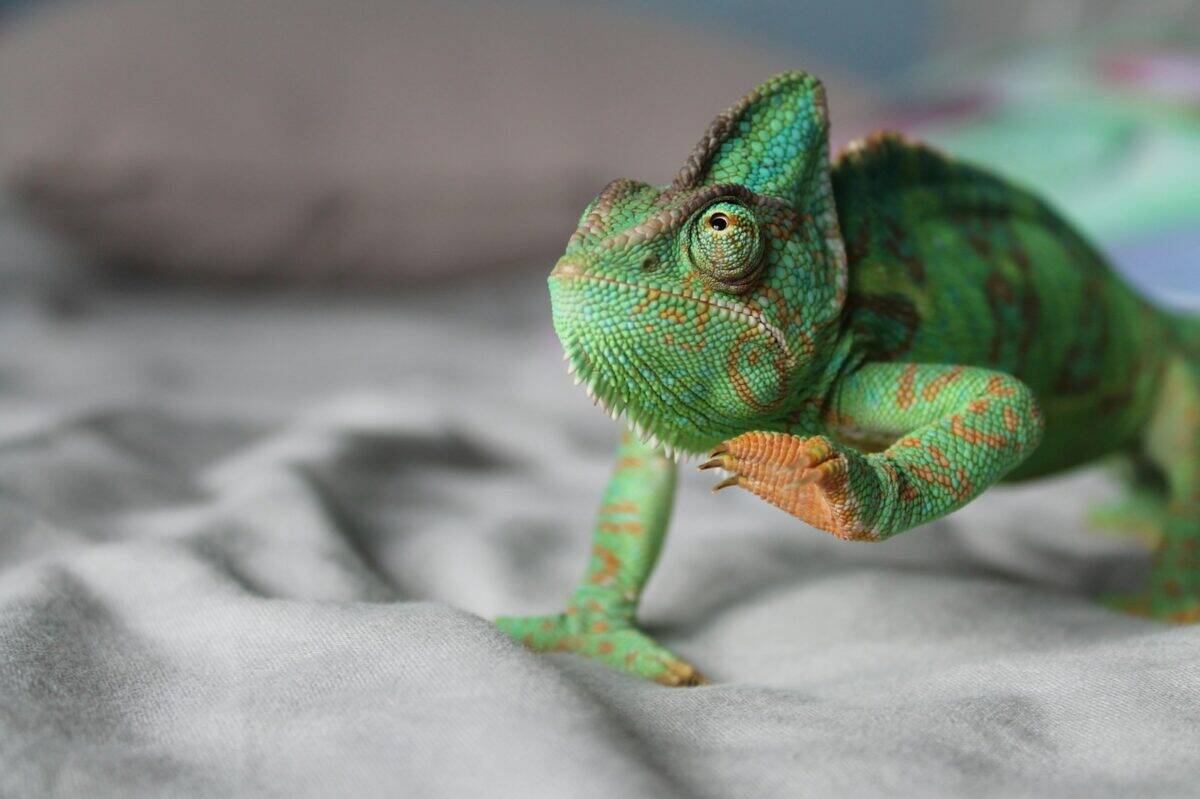
The Flap-Necked Chameleon, named for the distinctive flaps of skin on either side of its neck, is a master of color transformation found throughout sub-Saharan Africa. This medium-sized chameleon can display an impressive array of colors including greens, yellows, browns, and even blues and purples during social interactions. What sets this species apart is its ability to create complex patterns alongside color changes—developing stripes, spots, or bands that appear and disappear as needed. The occipital lobes (neck flaps) that give this chameleon its name also change color independently, adding another layer to its visual communication system. Like other chameleons, its color changes serve multiple purposes: thermoregulation in varied environments, communication during breeding season, and expressing emotional states like aggression or submission. Scientists have documented that Flap-Necked Chameleons alter their colors differently depending on whether they’re facing predators or rival chameleons, showing sophisticated control over their chromatophores.
10. Desert Spiny Lizard (Sceloporus magister)

The Desert Spiny Lizard of the southwestern United States and Mexico demonstrates that color-changing abilities aren’t limited to tropical species. These robust, spiny-scaled reptiles undergo remarkable seasonal and temperature-dependent color changes. During cooler months or mornings, they appear much darker, sometimes almost black, which helps them absorb heat more efficiently. As temperatures rise, they can lighten to sandy browns, grays, or rusty hues that blend with their desert surroundings. Males develop vivid blue patches on their bellies and throats during breeding season, which they display during territorial confrontations and courtship rituals. The lizard’s ability to alter its color helps not only with thermoregulation but also provides camouflage against the varying backgrounds of its desert habitat—from rocky outcrops to sandy washes. Unlike some rapid color-changers, the Desert Spiny Lizard’s transformations occur gradually, sometimes taking hours to complete as they adjust to changing environmental conditions.
9. Mwanza Flat-Headed Rock Agama (Agama mwanzae)
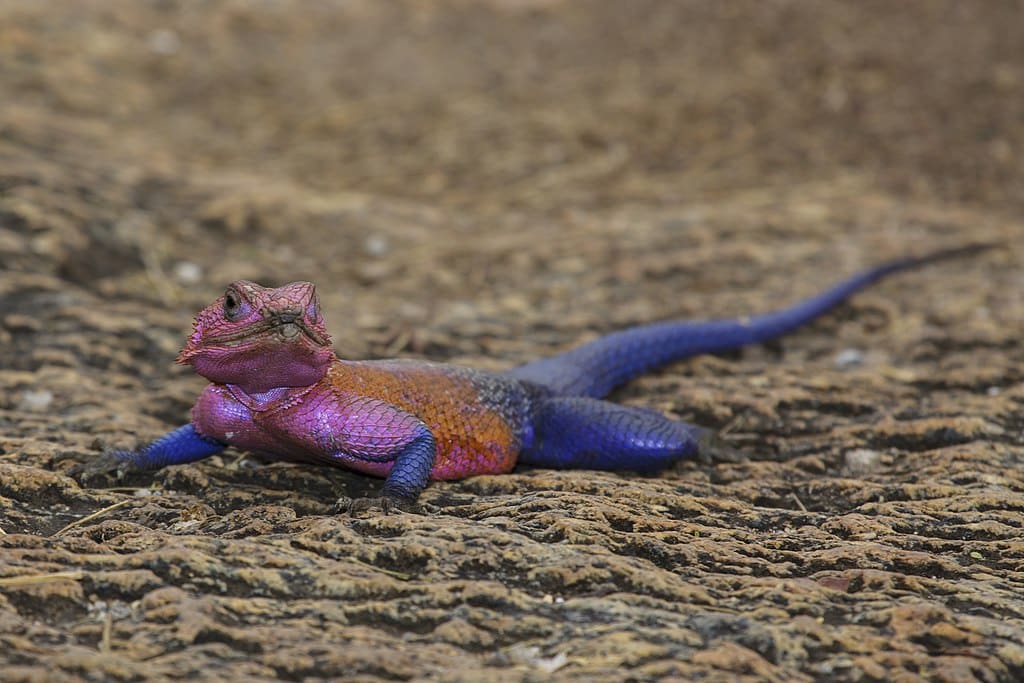
Often called the “Spider-Man Agama” due to the males’ striking red and blue coloration reminiscent of the superhero’s costume, the Mwanza Flat-Headed Rock Agama from Tanzania and Kenya is a spectacular color-changer. Males typically display a vibrant red or orange head, blue body, and orange-tipped tail during breeding season and territorial displays. However, when stressed, submissive, or attempting to blend in, they can rapidly dull these colors to browns and grays. Females and juveniles, normally brown with orange-spotted patterns, can also adjust their coloration based on temperature and mood, though less dramatically than males. What makes these agamas particularly interesting is how they use color in social structures—dominant males maintain brighter colors while subordinates suppress their coloration in the presence of alphas. Research has shown that these lizards can recognize individual neighbors and adjust their color displays accordingly, demonstrating a complex social communication system based on their chromatic capabilities.
8. Western Fence Lizard (Sceloporus occidentalis)
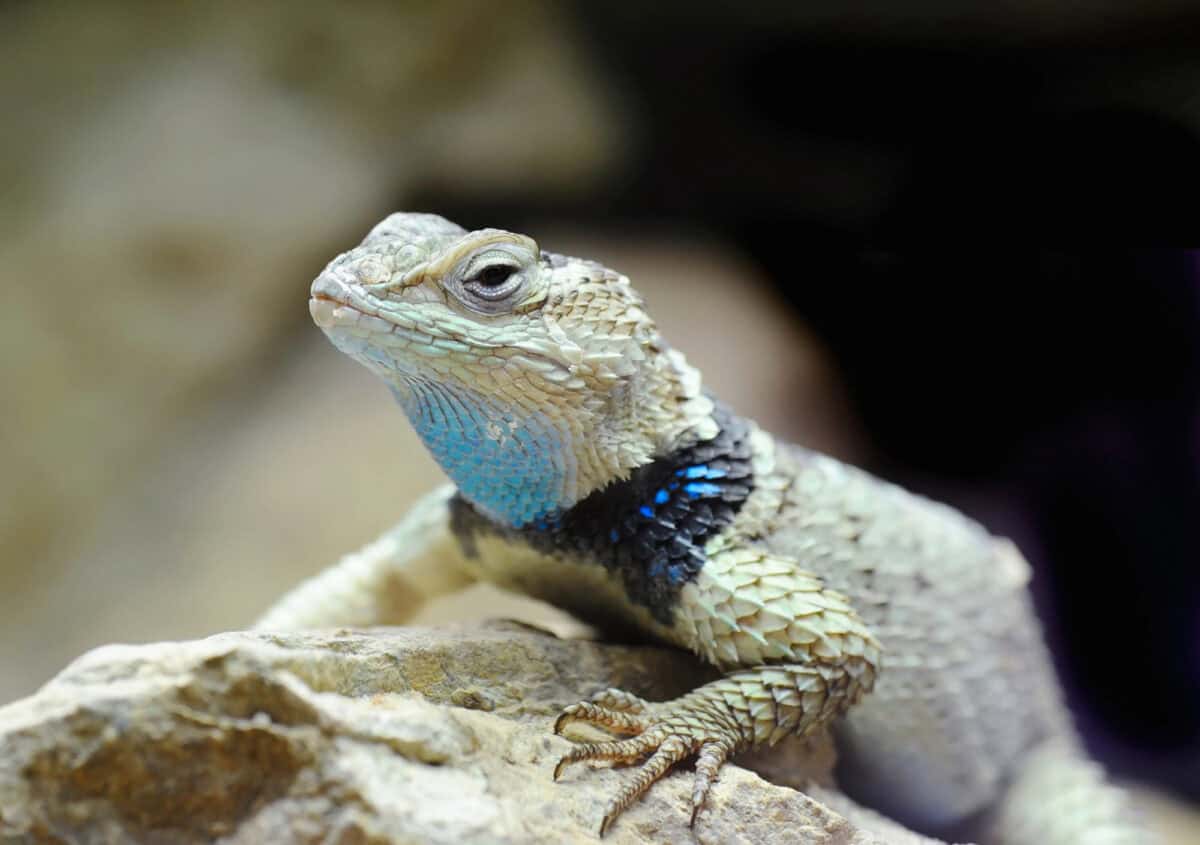
The Western Fence Lizard, commonly known as the “blue belly,” is a familiar sight across western North America, from Washington to Mexico. While not as renowned for color-changing as chameleons, these lizards exhibit impressive chromatic adaptability. Their primary coloration ranges from gray to brown with intricate patterning, but they can lighten or darken significantly based on temperature and light conditions. Males sport vibrant blue patches on their undersides and throats that become more intense during breeding season. When cold, these lizards darken considerably to absorb more solar radiation, sometimes appearing almost black. Conversely, they can pale significantly in extreme heat, reflecting more sunlight. Recent research has demonstrated that Western Fence Lizards can also adjust their colors in response to predator presence, darkening when threatened to better blend with shadows. Perhaps most fascinatingly, these common lizards have regional “dialects” of color patterns that can vary significantly based on local substrate colors, showing evolutionary adaptation to specific environments.
7. Veiled Chameleon (Chamaeleo calyptratus)
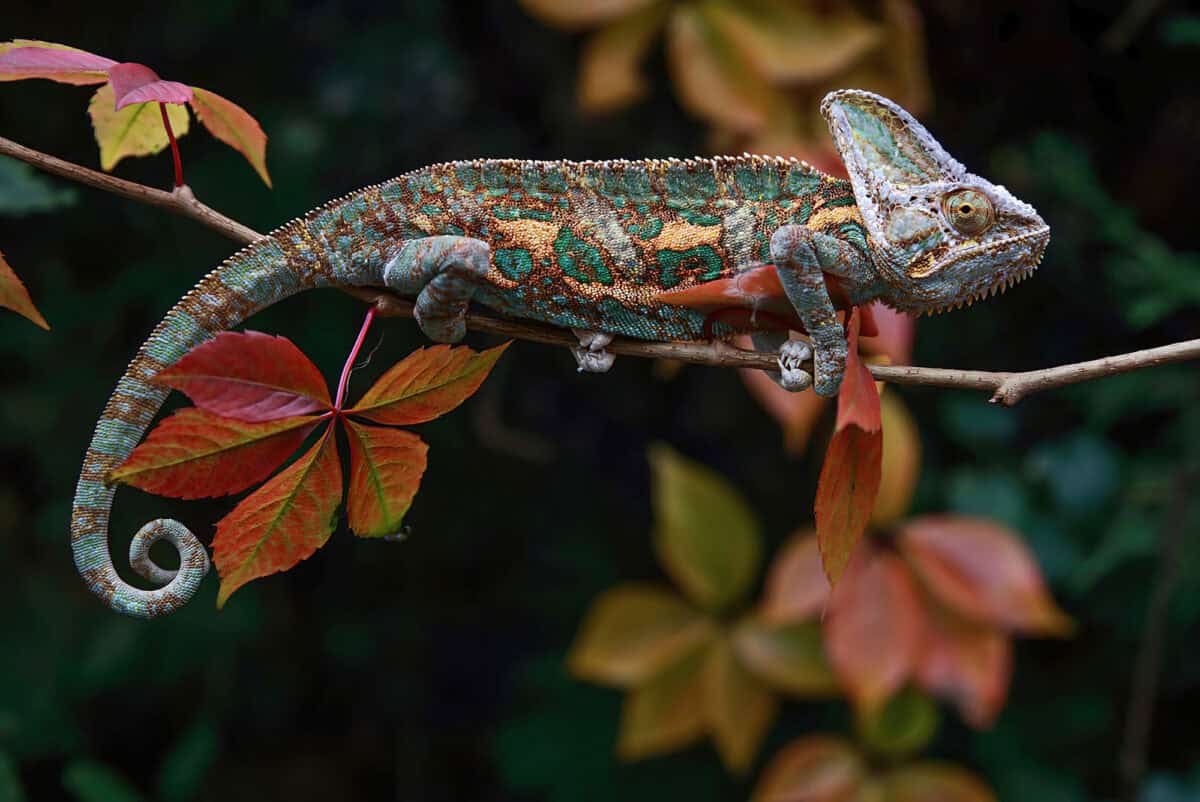
The Veiled Chameleon, native to Yemen and Saudi Arabia, sports one of the most distinctive profiles in the reptile world thanks to its prominent casque (helmet-like structure) atop its head. This large chameleon is also among the most versatile color-changers, capable of displaying almost every color of the rainbow. Their baseline coloration is typically green with yellow, orange, and brown bands, but when emotional states change, they can rapidly transform to display blues, blacks, whites, and even ultraviolet colors invisible to the human eye but perceivable to other chameleons. Males are particularly colorful, developing bold stripes and patches when courting or challenging rivals. Environmental conditions strongly influence their coloration—in cooler temperatures, they often display darker colors to absorb heat, while high humidity can trigger brighter patterns. What sets Veiled Chameleons apart is their ability to create complex color gradients across their bodies, with different body sections displaying different colors simultaneously. Scientists have documented that these chameleons can even produce distinctive color patterns while dreaming during REM sleep.
6. Moorish Gecko (Tarentola mauritanica)
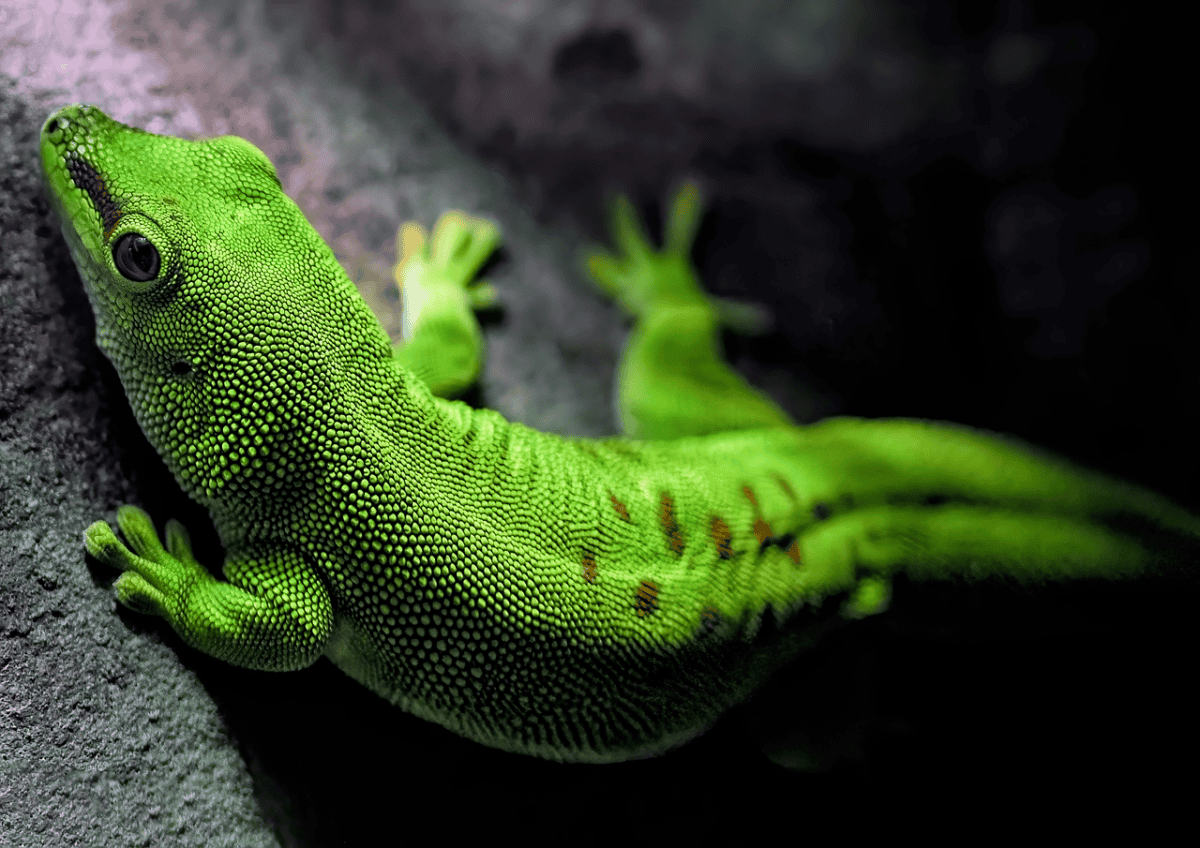
The Moorish Gecko, a common sight on buildings throughout the Mediterranean region, demonstrates how color-changing abilities can help nocturnal species navigate changing light conditions. During daylight hours, these geckos typically display darker coloration ranging from charcoal gray to brown, helping them blend with stone walls and rocky surfaces where they rest. As night falls, many individuals transform to a much lighter gray or almost translucent appearance that improves their camouflage in moonlight. Unlike the neural-controlled rapid changes seen in chameleons, the Moorish Gecko’s transformations are primarily hormone-driven and more gradual, sometimes taking several hours to complete. Their color-changing capability also serves thermoregulatory purposes—darker colors absorb more heat during cool mornings, while lighter colors help reflect excessive heat during scorching Mediterranean afternoons. Researchers have observed that urban populations of these geckos have developed specialized color adaptations that match man-made structures, showing evolutionary responses to human environments in just a few decades.
5. Nile Monitor (Varanus niloticus)
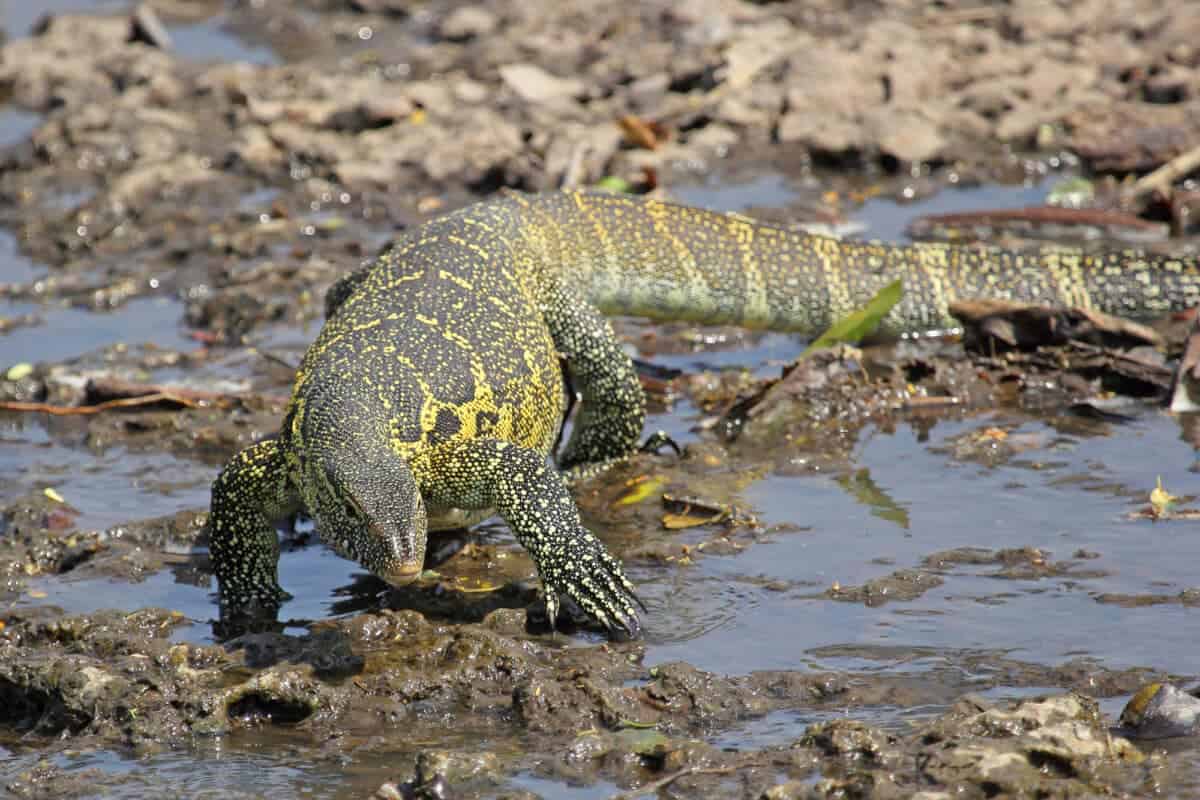
The Nile Monitor, one of Africa’s largest lizards, demonstrates that color-changing abilities extend beyond small species to impressive predators reaching over 7 feet in length. While not capable of the rapid transformations seen in chameleons, these powerful monitors can significantly alter their appearance over time. Juveniles typically display vibrant yellow spots and bands on a dark background, providing camouflage in dappled shoreline vegetation. As they mature, their ability to change color becomes more pronounced, with adults capable of shifting from nearly black to olive green or light brown depending on temperature and surroundings. During breeding season, males develop brighter throat coloration, sometimes with yellow or orange tints. What makes the Nile Monitor’s color adaptations particularly remarkable is how they correspond to both aquatic and terrestrial lifestyles—darkening when swimming to absorb heat in cool water and lightening on land to reflect intense African sun. Research indicates these monitors can also develop regional color variations that match local substrate colors in their diverse habitats ranging from savanna to rainforest.
4. Ocellated Lizard (Timon lepidus)
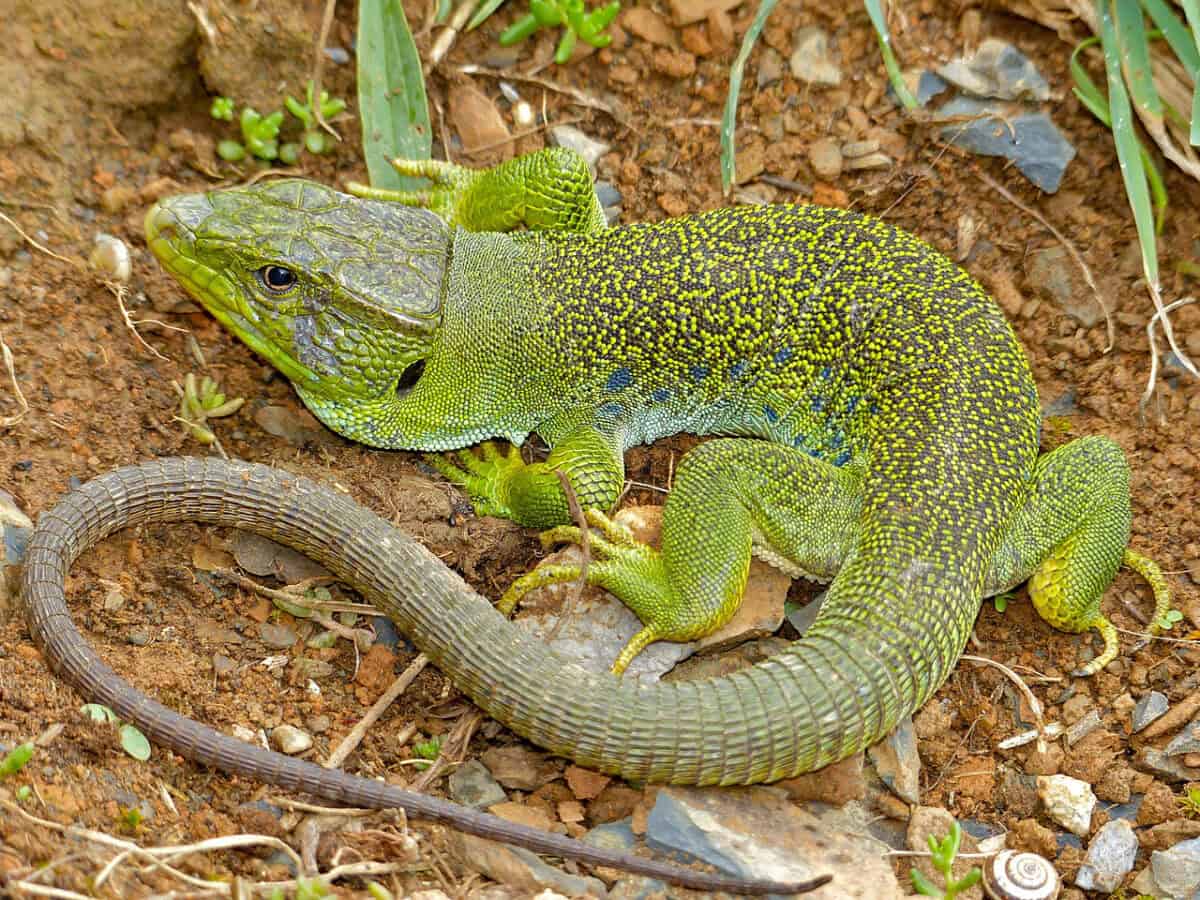
The Ocellated Lizard, sometimes called the “jeweled lacerta,” is perhaps Europe’s most colorful native reptile and possesses remarkable color-changing abilities. Found in the Iberian Peninsula and parts of southern France, adult males display a dazzling coat of green scales with black reticulations and vibrant blue ocelli (eye-spots) along their sides. These colors aren’t static—during breeding season, males can intensify their green background to an almost turquoise hue, while the blue spots become electric in intensity. When temperatures drop or during stressful situations, they can rapidly dull these colors to browns and grays. Females and juveniles, typically more subtly colored, also possess this ability, though to a lesser degree. The lizard’s color transformations serve multiple purposes: thermoregulation in the varied Mediterranean climate, social signaling during complex courtship rituals, and camouflage against both predators and prey. Recent research using spectrophotometry has revealed that these lizards can also reflect ultraviolet light patterns invisible to humans but visible to other lizards, adding another dimension to their color communication system.
3. Helmeted Iguana (Corytophanes cristatus)
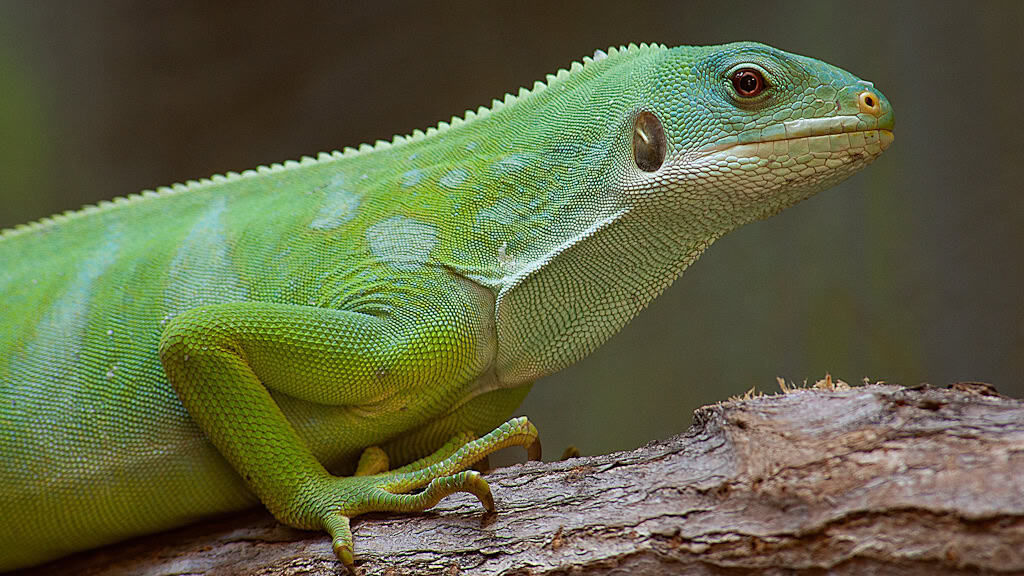
The Helmeted Iguana of Central American rainforests, with its distinctive cranial crest resembling a prehistoric dinosaur, is among the most cryptic color-changers in the reptile world. Unlike the flamboyant displays of chameleons, this iguana’s color transformations are subtle but highly effective for camouflage. Their baseline coloration ranges from moss green to brown, but they can shift through various earth tones including grays, tans, and even reddish hues to match specific tree bark or lichen-covered surfaces. What makes their color-changing ability remarkable is its precision—they can develop irregular patterns that mimic the dappled light filtering through forest canopy. During breeding displays, males can temporarily enhance green tones and develop darker throat patches. The Helmeted Iguana’s color transformations occur relatively slowly, sometimes taking up to an hour to complete, but the results are so effective that these lizards can remain virtually invisible even when perched on tree trunks in plain sight. Researchers studying these elusive reptiles have documented that their color-changing capabilities are most pronounced during foraging periods when camouflage from both predators and prey is essential.
2. Red-Headed Rock Agama (Agama agama)
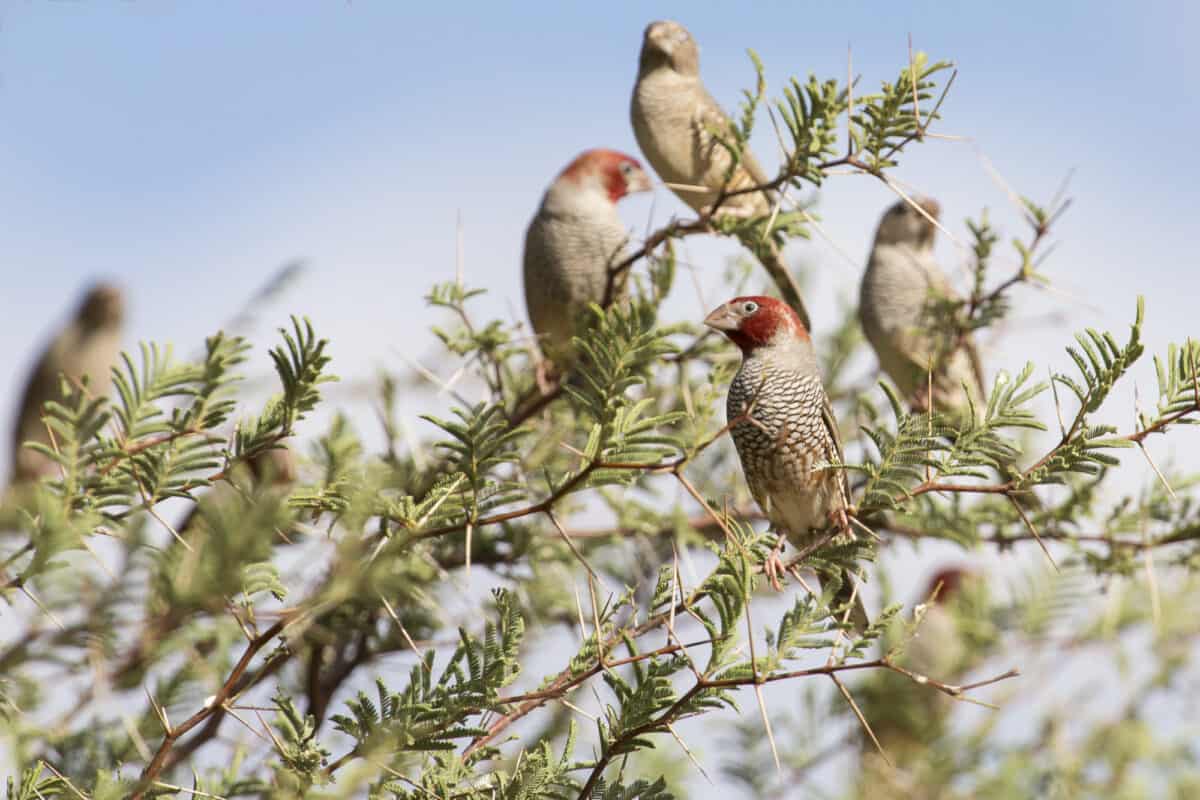
The Red-Headed Rock Agama, widespread across sub-Saharan Africa, offers one of the most dramatic sexual dichromatisms among color-changing reptiles. Dominant males display a stunning combination of a bright orange or red head and neck contrasted against a body of electric blue, earning them the nickname “rainbow lizards” in many regions. However, this vibrant coloration isn’t permanent—when threatened, cooling down, or submitting to more dominant individuals, males can rapidly transform to a dull brown or gray that blends with their rocky habitats. Females and juveniles, typically brown with orange or yellow markings, also possess color-changing abilities, albeit less dramatic ones. They can lighten or darken based on temperature, stress levels, and reproductive status. What makes these agamas particularly fascinating is their use of color in complex social hierarchies—subordinate males actively suppress their bright coloration in the presence of dominant individuals, creating a visual signal of their status. Recent studies have shown that the intensity of red head coloration serves as an honest signal of male quality, with females preferring males displaying the brightest hues.
1. Knight Anole (Anolis equestris)

The Knight Anole, Cuba’s largest native anole species and now established in parts of Florida, demonstrates some of the most dramatic color changes in the anole family. These impressive canopy-dwellers typically display a bright emerald green that provides excellent camouflage among tropical foliage, but they can transform to dark brown, chocolate, or even nearly black depending on temperature, mood, and social interactions. During territorial disputes, males can develop distinctive pattern changes, including dark patches around the eyes and a series of spots along the dorsal crest. What makes the Knight Anole’s color-changing abilities particularly remarkable is the speed of transformation—they can shift from brilliant green to deep brown in less than a minute when stressed or threatened. Unlike some color-changers that primarily use their abilities for camouflage, Knight Anoles frequently use color changes as social signals. Their transformations are most pronounced during morning hours as they thermoregulate, sometimes displaying patchwork patterns of green and brown as different body regions warm at different rates. Researchers have documented that captive specimens can even recognize their caretakers and display specific color patterns in response to familiar humans.
Conclusion:

The ability to change color is one of nature’s most captivating adaptations, and reptiles exhibit this trait in astonishingly diverse and sophisticated ways. From the vibrant displays of Panther Chameleons and Spider-Man Agamas to the subtle shifts of the Helmeted Iguana and Moorish Gecko, these transformations serve far more than aesthetic purposes—they are vital tools for communication, camouflage, thermoregulation, and even social hierarchy. What emerges from exploring these 15 remarkable species is a deeper appreciation for the complexity of reptilian biology and the evolutionary ingenuity behind their color-changing capabilities. Each species tells a story of adaptation: to climate, to habitat, to predators, and to each other. As our understanding of chromatophores and reptile behavior grows, so too does our respect for these often-overlooked marvels of the animal kingdom. In a world where visual communication can mean the difference between survival and extinction, color-changing reptiles remind us that nature often hides its most extraordinary innovations in plain sight—if only we take the time to look.

As a little kid, I fell in love with nature, wildlife, and animals. Living in the USA, South Africa, Italy, China and Germany gave me the opportunity to discover the world's Wildlife. My favorite animals are Mountain Gorillas, Siberian Tigers, and Great White Sharks.
I'm a certified PADI Open Water Diver, went to Everest Base Camp and Trekked Gorillas in Uganda. I hold a Master of Science in Economics and Finance.
Please send any feedback to feedback@animalsaroundtheglobe.com
- 10 Animals Most Likely to Take over the World if Humans Dissappeared - July 26, 2026
- 12 Extinct Giants of North America - July 26, 2026
- 11 Most Unexpected Predator Prey Friendships - July 26, 2026