


Nature has produced some truly remarkable survivors – organisms that can withstand conditions that would instantly kill most other living things. From microscopic tardigrades that can survive the vacuum of space to cockroaches that might outlive humanity, the natural world is filled with extraordinary examples of resilience and adaptability. These indestructible creatures have evolved remarkable survival mechanisms over millions of years, developing biological superpowers that allow them to endure extreme temperatures, radiation, pressure, dehydration, and even the harsh environment of outer space. In this fascinating exploration, we’ll discover the 20 most indestructible creatures on Earth and the extraordinary adaptations that make them nearly impossible to kill.
14. Tardigrades – The Ultimate Survivors
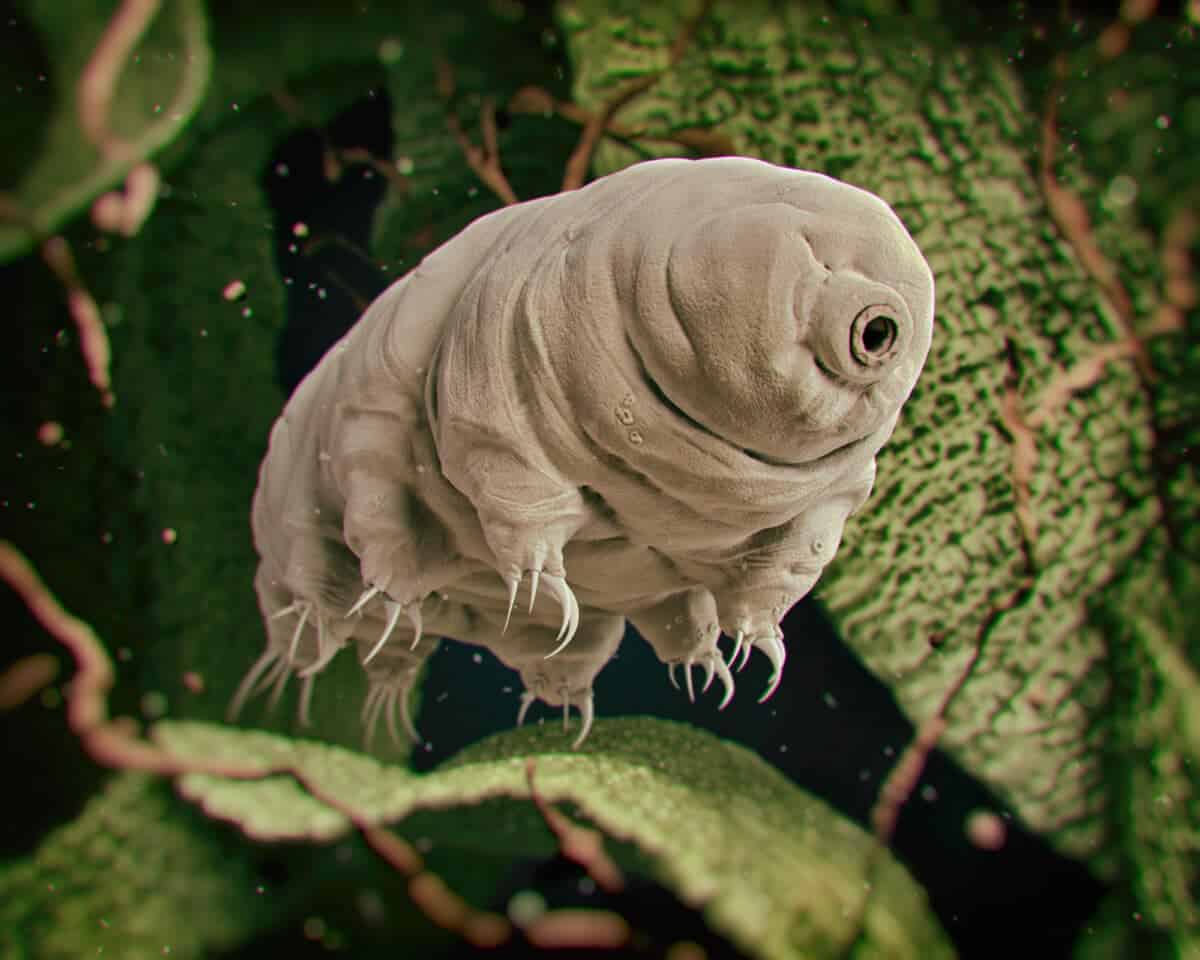
Topping any list of indestructible organisms are tardigrades, also known as water bears or moss piglets. These microscopic creatures (typically 0.3-0.5 mm in length) are perhaps the most resilient animals ever discovered. Tardigrades can survive extreme conditions that would be fatal to almost all other known life forms. They can withstand temperatures from near absolute zero (-458°F/-272°C) to well above boiling (300°F/149°C), pressure six times greater than the deepest ocean trenches, radiation at levels thousands of times higher than would kill a human, and the vacuum of space. Perhaps most impressively, tardigrades can enter a state called cryptobiosis, where they expel almost all water from their bodies and reduce their metabolic activity to near zero, allowing them to survive without food or water for up to 30 years. When conditions improve, they simply rehydrate and continue their lives as if nothing happened. Scientists have even revived tardigrades after they were frozen for 30 years!
13. Cockroaches – The Infamous Survivors
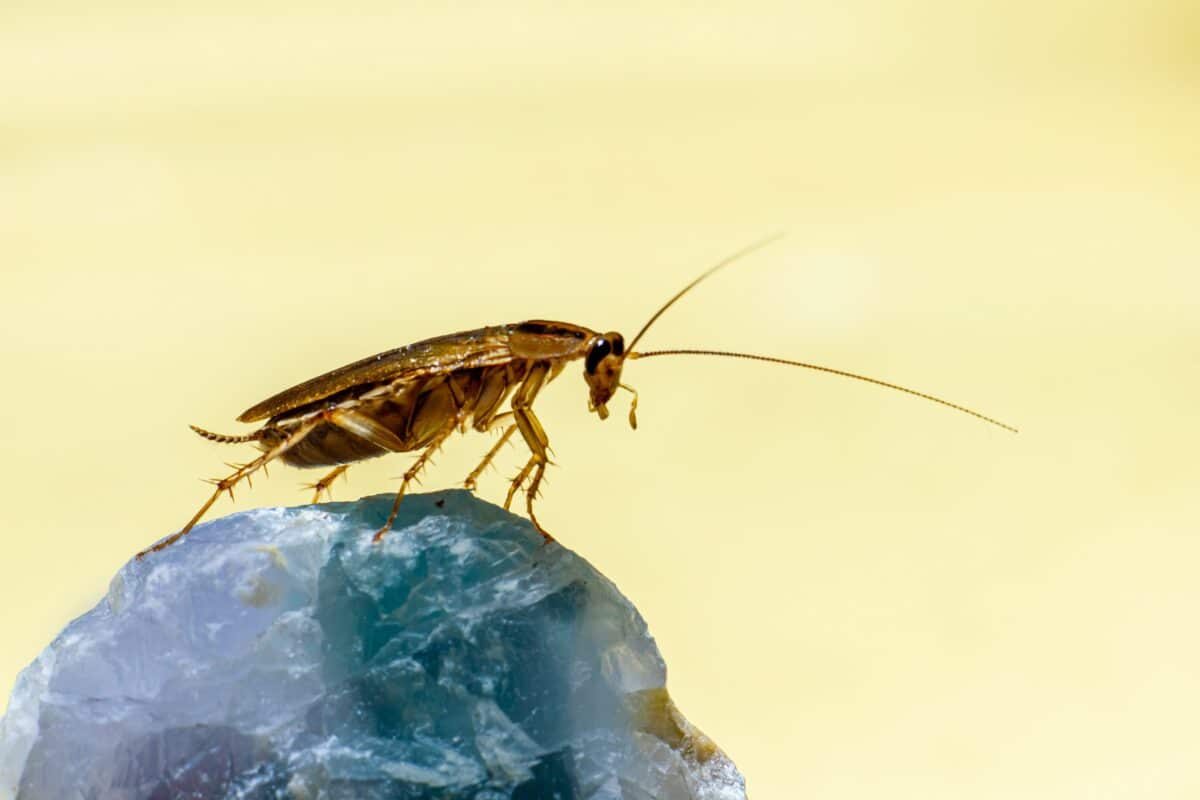
Cockroaches have earned their reputation as nearly indestructible pests. These resilient insects have been around for over 320 million years, surviving multiple mass extinction events, including the one that wiped out the dinosaurs. Their incredible durability comes from several adaptations. Cockroaches can survive without food for a month and without their heads for up to a week (they breathe through spiracles in their body segments and have open circulatory systems). They can withstand radiation levels 15 times higher than what would kill a human, making them one of the few creatures likely to survive a nuclear apocalypse. Cockroaches can also flatten their bodies to fit into cracks as thin as a dime, run up to 3 miles per hour, and hold their breath for 40 minutes, allowing them to survive underwater for extended periods. Their rapid reproduction rate—females can produce up to 300-400 offspring in their lifetime—ensures their species’ survival even when large numbers are killed.
12. Bdelloid Rotifers – Ancient Asexual Survivors

Bdelloid rotifers are microscopic aquatic animals with an almost supernatural ability to survive extreme conditions. What makes these tiny creatures truly remarkable is that they’ve survived without sexual reproduction for over 40 million years—an evolutionary anomaly that has earned them the nickname “ancient asexuals.” Their indestructibility reaches astonishing levels; scientists have successfully revived bdelloid rotifers after they were frozen in Siberian permafrost for 24,000 years. These resilient organisms can withstand complete dehydration through anhydrobiosis (similar to tardigrades), during which they can survive radiation doses 1,000 times greater than what other animals can tolerate. Perhaps their most remarkable feature is their ability to repair damaged DNA by incorporating foreign genetic material, a process called horizontal gene transfer. This allows them to “steal” useful genes from bacteria, fungi, and plants, essentially borrowing survival tools from other organisms to enhance their own resilience.
11. Extremophile Bacteria – Thriving in the Impossible

While not a single species, extremophile bacteria collectively represent some of Earth’s most indestructible organisms. These microscopic survivors have been found living in environments once thought completely inhospitable to life. Deinococcus radiodurans, nicknamed “Conan the Bacterium,” can survive radiation doses 1,000 times greater than what would kill a human, earning it a place in the Guinness Book of World Records as the world’s toughest bacterium. This remarkable resistance comes from its ability to repair its DNA within hours after severe damage. Other extremophiles include thermophiles that thrive in hot springs at temperatures exceeding 230°F (110°C), psychrophiles that grow in permanently frozen environments, halophiles that flourish in extremely salty conditions like the Dead Sea, acidophiles that live in highly acidic environments with pH levels below 3, and barophiles that require high pressures found in deep ocean trenches to survive. These bacteria demonstrate life’s incredible adaptability and challenge our understanding of the limits of biological survival.
10. Mummichog – The Fish That Adapts to Pollution

The mummichog (Fundulus heteroclitus) is a small fish that has demonstrated remarkable adaptability to toxic environments. Native to the Atlantic coast of North America, these fish have evolved to survive in some of the most polluted waterways on the continent. In the heavily contaminated Elizabeth River in Virginia, mummichogs have developed genetic adaptations that allow them to thrive in waters with PCB and PAH levels that would kill most other aquatic organisms. Studies have shown that these fish have evolved altered metabolic pathways that prevent toxins from damaging their cells and DNA. What makes this adaptation particularly impressive is the speed at which it has occurred—in just a few decades rather than the millions of years typically associated with evolutionary changes. The mummichog’s ability to rapidly adapt to human-caused pollution demonstrates nature’s resilience even in the face of our most destructive activities. This adaptability extends to other environmental conditions as well; mummichogs can survive in waters ranging from freshwater to water twice as salty as the ocean.
9. Emperor Penguin – Master of Extreme Cold

Emperor penguins (Aptenodytes forsteri) have evolved to survive in one of Earth’s most unforgiving environments: the Antarctic winter. These remarkable birds endure temperatures as low as -76°F (-60°C) and winds exceeding 124 mph (200 km/h) while breeding during the Antarctic winter—a season so harsh that even research stations are typically evacuated. Their survival depends on multiple adaptations: four layers of overlapping feathers that provide exceptional insulation, a thick layer of blubber, specialized nasal chambers that recover heat from exhaled air, and a unique circulatory system that minimizes heat loss from their extremities. Perhaps most impressive is their social adaptation—emperor penguins huddle together in groups of thousands, continuously rotating positions so that each bird gets a turn in the warmer interior of the group. The temperature at the center of these huddles can reach 70°F (21°C), allowing the penguins to survive the bitter Antarctic nights. Male emperors endure these conditions while fasting for up to 115 days during incubation, losing nearly half their body weight while protecting their single egg balanced on their feet above the ice.
8. Alligators – Living Fossils of Resilience

Alligators have earned their place among nature’s most indestructible creatures through 200 million years of evolutionary resilience. These living fossils survived the extinction event that wiped out the dinosaurs and have remained largely unchanged since the Triassic period. Their remarkable survival capabilities include extraordinary immune systems that allow them to recover from grievous wounds without infection—even after losing limbs in territorial fights. Research has shown that alligator blood contains powerful antimicrobial peptides effective against bacteria that have developed resistance to conventional antibiotics, including MRSA. Alligators can also survive extended periods without food; large adults can go for up to two years between meals by drastically lowering their metabolic rate. Their incredible longevity—potentially living 80-100 years in the wild—further demonstrates their resilience. Perhaps most impressive is their ability to survive in frozen ponds by entering a state of brumation (similar to hibernation), with just their nostrils exposed above the ice, allowing them to breathe while the rest of their body remains submerged in the frigid water.
7. Naked Mole-Rats – Cancer-Resistant Underground Marvels
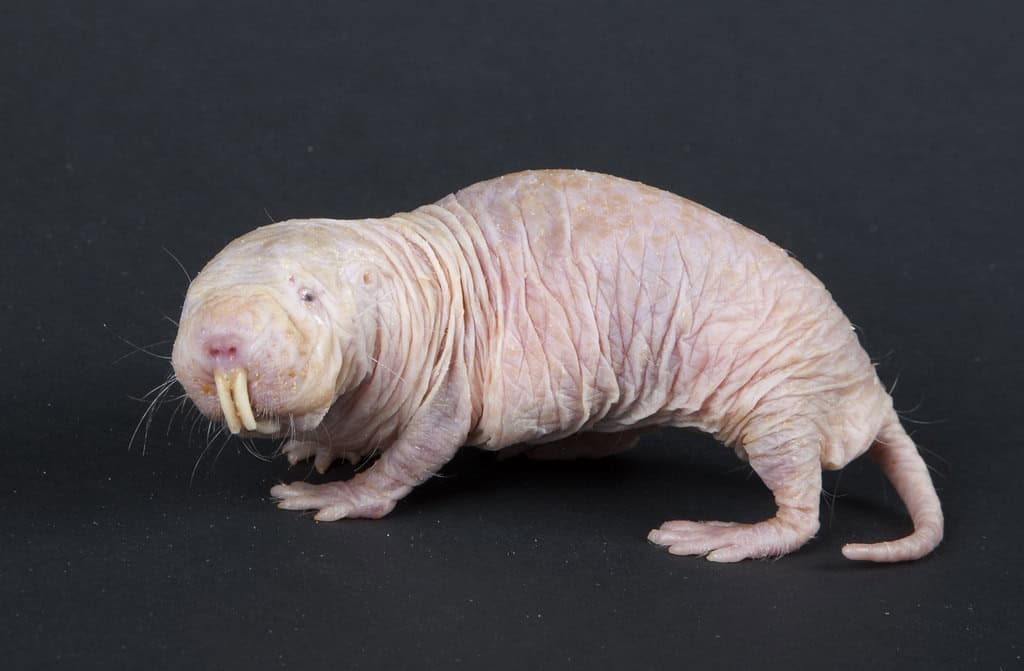
Naked mole-rats (Heterocephalus glaber) might be among the strangest-looking mammals, but their appearance belies extraordinary biological capabilities. These social, subterranean rodents native to East Africa can live for over 30 years—approximately 10 times longer than similarly sized rodents—and show virtually no signs of aging until very late in life. Most remarkably, naked mole-rats appear to be essentially immune to cancer, a quality scientists attribute to the production of a unique high-molecular-weight hyaluronan that prevents cells from overcrowding and forming tumors. These unusual creatures can survive in environments with extremely low oxygen levels (as low as 5%, compared to the 21% humans require) by switching their metabolism to use fructose instead of glucose—the only known example of a mammal using plant-like anaerobic metabolism. Naked mole-rats are also insensitive to many types of pain, including the burning sensation from acid and capsaicin (the compound that makes chili peppers hot), and can survive extended periods without water by obtaining moisture from their food. Their social structure resembles that of bees or ants, with a breeding queen and workers, making them the only known eusocial mammals.
6. Deep-Sea Pompeii Worms – Thriving in Thermal Extremes

The Pompeii worm (Alvinella pompejana) lives in one of the most extreme temperature gradients on Earth. This deep-sea polychaete worm makes its home in papery tubes attached to hydrothermal vents on the Pacific Ocean floor, where superheated water reaches temperatures of up to 752°F (400°C). Remarkably, while the worm’s tail end is exposed to these scalding temperatures, its head extends into the cool ocean water, creating a temperature difference of over 140°F (80°C) across the length of its 5-inch (13 cm) body. This would be like having your feet in boiling water while keeping your head in an air-conditioned room. The Pompeii worm’s ability to withstand such extreme conditions comes partly from a symbiotic relationship with specialized bacteria that form a protective fleece on the worm’s back. These bacteria produce unique enzymes and protective compounds that shield the worm from the intense heat and toxic chemicals spewing from the vents. Scientists are studying these bacteria and the worm’s own heat-shock proteins to develop new heat-resistant materials and medications. The Pompeii worm represents one of the most extreme examples of thermal tolerance in the animal kingdom.
5. Arctic Wood Frog – The Freezable Amphibian

The Arctic wood frog (Lithobates sylvaticus) employs one of the most remarkable survival strategies in the animal kingdom: it can freeze solid during winter and thaw back to life in spring. Native to Alaska and northern Canada, these amphibians have evolved an extraordinary antifreeze mechanism. As temperatures drop in autumn, wood frogs produce large amounts of glucose and urea in their tissues, which act as natural cryoprotectants. When winter arrives, up to 65% of the water in their bodies freezes solid—their heart stops beating, they cease breathing, and their blood no longer flows. In this frozen state, with no brain activity and no metabolism, they appear completely dead. Yet when spring temperatures rise, the frogs thaw from the inside out, their hearts begin beating again, and they hop away as if nothing happened. This cycle can repeat for many years throughout the frog’s lifetime. Research on these remarkable amphibians has implications for human medicine, particularly for organ preservation techniques for transplants. The wood frog’s ability to survive having two-thirds of its body water frozen solid makes it one of nature’s most incredible examples of cold resistance.
4. Immortal Jellyfish – Biological Aging in Reverse

The immortal jellyfish (Turritopsis dohrnii) stands alone as the only known animal capable of reverting completely to an earlier developmental stage after reaching sexual maturity—essentially achieving biological immortality. When these tiny jellyfish (about 4.5mm across) face environmental stress, starvation, or physical damage, they can transform back into polyps (their juvenile stage) through a process called transdifferentiation, where one type of cell is converted into another. This is biologically equivalent to a butterfly turning back into a caterpillar, or a human reverting to a fetal state. Once the jellyfish returns to the polyp stage, it can then develop into an adult again, potentially repeating this cycle indefinitely. While predation and disease mean individual immortal jellyfish don’t actually live forever in the wild, their cells theoretically could—making them biologically immortal. This remarkable ability has made them the subject of intense scientific research focused on understanding the mechanisms of aging and regeneration. The immortal jellyfish’s unique lifecycle represents one of the most extraordinary survival adaptations ever discovered and has potentially profound implications for medicine and our understanding of aging.
3. Desert Ironclad Beetle – Nature’s Tank

The desert ironclad beetle (Phloeodes diabolicus) possesses one of the toughest exoskeletons in the natural world, earning it the well-deserved nickname “uncrushable bug.” This beetle’s remarkable durability comes from its elytra—the hardened forewings that protect its delicate flying wings underneath. Unlike most beetles, whose elytra separate to allow flight, the ironclad beetle’s elytra have evolved to fuse together, creating an exceptionally strong protective shell. The secret to its strength lies in the intricate jigsaw-like connections between the two halves of this shell, which distribute force throughout the exoskeleton rather than concentrating it in one area. This structural adaptation allows the beetle to withstand forces up to 39,000 times its body weight—the equivalent of a human surviving being crushed by about 20 fully loaded tractor-trailers. Scientists at the University of California, Irvine, discovered that this beetle can even survive being run over by a car. Engineers have studied the beetle’s exoskeleton to develop stronger, lighter materials for applications ranging from buildings to aircraft. The ironclad beetle’s incredible durability represents one of evolution’s most impressive architectural achievements.
2. Sahara Desert Ant – Master of Heat and Navigation

The Sahara Desert ant (Cataglyphis bicolor) has evolved extraordinary adaptations to survive in one of Earth’s most hostile environments, where surface temperatures regularly exceed 140°F (60°C). These remarkable insects can function at body temperatures that would kill most other animals, foraging on the scorching desert surface during the hottest part of the day when their predators seek shelter. Their long legs keep their bodies elevated above the hottest sand, while heat-shock proteins protect their cells from thermal damage. What makes these ants truly exceptional is their navigational ability. Unlike most ants that use pheromone trails (which would evaporate instantly in the desert heat), Sahara Desert ants employ a sophisticated “internal pedometer” system. They count their steps and use the sun’s position as a compass to calculate the exact distance and direction back to their nest—a feat of natural trigonometry. This allows them to travel up to 100 meters from their nest and return in a perfectly straight line, minimizing their time exposed to lethal temperatures. Their remarkable heat tolerance and navigational precision make them one of nature’s most impressive desert specialists.
1. Himalayan Jumping Spider – The High-Altitude Arachnid

The Himalayan jumping spider (Euophrys omnisuperstes) holds the distinction of being the highest permanent resident in the animal kingdom. These remarkable arachnids have been found living at elevations of up to 22,000 feet (6,700 meters) on Mount Everest, in an environment where oxygen levels are only about 40% of those at sea level and temperatures regularly plunge far below freezing. Their name “omnisuperstes” appropriately translates to “standing above all.” To survive in this extreme habitat, these spiders have evolved specialized physiological adaptations including antifreeze proteins that prevent their bodily fluids from crystallizing in sub-zero temperatures and modified hemoglobin that can efficiently capture the limited oxygen available at high alt.
Conclusion:

From the crushing depths of the ocean to the frozen peaks of the Himalayas, and even into the vacuum of space, life on Earth has proven to be astonishingly adaptable. The creatures explored in this article defy conventional limits of biology, enduring conditions that should, by all logic, be lethal. Whether through cryptobiosis, genetic innovation, anatomical armor, or biochemical mastery, these organisms showcase nature’s most extreme examples of survival engineering. Their resilience isn’t just a testament to evolutionary ingenuity—it also expands our understanding of what life is capable of and challenges assumptions about its boundaries. As we continue to explore Earth’s extremes and look beyond to other planets, these nearly indestructible creatures remind us that life, in its most determined forms, can find a way to thrive in even the harshest conditions.

As a little kid, I fell in love with nature, wildlife, and animals. Living in the USA, South Africa, Italy, China and Germany gave me the opportunity to discover the world's Wildlife. My favorite animals are Mountain Gorillas, Siberian Tigers, and Great White Sharks.
I'm a certified PADI Open Water Diver, went to Everest Base Camp and Trekked Gorillas in Uganda. I hold a Master of Science in Economics and Finance.
Please send any feedback to feedback@animalsaroundtheglobe.com
- The 12 Largest Dog Breeds That Still Love to Cuddle - July 20, 2026
- 12 Pet Habits That Secretly Mean They Love You - July 20, 2026
- 13 Creatures That Rule the Night - July 20, 2026