


Migration is a critical life process for countless animal species across the planet. Each year, billions of birds, mammals, fish, and insects embark on journeys spanning hundreds or thousands of miles in search of food, breeding grounds, or more favorable climates. These ancient pathways have evolved over millennia, guiding animals across mountains, deserts, oceans—and increasingly, through landscapes scarred by human conflict. War zones create unique and devastating challenges for migrating wildlife, yet their stories often go untold amid the human tragedy of conflict. This article explores the complex intersection of animal migration and armed conflict, examining how war disrupts migration patterns, threatens endangered species, and occasionally creates unexpected wildlife refuges in the midst of human abandonment.
The Collision of Natural Patterns and Human Conflict
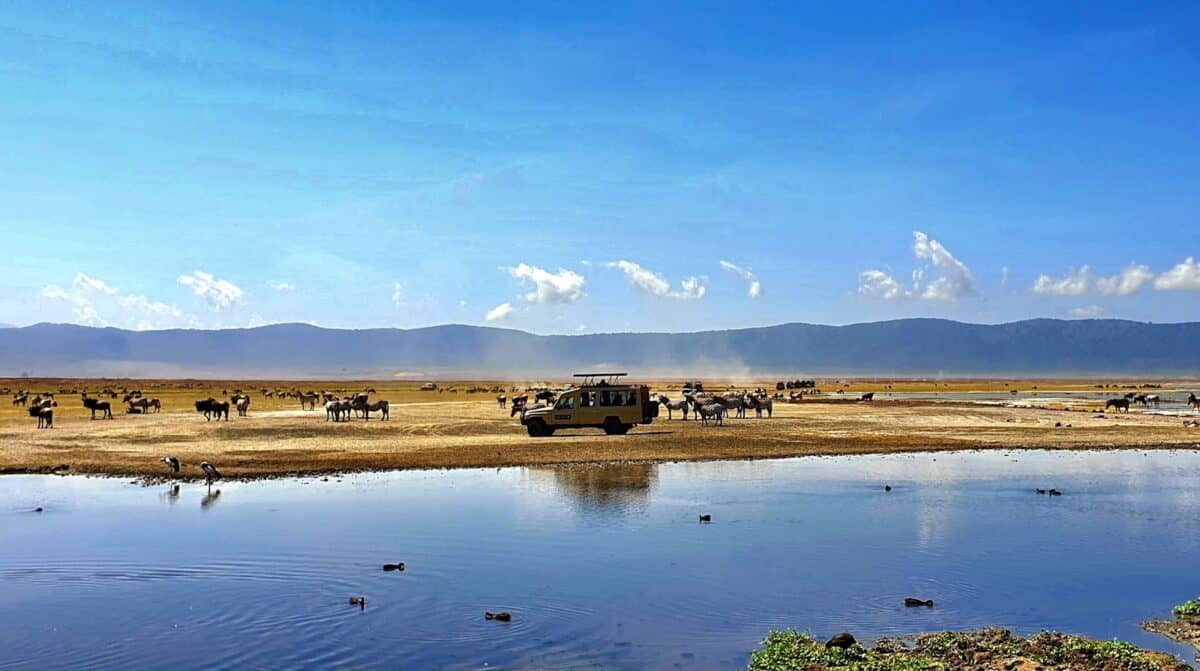
Migration routes evolved long before national borders, military zones, or combat areas. Many of these pathways have remained largely unchanged for thousands of years, encoded in the genetic memory of species that travel them seasonally. However, the global proliferation of armed conflicts has created an unprecedented challenge for migratory species. Approximately 40% of all protected areas for migratory species now overlap with regions affected by armed conflict. The Middle East, North Africa, and parts of Asia—regions with intense conflict in recent decades—also happen to host crucial migration corridors, including three of the world’s eight major bird flyways. Animals following their instinctual paths increasingly find themselves navigating through battlefields, minefields, and militarized zones, creating what conservationists call an “ecological trap” where ancient instincts lead animals into dangerous modern landscapes.
Bird Migrations Across Conflict Zones

Birds represent perhaps the most visible migrants affected by warfare. The African-Eurasian flyway, used by approximately 2 billion birds annually, passes directly through multiple conflict zones in the Middle East and Eastern Europe. White storks, for example, traditionally migrate from Europe to sub-Saharan Africa, crossing through regions like Syria, Iraq, and parts of Ukraine that have experienced intense fighting in recent years. Tracking studies have revealed altered migration patterns among some bird species, with detours adding hundreds of miles to already taxing journeys. During the height of the Syrian civil war, researchers noted significant changes in the routes of several migratory bird species, including the eastern imperial eagle and the northern bald ibis, a critically endangered species whose Syrian population may have been entirely lost due to the inability of conservationists to maintain protection programs amid the fighting. In more recent conflicts, the war in Ukraine has disrupted crucial wetland stopover sites for birds migrating along the Black Sea, forcing species to find alternative resting locations or attempt longer, more dangerous non-stop flights.
Land Mines and Unexploded Ordnance: Deadly Legacy for Wildlife
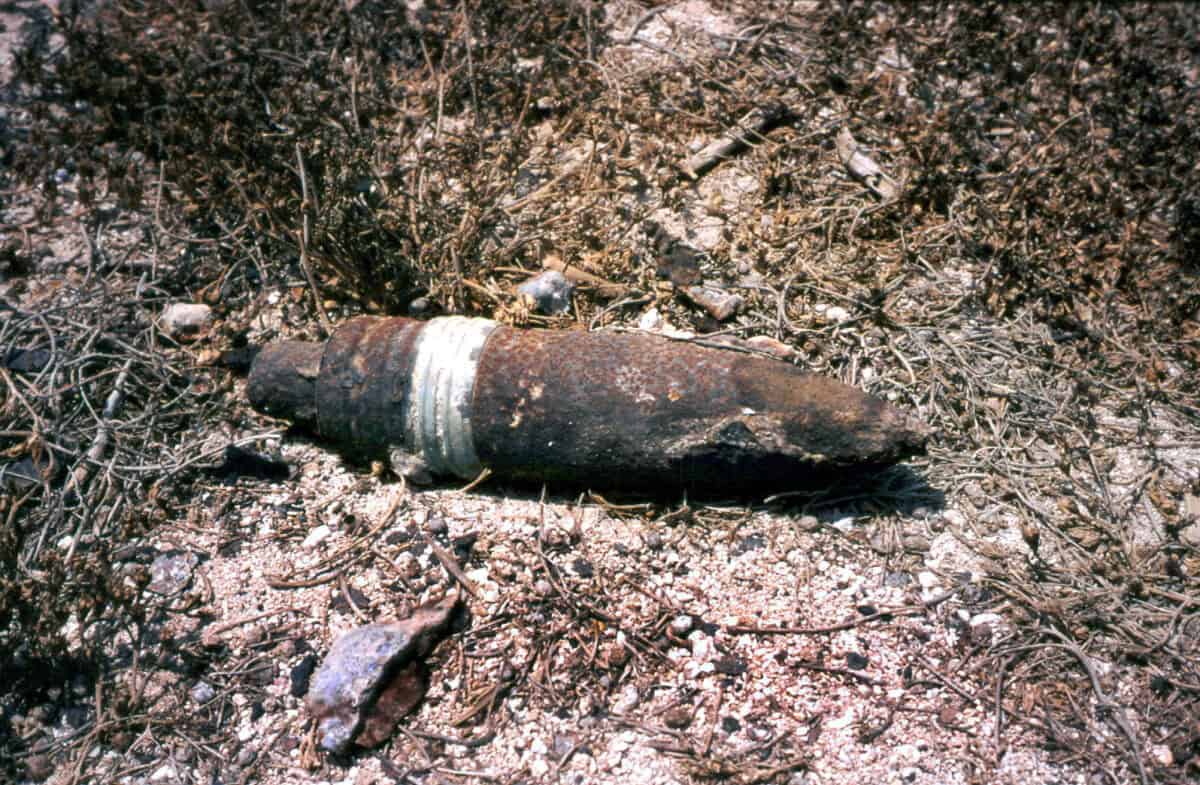
One of the most enduring threats to migratory wildlife in conflict zones comes from landmines and unexploded ordnance (UXO). These deadly devices don’t discriminate between human and animal targets. An estimated 60-70 million land mines remain scattered across more than 60 countries, many positioned along routes used by migrating mammals. In Angola, landmines from the civil war have killed hundreds of large mammals, including endangered elephants following ancient migration corridors. Similarly, in Croatia, landmines from the Balkan conflicts continue to claim wildlife victims decades after active fighting has ceased. The Korea Demilitarized Zone (DMZ) contains an estimated two million landmines, creating hazards for migrating deer, bears, and wild boars. Beyond direct casualties, these explosive devices alter migration patterns by effectively cutting off traditional routes. Animals that survive encounters with mines often suffer debilitating injuries that compromise their ability to complete migrations, find food, or escape predators. The financial and technical challenges of mine clearance mean these deadly barriers may remain in wildlife habitats for generations.
Military Activity and Behavioral Disruption
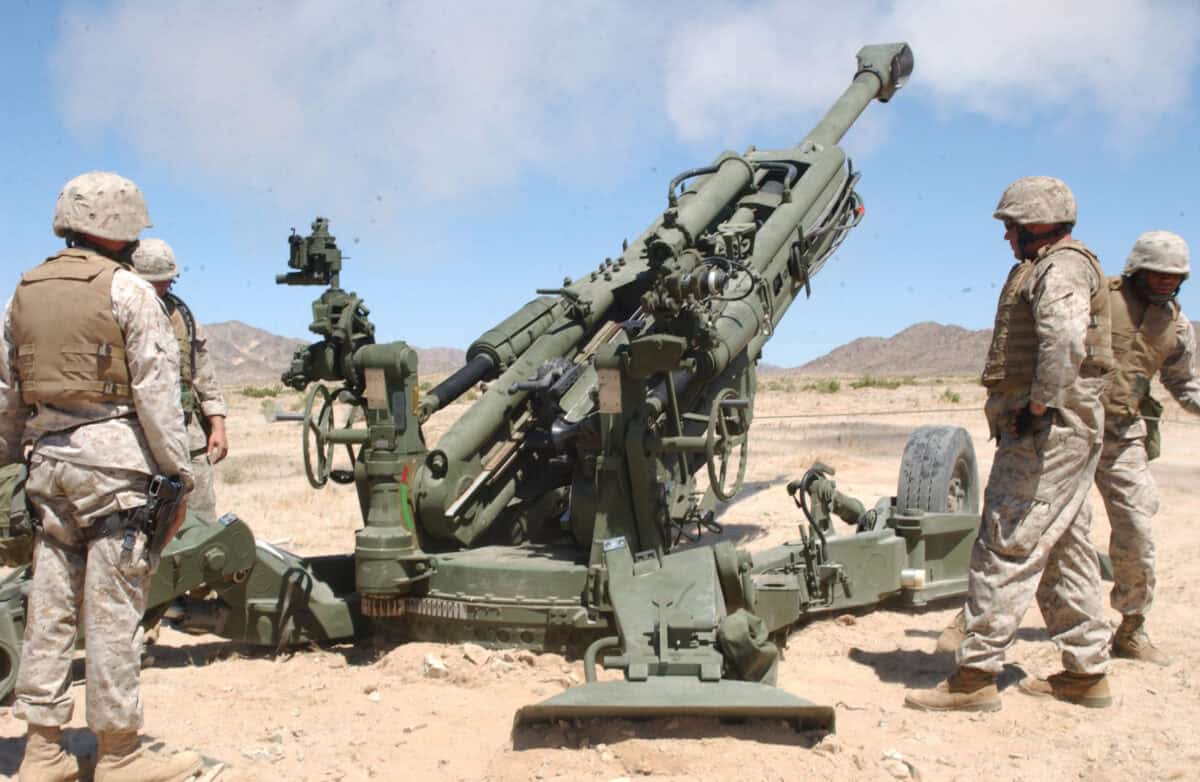
The acute noise, light, and physical disturbances from active military operations create immediate and severe disruptions to wildlife behavior. Bombing campaigns, artillery fire, and low-flying aircraft generate extreme noise pollution that interferes with species’ abilities to communicate, detect predators, and locate food. For migratory species that rely on sound for navigation—particularly marine mammals like whales and dolphins—military sonar and underwater explosions can prove disorienting or even deadly. Research from conflict zones in Iraq has documented dramatic reductions in migratory bird stopover activity during periods of intense fighting. Nighttime military operations, with their associated light pollution from flares, explosions, and vehicle movements, disrupt nocturnal migrations of species that rely on celestial navigation. Birds that migrate at night, including many songbird species, can become disoriented by artificial light, causing them to collide with structures or deplete crucial energy reserves circling illuminated areas. These disruptions often force migrating animals to make costly detours or abandon traditional routes entirely.
Habitat Destruction in War Zones
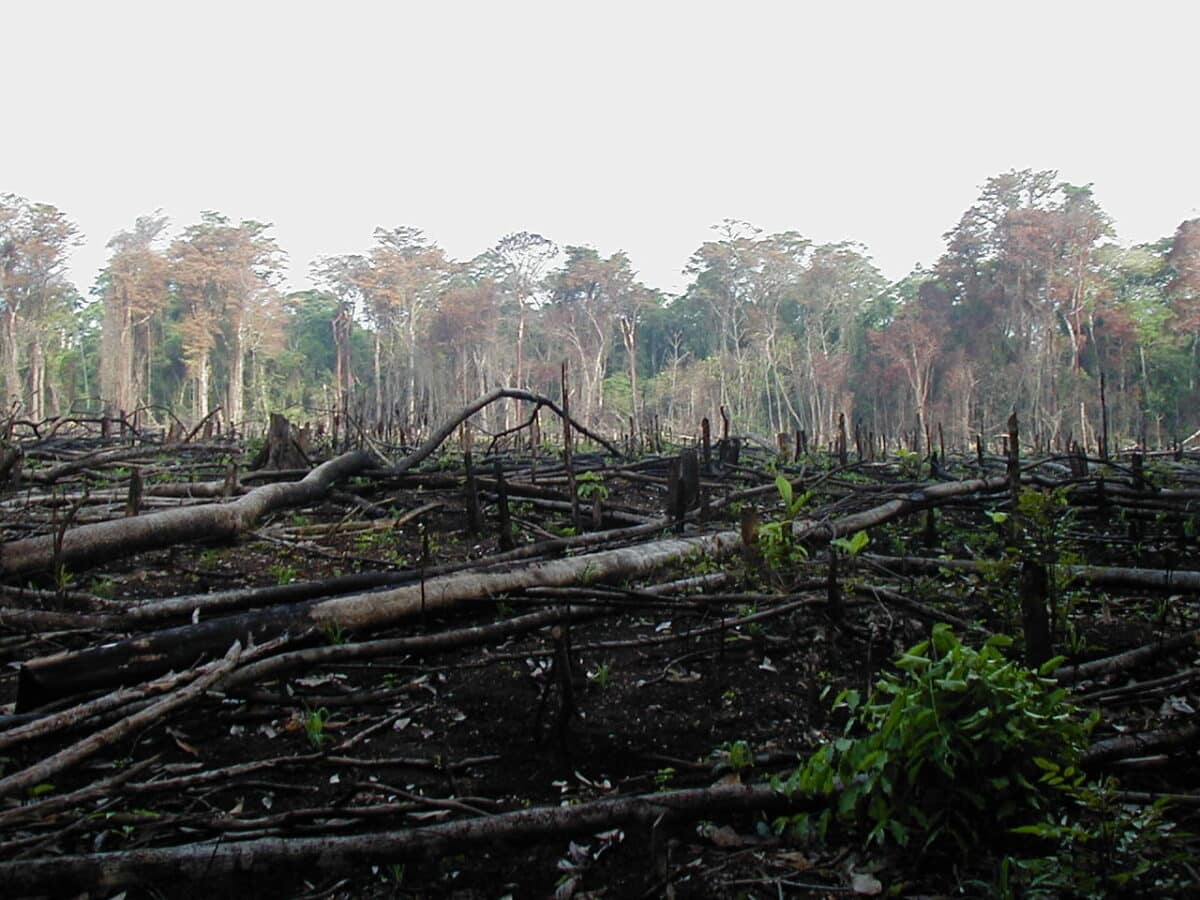
Modern warfare inflicts profound damage on the natural landscape, destroying crucial habitat that migratory species depend upon. Bombing campaigns, deforestation for military purposes, and the construction of military infrastructure directly eliminate or fragment habitat. In Vietnam, the use of Agent Orange and other defoliants destroyed approximately 20% of the country’s forests, including stopover habitat for numerous migratory bird species. More recently, in Iraq, the drainage of the Mesopotamian Marshes for military purposes eliminated critical wetland habitat used by millions of migratory birds. Military vehicles and personnel movements create additional habitat degradation, compacting soil, creating erosion, and introducing invasive species. The environmental contamination from weapons, including heavy metals and toxic chemicals, can render areas uninhabitable for sensitive species long after conflicts end. For migratory animals that have evolved to depend on specific stopover locations, the destruction of these habitats can be catastrophic, eliminating crucial refueling points and forcing dangerous non-stop journeys across inhospitable terrain.
Chemical and Radiological Contamination
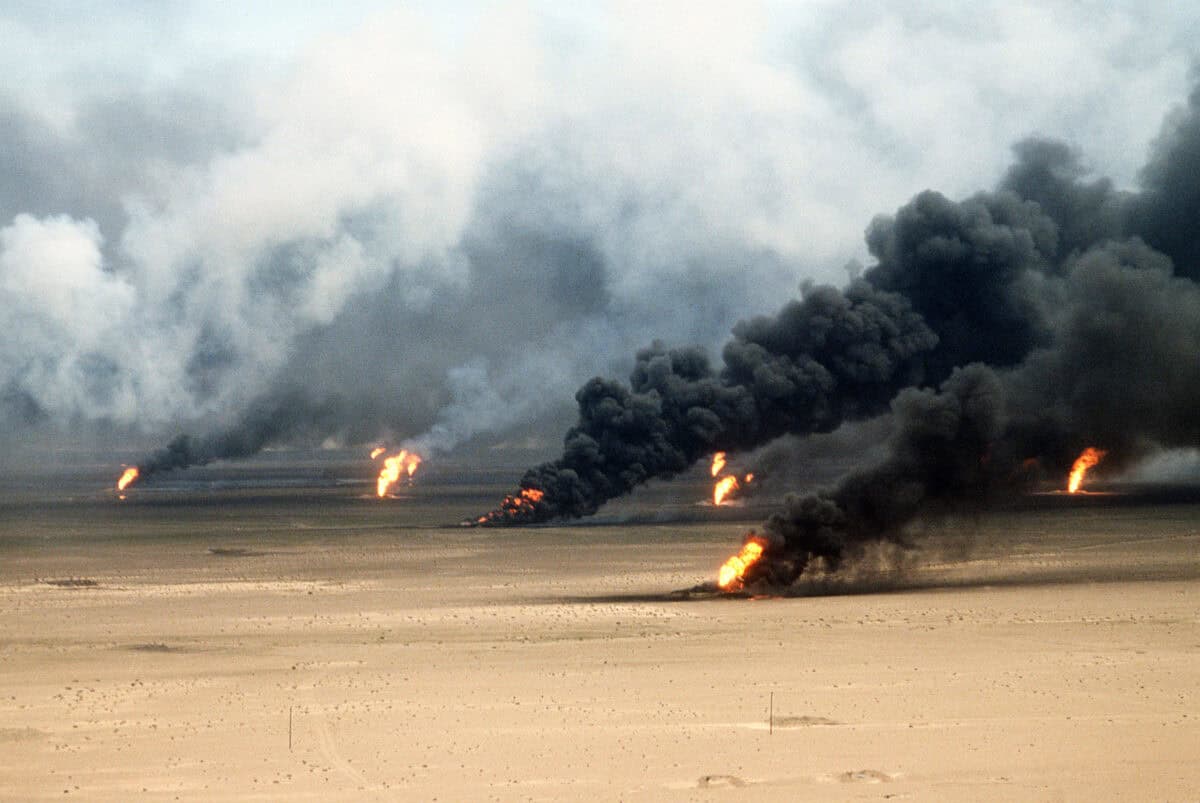
Modern warfare introduces unprecedented chemical and radiological contaminants into wildlife habitats. Military operations release heavy metals, fuel, and specialized chemicals that can persist in soil and water for decades. Depleted uranium munitions, used in conflicts in Iraq, the Balkans, and elsewhere, introduce radioactive material into the environment that can bioaccumulate in animals. Migratory species face particular risk from these contaminants, as they may unknowingly feed in contaminated areas during stopovers, carrying toxins with them along migration routes and potentially spreading contamination to otherwise pristine habitats. Water pollution from conflict poses an especially severe threat to aquatic migrants. In the Persian Gulf, oil spills from damaged infrastructure during the Gulf War killed thousands of migratory birds and disrupted fish migration patterns. The physiological stress of migration already taxes animals’ immune systems, making them particularly vulnerable to chemical exposures. Research on birds migrating through formerly contaminated military areas has shown elevated levels of heavy metals and other toxins, with corresponding reductions in reproductive success and survival rates.
Food Chain Disruptions

War profoundly alters food webs, creating cascading effects that impact migratory species at multiple trophic levels. Habitat destruction and contamination can eliminate critical food sources that migratory animals depend on during their journeys. For example, the bombing of coral reefs during Pacific conflicts disrupted fish spawning aggregations that migratory seabirds relied upon. In terrestrial conflicts, the destruction of seasonal fruit and seed-bearing plants eliminates crucial food sources for migratory birds and bats. Military activity can also alter predator-prey relationships. In some conflict zones, the elimination of apex predators through hunting or habitat loss has allowed herbivore populations to explode, leading to overgrazing of vegetation needed by migratory species. Conversely, the introduction of non-native predators—sometimes accompanying military forces—can create novel threats for migratory species with no evolutionary defenses against these predators. The timing of food availability is particularly crucial for migratory species, as many time their movements to coincide with seasonal food abundance. When war disrupts these patterns, migrants may arrive at traditional stopover sites only to find food sources destroyed or altered beyond use.
The Paradox of No-Go Zones as Wildlife Havens

While active conflicts typically harm wildlife, a counterintuitive phenomenon occurs in some post-conflict or militarized areas: the emergence of accidental wildlife refuges. When human access is restricted due to ongoing military presence, landmine contamination, or security concerns, nature often reclaims these spaces. The Korean Demilitarized Zone (DMZ) provides perhaps the most dramatic example. Despite containing millions of landmines, this 155-mile-long, 2.5-mile-wide buffer zone has become one of East Asia’s most important wildlife sanctuaries, hosting rare species like Amur leopards, Asiatic black bears, and red-crowned cranes. Similar effects have been observed in Cyprus’s UN Buffer Zone, Chernobyl’s Exclusion Zone, and former military bases worldwide. For migratory species, these accidental refuges can provide crucial undisturbed habitat in otherwise developed regions. The abandoned farmlands surrounding Chernobyl, for instance, now host over 200 bird species, many migratory, that benefit from the absence of intensive agriculture and human disturbance. However, these benefits come with significant caveats—landmines and unexploded ordnance continue to pose threats, and contaminants may cause invisible harm to the species that inhabit these areas.
Impacts on Marine Migrations
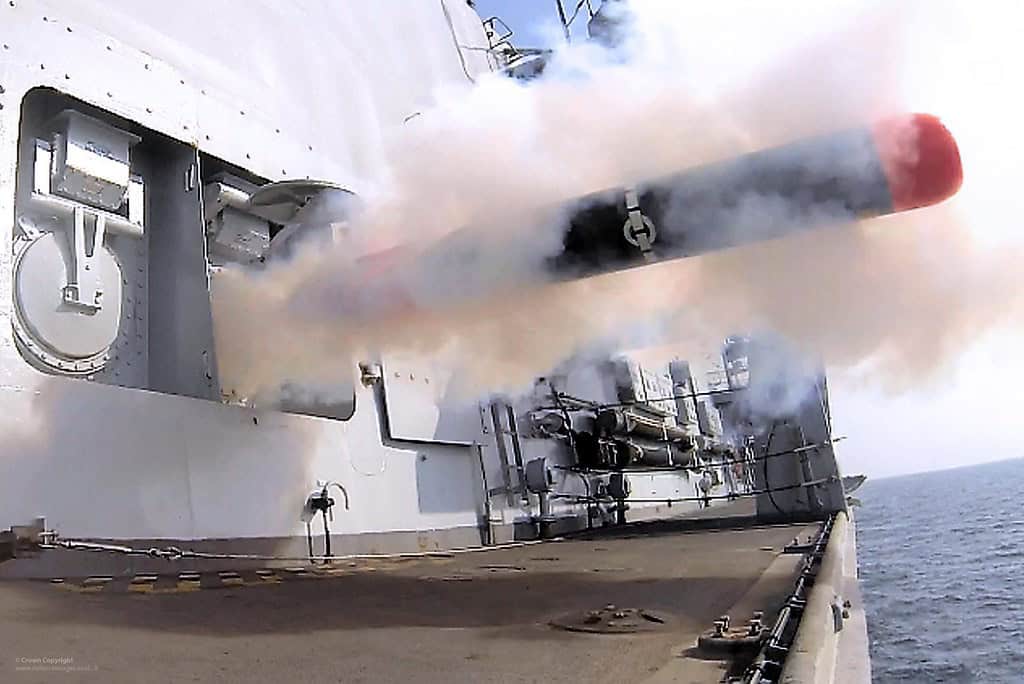
Torpedoes. Image via Openverse
Naval warfare and maritime conflicts create distinct challenges for marine migratory species. Military sonar, particularly active sonar used to detect submarines, has been linked to mass strandings of whales and dolphins, with evidence suggesting these sounds can cause disorientation, tissue damage, and internal bleeding in sensitive marine mammals. During active conflicts, underwater explosions from depth charges, torpedoes, and naval mines create shock waves that can kill or injure marine life directly and damage hearing structures essential for navigation. The Persian Gulf War resulted in the largest oil spill in history when Iraqi forces released an estimated 4-8 million barrels of oil into the Gulf’s waters, creating a slick that killed thousands of migratory birds and disrupted fish migration patterns. Naval blockades and increased maritime traffic in conflict zones alter shipping patterns, increasing ship strikes of migrating whales and sea turtles. Sea mines, which may remain active for decades, continue to pose threats long after conflicts end. The Caspian Sea, bordered by multiple countries with histories of conflict, contains crucial migratory routes for sturgeon species—already critically endangered—that face additional pressure from military activities and associated pollution.
Conservation Collapse During Conflict

Armed conflicts frequently lead to the collapse of conservation infrastructure and governance, creating secondary threats to migratory wildlife. When war erupts, conservation personnel often evacuate, protected area enforcement ceases, and monitoring programs shut down. This conservation vacuum creates opportunities for poaching, illegal logging, and resource extraction in areas that were previously protected. In the Democratic Republic of Congo, conservation collapse during decades of conflict led to severe poaching of elephants following ancient migration corridors through what should have been protected parks. Similarly, during the Syrian civil war, the conservation program for the critically endangered northern bald ibis had to be abandoned, and the tiny remaining Syrian population is now feared extinct. International funding for conservation typically dries up during conflicts as security concerns make fieldwork impossible and priorities shift to humanitarian needs. Migratory species, which often depend on coordinated protection across multiple countries, are particularly vulnerable to these breakdowns in conservation governance. When even one country along a migration route loses its capacity for conservation management, the entire migratory population may be jeopardized.
Hunting and Poaching Pressures

Conflict zones often experience dramatic increases in wildlife hunting and poaching, creating additional pressure on migratory species. As formal economies collapse during war, subsistence hunting increases as civilians turn to wildlife for food security. In Syria, bird hunting increased dramatically during the civil war as food insecurity spread, with migratory birds providing an accessible protein source. More organized poaching also flourishes in the law enforcement vacuum of war zones. Armed groups frequently turn to wildlife trafficking to fund their operations, targeting high-value species like elephants for ivory or rhinos for horn. Migrating herds passing through conflict zones make particularly vulnerable targets, as their predictable movements and concentration in large groups facilitate mass harvesting. In some conflicts, military personnel themselves engage in hunting wildlife, sometimes using military weapons capable of killing entire groups of animals simultaneously. The movement of refugees and displaced persons creates additional hunting pressure, as people settling in unfamiliar areas turn to local wildlife for sustenance. Migratory species that evolved their movement patterns based on seasonal hunting pressure may find themselves unable to adapt to the intense, year-round harvesting that occurs in conflict zones.
Innovative Conservation in Conflict Areas

Despite the immense challenges, innovative conservation efforts have emerged to protect migratory wildlife in and around conflict zones. Satellite tracking technology has become a crucial tool, allowing scientists to remotely monitor migration patterns without physical presence in dangerous areas. Organizations like Birdlife International have utilized this approach to track storks, eagles, and other birds migrating through Middle Eastern conflict zones, enabling conservation planning despite limited ground access. Conflict-sensitive conservation approaches have been developed that engage with all parties in a conflict, including armed groups, to establish protection for wildlife corridors. In Colombia, conservation agreements with former FARC rebels have helped protect jaguar migration routes during the peace process. Transboundary peace parks represent another promising approach, where conservation creates a common ground for cooperation between otherwise hostile nations. The proposed peace park in the Korean DMZ exemplifies how wildlife protection can potentially contribute to peacebuilding while securing critical habitat. Advanced technologies like acoustic monitoring systems, drone surveillance, and remote sensing allow conservation monitoring to continue even when human access is restricted. Organizations like the Wildlife Conservation Society have pioneered “conservation diplomacy,” maintaining wildlife protection programs in conflict zones by carefully navigating political sensitivities and building relationships with local communities regardless of their political affiliations.
Migratory animals traversing war zones represent some of the most overlooked victims of human conflict. Their ancient journeys, shaped by millions of years of evolution, now intersect with some of humanity’s most destructive activities. The challenges they face—from direct mortality from weapons and mines to habitat destruction, contamination, and conservation collapse—create compounding pressures on already vulnerable populations. Yet their stories also reveal the remarkable resilience of nature, from the new wildlife havens emerging in militarized buffer zones to the adaptive behaviors some species develop to navigate through or around human conflicts. As climate change further alters migration patterns and habitats, the interaction between animal movement and armed conflict will likely become increasingly common and complex. Conservation efforts that address these unique challenges require innovation, cross-border cooperation, and recognition that protecting migration corridors must be a consideration even during times of war. The fate of migratory species in conflict zones ultimately reminds us that the consequences of human warfare extend far beyond our own species, affecting ancient natural processes that long predate our conflicts and will hopefully long outlast them.

- How Crickets Chirp Using Their Wings - July 20, 2026
- The Largest Sea Turtle Ever Rescued Off North Carolina - July 20, 2026
- The Ocean’s Escape Artist: Why Octopuses Outsmart Us All - July 20, 2026