


Tigers are magnificent creatures that captivate photographers and wildlife enthusiasts worldwide. Their striking orange coats, dramatic black stripes, and piercing eyes make them one of the most photogenic animals on the planet. This visual appeal creates a powerful temptation for photographers to get closer and closer in pursuit of the perfect shot. However, this seemingly innocent desire for an impressive wildlife photograph can quickly transform into one of the most dangerous situations a person can face in the natural world. Professional wildlife photographers spend years developing their craft specifically to capture amazing images of animals like tigers from safe distances using specialized equipment. The allure of the close-up tiger shot is understandable, but as this article will explain in detail, the risks involved make it an endeavor that should never be attempted by amateurs or professionals alike.
Understanding Tiger Behavior and Predatory Instincts
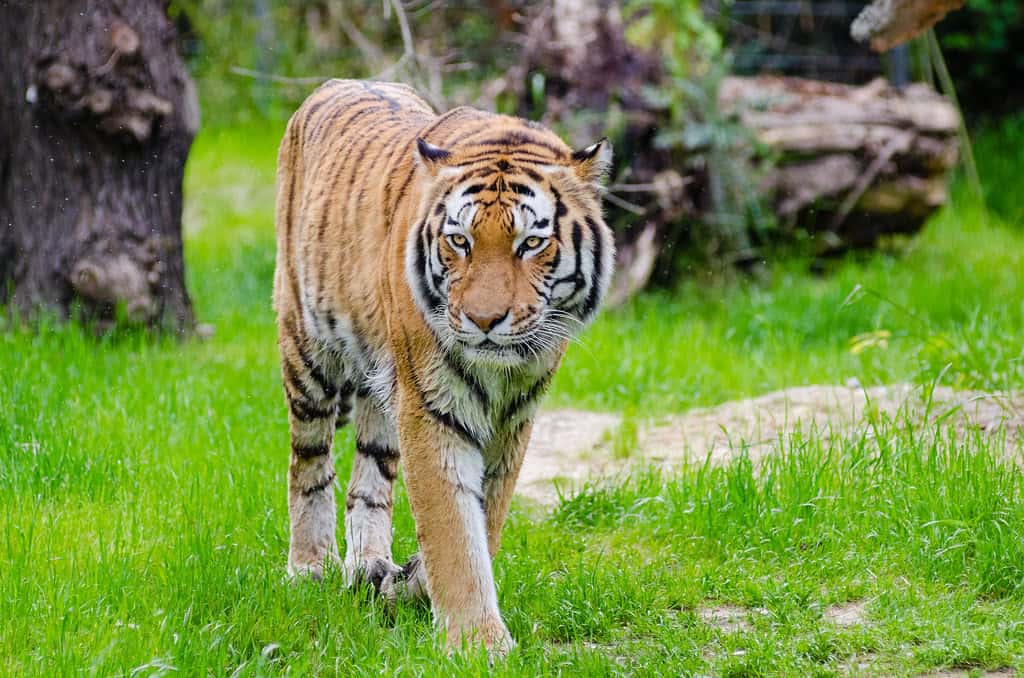
Tigers are apex predators with finely-tuned hunting instincts that have evolved over thousands of years. These solitary big cats are hardwired to stalk, ambush, and attack with incredible speed and power. An adult tiger can detect movement from over 30 meters away and respond to it in milliseconds. Even more concerning for would-be photographers, tigers have a natural instinct to chase anything that runs away from them—a behavior that makes backing away from a close encounter potentially fatal.
Tigers are also territorial animals that may perceive humans with cameras as threats to their space, especially if the tiger feels cornered or if it’s protecting cubs. Understanding these fundamental aspects of tiger behavior reveals why approaching one for a photograph fundamentally contradicts everything we know about safely coexisting with these powerful predators.
The Shocking Speed and Power of Tiger Attacks

The physical capabilities of tigers make close photography attempts particularly dangerous. A tiger can reach speeds of up to 40 miles per hour in short bursts—faster than the world’s quickest human sprinters. This means that in the time it takes to adjust your camera settings, a tiger could close a 50-yard gap between you. Adult tigers typically weigh between 220-660 pounds (100-300 kg) and possess forelimb striking forces powerful enough to break the neck of large prey animals with a single blow.
Their jaws exert a bite force of around 1,050 pounds per square inch (psi), more than double that of a lion. These statistics aren’t meant to demonize tigers but rather to illustrate the reality: humans simply cannot react quickly enough or possess the physical strength to defend themselves in a close encounter gone wrong. No photograph is worth facing these odds.
Professional Equipment Exists for a Reason

Professional wildlife photographers invest tens of thousands of dollars in telephoto lenses and other specialized equipment specifically to capture detailed images of dangerous animals from safe distances. Modern telephoto lenses can capture stunning, detailed images of tigers from 100 meters away or more. Professional wildlife photography setups often include lenses in the 400-600mm range, sometimes with teleconverters that extend their reach even further.
Remote camera traps represent another safe alternative that allows photographers to capture intimate tiger behaviors without physical presence. The existence of this specialized equipment underscores an important point: the industry standard for tiger photography prioritizes distance and safety. When you see breathtaking close-up images of tigers in magazines like National Geographic, they were almost certainly taken with professional-grade telephoto equipment from a safe distance or with remote-triggered cameras—not by approaching the animal directly.
Fatal Tiger Attacks: The Statistics Don’t Lie

The historical record of human-tiger interactions provides sobering evidence for maintaining safe distances. In India alone, tigers kill an estimated 40-50 people annually, despite conservation efforts and awareness programs. Between 1800 and 2009, tigers killed an estimated 373,000 people in Asia. These statistics predominantly reflect encounters in communities that border tiger habitats, not photographic pursuits, which suggests that even people familiar with tigers and their territories fall victim to attacks.
When examining cases specifically involving photographers or tourists, the data shows that even in controlled environments like wildlife sanctuaries, approaching tigers for photographs has resulted in numerous fatalities. In 2019, a photographer in India was killed while attempting to take close-up photos of a tiger at a safari park, despite warnings from guides. These statistics highlight an undeniable truth: proximity to tigers, regardless of the reason, significantly increases the risk of fatal attacks.
The Psychology Behind Risky Wildlife Photography

Understanding why people take dangerous risks for photographs helps explain the persistence of close tiger photography attempts. Research in behavioral psychology shows that social media validation—in the form of likes, shares, and comments—triggers dopamine releases similar to other rewarding activities. This creates a powerful incentive for photographers to push boundaries in search of more dramatic, intimate wildlife images. Additionally, a phenomenon known as “wildlife habituation” can create a false sense of security.
When photographers observe tigers in tourism settings that appear accustomed to human presence, they may incorrectly assume the animals are tame or predictable. This is a dangerous misconception, as even tigers that seem habituated to humans retain their wild instincts and can switch from apparent indifference to aggressive defense in seconds. The combination of social validation rewards and misinterpretation of animal behavior creates a perfect storm that drives photographers to take life-threatening risks.
The Ethics of Wildlife Photography
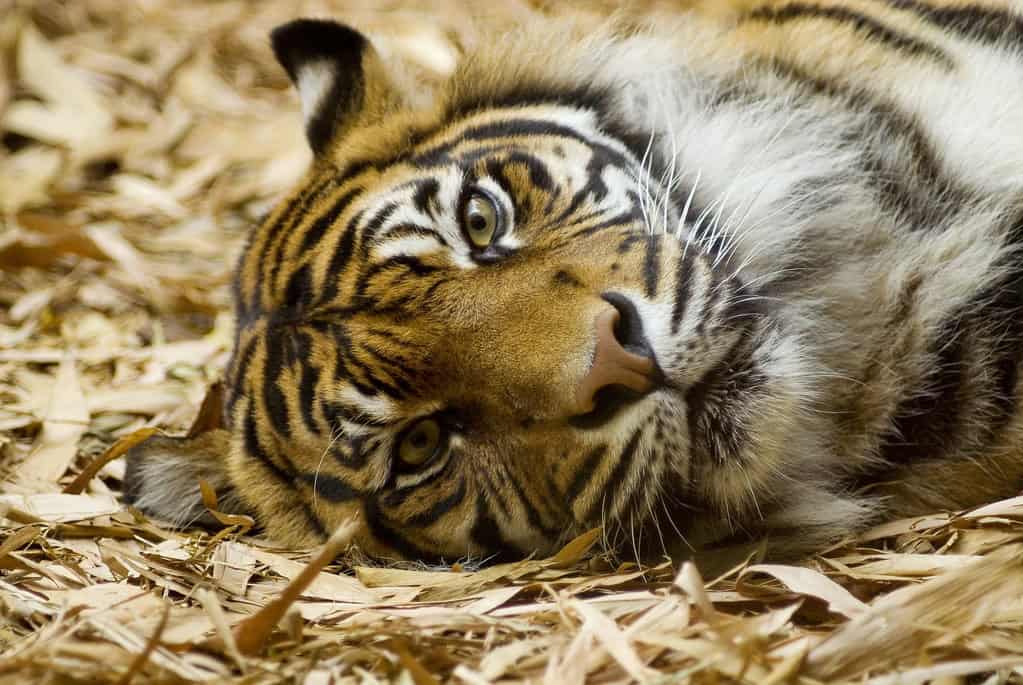
Beyond personal safety, attempting close-up tiger photography raises serious ethical concerns regarding animal welfare. When photographers intrude on a tiger’s space, they create stress for the animal, potentially disrupting natural behaviors including hunting, mating, and caring for young. Research has shown that wildlife tourism and photography can alter animal behavior patterns and even affect reproductive success rates in some species.
Conservation photographers and organizations have developed ethical guidelines that emphasize the importance of maintaining appropriate distances from wildlife. The Nature Conservancy and the International League of Conservation Photographers advocate for the principle of minimal impact photography, which prioritizes the welfare of the subject over getting the “perfect shot.” Ethical wildlife photography recognizes that no photograph, regardless of its potential impact or beauty, justifies actions that stress or endanger the animals being photographed.
The Impact of Zoo and Captive Settings

Some photographers might assume that photographing tigers in zoos, wildlife parks, or other captive settings eliminates the dangers present in wild encounters. This assumption is dangerously incorrect. Despite being raised in captivity, tigers retain their predatory instincts and physical capabilities. Since 1990, there have been over 50 documented attacks on humans by captive big cats in the United States alone, many resulting in fatalities. In 2016, a tiger at the Palm Beach Zoo killed an experienced zookeeper during a routine interaction.
Even in supposedly controlled environments like tiger temples or tourist attractions that offer close contact with tigers, serious injuries and fatalities have occurred. These facilities often sedate tigers or use other controversial practices to make them appear docile for tourist photos, creating an illusion of safety that doesn’t reflect the animal’s true nature. The controlled environment of a zoo or wildlife park may reduce some risks, but it absolutely does not eliminate the fundamental danger of close proximity to these powerful predators.
Legal Consequences and Liability Issues

Beyond physical danger, photographers who attempt close-up tiger photography may face serious legal consequences. In many jurisdictions, wildlife protection laws establish minimum approach distances for endangered species like tigers. Violating these restrictions can result in substantial fines and even criminal charges. In India, home to the largest wild tiger population, disturbing tigers or their habitat can result in penalties up to 25,000 rupees and three years imprisonment under the Wildlife Protection Act of 1972.
In the United States, negligent photography practices that lead to animal distress or attacks could result in civil lawsuits or criminal charges. If a photographer’s actions cause a tiger to attack another person, they could face legal liability for the resulting injuries. Insurance policies typically exclude coverage for injuries resulting from willful disregard of safety protocols or illegal activities, meaning photographers could face financial ruin in addition to legal penalties if their pursuit of tiger photographs goes wrong.
Safe Alternatives for Capturing Stunning Tiger Images
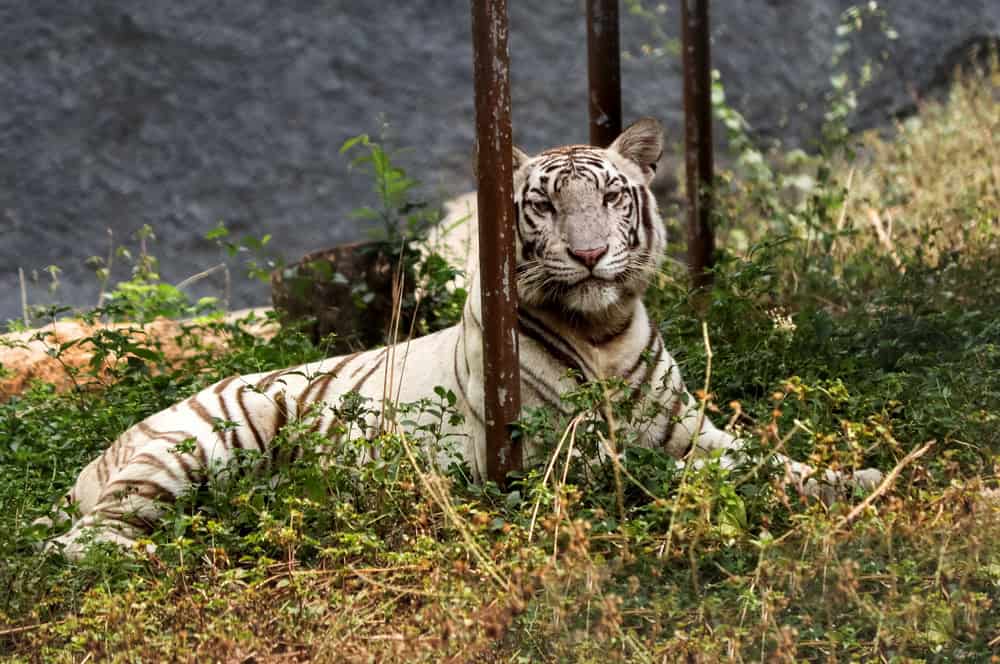
Fortunately, photographers have numerous safe options for capturing breathtaking tiger images. The most obvious is using professional-grade telephoto lenses (400mm and beyond) that allow detailed photographs from safe distances. Modern digital cameras with high megapixel counts also enable significant cropping while maintaining image quality, effectively extending your reach. Photography hides and blinds provide another excellent option, creating a barrier between photographer and subject while allowing close observation.
Many wildlife reserves and national parks have constructed photography blinds specifically positioned near water holes or other areas tigers frequently visit. Remote camera traps represent perhaps the safest option, allowing photographers to capture intimate tiger behaviors without being physically present. These cameras can be triggered by motion sensors and left in tiger territory for days or weeks. Finally, responsible photography tours led by experienced guides who understand tiger behavior provide educational opportunities to photograph tigers while maintaining appropriate safety protocols.
Conservation Impact: How Proper Photography Helps Tigers
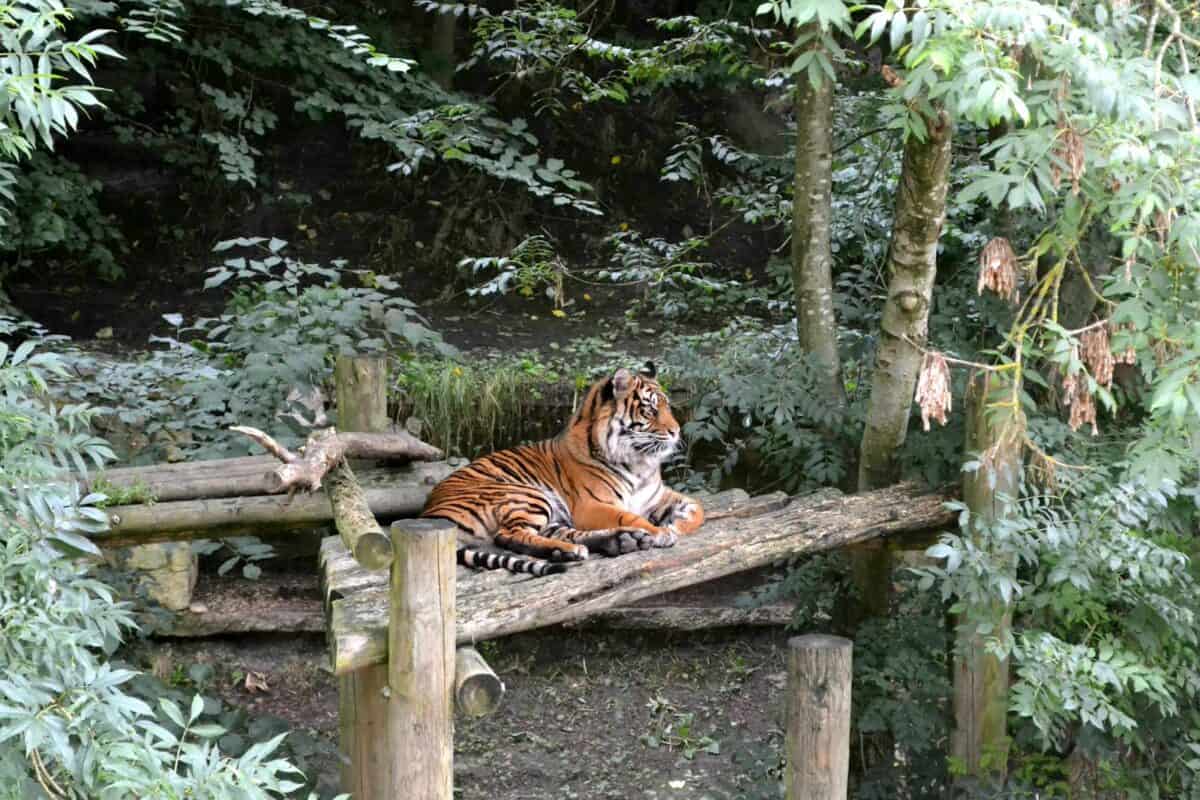
Responsible tiger photography plays a crucial role in conservation efforts worldwide. Compelling images of tigers in their natural habitats help raise awareness about their endangered status and the threats they face. According to the World Wildlife Fund, fewer than 4,000 tigers remain in the wild today, occupying less than 7% of their historical range. Professional wildlife photographers like Steve Winter and Michael Nichols have used their work to document tiger populations, highlight conservation challenges, and inspire protection efforts.
Their images, captured using safe, ethical techniques, have appeared in major publications and influenced policy decisions. By following safe photography practices, photographers contribute positively to tiger conservation rather than adding to the stresses these endangered animals already face. The most impactful tiger photographs tell stories about the species’ beauty, behavior, and conservation needs without compromising the photographer’s safety or the tiger’s wellbeing.
Survival Tips If You Encounter a Tiger Unexpectedly

While this article strongly advocates avoiding close tiger encounters, understanding how to respond in an unexpected encounter could save your life. If you find yourself in close proximity to a tiger, the most important rule is: do not run. Running triggers a tiger’s chase instinct and virtually guarantees an attack. Instead, back away slowly while maintaining eye contact, but avoid staring directly into the tiger’s eyes, which can be perceived as a challenge.
Make yourself appear larger by raising your arms and opening your jacket if wearing one. Speak in a firm, loud voice to assert your presence, but avoid screaming. If you have companions, stay together to appear as a larger, more intimidating group. In the extremely rare case of an actual attack, fight back aggressively, targeting sensitive areas like the eyes and nose. While these tips may help in an emergency, they underscore the article’s central point: the best strategy is avoiding close tiger encounters entirely by maintaining safe distances and using appropriate photography equipment.
Conclusion: Respecting Tigers From a Distance
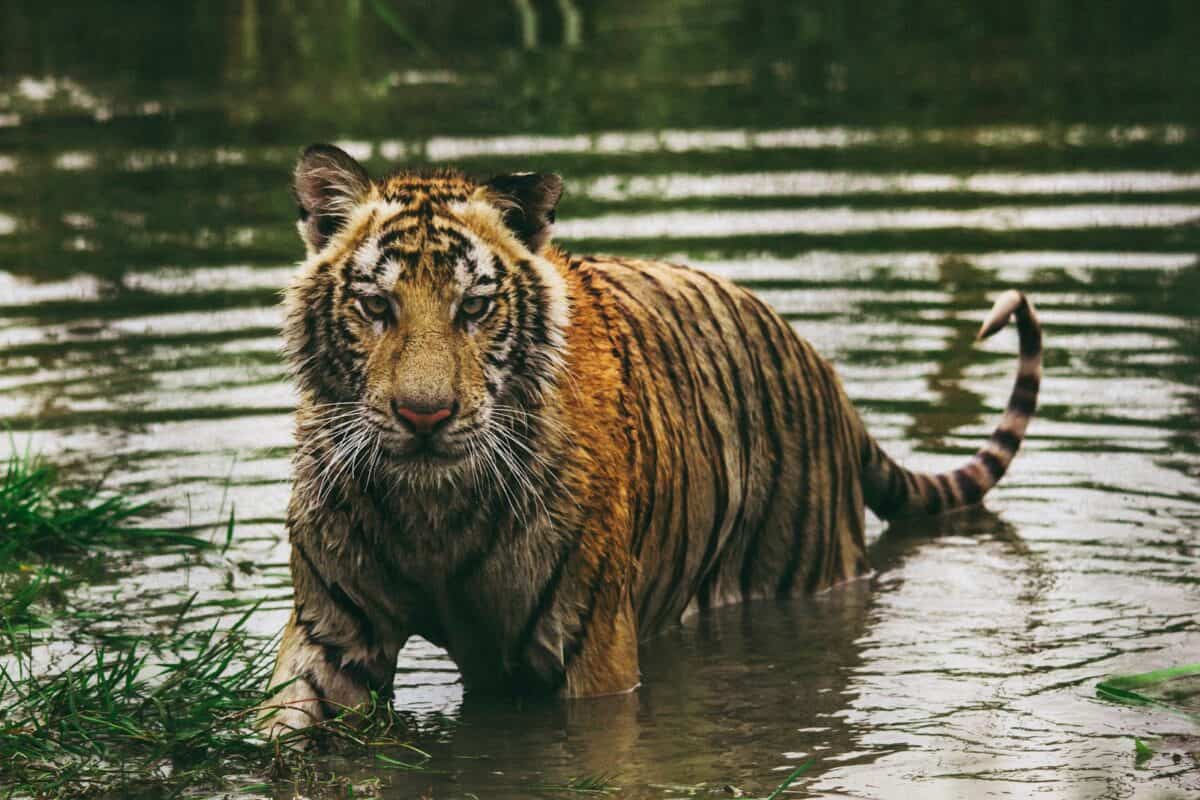
The desire to capture the perfect tiger photograph is understandable, but the evidence overwhelmingly demonstrates that attempting close-up tiger photography is never worth the risk. The combination of a tiger’s speed, power, and predatory instincts makes close encounters potentially fatal, regardless of the setting or the photographer’s experience level. Professional equipment exists specifically to capture stunning wildlife images from safe distances, eliminating the need for dangerous proximity.
Ethical considerations further reinforce the importance of maintaining appropriate distance, as intrusive photography negatively impacts tiger welfare and conservation efforts. By embracing safe, responsible photography practices, photographers can capture magnificent tiger images while contributing positively to conservation efforts that help ensure these magnificent creatures survive for future generations to appreciate and photograph—from a safe distance.

From exploring the marine wonders in the Azores and witnessing the vast savannas of Kenya, to delving deep into the rich biodiversity of South Africa and traversing iconic landscapes in Australia and the US like Yellowstone, Chris's experiences are vast.
With a penchant for diving alongside sharks, the ocean holds a special place in his heart.
Through his academic insights, he champions wildlife conservation, striving with 'Animals Around The Globe' to cultivate a profound connection between humans and animals, enhancing our mutual appreciation.
Connect with him at Feedback@animalsaroundtheglobe.com.
- Why Spiders Don’t Get Stuck in Their Own Webs - July 20, 2026
- What Scientists Found in a 10,000-Year-Old Beehive - July 20, 2026
- This Spider Builds Fake Decoys of Itself - July 20, 2026