


The Great Plains of North America once thundered with the hooves of millions of American bison, creating one of the most remarkable wildlife spectacles on Earth. Before European settlement, an estimated 30-60 million bison roamed the continent, with the majority concentrated on the vast grasslands stretching from Canada to Texas. These massive creatures—weighing up to 2,000 pounds and standing six feet tall at the shoulder—weren’t just impressive wildlife; they were ecosystem engineers whose presence fundamentally shaped the landscape we know today. From soil composition to plant diversity, from predator populations to Native American cultures, bison influenced virtually every aspect of Great Plains ecology. Their near-extinction in the late 19th century (when numbers plummeted to fewer than 1,000 animals) triggered cascading ecological changes that scientists are still working to understand. Today, as conservation efforts have increased bison numbers to approximately 500,000, researchers and land managers are rediscovering the crucial ways these iconic animals maintain healthy prairie ecosystems. This article explores 17 significant ways bison shaped—and continue to shape—the Great Plains environment.
Grazing Patterns That Promote Plant Diversity

Unlike cattle, which tend to graze more uniformly across landscapes, bison are selective grazers with distinctive patterns that create habitat heterogeneity. Bison preferentially consume grasses while largely avoiding broadleaf plants (forbs), creating patches of short, intensively grazed vegetation interspersed with taller, less disturbed areas. Research from Konza Prairie Biological Station in Kansas has documented that bison-grazed areas support 50-60% more plant species than ungrazed prairie. This mosaic grazing pattern creates diverse microhabitats that support different plant communities and life stages. The resulting structural diversity benefits numerous prairie species, from ground-nesting birds that require varying vegetation heights to pollinating insects that rely on flowering forbs. By preventing any single plant species from dominating, bison grazing maintains the remarkable biodiversity that characterizes healthy prairie ecosystems.
Soil Fertilization Through Dung and Urine

A single adult bison produces approximately 50 pounds of dung daily, depositing roughly nine tons of nutrient-rich organic matter annually across the landscape. Bison excrement serves as a crucial natural fertilizer, returning essential nutrients like nitrogen, phosphorus, and potassium to prairie soils. Unlike commercial fertilizers that can leach into waterways, bison dung releases nutrients gradually through decomposition, allowing plants to utilize them efficiently. The dung also contains partially digested plant seeds, helping disperse vegetation across the prairie. Studies have shown that areas with bison dung deposits exhibit 30-40% higher soil microbial activity and enhanced soil carbon storage compared to unfertilized prairie. Additionally, dung beetles and other decomposers rely on bison waste, breaking it down and incorporating it into the soil profile. This natural fertilization system sustained prairie productivity for thousands of years before European settlement and continues to enhance soil health in modern conservation areas where bison have been reintroduced.
Creation of Wallows as Unique Microhabitats

One of the most visible and enduring impacts bison have on prairie landscapes is the creation of wallows—shallow depressions formed when bison roll and rub against the earth to groom, remove parasites, and cool themselves. These depressions, ranging from 10-15 feet in diameter and up to two feet deep, persist for decades or even centuries, visible on the landscape long after bison have left an area. When it rains, wallows collect water, creating ephemeral wetlands that support unique plant and animal communities. Studies from Konza Prairie have identified over 50 plant species that specifically thrive in or around these temporary wetlands but rarely establish elsewhere on the prairie. Amphibians like tiger salamanders and chorus frogs utilize wallows as breeding sites, while shorebirds and waterfowl visit during migrations. Even during dry periods, the disturbed soil of wallows provides habitat for pioneering plant species that struggle to compete in established prairie. These distinctive microhabitats increase overall biodiversity and ecological resilience across the Great Plains landscape.
Modification of Fire Regimes Through Grazing

Fire has always been an essential ecological process in the Great Plains, with lightning-ignited blazes historically burning millions of acres annually. Bison played a crucial role in modifying these fire regimes through their grazing behavior. By preferentially consuming grasses, bison reduced fuel loads in certain areas, creating natural firebreaks that prevented flames from spreading unchecked across entire landscapes. This grazing-fire interaction created a dynamic patchwork of differently aged prairie habitats. Research from the Tallgrass Prairie Preserve in Oklahoma has demonstrated that these patchy burns benefit numerous species that require different post-fire habitat conditions. Additionally, bison are strongly attracted to recently burned areas, drawn by the nutritious new growth that emerges after fire. This selective grazing prevents woody plants from establishing in burned zones, maintaining open grassland conditions. Today, land managers often combine prescribed burning with bison grazing to recreate this historical ecological relationship, finding that this combination produces greater plant diversity than either fire or grazing alone.
Seed Dispersal and Plant Distribution

Bison serve as remarkably effective seed dispersal agents across the Great Plains. Their shaggy coats trap thousands of seeds from various plant species, which are then transported across the landscape as the animals move. A single bison can carry seeds up to 5-10 miles from their origin, facilitating genetic exchange between plant populations and helping species colonize new areas. This long-distance dispersal was particularly important following disturbances like fires or floods. Additionally, many seeds pass through the bison digestive tract unharmed and germinate readily in the nutrient-rich environment of their dung. Research has identified over 75 plant species whose seeds are successfully dispersed through bison digestion. Some prairie plants even evolved specialized seed structures that adhere more effectively to bison fur. In areas where bison have been reintroduced, plant communities often show increased diversity within 3-5 years, partly due to this seed dispersal function. By moving plant genetic material across the landscape, bison maintained the genetic diversity and resilience of prairie plant communities for millennia.
Support for Predator and Scavenger Populations

Before European settlement, the Great Plains supported robust populations of predators and scavengers sustained largely by bison. Gray wolves, grizzly bears, and mountain lions followed bison herds, preying primarily on vulnerable calves, older individuals, or injured animals. This predation helped maintain healthy bison populations by removing genetically weaker individuals. After successful hunts, these apex predators would leave behind carcasses that supported a diverse community of scavengers. Golden eagles, ravens, magpies, and numerous beetle species relied on bison remains, as did American black bears and coyotes. Bison that died from natural causes similarly supported this scavenger community. Historical accounts describe wolves following bison herds for hundreds of miles across seasonal migrations. The elimination of bison in the late 1800s contributed significantly to the decline of these predator and scavenger species, fundamentally altering trophic relationships throughout the Great Plains ecosystem. Today, in protected areas like Yellowstone National Park, the restoration of bison has helped support recovering wolf populations, demonstrating the continuing ecological importance of this relationship.
Soil Aeration and Compaction Patterns

The physical impact of bison on prairie soils created unique patterns of aeration and compaction that influenced ecosystem processes. A mature bull bison can weigh up to 2,000 pounds, with that weight concentrated on relatively small hooves. As herds moved across the landscape, their hooves broke up compacted soil surfaces, allowing water, air, and nutrients to penetrate more deeply into the soil profile. Studies comparing bison-grazed and ungrazed prairie have found that moderate bison activity increases soil porosity by 15-20% in the top six inches of soil. This enhanced aeration promotes root growth and increases the abundance of beneficial soil organisms like earthworms and nematodes. However, bison also created trails through repeated use of travel corridors, compacting soil along these routes. These compacted trails influenced water movement across the landscape, channeling rainfall runoff and creating natural drainage patterns. Many of these bison trails were later used by Native Americans, followed by European settlers, and eventually became the routes for modern highways across the Great Plains—a testament to the lasting impact of bison movement patterns on the landscape.
Creation of Habitat for Prairie Dogs and Other Burrowers

Bison and prairie dogs evolved a fascinating mutualistic relationship across the Great Plains. Prairie dogs prefer to establish their complex underground colonies (towns) in areas with shorter vegetation that allows them to spot approaching predators. Bison grazing creates ideal conditions for prairie dog colonization by reducing grass height in certain areas. In turn, prairie dogs clip vegetation even shorter within their colonies, creating nutritious regrowth that attracts bison back to these areas. Historical records suggest that prairie dog towns once covered over 100 million acres of the Great Plains, with many colonies directly associated with bison grazing patterns. These prairie dog towns then created habitat for numerous other species—burrowing owls nest in abandoned prairie dog holes, while swift foxes and black-footed ferrets hunt within the colonies. The disturbed soil around burrow entrances provides germination sites for certain plant species that struggle to establish in dense grass. This cascade of ecological relationships demonstrates how bison indirectly supported entire communities of prairie specialists through their grazing behavior.
Influence on Grassland Bird Communities

The Great Plains hosts one of North America’s most diverse grassland bird communities, and bison played a crucial role in creating suitable habitat for many species. Different grassland birds require specific vegetation structures—some need short grass for foraging, others tall grass for nesting, and many require a mix of heights. Bison grazing created this structural diversity across the landscape. Research from the Tallgrass Prairie Preserve in Oklahoma has documented that bison-grazed areas support 62 bird species compared to just 48 in similar ungrazed prairie. Upland sandpipers, for instance, forage in short, recently grazed patches but nest in taller vegetation nearby. Western meadowlarks similarly utilize different vegetation heights for different activities. Grasshopper sparrows prefer the moderately grazed zones with scattered forbs that bison typically create. Even declining species like greater prairie-chickens benefit from the mosaic habitat structure resulting from bison grazing. In addition, insects disturbed by grazing bison provide easy prey for many insectivorous birds. Contemporary conservation efforts increasingly recognize that restoring bison to grasslands can be an effective strategy for supporting declining grassland bird populations.
Water Cycling and Watershed Effects

Bison influenced water movement and availability throughout Great Plains watersheds in several important ways. Their wallowing behavior created thousands of ephemeral wetlands that captured rainfall and snowmelt, slowing water movement across the landscape and increasing groundwater recharge. Historical accounts describe the plains as dotted with these water-filled depressions during wet seasons. Additionally, bison trails often followed topographical contours and served as natural water breaks, preventing erosion during heavy precipitation events. The patchy grazing patterns of bison created areas with different vegetation heights and densities, which influenced how quickly snowmelt and rainfall moved across the landscape. Areas with taller vegetation retained moisture longer, while short-grazed patches dried more quickly. This heterogeneity helped maintain consistent water availability throughout the growing season. Research has also demonstrated that moderately grazed prairies typically show 10-15% higher water infiltration rates compared to ungrazed areas, as bison hooves break up hydrophobic soil crusts that can repel water. By influencing these hydrological processes, bison helped create resilient watersheds that could withstand both drought and flood conditions.
Impact on Insect Diversity and Abundance

The Great Plains ecosystem supports thousands of insect species, and bison profoundly influenced this diverse community. Most directly, bison dung supported a specialized community of dung beetles, flies, and other decomposers. Research has identified over 100 insect species that specialize in colonizing and breaking down bison dung. These insects, in turn, provided food for birds, reptiles, and small mammals. Bison grazing patterns also created habitat heterogeneity that supported different insect communities—butterflies and pollinators thrived in areas where bison avoided grazing on flowering forbs, while grasshoppers preferred the nutritious regrowth in grazed patches. The wallowing behavior of bison created bare soil patches that provided nesting habitat for numerous ground-dwelling bee species. Even parasitic insects like ticks and biting flies were part of this ecological web, with some species specifically adapted to feed on bison. Studies from the Konza Prairie have documented 15-20% higher overall insect diversity in bison-grazed areas compared to ungrazed prairie, with particularly strong benefits for pollinator species. This rich insect community supported by bison grazing provided essential ecosystem services, including pollination, decomposition, and nutrient cycling.
Carbon Sequestration and Nutrient Cycling

The interaction between bison and prairie vegetation significantly influenced carbon storage and nutrient cycling across the Great Plains. Contrary to common assumptions, moderate grazing by bison actually increases soil carbon sequestration in grassland ecosystems. When bison graze grasses, the plants respond by sloughing off some root mass to maintain balance between above and below-ground structures. This dead root material becomes incorporated into the soil as organic carbon. Additionally, bison grazing stimulates compensatory growth, causing plants to photosynthesize more actively and ultimately fix more carbon from the atmosphere. Research from the Konza Prairie has documented that bison-grazed areas store approximately 15% more soil carbon than ungrazed prairie over long time periods. Bison also accelerated nutrient cycling by consuming plant material and converting it into more readily available forms through digestion. Nitrogen, phosphorus, and other essential nutrients in bison dung and urine are more immediately accessible to plants and soil microbes than the same nutrients bound in dead plant matter. These enhanced carbon and nutrient cycling processes contributed to the remarkable productivity and resilience of Great Plains grasslands.
Woody Plant Suppression

One of the most ecologically significant roles bison played was in maintaining the openness of Great Plains grasslands by suppressing woody vegetation. Without large grazers like bison, many prairie areas would naturally transition toward shrubland or woodland over time. Bison limited woody plant encroachment through several mechanisms. Their wallowing behavior created disturbances that damaged or uprooted young woody seedlings. Their grazing reduced competition from grasses, but since bison generally avoid browsing on woody plants, this might seem counterintuitive. However, by preferentially grazing in recently burned areas, bison concentrated their impact on zones where woody plants were trying to reestablish after fire. This grazing pressure gave grasses a competitive advantage over woody seedlings. Additionally, bison trails and heavy use areas created physical barriers to woody plant expansion. The decline of bison in the late 19th century contributed to increased woody vegetation across many parts of the Great Plains. Modern land managers have documented that reintroducing bison can reduce woody plant cover by 30-40% over a decade, helping restore open grassland conditions. This ability to maintain grasslands makes bison a keystone species in preventing ecosystem transition to different states.
Cultural and Ecological Knowledge of Indigenous Peoples

For thousands of years, the relationship between Indigenous peoples of the Great Plains and bison transcended simple predator-prey dynamics, becoming a profound cultural and ecological partnership. Tribes like the Blackfeet, Lakota, Comanche, and many others developed sophisticated ecological knowledge through their observations of bison behavior. They recognized that bison sought out recently burned areas, leading to the development of strategic burning practices that attracted herds to specific locations. This Indigenous fire management helped maintain the grassland ecosystem while making hunting more predictable. Tribal knowledge included understanding of how bison movements predicted weather patterns, how different plants responded to grazing pressure, and how wallows functioned as ecological hotspots. This traditional ecological knowledge represented thousands of years of careful observation and adaptation. Beyond ecological understanding, bison provided Plains tribes with food, shelter, tools, clothing, and spiritual foundation. The near-extinction of bison in the 1800s devastated not only the prairie ecosystem but also these rich knowledge systems and cultural practices. Today, many tribal nations are leading bison restoration efforts, reconnecting with both the animals and their ancestral ecological knowledge.
Conclusion:
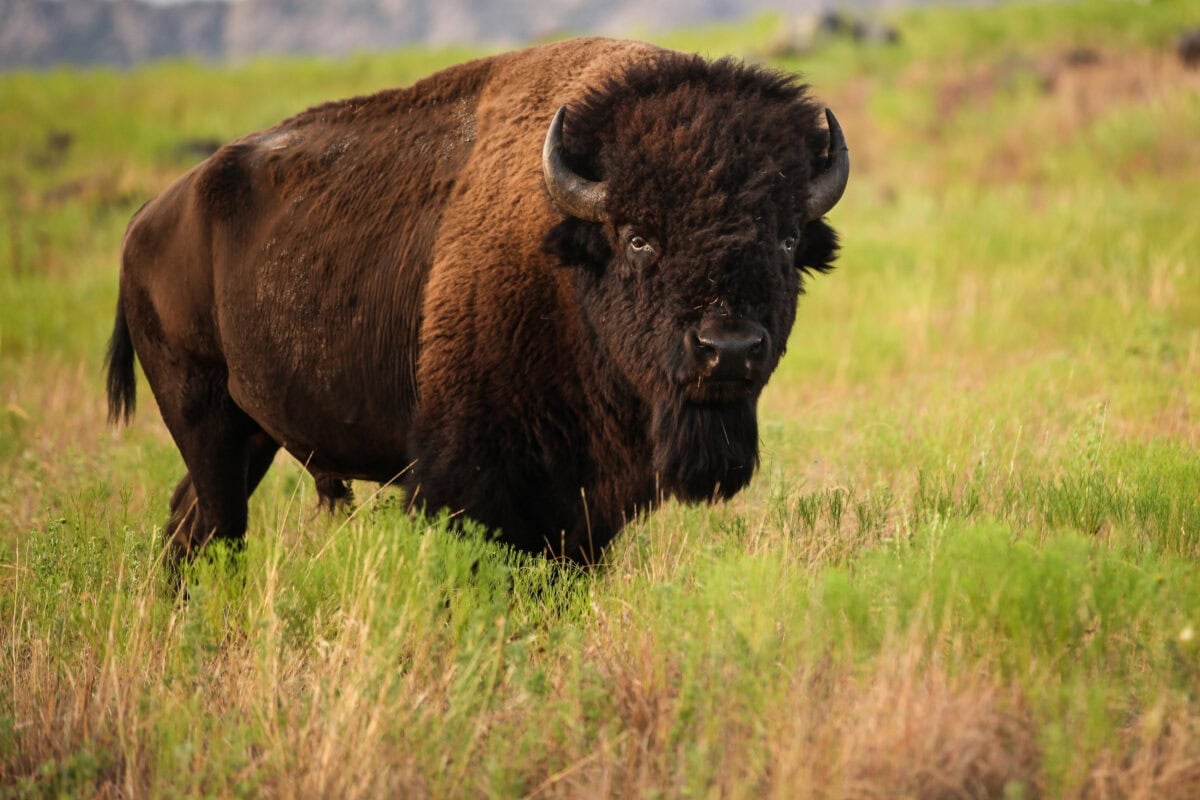
The American bison is far more than a symbol of the Great Plains—it is a living force that shaped, sustained, and continues to restore one of the world’s richest grassland ecosystems. From engineering diverse plant communities and nourishing soil life to influencing fire, water, and wildlife dynamics, bison created an intricate ecological web that has endured for millennia. Their presence was foundational not only to the land but to the lifeways and knowledge of Indigenous peoples who understood and respected their pivotal role. Though nearly driven to extinction, the bison’s story is also one of resilience and renewal. Modern conservation, Indigenous stewardship, and ecological research are rediscovering what the Plains once knew: that bison are not relics of the past, but vital architects of a thriving future. As we face ecological challenges in an era of biodiversity loss and climate change, restoring bison to their historic landscapes offers a model of coexistence, restoration, and hope. The thunder of their hooves may no longer echo across the continent, but where bison walk, the prairie breathes again.

As a little kid, I fell in love with nature, wildlife, and animals. Living in the USA, South Africa, Italy, China and Germany gave me the opportunity to discover the world's Wildlife. My favorite animals are Mountain Gorillas, Siberian Tigers, and Great White Sharks.
I'm a certified PADI Open Water Diver, went to Everest Base Camp and Trekked Gorillas in Uganda. I hold a Master of Science in Economics and Finance.
Please send any feedback to feedback@animalsaroundtheglobe.com
- 13 Reasons You Should not Approach a Wild Bison - July 19, 2026
- 14 Animals That Call Deserts Home - July 19, 2026
- The 11 Toughest Cat Breeds That Can Survive Anything - July 19, 2026