

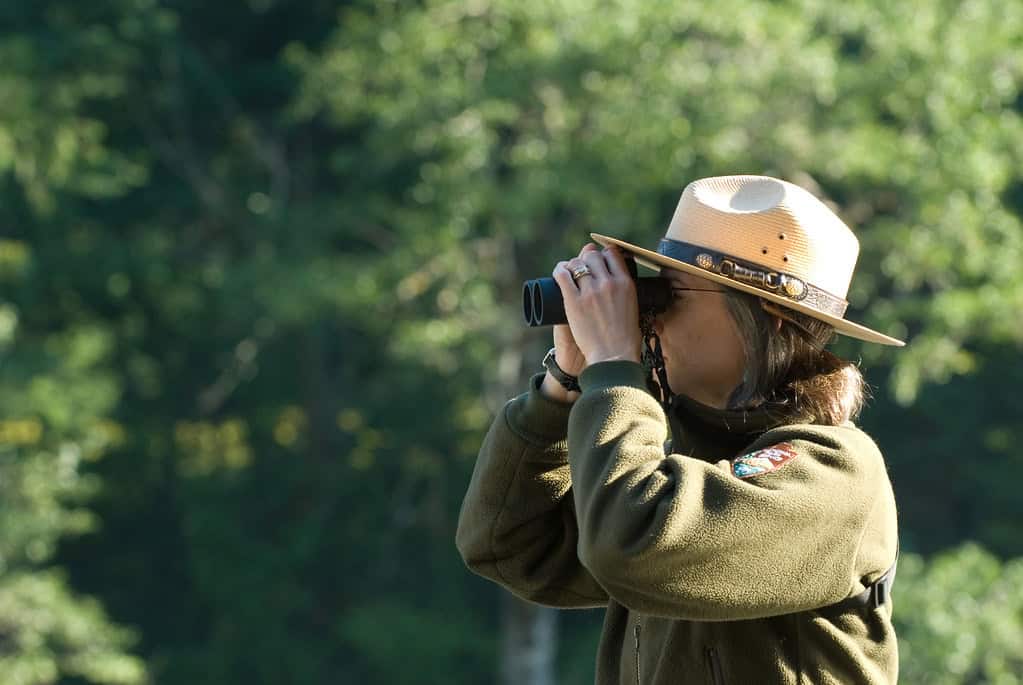
In a world increasingly dominated by screens and constant digital connectivity, a quiet revolution is taking place in parks, backyards, and wilderness areas across the globe. Birdwatching, once considered a pastime primarily for retirees or dedicated naturalists, has emerged as a powerful tool for mental health and well-being. This surge in popularity isn’t merely coincidental—it represents a fundamental shift in how people are seeking balance in their lives and reconnecting with the natural world. As rates of anxiety and depression continue to climb worldwide, particularly in the aftermath of the COVID-19 pandemic, many individuals are discovering that the simple act of observing birds can provide profound psychological benefits. This article explores how and why birdwatching is becoming a cornerstone of the mental health revolution, supported by scientific research, expert insights, and personal testimonials.
The Surprising Rise of Birdwatching

Birdwatching has experienced an unprecedented boom in recent years. According to the U.S. Fish and Wildlife Service, there are now over 45 million birdwatchers in the United States alone, a number that has grown significantly since 2020. The Cornell Lab of Ornithology reported that their bird identification app, Merlin, was downloaded more than 2 million times during the first year of the pandemic—a 102% increase over the previous year. This surge extends globally, with the Royal Society for the Protection of Birds in the UK noting a 70% increase in website traffic during lockdown periods. What’s particularly notable about this trend is the demographic shift—younger people between 18-34 are now the fastest-growing segment of new birders, transforming what was once viewed as a hobby for older generations into a mainstream wellness activity embraced across age groups.
The Science Behind Birds and Mental Wellness

The connection between birdwatching and improved mental health is more than anecdotal—it’s backed by substantial scientific research. A 2017 study published in BioScience found that people living in neighborhoods with more birds and trees reported lower levels of depression, anxiety, and stress. Researchers from the University of Exeter discovered that the abundance of bird species in an environment was positively associated with mental well-being, regardless of whether subjects lived in urban or rural settings. Even more compelling, a 2020 study in Ecological Applications revealed that hearing bird songs resulted in decreased stress hormones and improved reported mood in participants, with effects lasting hours after the listening experience ended. The scientific consensus points to the combination of sensory stimulation, mindful attention, and connection to natural rhythms as key factors in why birds have such a pronounced effect on our psychological state.
Mindfulness in Motion: Birdwatching as Meditation

At its core, birdwatching is an exercise in mindfulness—a practice increasingly prescribed by mental health professionals. Unlike traditional meditation, which some find challenging to maintain, birdwatching offers what psychologists call “attention restoration”—a gentle focusing of awareness that doesn’t require strenuous mental effort. When observing birds, enthusiasts enter a state of “soft fascination,” where attention is effortlessly engaged by the movements, colors, and sounds of avian life. Dr. Cynthia Easterlin, clinical psychologist and author of “Nature Therapy,” explains: “Birdwatching requires presence. You can’t spot a warbler while ruminating about work problems or scrolling through social media. This natural redirection of attention from internal worries to external beauty is profoundly therapeutic.” This quality makes birdwatching particularly beneficial for those with anxiety disorders or attention difficulties, as it provides structured focus without triggering the performance pressure that can accompany formal meditation practices.
Accessibility: The Democratic Appeal of Birding
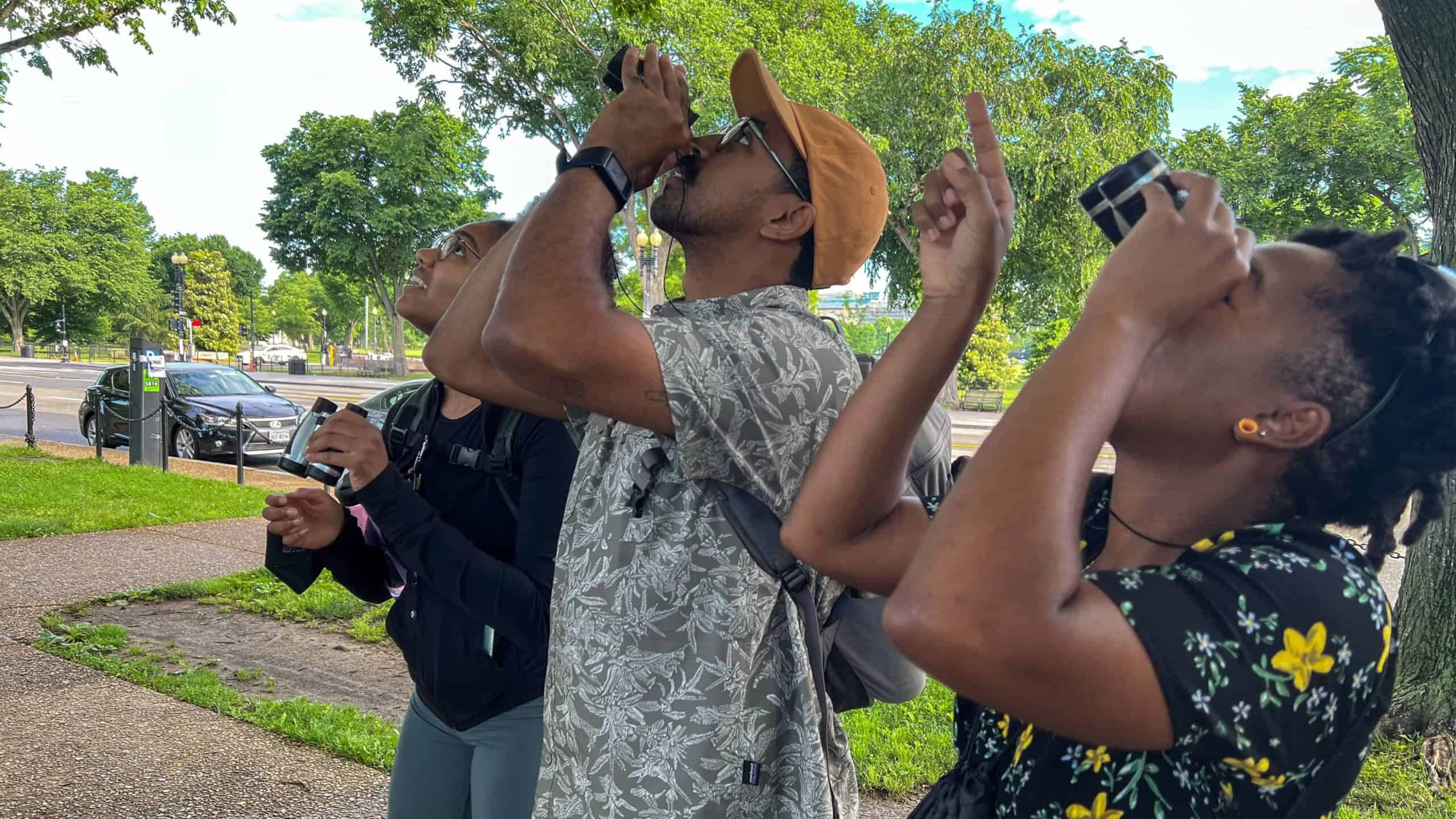
One of birdwatching’s greatest strengths as a mental health intervention is its remarkable accessibility. Unlike many wellness trends that require expensive equipment, specialized venues, or physical prowess, birdwatching can be practiced virtually anywhere, by almost anyone, at minimal cost. Birds inhabit every continent and ecosystem, from urban centers to remote wilderness. Window birding allows even those with mobility limitations to participate from home. The financial barrier to entry is low—while enthusiasts may eventually invest in binoculars or field guides, beginners need nothing more than their eyes and ears. This democratization of nature therapy is particularly important in addressing mental health disparities across socioeconomic groups. Community programs like the Urban Bird Alliance specifically target underserved neighborhoods, bringing the benefits of birdwatching to populations that have historically had less access to both mental health resources and natural spaces.
Social Connection Through Shared Observation

The social dimension of birdwatching provides another layer of mental health benefits. While it can be enjoyed in solitude, birding also fosters community through bird walks, local Audubon chapters, online forums, and citizen science projects. These connections address the epidemic of loneliness affecting modern society—a condition linked to increased risks of depression, anxiety, and even physical health problems. A 2021 survey by the American Birding Association found that 68% of respondents reported making meaningful friendships through birding activities. What makes these social connections unique is their cross-generational and cross-cultural nature. Birding groups often include diverse participants united by a common interest rather than demographic similarities. Additionally, the shared experience of witnessing something remarkable—like a rare species or dramatic migratory flock—creates what sociologists call “collective effervescence,” a shared emotional uplift that strengthens social bonds and contributes to a sense of belonging.
The Biophilia Hypothesis: Why Birds Matter
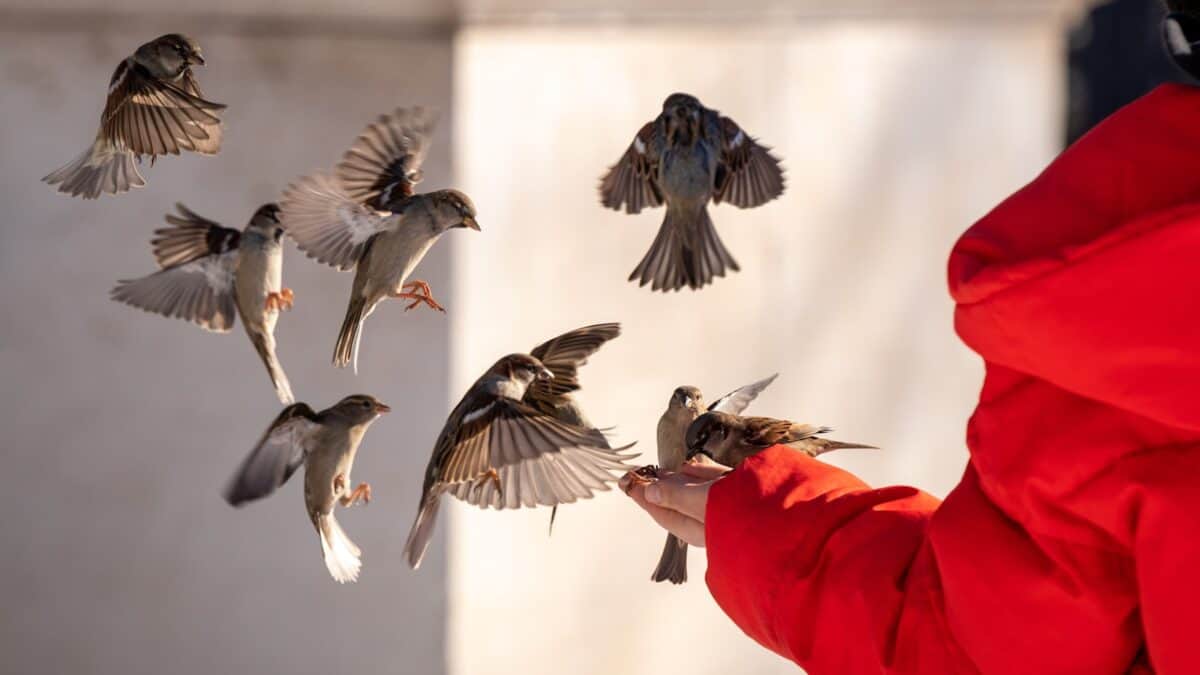
The profound impact birds have on human psychology may be explained by the biophilia hypothesis, proposed by biologist E.O. Wilson, which suggests humans possess an innate tendency to seek connections with nature and other forms of life. Birds hold a special place in this connection for several reasons. Their flight represents freedom—a powerful psychological metaphor. Their songs have evolved specifically to be detected by other creatures, making them particularly salient to human attention. Their diversity—over 10,000 species worldwide—provides endless opportunity for discovery and learning. Dr. Richard Louv, author of “Last Child in the Woods” and originator of the term “nature-deficit disorder,” explains: “Birds are wildlife ambassadors. They’re often the most visible and audible connection to the natural world, especially in urban environments where other wildlife may be scarce. They serve as living reminders that we share our spaces with wild creatures, bridging the growing gap between humans and nature that contributes to various psychological distresses.”
Birdwatching in Clinical Practice

The therapeutic potential of birdwatching has gained recognition in formal mental health settings. An increasing number of psychologists and psychiatrists are incorporating “avian therapy” into treatment plans for conditions ranging from depression and anxiety to PTSD and addiction recovery. The Veterans Bird Alliance, a program serving military veterans with PTSD, reports that 84% of participants experienced significant symptom reduction after six months of regular birding activities. At McLean Hospital, a Harvard Medical School affiliate, clinicians in the substance abuse program now include weekly bird walks as part of their holistic recovery approach. Dr. Marina Sanchez, a psychiatrist who specializes in nature-based interventions, notes: “The beauty of prescribing birdwatching is that patients continue the practice after formal treatment ends. Unlike medication, which patients may discontinue, or therapy techniques they might neglect, birdwatching often becomes a lifelong pursuit that continues to yield benefits.” This sustainability factor makes birdwatching particularly valuable in long-term mental health management strategies.
Digital Detox: Birds as Antidote to Screen Time

The average American now spends over 7 hours daily on digital devices, a figure that has increased by 45% since 2010. This constant connectivity correlates with rising rates of anxiety, depression, and attention disorders. Birdwatching offers a compelling counterbalance to this digital immersion. Unlike many outdoor activities that have been “gamified” through apps and tracking devices, the core experience of birdwatching remains resolutely analog—it requires presence in the physical world, engaging with real creatures in real time. Interestingly, while technology has enhanced accessibility to birding through identification apps and online communities, the fundamental activity pulls participants away from screens and into natural settings. This paradoxical relationship with technology represents what researchers call “healthy tech use”—employing digital tools to facilitate rather than replace real-world experiences. The pattern of birding participation also suggests it may serve as a “gateway activity” that leads to broader nature engagement, with a 2022 survey finding that 73% of new birders reported increased participation in other outdoor activities after developing an interest in birds.
Pandemic Perspectives: The COVID-19 Birding Boom

The COVID-19 pandemic created a perfect storm for birdwatching’s emergence as a mental health tool. With gyms closed, social gatherings limited, and anxiety levels soaring, millions discovered birds as a safe, accessible source of comfort and distraction. The Cornell Lab of Ornithology’s eBird platform, which allows users to log bird sightings, reported a 37% increase in participation during 2020. This wasn’t merely a temporary diversion—follow-up surveys indicate that 76% of those who began birdwatching during the pandemic have continued the practice. The psychological impact was significant: a study in the Journal of Environmental Psychology found that participants who engaged in daily birdwatching during lockdown periods showed greater resilience to pandemic-related stress than non-birders. Dr. Thomas Reynolds, a psychologist specializing in crisis response, observed: “The predictable patterns of bird behavior—migration, nesting, territorial displays—provided a sense of normalcy and continuity during a time when human systems seemed to be breaking down. Birds became symbols of resilience, carrying on with their ancient rhythms despite human disruption.”
The Conservation Connection: Healing Planet and Mind

An often overlooked benefit of the birdwatching boom is its potential impact on conservation efforts. Psychological research consistently shows that people protect what they value, and birding creates powerful emotional connections to avian species and their habitats. The American Bird Conservancy reports that individuals who engage in regular birdwatching are three times more likely to participate in conservation activities and contribute financially to environmental causes. This creates a virtuous cycle: birdwatching improves mental health, which in turn motivates habitat protection, ensuring future generations can experience the same psychological benefits. Organizations like the National Audubon Society have leveraged this connection by explicitly linking conservation messaging with mental wellness benefits. This approach represents what environmental psychologists call “co-benefits framing”—highlighting how actions that benefit the environment simultaneously improve human well-being, a powerful motivator for sustainable behavior change.
Getting Started: From Novice to Nature Connection

For those interested in exploring birdwatching as a mental wellness practice, the entry path is remarkably straightforward. Begin with backyard or neighborhood observation—simply noticing the birds that already share your immediate environment. Free mobile apps like Merlin Bird ID or eBird can help identify species through visual or audio recognition. Local Audubon chapters offer beginner bird walks led by experienced guides, providing both instruction and community. Start with comfortable time increments—even 15 minutes of focused bird observation can provide psychological benefits. Equipment needs are minimal: while binoculars enhance the experience, they’re not essential for beginners. Consider keeping a journal of sightings and observations, which adds a reflective dimension that can deepen the psychological benefits. Most importantly, approach the activity without performance pressure—birdwatching isn’t about tallying the most species or spotting rarities; it’s about cultivating attention and connection. As you develop the “birder’s eye,” you’ll likely notice that the birds were always there—it was your awareness that changed.
Future Directions: Where Birds and Mental Health Meet

As recognition of birdwatching’s psychological benefits grows, new applications and research directions are emerging. Several major health insurers now offer premium discounts for members who document regular nature engagement, including birdwatching. Urban planners are incorporating “bird-friendly design” in developments, recognizing that avian-rich environments contribute to community mental health. Educational institutions from elementary schools to universities are developing “campus bird curricula” that use birdwatching to teach not only biology but also mindfulness and attention skills. Research initiatives like the Global Urban Birding Project are gathering data across six continents to better understand how cultural factors influence the psychological benefits of bird observation. Perhaps most promising is the growing collaboration between ornithologists and neuroscientists using advanced imaging techniques to map brain activity during birdwatching, potentially revealing new insights about attention, pleasure response, and stress reduction mechanisms. As mental health continues to claim priority in public health discussions, birdwatching’s role as both preventative measure and therapeutic intervention will likely expand.
The emergence of birdwatching as a cornerstone of mental wellness represents more than a passing trend—it signifies a profound shift in how we understand the relationship between nature connection and psychological health. While pharmaceutical interventions and traditional therapy retain their importance, the birdwatching phenomenon reminds us that some of the most effective mental health tools may be found in the ancient human practices of observation, wonder, and attunement to the natural world. As society continues to navigate the challenges of digital overwhelm, social isolation, and environmental degradation, the simple act of watching birds offers a multifaceted remedy that is accessible, sustainable, and deeply nourishing to the human spirit. Whether practiced as a casual hobby or intentional therapy, birdwatching invites us to lift our gaze, expand our awareness, and rediscover our place in the living world—a prescription for well-being as old as humanity itself, yet perfectly suited to the challenges of modern life.

- Why Koalas Rarely Drink Water—And What’s Changing That - July 26, 2026
- Balancing Growth and Conservation: Can We Share the Planet? - July 25, 2026
- Tips for Wildlife-Safe Composting in Your Garden - July 25, 2026