


The United States, with its diverse ecosystems spanning from arctic tundra to subtropical wetlands, offers wildlife experiences found nowhere else on Earth. From the towering grizzlies of Alaska to the tiny Key deer of Florida, America’s unique geography and conservation efforts have preserved habitats where remarkable creatures continue to thrive. For wildlife enthusiasts and casual observers alike, these distinctly American animal encounters provide windows into the country’s natural heritage and biodiversity. This article explores fifteen exceptional wildlife experiences that can only be had within U.S. borders, highlighting both iconic and lesser-known species that make American wilderness truly special.
15. Witnessing the Alligator Spectacle at Everglades National Park

The Everglades ecosystem represents the only place on Earth where alligators and crocodiles naturally coexist. Nowhere else can you experience the remarkable sight of dozens of American alligators basking together along the Anhinga Trail during the dry season. As water levels recede between December and April, these prehistoric-looking reptiles congregate in remaining pools, creating an incredible wildlife spectacle unique to South Florida. The experience is enhanced by the Everglades’ distinct landscape of sawgrass marshes and mangrove forests that stretch as far as the eye can see. Visitors can safely observe these magnificent creatures from elevated boardwalks while naturalists explain their crucial ecological role in this delicate ecosystem that exists nowhere else on the planet.
14. Encountering Wild Bison in Yellowstone National Park

Yellowstone National Park harbors the oldest and largest public bison herd in the United States, representing a living connection to prehistoric America. These massive mammals—weighing up to 2,000 pounds—roam freely across the park’s valleys and thermal areas, creating scenes that have remained largely unchanged for thousands of years. What makes this wildlife encounter truly unique is the bison’s integration with Yellowstone’s geothermal landscape; witnessing these shaggy giants trudging through billowing steam vents and hot springs creates an almost primordial tableau. This population descends directly from just 23 wild bison that survived the mass slaughter of the late 1800s, making them a living testament to one of America’s most successful conservation stories. The Lamar and Hayden Valleys offer the best opportunities for responsible viewing of these magnificent animals in their natural habitat.
13. Swimming with Manatees in Crystal River, Florida

Crystal River, Florida provides the only legal opportunity in the United States to swim alongside endangered West Indian manatees in their natural habitat. Between November and March, hundreds of these gentle, curious marine mammals migrate to the constant 72-degree springs to escape colder coastal waters. Unlike other wildlife encounters that require distance, Crystal River’s unique regulations allow respectful in-water observation of these federally protected species. The experience of floating quietly while a 1,000-pound manatee approaches to investigate creates an unforgettable connection with these endangered creatures. The crystal-clear spring waters provide exceptional visibility, allowing swimmers to observe the manatees’ graceful movements, wrinkled skin, and peaceful demeanor up lose. Strict guidelines ensure these interactions remain safe for both visitors and manatees, including a “look, don’t touch” policy that protects these vulnerable animals.
12. Witnessing the Monarch Butterfly Migration in California

Each autumn, western monarch butterflies embark on an extraordinary migration to specific groves along the California coast, particularly at sites like Pacific Grove and Pismo Beach. Unlike their eastern counterparts that winter in Mexico, these western monarchs create a uniquely American spectacle when thousands cluster together on eucalyptus and pine trees, transforming branches into living curtains of orange and black. This remarkable aggregation occurs nowhere else in quite the same way, with some trees hosting tens of thousands of butterflies in dense colonies. The western monarch population has faced severe declines, making this increasingly rare phenomenon even more precious to witness. Visitors can observe this breathtaking display from November through February, when the butterflies’ wings occasionally flutter open simultaneously, creating a rippling wave of color through the colony. Local “butterfly docents” provide telescopes and educational talks that enhance the experience of witnessing this delicate yet resilient species.
11. Tracking Wild Wolves in Yellowstone’s Lamar Valley
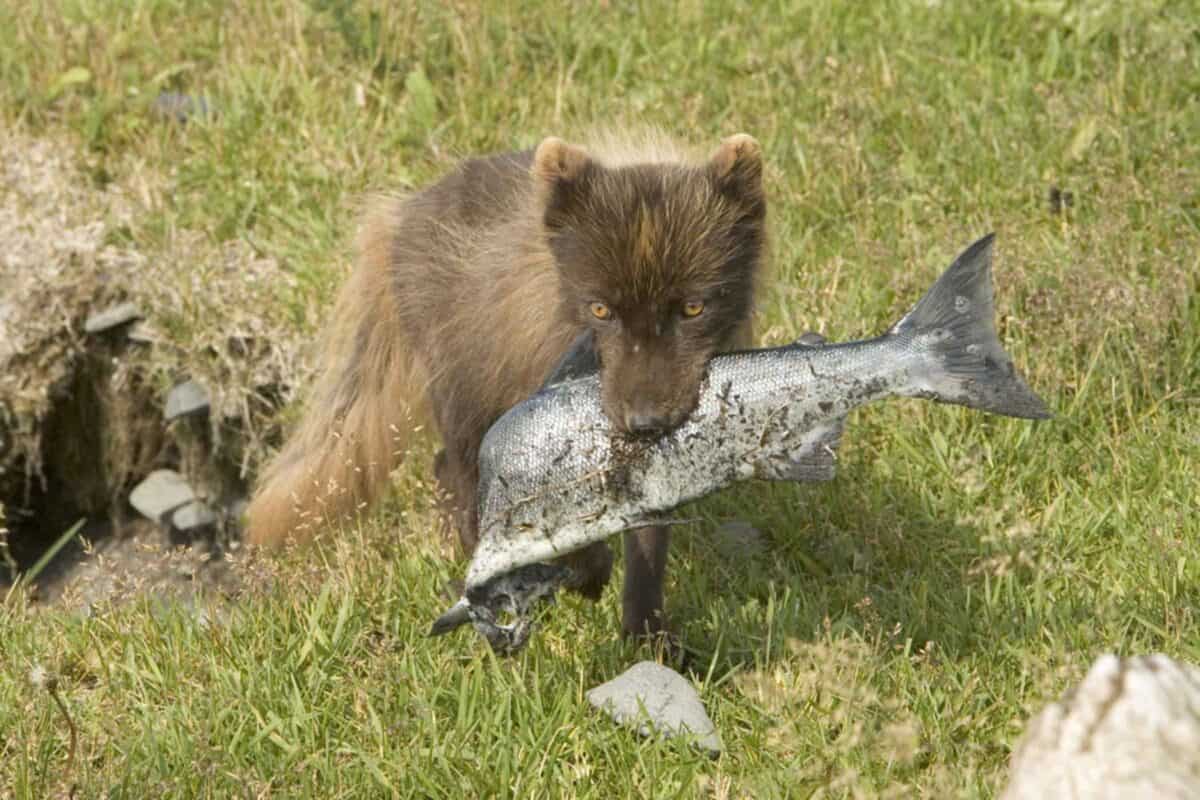
Yellowstone’s Lamar Valley offers the most accessible and reliable wolf watching opportunity in the lower 48 states. Following their reintroduction in 1995 after a 70-year absence, Yellowstone’s wolves have reestablished themselves in this stunning landscape often called “America’s Serengeti.” The valley’s open terrain provides unparalleled opportunities to observe multiple wolf packs engaging in natural behaviors, from hunting and territorial displays to pup-rearing during spring and summer months. What makes this experience distinctive is the presence of dedicated wolf watchers and researchers who set up high-powered spotting scopes and freely share their knowledge with visitors. Many observers develop connections with specific packs, following their complex social dynamics across seasons and years. Dawn and dusk offer the best viewing opportunities, when wolves are most active against the backdrop of Yellowstone’s stunning mountain landscape. This wildlife encounter represents one of North America’s greatest conservation comeback stories.
10. Observing Sea Turtle Nesting on Florida’s East Coast

Florida’s Atlantic coastline hosts the largest aggregation of nesting loggerhead sea turtles in the Western Hemisphere, with additional visits from green, leatherback, and occasionally Kemp’s ridley sea turtles. Between May and October, female turtles that have navigated thousands of miles of ocean return to these specific beaches to lay their eggs, continuing a ritual unchanged for millions of years. What makes this wildlife encounter special is the combination of conservation and public education—several locations like the Archie Carr National Wildlife Refuge offer guided nighttime turtle walks led by permitted naturalists. Visitors can witness the remarkable sight of a 300-pound loggerhead laboriously digging her nest, depositing approximately 100 ping-pong-sized eggs, and disguising the site before returning to the sea. Later in the season, hatchling emergence presents another extraordinary spectacle as tiny turtles scramble toward the moonlit ocean. The experience connects observers to ancient natural cycles while highlighting ongoing conservation challenges facing these endangered marine reptiles.
9. Marveling at Synchronous Fireflies in Great Smoky Mountains
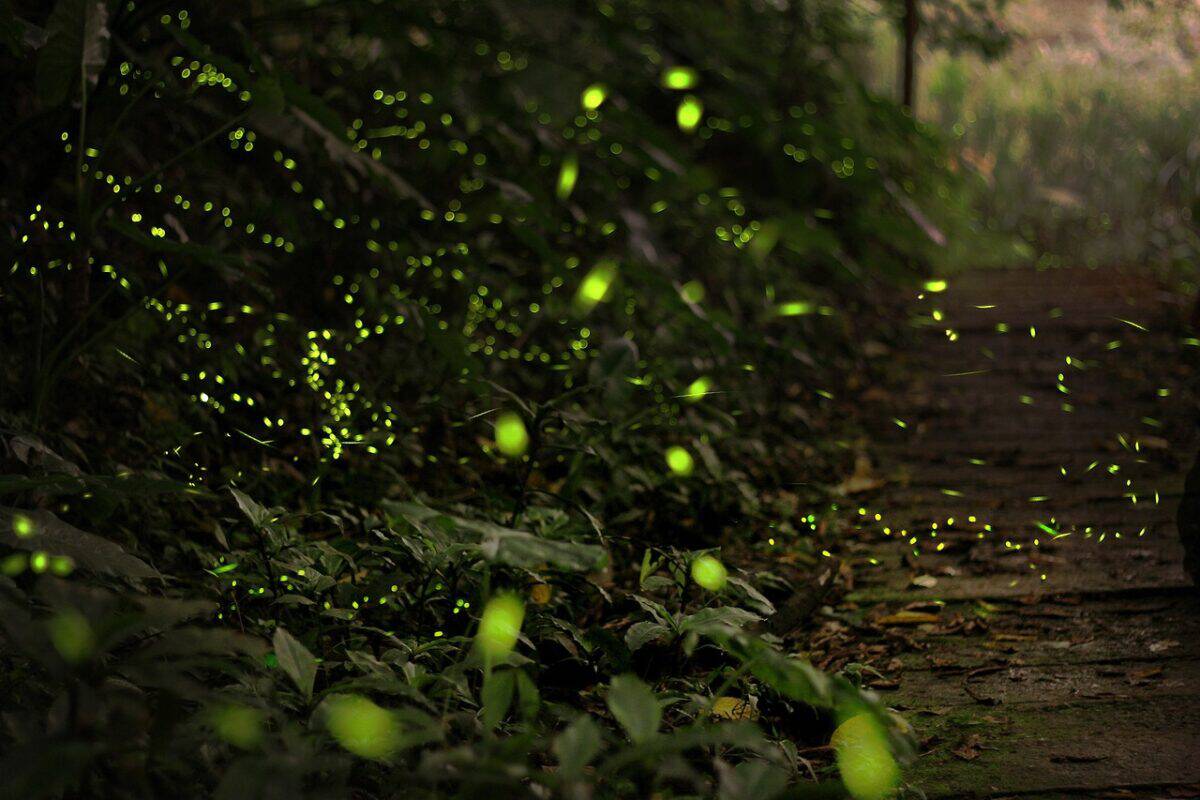
For approximately two weeks each late spring, the forests of Great Smoky Mountains National Park host one of nature’s most magical displays: the synchronous mating ritual of Photinus carolinus fireflies. Unlike common fireflies that flash randomly, these special insects blink in perfect unison, creating waves of light that ripple through the dark forest. This rare phenomenon occurs in only a handful of places worldwide, with the Smokies hosting the largest and most accessible population in the Western Hemisphere. The experience of standing in Elkmont’s old-growth forest as thousands of fireflies simultaneously illuminate the understory creates an ethereal atmosphere that feels more fantasy than reality. The display has become so popular that the National Park Service now operates a lottery system for the limited viewing permits available during the peak synchronization period, typically in late May or early June. Scientists still don’t fully understand how these tiny beetles coordinate their flashing without a conductor, making the experience both scientifically fascinating and aesthetically spellbinding.
8. Encountering Kodiak Bears in Alaska
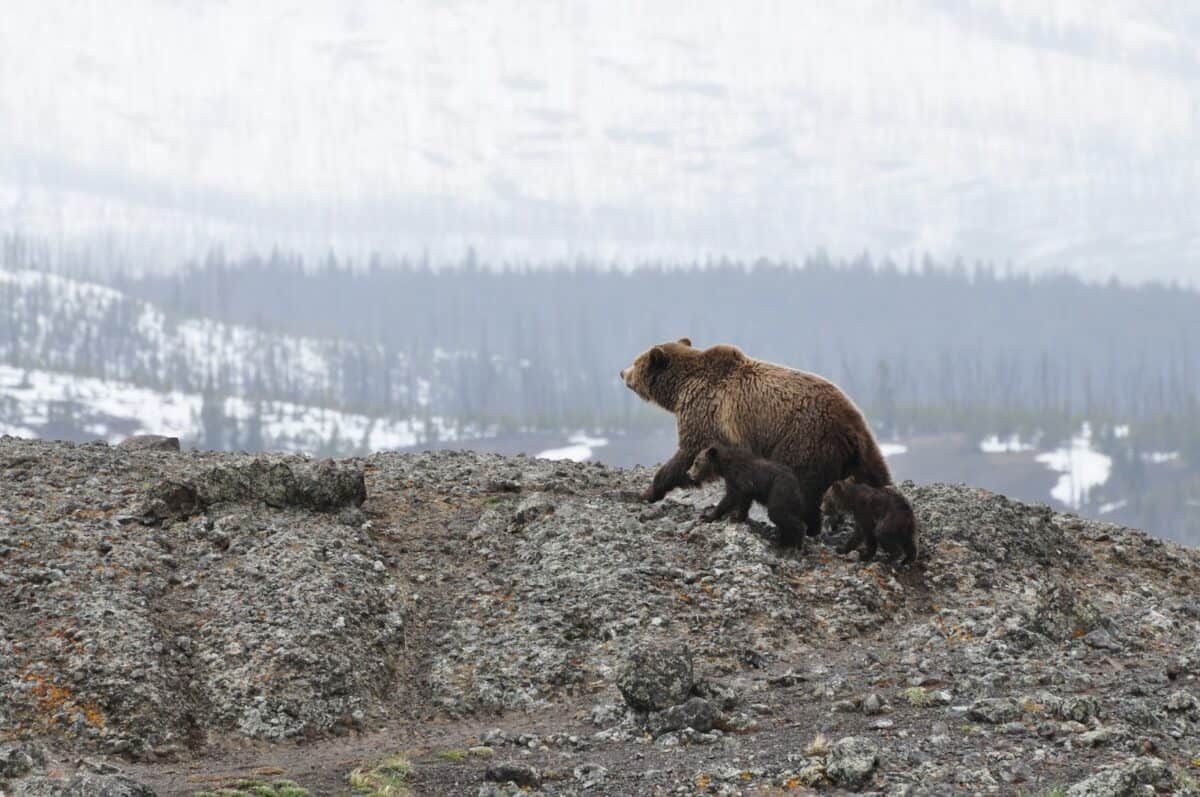
The Kodiak Archipelago in Alaska is home to the largest bears on Earth—the Kodiak brown bear, a distinct subspecies that evolved in isolation for over 12,000 years. Males can weigh over 1,500 pounds and stand 10 feet tall, dwarfing their mainland relatives. What makes this wildlife encounter unique is the opportunity to safely observe these magnificent predators in high concentrations during the summer salmon runs at places like Frazer Lake and the Thumb River. Visitors can watch as these massive bears demonstrate surprising dexterity while catching leaping salmon midair or teaching cubs the art of fishing. The Kodiak National Wildlife Refuge offers guided viewing experiences where visitors can watch dozens of bears feeding simultaneously along river corridors—a density of large carnivores unmatched anywhere else in the United States. The island’s pristine wilderness setting, without roads connecting to viewing areas, ensures an authentic wilderness experience that connects observers to the raw power and majesty of America’s apex predators.
7. Spotting Endangered Key Deer in the Florida Keys
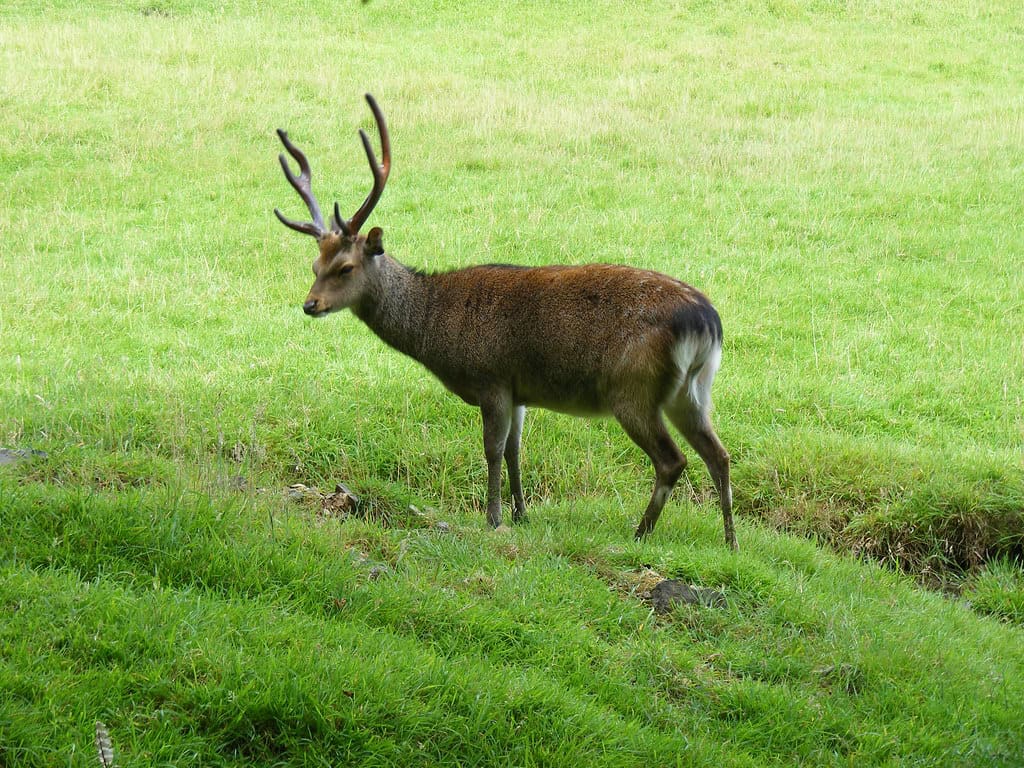
The diminutive Key deer, standing just 24-32 inches tall at the shoulder, represents one of America’s most remarkable examples of island dwarfism and exists nowhere else on Earth except the Lower Florida Keys. These miniature white-tailed deer evolved in isolation on these islands, resulting in a subspecies approximately the size of a large dog. The National Key Deer Refuge on Big Pine Key offers the only opportunity to observe these endangered deer in their natural habitat of tropical hardwood hammocks and mangrove forests. What makes this wildlife encounter special is both the deer’s remarkable adaptations—including the ability to drink slightly salty water—and their precarious conservation status, with fewer than 1,000 individuals remaining. Dawn and dusk provide the best viewing opportunities as these gentle creatures browse along roadsides and residential areas of No Name Key and Big Pine Key. Their trusting nature around humans makes for intimate wildlife encounters, though visitors must resist the illegal temptation to feed these protected animals.
6. Watching Prairie Chicken Mating Displays in the Great Plains

Each spring across remnant patches of native tallgrass prairie, male greater prairie chickens gather before dawn on traditional display grounds called leks to perform one of North America’s most spectacular avian mating rituals. Males inflate bright orange air sacs on their necks, stamp their feet rapidly, and emit haunting, booming calls that can carry for miles across the open grasslands. This mesmerizing performance represents a living connection to the vanished sea of grass that once covered the American heartland. The Flint Hills of Kansas and the Sandhills of Nebraska offer dedicated viewing blinds where visitors can witness this remarkable display without disturbing the birds. What makes this experience unique is its ephemeral nature—the displays occur only for a few hours around sunrise during a brief window in April and May. The ritual has remained essentially unchanged for thousands of years, though the birds now perform on a drastically reduced stage, with less than 4% of America’s original tallgrass prairie remaining intact. Witnessing this ancient avian spectacle provides insight into both the natural and cultural heritage of America’s prairie ecosystem.
5. Diving with Hammerhead Sharks at Cocos Island

While technically part of American Samoa, the remote waters around Rose Atoll Marine National Monument offer a truly exceptional wildlife encounter found nowhere else under the U.S. flag. Here, divers can witness massive aggregations of scalloped hammerhead sharks—sometimes numbering in the hundreds—as they gather in the nutrient-rich waters of this protected marine sanctuary. What makes this experience unique is not just the sheer number of these distinctive predators but also the pristine condition of the surrounding coral reef ecosystems. The hammer-shaped head (cephalofoil) of these sharks represents one of nature’s most unusual adaptations, providing enhanced sensory capabilities and maneuverability. Conservation efforts have made this remote location one of the few places where these vulnerable sharks can be reliably observed in large numbers, creating a powerful argument for marine protection. The logistical challenges of reaching this distant outpost of American territory—requiring specialized dive boats and experienced guides—only enhances the exclusivity of this remarkable underwater wildlife encounter.
4. Experiencing the Sandhill Crane Migration in Nebraska
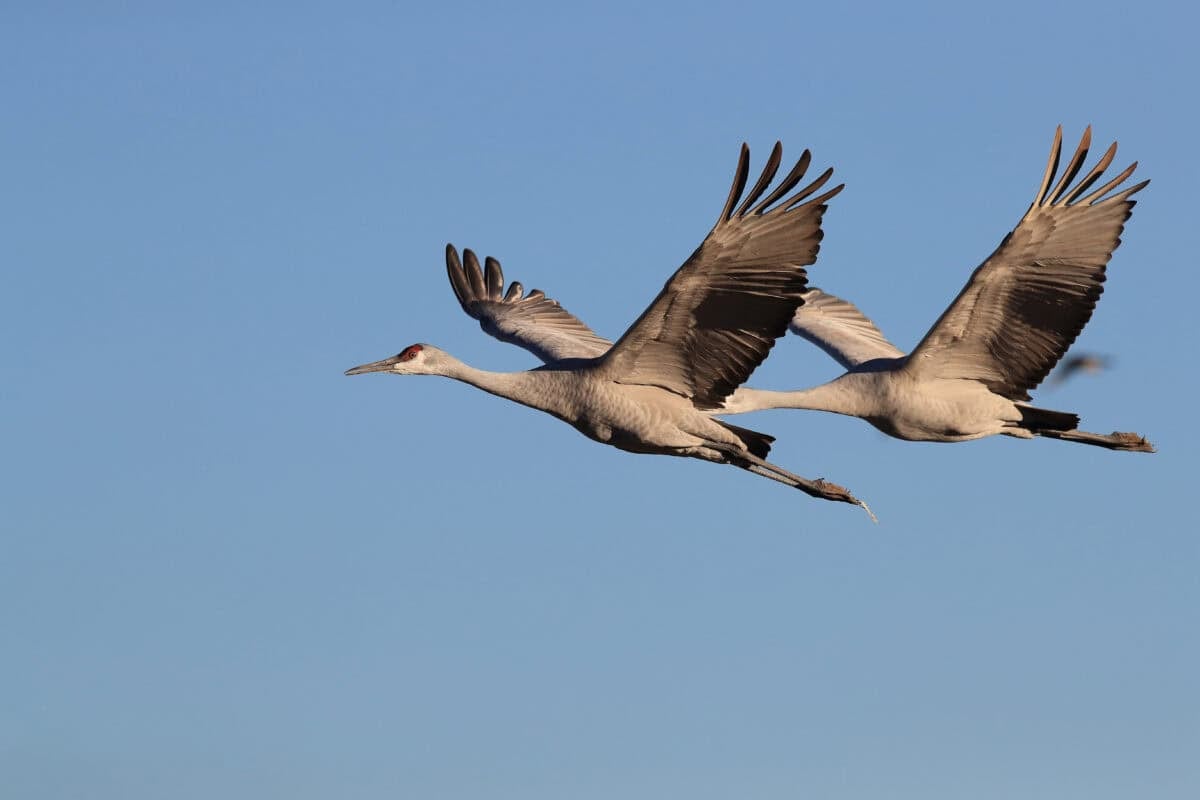
Each spring, approximately 80% of the world’s sandhill crane population—over 600,000 birds—converges on Nebraska’s Platte River Valley, creating the largest crane gathering on Earth. This spectacle has occurred for millions of years, with the ancient birds using this critical stopover to rest and refuel during their northward migration. What makes this wildlife encounter extraordinary is both its scale and accessibility; specially designed viewing blinds along the Platte River provide intimate observation opportunities as thousands of these elegant gray birds with crimson caps return each evening to roost in the shallow river. The experience engages all senses—the cacophony of thousands of trumpeting calls, the sight of endless birds arriving in family groups against the sunset, and the feeling of connecting with a migratory tradition that predates human civilization. Morning viewings offer equally remarkable scenes as the birds depart in massive groups to feed in surrounding agricultural fields. This congregation represents one of North America’s greatest wildlife spectacles and offers a powerful example of successful conservation partnerships between farmers, conservationists, and tourism stakeholders.
3. Glimpsing Desert Bighorn Sheep in the Grand Canyon
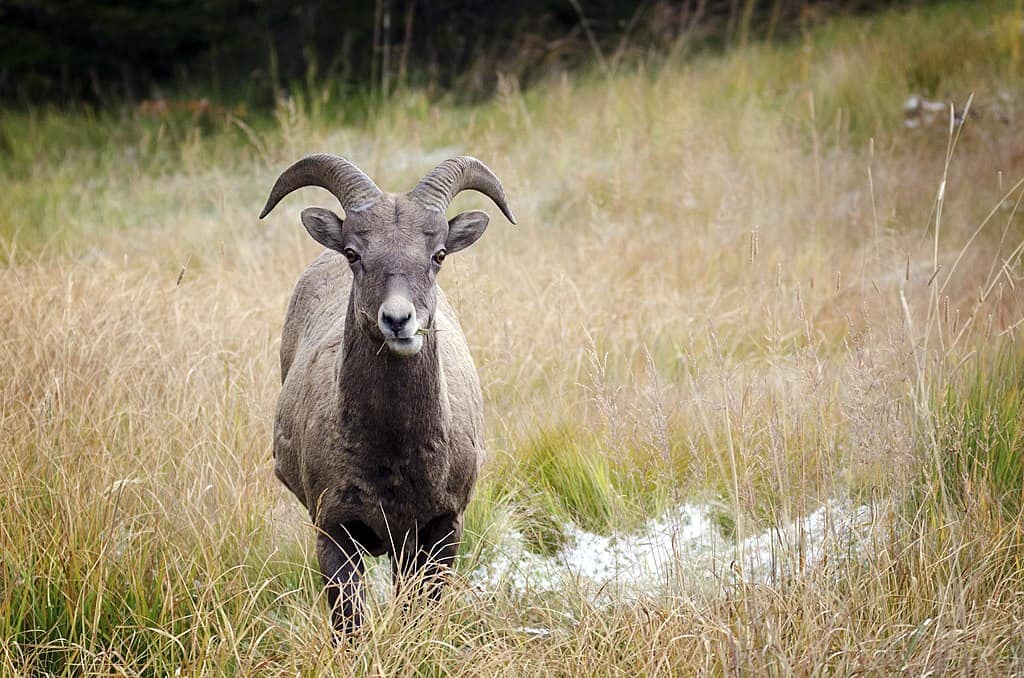
The rugged inner gorge of the Grand Canyon provides one of the best opportunities to observe desert bighorn sheep in their natural habitat. These magnificent mammals have evolved remarkable adaptations for navigating nearly vertical cliff faces, with specialized hooves that can find purchase on ledges barely an inch wide. What makes this wildlife encounter special is the dramatic backdrop—watching these agile creatures traverse precipitous terrain with casual confidence against the canyon’s multi-hued geological layers creates a quintessentially American scene. Unlike their mountain cousins, desert bighorns have adapted to survive extreme heat and limited water sources, making them true icons of southwestern wilderness. The Bright Angel and South Kaibab trails offer the best viewing opportunities, particularly during the fall rutting season when males engage in spectacular head-butting contests that echo through the canyon. The population’s recovery from near-extinction represents an important conservation success story, with approximately 600 sheep now inhabiting the park after disease and hunting had reduced their numbers to precarious levels by the early 20th century.
2. Witnessing the Bat Emergence at Carlsbad Caverns
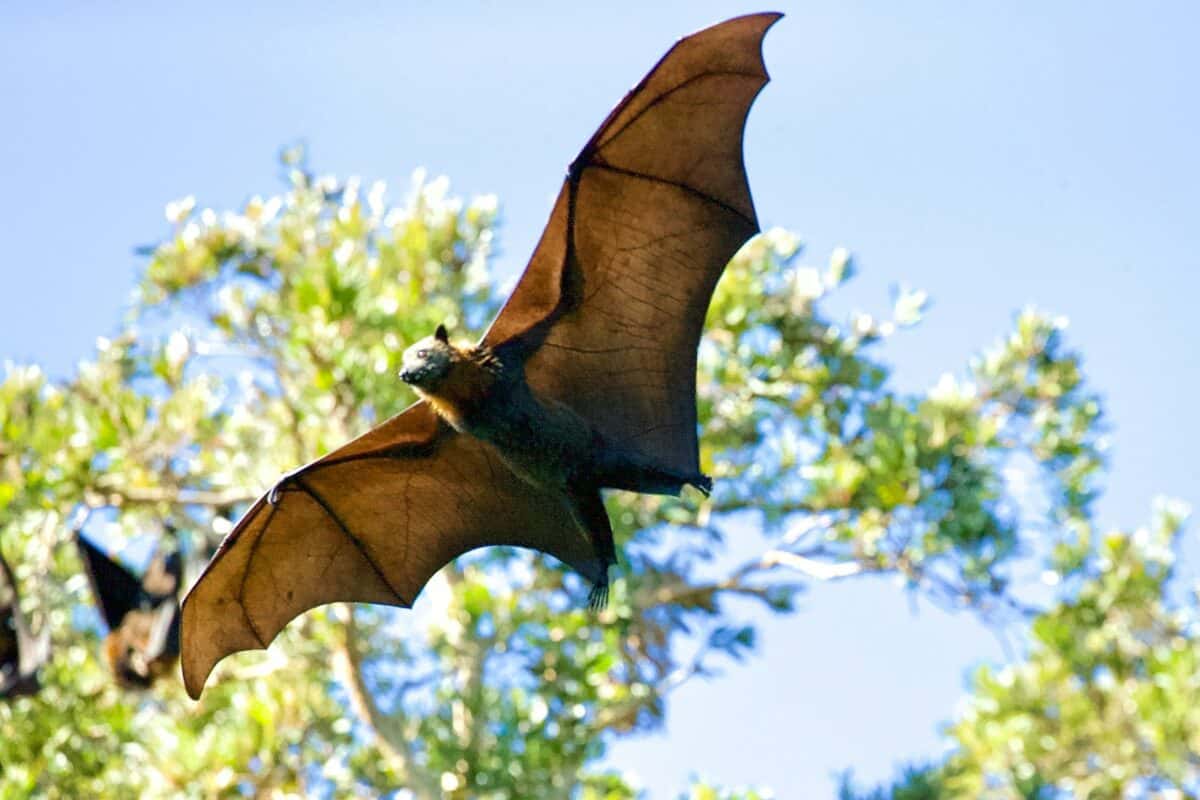
Each summer evening at Carlsbad Caverns National Park in New Mexico, visitors gather at the natural entrance to witness one of North America’s most remarkable wildlife spectacles: the emergence of approximately 400,000 Brazilian free-tailed bats from their daytime roost. The bats spiral upward in a living tornado of wings before dispersing across the desert to consume tons of insects during their nightly hunts. What makes this experience unique is the combination of scale, setting, and sound—the soft flutter of countless wings creates a gentle whooshing noise as the column of bats streams continuously from the cave mouth for up to three hours. The emergence occurs against the backdrop of the Chihuahuan Desert’s stunning sunset, with rangers providing informative programs about the bats’ crucial ecological role and remarkable navigational abilities. These particular bats migrate annually between Mexico and the United States, with pregnant females traveling to Carlsbad specifically to give birth and raise their pups in the cave’s protected environment. This wildlife encounter connects visitors to both the visible and invisible aspects of America’s natural heritage—the seen (bats) and unseen (caves) wonders that form complete ecosystems.
1. Observing Wild Polar Bears in Alaska

The remote village of Kaktovik on Alaska’s Barter Island offers the only opportunity within the United States to reliably observe wild polar bears in their natural habitat. Each autumn, as Arctic sea ice recedes, dozens of these magnificent predators gather along the Beaufort Sea coastline to feed on subsistence whale remains while waiting for the ocean to freeze. Indigenous-led boat tours provide responsible viewing opportunities as bears patrol the shoreline, interact with each other, and occasionally demonstrate their swimming prowess. What makes this wildlife encounter extraordinary is witnessing the world’s largest land carnivores against the backdrop of America’s last great wilderness. The experience connects visitors to both urgent conservation challenges—as climate change threatens polar bear habitat—and to the cultural traditions of Alaska Native communities who have coexisted with these powerful animals for thousands of years. The limited visitor capacity (fewer than 1,000 people annually) and the extreme remoteness of the location ensure an authentic Arctic experience found nowhere else in the United States. This represents one of North America’s most exclusive wildlife viewing opportunities, requiring advance planning and a willingness to travel to the northernmost reaches of the continent.
Conclusion: America’s Unique Wildlife Heritage

The fifteen wildlife encounters described above represent more than just opportunities to view fascinating animals—they are windows into America’s rich ecological heritage and conservation journey. From the successful reintroduction of wolves to Yellowstone to the ongoing protection of manatee habitats in Florida, each experience showcases the delicate balance between human activity and wildlife preservation. These uniquely American wildlife encounters remind us that despite centuries of development and habitat loss, remarkable biodiversity persists across the country’s varied landscapes.

As a little kid, I fell in love with nature, wildlife, and animals. Living in the USA, South Africa, Italy, China and Germany gave me the opportunity to discover the world's Wildlife. My favorite animals are Mountain Gorillas, Siberian Tigers, and Great White Sharks.
I'm a certified PADI Open Water Diver, went to Everest Base Camp and Trekked Gorillas in Uganda. I hold a Master of Science in Economics and Finance.
Please send any feedback to feedback@animalsaroundtheglobe.com
- 13 Birds That Migrate Thousands of Miles Without Rest - July 22, 2026
- 10 Most Unique Reptiles You will See in the US - July 21, 2026
- 3 Dangerous Invasive Species the USA Must Eradicate - July 21, 2026